 Spotify
 Apple Podcasts
 Podcast Addict
 Overcast
 Podcast RSS
SpaceX scrubs Vandenberg launch of national security payload, targets backup window on Wednesday
Original Publication Date: 2026-09-15 21:29
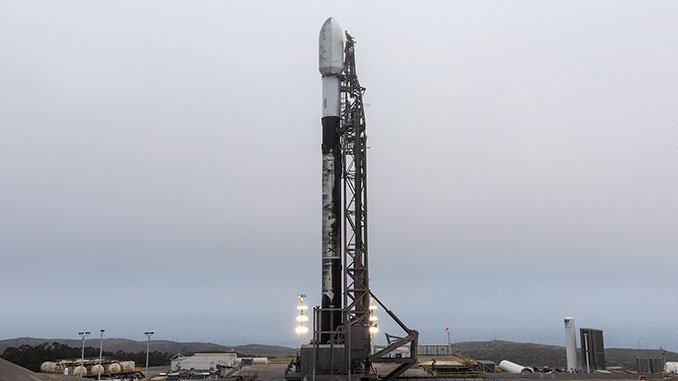
SpaceX is set to launch its third U.S. Space Force mission, USSF‑259, from Vandenberg Space Force Base on Wednesday night after a Tuesday scrub. The Falcon 9, carrying a classified payload into a low‑Earth orbit at 80° inclination, will launch at 6 p.m. PDT and aim to land its first‑stage booster on the droneship Of Course I Still Love You. The mission follows earlier secure launches USSF‑366 and USSF‑153 and is part of the National Security Space Launch Phase 3 contract. Live coverage will begin about 30 minutes before liftoff.
Exolaunch Selected as Launch Co-Integrator for DLR and NASA GRACE-C Mission
Original Publication Date: 2026-09-16 00:00
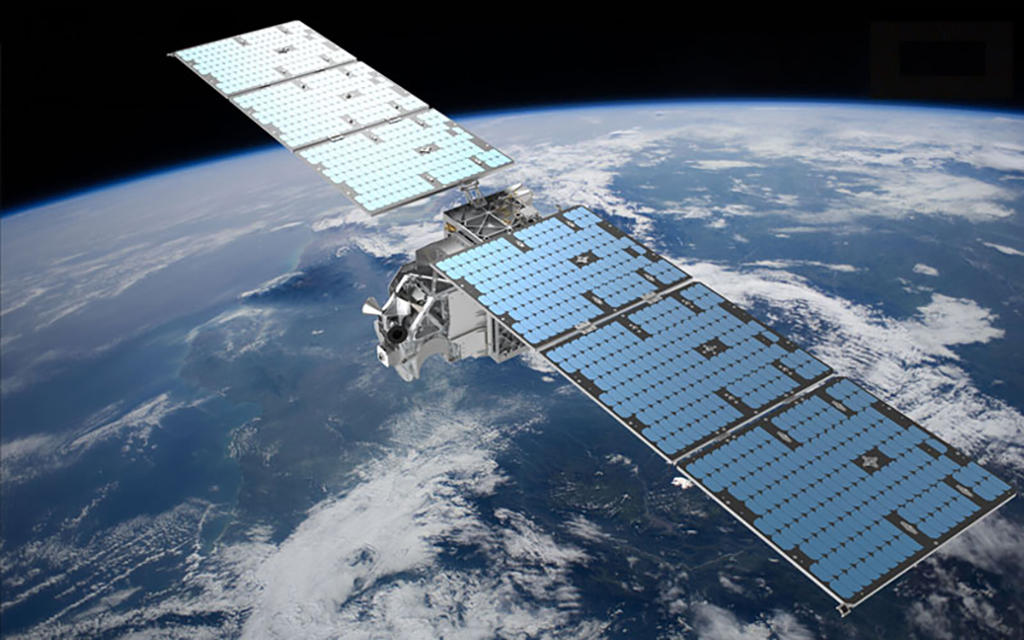
Exolaunch has been selected as the launch co‑integrator for the German Space Agency’s upcoming mission at the German Aerospace Center, partnering with NASA’s Gravity. The company will coordinate launch operations, ensuring seamless integration between German payloads and NASA’s launch vehicle. This partnership underscores the growing collaboration between European and American space agencies on next‑generation launch capabilities. The mission is slated to launch later this year, marking a significant milestone for Exolaunch’s expanding portfolio.
Space42 and Viasat Formally Establish Equatys with $1B Equity Commitment for 2,800-Satellite LEO Constellation
Original Publication Date: 2026-09-16 00:00

Space42 and Viasat have launched a joint venture called Equatys, aiming to deploy a Low Earth Orbit mega‑constellation of up to 2,800 satellites. The partnership was formally announced on September 15, 2026, and the two companies plan to leverage their satellite and communications expertise to expand global connectivity. Equatys will focus on delivering high‑speed broadband to underserved regions and enhancing data services for commercial customers. The venture marks a significant step toward a more connected world.
HawkEye 360 Executes Three-Part European Strategy to Establish In-Region RF Intelligence Operations
Original Publication Date: 2026-09-15 22:54

On Tuesday, Sept. 15, 2026, HawkEye 360 announced three strategic agreements that shift its business model from exporting satellite‑derived radio‑frequency data to Europe toward direct operations on the continent. The deals, involving key European partners, will allow the company to provide real‑time RF intelligence services across Europe.
NASA Ames Stars of the Month: September 2026
Original Publication Date: 2026-09-15 23:46

NASA Ames Science Directorate honored seven standout scientists and engineers for their dedication and innovation across space science. The honorees, ranging from Space Biosciences project engineer Steve Ormsby to Astrophysics researcher Alejandro Borlaff, have advanced mission safety, infrastructure, and cutting‑edge data pipelines for Hubble, Roman, and SOFIA. Planetary scientist Martina Caussi’s simulations of Europa’s crater shape and Earth scientist Keiko Nomura’s leadership of the NEX‑GeoAI project are setting the stage for future Europa Clipper insights and federal GeoAI modeling.
NASA Invites Media to International Observe the Moon Night
Original Publication Date: 2026-09-15 18:55
NASA will host an International Observe the Moon Night on Saturday, Sept. 19 from 5:30‑8 p.m. CST at the U.S. Space & Rocket Center in Huntsville, Alabama. The free event will feature talks by agency experts, a science stage show, hands‑on STEM activities, a photo booth, face‑painting, and guided telescope tours by the Von Braun Astronomical Society. Media must confirm attendance by 3 p.m. Friday, Sept. 18, and report to the Davidson Center to cover the evening and interview experts. Join for a celebration of lunar science, Artemis II observations, and a chance to see the Moon up close with NASA’s Planetary Missions Program Office.
Celebrate International Observe the Moon Night with NASA
Original Publication Date: 2026-09-15 16:15
On September 19, NASA invites the public to celebrate International Observe the Moon Night at the Goddard Space Flight Center in Greenbelt, Maryland, where attendees can explore the historic Artemis II mission, view a real Apollo 14 Moon rock, and participate in hands‑on activities and telescope viewing. From 6 to 9 p.m. EDT, guests will hear Dr. Amanda Nahm discuss lunar science and Ernie Wright explain how data becomes stunning visualizations.
Progress MS-35 poised to launch cargo to ISS from Kazakhstan
Original Publication Date: 2026-09-16 02:05

Roscosmos is set to launch its Progress MS‑35 cargo spacecraft to the International Space Station on Wednesday, September 16, using a Soyuz 2.1b rocket from Baikonur.
Launch Preview: Nine orbital launches scheduled from sites around the world
Original Publication Date: 2026-09-15 17:52

Nine orbital launches are scheduled this week, including two SpaceX Falcon 9 flights from Vandenberg, California, each carrying classified U.S. Space Force payloads. A Vega C launch from French Guiana delivered ESA’s Sentinel‑3C Earth‑observation satellite and the FLEX plant‑health probe into sun‑synchronous orbit.
State Department Launches New Space-Diplomacy Effort
Original Publication Date: 2026-09-15 16:28

The U.S. State Department has launched a new Space Catalyst Partnership that will direct foreign aid toward American space companies, with Peru as its first beneficiary. Secretary Marco Rubio unveiled the initiative in Lima, pairing a $6.5 million, two‑year satellite‑internet project for rural southern Peru with a broader goal of deepening ties with Artemis Accords signatories. The partnership bundles diplomatic outreach, industry engagement, and targeted aid to help partner nations purchase U.S. Space technology while keeping China at arm’s length. Funding remains uncertain, as the Department is still working with Congress to secure appropriations for future projects.
Kuva Space Spots Illegal Poppy Farms from Orbit
Original Publication Date: 2026-09-15 11:29

Finnish company Kuva Space has released data from a pilot showing its Hyperfield‑1 hyperspectral satellites can spot illegal poppy farms from orbit in Afghanistan’s Helmand Province. Using 363 hyperspectral images alongside EU Sentinel‑2 data, the system flagged 8,835 potential poppy fields out of roughly 250,000 plots, achieving 75% accuracy versus 71% for conventional imagery.
22 years of science! NASA's Roman Space Telescope doubles its lifetime with super-precise engine burn
Original Publication Date: 2026-09-15 21:24
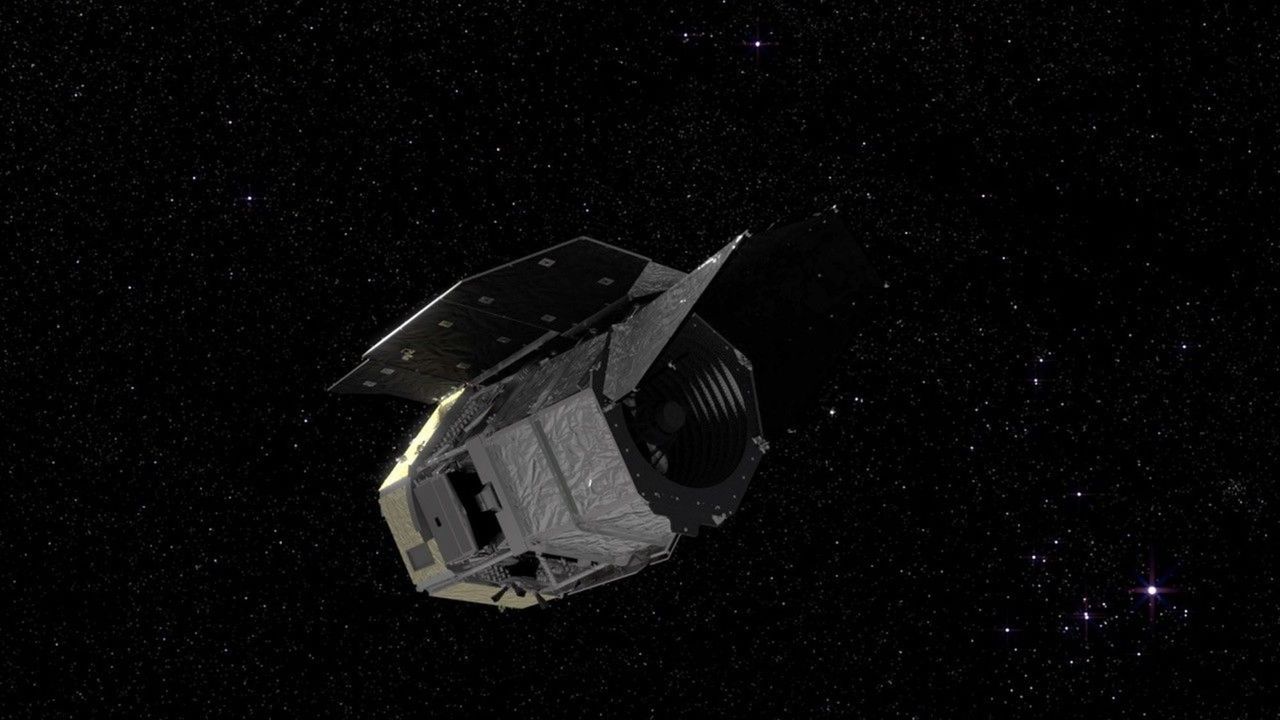
NASA’s Nancy Grace Roman Space Telescope now has a 22‑year mission thanks to a lighter‑than‑planned design and an exceptionally precise launch burn. The craft weighed only 17,760 pounds instead of the 21,605‑pound target, allowing extra fuel to be loaded for future use. A three‑minute engine burn to reach the L2 point used just 40 pounds of fuel—less than 10% of what was budgeted—adding roughly four years to its life. A second course correction will add another four years, giving the observatory a guaranteed operational window through 2048.
US Space Force says it operates weapons in orbit: 'Our aim is deterrence'
Original Publication Date: 2026-09-15 19:54
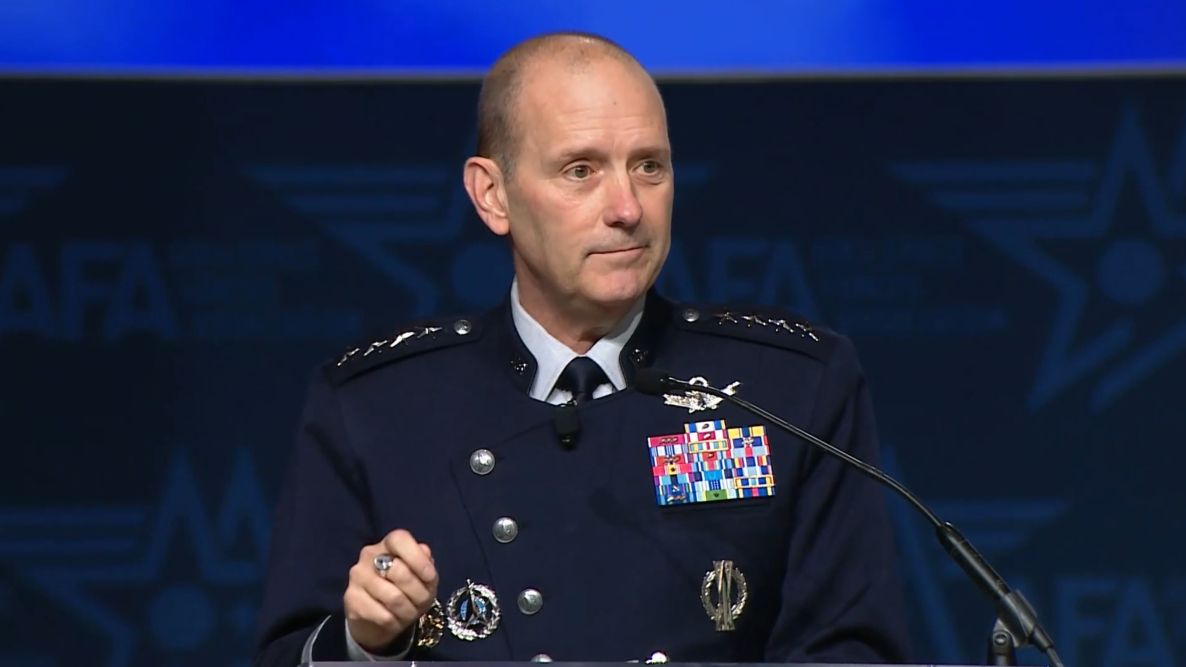
The U.S. Space Force has confirmed it operates active weapons in orbit, a move unveiled by Chief of Space Operations Gen. Douglas Schiess during a conference in Maryland. While he declined to reveal specifics, the commander hinted at non‑kinetic, electromagnetic systems that can jam or disrupt enemy satellites—an arsenal that could counter the growing counter‑space capabilities of China and Russia.
SpaceX's next Starship launch will lift off on Sept. 22 and aim to reach orbit for 1st time
Original Publication Date: 2026-09-15 18:33
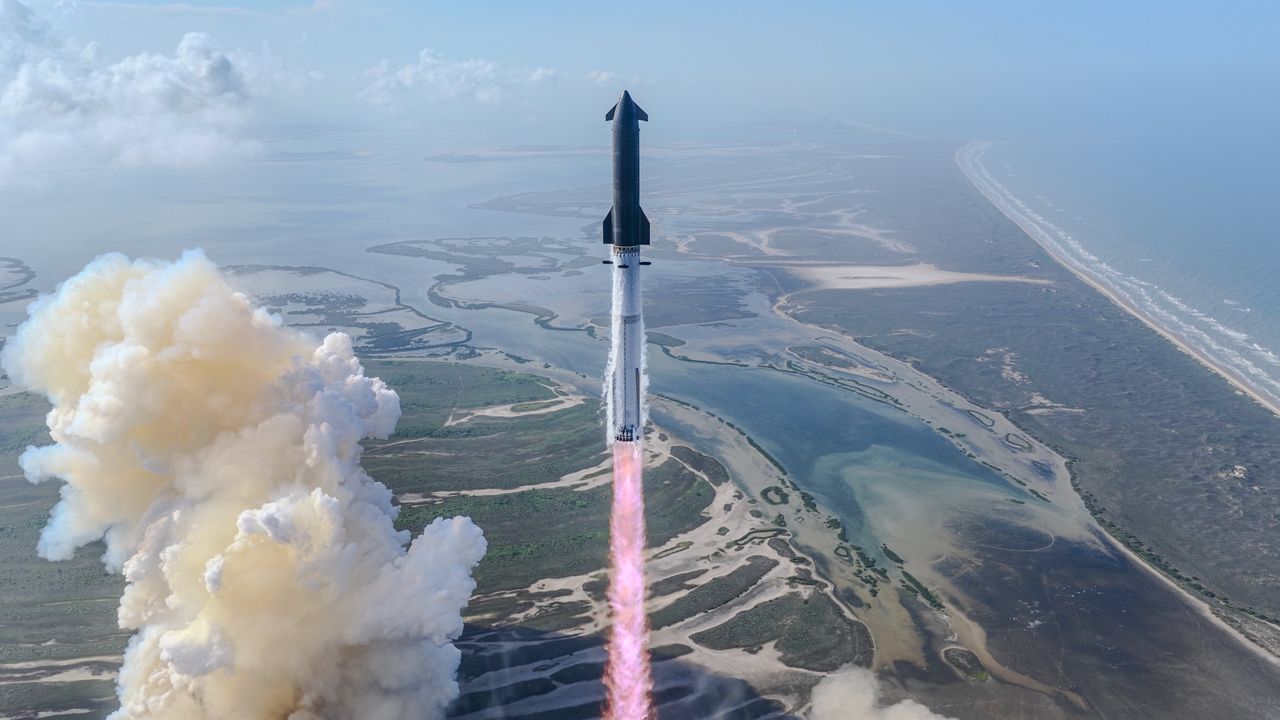
SpaceX has set a date for Starship Flight 14, its first orbital launch, slated for September 22 at 8:15 a.m. EDT from Starbase in South Texas. The 408‑foot rocket will carry 26 new Starlink V3 satellites, marking the first time the megaconstellation will deploy the next‑generation craft into orbit. After completing about six orbits, the upper stage—called Ship—will splash down in the Pacific, while the Super Heavy booster will return to the Gulf of Mexico. This flight will usher Starship into the next phase of rapid, fully reusable development.
Microscopic alien technology may be hidden in moon dust, scientists say
Original Publication Date: 2026-09-15 18:00
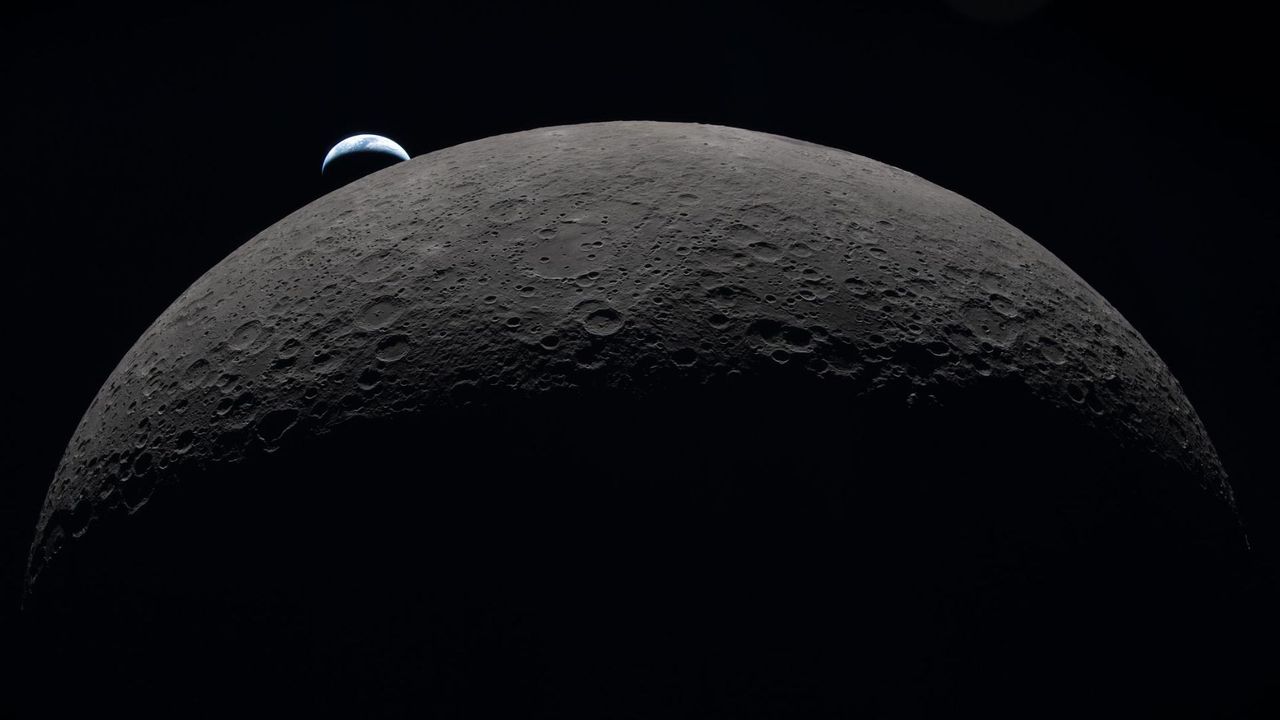
Scientists are now testing the bold idea that microscopic technosignatures—tiny engineered particles from ancient civilizations—might be embedded in moon dust. The SETI Institute’s research, led by Lewis Pinault, examines lunar regolith collected over billions of years for evidence of extraterrestrial technology. Although the study found no signs of alien tech, it demonstrates that searching for such particles is scientifically viable and could improve our understanding of interstellar dust and lunar geology. Future sample returns from NASA’s Artemis missions and China’s Chang'e probes could enable deeper investigations using AI‑assisted imaging and advanced microscopy.
Making rocket fuel out of Mars' thin air: New breakthrough could make it happen
Original Publication Date: 2026-09-15 16:00

Scientists have developed a new electrochemical method that converts Mars’ carbon‑dioxide‑rich atmosphere into pure methane suitable for rocket fuel. The breakthrough uses a nanometer‑scale copper‑nitrogen catalyst that selectively produces methane, eliminating the need for heavy purification equipment. This could allow astronauts to generate their own propulsion fuel on the Red Planet, cutting launch mass and costs for a 2030s‑2040s Mars mission. The technique also offers potential Earth applications for carbon sequestration, though it currently results in a net‑zero carbon cycle.