 Spotify
 Apple Podcasts
 Podcast Addict
 Overcast
 Podcast RSS
SueWallSt and SBS Law Issue October 30 Lead Plaintiff Deadline Reminder for York Space Systems Securities Litigation
Original Publication Date: 2026-09-08 17:48
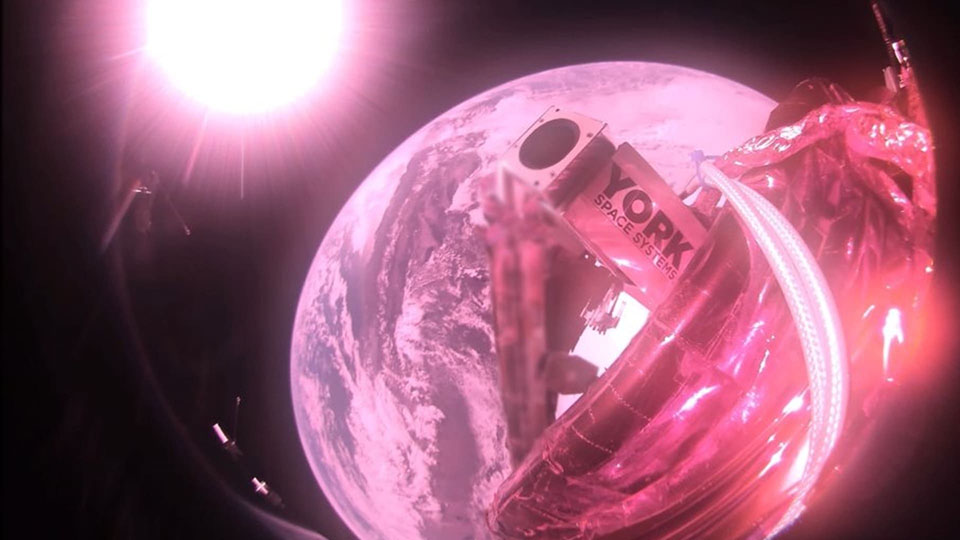
Investor notification services SueWallSt and securities litigation firm SBS Law announced on Tuesday that shareholders have until October 30, 2026 to file a lead‑plaintiff application in a pending securities case. The notices, issued on September 8, urge investors to act quickly to join the lawsuit seeking damages for alleged misconduct.
AT&T and Amazon Leo Advance Strategic Fiber-to-Space Alliance to Challenge SpaceX Starlink
Original Publication Date: 2026-09-08 17:36
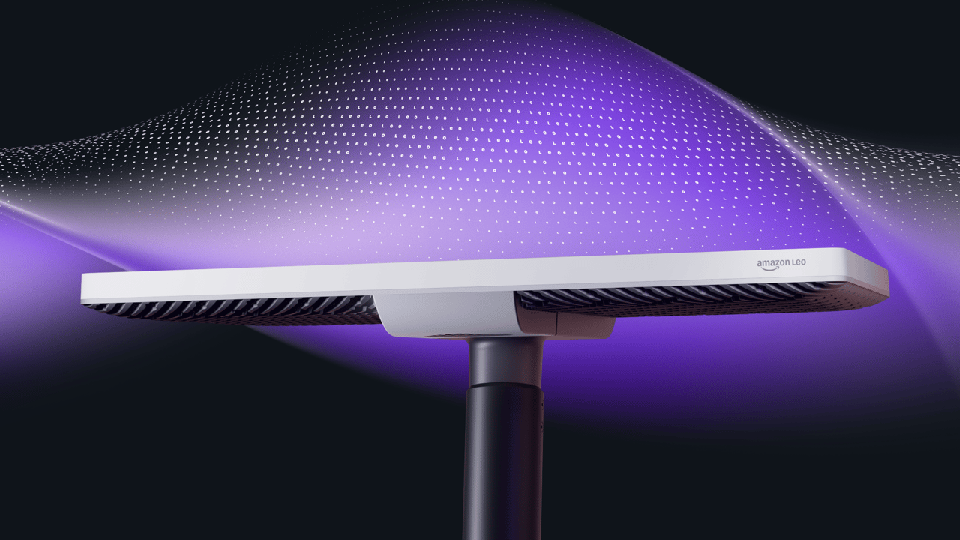
AT&T and Amazon are tightening their partnership by integrating operations across their shared commercial broadband network. The move comes as Amazon seeks FCC approval for a 5,105‑satellite constellation aimed at delivering direct‑to‑device connectivity. Together, the companies plan to expand high‑speed internet coverage, especially in underserved areas. This collaboration positions them to compete more effectively in the growing satellite broadband market.
Kawasaki Heavy Industries and EdgeCortix Partner to Develop AI-Enabled Aerial Defense Platforms
Original Publication Date: 2026-09-08 16:24
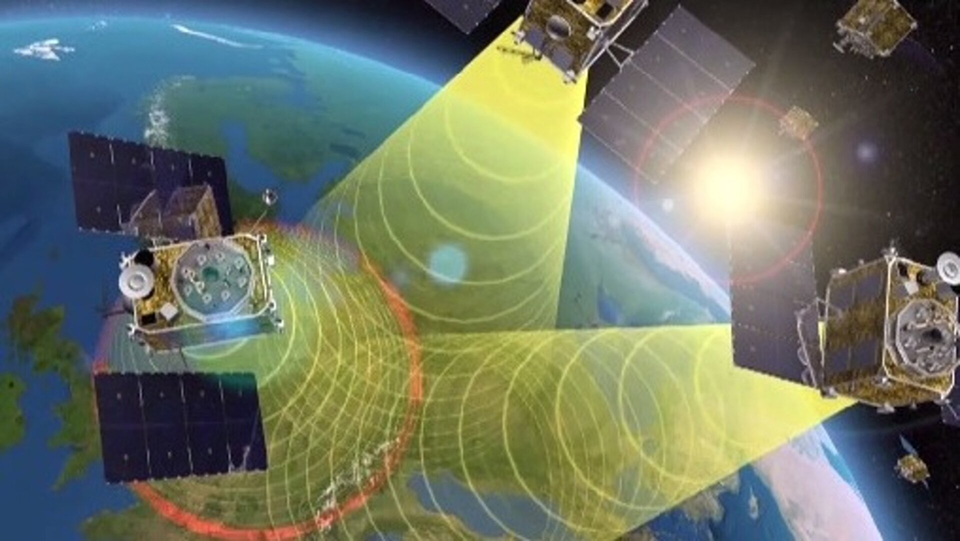
Kawasaki Heavy Industries and EdgeCortix Inc. Announced a multi‑year teaming agreement on September 7, 2026, to collaborate on advanced semiconductor solutions.
GSMA Intelligence Highlights UK Space Strategy Opportunities Within European Satellite Ecosystem
Original Publication Date: 2026-09-08 15:53
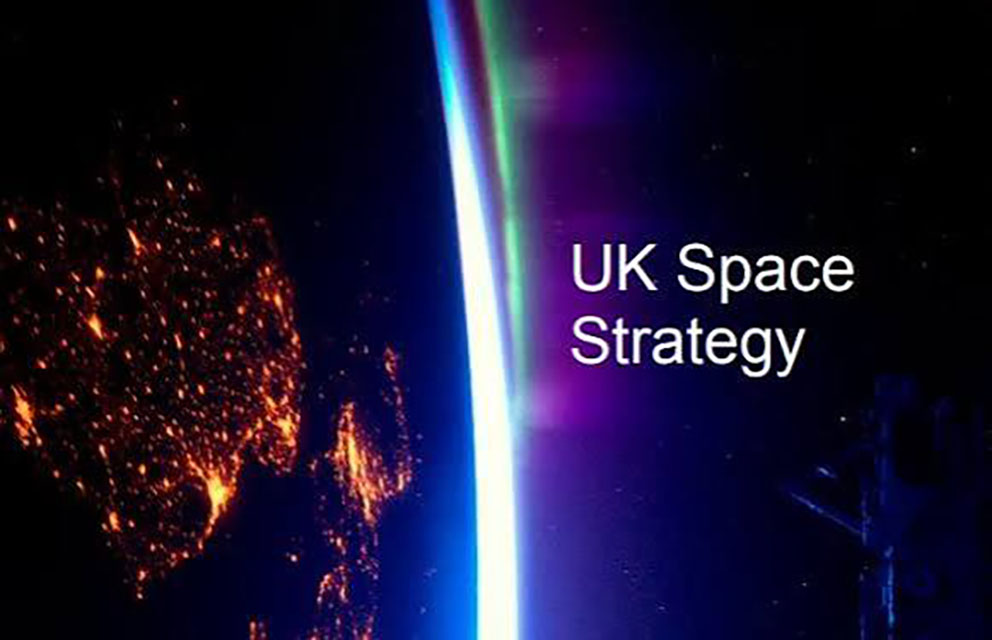
GSMA Intelligence released an analysis on Tuesday, September 8, 2026, after the UK government announced its updated national space strategy. The report, led by Head of Research Tim Hatt, examines how the new plan will reshape the UK’s space sector, boosting investment, talent development and international collaboration. Hatt notes that the strategy aims to position Britain as a global hub for satellite technology, data services and space‑derived economic growth. The analysis underscores the potential for increased public and private sector partnerships to drive innovation and secure the country’s space future.
Ground Control CEO Highlights Maritime GNSS Spoofing Threats and Multi-Layer Navigation Solutions
Original Publication Date: 2026-09-08 15:47

Ground Control released an industry analysis on September 8, 2026 that warned of mounting operational risks to commercial maritime navigation caused by persistent GNSS interference. The report highlights increasing incidents of jamming and spoofing that threaten vessel safety, navigation accuracy, and regulatory compliance. It recommends deploying multi‑constellation receivers, integrating inertial navigation systems, and establishing real‑time interference monitoring to mitigate these threats.
Curiosity Blog, Sols 4995-5001: 5,000 (Martian) Days on Mars
Original Publication Date: 2026-09-09 06:20
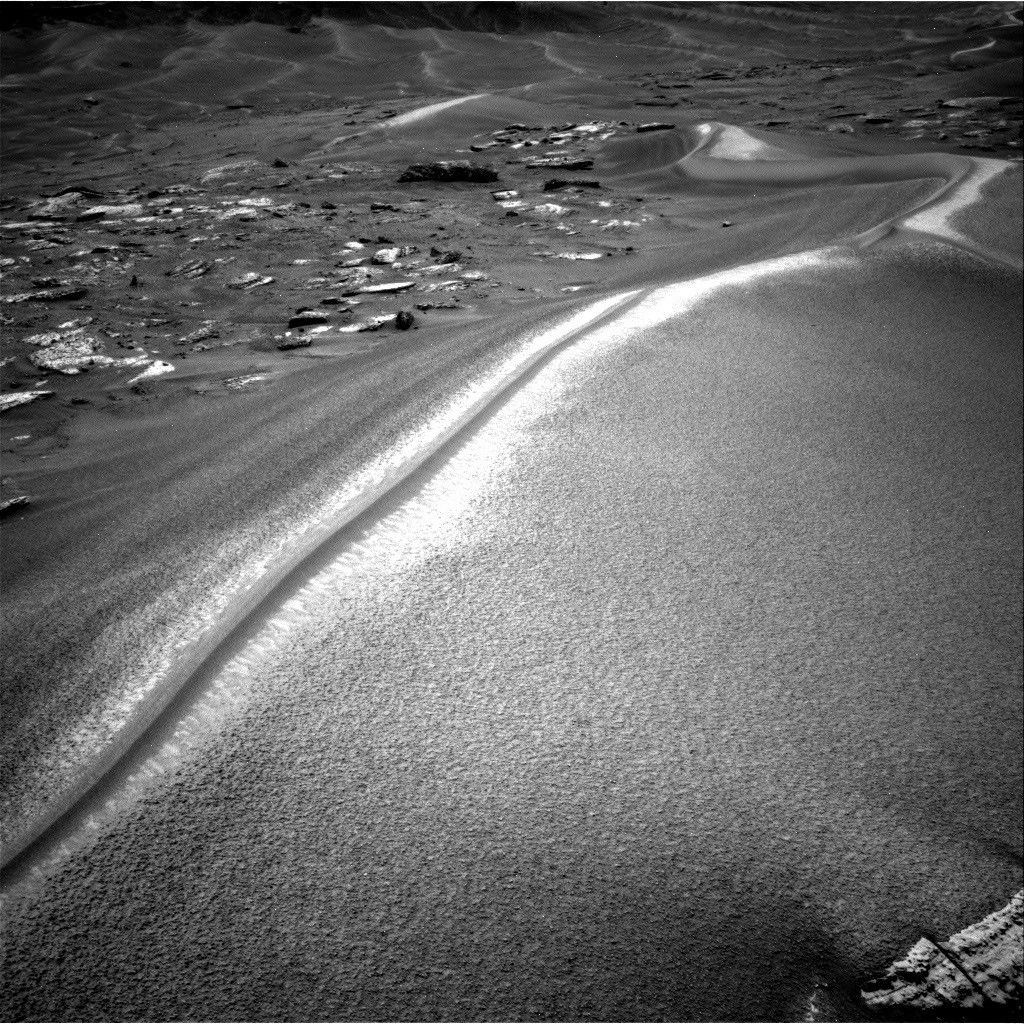
NASA’s Curiosity rover celebrated its 5,000th Martian day on August 29, 2026, having climbed more than a kilometer above its Gale Crater landing site. The rover is now studying a wind‑formed ripple called Chocolatal on Mount Sharp, a candidate transverse aeolian ridge that may reveal how Martian sand layers form and migrate. Using ChemCam, Mastcam, MAHLI and APXS, the team is mapping grain sizes, layering and chemical composition while honoring late colleague Paul Geissler. With this milestone behind it, the Curiosity crew looks forward to the next 5,000 sols of discovery.
Anak Krakatau Rumbles Again
Original Publication Date: 2026-09-09 04:01
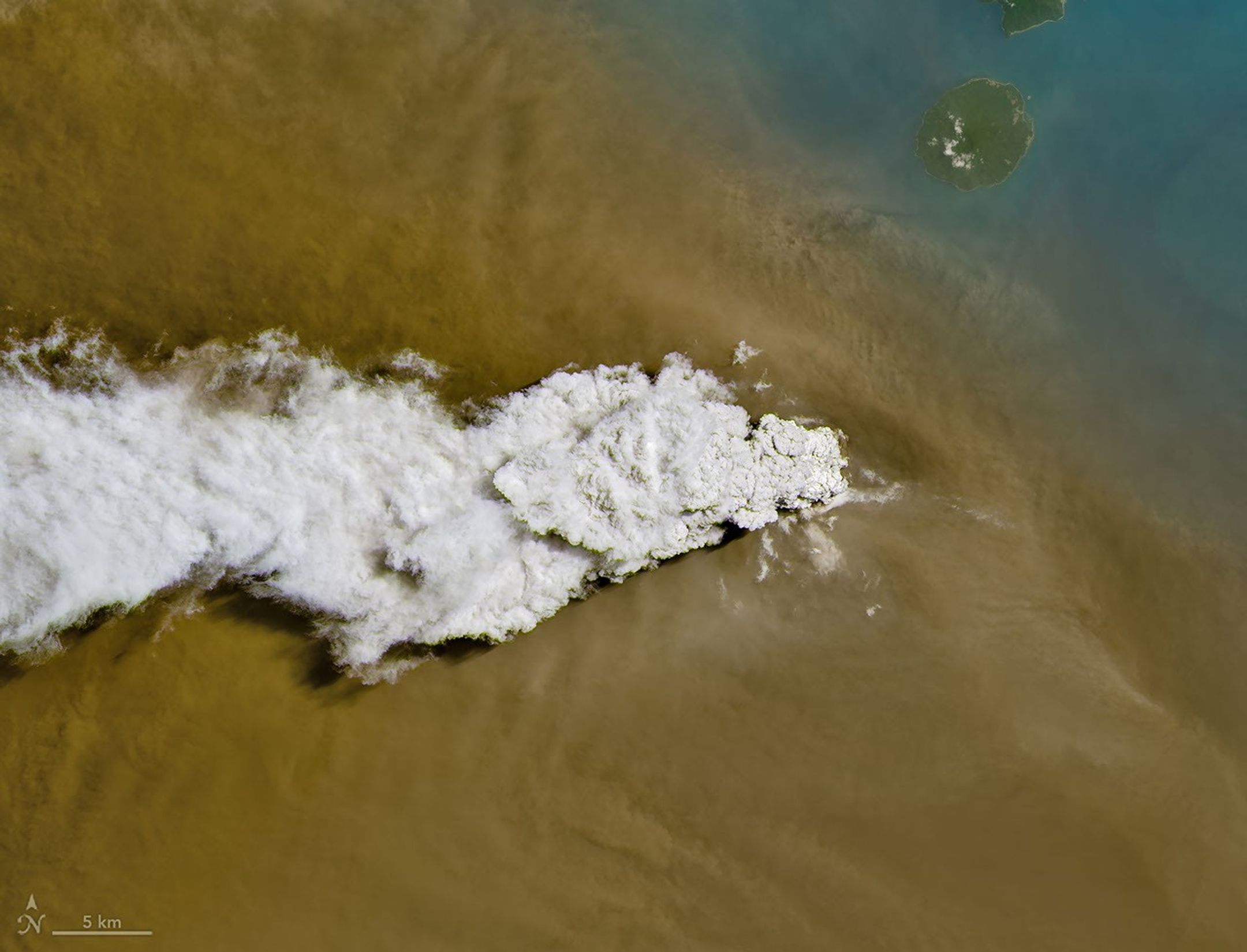
An explosive eruption at Indonesia’s Anak Krakatau volcano on September 5, 2026 sent ash and volcanic gases high into the atmosphere, disrupting thousands of flights and degrading air quality in Jakarta and surrounding areas. Satellite images from Landsat 8 and Suomi NPP captured a white plume of gas over a brown ash cloud, with ash reaching up to 15,000 m west of the volcano. Eight airports were temporarily closed, and nearly 3,000 flights were halted before operations resumed by September 8, though the volcano remained on the second‑highest alert level. The eruption, which subsided after 24 hours, left a lingering health risk from ashfall, especially for residents east of the volcano.
From the Corps to the Cosmos, featuring Jaden Caradine
Original Publication Date: 2026-09-08 20:29
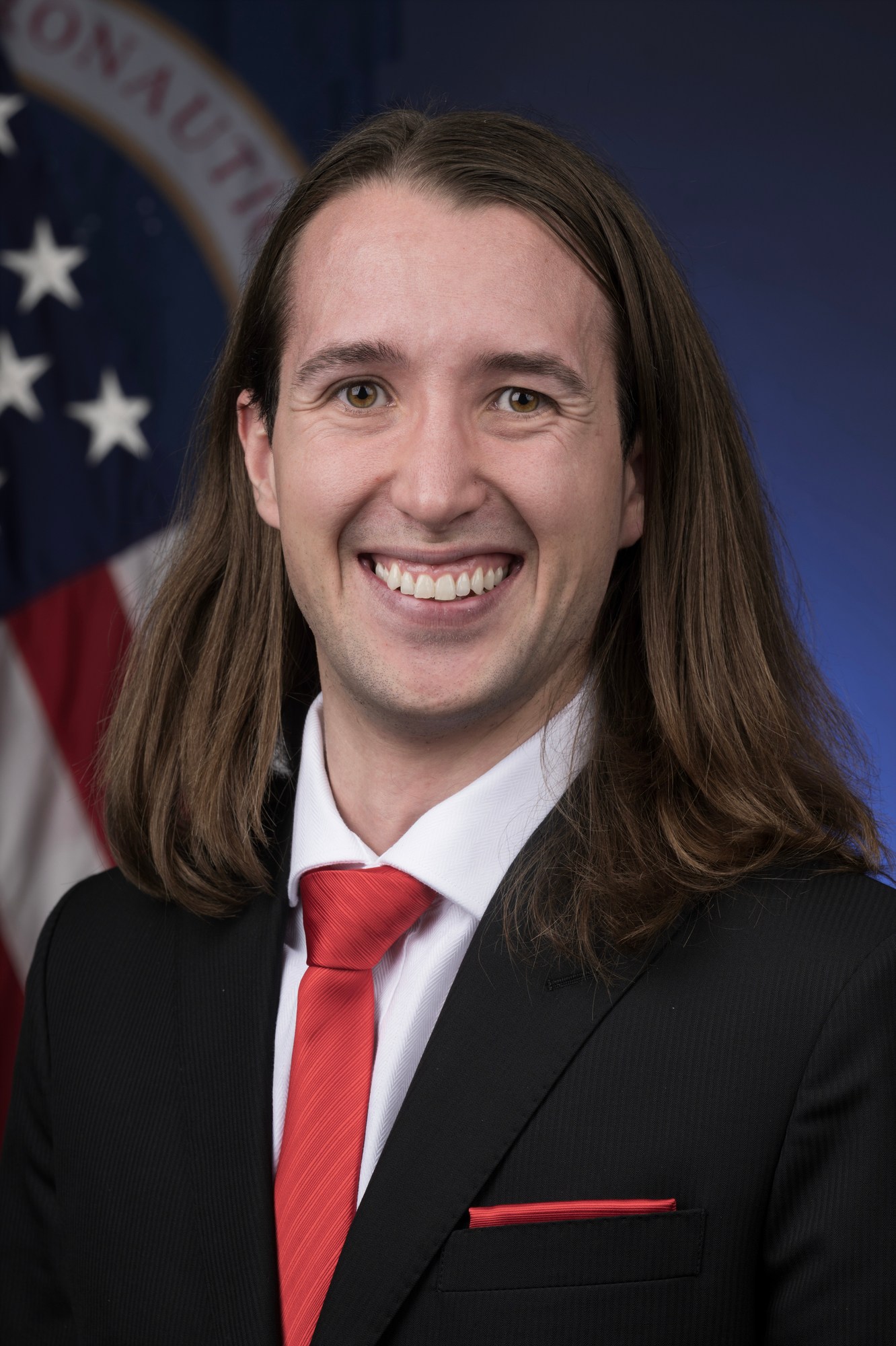
Jaden Caradine dreamed of engineering from age eight, but first served five years as a Marine Corps mechanic—four of them in Japan—before enrolling at Embry‑Riddle and landing a NASA Pathways internship at Langley. He discovered his aerospace passion after learning about a magnetic launch system that spins satellites into orbit, and chose NASA for its non‑profit mission to remove barriers for industry. At Langley he works with the ISAM team, curating the State of Play report and building an automated tool that aggregates aerospace news to streamline updates. Caradine credits his Marine experience and the Japanese concept of ikigai for guiding his career, and he praises NASA’s collaborative culture that breaks down departmental silos.
Superbubble in the Large Magellanic Cloud
Original Publication Date: 2026-09-08 16:49
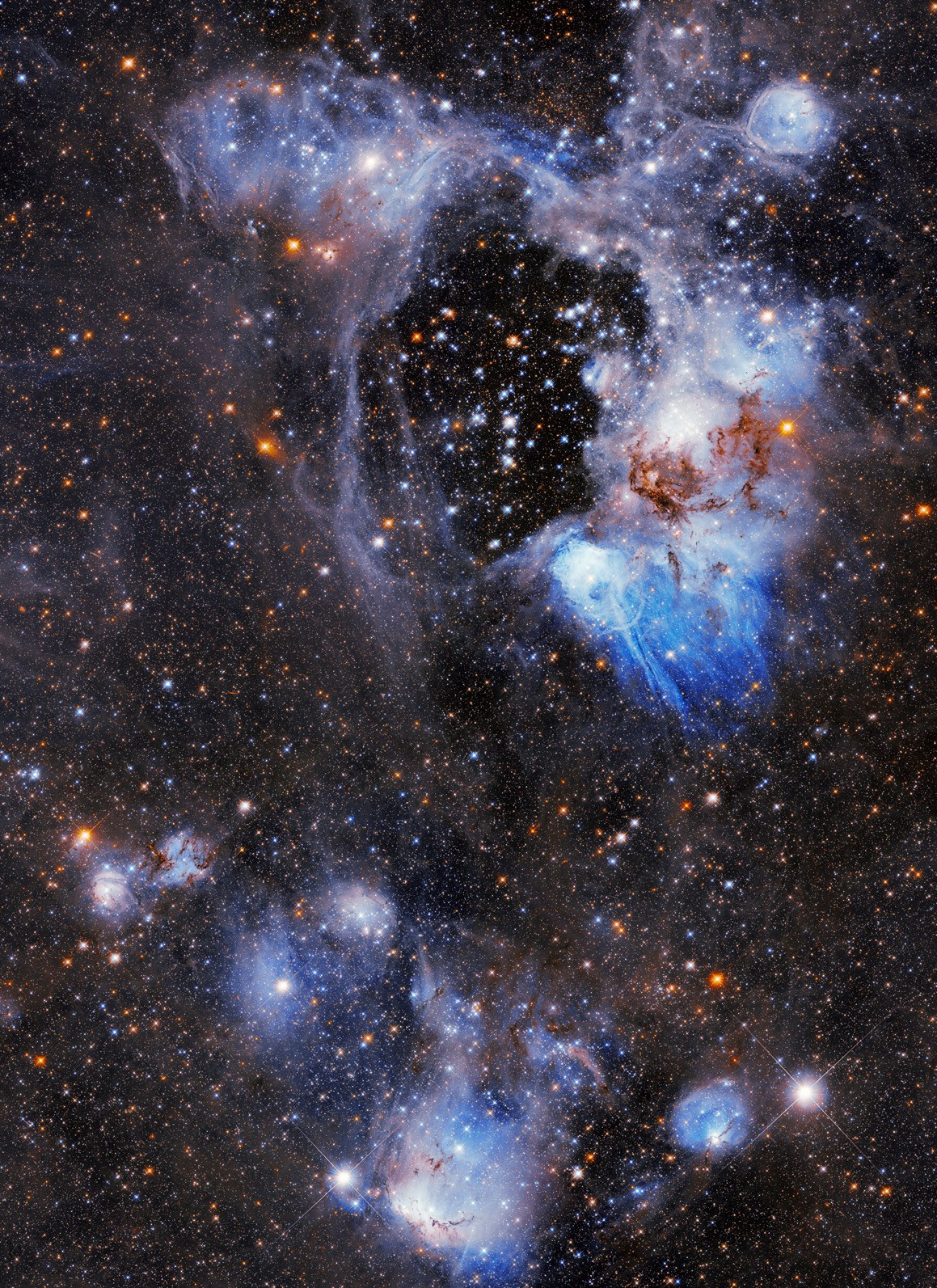
NASA and ESA’s Hubble Space Telescope captured a stunning image of the N44 nebula in the Large Magellanic Cloud on September 3, 2026. The nebula is dominated by a vast central void—a superbubble roughly 210 by 140 light‑years across—surrounded by a shell of dense, dusty gas. Powerful stellar winds and supernovae from glittering stars at the center have blown away much of the gas, creating the bubble. This photo showcases the dynamic interplay of star birth and death in a nearby galaxy.
Eutelsat Taps Infinite Orbits for GEO Life Extension Mission
Original Publication Date: 2026-09-09 09:00
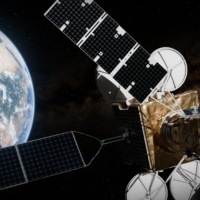
Eutelsat has just inked a deal with French satellite‑servicing firm Infinite Orbits to extend the life of one of its GEO satellites, marking Infinite Orbits’ third life‑extension order after agreements with SES and Hispasat. The Endurance spacecraft will rendezvous and dock with the aging satellite, adding roughly five years of operational life and keeping revenue flowing from an asset that would otherwise deorbit. Infinite Orbits says the cost of the mission is outweighed by the extra revenue potential, and the company is already expanding its production capacity with a new 1,000‑square‑meter facility in Toulouse. Future plans include demonstration flights, a 2027 life‑extension for SES, and further missions as more GEO satellites reach the end of their natural lifespans.
The Exploration Company Raises $450M Series C
Original Publication Date: 2026-09-09 03:00
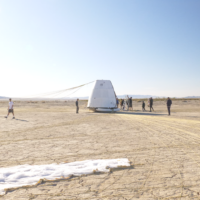
The Exploration Company (TEC) secured a $450 million Series C, bringing its total funding to roughly $680 million. The capital will bankroll the development of its Nyx cargo reentry vehicle and Storm reusable rocket engine, as well as new hires across the U.S., Europe and the UAE, and fund Nyx’s first ISS mission slated for 2028. Despite mixed results from two recent demo flights, TEC has already won more than $2 billion in contracts, including ESA, Axiom Space, Starlab and Vast. The influx of funds will also support sub‑scale testing and the eventual full‑scale launch of the Storm engine in the coming years.
Schiess Becomes CSO Amid Space Workforce Shortages
Original Publication Date: 2026-09-08 14:52

Gen. Douglas Schiess has been sworn in as the Space Force’s third chief of space operations, taking the helm after Gen. B. Chance Saltzman’s retirement. During the ceremony at Joint Base Andrews, Schiess stressed that space superiority is vital for national security and warned of growing threats from China and Russia. He emphasized that the service’s mission is deterrence, not confrontation, and that any conflict would expose a critical workforce shortage. A recent RAND report urges the Space Force to invest in training, internships, and automation to rebuild space assets quickly if needed.
Pixxel Raises $100M Series C to Fund Next-Gen Sats
Original Publication Date: 2026-09-08 12:00

Pixxel, the hyperspectral satellite operator, has closed a $100 million Series C round led by Temasek and Seraphim Space, boosting its total funding to $195 million. The capital will fund a new U.S. Production facility, launch upgraded Honeybee satellites with expanded spectral and SAR capabilities, and enhance AI‑driven data services for government customers. Since its 2022 demo launches, Pixxel has secured contracts from the U.S. National Reconnaissance Office, NASA’s SmallSat program, and India’s government, positioning it at the forefront of sovereign sensing. With about 25 satellites in development, the company plans to deploy 12 next‑gen Honeybees by 2027 and expand its footprint into Europe and the Middle East.
Did Venus eat its own moon?
Original Publication Date: 2026-09-08 21:00
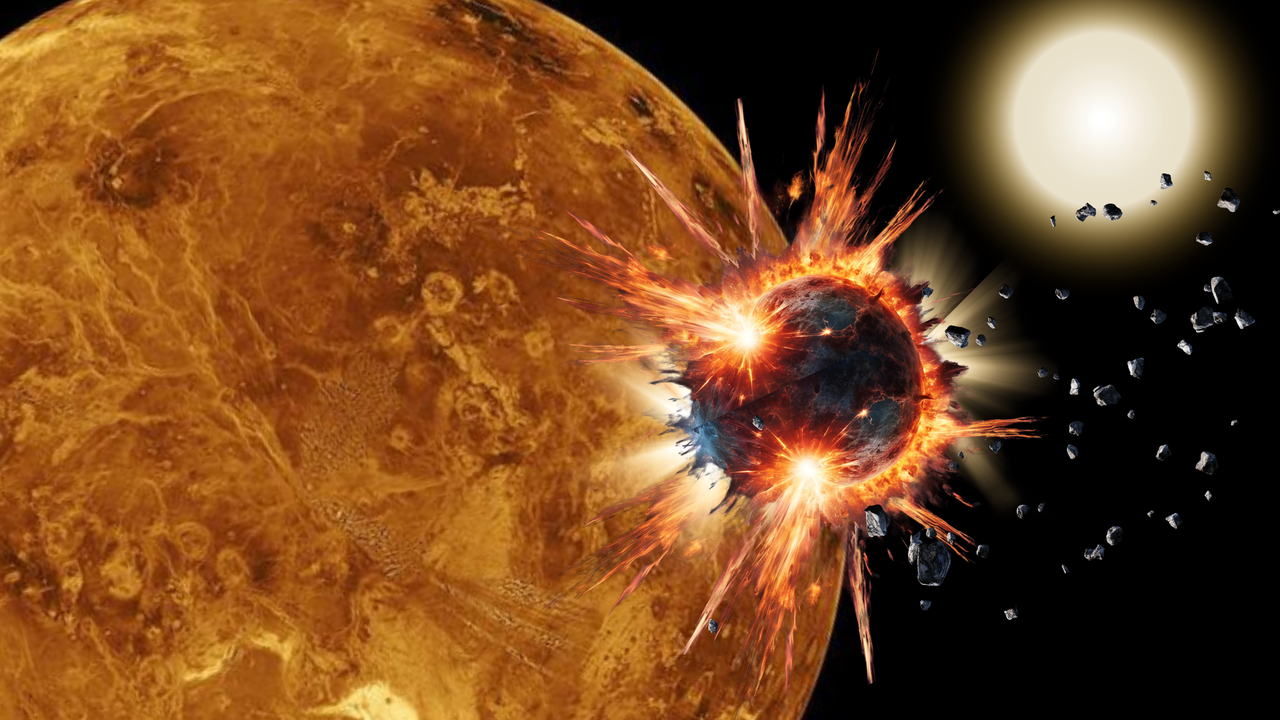
Scientists now think Venus may have swallowed its own moon, explaining why the planet has none today. A new simulation shows that a moon orbiting Venus would normally spiral inward and be torn apart, unless Venus spun very fast and the moon was relatively small. Even a massive moon would be destroyed more quickly because it drains Venus’s rotation. Though direct evidence will be hard to find, future Venus probes may search for the chemical fingerprints of such a long‑gone collision.
Stoke Space raises $1 billion for fully reusable rockets, targets 'early 2027' for 1st-ever launch
Original Publication Date: 2026-09-08 19:23
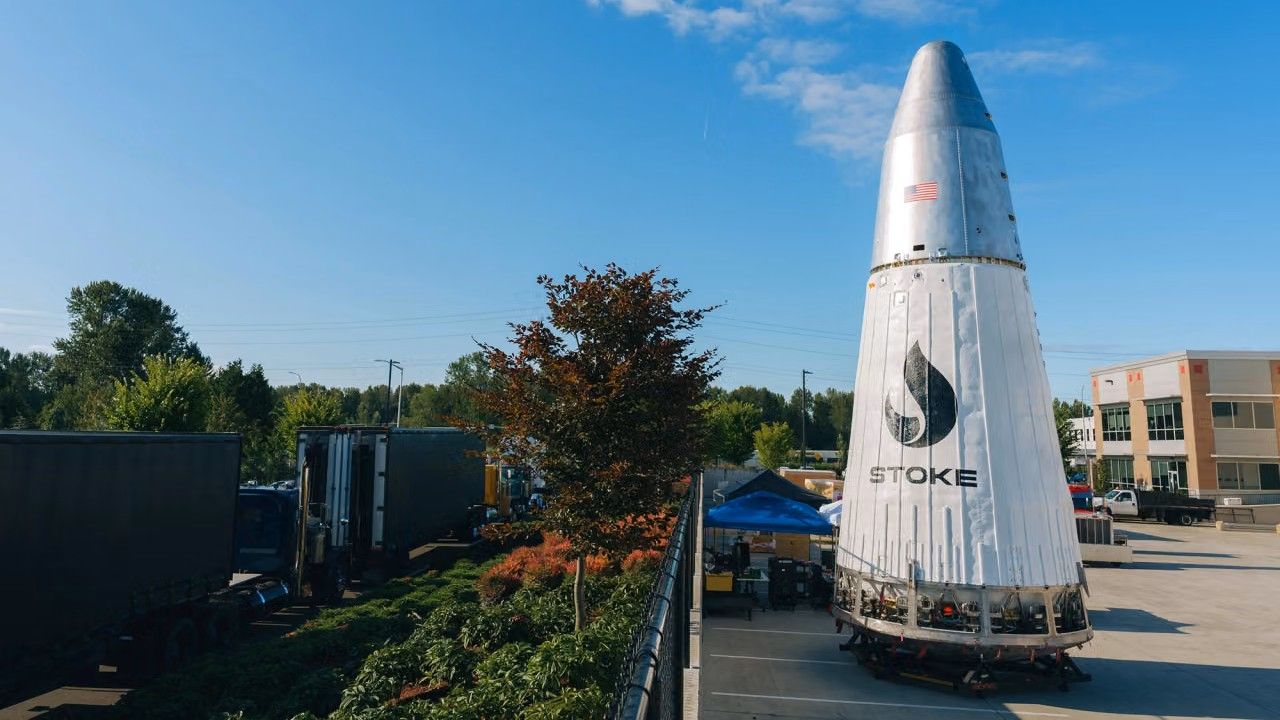
Stoke Space has closed a $1 billion Series E round, bringing its total funding to $2.3 billion, and will use the money to advance its fully reusable Nova Pathfinder and the more powerful Nova Block 2 launch vehicles.
On this day in space! Sept. 8, 2004: NASA's Genesis spacecraft crashed in the Utah desert, shattering its samples of solar wind particles from the sun
Original Publication Date: 2026-09-08 17:17
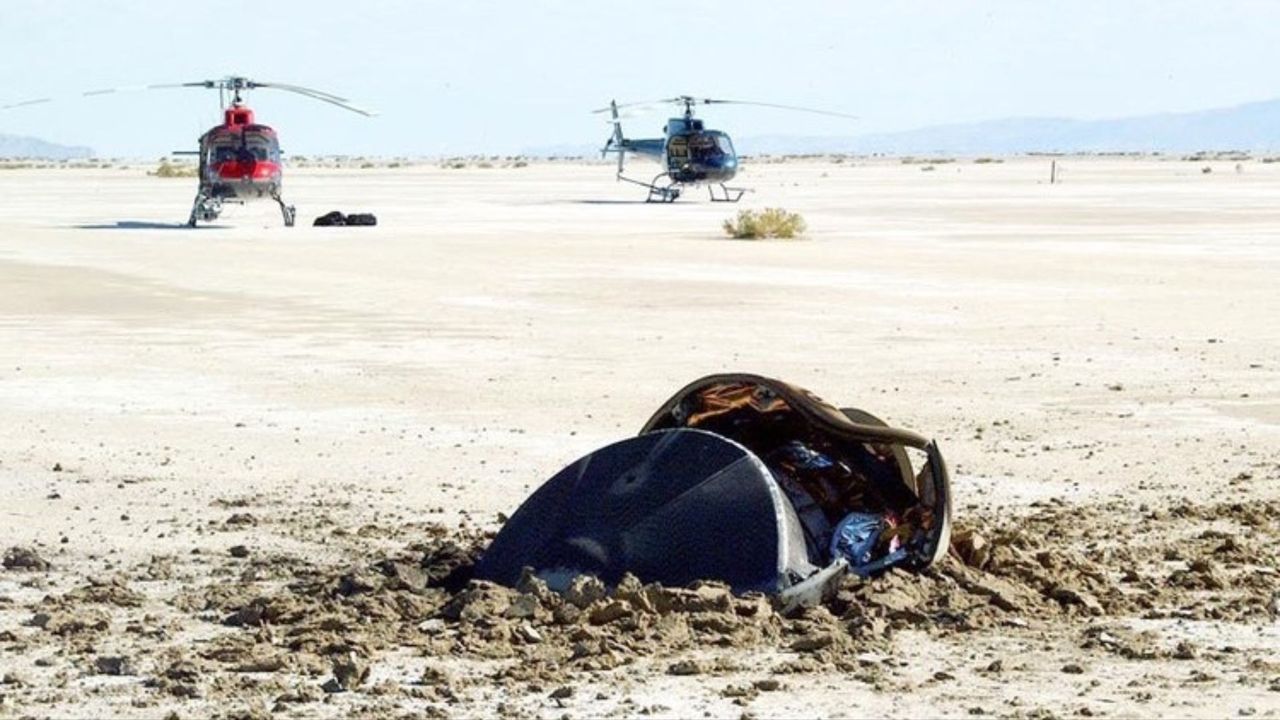
On September 8, 2004, NASA’s Genesis spacecraft crashed in Utah when its parachutes failed to deploy, shattering the fragile solar‑wind samples it had collected at the L1 Lagrange point. The mishap was traced to a design error that had installed gravity switches backward, preventing the parachute system from activating. Despite the crash, scientists salvaged portions of the sample canister, extracting valuable data from the shattered wafers. The incident prompted a review of similar systems on other missions, such as the successful Stardust comet‑sample return.
SpaceX rocket taxi returns after Roman Telescope launch | Space photo of the day for Sept. 8, 2026
Original Publication Date: 2026-09-08 14:00
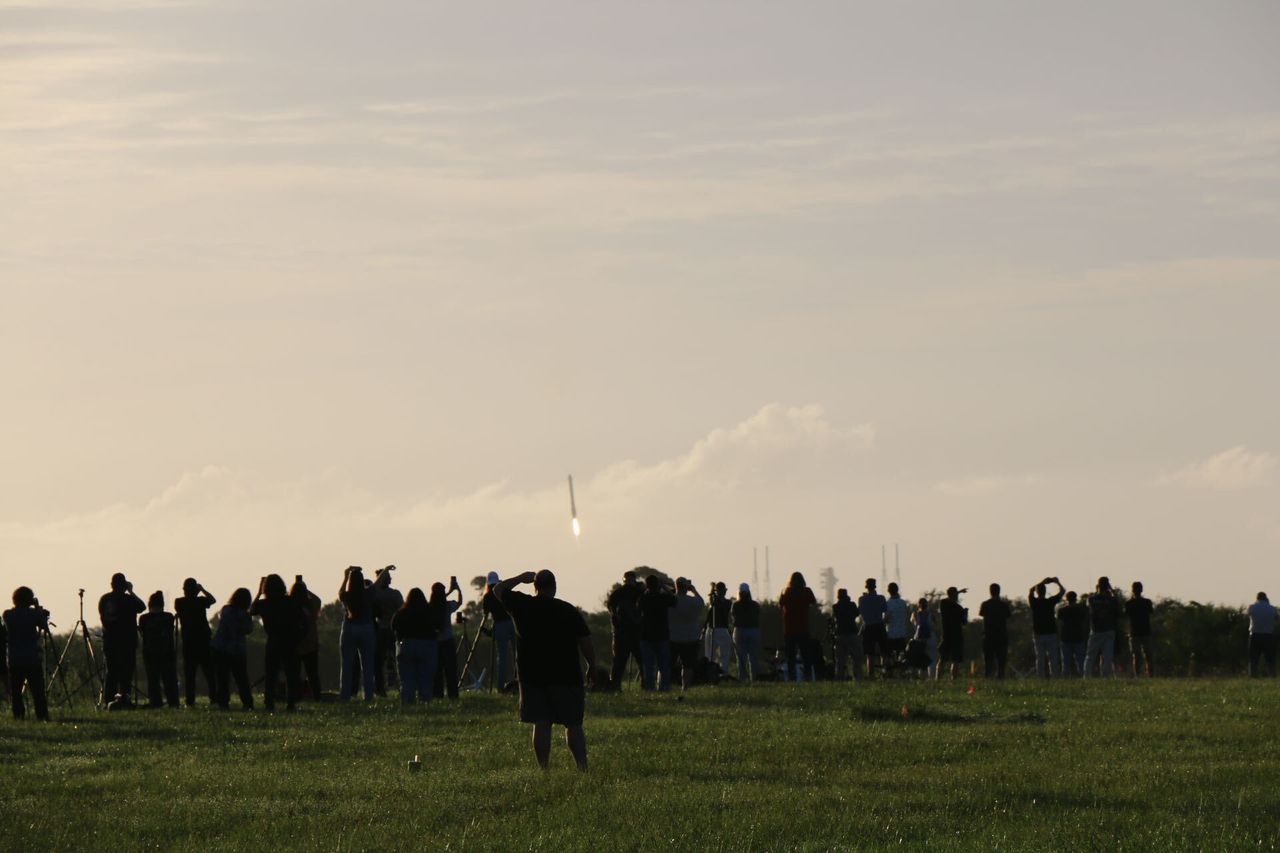
NASA’s Nancy Grace Roman Space Telescope lifted off on August 30 aboard a SpaceX Falcon Heavy, marking the first launch of the new observatory designed to rival Hubble and James Webb. After delivering the telescope, the Falcon Heavy’s two reusable boosters returned to Earth, landing precisely at Landing Zone 2 and Landing Zone 40 in a spectacle captured live by observers at Kennedy Space Center. The event highlighted SpaceX’s continued success in re‑using rocket components, turning the boosters into a “space‑taxi” that can be deployed again for future missions. With the launch complete, scientists now await the telescope’s first images of the universe, expected to arrive next year.
The secret to protecting next-gen spacecraft might be eggshells
Original Publication Date: 2026-09-08 16:20

Space debris slammed a hole into the U.S. Shuttle Endeavor in 2007, and with the launch of more satellites the problem has only gotten worse. In response, Chinese researchers have engineered a new aluminum alloy modeled after the structure of eggshells, hoping it can better shield spacecraft from micrometeoroids and orbital junk. Eggshells have long intrigued scientists because their ovoid shape gives them remarkable rigidity, allowing a clean break without shattering. This new material could provide the next generation of protective panels for satellites and space probes.