 Spotify
 Apple Podcasts
 Podcast Addict
 Overcast
 Podcast RSS
SpaceX to launches Starlink mission from West Coast
Original Publication Date: 2026-09-01 20:56
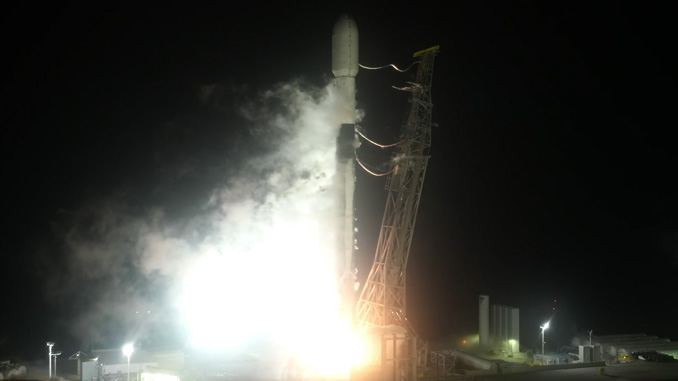
SpaceX's Falcon 9 booster B1063 lifted off from Vandenberg Space Force Base at 1:42 a.m. PDT, marking its 35th flight, to launch the Starlink 15‑23 mission. The rocket deployed 27 Starlink V2 Mini satellites roughly an hour into flight before the first stage returned to the Pacific on the drone ship "Of Course I Still Love You." Live coverage began 30 minutes before launch, offering viewers a front‑row seat to the West Coast launch. SpaceX is now concentrating its Starlink operations on the West Coast while preparing its Starship for its East Coast debut at Cape Canaveral.
CycloKinetics and Venus Aerospace Complete Initial Hot-Fire Testing of CycloRP Fuel in Rotating Detonation Rocket Engine
Original Publication Date: 2026-09-01 23:24
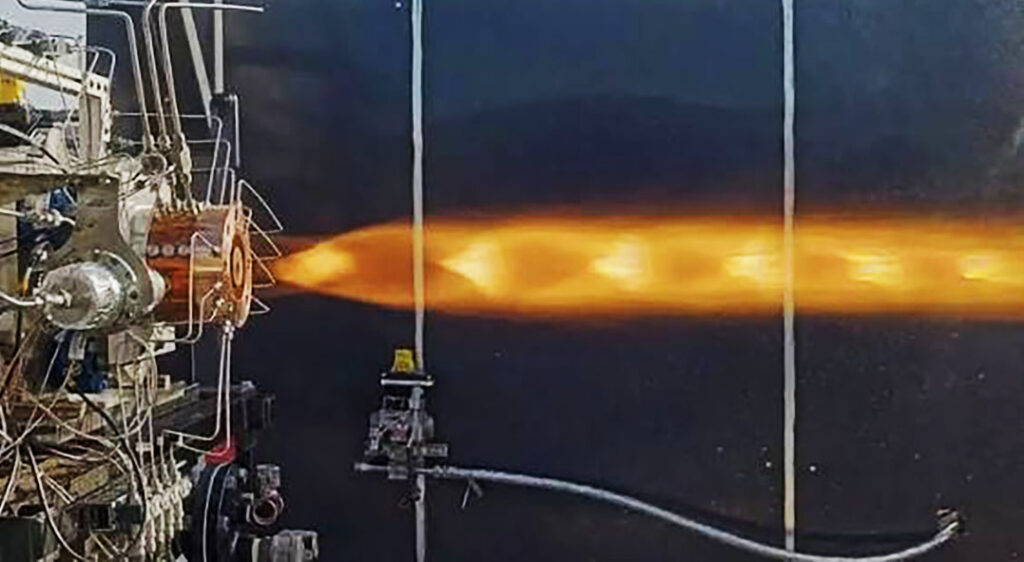
CycloKinetics and hypersonic propulsion company Venus Aerospace announced on September 1 2026 that they had successfully completed initial hot‑fire detonation tests using CycloRP fuel. The test campaign evaluated CycloRP’s performance, demonstrating promising thrust and efficiency metrics that could advance next‑generation hypersonic vehicles.
MDA Space Targets Direct-to-Device Satellite Market with Software-Defined Payload Architecture
Original Publication Date: 2026-09-01 17:50
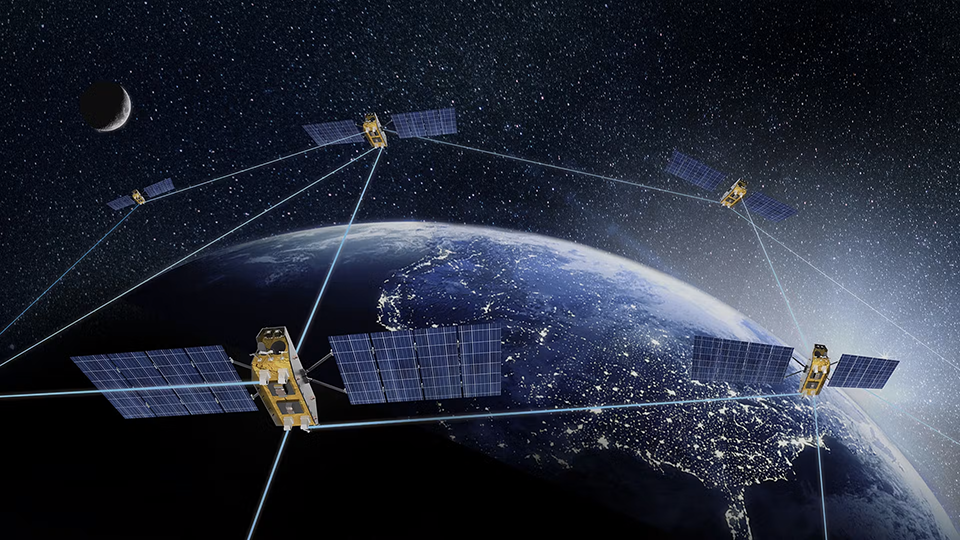
On September 1, 2026, Canadian satellite manufacturer MDA Space announced an expanded product roadmap to meet rising commercial demand for Direct‑to‑Device (D2D) communications satellites. The new lineup will deliver high‑speed broadband directly to end users, bypassing traditional ground infrastructure and boosting terrestrial connectivity.
Seraphim Space Launches New Space ETF with Initial 23-Company Portfolio
Original Publication Date: 2026-09-01 17:42
London-based Seraphim Space announced the launch of its New Space ETF on September 1, 2026, creating a new vehicle for institutional investors to gain exposure to the rapidly expanding space economy. The fund is structured to track a carefully selected basket of space‑related companies, from launch providers to satellite manufacturers and emerging space technologies. By offering diversified exposure to this high‑growth sector, Seraphim Space aims to attract long‑term institutional capital while supporting the development of the new space economy. The launch marks a significant step in the maturation of space finance.
GomSpace Secures 6.3 MSEK Power Systems Contract from D-Orbit for ION Space Logistics Missions
Original Publication Date: 2026-09-01 17:34
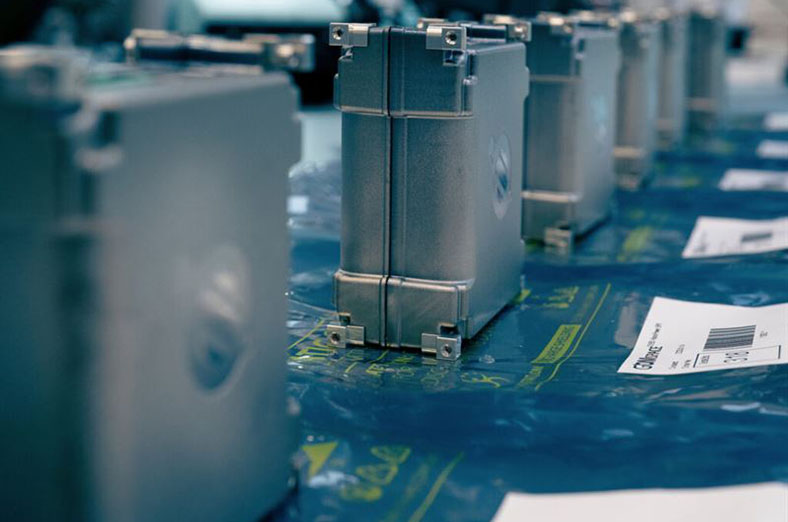
On September 1, 2026, Swedish satellite systems maker GomSpace announced that Italian logistics firm D‑Orbit has chosen its flight power systems for future orbital transport missions. The collaboration marks a significant expansion of GomSpace’s presence in the rapidly growing space logistics sector. While the exact financial terms were not disclosed, the partnership is expected to support D‑Orbit’s plans to increase payload capacity and mission frequency. This move underscores the growing demand for reliable power solutions in the next wave of commercial space travel.
Defense Innovation Unit Awards Other Transaction Agreement to ALL.SPACE for Scaled Space Manufacturing
Original Publication Date: 2026-09-01 16:19
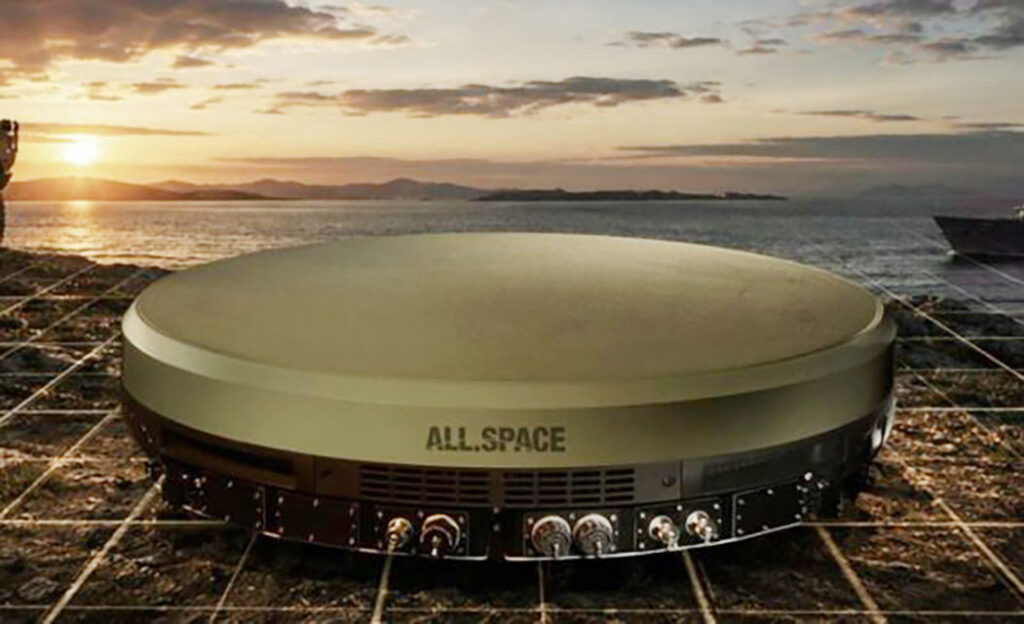
On August 31, 2026, the Defense Innovation Unit (DIU) within the U.S. Department of Defense awarded an Other Transaction agreement to ALL.SPACE, a wholly owned subsidiary of York Space, to develop advanced space‑based technology solutions. The agreement, part of DIU’s efforts to accelerate innovation in the defense sector, will enable rapid prototyping and testing of new satellite capabilities. All.SPACE will collaborate with DoD contractors to integrate cutting‑edge propulsion and communication systems into next‑generation platforms.
Historic Engines Take Their Place on Artemis III
Original Publication Date: 2026-09-01 17:30
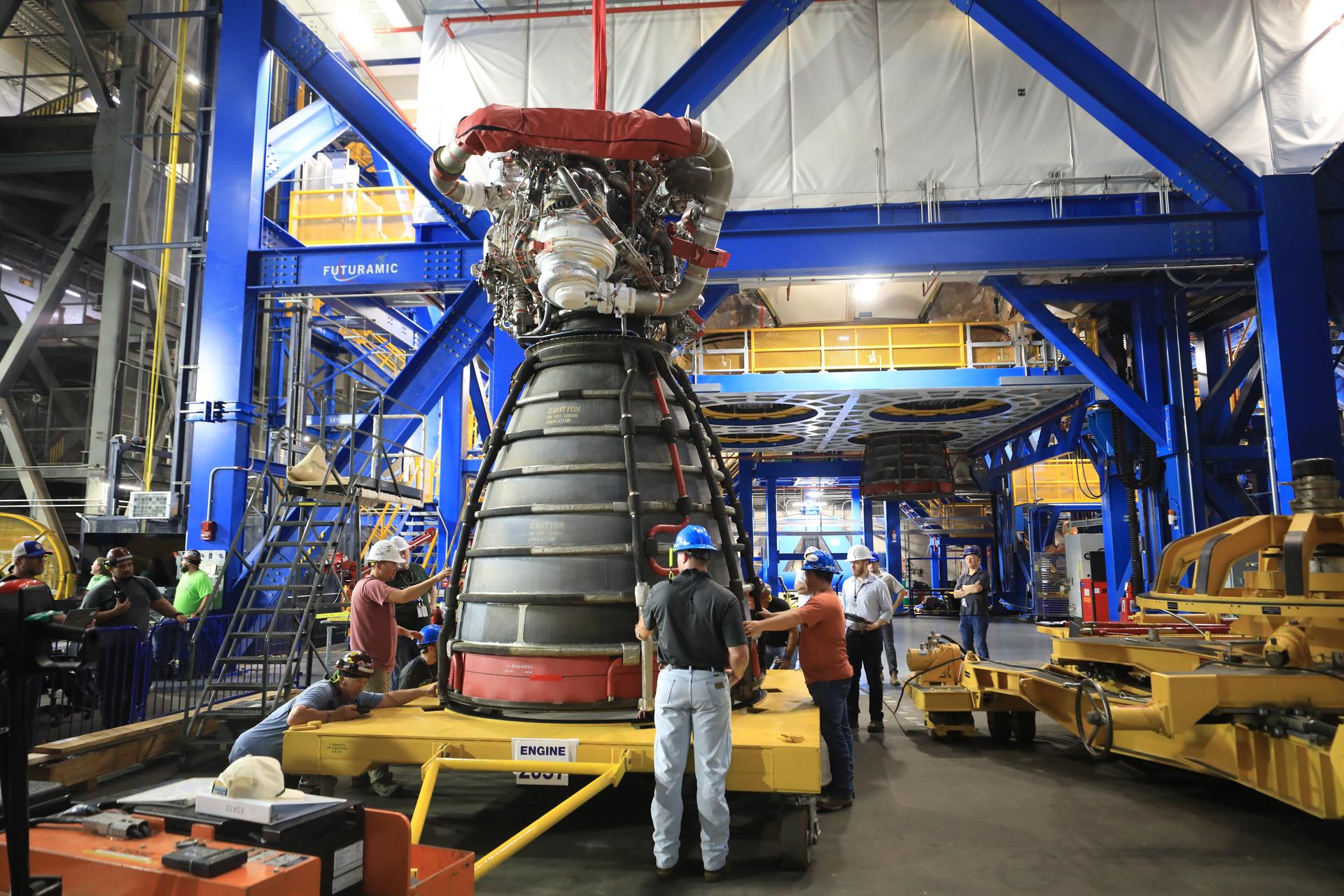
NASA technicians at Kennedy Space Center began installing the four RS‑25 engines for the Artemis III core stage on Aug. 24, preparing the 2027 crew‑carrying launch. Each engine—E2054, E2057, E2048, and E2052—carries a unique serial number that chronicles its flight history. Engine E2048, for example, powered the 2009 STS‑129 mission with astronaut Randy Bresnik and the 1998 STS‑95 flight that returned John Glenn, the oldest person in space at the time, to orbit. These veteran engines will propel the Artemis III crew into low Earth orbit, marking a new chapter in human spaceflight.
Launch Site and Facility Progress ahead of East Coast Starship debut
Original Publication Date: 2026-09-01 18:15

SpaceX is gearing up for Starship Flight 14, expanding its launch infrastructure to include a second active pad at Cape Canaveral’s LC‑39A and a new launch site at SLC‑37 in Florida. Engineers are finishing critical work on both pads—installing hardened roofs, deluge systems, and the ship’s quick disconnect—while the 37A tower is nearly complete and the 37B foundations are underway.
The Commercial-First Shift in National Security Space
Original Publication Date: 2026-09-02 02:12

For decades the U.S. Built national‑security space systems from scratch, but lower launch costs and a booming commercial sector now let the government buy proven capabilities instead of building them from the ground up. Muon Space’s rapid‑to‑market satellites—first used to spot wildfires and now adapted for environmental monitoring—illustrate a “commercial‑first” approach that lets the military start with the mission and deliver results quickly. The shift is formalized in Air Force directives that favor incremental, data‑as‑a‑service models, and in a growing set of owner‑operator options from government‑owned to contractor‑owned, contractor‑operated (COCO) constellations. By partnering with private firms, the Pentagon gains speed, scalability, and credibility, while still retaining the flexibility to choose the ownership structure that best fits each mission.
Trump Orders Study To Establish US Space Academy
Original Publication Date: 2026-09-01 17:45
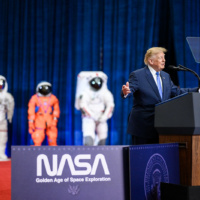
President Donald Trump has signed an executive order to establish a U.S. Space Academy, modeled after the military service academies, and a presidential commission has been tasked to study its curriculum, governance, and service requirements. The goal is to train the next generation of astronauts, engineers, and warfighters to address a growing talent gap in the space industry, where 15‑25% of positions remain vacant for months.
Exclusive: Helogen Plans Two In-Orbit Manufacturing Missions in October
Original Publication Date: 2026-09-01 13:00
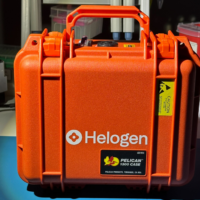
Helogen is set to launch two HEL‑IOS biomaterials manufacturing missions in October on separate SpaceX rockets, marking the first full flights of its in‑space platform.
Fermi Explorer Wants to Reach Another Star for $15M
Original Publication Date: 2026-09-01 11:58
Starcloud’s new nonprofit, Starcloud, has announced the Fermi Explorer mission—an ambitious, $15 million effort to send a cubesat‑sized probe to Alpha Centauri by 2029. The spacecraft will spend 12 years “perihelion‑pumping” around the Sun to reach a 24 km/s escape velocity, then journey 4 light‑years, aiming to cover 99 % of the distance within 80,000 years. The design, accelerated by an AI lab’s 10‑billion‑token model, emphasizes 12 years of autonomous operation and a minimal antenna to keep mass low, while donors can have their names etched on the craft. With a replica of the Voyager Golden Record aboard, the mission seeks to inspire future generations and set the stage for a next‑stage trip to Andromeda.
Two astronauts replace ISS camera and docking aid on 6th-ever all-female spacewalk (video)
Original Publication Date: 2026-09-01 21:02
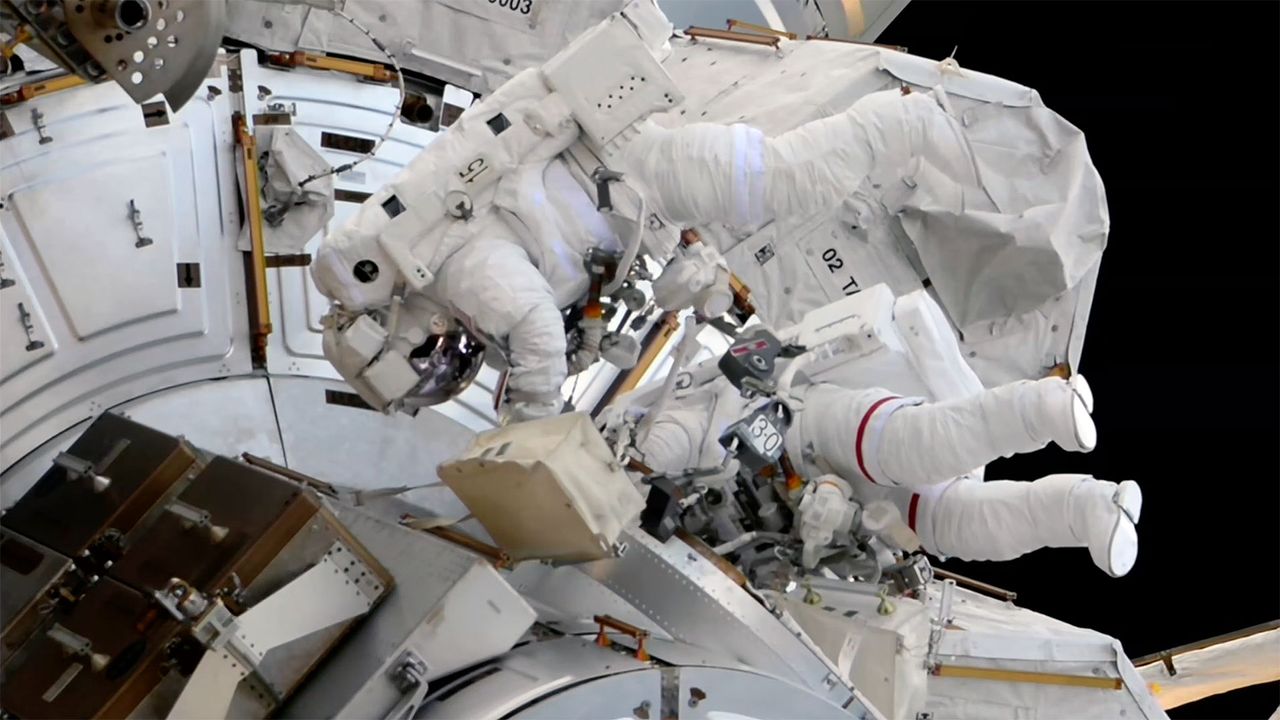
NASA astronaut Jessica Meir and ESA’s Sophie Adenot completed the sixth all‑female spacewalk on the International Space Station, lasting six hours and 49 minutes. They replaced the Harmony Node 2 deflector and the truss Camera Port 3 high‑definition camera, and also prepared the Alpha Magnetic Spectrometer for future maintenance. Despite a mobility issue in Adenot’s shoulder joint, Meir helped free the problem and the EVA concluded with the crew safely returning to the airlock. This mission marked Meir’s seventh EVA and Adenot’s third, underscoring the growing presence of women in spacewalks.
Nonprofit wants to launch 80,000-year mission to Alpha Centauri in 2029 (video)
Original Publication Date: 2026-09-01 20:00
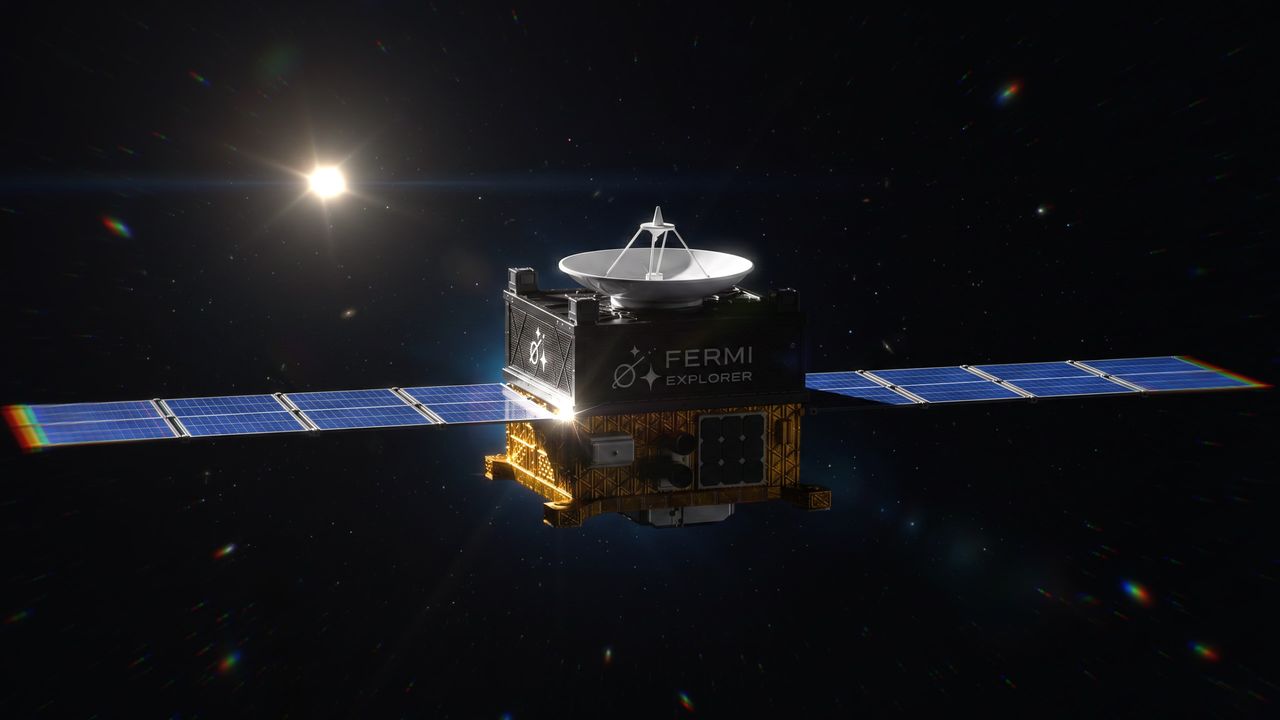
A nonprofit called the Fermi Explorer Mission plans to launch a small, electric‑propelled probe to Alpha Centauri by 2029, aiming to be the first directed interstellar craft. The 100‑to‑200‑kilogram spacecraft will carry a modest 1‑kilogram payload and cost under $15 million. Its 80,000‑year journey means no one alive today will see its arrival, but the mission seeks to inspire future generations and prove interstellar travel is achievable. With advisors from Blue Origin and asteroid‑mining firm AstroForge, the project highlights a growing push to explore our nearest stellar neighbor while probing the Fermi Paradox.
On this day in space! Sept. 1, 1979: NASA's Pioneer 11 probe becomes 1st spacecraft to visit Saturn
Original Publication Date: 2026-09-01 17:15
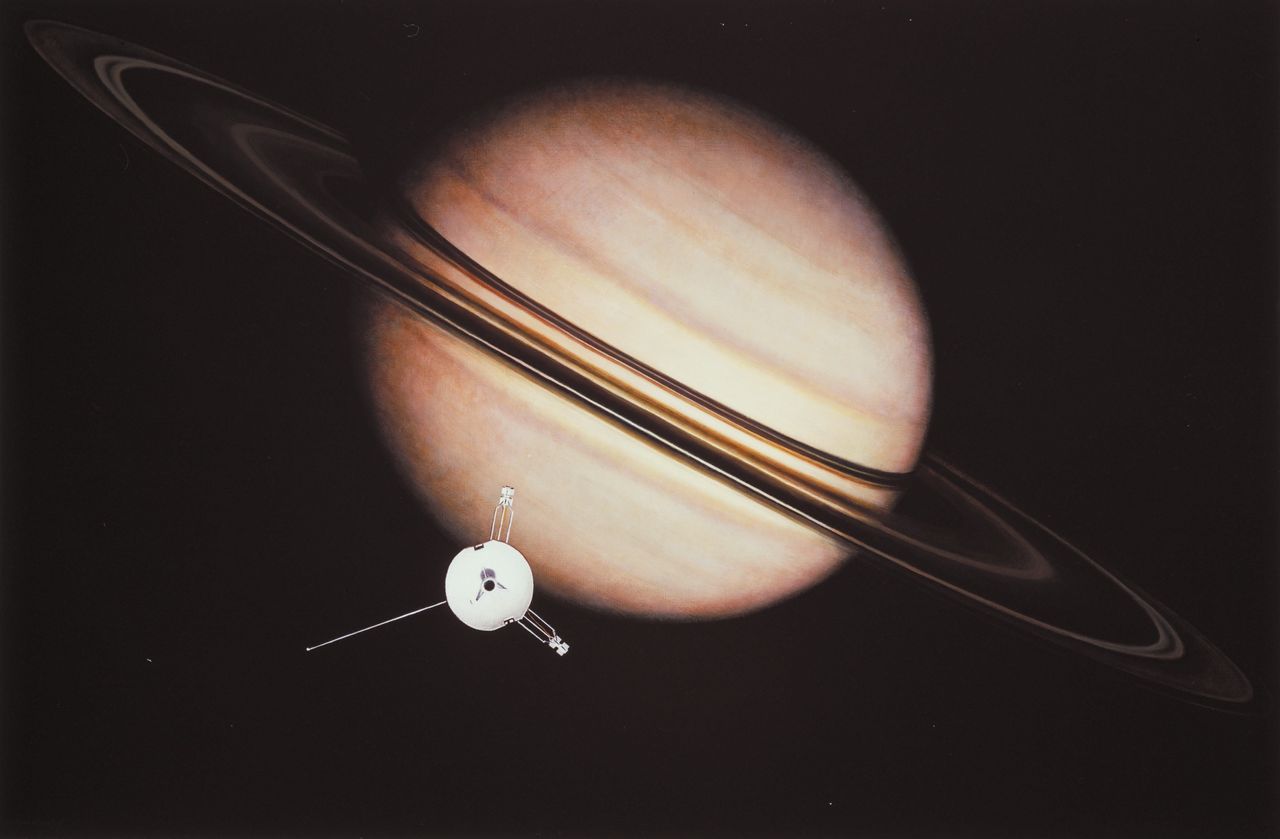
On September 1, 1979, NASA’s Pioneer 11 became the first spacecraft to fly by Saturn after launching in 1973 on a mission to the asteroid belt and Jupiter. Using a gravity‑assist from Jupiter, it slingshot toward Saturn, passing within 13,000 miles of the planet’s cloud tops and cutting through its outer rings to test a safe trajectory for the Voyager probes. The flyby revealed new moons, a previously unseen ring, and the first evidence of Saturn’s magnetic field, while also photographing Titan and exposing its frigid atmosphere.
Why do black hole flares die out? It may be down to how stars spin
Original Publication Date: 2026-09-01 17:00
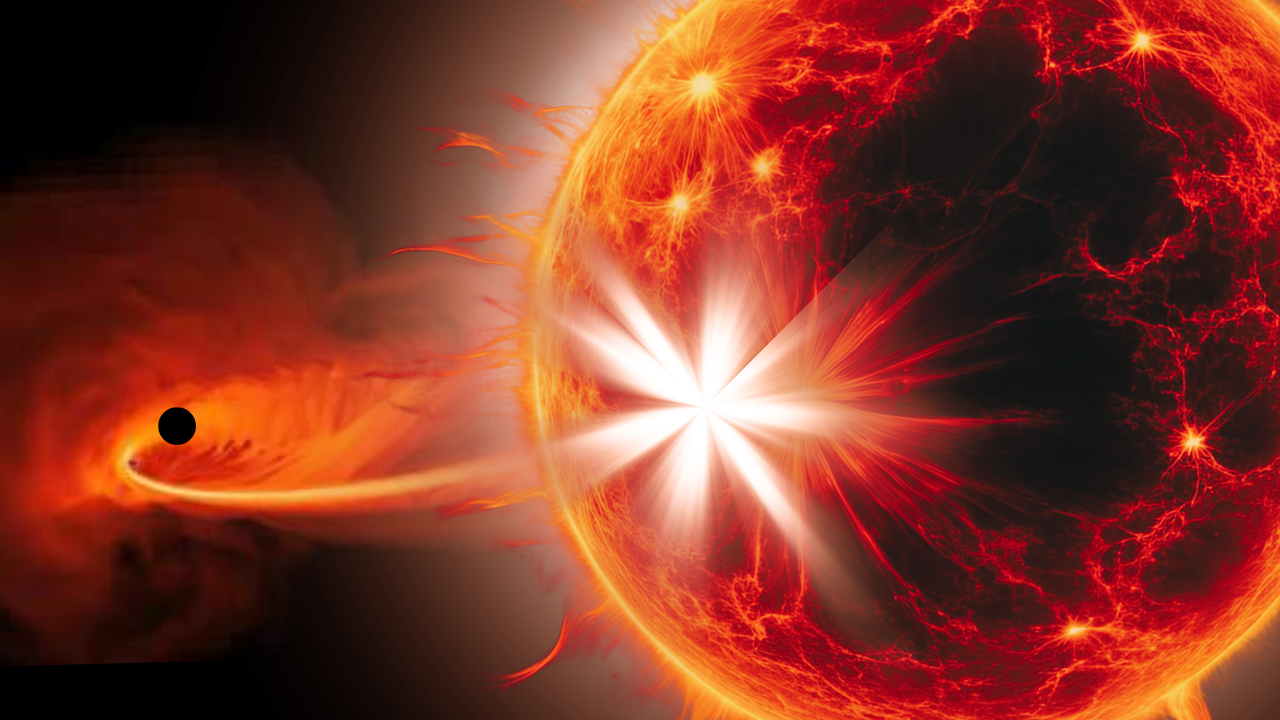
Scientists from Syracuse University have discovered that the fading flares seen when stars repeatedly graze supermassive black holes—known as repeating partial tidal disruption events—are tied to the stars’ spin. As the black hole torques a star, it can spin up, shortening the time between successive “bites” and keeping the flares bright, but a star that already spins rapidly before its first encounter loses that boost, causing the flares to dim over time.
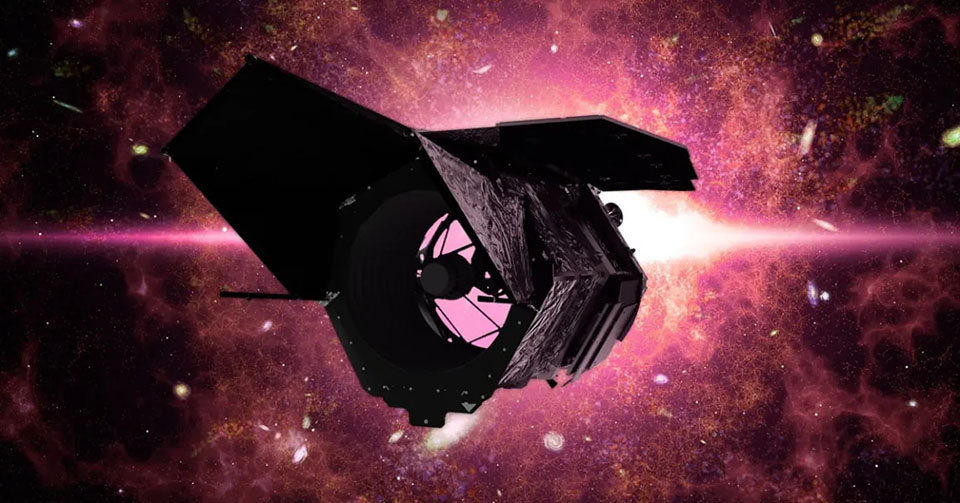
NASA's Roman Space Telescope is just one of a few missions named after real-life women
Original Publication Date: 2026-09-01 16:00
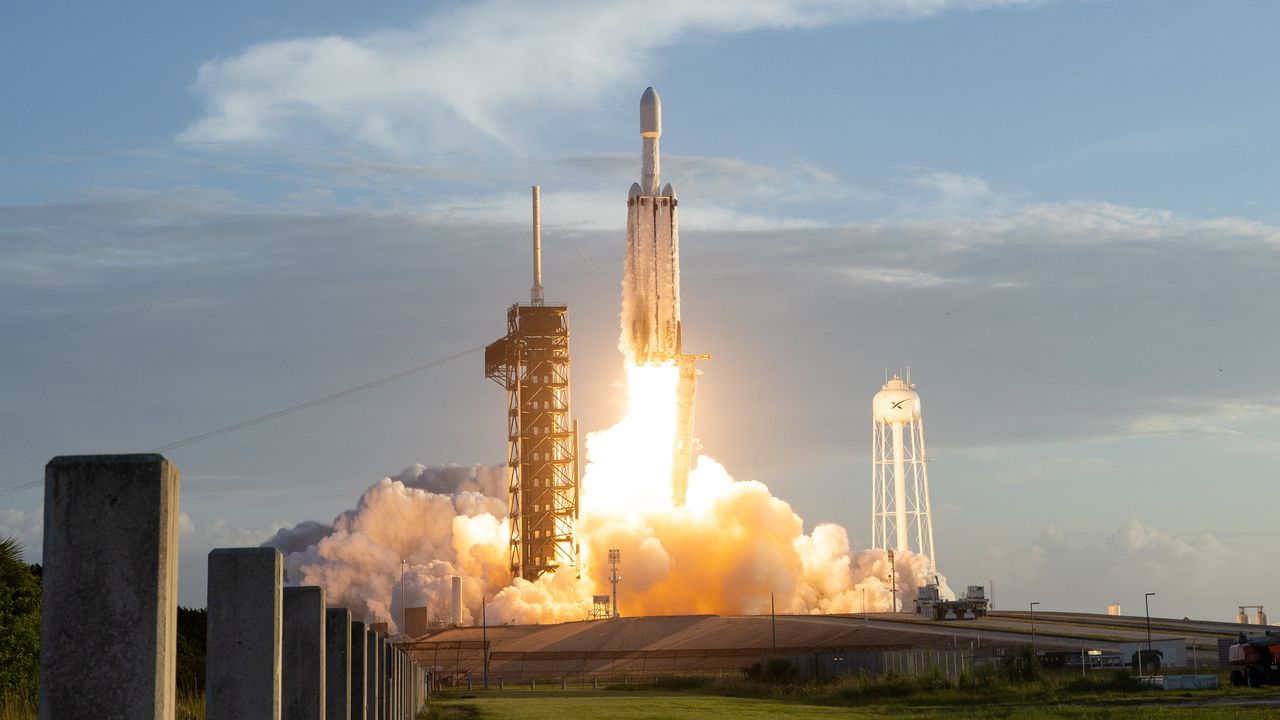
NASA’s new Roman Space Telescope, launched Aug. 30 on a SpaceX Falcon Heavy, is the first space telescope named after a real woman. It honors Nancy Grace Roman, the “Mother of Hubble” who led NASA’s astronomy program in the 1960s. The naming marks a shift from earlier missions that were named after male scientists or mythological figures, with only a handful of female names such as Sojourner and Rosalind Franklin. This milestone reflects growing recognition of women’s contributions to space science.
Research roundup: 7 cool science stories we almost missed
Original Publication Date: 2026-09-01 19:06
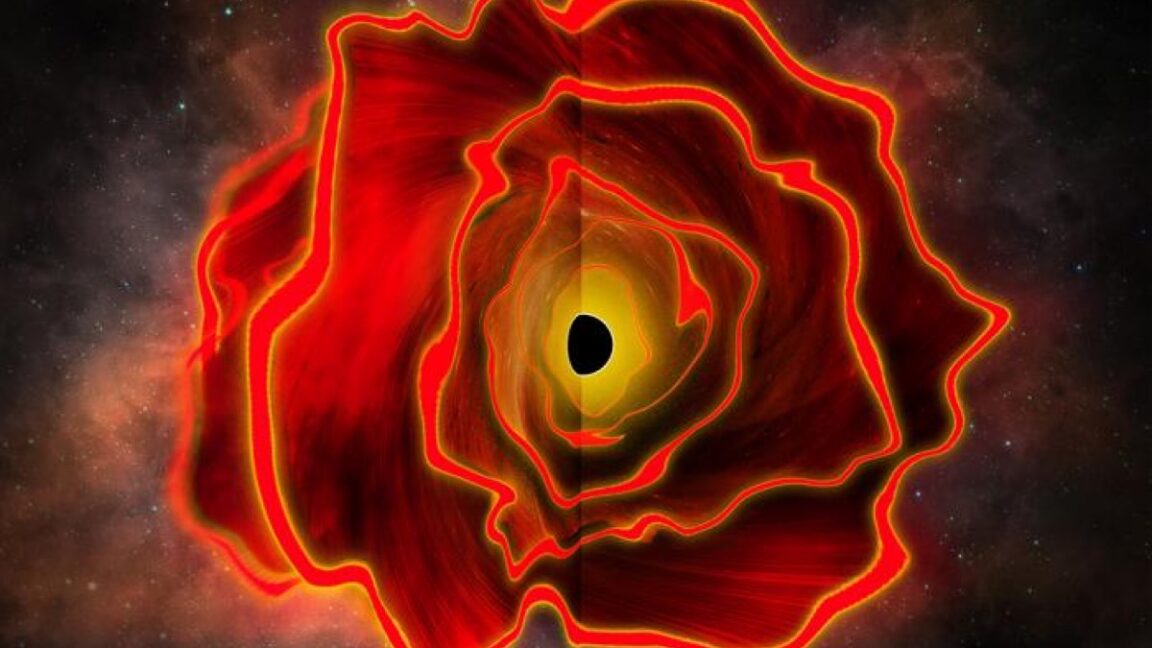
Scientists using the James Webb Space Telescope have spotted a mysterious red dot in the early universe that defies conventional classification, now dubbed a “black hole star.” The object, roughly the size of a large star, emits energy comparable to an active black hole, far beyond what nuclear fusion can produce. This discovery joins other August highlights—such as microbes turning plastics into edible cookies and a surprising link between whale calls and Einstein’s theory—showcasing the breadth of breakthroughs scientists are uncovering. The find underscores how much remains to be explored in our cosmos.
Without new landers or rovers, it's helicopters or bust for NASA's Mars program
Original Publication Date: 2026-09-01 11:00
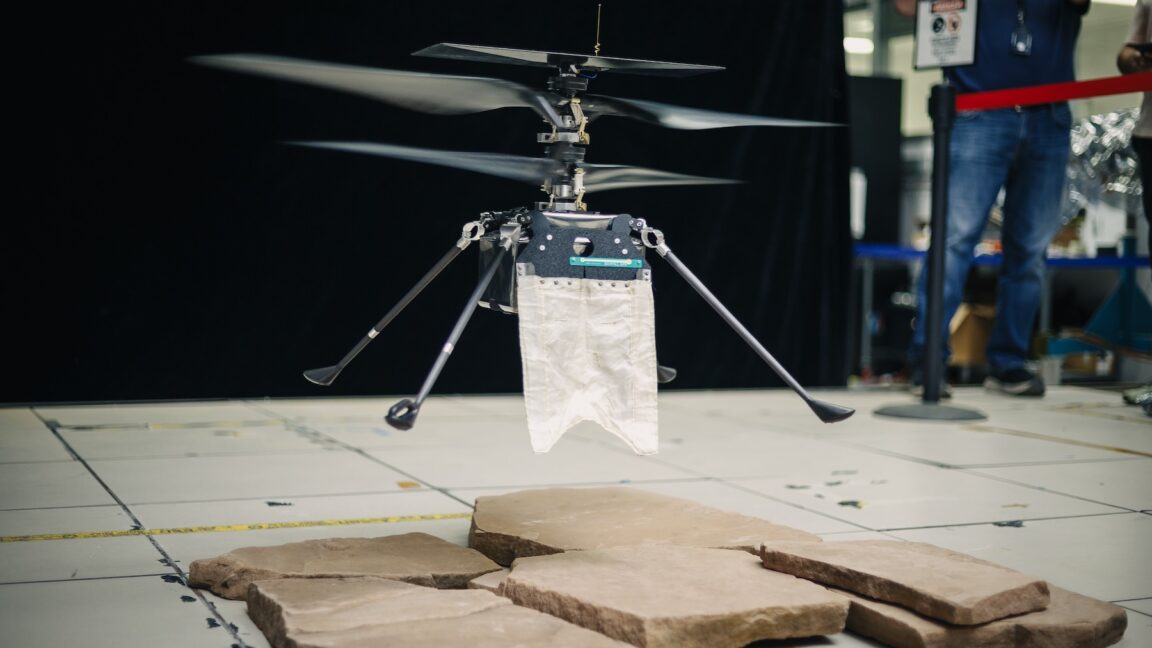
NASA has shifted its Mars strategy away from new landers or rovers and is now focusing on aerial drones. The SkyFall mission, featuring a fleet of three helicopters, will launch as early as late 2028 aboard the Space Reactor‑1 Freedom mission that will showcase nuclear electric propulsion. Freedom will repurpose the core module of the canceled Gateway lunar station and is budgeted at roughly $2.1 billion. Building on Ingenuity’s historic flight, SkyFall will be the first true drone-based science exploration on Mars.