 Spotify
 Apple Podcasts
 Podcast Addict
 Overcast
 Podcast RSS
The Land of the Standing-Up Rocks
Original Publication Date: 2026-10-28 04:01

A 27‑million‑year‑old eruption on the Chiricahua Mountains blasted more than 1,000 times the volcanic material of Mount St. Helens, forming the 12‑mile‑wide Turkey Creek caldera and thick welded rhyolitic tuff that now spires into dramatic hoodoos. The area, known as “The Land of the Standing‑Up Rocks,” was protected as a national monument in 1924 and was redesignated Chiricahua National Park in October 2026, a change highlighted by a cloud‑free Landsat 9 image of the new park. With four biogeographic zones—Sonoran Desert, Chihuahuan Desert, Rocky Mountains, and Sierra Madre—converging, the park hosts roughly 1,000 plant species ranging from cacti to conifers, making it a botanical hotspot. Chiricahua’s towering peaks rise over 9,700 feet above the desert floor, earning it a place among Arizona’s famed sky islands.
NASA Invites Media to Crew Completion of Yearlong Mars Simulation
Original Publication Date: 2026-10-27 19:27
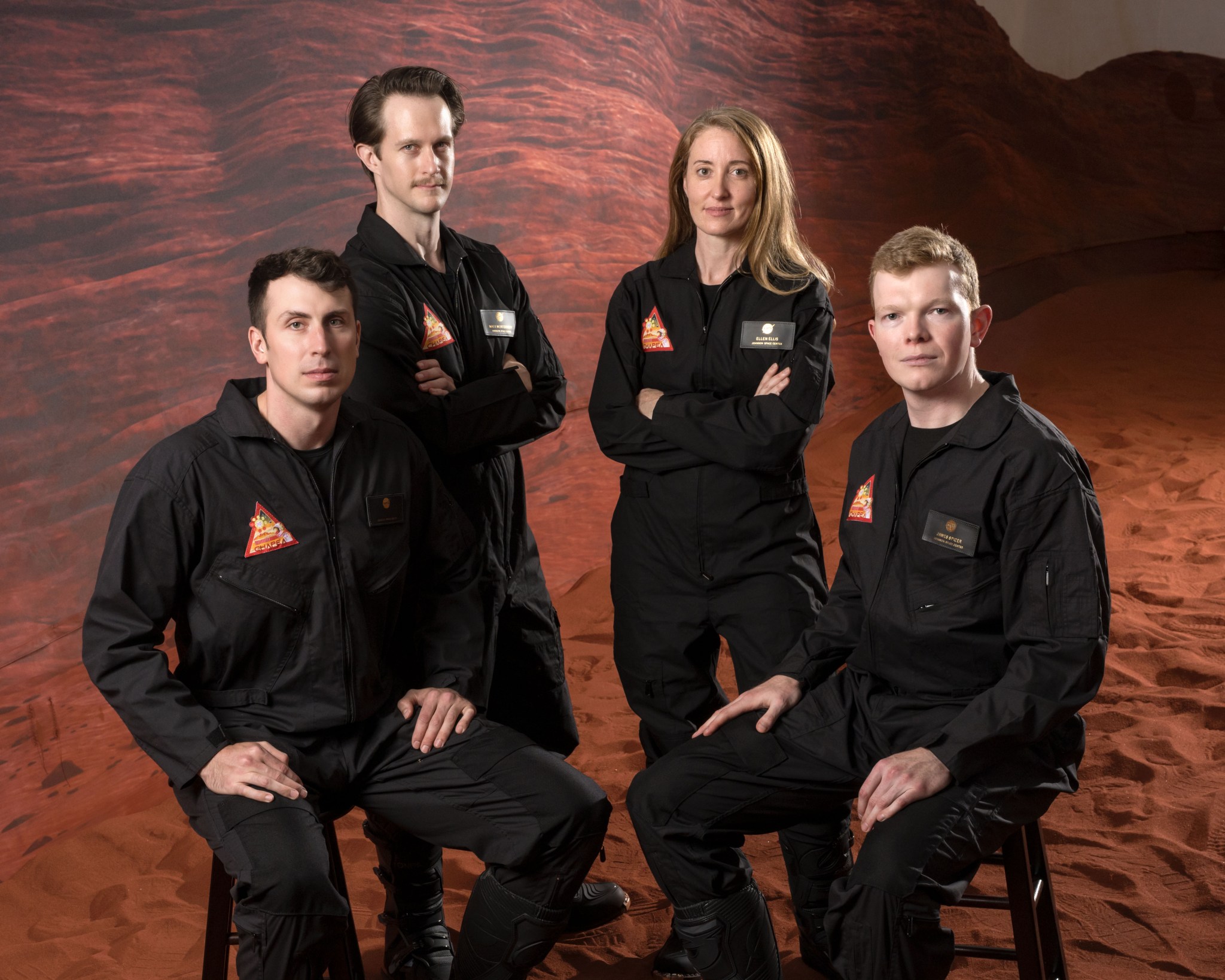
NASA’s CHAPEA Mission 2 crew of four volunteers will exit their 378‑day Mars‑mission simulation on Saturday, Oct. 31 after living in a 1,700‑sq‑ft habitat at Johnson Space Center. The live ceremony, streamed from the facility, will feature remarks from Johnson Center Director Vanessa Wyche, astronaut Jack Hathaway, and the crew themselves. Data collected over the year will help NASA refine life‑support, communication, and medical protocols for future Artemis and lunar base missions. The event is open to media and will provide an opportunity to observe the crew stepping outside for the first time in more than a year.
NASA, Agriculture Department Partner On Space Data Sharing
Original Publication Date: 2026-10-27 17:00

NASA and the U.S. Department of Agriculture have signed a memorandum of understanding to merge Earth‑observation data with agricultural expertise, aiming to give American farmers better tools for monitoring crops, droughts, and natural disasters. The agreement, signed by Administrator Jared Isaacman and Secretary Brooke Rollins at the University of Alabama, builds on existing partnerships in remote sensing and geospatial data integration. By combining NASA’s space‑borne analytics with USDA’s on‑the‑ground knowledge, the agencies hope to boost crop‑condition insights and support high‑risk, high‑reward scientific initiatives that enhance U.S. Competitiveness. This MoU follows a similar collaboration with the Department of Energy, underscoring a broader effort to break silos across federal agencies.
OSMOS X Tapped to Lead EDF-backed Tactical Capture Consortium
Original Publication Date: 2026-10-27 12:59
Europe is gearing up for a new orbital defense plan as the European Defence Fund backs a 30‑month study led by French startup OSMOS X and partners from seven countries. The coalition will design a spacecraft capable of approaching, capturing, and neutralising hostile satellites without creating debris, with a preliminary design review as its first deliverable. OSMOS X plans to fly a demonstration mission next year to validate a high‑power propulsion system that could give the bloc rapid reach across GEO. The goal is to enable Europe to jam or relocate adversarial spacecraft in under two days, proving the EU’s capacity to observe, listen to, and act in space.
MP Space Raises AUD $23M to Scale Satellite Battery Manufacturing
Original Publication Date: 2026-10-27 12:29
Australian startup MP Space has raised AUD 23 million in a seed round led by Blackbird VC to expand its satellite battery production and develop a broader range of power systems for space missions. Co‑founded by former Tesla engineers, the company offers batteries up to a third cheaper than market prices and has already secured orders for over 500 spacecraft after its first launch on SpaceX’s Bandwagon‑5. With the new funding, MP Space plans to grow its Sydney facility to produce 5,000 space widgets a year and begin building larger power components needed for future heavy‑satellite projects such as SpaceX Starship. This move positions MP Space as a third, cost‑effective alternative to expensive suppliers and in‑house development for satellite operators.
How 'spacewalking' underwater made me feel like I was really in space
Original Publication Date: 2026-10-27 21:00
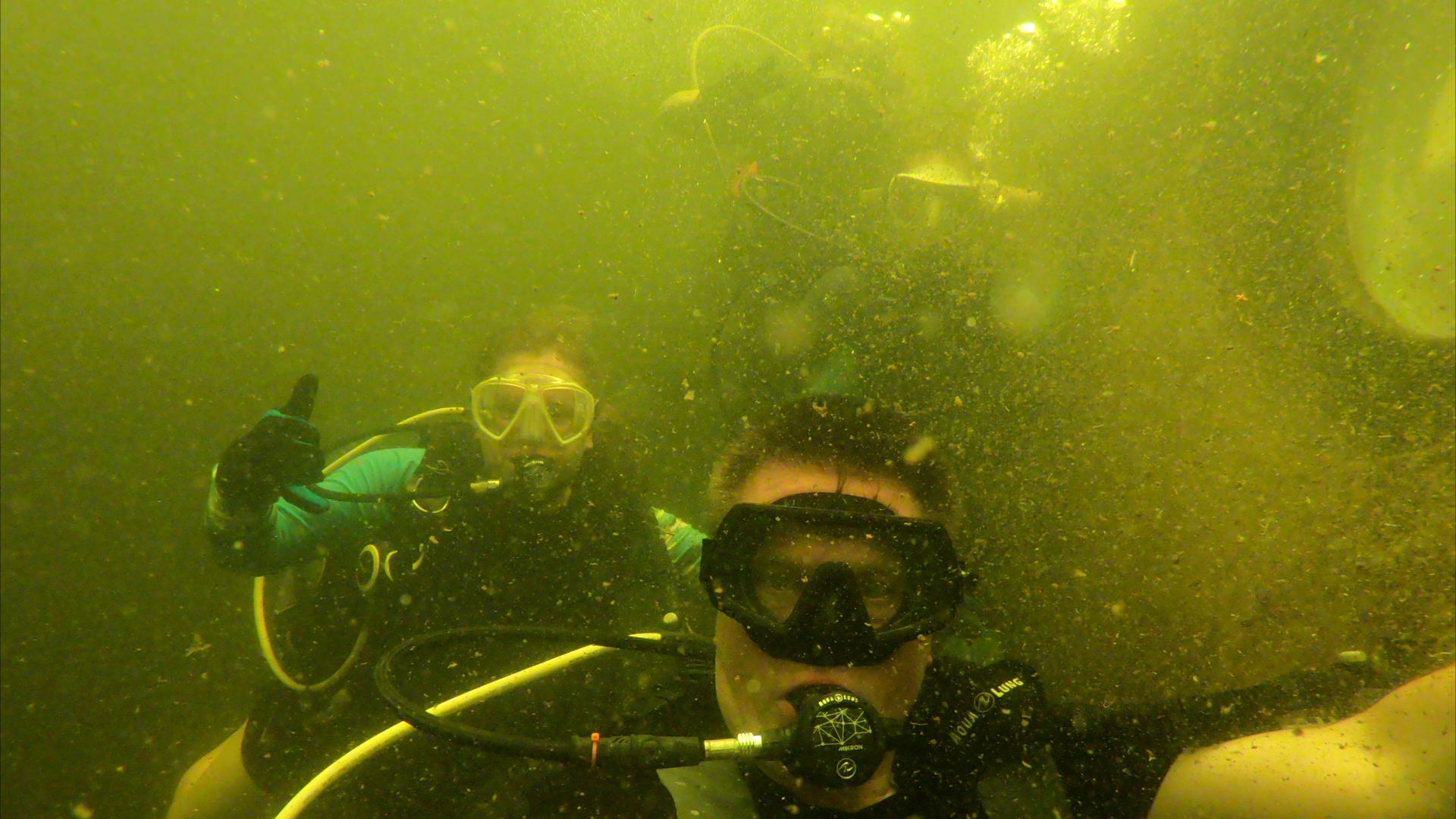
Astrobiologist Dr. Michaela Musilova, a Forbes 30‑Under‑30 honoree, has led 40 simulated Moon and Mars missions—more than any other
Astronomers discover the secrets of 'string of pearls' supernova relic and the zombie star at its heart
Original Publication Date: 2026-10-27 19:00
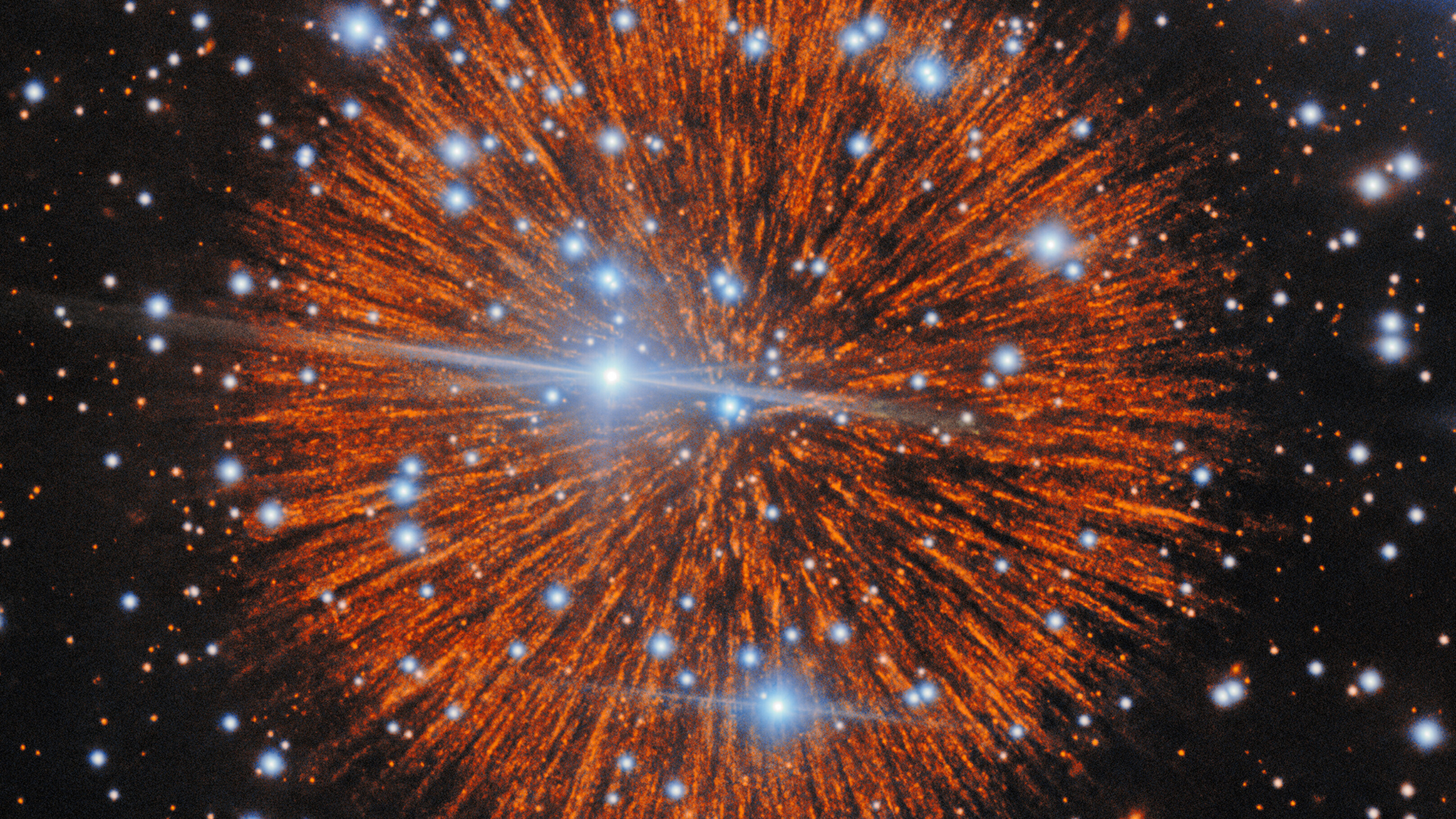
Astronomers have unveiled the secrets of Pa 30, a rare Type Iax supernova remnant that exploded in 1181 and is now only 7,500 light‑years away. Using the Gemini North telescope, they spotted a “zombie star”—a surviving white dwarf—centered in the knotty, dandelion‑shaped debris that could fit ten solar systems each. The remnant’s symmetry and minimal “kick” suggest a gentle explosion, giving scientists a unique laboratory to study how some supernovae leave behind living‑dead stars.
Cowboy Space unveils 'Big Iron' rocket to launch 20,000 AI data centers
Also covered by: Payload Space
Original Publication Date: 2026-10-27 18:00
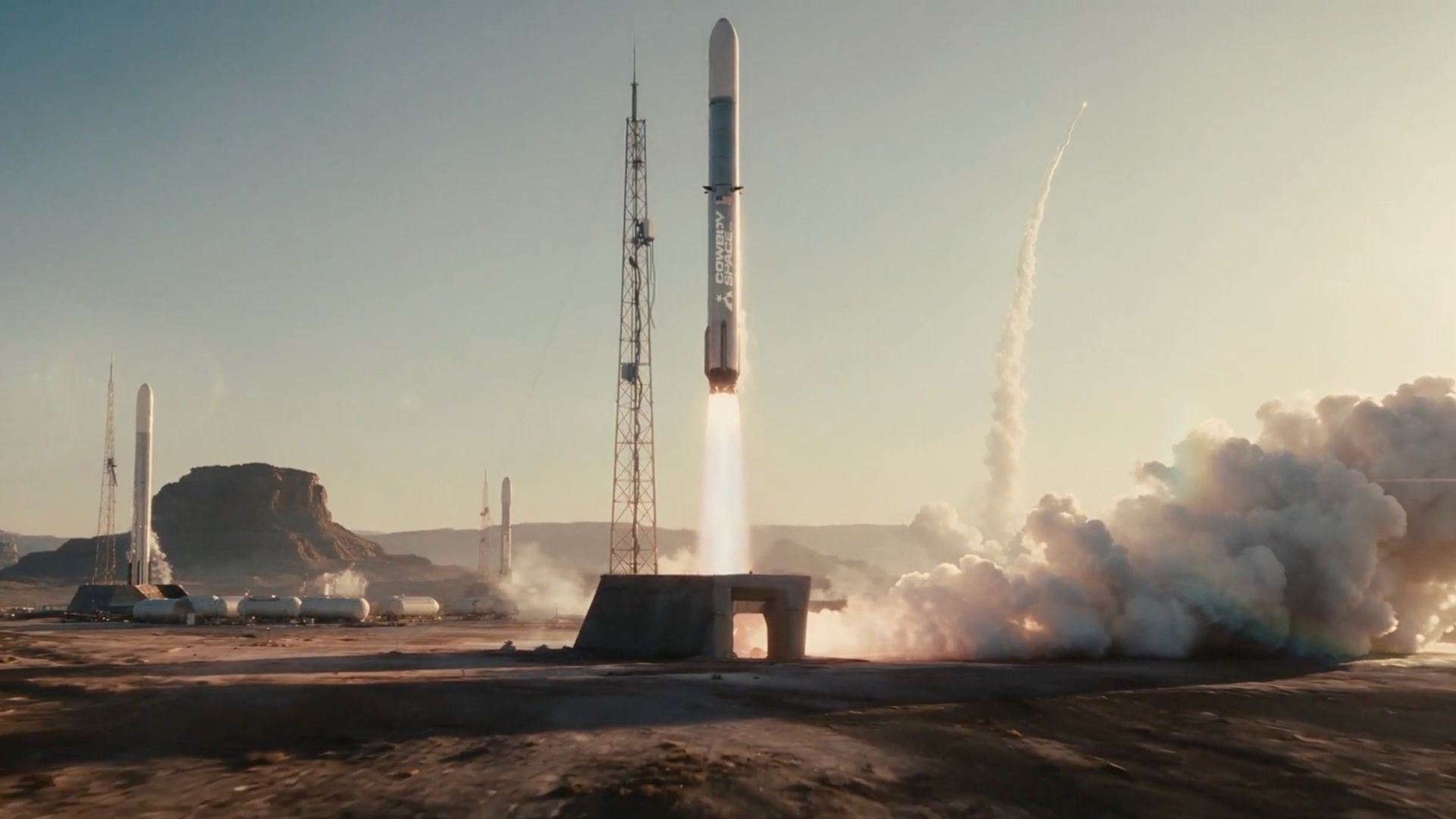
Cowboy Space, led by former Robinhood co‑founder Baiju Bhatt, has unveiled its 282‑foot‑tall “Big Iron” rocket, designed to launch a single 20,000‑satellite AI data‑center constellation into low‑Earth orbit. The two‑stage vehicle will use a reusable first stage and a methalox‑powered upper stage that transforms into a satellite, each carrying five GPU racks for about 1 MW of compute. With 20,000 rockets required to build the “Stampede” constellation, the company plans to launch Big Iron as often as multiple times per day from future Trailhead complexes, aiming for the first flight in December 2028. Meanwhile, its current Reason‑1 satellite demonstrates power‑beaming technology, a critical step toward sustainable space‑based data centers.
On this day in space! Oct. 27, 1961: NASA launches Saturn I rocket on 1st test flight from Florida to set stage for the mighty Saturn V moon rocket
Original Publication Date: 2026-10-27 14:00
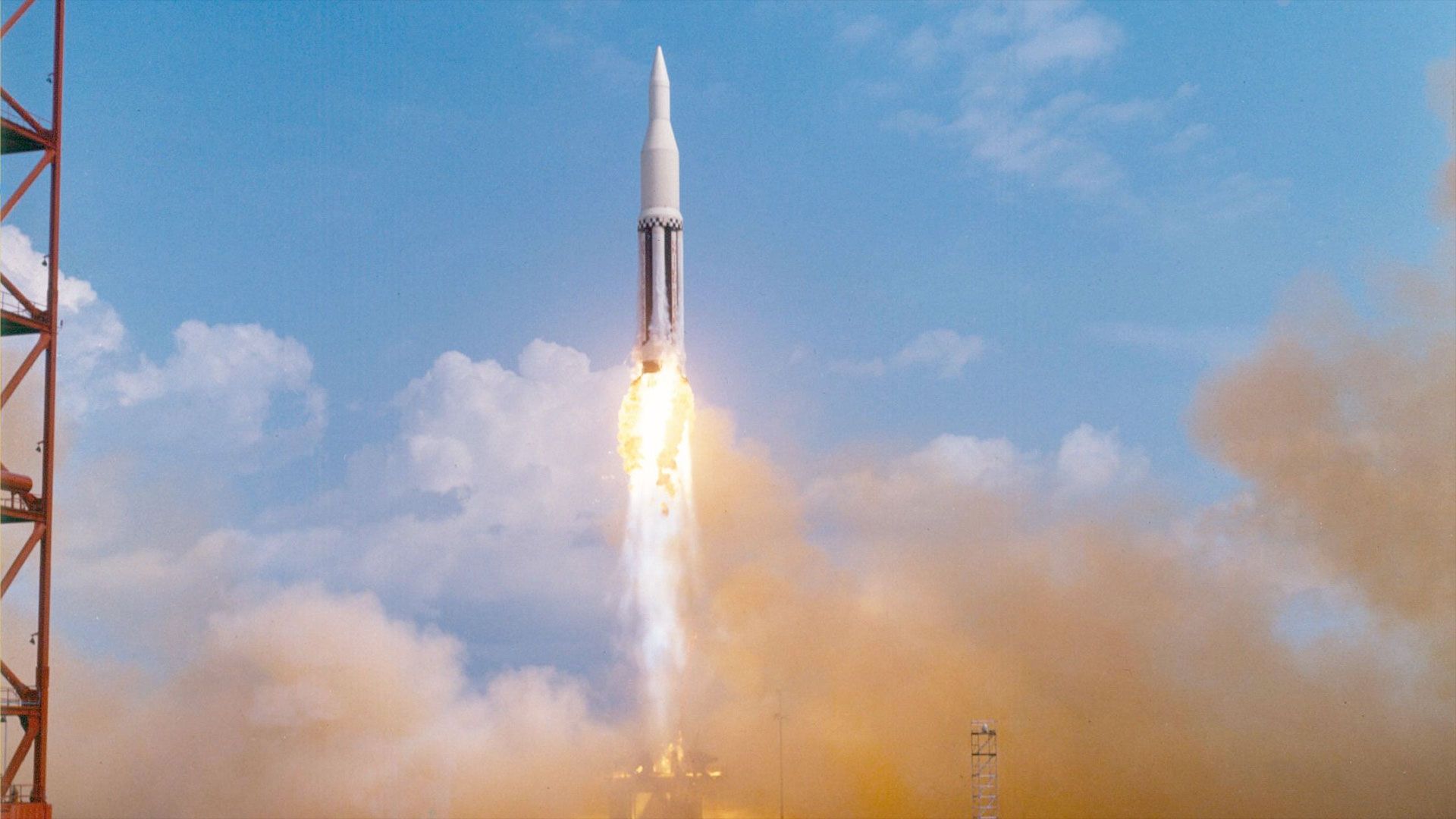
On Oct. 27, 1961, NASA launched the first test flight of its Saturn I rocket, the United States' first heavy‑lift vehicle capable of sending large payloads beyond low Earth orbit. The 162‑foot, 460‑ton launch from Cape Canaveral produced more than ten times the thrust of the earlier Jupiter‑C rocket, reaching an altitude of 85 miles before splashing down in the Atlantic. Although the engines shut down 1.6 seconds early due to an excess of liquid oxygen, the flight was deemed essentially flawless and marked the beginning of 32 successful Saturn launches that would eventually include the Apollo‑capable Saturn V.
Mars rover tracks from a historic drive | Space photo of the day for Oct. 27, 2026
Original Publication Date: 2026-10-27 14:00
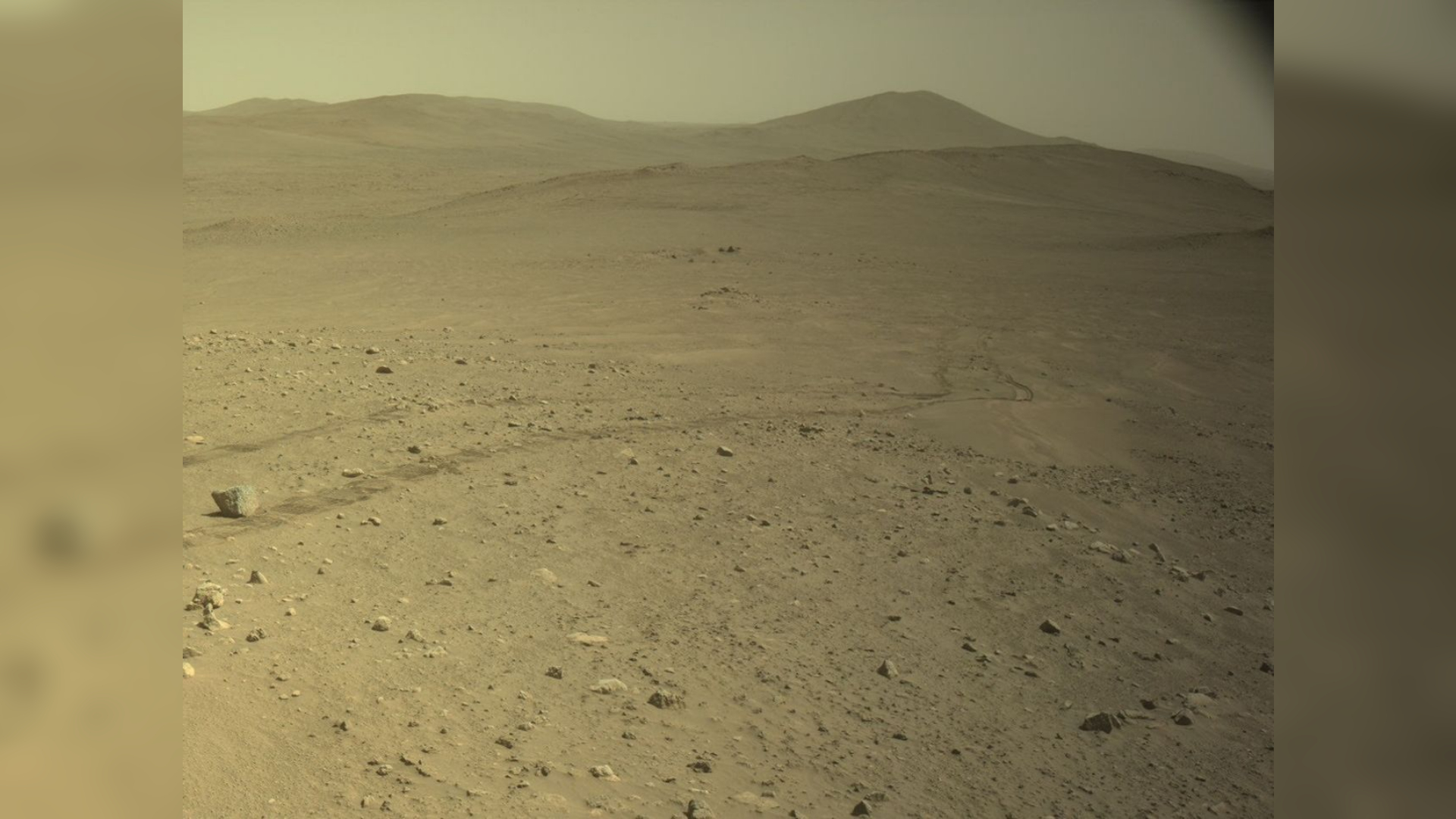
NASA’s Perseverance rover has set a new interplanetary driving record, covering 28.10 miles (45.22 km) on the Martian surface. The milestone was reached on Oct. 11, surpassing the previous record held by Opportunity, which took 14 years to travel a similar distance. While the rover’s journey showcases unprecedented mobility, its mission continues to uncover potential biosignatures and study diverse Martian geology. These achievements bring us closer to answering whether life once existed on the Red Planet.