 Spotify
 Apple Podcasts
 Podcast Addict
 Overcast
 Podcast RSS
Amazon Navigates Launch Delays with Under 400 Satellites in Orbit Ahead of Nov. 13 Vulcan Return
Original Publication Date: 2026-11-03 22:30
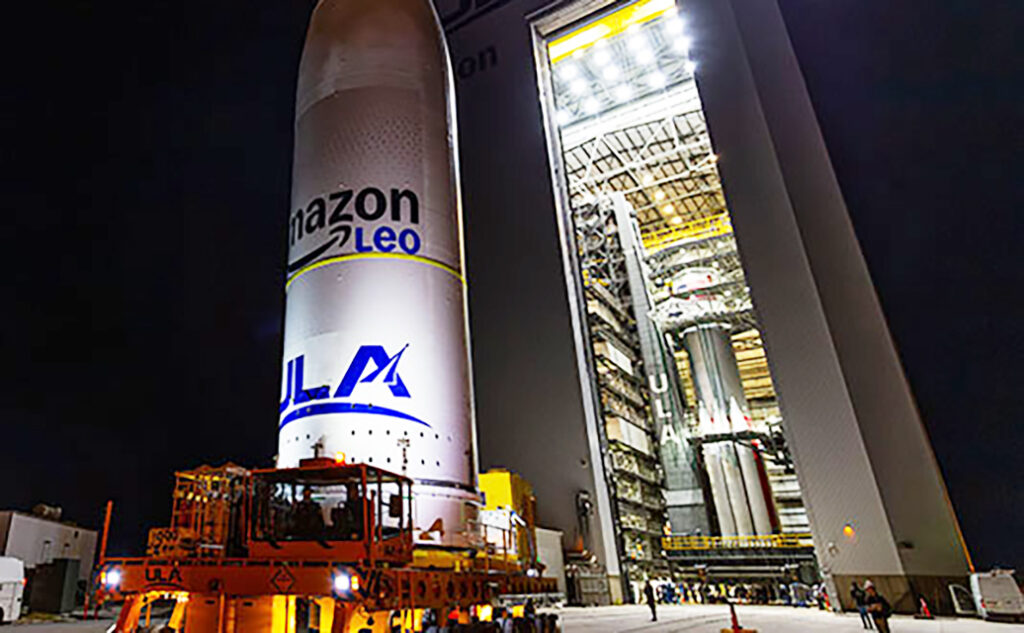
Amazon has launched fewer than 400 operational satellites into orbit for its Amazon Leo broadband constellation, a shortfall from the company’s original plans. The reduced count stems from cascading development setbacks and grounding delays across its primary launch schedule. These delays threaten to postpone the full rollout of Amazon’s global internet service. The company remains committed to completing the constellation, but the timeline for widespread coverage has been pushed back.
Vantor Cuts Satellite Imagery Delivery Time to Seven Minutes in Ukrainian Field Demonstration
Original Publication Date: 2026-11-03 21:13
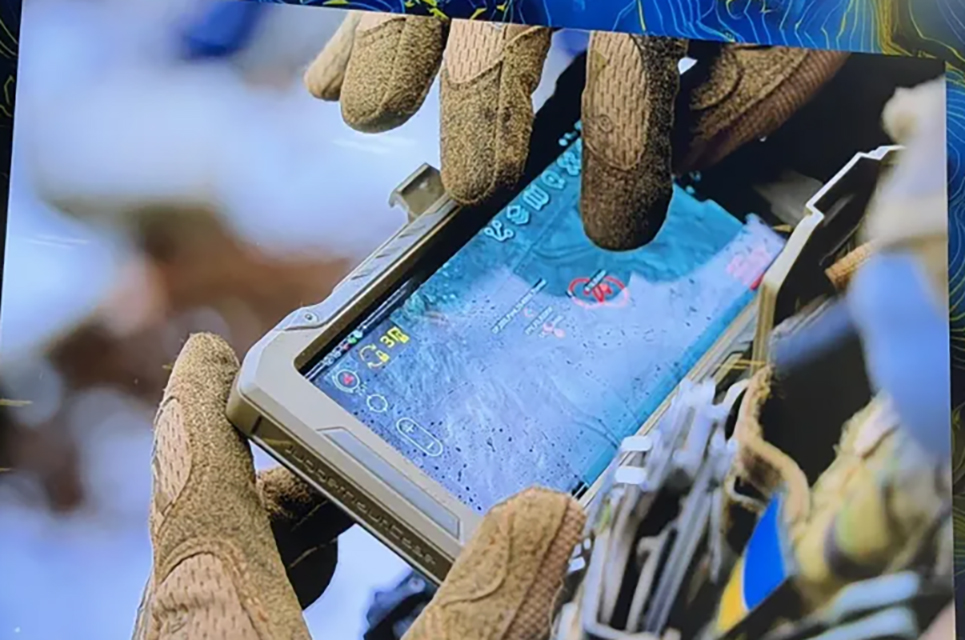
Commercial Earth‑observation company Vantor showcased its new system by delivering satellite imagery to Ukrainian frontline units in just seven minutes after a task request. The rapid turnaround could give soldiers a real‑time advantage in assessing enemy positions and terrain. Vantor’s demonstration highlights the growing role of commercial satellite data in modern warfare. The company plans to expand its services to other conflict zones.
SES Adds Finnair and Air Astana to Multi-Orbit In-Flight Connectivity Roster
Original Publication Date: 2026-11-03 20:05

Commercial satellite operator SES has signed contracts with Finland’s Finnair and Kazakhstan’s Air Astana to roll out its multi‑orbit in‑flight connectivity
SpaceX Explores Boost Mobile Acquisition in Push to Build Hybrid Terrestrial-Satellite Network
Original Publication Date: 2026-11-03 17:25
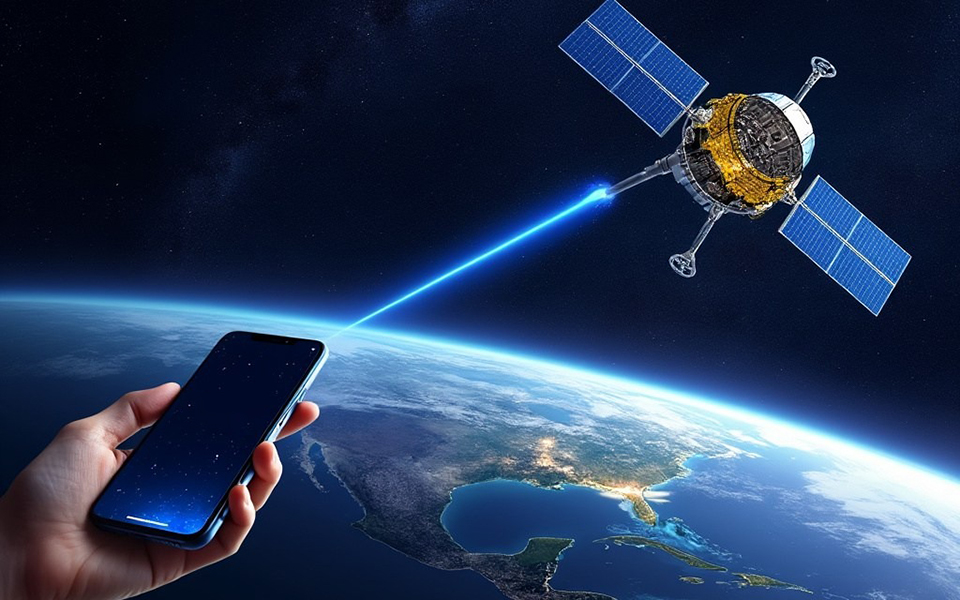
SpaceX has reportedly entered preliminary talks with EchoStar Corporation about buying its Boost Mobile subsidiary or securing wholesale access to its cellular network. The discussions come amid growing interest in expanding SpaceX's footprint in the telecommunications sector. EchoStar, a satellite communications company, could offer SpaceX a new revenue stream and broader connectivity options. The outcome remains uncertain as both parties weigh the strategic benefits.
L3Harris Secures $36M Army SATCOM Order for Hawkeye 4 Lite Terminals Supporting C2NOW
Original Publication Date: 2026-11-03 16:42
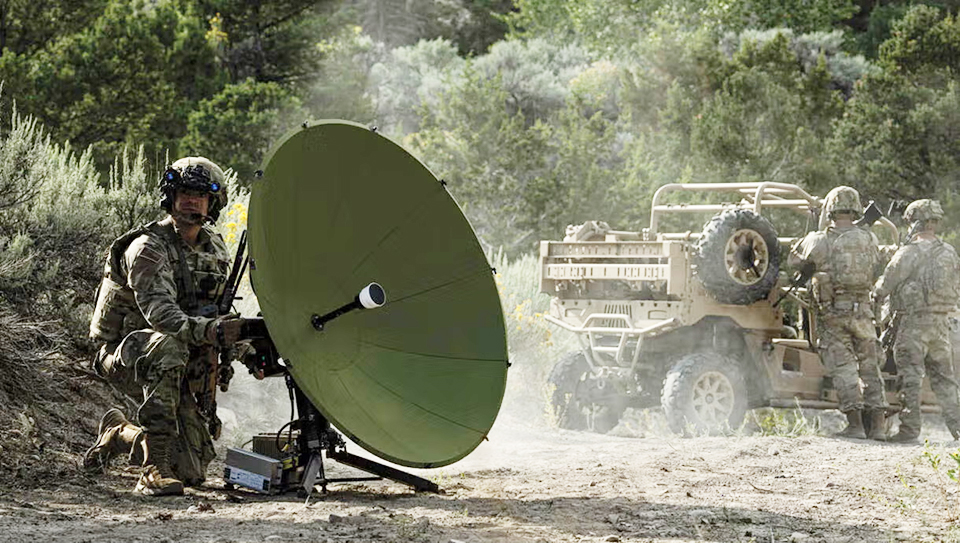
L3Harris Technologies announced on Tuesday that it secured a $36 million contract from the U.S. Army to deliver satellite communications terminals, bolstering the service’s next‑generation SATCOM network. The deal underscores the Army’s push to modernize its communications infrastructure.
Astronaut and Earth
Original Publication Date: 2026-11-03 16:37
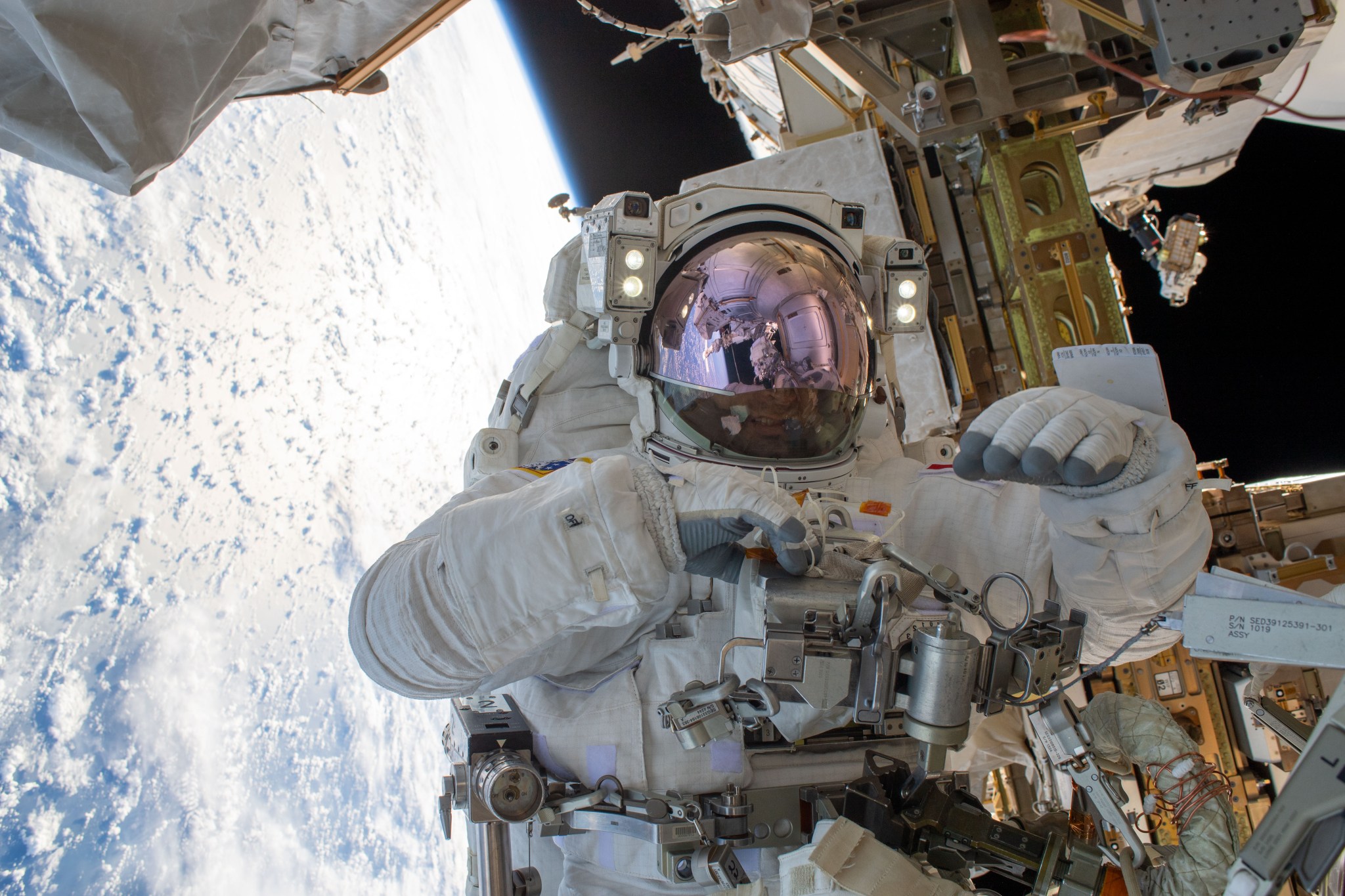
Canadian Space Agency astronaut Joshua Kutryk and NASA’s Anil Menon performed a spacewalk on October 29, 2026, at 267 miles above the South Atlantic Ocean. During the EVA, they installed a new roll‑out solar array on the International Space Station. The work also prepared them for a follow‑up spacewalk on November 5, when they will install the final, eighth array. The eight arrays will boost the station’s power capacity by up to 30%.
TB 26-10 Printed Circuit Board Assembly Chip Resistor Body Cracking
Original Publication Date: 2026-11-03 15:35
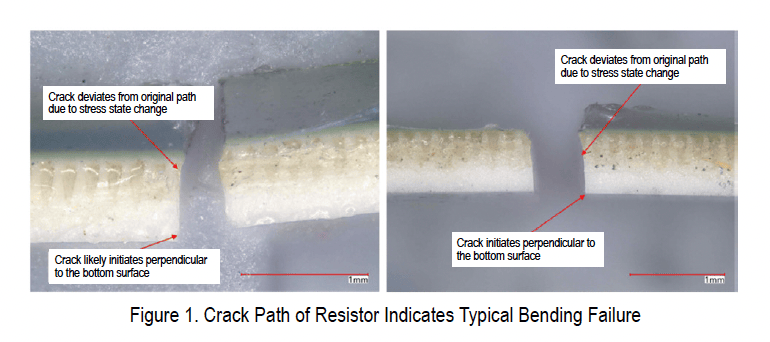
NASA identified two cases of alumina‑substrate cracking in thick‑film chip resistors during thermal cycling after vibration testing, a rare failure that caused intermittent open circuits at high temperatures. Failure analysis ruled out defective lots or fatigue, instead pointing to board flexure, component orientation, excessive solder fillets, and mounting stresses as contributing factors. The bulletin urges designers to avoid placing large ceramic components near board edges, limit solder on terminations, perform finite‑element analysis, and conduct functional thermal shock tests before vibration qualification. These guidelines aim to mitigate flexure‑induced cracking risks in future NASA printed circuit board assemblies.
NASA Astronaut, STEM Creator Connect with Students for STEM Day
Original Publication Date: 2026-11-03 15:15
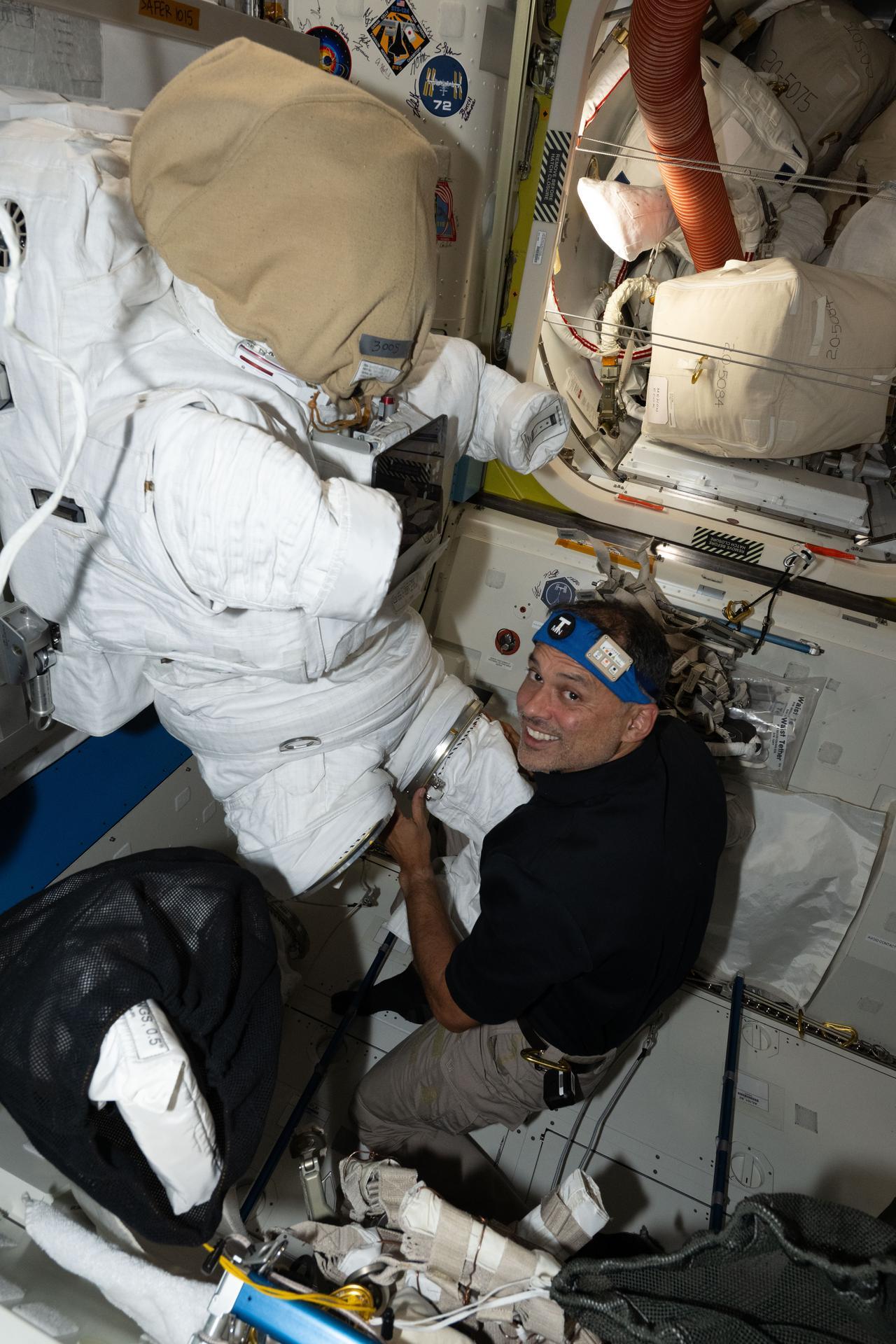
NASA astronaut Anil Menon, flight engineer on Expedition 74, will connect live from the International Space Station with students nationwide on November 4 at 11 a.m. EST to celebrate National STEM Day.
What to Watch on Election Night
Original Publication Date: 2026-11-03 15:51
Today's election could shape the leadership that will guide NASA toward a 2028 lunar return, with Democrats unlikely to dramatically alter the agency's budget but potentially boosting STEM funding. Key races include a tight contest for the Colorado seat that supports military space initiatives, a Texas Senate battle that will influence the state's booming commercial space sector, and a close House race in Arkansas featuring a former NASA scholarship holder. Candidates with space experience—such as former Delta rockets engineer Jason Gibbs and automation engineer Justin Wagner—are also on the ballot, adding a technical dimension to the race. The outcome will determine how Congress prioritizes space policy and funding moving forward.
Exclusive: Sceye Signs Deal to Fly HAPS Fleet for SoftBank
Original Publication Date: 2026-11-03 14:00
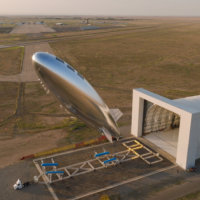
SoftBank has signed a five‑year master‑services deal with Sceye to deploy a fleet of high‑altitude platform systems (HAPS) over Japan, aiming for at least 40 stratospheric “cell towers” in the next five years. The 20‑kilometer‑high platforms will bridge terrestrial networks and satellites, delivering mobile broadband, voice, video, and a free‑space optical laser network while staying aloft for months. Sceye’s HAPS can reach cruising altitude in under 30 minutes using lifting gas, offering a launch‑independent alternative amid growing satellite launch congestion. This partnership positions SoftBank to expand its connectivity portfolio alongside Starlink’s direct‑to‑cell service.
NASA asks industry for ideas about saving Hubble Space Telescope
Original Publication Date: 2026-11-03 22:00
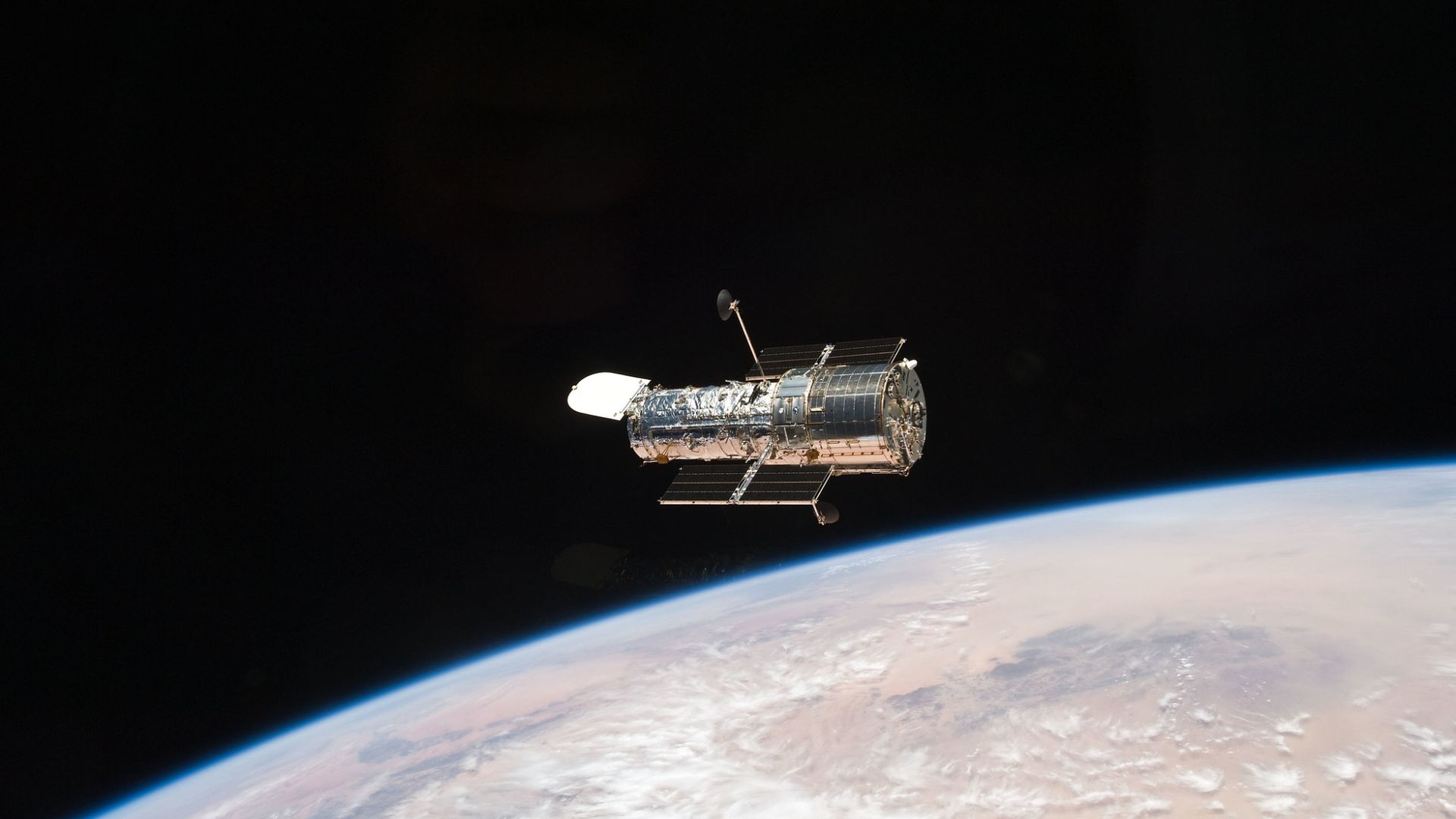
NASA is reopening the conversation about saving the Hubble Space Telescope, issuing a request for information to industry for in‑space servicing options that could boost its orbit or add new
Ancient star collisions could explain mysterious Little Red Dots and 'impossible' black holes
Original Publication Date: 2026-11-03 21:00
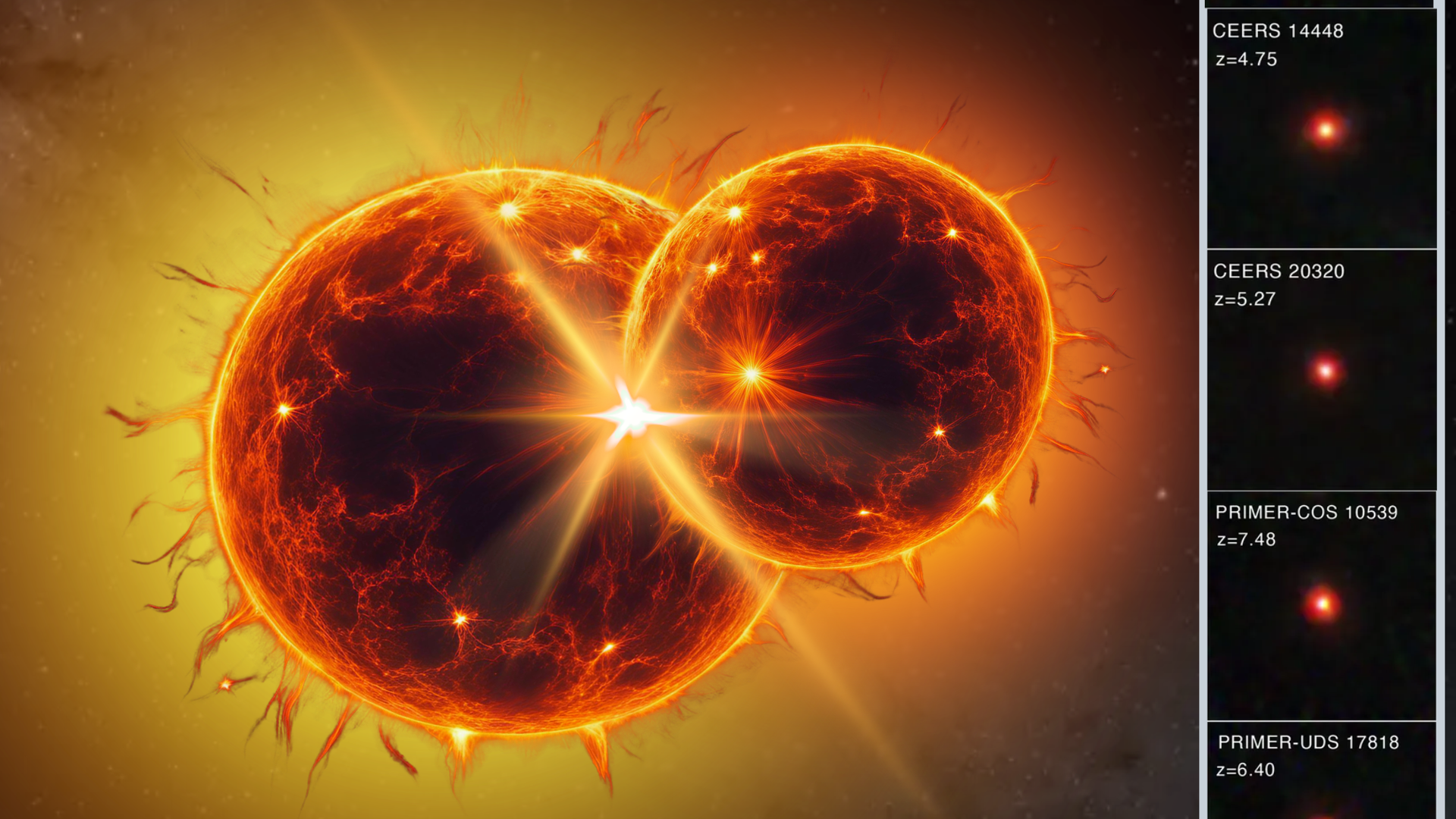
New simulations show that frequent star collisions in the early universe could create ultra‑massive stars that collapse into the seeds of supermassive black holes. These dense stellar environments, unlike modern galactic centers where high‑speed collisions destroy stars, allow repeated mergers that build one gigantic star. The resulting black hole seeds could explain why the James Webb Space Telescope sees both “Little Red Dots”—compact, short‑lived objects—and supermassive black holes less than a billion years after the Big Bang. Thus, ancient star collisions may be the missing link that helped the cosmos grow its first colossal black holes.
Voting in space: NASA astronauts cast ballots from International Space Station
Original Publication Date: 2026-11-03 20:46
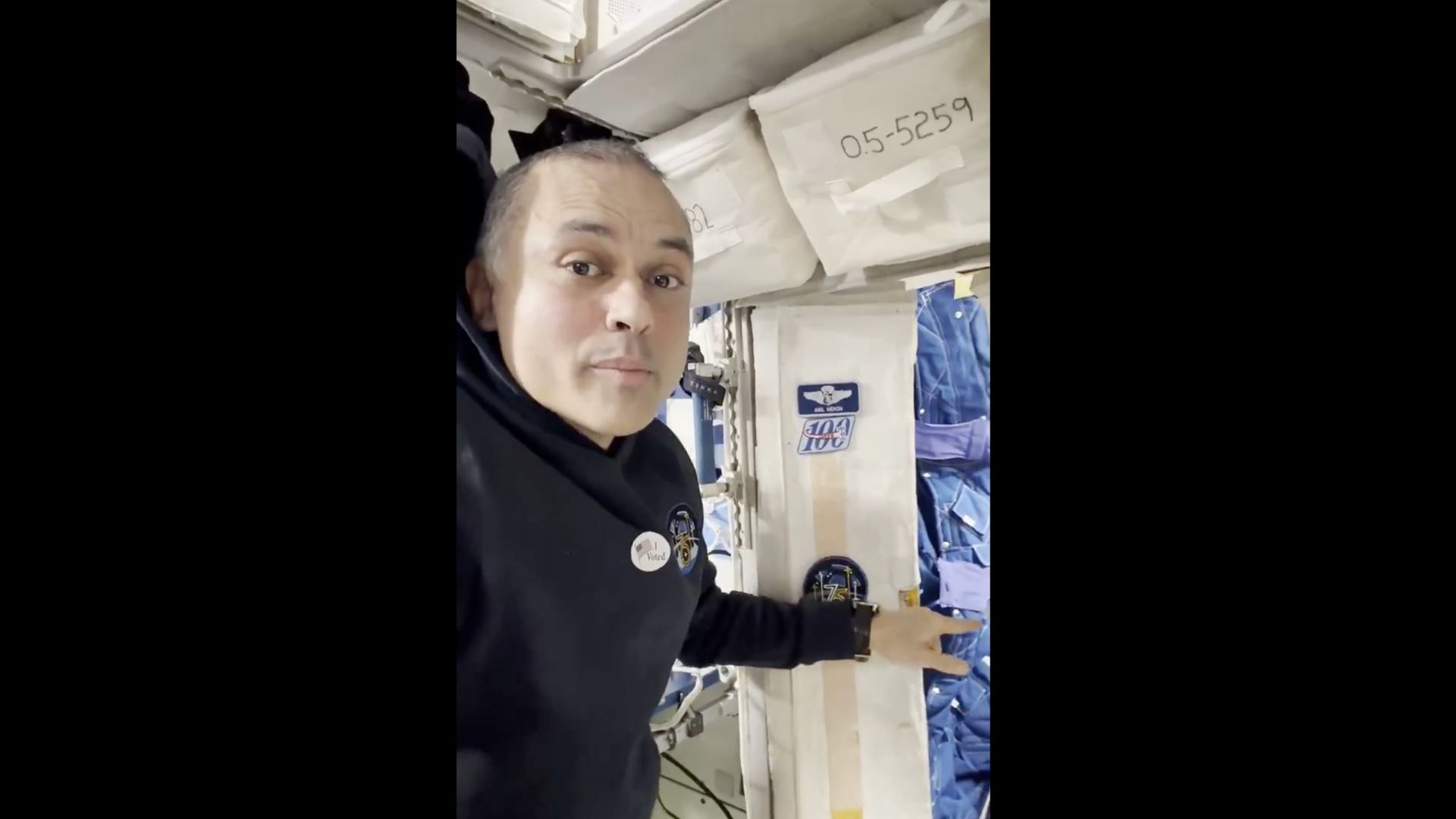
NASA astronauts aboard the International Space Station cast their ballots in the U.S. Midterm elections on Nov. 3, 2026, showing that voting from orbit has been possible since 1997. Anil Menon, Luke Delaney, and Jessica Watkins filled out electronic ballots in their ISS cabins, then sent them securely via NASA’s Tracking and Data Relay Satellite System to Harris County officials in Texas. The ballots were encrypted and transmitted through a chain that includes the White Sands Test Facility and Mission Control before reaching the county clerk. This marks the third time astronauts have exercised their voting rights from space, following the historic 1997 vote from Mir.
Dimorphos in sight: Europe's Hera probe gets its 1st look at battered space rock (photo)
Original Publication Date: 2026-11-03 19:00
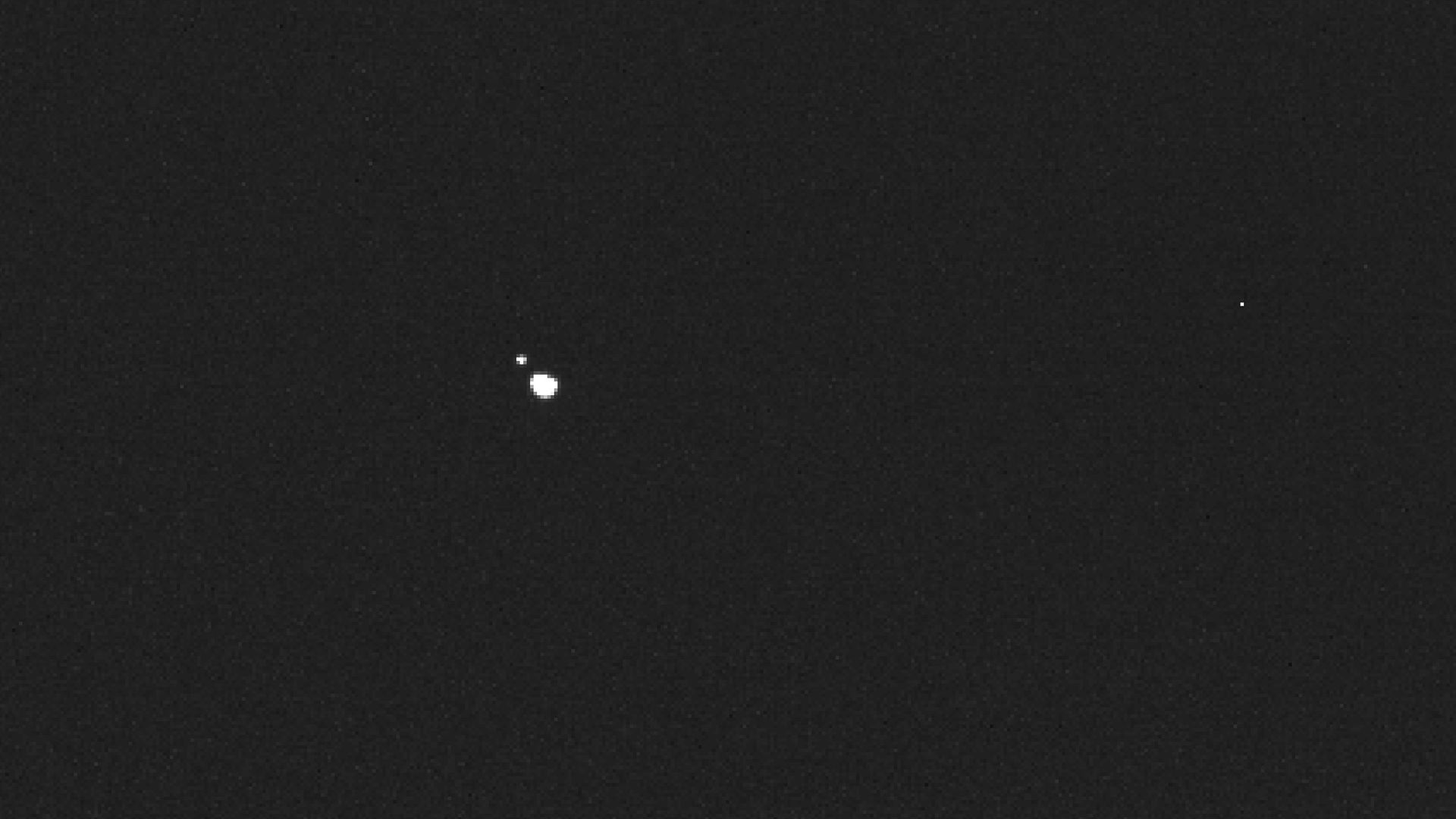
Europe’s Hera probe has finally resolved Dimorphos, the smaller asteroid hit by NASA’s DART mission, snapping its first clear image from 795 miles away. The spacecraft, launched on a Falcon 9 in October 2024, is tightening its approach to the Didymos system and will deliver detailed photos later this month. Hera’s mission is to assess the impact damage and refine our understanding of asteroid deflection techniques. The data will help improve planetary defense strategies for future threats.
Hubble Telescope sees cosmic 'cat's tail' that could wrap around Earth and the sun 500 times
Original Publication Date: 2026-11-03 17:00
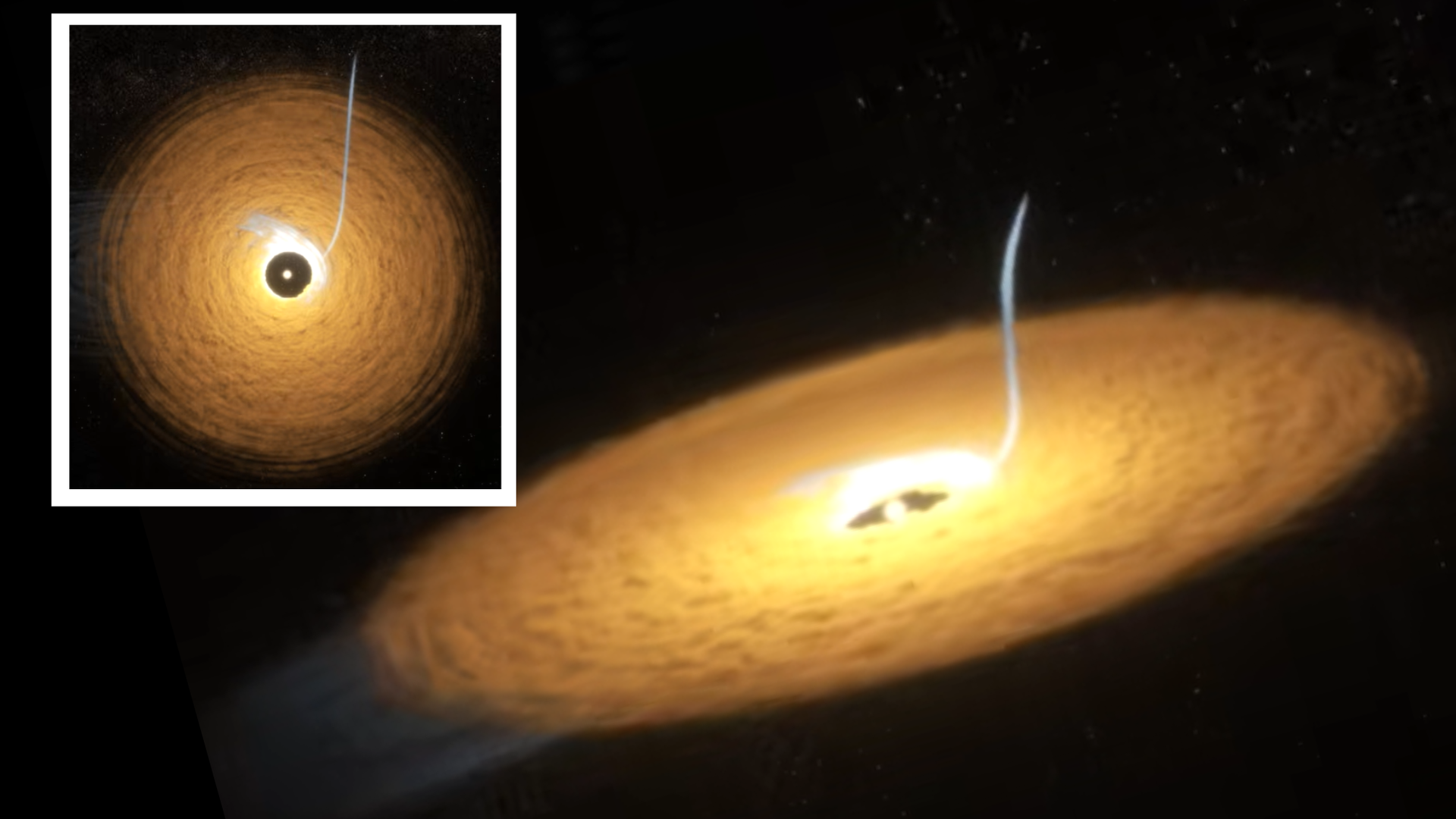
Hubble Space Telescope has captured the “Cat’s Tail,” a colossal dust trail in the young Beta Pictoris system that could loop around the Sun–Earth system about 500 times. The tail, formed from the collision of two Pluto‑sized bodies, is made of highly porous, carbon‑rich grains that absorb visible light, making it invisible until now.