 Spotify
 Apple Podcasts
 Podcast Addict
 Overcast
 Podcast RSS
Nations opt for a mix of sovereign, bilateral, federated and commercial space capabilities
Original Publication Date: 2026-05-27 07:28
European nations are turning to a blend of sovereign, bilateral, federated, and dual‑use commercial space technologies to boost military readiness. The mix reflects a focus on sovereignty, independence, and security amid evolving threats. By partnering across borders and with commercial providers, countries aim to accelerate the development and deployment of critical capabilities. This strategy underscores a new era of collaborative space defense.
SpaceX wins $2.29 billion Space Force contract for military data network
Original Publication Date: 2026-05-26 22:40
The U.S. Space Force has awarded SpaceX a $2.29 billion contract to build a low‑Earth‑orbit satellite network that will serve as a military internet in space. The new Space Data Network Backbone—formerly MILNET—will use Starshield satellites to link sensors, command systems and weapons for near‑real‑time data transfer. It is a key component of the Pentagon’s Golden Dome missile‑defense plan and must deliver a prototype by the end of 2027. While the contract places a large share of future satellite procurement in SpaceX’s hands, other vendors are expected to join the broader SDN architecture.
Starcloud orders Starlink lasers for orbital data center network
Original Publication Date: 2026-05-26 17:03
Starcloud has secured optical terminals from SpaceX to deploy Starlink as a worldwide data‑relay network for its upcoming orbital data centers, further cementing its partnership with the satellite maker. The move underscores Starcloud’s reliance on SpaceX’s launch capabilities for its full‑size spacecraft. By tapping Starlink’s high‑speed connectivity, the company aims to streamline data transfer between orbiting hubs and ground stations. This development marks a significant step in Starcloud’s strategy to build a global, space‑based data infrastructure.
Preview: NASA updates progress towards established a Moon Base, Artemis 3 mission
Original Publication Date: 2026-05-26 17:34
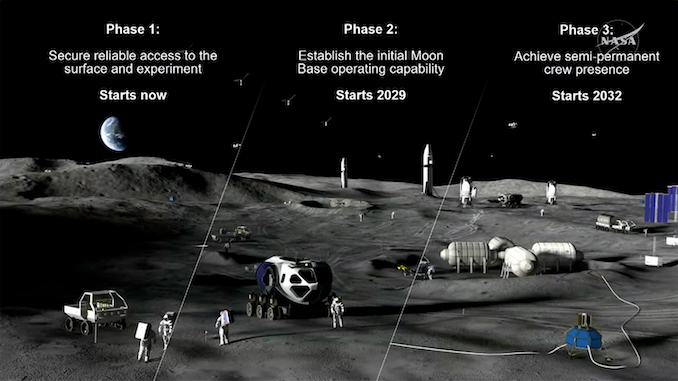
NASA is outlining a three‑stage plan to build a Moon Base, beginning with more frequent uncrewed flights to develop the necessary infrastructure for long‑duration crews. Administrator Jared Isaacman will detail progress and upcoming missions, including the first rover that will drive on the lunar surface. The briefing will feature key officials such as Lori Glaze and Carlos García‑Galán, and highlight NASA’s new Human Spaceflight Mission Directorate and Research & Technology Mission Directorate. This marks a major step toward a sustainable lunar presence.
SpaceX launches 24 Starlink satellites on Falcon 9 rocket from Vandenberg SFB
Original Publication Date: 2026-05-26 12:48
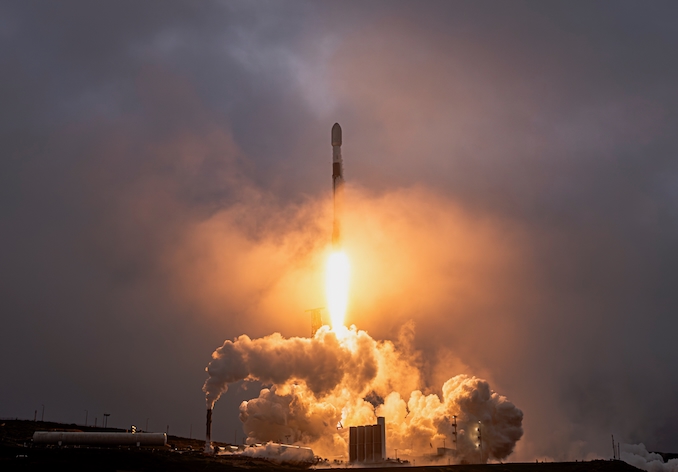
SpaceX launched its Falcon 9 rocket from Vandenberg Space Force Base on May 26, 2026, carrying the Starlink 17‑37 satellite constellation. The mission, delayed from its original May 9 launch date, lifted off at 7:50 a.m. PDT and followed a southerly trajectory. After deploying 24 Starlink satellites, booster B1100 successfully landed on the drone ship “Of Course I Still Love You” in the Pacific, marking the vessel’s 198th and SpaceX’s 615th landing. This flight marked the sixth use of booster B1100, which had previously flown the NROL‑105 mission and four other Starlink batches.
Procurement is the choke point. Everything else on Day 1 is downstream of that.
Original Publication Date: 2026-05-27 07:47
Day 1 of SmallSat Europe 2026 highlighted that capital is in, technology exists, and talent is available, but none of these can succeed without procurement reform. The conference underscored that the procurement architecture is the decisive lever for whether the capital pivot builds a vibrant ecosystem or merely reinforces the incumbent prime base. Effective procurement reform will shape the sector’s future, determining whether new players can thrive or if the status quo remains dominant. The outcome hinges on how quickly stakeholders adopt and implement these reforms.
RKLB Stock Surges Past $135 on $90M Space Force Contract, Q1 Revenue Hits $200.3M
Original Publication Date: 2026-05-26 16:37
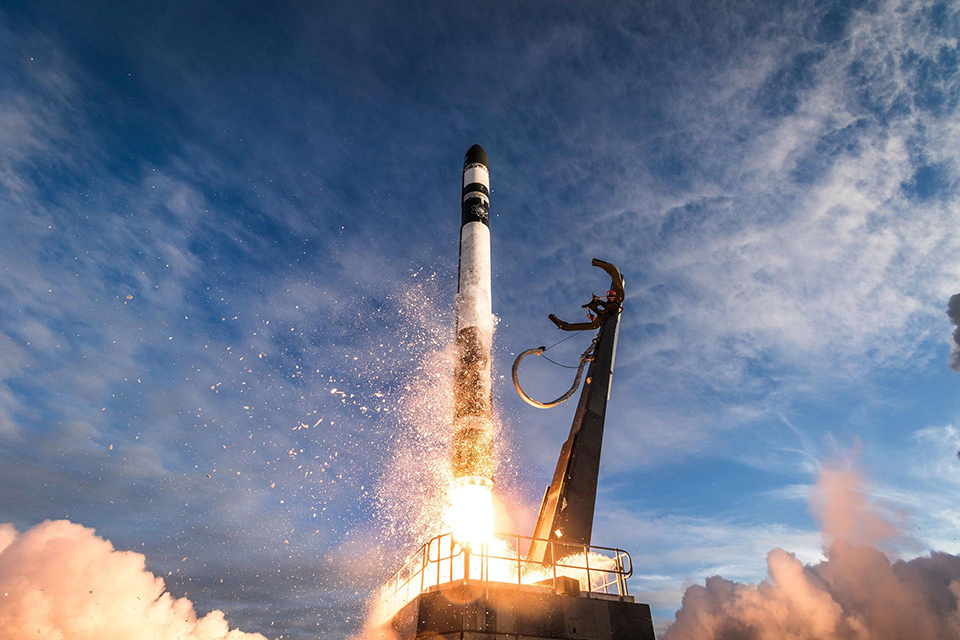
Rocket Lab’s market valuation surged, with its stock price climbing past $135 after reporting a record‑breaking financial quarter. The rally followed the company’s announcement of a new launch vehicle, which has heightened investor confidence. The move underscores growing demand for small‑satellite launch services and Rocket Lab’s expanding footprint in the commercial space sector. The company’s continued growth signals a bright future for its space‑flight operations.
Ever Restless Mount Dukono Erupts
Original Publication Date: 2026-05-27 04:01

Indonesia’s Mount Dukono, a stratovolcano on Halmahera Island that has erupted almost daily since 1933, struck again on May 8 2026, when ash and volcanic bombs killed hikers and forced authorities to raise the alert level to 2.
NASA to Announce Artemis III Crew, Provide Mission Progress Update
Original Publication Date: 2026-05-26 21:33

NASA will reveal the Artemis III crew and test‑flight details in a live briefing at 11 a.m. EDT on June 9, streamed on NASA+ and YouTube. The mission will launch four astronauts from Kennedy Space Center aboard Orion on the SLS rocket, testing critical docking with commercial landers to prepare for lunar surface operations. After the event, the crew will be available for limited interviews, with media accreditation requests due by June 4. This flight builds on Artemis II’s success and moves NASA closer to sustained lunar exploration and future Mars missions.
NASA Astronauts to Answer Questions from Students in New York
Original Publication Date: 2026-05-26 21:05
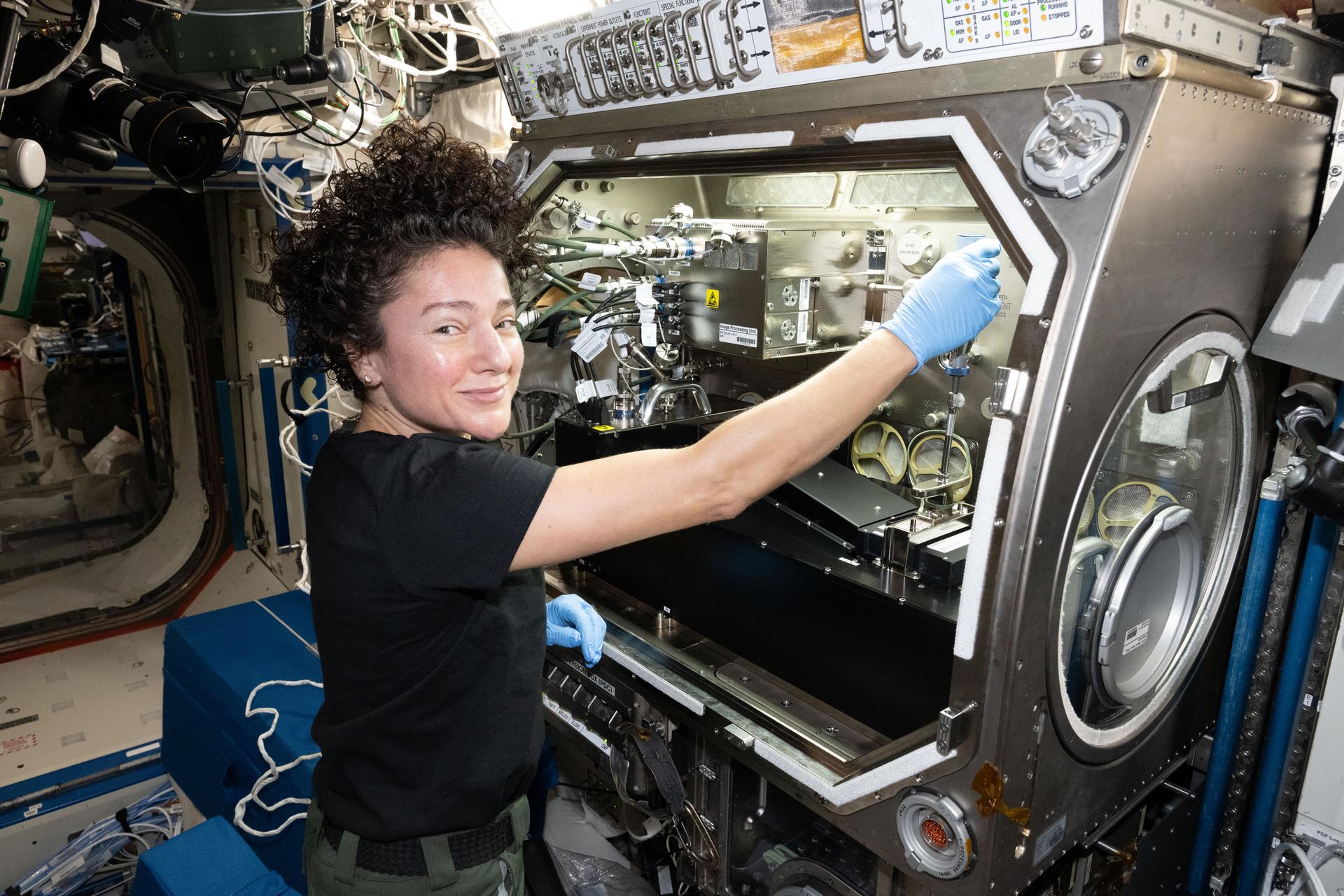
NASA astronaut Jessica Meir will stream a live Q&A with K‑12 students from the International Space Station on May 28 at 11:05 p.m. EDT. The call, hosted by the Cradle of Aviation Museum in Garden City, New York, will air on NASA’s Learn With NASA YouTube channel and aims to spark interest in STEM careers. Parents and media can RSVP by May 27 to Jerelyn Zontini at 516‑567‑0537 or jzontini@cradleofaviation.org.
NASA Provides Update on Moon Base Rovers, Landers, Missions
Also covered by: SpaceNews, Payload Space, Spaceflight Now
Original Publication Date: 2026-05-26 19:33
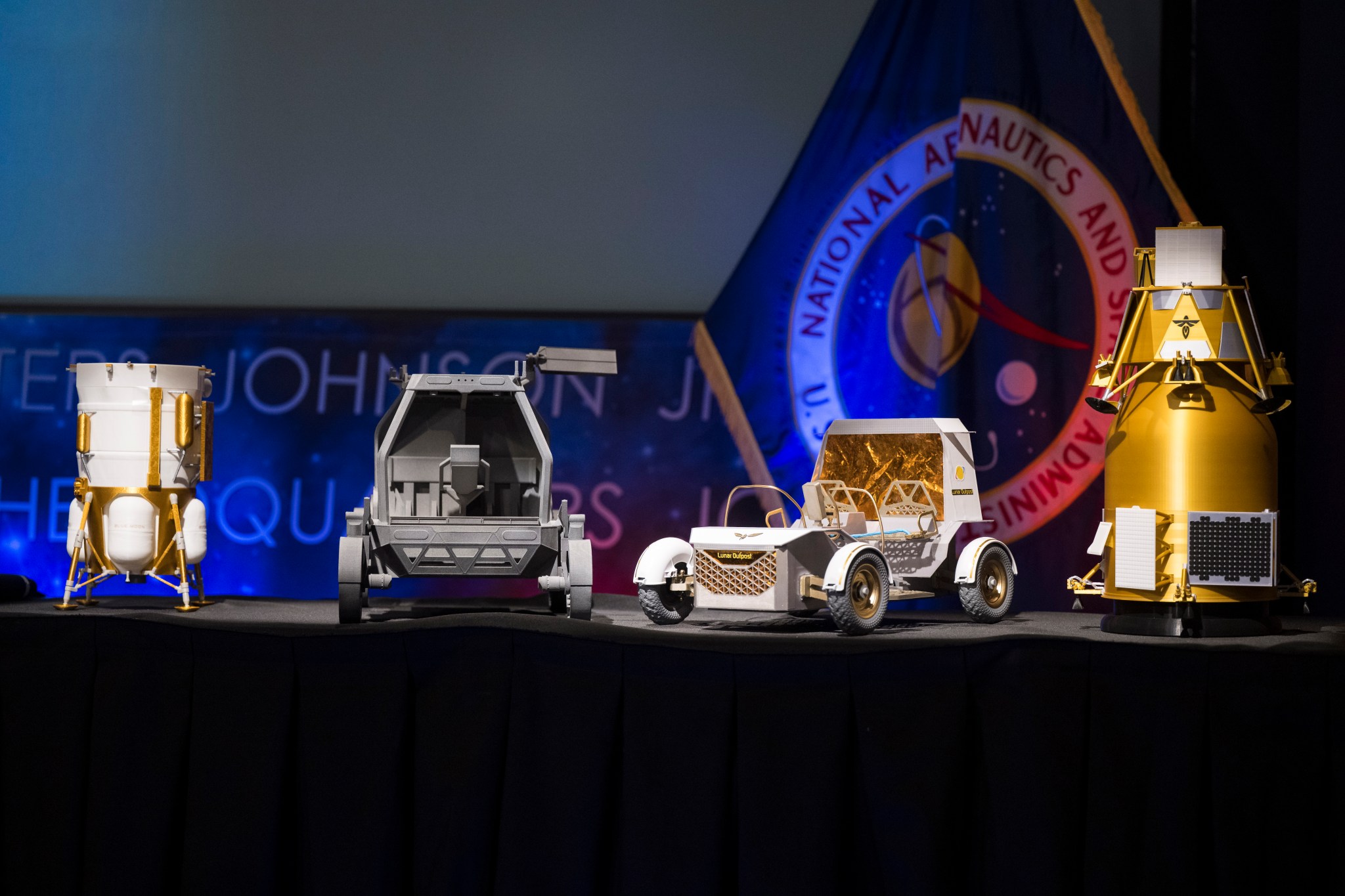
NASA awarded about $220 million each to Astrolab and Lunar Outpost to develop lunar terrain vehicles for its Moon Base program.
Chennai City Lights
Original Publication Date: 2026-05-26 14:49

NASA’s Chris Williams captured a night‑time image of Chennai, India’s southern coastal city, from the International Space Station on May 2, 2026, showing its 8.7 million residents illuminated by white LED streetlights. The photo, taken at 9:13 p.m. Local time, showcases the city’s modern infrastructure and the bright glow of its streets. These Earth‑observing images from the ISS help scientists track how our planet changes over time, providing critical data for future exploration of the Moon, Mars, and beyond. NASA’s advanced technologies turn these observations into a foundation for sustaining human life in space.
Following Starship V3 debut, SpaceX prepares for follow up
Original Publication Date: 2026-05-27 01:10

SpaceX’s Starship Version 3 lifted off from Starbase on May 22, hitting record speeds thanks to new Raptor 3 engines and upgraded systems. The Super Heavy booster suffered an engine failure during boostback, causing a ballistic descent and a hard landing in the Gulf, yet yielded valuable data on engine and grid‑fin performance. Starship itself lost an engine early, yet maintained attitude, deployed satellites, and executed a dramatic reentry and splashdown in the Indian Ocean. Despite the anomalies, the flight shows the upgraded vehicle’s strong performance, and the FAA is reviewing the mission as SpaceX fine‑tunes for future launches.
Op-ed: Commercial Demand in LEO is Lacking. The Government Can Help.
Original Publication Date: 2026-05-26 17:45
NASA is pivoting from backing free‑flying space stations to funding a “core module,” signaling a cautious stance on low‑Earth orbit (LEO) commercial customers. The agency notes that LEO’s most promising market— in‑space manufacturing—still lacks the demand to sustain itself without robust government backing. While autonomous systems could enable breakthroughs in medicine and materials, progress remains slow because regulatory pathways and investment incentives are unclear. To avoid losing the LEO economy to rivals, experts urge NASA, the Department of Defense, and health agencies to build orbital hubs, clarify FDA approvals, and coordinate policy to unlock a $50 billion private‑sector opportunity.
Optical Links: When to Incorporate Them? When Not To?
Original Publication Date: 2026-05-26 14:53

The article explains how optical links can dramatically increase data rates for space missions, offering high bandwidth and low latency compared to traditional RF systems. It outlines key factors—such as power budget, size, thermal environment, and link budget—that determine when an optical link is the best choice. It also cautions that in high‑radiation or high‑temperature environments, or when power and mass constraints are tight, conventional radio links may still be preferable. Ultimately, the piece helps payload designers decide whether to incorporate optical technology into their next mission.
Satellogic Lands $18M+ Defense-Monitoring Contract
Original Publication Date: 2026-05-26 13:00

Satellogic has secured an $18 million-plus, one‑year contract with an undisclosed international defense customer, its first major deal since shifting to persistent monitoring. The agreement follows the launch of Aleph Observer, an AI‑driven service that bundles satellite tasking for thousands of sites, allowing analysts to detect granular changes across the globe. With record 2025 revenue of $17.7 million and a stock peak of $10.61, the company cites rising commercial and defense demand amid geopolitical tensions and AI breakthroughs as key drivers. Looking ahead, Satellogic plans to deploy its Merlin constellation by 2027, offering one‑meter resolution satellites equipped with onboard AI and inter‑satellite links for near‑real‑time monitoring.
SpaceX Launches Starship V3 for the First Time
Original Publication Date: 2026-05-26 12:25
SpaceX launched its upgraded Starship V3 on Friday from Starbase, Texas, marking the rocket’s twelfth test flight. Despite losing a Raptor 3 engine and a partial boost‑back burn, the vehicle hit nearly all milestones and showcased a host of upgrades to both stages, engines, and the launch pad. The Super Heavy booster now sports larger grid fins, fewer fins, and a redesigned fuel‑transfer tube, while the Starship upper stage features increased propellant capacity, a new engine start‑up method, and improved reaction control. During the flight, the upgraded PEZ dispenser deployed 20 Starlink simulators and two modified satellites, underscoring SpaceX’s plan to use Starship as a primary Starlink deployment platform in the coming years.
Watch 2 Russian cosmonauts take 5-hour spacewalk outside the ISS today
Original Publication Date: 2026-05-27 04:05
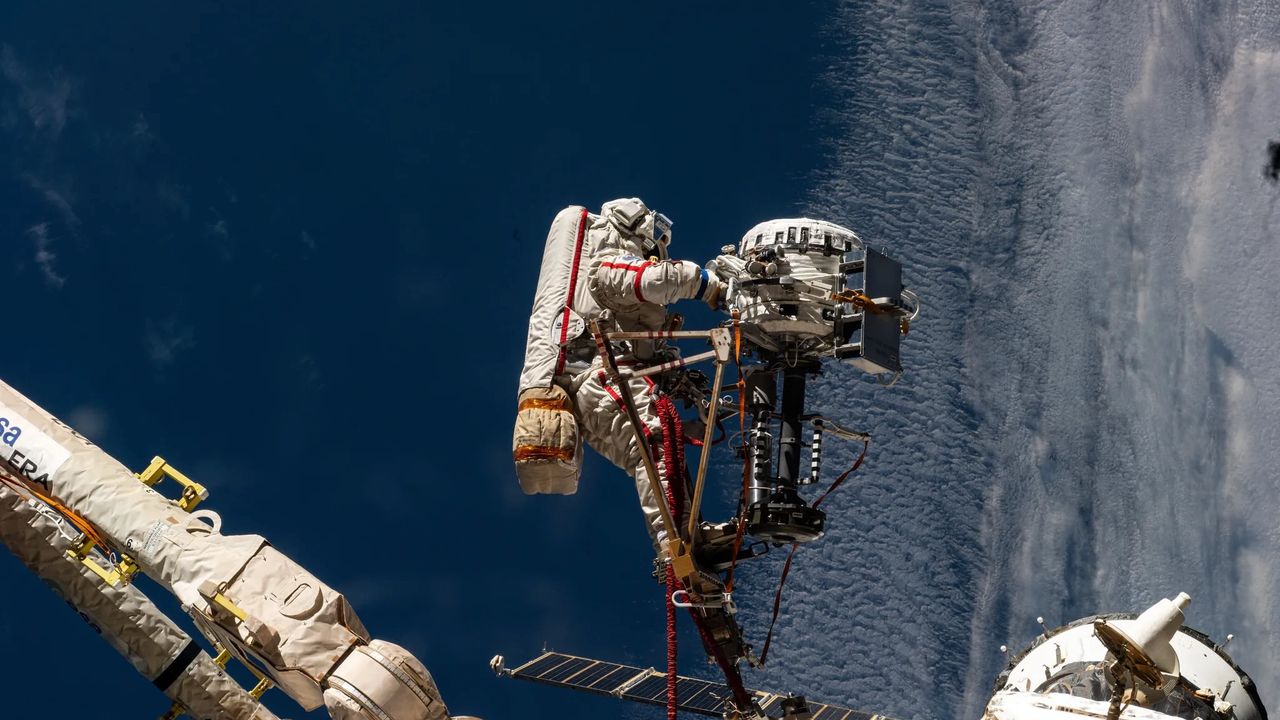
Today, two Russian cosmonauts, Sergey Kud‑Sverchkov and Sergei Mikaev, will conduct a five‑hour spacewalk outside the International Space Station, starting at 10:15 a.m. EDT. They will install a solar‑radiation experiment on the Zvezda module and remove hardware from the Poisk and Nauka modules, with a possible photo of a Progress 94 antenna if time permits. This is Kud‑Sverchkov's second EVA and Mikaev's first, and viewers can watch the live broadcast on Space.com or Roscosmos' channel. The EVA marks the second extravehicular activity for 2026, following a seven‑hour NASA EVA earlier this year.
Artemis moon base will cover 'hundreds of square miles' with hopping drones and new lunar rovers, NASA says
Original Publication Date: 2026-05-26 21:47
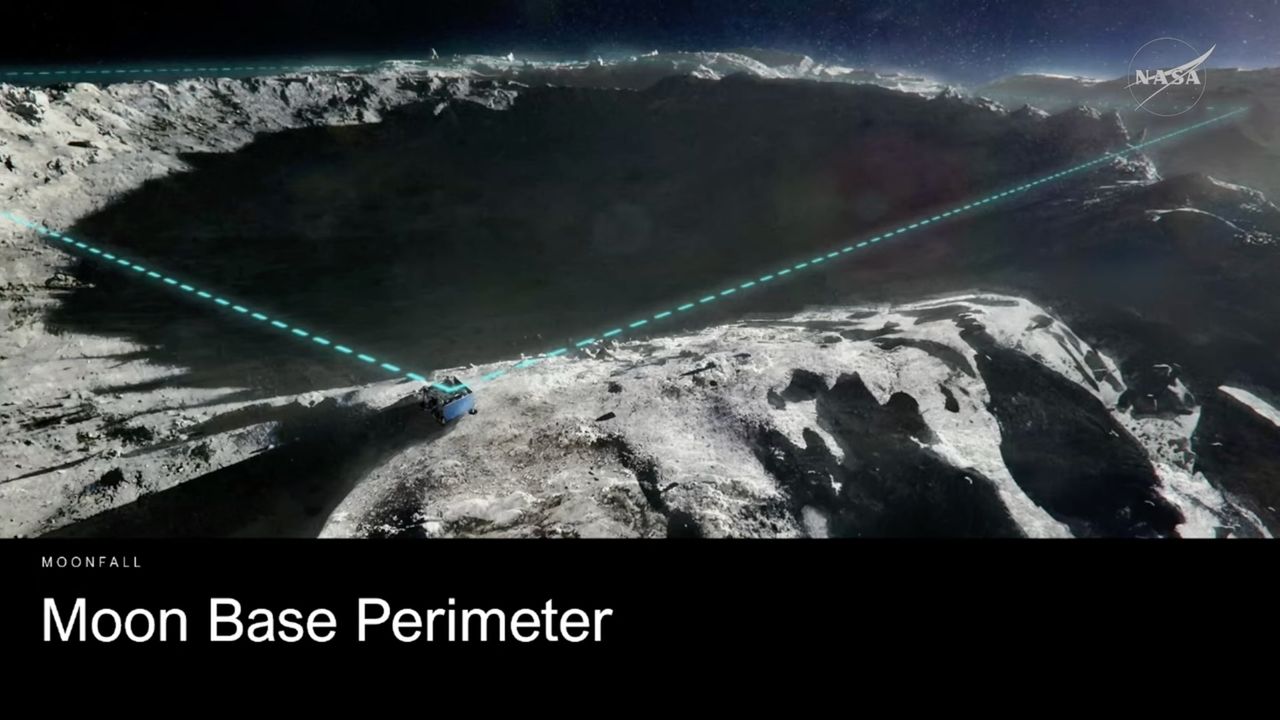
NASA’s Artemis program will build a lunar base covering hundreds of square miles near the south pole, using hopping “MoonFall” drones to scout the terrain and mark the perimeter. The sprawling complex will feature habitats on sunny hills, nuclear power stations a kilometer away for radiation shielding, and access to vast water‑ice deposits in permanently shadowed craters. First MoonFall drones are slated to launch in 2028 aboard a Firefly Aerospace lander, while contracts awarded to Astrolab and Lunar Outpost will produce large rovers that will ferry astronauts across the surface. By establishing the first permanent human presence, the United States aims to set norms for responsible lunar activity as other nations plan their own bases.
Seeing double with the Artemis 2 rocket boosters | Space photo of the day for May 26, 2026
Original Publication Date: 2026-05-26 14:00
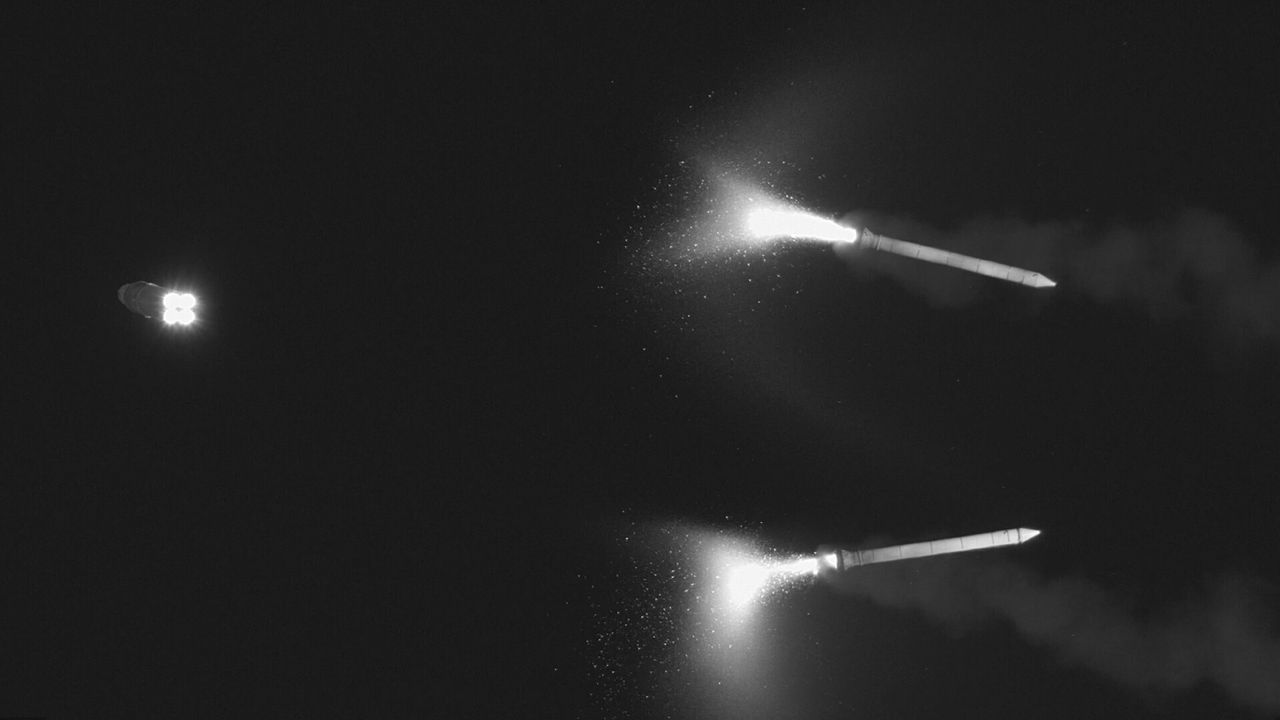
NASA’s Artemis 2 mission lifted off on April 1, 2026, carrying four astronauts aboard the Orion spacecraft toward a lunar fly‑by. Two solid rocket boosters, which supply 75 % of the launch thrust, separated just over two minutes after liftoff and drifted apart in a perfectly symmetrical, almost choreographed display. The iconic photograph captures the boosters mid‑air, mirroring each other as they glide toward the Atlantic, while Orion continues toward the moon. This stunning moment showcases the precise engineering of the SLS and marks another milestone in human spaceflight.
Could a cosmic uncertainty principle help explain dark matter?
Original Publication Date: 2026-05-26 13:00
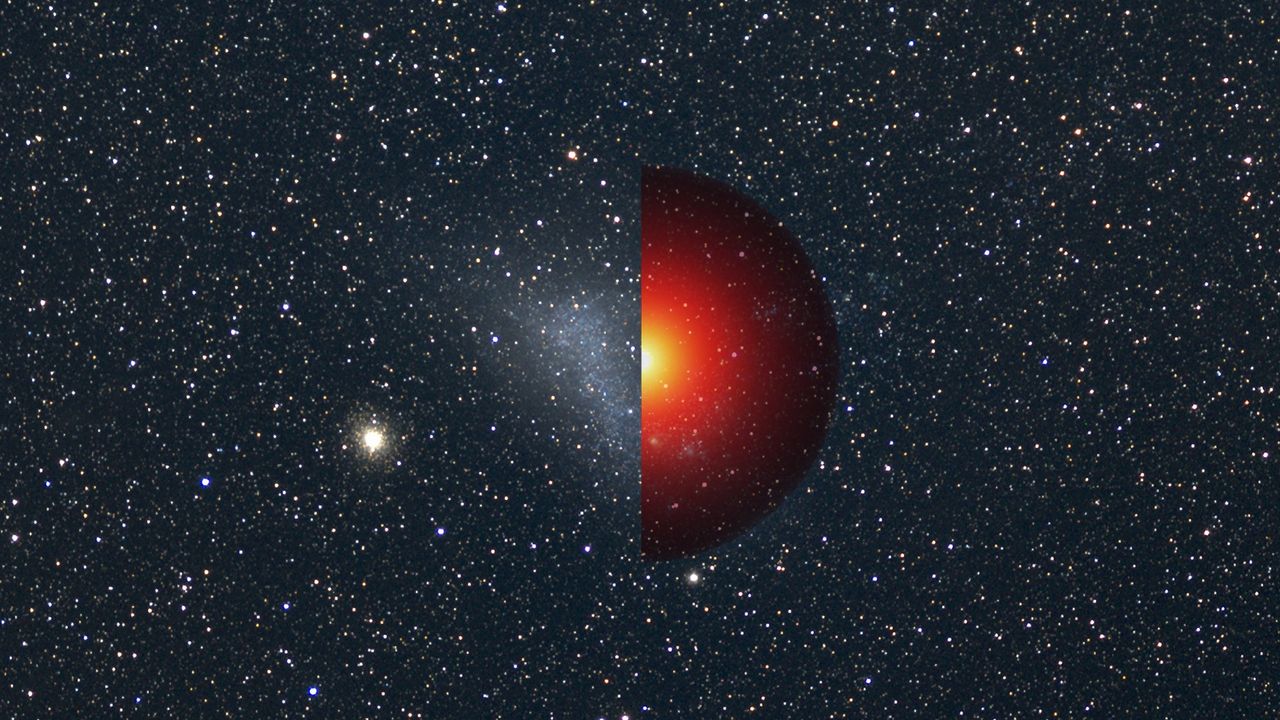
A new theoretical paper proposes that the universe may obey its own version of Heisenberg’s uncertainty principle, linking the size of the cosmos with its expansion rate. By treating these quantities as quantum operators, the resulting modified Friedmann equation naturally produces late‑time acceleration without invoking a mysterious dark‑energy field.