 Spotify
 Apple Podcasts
 Podcast Addict
 Overcast
 Podcast RSS
Isaacman expects Chinese crewed mission around the moon in 2027
Original Publication Date: 2026-05-20 09:26
NASA chief Jared Isaacman warned that China could fly a crewed spacecraft around the moon in 2027, sparking concerns of a new space race with the United States. At the ASCEND conference, Isaacman said the first lunar circumnavigation after Apollo would feature Chinese taikonauts, not Americans. His comments prompted a reshuffle of NASA’s Artemis program, moving the lunar landing to 2028 and canceling the Gateway, while Congress moved to boost funding for exploration. The shift underscores a growing geopolitical rivalry as China’s space ambitions loom closer to a crewed lunar landing by the decade’s end.
SDA director Sandhoo takes on broader Space Force missile warning portfolio
Original Publication Date: 2026-05-19 20:37
Acting director Gurpartap “GP” Sandhoo has been named to a dual role, serving as director of the Space Development Agency and as the new Portfolio Acquisition Executive for the Space Force’s missile‑warning satellite programs. The move formalizes a broader reorganization that groups procurement around mission portfolios rather than individual satellites, giving each PAE full authority over budgets and integration. Sandhoo will continue to manage the first two tranches of the Proliferated Warfighter Space Architecture while overseeing future missile‑warning tranches as they transition into the new structure. The Space Force is also appointing Michael Eppolito as deputy director of SDA as it considers whether SDA will remain a standalone entity.
Portal Space taps Quindar for ground mission support of its maneuvering spacecraft
Original Publication Date: 2026-05-19 14:00
Denver-based startup Quindar has struck a deal with Washington‑based Portal Space Systems to deliver cloud‑hosted mission
Vast announces line of high-power satellite buses
Original Publication Date: 2026-05-19 13:00
Commercial space station developer Vast has launched its new Vast Satellite line, featuring a 15‑kilowatt bus that measures 2.2 by 3.6 meters, weighs 700 kilograms dry, and can carry payloads of at least
SpaceX launches 24 Starlink satellites on Falcon 9 launch from California
Original Publication Date: 2026-05-20 03:10
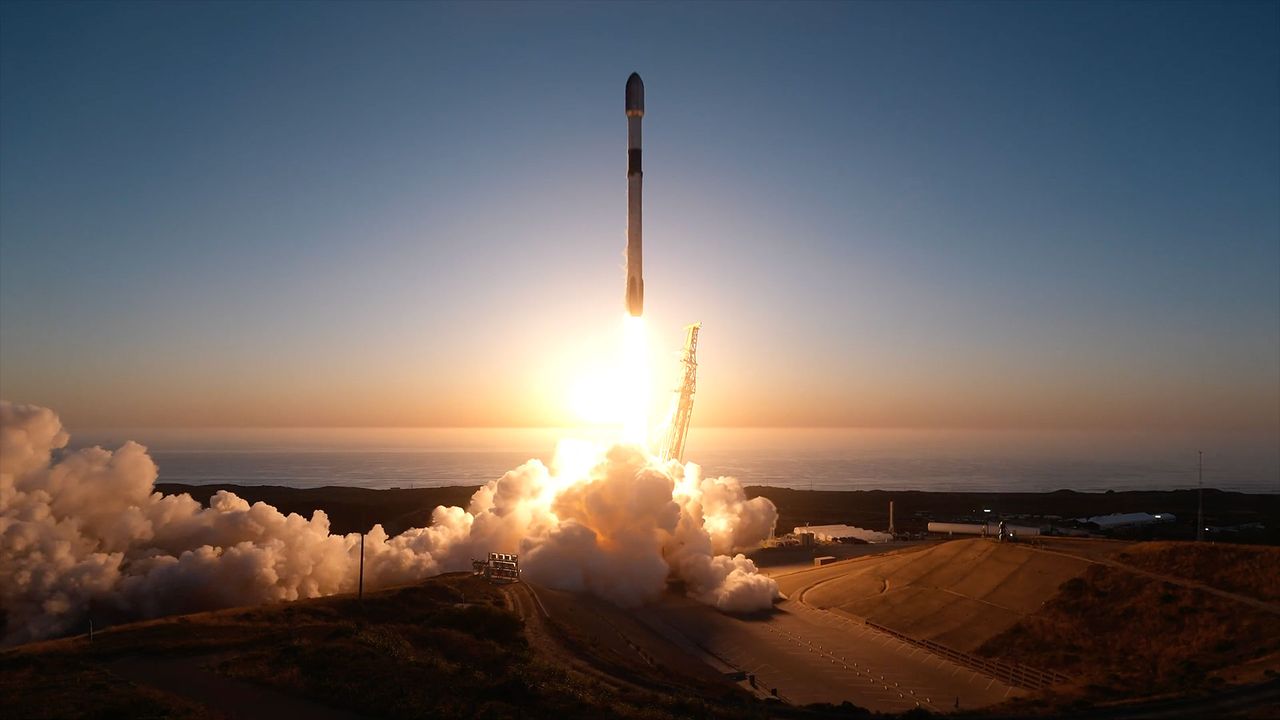
SpaceX launched 24 new Starlink satellites on a Falcon 9 rocket from Vandenberg Space Force Base in California on Tuesday, May 19, 2026. The booster, number 1103, was reused for the 58th mission of the year and landed safely on the Pacific‑based droneship “Of Course I Still Love You.” The satellites entered a preliminary orbit about eight minutes and forty seconds after liftoff and were slated for deployment roughly 50 minutes later. The successful launch brings the Starlink constellation to just under 10,500 working units, marking SpaceX’s 651st successful launch since 2010.
Astroscale and SKY Perfect JSAT Alliance Signals Shift to In-Orbit Maintenance Economy
Original Publication Date: 2026-05-19 23:12
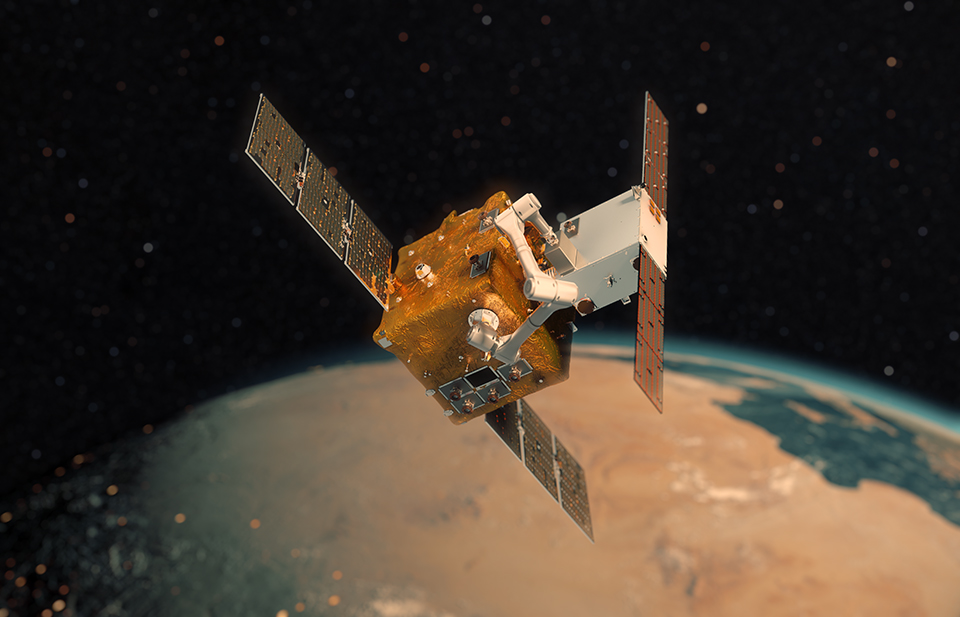
On May 19, 2026, Astroscale Holdings Inc. And SKY Perfect JSAT Corporation announced a strategic capital and business alliance aimed at advancing orbital sustainability and satellite communications. The partnership will involve joint investment and collaboration on space debris removal technologies and the expansion of JSAT’s satellite network. Both companies plan to leverage Astroscale’s debris‑removal expertise to enhance the longevity and safety of their orbital assets. The alliance signals a growing commitment to responsible space operations.
Intuitive Machines Secures Prime Contracts to Operate Key NASA and KARI Lunar Imaging Instruments
Original Publication Date: 2026-05-19 16:34
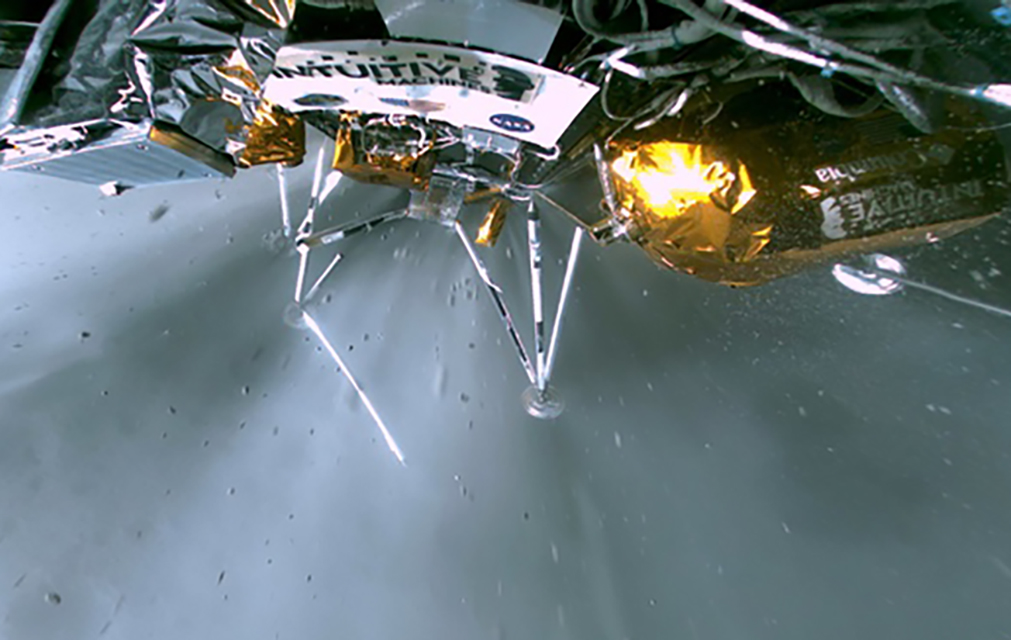
On May 18, 2026, Intuitive Machines (NASDAQ: LUNR) was named the prime contractor for the operations of two high‑profile lunar orbital imaging payloads. The company will oversee the launch, deployment, and data collection from these cameras, which are designed to provide detailed surface imagery for scientific research and future missions. This partnership underscores Intuitive Machines’ growing role in commercial lunar exploration and positions it at the forefront of NASA’s Artemis program. The announcement marks a significant milestone in the company’s expansion into lunar operations.
iDirect Government Launches WCore to Virtualize Military Satellite Modems
Original Publication Date: 2026-05-19 15:25

On May 18, 2026, iDirect Government unveiled WCore, a virtualized waveform core and hardware abstraction layer tailored for military satellite communications. The new platform promises rapid development, easier integration, and greater flexibility across diverse satellite systems. By abstracting hardware, WCore enables operators to deploy multiple waveform standards without costly upgrades.
Lightpath Expands Dense Northeast Fiber Infrastructure Across 2,400 Macro Cell Towers
Original Publication Date: 2026-05-19 13:54

On May 19, 2026, Lightpath, an all‑fiber digital infrastructure provider, announced a sweeping network densification project across the greater New York metropolitan area. The initiative will deploy additional fiber nodes and backbone capacity to meet the growing backhaul demands of next‑generation wireless and data services. By tightening the network mesh, Lightpath aims to deliver faster, more reliable connectivity to businesses, residents, and emerging tech ecosystems. The rollout underscores the region’s commitment to staying at the forefront of digital infrastructure.
Fire Chars Santa Rosa Island
Original Publication Date: 2026-05-20 04:00
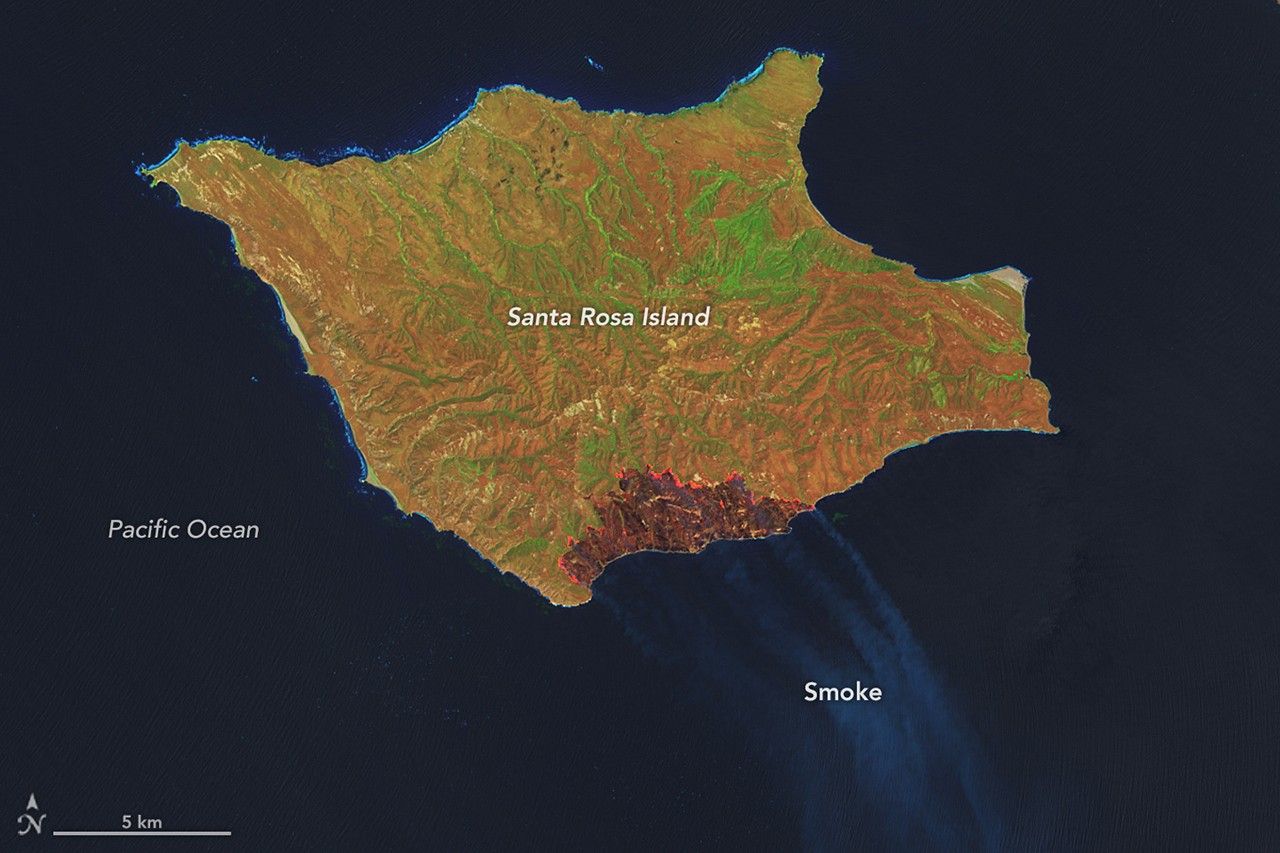
A wildland fire broke out on Santa Rosa Island, part of California’s Channel Islands National Park, on May 15, 2026 after being spotted by aircraft. By May 16 satellite images showed 5,690 acres scorched, expanding to 16,600 acres by May 19, with the fire still uncontained.
Launch Preview: Falcon 9, Electron, and Vega C launch missions alongside Starship Flight 12
Original Publication Date: 2026-05-19 21:08

This week, space enthusiasts will witness six launches worldwide, with SpaceX’s Starship Flight 12 taking center stage. SpaceX will also fire off three Starlink missions on Falcon 9 from California and Florida, adding to its growing satellite fleet. Internationally, Avio successfully launched the European‑Chinese SMILE mission on a Vega C rocket from Kourou, while Rocket Lab plans to launch Synspective’s StriX‑7 satellite on an Electron rocket out of New Zealand. These missions underscore a busy period for both commercial and scientific payloads, highlighting the continued expansion of orbital capabilities.
From Design Reviews to Decision Intelligence: CoLab Rewires Engineering Workflows
Original Publication Date: 2026-05-19 19:05

In complex engineering projects, thousands of decisions can stall progress, and current review methods add friction. CoLab’s cloud platform streamlines design reviews by allowing asynchronous, model‑based collaboration, tracking revisions, and centralizing decision history. The tool is already helping high‑stakes teams like Idaho National Laboratory and major aerospace firms streamline nuclear‑reactor and defense program reviews. As AI integration grows, CoLab aims to turn captured decision data into real‑time guidance, addressing the growing need for faster, risk‑aware engineering collaboration.
CSF Forecasts Launch Supply Running Low
Original Publication Date: 2026-05-19 17:29
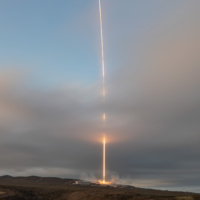
Launch companies are urging a central authority to manage U.S. Launch sites as the launch market expands. The Commercial Space Federation’s report, released at the Commercial Space Policy Summit, projects between 6,000 and 230,000 satellites per year, requiring up to 7,000 launches annually and outpacing vehicle capacity by 2030.
Vast Launches Satellite Bus Business Line
Also covered by: Space.com
Original Publication Date: 2026-05-19 13:00
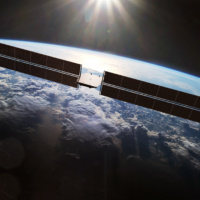
California startup Vast has unveiled a new line of high‑power, low‑cost satellite buses, with the first 15‑kilowatt model weighing about 1,540 lb unfueled, carrying over 770 lb of payload, and designed for five‑year missions in low‑Earth orbit. The buses borrow heavily from its Haven‑1 and Haven‑2 programs, using flight‑tested components, high‑power solar arrays, and electric propulsion developed for the private space station. Vast already has a confidential customer committed to four satellites and an option for up to 200 more, and plans to launch ten of these spacecraft by late 2027 while expanding its satellite team from 10 to roughly 50 people. The company also continues to develop Haven‑2, targeting launch in the early 2030s as the International Space Station retires.
York Space Systems to Acquire Solestial
Original Publication Date: 2026-05-19 13:00
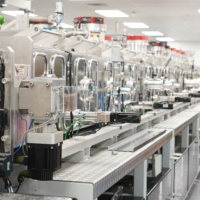
York Space Systems has announced a definitive agreement to acquire Solestial, a space‑solar‑cell manufacturer, marking its third acquisition this year. The deal, amount undisclosed, follows earlier purchases of All.Space for $355 million and Orbion Space Technology for $74.9 million, all aimed at tightening supply‑chain control and expanding into high‑growth markets. Solestial, based in Arizona, produces ultra‑thin, radiation‑hardened silicon solar cells that are 95 % U.S. Sourced, addressing the current bottleneck in space‑rated solar power. The acquisition, expected to close in Q2, will keep Solestial as a wholly owned subsidiary while enabling York to integrate cost‑efficient solar technology into its satellite systems.
Lasers in moon craters could create a lunar GPS system
Original Publication Date: 2026-05-19 21:00
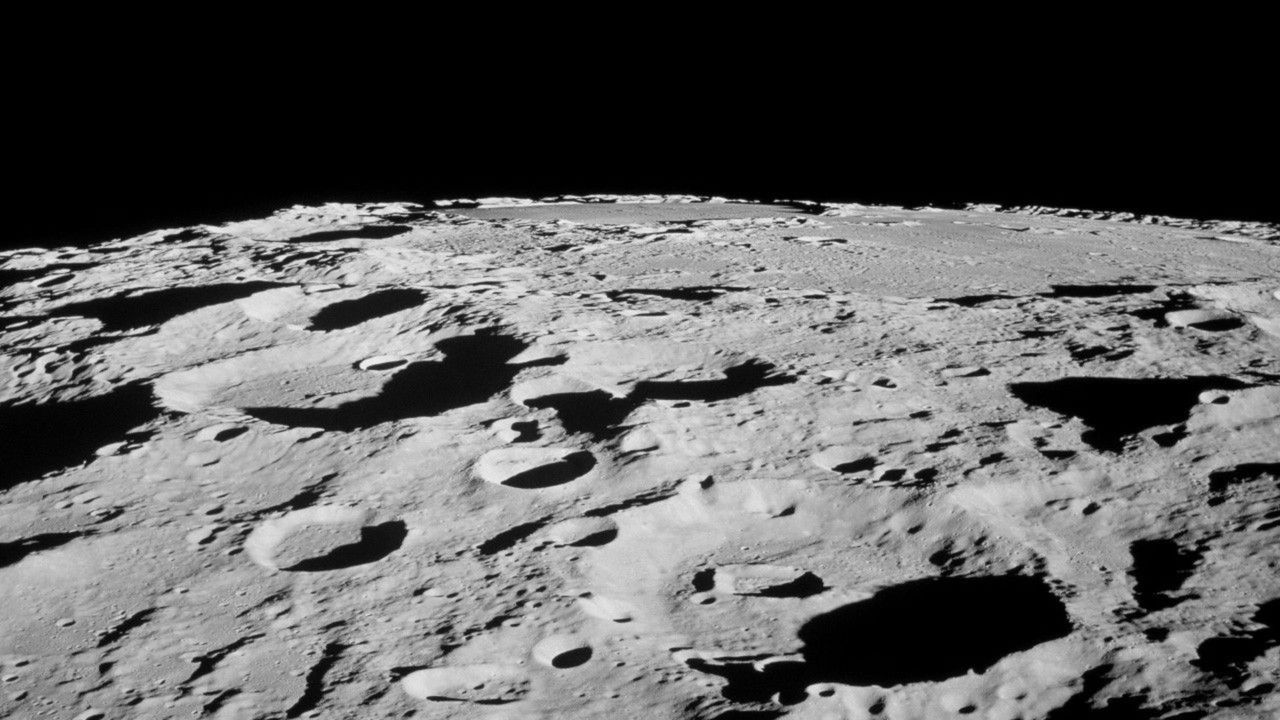
Scientists at NIST propose placing ultrastable lasers inside the moon’s permanently shadowed craters near the south pole to create a lunar GPS‑like navigation system. The frigid, vacuum‑filled craters would naturally stabilize silicon optical cavities, allowing the lasers to lock to a precise frequency and serve as master timing references for future Artemis astronauts, rovers, and satellites. By providing local timing signals, this system would reduce reliance on Earth‑based tracking and improve navigation in the rugged, poorly lit lunar south pole region.
Worker dies at SpaceX's Starbase in leadup to Starship V3 megarocket launch
Original Publication Date: 2026-05-19 20:00
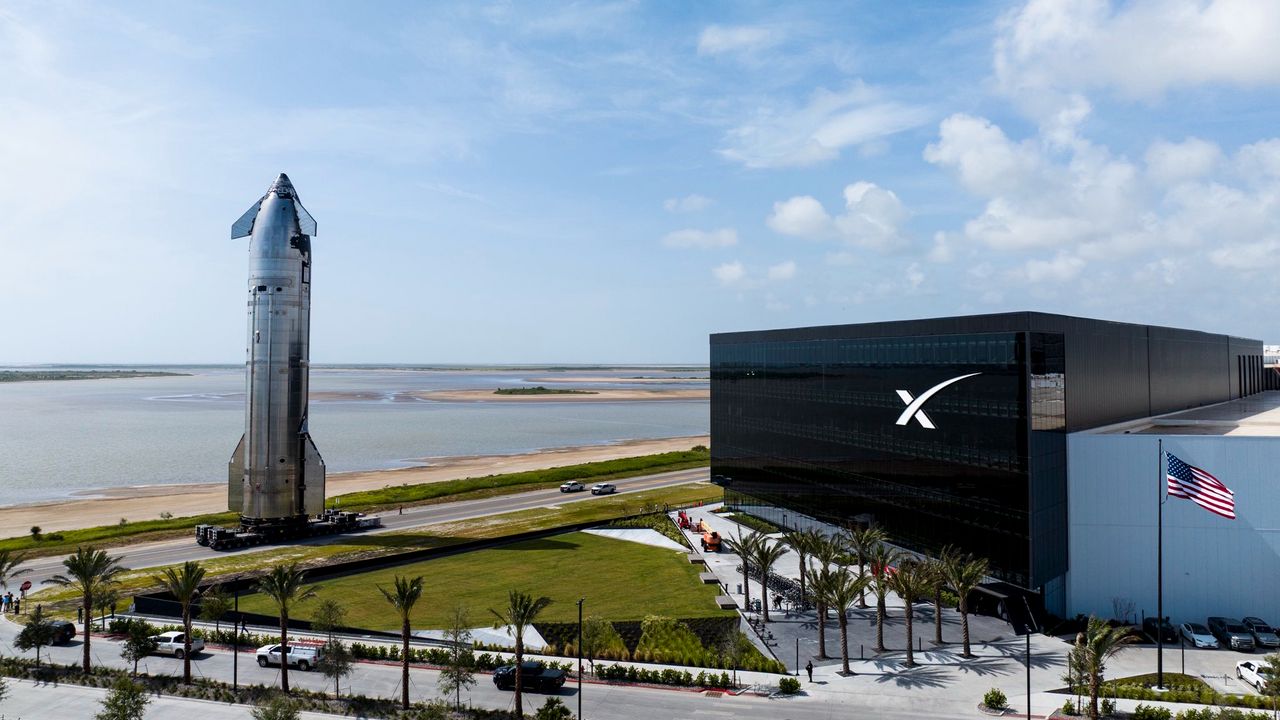
A worker at SpaceX's Starbase in South Texas died early Friday morning as the company prepared for the debut flight of its Starship V3 megarocket. The death, reported to have occurred around 4 a.m. And caused by a fall, is under investigation by OSHA while local officials have withheld details about the deceased. Starbase, the 400‑foot‑tall rocket’s manufacturing hub, has long faced higher injury rates than other aerospace sites and is currently delaying its planned May 21 launch. The incident highlights ongoing safety concerns as SpaceX readies the high‑stakes test flight of the next‑generation Starship.
NASA satellite will test orbital 'gas station' tech to help astronauts reach the moon and Mars
Original Publication Date: 2026-05-19 16:00
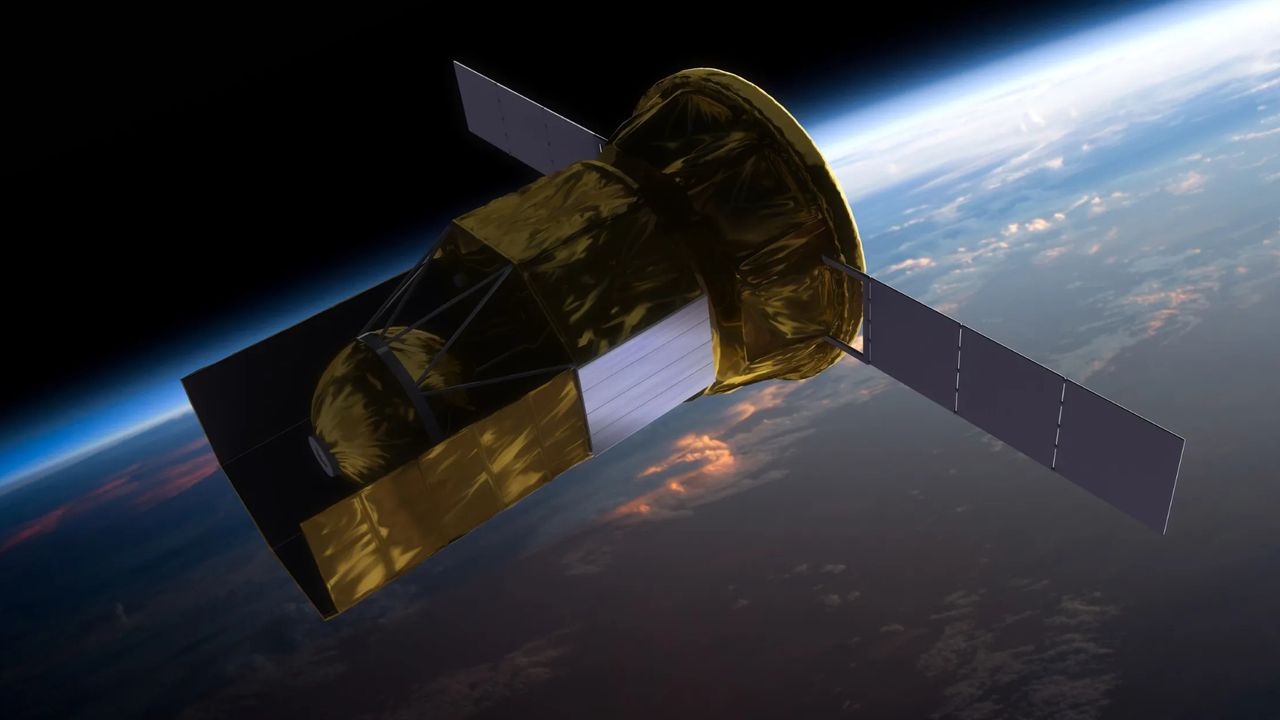
NASA will launch the LOXSAT satellite this summer aboard a Rocket Lab Electron to low‑Earth orbit, where it will test the storage and transfer of liquid oxygen—crucial for future lunar and Mars missions. The nine‑month mission will evaluate 11 cryogenic fluid‑management components, aiming to prove that on‑orbit refueling “gas stations” can support long‑term exploration. LOXSAT, developed with Eta Space and part of NASA’s Cryogenic Fluid Management Portfolio, is a key step toward enabling the Artemis program’s 2028 lunar landings and beyond. This technology will help keep astronauts supplied with the super‑chilled fuels required for deep‑space travel.