 Spotify
 Apple Podcasts
 Podcast Addict
 Overcast
 Podcast RSS
SES joins Eutelsat in canceling GEO expansion satellites
Original Publication Date: 2026-05-13 12:16
SES has canceled two satellites that Intelsat had ordered before its acquisition, joining France’s Eutelsat in pulling back from their planned geostationary expansion. The move marks a shift away from the GEO strategy that had been outlined only a few years earlier. Both operators are now scaling back their satellite fleets, signaling a more cautious approach to space infrastructure. The decision underscores a broader industry trend toward reevaluating large‑scale GEO deployments.
SpaceX sets date for first Starship version 3 launch
Original Publication Date: 2026-05-13 11:24
SpaceX has set a date for the first launch of its upgraded Starship version 3, slated for May 19 from its South Texas Starbase after a successful wet‑dress rehearsal. The suborbital Flight 12 will test new Raptor engines, a redesigned heat shield and a soft splashdown of the Super Heavy booster in the Gulf of Mexico. The mission will also deploy 22 mass simulators and image‑payload satellites to evaluate heat‑shield performance, paving the way for future orbital missions and NASA’s Artemis lunar lander. SpaceX is also exploring additional launch sites, including a pad at Kennedy Space Center and potential sites in Louisiana, to support its goal of thousands of Starship flights per year.
SpaceX targets May 19 for debut of Starship Version 3, Launch Pad 2
Original Publication Date: 2026-05-12 23:15
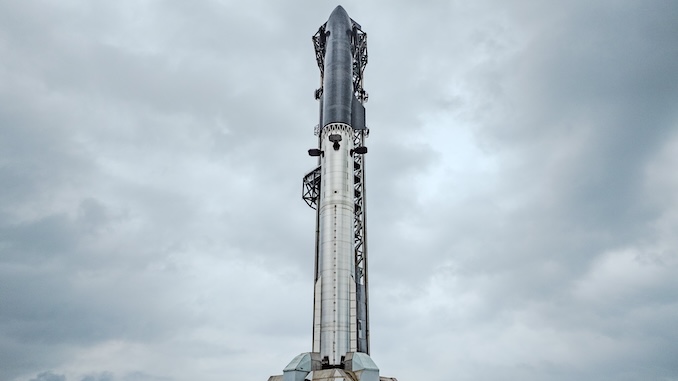
SpaceX is targeting May 19, 2026 for the first launch of its new Starship V3 from Pad 2 at Starbase after a successful integrated tanking test on May 11.
For a second time, poor weather scrubs Cargo Dragon mission launch to the space station
Also covered by: NASASpaceFlight
Original Publication Date: 2026-05-12 12:20
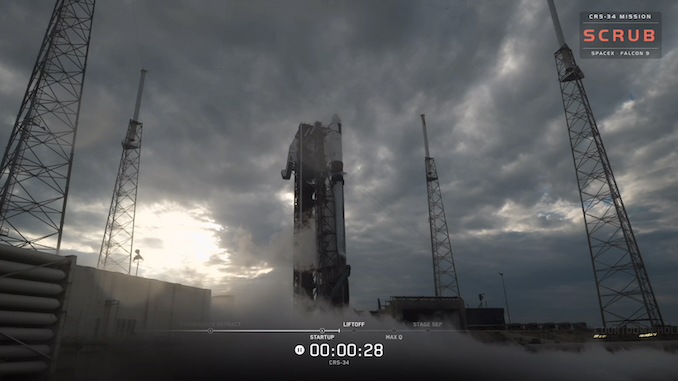
NASA and SpaceX scrubbed the CRS‑34 cargo mission to the International Space Station because a cumulus‑cloud rule violation made the May 13 launch unsafe. The Falcon 9 booster B1096, on its sixth flight, will now lift Dragon C209 on Friday, May 15, carrying roughly 3,000 kg (≈6,500 lb) of supplies and experiments from 110 countries. The Dragon is expected to rendezvous in about 38 hours and dock on Thursday, May 14, at the Harmony module’s forward port. This marks SpaceX’s 34th resupply flight for NASA and the Dragon’s sixth trip to the ISS.
SpinLaunch Partners with Aalyria for Meridian Constellation Network Orchestration
Original Publication Date: 2026-05-13 23:03

On May 13, 2026, SpinLaunch and Aalyria announced a strategic partnership to build the ground and network infrastructure for the Meridian low Earth orbit communications constellation. The collaboration will combine SpinLaunch’s launch capabilities with Aalyria’s networking expertise to deploy satellite‑ground stations, data links, and a resilient network backbone that will support Meridian’s global broadband ambitions. By pooling resources, the two firms aim to accelerate the constellation’s deployment and bring high‑speed connectivity to underserved regions. This joint effort marks a significant step toward expanding the global LEO communications ecosystem.
Gilat Wins Big Military Contracts, Expands India Footprint
Original Publication Date: 2026-05-13 20:41

On May 13, 2026, Gilat Satellite Networks Ltd. (NASDAQ: GILT) released its first‑quarter earnings, reporting robust growth in its defense business. The company also announced a strategic expansion into the Indian market, positioning itself to capture new opportunities in satellite communications. These developments have bolstered investor confidence and are expected to drive future revenue growth. Gilat’s performance underscores its expanding footprint in both defense and emerging global markets.
Gen Z Influence on AI-Driven Audio Market
Original Publication Date: 2026-05-13 15:47

Gen Z and Millennials are driving a seismic shift in the audio industry, prioritizing convenience and lifestyle identity over traditional listening habits. Their demand for on-device artificial intelligence is accelerating the integration of smart features in headphones and speakers, blurring the line between audio and personal assistant. Advertisers are responding by rethinking commercial logic, targeting these tech‑savvy users with dynamic, context‑aware ads. The result is a more personalized, AI‑powered listening experience that keeps younger consumers deeply engaged.
iDirect Government Launches 450 Rackmount Software-Defined Modem for Multi-Orbit Defense
Original Publication Date: 2026-05-13 14:33
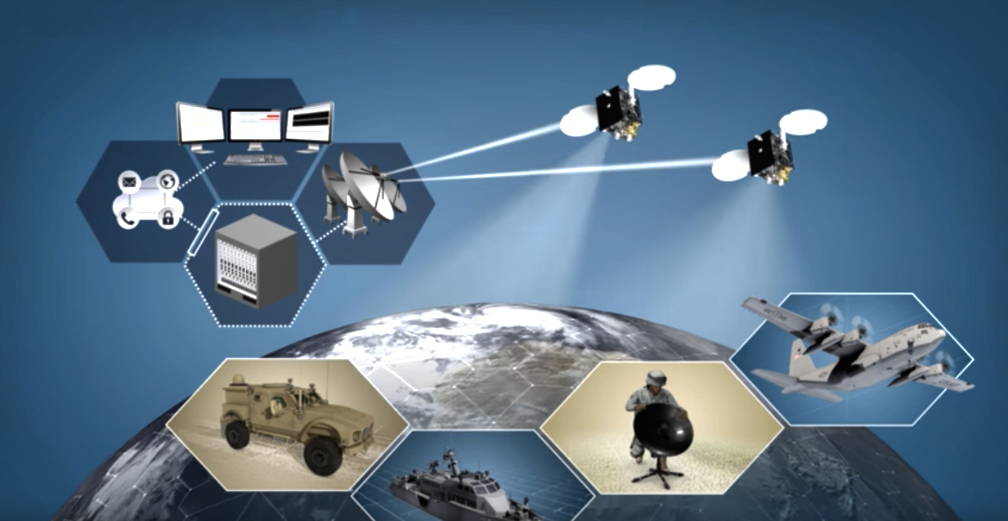
On May 12, 2026, iDirect Government unveiled the 450RM, a rack‑mount software‑defined modem aimed at delivering high‑resiliency satellite communications for military users. The device uses adaptive software‑defined technology to maintain robust connectivity even in contested or congested environments.
Rise Goes to Washington
Original Publication Date: 2026-05-13 19:17
NASA’s Artemis II crew—Reid Wiseman, Victor Glover, Christina Koch and Canadian astronaut Jeremy Hansen—visited the U.S. Capitol on May 12, 2026, meeting with congressional staff while showcasing the “Rise” zero‑gravity indicator. The device, used during their lunar fly‑by, was displayed on a dais as lawmakers listened to the astronauts’ brief remarks. The crew had returned from a nearly 10‑day mission that circled the Moon in April, marking the first crewed flight of the Artemis program. Photos from the visit highlight the historic collaboration between NASA and the Canadian Space Agency.
NASA Outlines Preliminary Artemis III Mission Plans
Original Publication Date: 2026-05-13 15:33
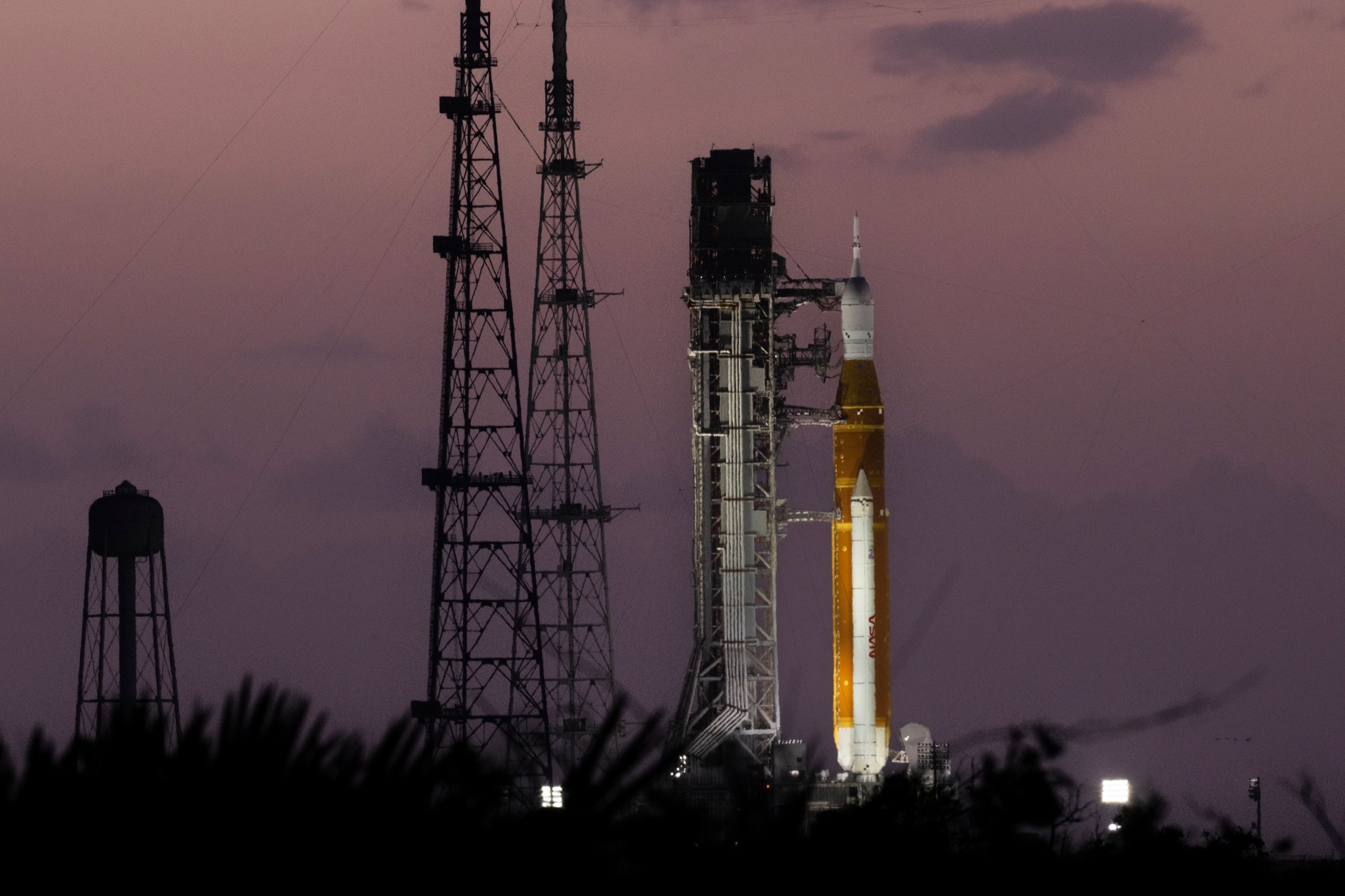
NASA is gearing up for Artemis III, a crewed Earth‑orbit flight that will test rendezvous and docking with Blue Origin and SpaceX landers. The launch will use the SLS rocket and a non‑propulsive “spacer” to emulate the upper stage while carrying four astronauts aboard Orion. During the mission, the crew will spend more time in orbit to evaluate life‑support systems, demonstrate docking performance, and test an upgraded heat shield for future lunar landings. The flight will also gather data on communication, CubeSat deployments, and future mission operations as NASA prepares for Artemis IV and the first Moon base.
Studying Pneumonia in Space for Heart Health on Earth
Original Publication Date: 2026-05-13 14:45
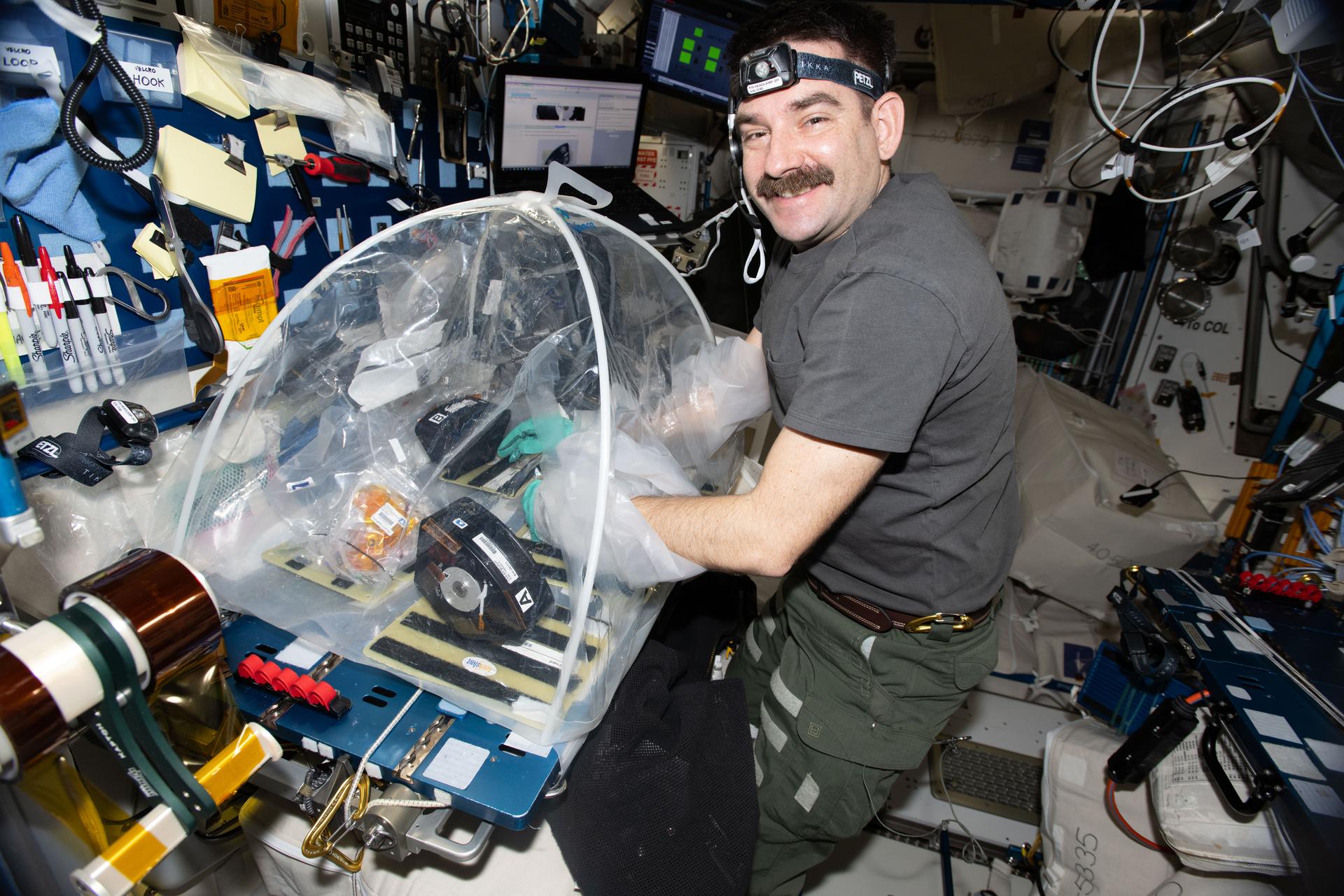
NASA’s International Space Station is hosting the MVP Cell‑09 experiment, where astronauts like Jack Hathaway are studying how the pneumonia‑causing bacterium Streptococcus pneumoniae can damage heart tissue. By using the unique microgravity environment to amplify the infection, researchers from the University of Alabama at Birmingham and ESA’s Expedition 74 are teasing out cellular responses that are hard to detect on Earth. The findings could pinpoint new targets for treating heart complications after pneumonia and guide health strategies for future long‑duration space missions. This research underscores the ISS’s role in advancing both terrestrial medicine and space‑flight safety.
Exclusive: LEAP Launches its First Rocket
Original Publication Date: 2026-05-13 13:00
Colorado startup LEAP has successfully flown its suborbital Bullfrog rocket, marking a major milestone toward its 2028 orbital launch vehicle, Bighorn. The test flight from Mojave, CA reached 40 km, demonstrating new tech including a dual‑mode engine and in‑house fuel tanks, and proved the vehicle’s core systems at TRL nine. Bullfrog can carry 100 lb for point‑to‑point logistics and hypersonic tests, while Bighorn will launch 1,000 kg to 7,000 km or 350 kg to LEO for $5–10 million per launch. LEAP plans to produce 30 rockets a year, expand globally, and eventually add a spaceplane and medium‑lift vehicle to meet worldwide payload delivery needs.
CBO Puts $1.2T Price Tag on Golden Dome
Original Publication Date: 2026-05-13 12:44

The Congressional Budget Office has projected that the Golden Dome missile‑defense system could cost a staggering $1.2 trillion over the next 20 years, far above the $185 billion estimate released by the system’s chief. The higher cost stems largely from the vast space‑based interceptor constellation—7,800 satellites at $22 million each—along with launch and operating expenses that total roughly $1.7 trillion across two decades. The CBO warned that this estimate excludes additional R&D, communications, conventional force deployment, and other contingencies that could push the price even higher, especially if labor, materials, or requirements rise.
Exobiosphere, Voyager Partner on ISS Mission
Original Publication Date: 2026-05-13 10:00
Exobiosphere has partnered with Voyager Technologies to launch its automated, miniaturized Orbital High‑Throughput Screening Device onto the ISS, with Voyager Europe serving as the mission integrator.
Star Catcher Closes $65M Series A
Original Publication Date: 2026-05-12 13:00
Star Catcher has secured $65 million in a Series A round, raising its total funding to $88 million, to advance its orbital power‑beaming technology. The round was led by B Capital with co‑leaders Shield Capital and Cerberus Ventures, and will add board seats for senior executives from each firm. The startup aims to create a space‑based solar power grid that beams concentrated energy to satellites, helping smaller spacecraft undertake power‑intensive missions or recover from failures.
Will Starship launch from foreign shores? SpaceX 'constantly exploring' options for megarocket liftoff sites
Original Publication Date: 2026-05-13 20:00
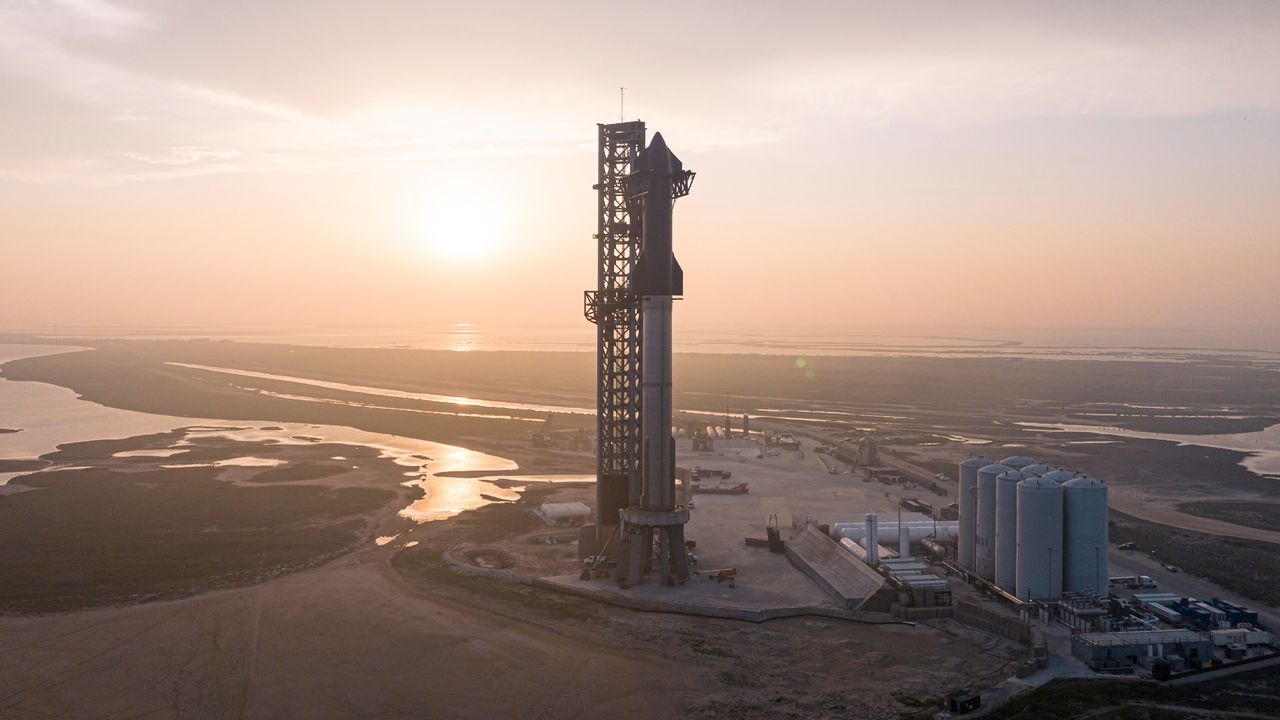
SpaceX is actively scouting new launch sites for its Starship megacore, with plans that could extend beyond U.S. Borders to countries like Norway, New Zealand, Australia, the U.K. And Brazil. The company has already begun upgrading pads at Cape Canaveral’s Kennedy Space Center and Space Force Station, while its primary launch hub remains at Starbase in Texas. A first‑time flight of the new Starship V3 is scheduled for May 19, marking the beginning of a test program aimed at deep‑space missions to the moon and Mars. To meet its goal of thousands of Starship launches per year, SpaceX will need to secure multiple domestic and international launch points, navigating the regulatory hurdles of ITAR and Technology Safeguards Agreements.
What flings mysteriously powerful particles called 'cosmic rays' at Earth?
Original Publication Date: 2026-05-13 19:00

Scientists have long puzzled over ultrahigh‑energy cosmic rays, the most powerful particles that strike Earth from space. A recent study suggests that the brightest of these, like the 2021 Amaterasu particle, may be heavy atomic nuclei—elements heavier than iron—that can survive the vast distances between their violent birthplaces and Earth. The researchers point to extreme astrophysical events such as neutron‑star mergers or the collapse of massive stars into black holes as likely accelerators of these ultraheavy particles. If confirmed, this finding could finally solve a 60‑year mystery about where the universe’s most energetic particles come from.
Blue Origin's lunar lander mockup is ready for NASA Artemis astronaut training
Original Publication Date: 2026-05-13 17:00
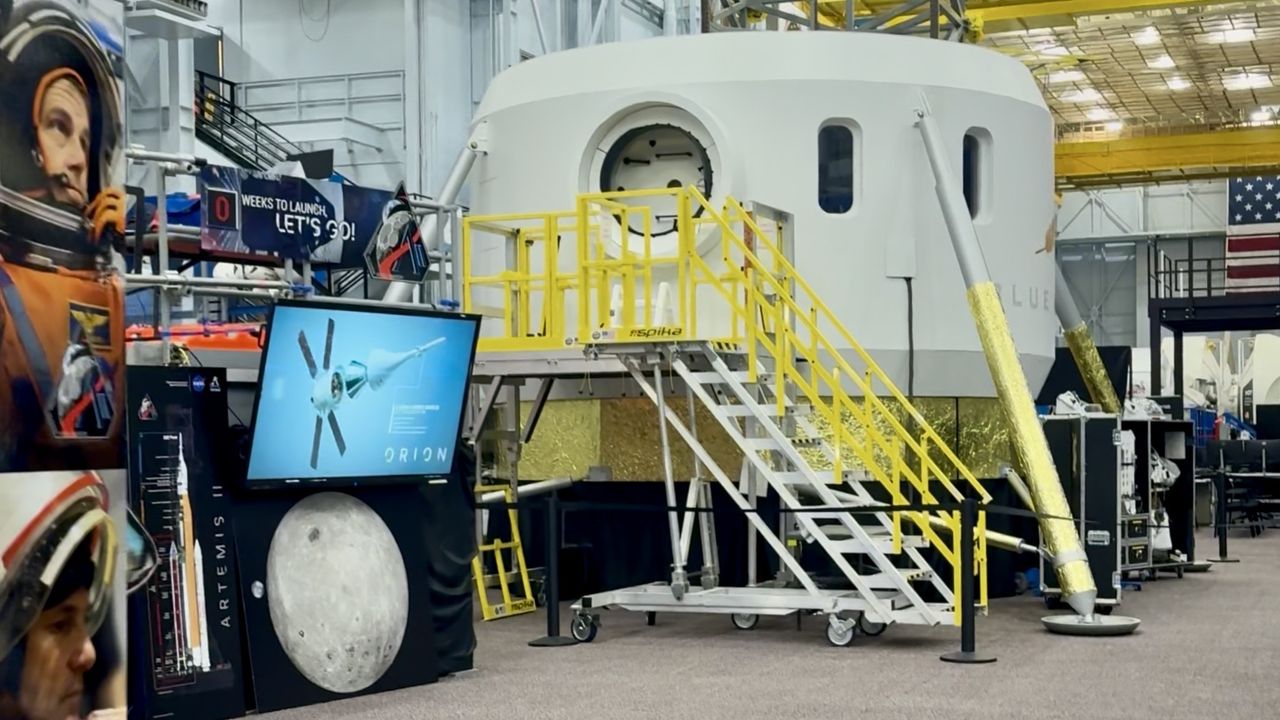
NASA has unveiled a full‑scale mockup of Blue Origin’s Blue Moon Mark 2 lunar lander at the Johnson Space Center, ready for astronaut training ahead of the Artemis missions. The mockup sits beside the Orion capsule simulator, letting crews practice the transition from orbital flight to lunar surface operations in a realistic environment.
Lasers shine a new light on the space junk air pollution problem
Original Publication Date: 2026-05-13 15:00
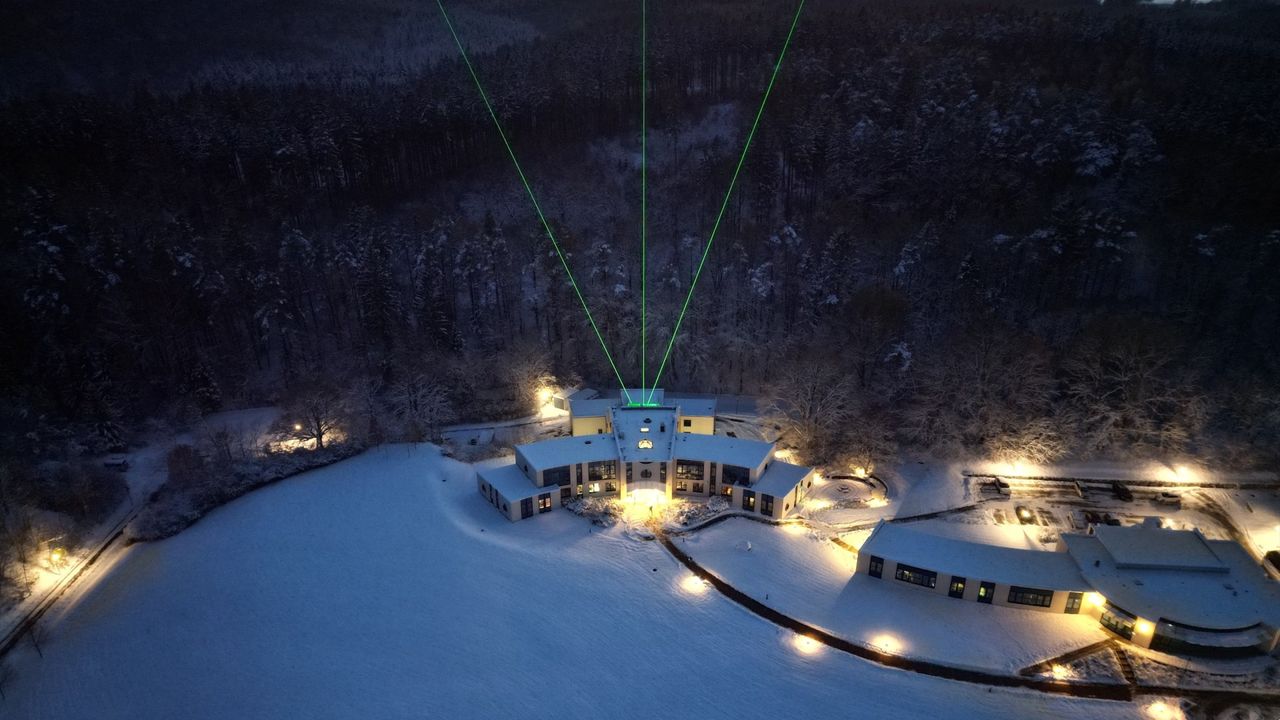
Scientists have begun using ground‑based LiDAR to detect metal clouds generated by falling satellites and rocket stages, a first for real‑time monitoring of space debris. In February 2025 a lithium cloud was linked to a SpaceX Falcon 9 reentry, confirming the technique’s effectiveness. The Leibniz Institute of Atmospheric Physics now operates a three‑channel lidar that tracks copper, aluminum oxide and hydrogen fluoride, showing that reentry debris is injecting significant trace metals into the mesosphere and upper stratosphere.
The Whirlpool Galaxy comes alive | Space photo of the day for May 13, 2026
Original Publication Date: 2026-05-13 14:00
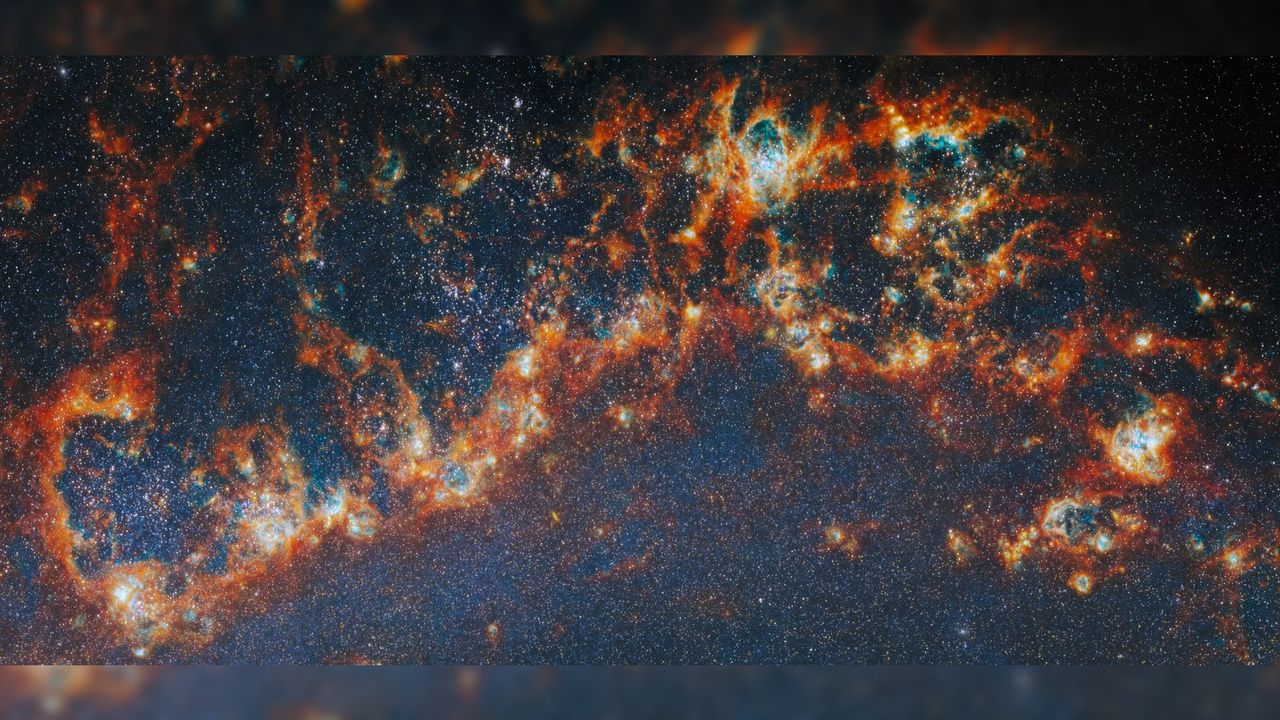
NASA’s James Webb Space Telescope has released a stunning near‑infrared image of the Whirlpool Galaxy, M51, revealing its bright, spiraling arms in unprecedented detail. The Near‑Infrared Camera captured a section of the galaxy’s star‑forming dust lanes, where hydrogen gas condenses into new stars.
The physics of how Olympic weightlifters exploit barbell's "whip"
Original Publication Date: 2026-05-13 19:05

Olympic weightlifters rely on the barbell’s “whip,” the flexural bending that helps them lift more. Scientists are now quantifying that effect, and at this week’s Acoustical Society of America meeting in Philadelphia, Penn State graduate student Joshua Langlois presented a modal‑analysis study. He suspended 20‑kg barbells loaded with 50 kg, attached accelerometers, and tapped the bars with a hammer to map how they vibrate. By comparing different bars and load conditions, Langlois is uncovering the mechanics that elite lifters use to maximize their lifts.
Gravitational lens shows a galaxy just 800 million years post-Big Bang
Original Publication Date: 2026-05-13 15:53

Astronomers have finally caught a glimpse of the Universe’s first stars thanks to the James Webb Space Telescope. A team led by Kimihiko Nakajima spotted the ultra‑faint galaxy LAP1‑B, the most chemically primitive galaxy known, about 800 million years after the Big Bang. The galaxy lies 13 billion light‑years away, but a massive foreground cluster, MACS J046, acted as a gravitational lens, magnifying the faint light for JWST to detect. This discovery provides a rare window into the early stages of galaxy formation and the chemical composition of the primordial cosmos.
Once again, SpaceX has set a new record for the tallest rocket ever built
Original Publication Date: 2026-05-12 11:00
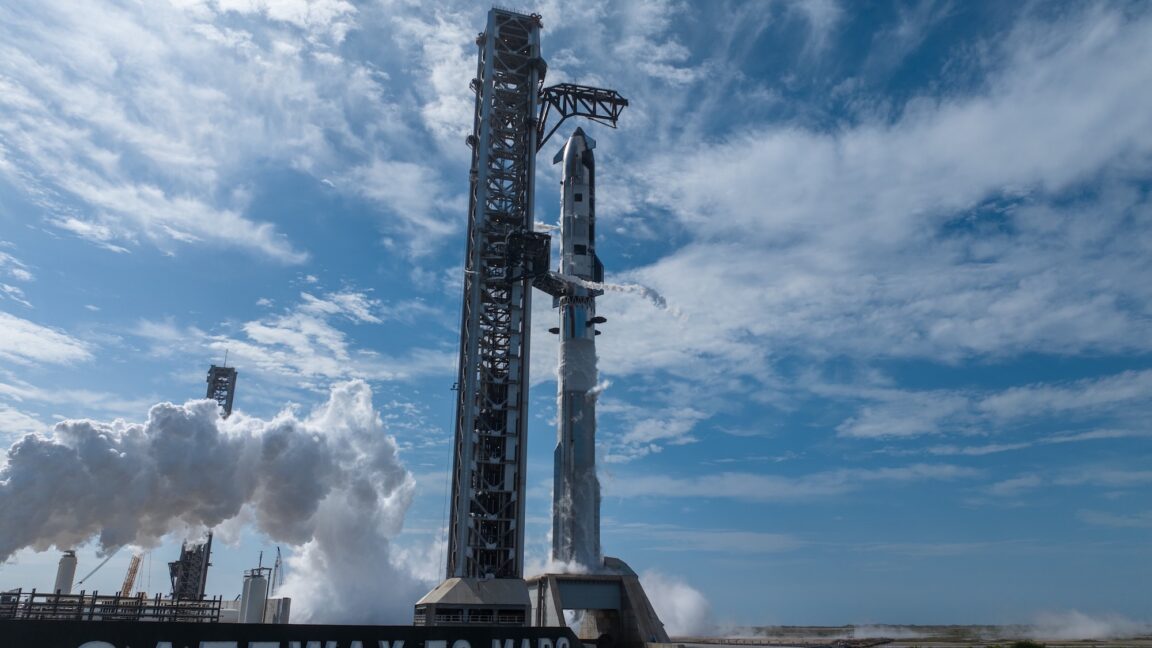
SpaceX has stacked the third‑generation Starship V3 on a launch pad in South Texas, marking the third attempt in three years