 Spotify
 Apple Podcasts
 Podcast Addict
 Overcast
 Podcast RSS
Ukrainian forces test direct-to-device satellite imagery for frontline troops
Original Publication Date: 2026-05-05 20:21
Ukrainian forces recently used handheld devices to task commercial satellites, allowing Vantor—formerly Maxar Intelligence—to deliver near‑real‑time imagery directly to front‑line units. The experiment cut targeting cycles from days to hours, enabling troops to identify, strike, and retask satellites for damage assessment in a continuous loop. By bypassing slow, centralized workflows, the approach also reduced reliance on vulnerable drones and highlighted the need for faster data compression and AI‑driven prioritization in contested environments. Defense and tech firms are now collaborating to push the entire satellite‑tasking‑to‑delivery cycle under 15 minutes, though large 3‑D data sets still pose a challenge.
New NGA head makes industry debut at GEOINT Symposium 2026
Original Publication Date: 2026-05-05 19:20
Lt. Gen. Michele Bredenkamp will deliver her first closing keynote at GEOINT Wednesday, marking her debut as director of the National Geospatial‑Intelligence Agency after stepping into the role quietly during the November government shutdown. Her appearance offers industry leaders a chance to hear her vision for the agency’s future and how it will support national security and commercial partners. The event underscores NGA’s commitment to transparency and collaboration as it navigates emerging geospatial challenges.
Startup develops software to help military tap commercial imaging satellites
Original Publication Date: 2026-05-05 19:00
A Reston, Va., startup, Divergent Space Technologies, is building a software platform that automatically orders commercial satellite imagery across multiple providers, aiming to replace the manual, fragmented process that military users currently face. By predicting when satellites will pass over areas of interest, GEOx can issue simultaneous tasking requests, compressing the typical 95% of time lost before a window closes. The system is already in use by U.S. And allied forces and has received support from the National Reconnaissance Office, while the company plans to expand to communications satellites to help U.S. Forces avoid interception. This innovation could give the U.S. And its partners a more reliable “plan B” for commercial intelligence in a rapidly evolving geopolitical landscape.
SpaceX launches 24 Starlink satellites on Falcon 9 rocket from Vandenberg SFB
Original Publication Date: 2026-05-05 13:15
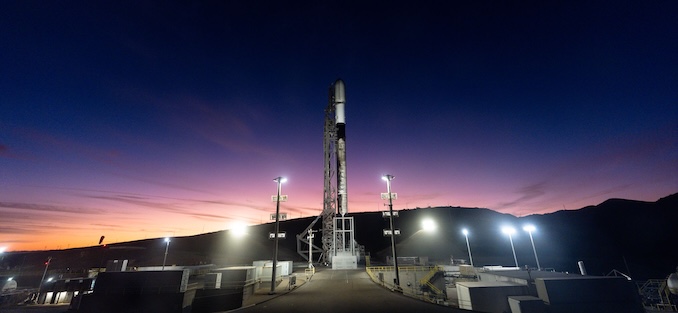
SpaceX launched its second Starlink mission of May from Vandenberg Space Force Base on May 13 2026, deploying 24 broadband satellites into low‑Earth orbit. The launch used a Falcon 9 rocket powered by first‑stage booster B1081, marking the booster’s 24th flight and its 609th landing overall.
Spectrum-Sharing Rules Get an Overhaul
Original Publication Date: 2026-05-05 23:10

On April 30, 2026, the Federal Communications Commission voted unanimously to modernize its satellite spectrum‑sharing rules, the most significant overhaul of the regulations since the 1990s.
U.S. Space Force Awards $3.2 Billion for Space-Based Interceptor Layer
Original Publication Date: 2026-05-05 22:48

The U.S. Space Force’s Space Systems Command announced on Monday that it has awarded 20 Other Transaction Authority agreements, worth up to $3.2 billion, to a consortium of companies. These contracts will fund the development and production of next‑generation space capabilities, including satellites and launch systems. The agreements are part of the Space Force’s effort to accelerate innovation and reduce costs by working directly with commercial partners. This move is expected to speed the deployment of critical space assets for national defense.
Telesat Reports 25% Decline in GEO Revenue Amid Strategic Shift to Lightspeed LEO
Original Publication Date: 2026-05-05 20:46
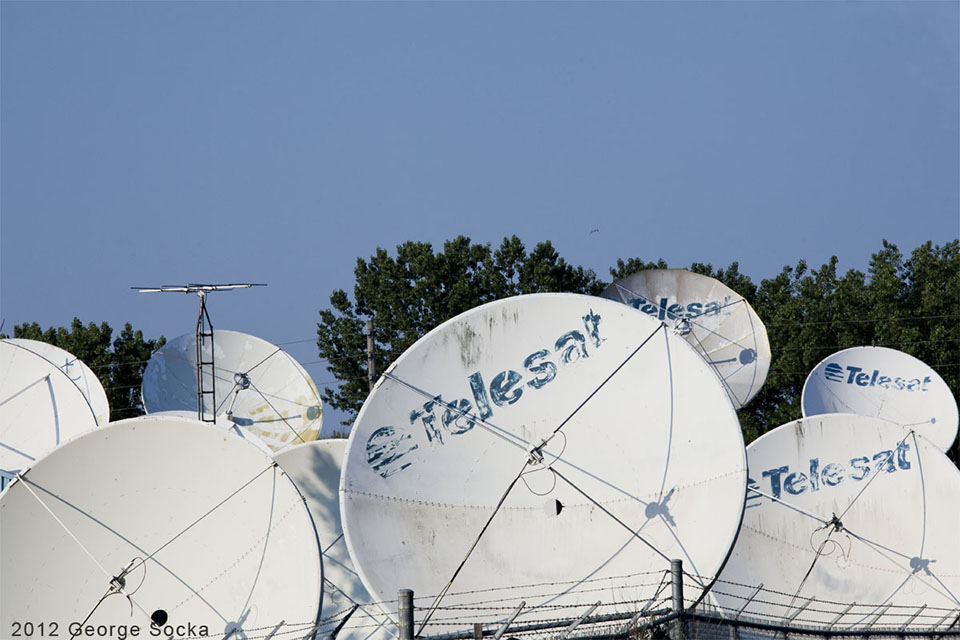
Telesat reported its first‑quarter 2026 results, showing a 25% year‑over‑year decline in revenue from its legacy geostationary satellite services. The drop reflects shifting demand toward low‑Earth‑orbit constellations and heightened competition in the GEO market. Despite the revenue slump, the company remains focused on expanding its LEO portfolio and investing in new satellite technologies. Telesat’s management highlighted the need for strategic adaptation to maintain long‑term growth.
SmallSat Europe Speaker Focus: Olaf Eckart, BMW Group
Original Publication Date: 2026-05-05 15:00

Olaf Eckart, a founding member of BMW's Non‑Terrestrial Network team, heads the 5GAA’s NTN initiatives that define satellite connectivity for vehicles. At SmallSat Europe, he will appear on a panel discussing satellite‑connected cars. His work is pivotal in bringing reliable satellite links to automotive applications. The event highlights how satellite networks are shaping the future of connected driving.
Melting Snow Off Shivelyuch
Original Publication Date: 2026-05-06 04:01

Shivelyuch, the northernmost active volcano on Kamchatka, erupted again on April 23, 2026, with Landsat 9 capturing fresh ash and a growing lava dome. Satellite images reveal warm volcanic deposits melting snow and exposing dark channels from block‑and‑ash flows that have been accumulating for months. Geologists note that heat from recent eruptions and past flank collapses can linger for years, keeping deposits hot enough to melt snow well into winter. The volcano’s relentless cycle of growth and collapse continues to reshape the landscape and reminds us of the powerful forces shaping our planet.
NASA eClips and GLOBE Educators Strengthen a Regional STEM Ecosystem in Coastal Virginia
Original Publication Date: 2026-05-05 21:20
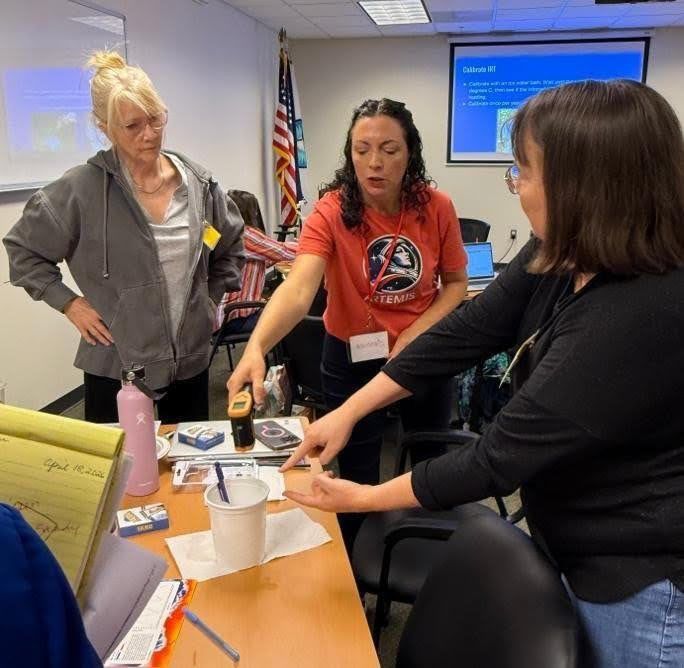
NASA’s eClips and GLOBE programs teamed up with 38 teachers from seven Virginia school districts to strengthen a regional STEM ecosystem in the Tidewater area. At a three‑hour workshop in Hampton, educators explored land cover, clouds, and soil impacts on temperature using infrared thermometers and other instruments, and practiced data collection for the GLOBE Observer app.
Curiosity Blog, Sols 4879-4885: Struggle at Atacama
Original Publication Date: 2026-05-05 20:00

On Sol 4883, NASA’s Curiosity rover in Chile’s Atacama desert struggled when a detached rock block carried the drill bit out of the target, prompting the team to devise a plan to free the instrument. Engineers rotated the drill, performed percussion, and eventually extracted the bit, allowing the rover to resume science operations. While the drill was being freed, Curiosity focused on remote sensing, using ChemCam to analyze surrounding granular material and Mastcam to image the terrain. The team now aims to finish the drill campaign and seek a more stable target to recover drill tailings for future analysis.
650 NASA Volunteers Have Co-Authored Scientific Papers
Original Publication Date: 2026-05-05 18:34

NASA reports that more than 650 citizen scientists have co‑authored peer‑reviewed papers, spotting everything from comets and gamma‑ray bursts to auroras and exoplanets. Their work, done with space‑telescope data, backyard telescopes, cell phones and ham radios, has already entered the scientific literature and will guide future research. The agency urges volunteers to pick projects that interest them, learn the data, and engage directly with research teams to turn observations into publishable results. Anyone—from students to hobbyists—can follow these steps and join the growing community of citizen‑science authors.
Pad 1 conversion ongoing, with Flight 12 nearing
Original Publication Date: 2026-05-05 18:23

SpaceX has demolished the old Pad 1 and is converting it to the newer Pad 2 configuration, with major trench excavation and sheet‑pile installation now underway. Crews are preassembling water bucket sections and a new launch mount while the methane tank farm is being reorganized, and a new service structure is being built in staging. Meanwhile, Pad 2 is nearly ready, having completed full retraction and deluge system tests—though recent static‑fire aborts and a deluge‑farm explosion have prompted additional safety checks.
Commerce Aiming to Open Novel Space Applications This Summer
Original Publication Date: 2026-05-05 17:30

The Office of Space Commerce is launching a one‑stop licensing hub that lets companies submit a single application for novel space missions, which the agency will forward to regulators such as the FAA and FCC. Over 100 firms—from asteroid mining to in‑space refueling—have praised the proposal, and the OSC plans to begin reviewing applications this summer. The program is voluntary but could be codified with congressional support, and OSC is already working with other agencies on ITAR reform and related regulatory matters.
Bridenstine Takes Over as Quantum Space CEO
Original Publication Date: 2026-05-05 13:00

Former NASA administrator Jim Bridenstine has been named CEO of Quantum Space, a company developing advanced orbital maneuvering and refueling technology for military satellites. Bridenstine, who served as a Navy pilot and congressman on the Armed Services Committee, said the role lets him return to national security work and supports the Space Force’s evolving needs. Quantum’s Ranger spacecraft can refuel other craft and switch between chemical and electric propulsion, a capability Bridenstine says could transform sustained orbital operations. With Bridenstine at the helm, Quantum’s cofounder Kerry Wisnosky will become president while investor Kam Ghaffarian takes on executive chair duties.
Anduril Names Its SBI Team For Golden Dome
Original Publication Date: 2026-05-05 13:00
Anduril today announced its partner roster for the Golden Dome Space-Based Infrared (SBI) program, naming Impulse Space, Inversion Space, K2 Space, Sandia National Labs, and Voyager Technologies. The company highlighted the team’s proven capabilities and rapid‑deployment expertise, noting the program’s critical role in homeland defense. With this disclosure, Anduril joins 11 other primes on the SBI effort, a move that brings one of the program’s most secretive components into the public eye. This announcement marks a rare moment of transparency for a project that has largely operated in the shadows.
ESA Taps Edge Aerospace for Space Cloud Contract
Original Publication Date: 2026-05-05 12:36

Edge Aerospace, a Luxembourg‑based startup founded in September 2024, has secured a contract under ESA’s Space Cloud program to chart the future of orbital data centers, developing both an architecture and a use‑case roadmap. The company will assess the commercial viability of orbital computing power and explore how Europe can harness the technology for commercial, civil and defense applications. With a first demonstration mission already validated on SpaceX’s Transporter‑16 rideshare and four additional contracts with ESA, the European Defence Fund, the Luxembourg Space Agency and the MoD, Edge is poised to launch a U.S. Facility this June to tap a market where 90 % of its commercial contracts already lie. While some rivals dream of AI training in space, Edge’s realistic focus is on distributed networks that reduce downlink bottlenecks and offer speed and global reach from above the planet.
Solar activity makes space junk crash to Earth faster
Original Publication Date: 2026-05-06 10:00
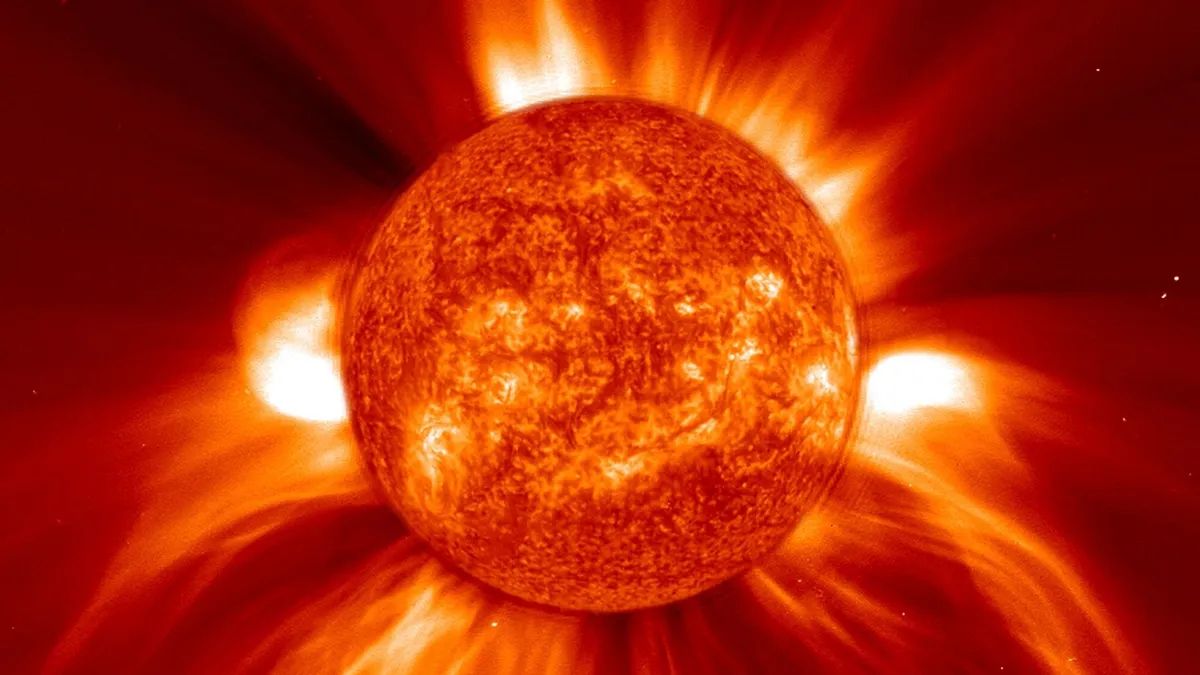
Scientists have found that when the Sun gets more active, space junk falls to Earth faster because increased solar activity thickens the upper atmosphere, boosting drag on debris. By tracking 17 pieces of old satellites over 36 years, researchers linked the debris' descent to three solar cycles and confirmed that higher solar output speeds up orbital decay. The findings mean satellites near solar maximum will need more fuel for altitude corrections, impacting mission planning and sustainability. The study, published in Frontiers in Astronomy and Space Sciences, underscores the importance of monitoring solar activity for future space operations.
Mexico City is sinking up to 14 inches per year, satellite images show
Original Publication Date: 2026-05-05 21:00
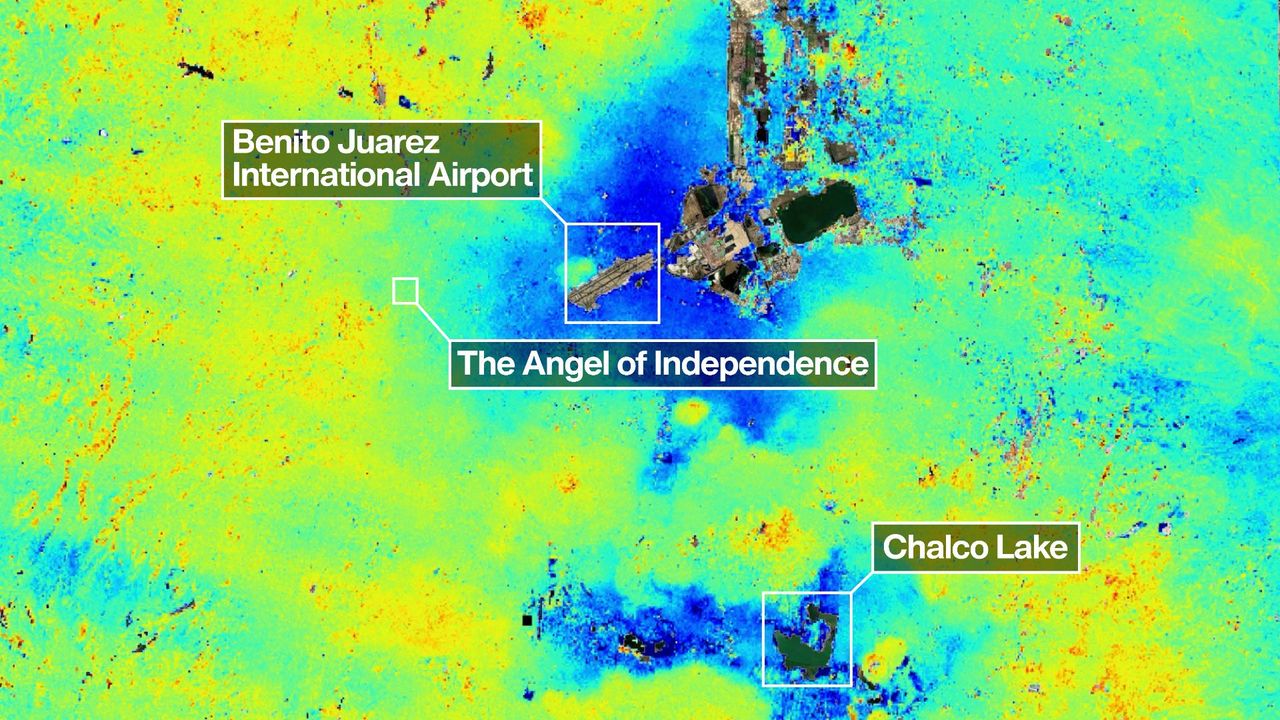
NASA and India’s ISRO have launched the NISAR satellite, and it has already mapped Mexico City sinking at up to 14 inches a year, confirming long‑known subsidence. Using dual‑frequency L‑band and S‑band radar, the satellite can detect ground changes to within a centimeter, providing real‑time data on everything from urban collapse to glacier retreat. The first images show dark blue zones where the city has dropped more than half an inch since October 2025, while the system will soon refine its measurements across the globe. This powerful new tool will help authorities plan infrastructure and could also monitor coastal communities facing both subsidence and sea‑level rise.
NASA just released 12,000 photos from Artemis 2. Here are our top picks
Original Publication Date: 2026-05-05 20:14
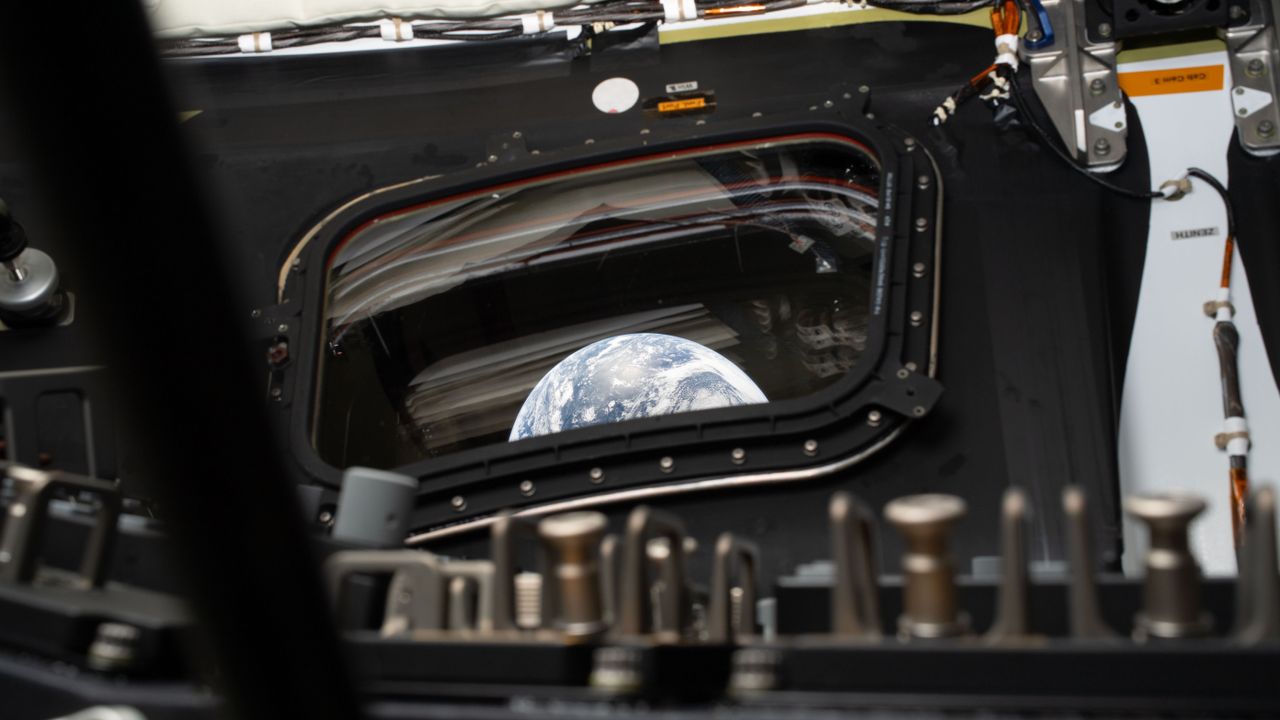
NASA has released over 12,000 photos from its Artemis 2 mission, the first crewed spacecraft to travel beyond low Earth orbit in more than 50 years. The 10‑day trip, launched April 1, carried astronauts Reid Wiseman, Victor Glover, Christina Koch and Canadian Jeremy Hansen aboard Orion “Integrity” around the moon, returning to Earth on April 10. The archive showcases Earth‑from‑space views, lunar surface details—including a rust‑colored region and two craters named by the crew—and rare moments such as a solar eclipse seen from the far side. Viewers can now explore the images on NASA’s public archive, offering a fresh perspective on our planet and its neighbor.
Watch SpaceX Starlink train circle Earth in amazing satellite video
Original Publication Date: 2026-05-05 20:00
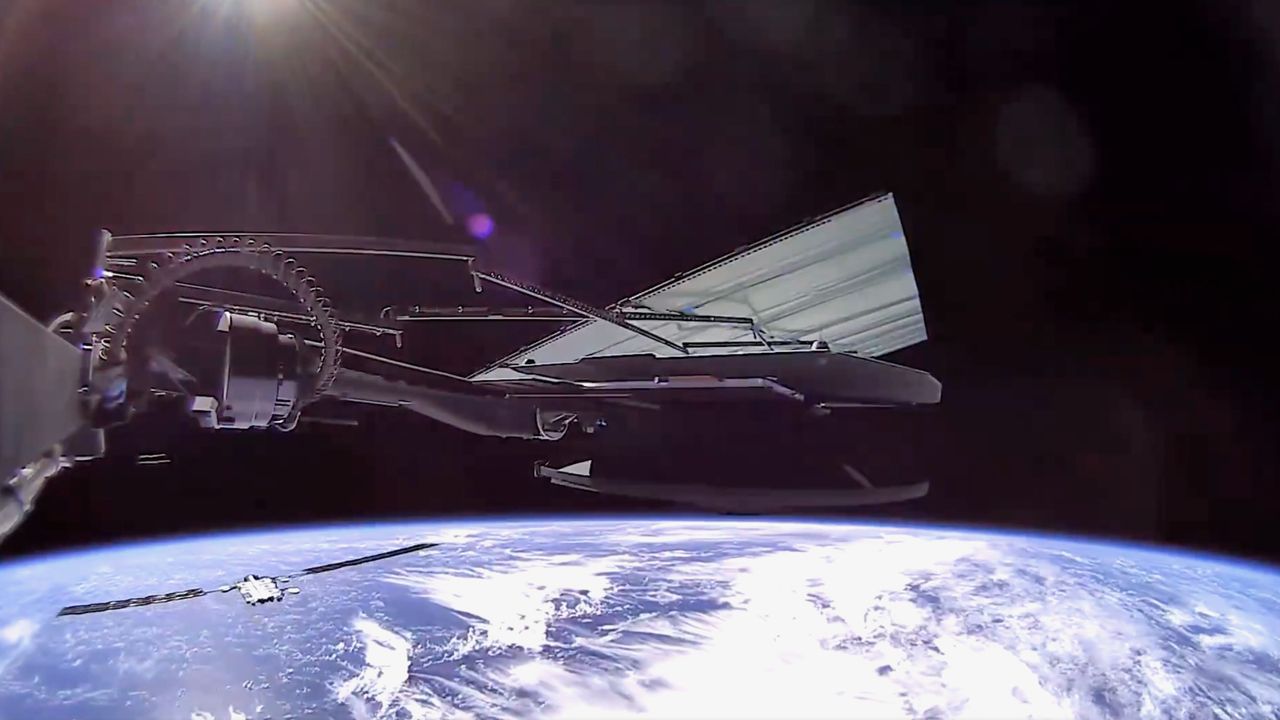
SpaceX released a 3.5‑minute video from a newly launched Starlink satellite that captures the constellation as it completes its deployment and begins its first orbit around Earth. The footage, posted by Starlink engineering VP Michael Nicolls on X on May 4, shows 29 satellites cruising past sunrise and sunset before slowly separating and raising their orbits. This is the first public view of multiple Starlink spacecraft after deployment, giving viewers a rare look at the 10,300‑plus‑satellite megaconstellation in action.
A tiny world at the edge of our solar system grew a mysterious atmosphere, and we don't know how
Original Publication Date: 2026-05-05 18:00

A tiny Kuiper‑Belt object, 612533 2002 XV 93, has been found to possess a mysterious atmosphere only 5‑10 million times thinner than Earth's. The exosphere, with a surface pressure of 100‑200 nanobars, was detected during a star‑occultation event observed by Japanese astronomers in January 2024. Scientists are puzzled because the body is far too cold for the usual ices to sublimate, and the atmosphere could only have come from recent cryovolcanism or an impact, both of which would be short‑lived. This discovery challenges our understanding of how small icy bodies can retain any atmosphere at all.