 Spotify
 Apple Podcasts
 Podcast Addict
 Overcast
 Podcast RSS
Geopolitical shifts bring opportunities and headaches for satellite execs
Original Publication Date: 2026-03-24 21:00
Industry leaders at the Satellite Conference in Washington, D.C., on March 24 noted that shifting geopolitical dynamics are creating vast new markets for satellite communications. These opportunities come with growing supply‑chain complexities and evolving regulatory hurdles, according to the executives. While the sector stands to benefit from increased demand, companies must navigate a more fragmented and politically sensitive environment. Success will hinge on agile strategy and robust compliance frameworks.
Moog taps Redwire to provide solar arrays for Meteor
Original Publication Date: 2026-03-24 19:24
Redwire has landed its first contract for its new Extensible Low‑Profile Solar Array (ELSA) wings, earning $12.8 million from Moog. The deal will supply ELSA panels for Moog’s Meteor satellite bus, which has been ordered by an undisclosed national‑security customer. ELSA, unveiled earlier this month, is engineered to deliver roughly 50 percent more power than existing arrays. This contract marks a significant milestone for Redwire’s growing role in advanced space power systems.
OrbitsIQ Global Announces Breakthrough in Space-Based IoT Connectivity
Original Publication Date: 2026-03-24 18:57
OrbitsIQ Global announced a significant technological breakthrough in space‑based IoT connectivity, highlighting its AI‑driven secure communications across terrestrial and satellite networks. The company unveiled the milestone in partnership with an unnamed collaborator, underscoring a new capability that promises faster, more reliable data links for remote sensors. This development positions OrbitsIQ as a leader in integrating AI with satellite infrastructure to support the growing demand for secure, low‑latency IoT services.
From missions to systems: The architecture enabling a sustained lunar economy
Original Publication Date: 2026-03-24 17:16
Industry leaders are calling for a shift away from the traditional mission‑centric view of lunar exploration toward a comprehensive systems architecture that supports a sustained lunar economy. They argue that focusing solely on launches, landers, and national programs is no longer sufficient to build the infrastructure needed for long‑term presence. The new framework emphasizes integrated supply chains, resource extraction, and commercial partnerships to create a self‑sustaining lunar ecosystem. This approach aims to turn the Moon from a destination into a productive hub for future space activities.
China’s Astronstone raises $29 million for reusable rocket with chopstick-style recovery
Original Publication Date: 2026-03-24 17:14
Astronstone, a young Chinese launch startup, has closed a “Pre‑A+” funding round led by Hillhouse Capital and Xingxiang Capital, raising nearly 500 million yuan ($72 million) since its founding two years ago. The capital will fund final assembly, testing and the company’s “chopstick” recovery technology for its reusable AS‑1 rocket, a 70‑meter stainless steel, methane‑liquid oxygen launcher that can carry 15,700 kg to low‑Earth orbit when expendable. Astronstone plans a debut flight in the first quarter of 2027 after a series of 2026 static‑fire tests, aiming to offer commercial satellite launches at about 20,000 yuan ($2,900) per kilogram.
NASA outlines ambitious $20 billion plan for moon base
Original Publication Date: 2026-03-25 00:56
NASA’s updated Artemis plan, unveiled on March 24, 2026, commits $20 billion over seven years to build a permanent lunar base near the south pole and launch two crewed moon landings each year, aiming to establish a semi‑permanent presence by 2028.
Amazon Leo Targets Five-Market Launch as Constellation Ramps to 200+ Satellites
Original Publication Date: 2026-03-24 18:09
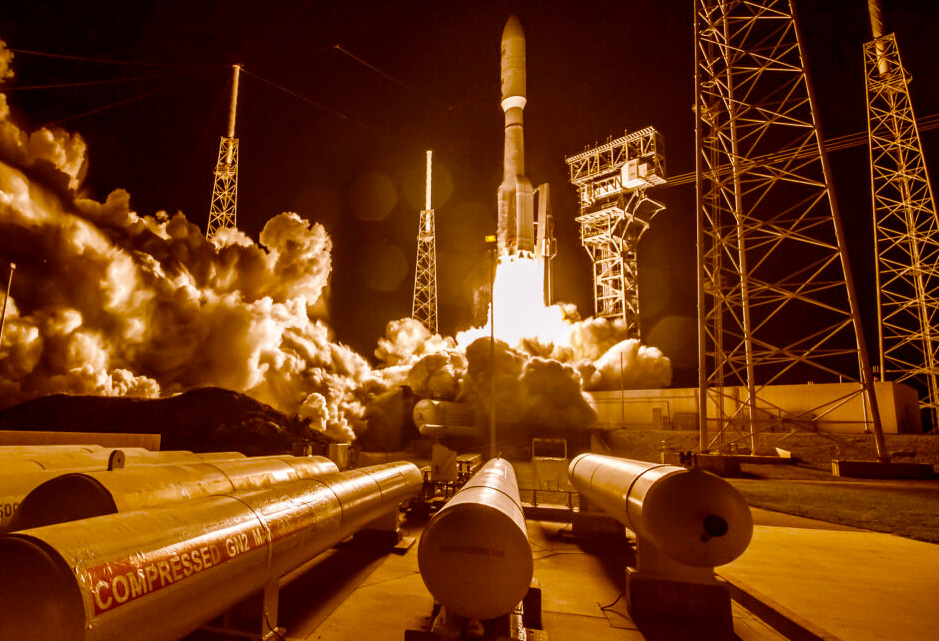
Amazon’s satellite internet program, now called Leo, is racing to meet its first‑quarter commercial launch deadline by increasing launch frequency to challenge SpaceX’s Starlink. On March 29, 2026, United Launch Alliance will launch a new batch of Leo satellites, bringing the constellation closer to full operational status.
Laser Communications and the Rise of Orbital Data Centers
Original Publication Date: 2026-03-24 17:41

Odysseus Space CEO Jordan Vannitsen says laser communication is the missing link that will turn isolated satellite constellations into distributed computing systems in orbit. He argues that high‑speed laser links will enable satellites to share data instantly, creating a cohesive network across space. This technology could revolutionize space‑based computing and unlock real‑time applications for future satellite missions.
Space Force Reassigns Final GPS III Mission to SpaceX Following Vulcan Anomaly
Original Publication Date: 2026-03-24 16:34
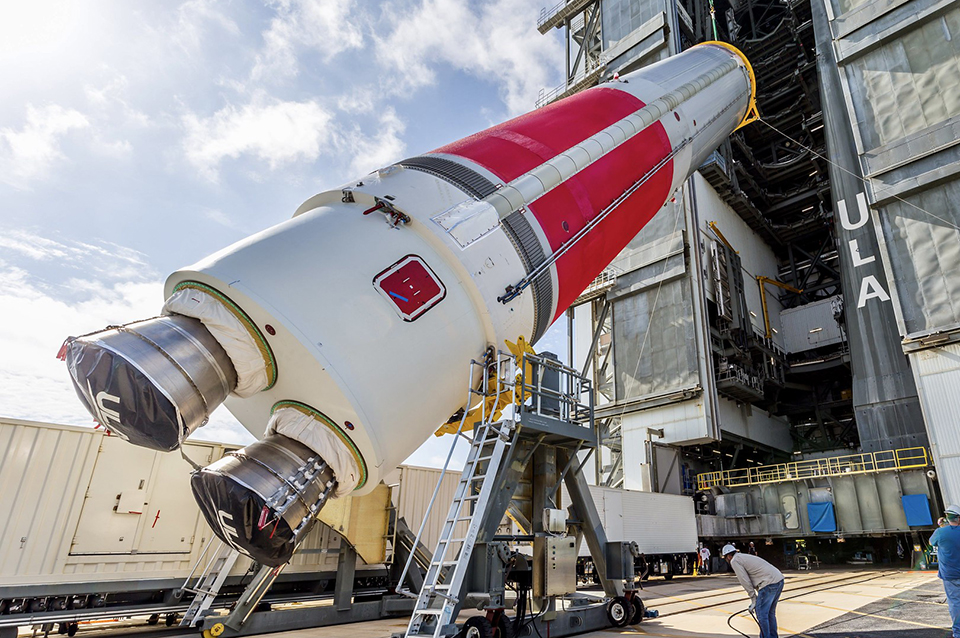
Space Systems Command announced on March 20 that the final GPS III satellite will be launched by SpaceX instead of United Launch Alliance. The shift reflects growing confidence in SpaceX’s launch reliability and the military’s push for cost‑effective, rapid deployment. The satellite—critical to the U.S. Navigation system—will now be scheduled to lift off on a SpaceX vehicle, likely the Falcon 9 or Starship, depending on readiness. This decision underscores the evolving partnership between the Pentagon and commercial space firms.
SFL Missions Selected to Build Eight Node Spacecraft for NASA HelioSwarm
Original Publication Date: 2026-03-24 14:27
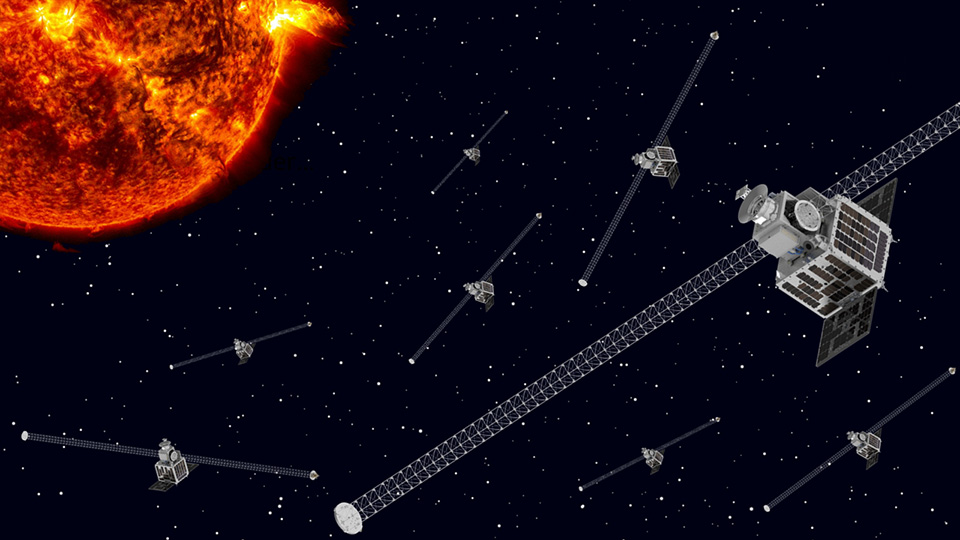
SFL Missions Inc., formerly Space Flight Laboratory, secured a competitive‑bid contract at the Satellite 2026 conference in Washington, D.C., to design and build eight satellite platforms for a national security program.
NASA Realignment ‘Ignition’ Accelerates Shift Toward Commercial Lunar Economy
Original Publication Date: 2026-03-24 14:19
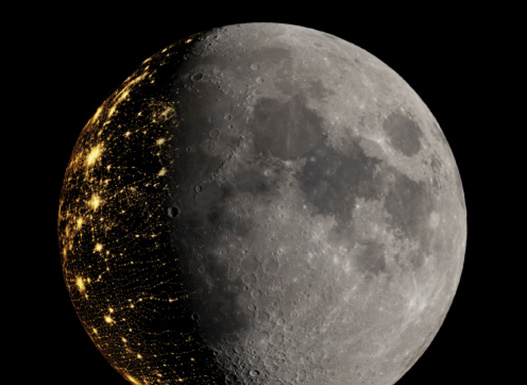
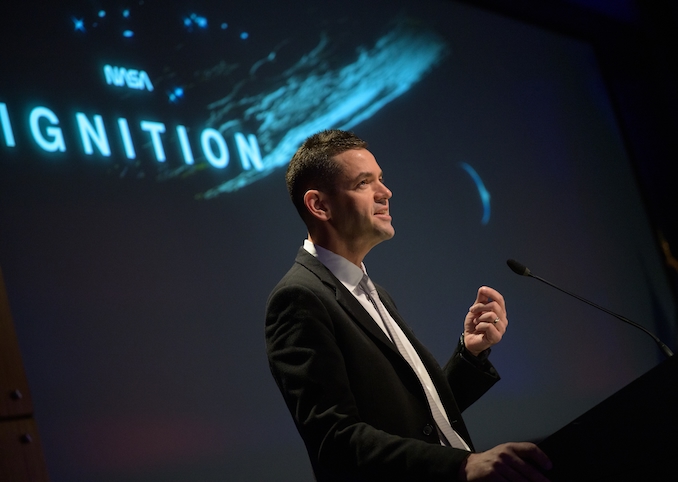
On March 24, 2026, NASA Administrator Jared Isaacman introduced “Ignition,” a sweeping agency‑wide realignment designed to put the 2025 National Space Policy
Kona Storms Flood Oʻahu
Original Publication Date: 2026-03-25 04:01
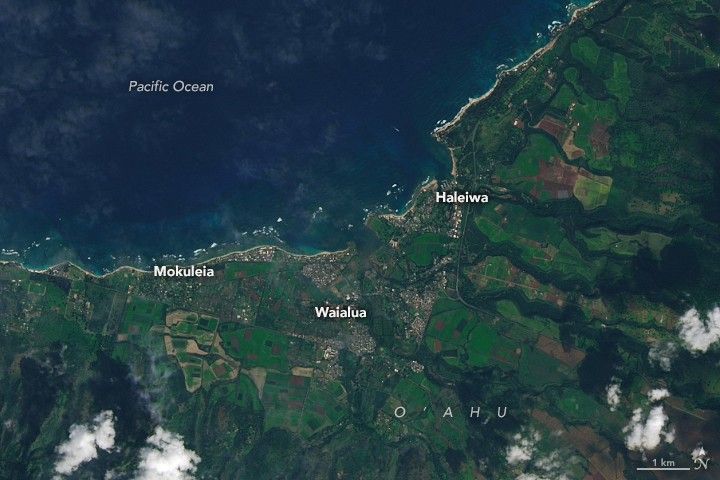
Back‑to‑back Kona low‑pressure systems battered Hawaii in March 2026, delivering 5 to 10 inches of rain across the islands and over 30 inches in some spots, setting new daily rainfall records. The resulting floods swamped Oʻahu’s farmland and neighborhoods, displacing hundreds of homes, sending sediment plumes into Kaiaka Bay, and causing millions of dollars in damage to farmers and residents. Wind gusts up to 100 mph and power outages affecting 115,000 people compounded the crisis, prompting NASA’s Disasters Response Coordination System to aid the Hawaii Emergency Management Agency. NASA is now providing real‑time maps and data to support ongoing recovery and monitor the risk of further flash floods.
NASA PC-12 Aircraft Makes Move to Support Flight Research Across Agency
Original Publication Date: 2026-03-24 21:49
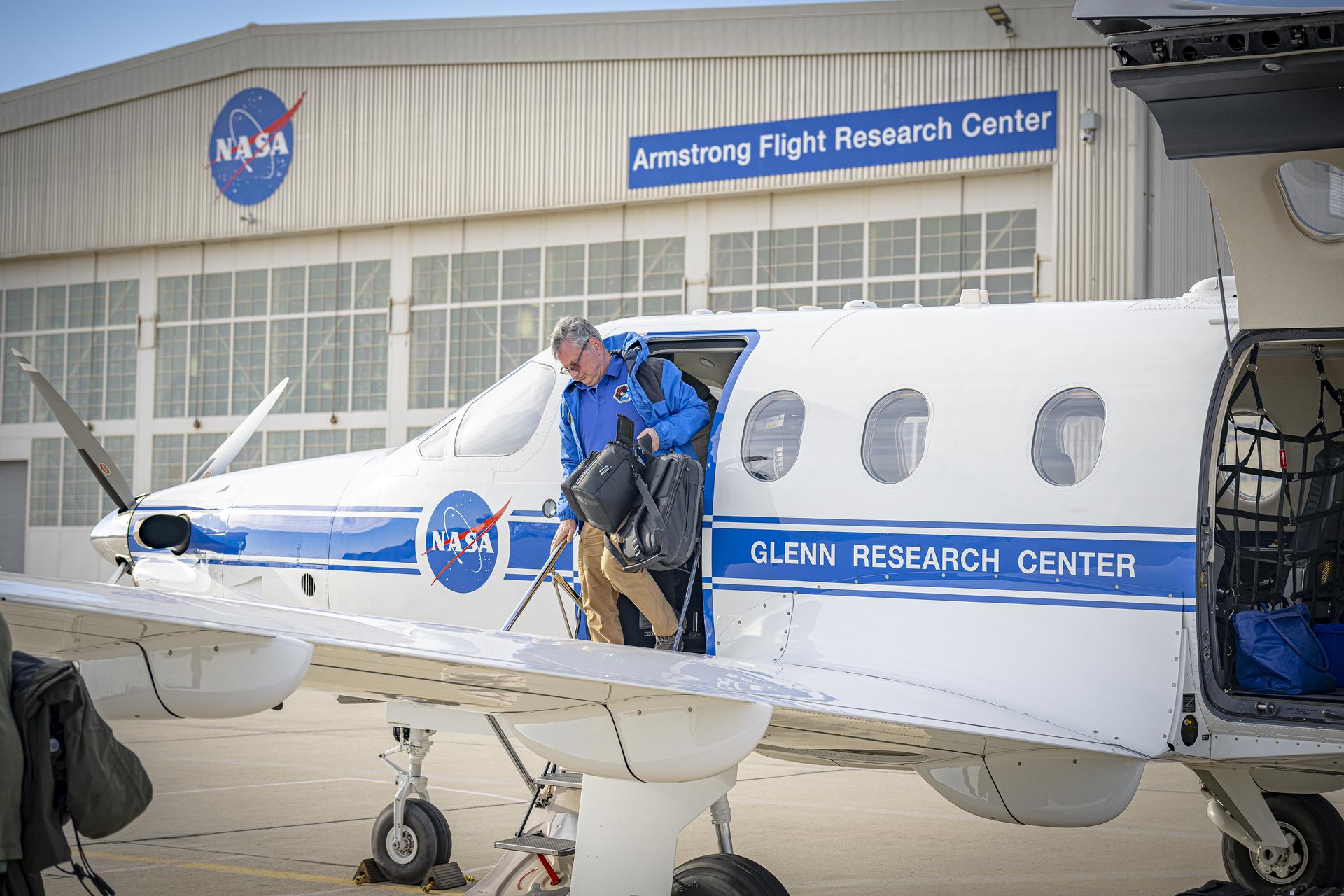
NASA has relocated a Pilatus PC‑12 and a T‑34 trainer to its Armstrong Flight Research Center in Edwards, California, to boost flight‑research capabilities. The PC‑12, already proven in communication‑relay experiments with the International Space Station, will now support advanced technology development for the Glenn Research Center and other agency partners. The T‑34, designed for pod‑mounted research and pilot training, offers a low‑cost platform for quick flight testing. Together with new F‑15s, the expanded fleet keeps Armstrong at the forefront of breakthrough aeronautics research.
Reminders of Where We’ve Been, Where We’re Going
Original Publication Date: 2026-03-24 20:59
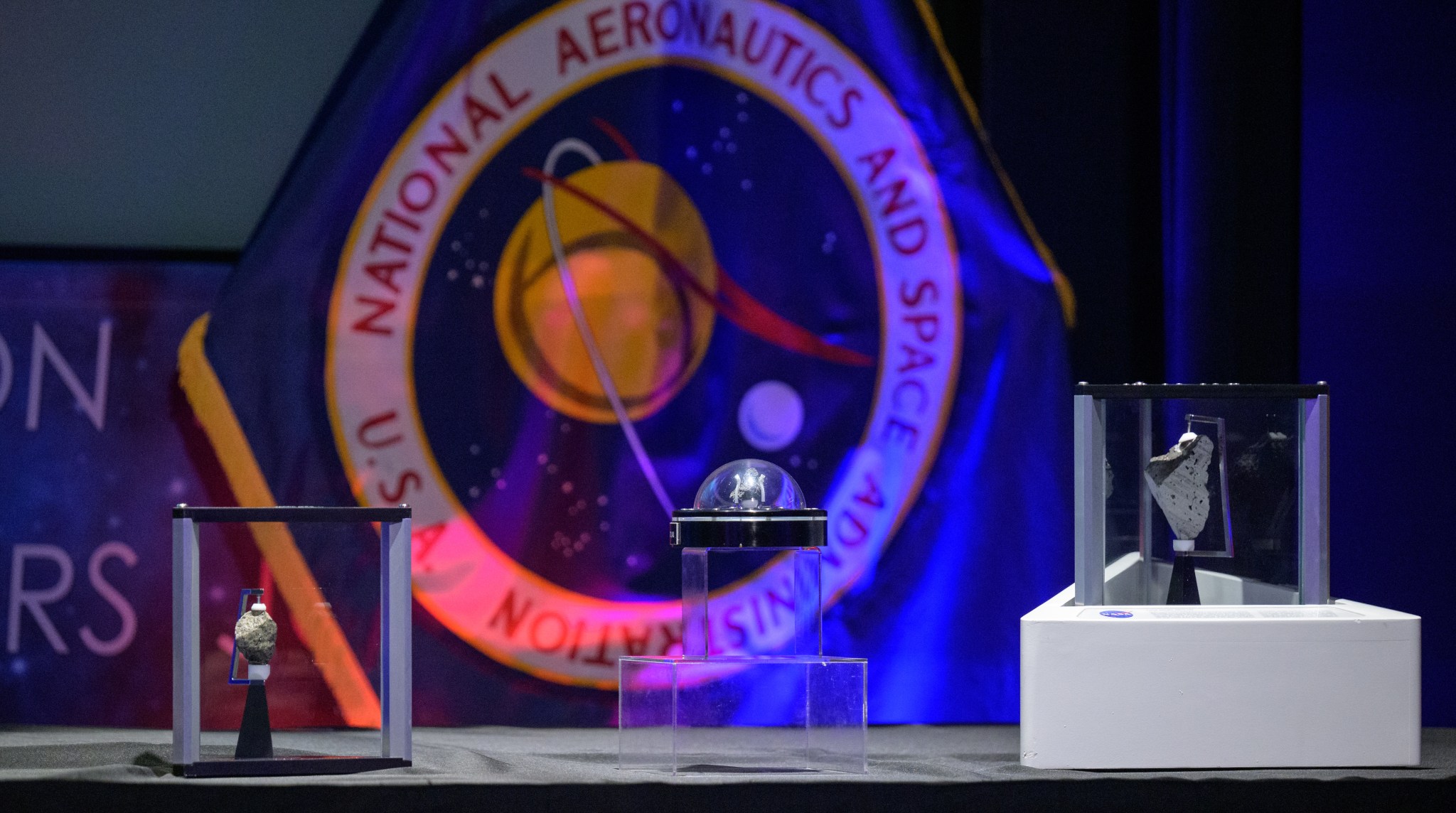
NASA unveiled a suite of bold initiatives at a March 24 event, showcasing three Moon rocks on display, to propel the National Space Policy and solidify U.S. Leadership in space. The agency outlined key mission priorities, including returning astronauts to the lunar surface after more than five decades, establishing the foundations of a permanent lunar base, and advancing nuclear propulsion for deep‑space travel. These transformative plans aim to keep America at the forefront of space exploration and technology.
3 Ways Students Can Get Involved With Artemis
Original Publication Date: 2026-03-24 20:41
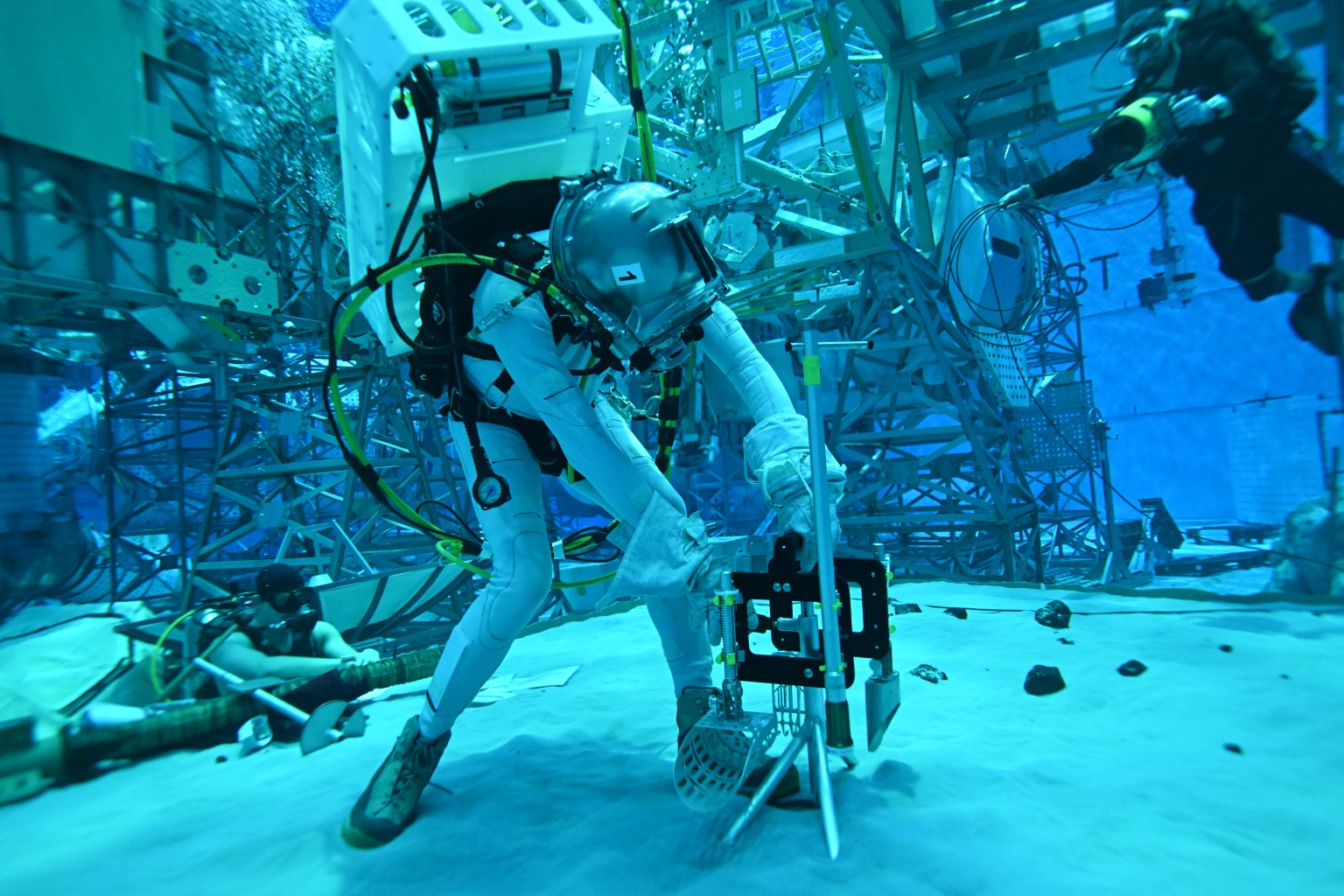
NASA’s Artemis program is opening doors for students to shape the future of lunar exploration, offering internships, design challenges, and even a Minecraft partnership to engage younger minds. Interns at Johnson Space Center work on real Artemis projects, gaining hands‑on experience and mentorship that can launch a career in aerospace. Design competitions—from pedal‑powered rovers to micro‑gravity tool prototypes—give high‑school and college teams the chance to solve authentic engineering problems and build confidence for STEM careers. Students can dive into these opportunities through NASA’s Learning Resources site, turning curiosity into a tangible role in the next giant leap to the Moon.
NASA unveils Space Reactor-1 Freedom mission to Mars in 2028
Original Publication Date: 2026-03-24 18:52

NASA announced its Space Reactor‑1 Freedom mission, a nuclear‑powered spacecraft set to launch in December 2028 that will use a 20‑kilowatt fission reactor to power xenon ion thrusters and become the first spacecraft to leave Earth’s sphere of influence using nuclear electric propulsion. The vehicle repurposes Lunar Gateway power and propulsion hardware, and will carry three Ingenuity‑class helicopters and a Skyfall science payload to map subsurface water on Mars.
NASA Priorities Get a Major Makeover
Original Publication Date: 2026-03-24 22:24

NASA announced a sweeping overhaul of its lunar strategy, committing to biannual crewed missions starting with Artemis VI and shifting focus from the Gateway orbiting habitat to a surface‑based Moon base.
One-On-One With SDA’s GP Sandhoo
Original Publication Date: 2026-03-24 16:26
SDA’s first batch of operational satellites, launched six months ago, has yet to deliver the promised comms boost to troops because a string of minor technical glitches forced the agency into a “strategic pause.” Acting Director Gurpartap “GP” Sandhoo explained that thermal model mismatches, software baseline differences, and a 45‑day government shutdown have pushed the launch‑and‑early‑operations phase three months behind schedule. The pause is intended to iron out these small problems before the next launch, so that any future software issues can be tackled on a smaller, more manageable satellite cohort. Meanwhile, SDA has partnered with Starfish Space to outsource deorbiting services, aiming to leverage commercial expertise instead of building its own system.
Symphony Space Unveils Adagio Hosted Payload Platform
Original Publication Date: 2026-03-24 13:00
Symphony Space is introducing Adagio, a reusable satellite platform that will stay in orbit while accepting new payloads on demand, a shift from the traditional one‑off hosted payload model.
Ramon.Space, Ingrasys Aim To Fly Prototype Orbital Data Center In 2027
Original Publication Date: 2026-03-24 12:00
Ramon.Space, in partnership with cloud provider Ingrasys, plans to launch an orbital data‑center prototype next year, aiming to build scalable space‑based computing for satellite data by the end of the decade.
1 week away! NASA gearing up to launch Artemis 2 astronauts around the moon on April 1
Original Publication Date: 2026-03-25 10:00
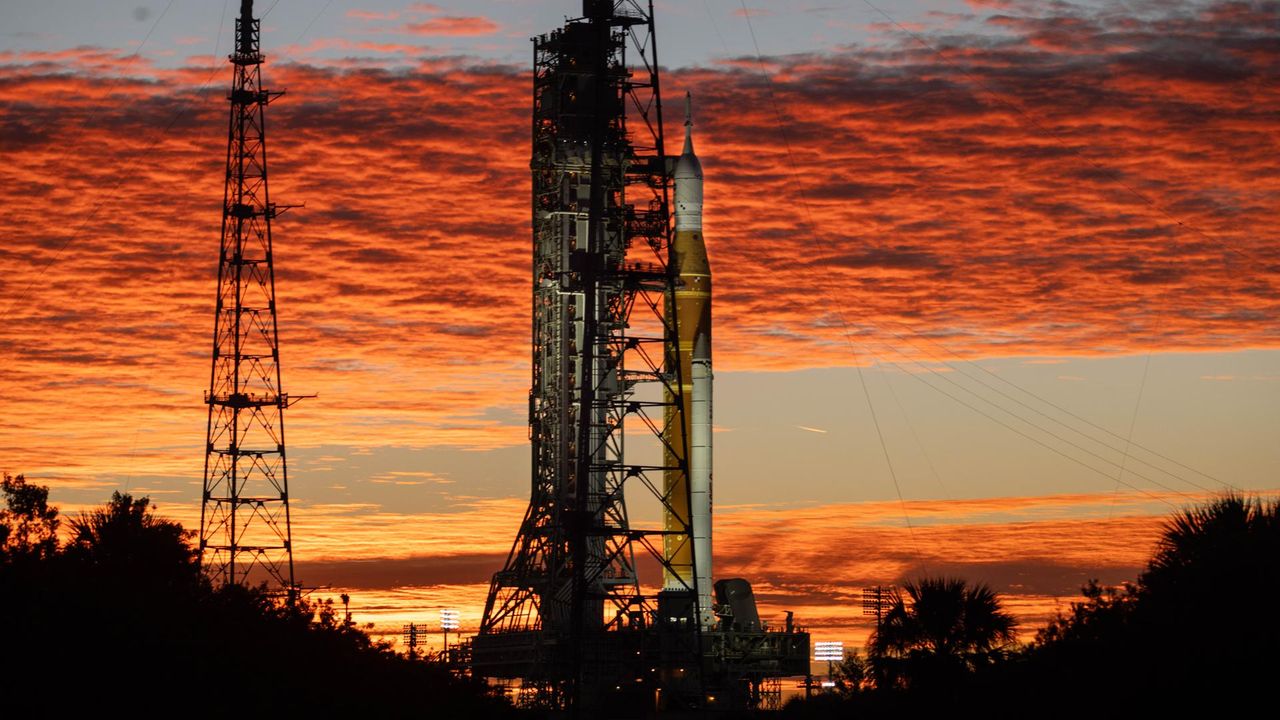
NASA is poised to launch Artemis 2, its first crewed mission beyond low‑Earth orbit in more than five decades, with a planned liftoff on April 1 from Launch Complex 39B at Kennedy Space Center. The four‑person crew—Reid Wiseman, Victor Glover, Christina Koch and Canada’s Jeremy Hansen—will orbit the Moon on a 10‑day trip aboard the Space Launch System rocket and Orion capsule.
Amazon Spring Sale deals for stargazing 2026: Huge savings on telescopes, binoculars and cameras
Original Publication Date: 2026-03-24 21:00

Amazon’s Spring Sale is live from March 25 to 31, offering deep discounts on telescopes, binoculars, cameras and night‑vision gear for stargazers. Shoppers can save up to 77% on top optics, snag a $50 Amazon gift card, and enjoy a four‑month free NordVPN subscription. Highlights include over 20% off Celestron and Nikon telescopes, up to 28% off binoculars like the Canon 10x42, and $300 off the Canon EOS R6 II camera. With deals changing daily and many expiring quickly, experts urge viewers to act fast to lock in these astronomical savings.
Scientists discover mirror of our solar system in 2 exoplanets forming around a star
Original Publication Date: 2026-03-24 21:00
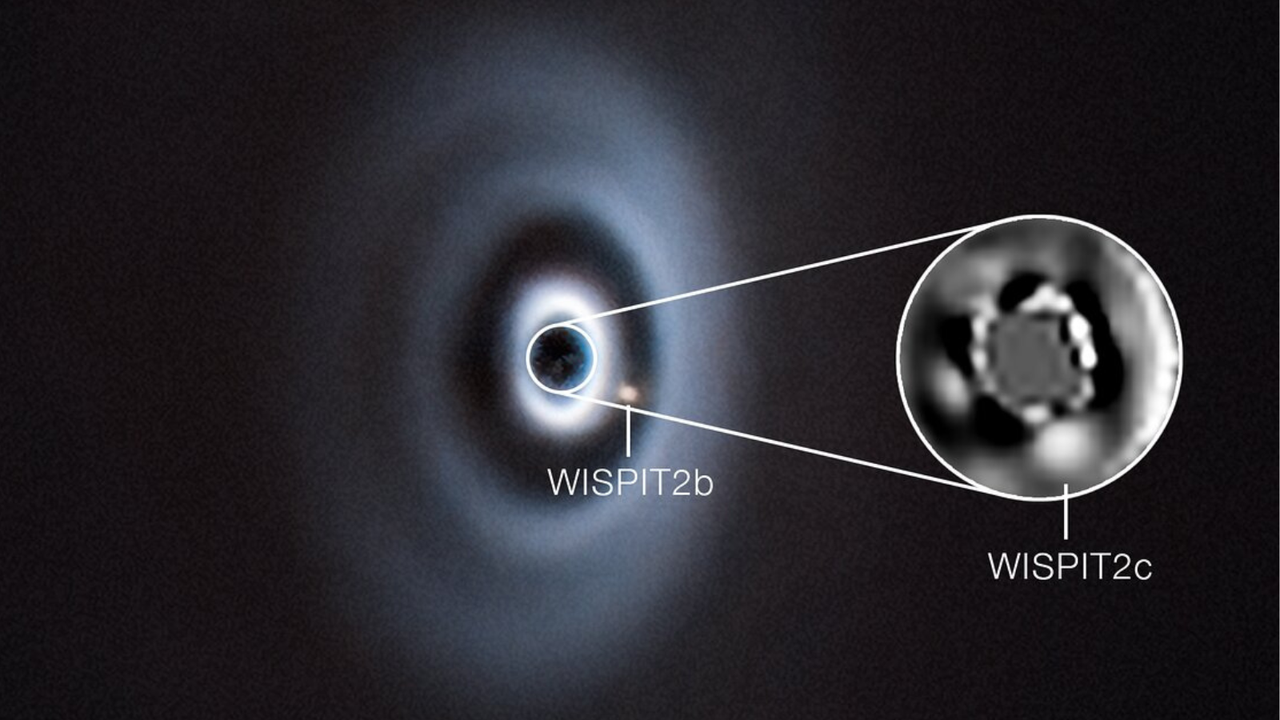
Scientists have spotted two newborn planets orbiting the infant star WISPIT 2, a 5.4‑million‑year‑old system 437 light‑years from Earth, offering a rare look at planetary formation like our own solar system's early days.
Watch Rocket Lab launch Europe's 1st 2 'Celeste' navigation satellites early March 25
Original Publication Date: 2026-03-24 20:00
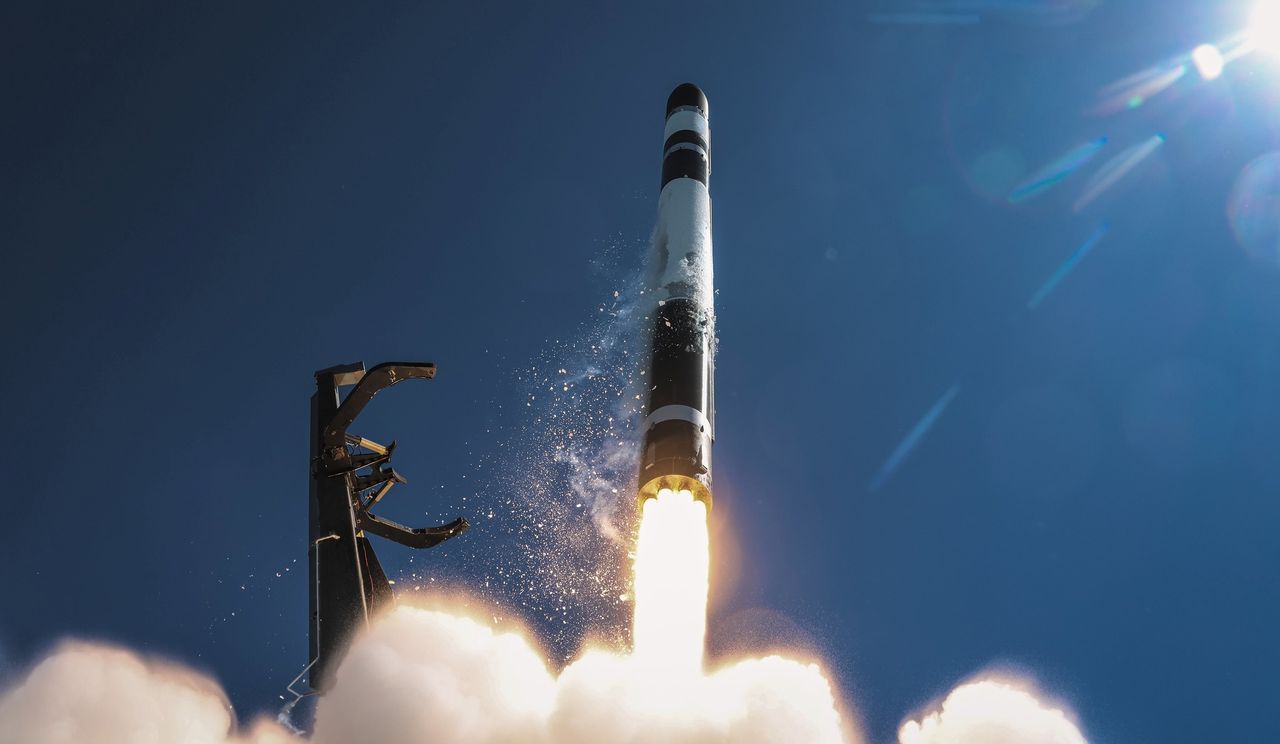
Rocket Lab’s Electron rocket is set to lift off from New Zealand at 5:14 a.m. ET on March 25, carrying the European Space Agency’s first two Celeste navigation satellites. These low‑Earth‑orbit craft will form the initial phase of a 11‑satellite constellation designed to enhance Europe’s Galileo system by adding a closer, complementary layer. The satellites will be placed into a 510‑km orbit, with the first deployed 20 minutes after launch and the second four minutes later. This “Daughter of the Stars” mission marks Electron’s 78th launch to date.
NASA's lunar Gateway space station is out. Moon bases are in
Original Publication Date: 2026-03-24 19:00
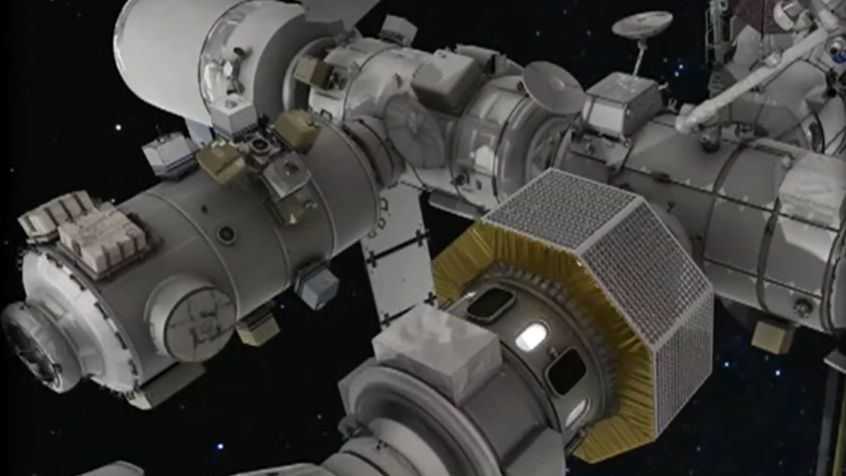
NASA has officially paused its long‑planned lunar Gateway space station to focus on building a base on the Moon’s surface under the Artemis program.