 Spotify
 Apple Podcasts
 Podcast Addict
 Overcast
 Podcast RSS
Space Force overhauls buying structure with new mission portfolios
Original Publication Date: 2026-03-17 22:44
The U.S. Space Force is revamping satellite procurement by creating a new layer of leadership called Portfolio Acquisition Executives, or PAEs, who will oversee groups of systems rather than individual programs. These PAEs will have the authority to shift funding, adjust requirements, and cancel underperforming efforts across their portfolios, which will cover infrastructure, battle management, satcom and PNT, and missile warning and tracking. The change is part of a broader Pentagon push to speed procurement, cut costs, and allow more flexibility in requirements, including the option to buy commercial services when they meet mission needs.
Telesat pivots Lightspeed toward defense as delays push global service to 2028
Original Publication Date: 2026-03-17 21:22
Telesat is shifting a quarter of its Lightspeed broadband constellation to military Ka‑band services, a move that comes as launch delays push global coverage to early 2028. The delay gives the company extra time to fine‑tune the design to meet changing geopolitical priorities. By allocating 25% of the fleet to defense, Telesat aims to strengthen national security capabilities while still expanding commercial coverage. This strategic pivot underscores the growing intersection of space technology and defense needs.
Office of Space Commerce weighing options for TraCSS user fees
Original Publication Date: 2026-03-17 20:48
Washington: The Trump administration has not yet decided whether to charge for space safety data, even after a December executive order removed the “free of direct user fees” phrase from Space Policy Directive 3, which authorizes the Commerce Department to build a civil space traffic coordination system. Officials at the Goddard Space Science Symposium said the policy change leaves the door open for fees but no decision has been made, with the Office of Space Commerce exploring options such as in‑kind data contributions. Meanwhile, the system—TraCSS—faces funding uncertainty, as the FY2026 budget proposal aimed to cancel it, though Congress restored partial funding and the waitlist for operators remains open. The industry watches closely as commercial players like SpaceX launch free traffic‑management tools, adding pressure on the administration to define the future of TraCSS.
Space boom strains supply chain, industry report warns
Original Publication Date: 2026-03-17 19:08
WASHINGTON — A new report from the Aerospace Industries Association and PwC warns that the U.S. Space industry's rapid growth is straining the supply chain that feeds satellite manufacturing and launch systems. Suppliers built for low‑volume, long‑cycle government programs are struggling to meet the faster, higher‑output demand, creating bottlenecks in critical parts such as microelectronics, sensors, and propulsion systems. The report calls for clearer long‑term demand forecasts, expanded testing facilities, and workforce training to unlock scalable capacity and keep America at the forefront of space innovation. Without coordinated action, these constraints could slow the very growth they are designed to support.
Golden Dome cost estimate rises to $185 billion as Pentagon expands space layer
Original Publication Date: 2026-03-17 18:37
The Pentagon has raised the Golden Dome missile‑defense budget to $185 billion over the next decade, adding $10 billion to push more funding into space‑based satellites and data networks.
Space launches 29 Starlink satellites on a Falcon 9 rocket on St. Patrick’s Day morning
Original Publication Date: 2026-03-16 22:28
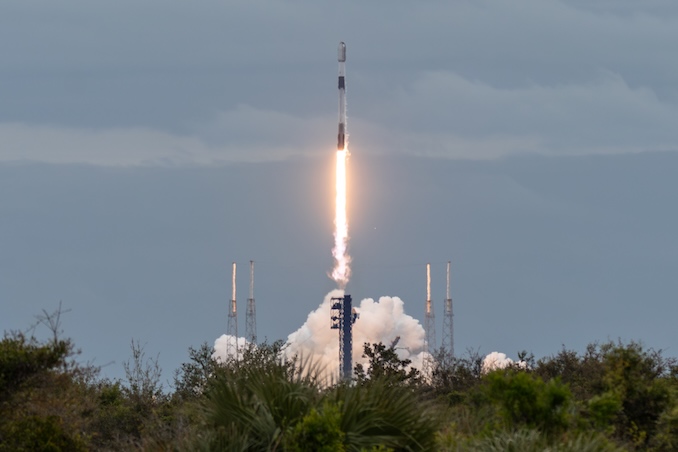
SpaceX launched a Falcon 9 from Cape Canaveral on St. Patrick’s Day to deploy 29 Starlink V2 Mini Optimized satellites, boosting the low‑Earth orbit constellation. The launch at 9:27 a.m. EDT saw the rocket take a north‑easterly trajectory and the first‑stage booster, tail number 1090, land on the drone ship “A Shortfall of Gravitas” after 8.5 minutes. Weather forecasters gave a 75 percent chance of favorable conditions, noting moderate wind and cloud concerns. This marks the booster’s 11th flight and the 587th successful landing for SpaceX.
MDA Space Strategic Growth Cemented by NYSE Listing and S&P/TSX Performance
Original Publication Date: 2026-03-17 21:45
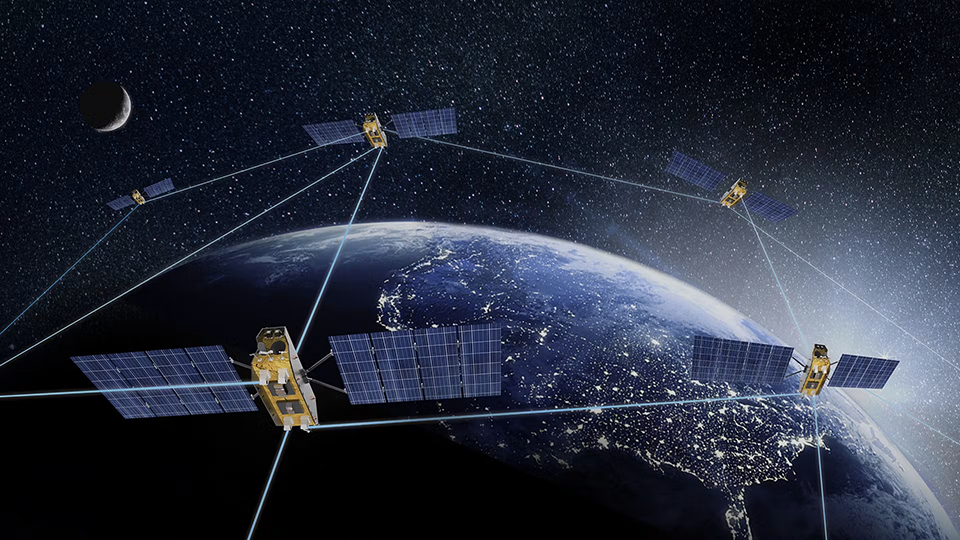
On March 17, 2026, MDA Space remained a focal point of Canada’s technology sector, posting a strong performance on the S&P/TSX. The aerospace firm’s latest satellite innovations and new strategic partnerships have helped it gain traction among investors.
GomSpace Joins EDA Consortium to Develop VLEO Military Satellite Concept
Original Publication Date: 2026-03-17 21:39

On March 17, 2026, space‑tech firm GomSpace was named a key industrial partner in a €15.7 million research contract awarded by the European Defence Agency. The deal, part of the EDA’s latest initiative to boost European defence capabilities, will see GomSpace contribute its expertise in satellite technology. The partnership underscores the agency’s commitment to strengthening the continent’s strategic autonomy in space. GomSpace’s involvement is expected to accelerate the development of advanced space‑based solutions for defence applications.
BAE Systems Secures U.S. Air Force Contract to Modernize U-2 Advanced Defensive System
Original Publication Date: 2026-03-17 21:25
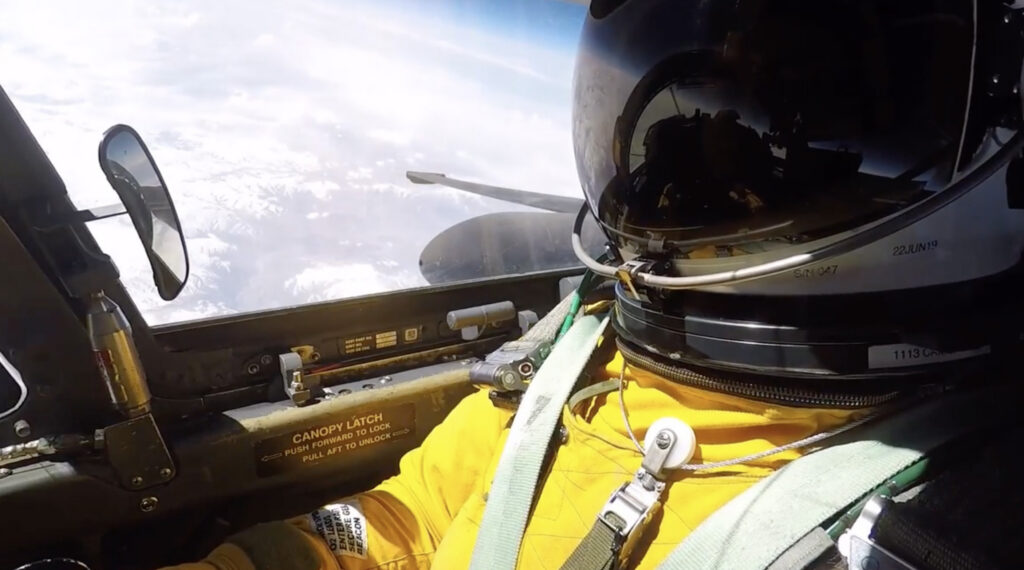
BAE Systems secured a new contract from Robins Air Force Base in Georgia to support and sustain the AN/
The Rise of the Orbital Data Center: Solving the Space Data Bottleneck
Original Publication Date: 2026-03-17 16:53

On March 16, 2026 the first commercially operational Orbital Cloud launched, marking a decisive shift from simply ferrying data to processing it in space. By performing analytics on low‑Earth‑orbit satellites, the service slashes latency and bandwidth costs compared to traditional ground‑based cloud solutions.
Kepler Commissions First NVIDIA-Powered “Cloud Infrastructure” Across Optical Constellation
Original Publication Date: 2026-03-17 15:26

Kepler Communications announced that its Tranche 1 optical data‑relay constellation has successfully commissioned distributed on‑orbit computing, a key milestone achieved on March 16, 2026. The new system moves the network from a single‑processor architecture to a distributed computing framework, boosting processing speed and resilience. This upgrade will enable faster data handling for satellite communications and improve overall network reliability. Kepler’s move positions it as a leader in space‑based data‑relay technology.
Wave of Dust Rolls Through Texas
Original Publication Date: 2026-03-18 04:01

On March 15, 2026 a powerful cold front unleashed a dust storm across West Texas and the Panhandle, turning the arid plains into a swirling curtain of particles that cut visibility to near zero. NASA’s Aqua and Terra satellites captured the plume, while storm chasers reported a multi‑vehicle crash in North Texas as the dense dust cloud moved through the region.
NASA’s X-59 Prepares for Second Flight
Original Publication Date: 2026-03-17 20:55
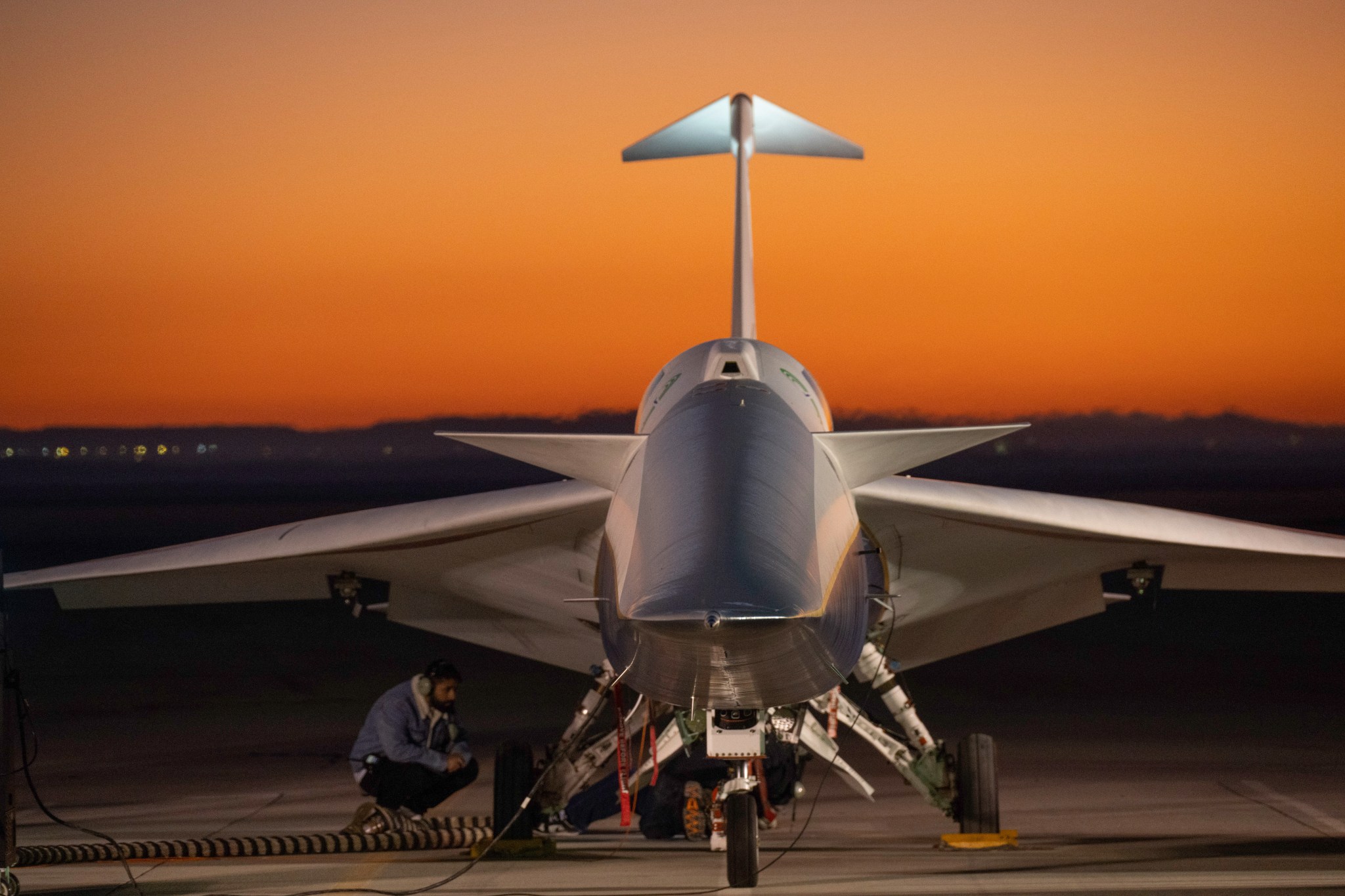
NASA’s experimental X‑59 quiet supersonic aircraft completed an engine‑run test and is now preparing for its second flight at Edwards, California. Test pilot Jim “Clue” Less will take the jet airborne, with fellow pilot Nils Larson observing from an F‑18. The flight will start at the same conditions as the first, then gradually push the aircraft to higher speeds and altitudes as part of envelope‑expansion tests toward Mach 1.4 at 55,000 feet. These steps are part of NASA’s Quesst program, which aims to prove supersonic flight can produce a quiet boom and gather data for future commercial supersonic travel.
Dim Delights in Cancer
Original Publication Date: 2026-03-17 19:41
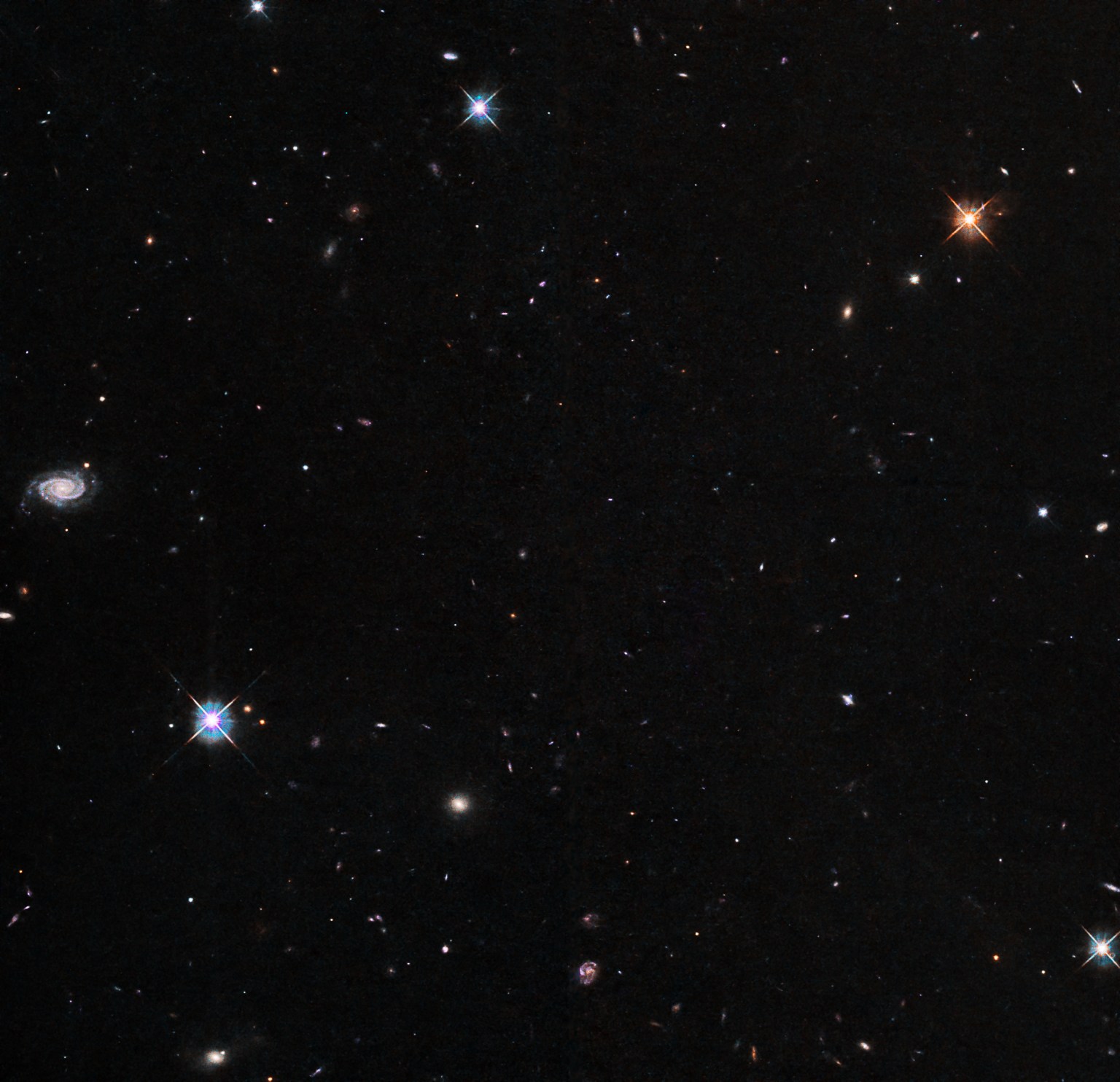
Tonight's sky guide takes us to the Cancer constellation, home to the famous Beehive Cluster—a massive open cluster that appears as a faint patch of stars under dark skies and shines brightly through binoculars. Nearby bright stars like Regulus, Pollux, and Procyon help locate Cancer, though its dimness makes it a challenge for light‑polluted areas.
Solving Asteroid Bennu’s Mysteries
Also covered by: NASA
Original Publication Date: 2026-03-17 14:40
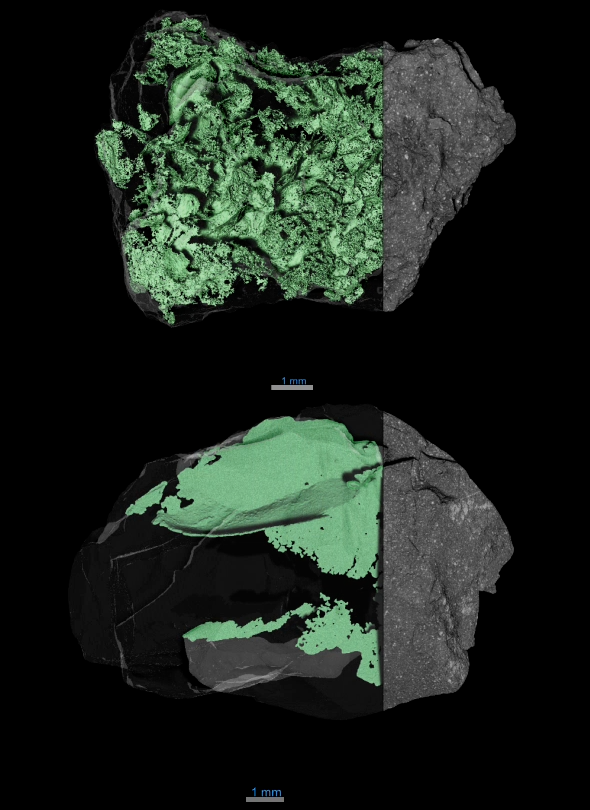
NASA’s OSIRIS‑REx mission returned the first samples from asteroid Bennu and, on March 17 2026, released X‑ray computed‑tomography scans that map the asteroid’s internal crack networks. The scans show that the boulders covering Bennu’s surface are highly porous, allowing them to heat and cool rapidly and acting as heat sinks. This explains why the rocky exterior behaves like a sandy beach, reconciling earlier Spitzer infrared measurements that indicated a low‑thermal‑inertia surface and resolving the long‑standing mystery.
How Congress Can Grow the Space Supply Chain
Original Publication Date: 2026-03-17 14:00

Demand for space‑industry products is soaring, but the supply chain can’t keep pace, a new report by the Aerospace Industries Association and PwC warns. The study urges a two‑way information system so federal customers can signal needs while industry shares constraints, preventing costly misalignments. It also calls for designating space infrastructure as critical to national security to grant it priority under the Defense Priorities and Allocations System, and for loosening qualification rules so new suppliers can enter faster and companies can innovate without restarting the entire process. Finally, the report recommends building more federally backed testing sites and creating an accessible financing mechanism to cut delays and lower the cost of new space‑construction projects.
Nvidia Unveils New Hardware to Unlock Orbital Data Centers
Original Publication Date: 2026-03-17 12:38
Nvidia has just unveiled its Space‑1 Vera Rubin Module, a low‑SWaP chip that promises up to 25 times the AI compute of its H100 GPU for use in orbit. While the module isn’t yet on the market, the company is already powering near‑term space projects with IGX Thor and Jetson Orin, and six customers—including Aetherflux and Planet Labs—are deploying Nvidia tech for on‑orbit data processing and real‑time satellite links.
Canadian Launchers and Spaceport Get Funding Boost
Original Publication Date: 2026-03-17 11:00
Canada will invest $200 million over the next decade to lease a launch pad at Maritime Launch Services’ Spaceport Nova Scotia, a key step in building sovereign launch capabilities.
Beyond Artemis 2: NASA pursuing a 'more achievable' path back to the moon
Original Publication Date: 2026-03-18 10:00

An artist has unveiled a striking illustration of a futuristic moon base, depicting a sprawling habitat with greenhouses, solar arrays, and lunar rovers. The artwork showcases how humans might establish a self‑sustaining colony on the Moon, featuring domes, research hubs, and a bustling community of scientists. The illustration has sparked excitement among space enthusiasts and has been featured in several science and art publications. It highlights the blend of scientific realism and imaginative design, hinting at the possibilities of lunar exploration in the coming decades.
Watch live today: NASA astronauts conducting spacewalk delayed by ISS medical evacuation
Original Publication Date: 2026-03-18 04:05

NASA astronauts Jessica Meir and Chris Williams will begin a 6.5‑hour spacewalk at 8 a.m. EDT (1200 GMT) today after a delay caused by a medical evacuation from SpaceX’s Crew‑11.
X-ray spacecraft watches monster black hole wake up and fire cosmic bullets at starburst galaxy
Original Publication Date: 2026-03-17 21:00
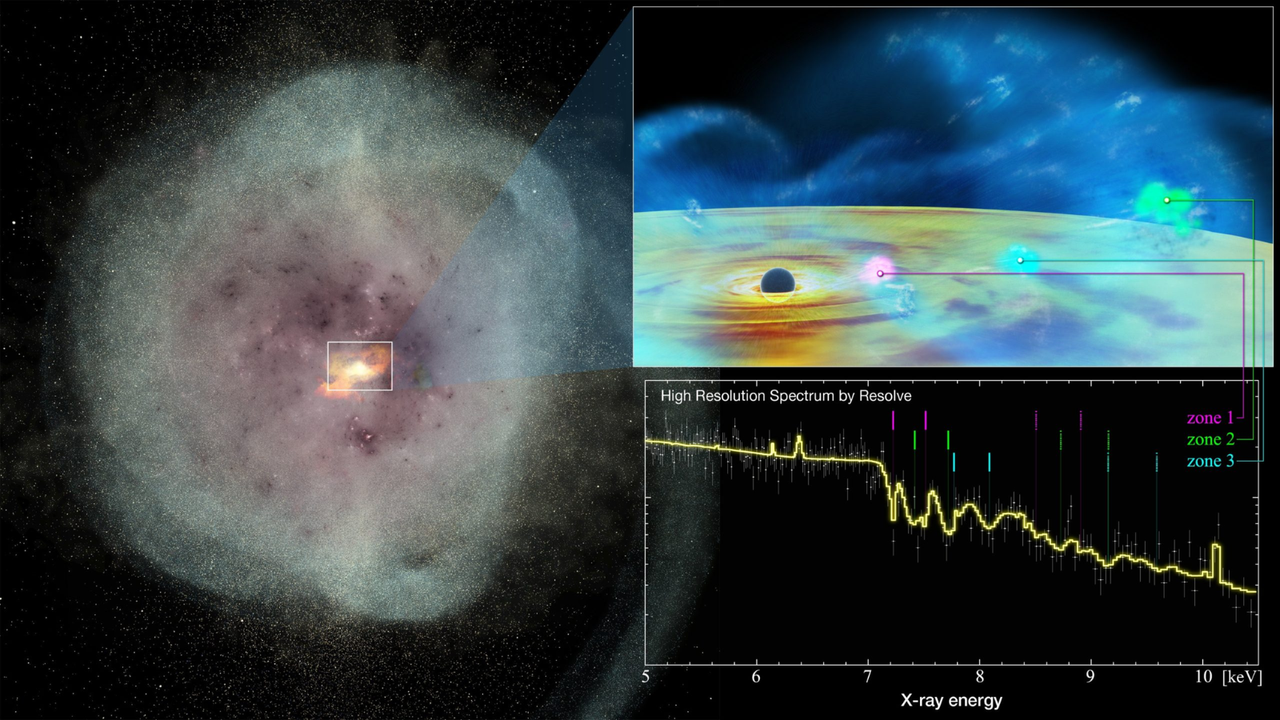
NASA and JAXA’s XRISM X‑ray telescope has, for the first time, caught a supermassive black hole in the starburst galaxy IRAS 05189‑2524 turning on its powerful outflows. The black hole is blasting bullet‑like winds at about 14 % the speed of light, carrying 100 times more energy than slower molecular winds and capable of reshaping the galaxy’s star‑forming environment. These observations help scientists understand how black holes and their host galaxies co‑evolve, showing that the black hole’s winds can both trigger and quench star formation. The data underscore the dynamic relationship between a galaxy’s central engine and its overall development.
Where are all the aliens? Maybe they just don't want to talk to us
Original Publication Date: 2026-03-17 19:00
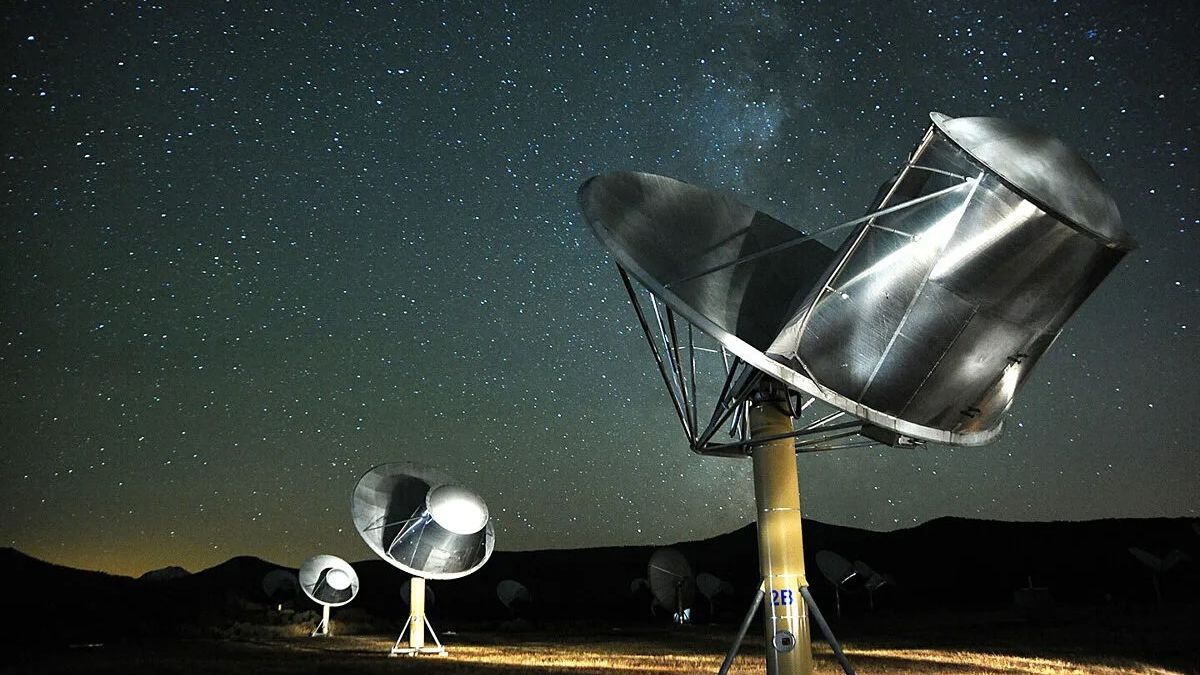
SETI has been listening for alien radio signals for decades, yet the so‑called “Great Silence” persists. New research by Erik Geslin argues that the silence may not be absence but a deliberate choice by extraterrestrials to stay quiet. He suggests that advanced, ecologically conscious civilizations might view Earth’s resource‑driven, conflict‑prone nature as risky, preferring prudence over outreach. Meanwhile, the Allen Telescope Array keeps searching while humanity continues to broadcast its own messages, hoping one day to break the cosmic quiet.
Ryugu asteroid sample contains all five key components of DNA, scientists find
Original Publication Date: 2026-03-17 18:00
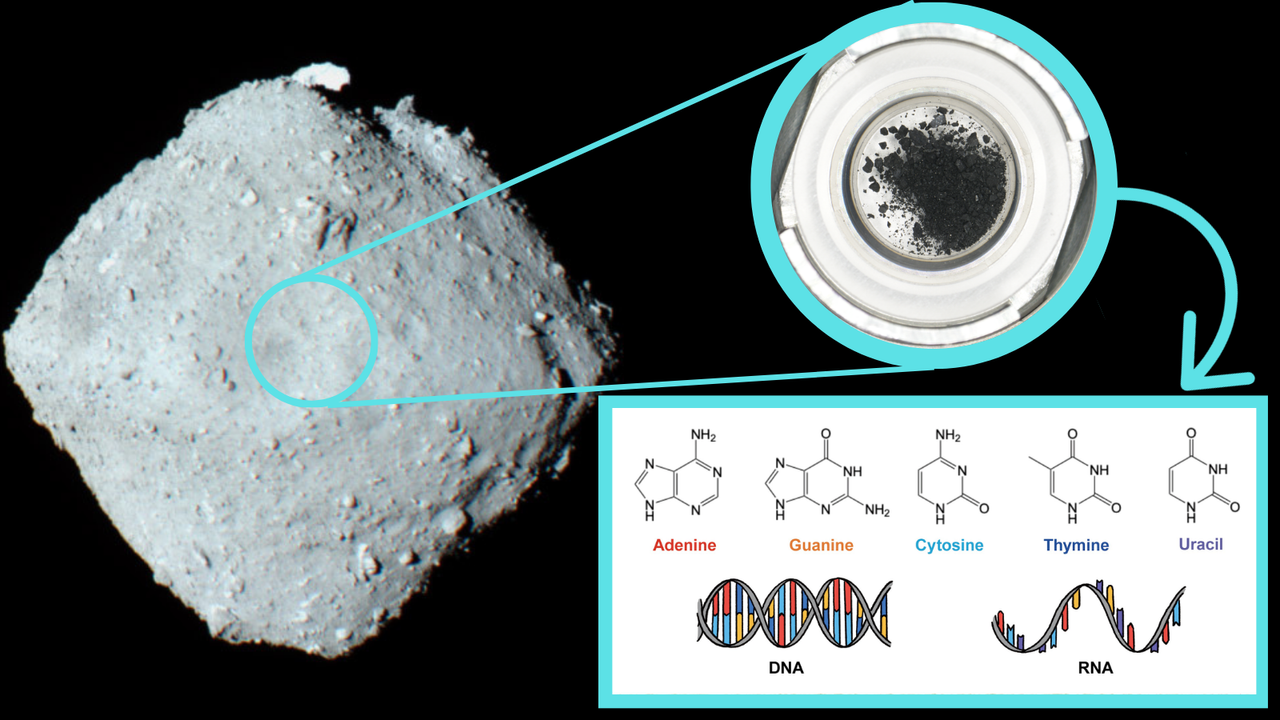
Scientists have found all five nucleobases that make up DNA and RNA—adenine, guanine, cytosine, thymine, and uracil—in a sample from the Ryugu asteroid, brought back by Japan's Hayabusa 2 mission. The discovery shows these life‑building blocks can form in space without biology, hinting that the ingredients for life were widely spread across the early solar system.
Trump's plan to shut down weather and climate center triggers lawsuit
Original Publication Date: 2026-03-17 17:38

On Monday, the National Center for Atmospheric Research filed a lawsuit against the Trump administration, arguing that plans to dismantle the agency stem from political motives rather than scientific necessity. The U.S. Government had labeled NCAR “woke” and a source of climate alarmism, sparking a push to seize its computing facilities and headquarters in Boulder, Colorado. The center—home to cutting‑edge research in weather, climate, and space weather—relies on two research aircraft and a supercomputing core managed by the University Corporation for Atmospheric Research. NCAR’s legal action seeks to protect its interdisciplinary work and the federal support that keeps it operational.
A large meteor is visible from much of Ohio and parts of neighboring states
Original Publication Date: 2026-03-17 15:21
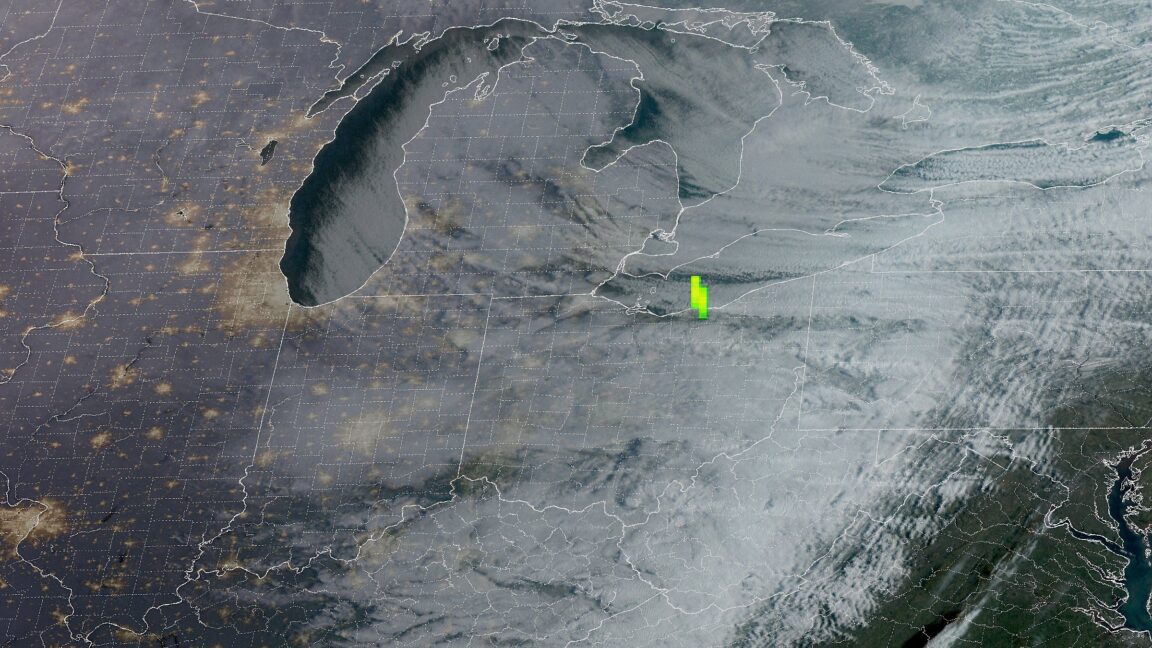
A large meteor broke the sound barrier over northern Ohio Tuesday morning, producing a bright fireball and a deafening boom that residents heard across a wide area. Witnesses reported a streak in the sky, and a National Weather Service meteorologist captured the event on video from Pennsylvania. Satellite data pinpointed the fireball’s path west of Cleveland and over Lake Erie, with no ground impacts reported. This incident showcases the power of space‑based monitoring of near‑Earth objects.