 Spotify
 Apple Podcasts
 Podcast Addict
 Overcast
 Podcast RSS
Anduril to acquire space-tracking firm ExoAnalytic Solutions
Also covered by: Payload Space
Original Publication Date: 2026-03-11 04:01
Anduril Industries announced it will acquire ExoAnalytic Solutions, a private company that operates a network of more than 400 ground‑based telescopes used for tracking satellites and space debris.
Starlab Space fully books commercial payload space on planned space station
Original Publication Date: 2026-03-10 23:11
Starlab’s commercial payload capacity is now fully reserved, with the German biotech firm Yuri securing year‑long access for the station’s first full year of operations, according to Voyager Technologies’ CEO. The joint venture, led by Voyager, Airbus, Mitsubishi and others, reports a $6 million backlog and has already received $183 million from NASA’s Commercial Low Earth Orbit Destinations program. While the next phase of the CLD program—key for crewed demonstrations—has yet to issue a call for proposals, lawmakers are pushing to expedite it, even extending the International Space Station’s life to 2032. With a $90 million launch contract and a Starship launch slated, Starlab is poised to move beyond episodic space access to reliable, scalable infrastructure.
Viasat wins $14 million contract to provide in-flight satcom for Navy executive aircraft
Original Publication Date: 2026-03-10 22:38
Viasat has secured a $14 million, two‑year contract to deliver in‑flight satellite communications for the U.S. Navy’s fleet of C‑37 executive transport aircraft. The deal, announced on March 10 by the Space Force’s Space Systems Command, will keep senior leaders—including the Secretary of the Navy—connected with secure broadband for video, data and internet access while airborne. Viasat won the contract as a sole‑source award, the only provider able to meet the technical and integration demands of the Navy’s ArcLight modem system. The company has long supplied satcom services for government executive jets, having first been chosen in 2015 for the same fleet.
Suspended NOAA satellite chief warns of threats to federal science programs
Original Publication Date: 2026-03-10 20:29
NOAA’s satellite division chief, who has been on administrative leave for more than six months, warned that workforce reductions and program cuts are “lobotomizing” the federal government’s science capabilities. He said the cuts are crippling the agency’s ability to conduct essential research and maintain critical satellite operations. The statement, published in SpaceNews, highlights growing concerns about the long‑term consequences of budgetary and staffing pressures on national scientific infrastructure. These developments underscore the urgent need for policy action to safeguard NOAA’s vital role in monitoring Earth and space.
Precision in Orbit: Heraeus Catalysts Safeguard Satellite Control
Original Publication Date: 2026-03-10 16:30
Heraeus Precious Metals supplies the iridium‑on‑alumina H‑KC12GA catalyst that powers hydrazine thrusters, the workhorse for satellite orbit corrections where every millisecond of ignition matters. Since the early 1990s the catalyst has flown on Ariane Group’s 1 N‑20 N thrusters and on NASA’s SMAP mission, enduring tens of thousands of firings with less than 6 % thrust loss over 57 days.
NASA inspector general assesses agency’s management of moon lander risk
Original Publication Date: 2026-03-10 23:54
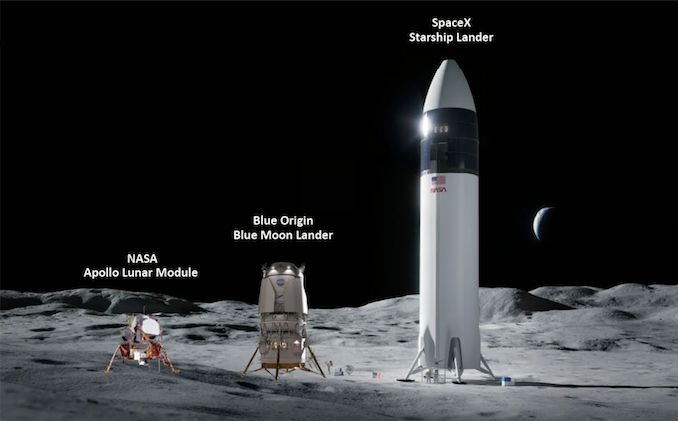
NASA’s Office of Inspector General warned that gaps in testing and rescue plans could jeopardize Artemis moon missions, noting the agency currently lacks a rescue capability for stranded astronauts.
Spring Forward: Legacy Operators Are Killing GEO. That’s the Plan.
Original Publication Date: 2026-03-10 16:32

Legacy satellite operators are not lamenting the loss of geostationary orbit; instead, they are dismantling their aging satellites to salvage valuable components. The shift from traditional geostationary service to new constellations is costly and fraught with regulatory hurdles, yet companies report strong earnings from the transition. Legal disputes over spectrum and asset ownership continue to complicate the process. Despite the challenges, the financial outlook for these operators remains positive.
A Satellite Crashes Home a Bit Too Soon
Original Publication Date: 2026-03-10 15:32
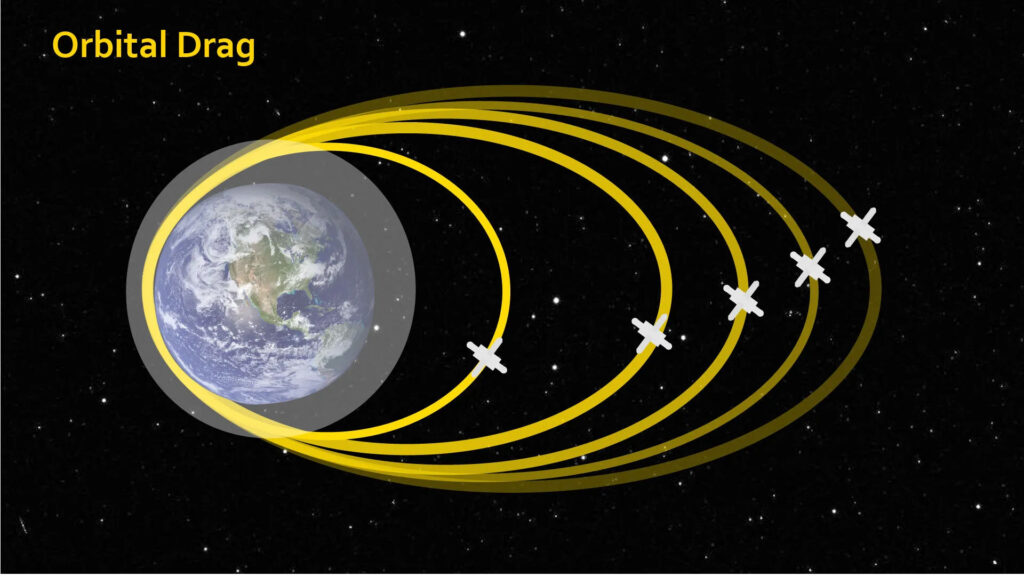
NASA’s Van Allen Probe A successfully re‑entered Earth’s atmosphere on March 10, 2026, closing a 14‑year mission that studied the planet’s harsh radiation belts. The spacecraft—originally launched as the Radiation Belt Storm Probe A—collected data that sharpened our understanding of space weather and improved satellite protection. Its descent marked the final chapter of a program that pushed the boundaries of magnetospheric science. The probe’s legacy will guide future missions exploring Earth’s magnetic environment.
Hubble Network Debuts Global Bluetooth-to-Satellite Connectivity at Embedded World 2026
Original Publication Date: 2026-03-10 15:18

Seattle‑based Hubble Network demonstrated the world’s first direct‑to‑satellite Internet of Things link using only standard, off‑the‑shelf hardware, a milestone that could eliminate the need for costly ground stations.
Astroscale France Joins ESA “ECO-Tethers” Project to Mature Propellant-Free Deorbiting Technology
Original Publication Date: 2026-03-10 14:32
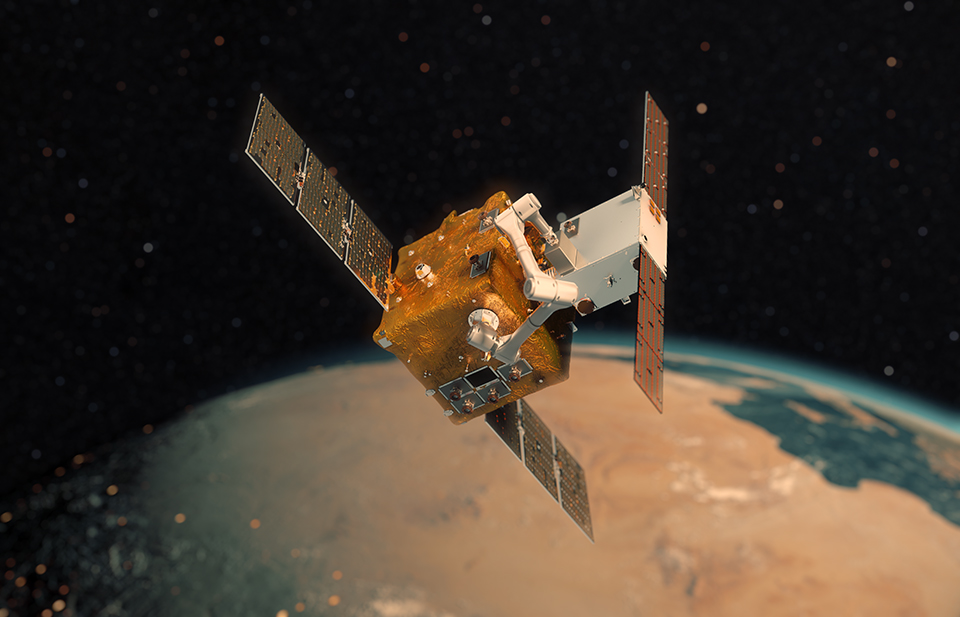
Astroscale France announced on March 3 2026 that it will join the ECO‑Tethers project, a new system study under the European Space Agency’s FIRST! Program. The initiative focuses on developing tether‑based technologies to capture and deorbit space debris, a critical step toward sustainable space operations. By partnering with ESA, Astroscale France will bring its expertise in debris removal and on‑orbit servicing to the consortium. This collaboration marks a significant advance in Europe's efforts to protect the space environment.
Synthetic Aperture Radar as the Modern Backbone of Maritime Domain Awareness
Original Publication Date: 2026-03-10 14:25
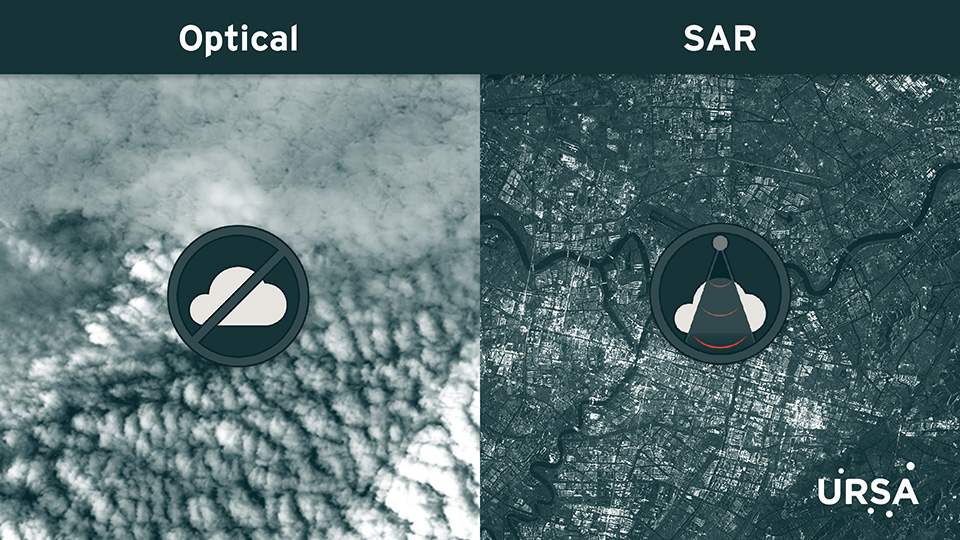
Scientists are raising the profile of Synthetic Aperture Radar satellites because they can provide continuous, all‑weather, day‑and‑night imaging of the world's oceans—something optical sensors cannot do when clouds, rain, or darkness obscure the view. SAR’s ability to detect subtle changes in sea surface patterns makes it invaluable for monitoring shipping lanes, illegal fishing, and maritime security.
Curiosity Blog, Sols 4825-4831: Exploring the Borderlands
Original Publication Date: 2026-03-11 05:24

NASA’s Curiosity rover is in the final phase of exploring the spider‑web‑like boxwork unit near Mount Sharp, capturing detailed images of a pitted rock face dubbed “Timboy Chaco” and measuring the chemistry of bedrock targets such as Infiernillo and Humahuaca. A midweek drive brought the rover close to the eastern edge of the terrain, setting up two or more traverses to the southern border, which lies roughly 100 meters away.
A Most Unusual Lake
Original Publication Date: 2026-03-11 04:01

Scientists have highlighted Lake Unter-See, one of Antarctica’s largest ice‑covered lakes, as a natural laboratory with unusually high dissolved oxygen, low carbon dioxide, and a strongly alkaline pH.
About Subsonic Vehicle Technologies and Tools Project
Original Publication Date: 2026-03-11 02:32

NASA’s Subsonic Vehicle Technologies and Tools (SVTT) program is advancing the next generation of single‑aisle aircraft with lighter, quieter, and more fuel‑efficient airframes and cutting‑edge propulsion concepts, including electrified systems. The project also develops computer models to assess the noise and performance of multi‑rotor urban air mobility vehicles, which could transform emergency medical transport and disaster relief. While focused on long‑term breakthroughs, SVTT delivers near‑term technology gains that lower operating costs and keep U.S. Manufacturers competitive in the global market. These efforts promise to open new markets for regional jets and smaller aircraft while supporting a broader vision of safer, more efficient air travel.
Insights into Spallation Mechanisms of Thermal Protection System Materials from Mass Spectrometry and HyMETS Testing
Original Publication Date: 2026-03-10 19:43
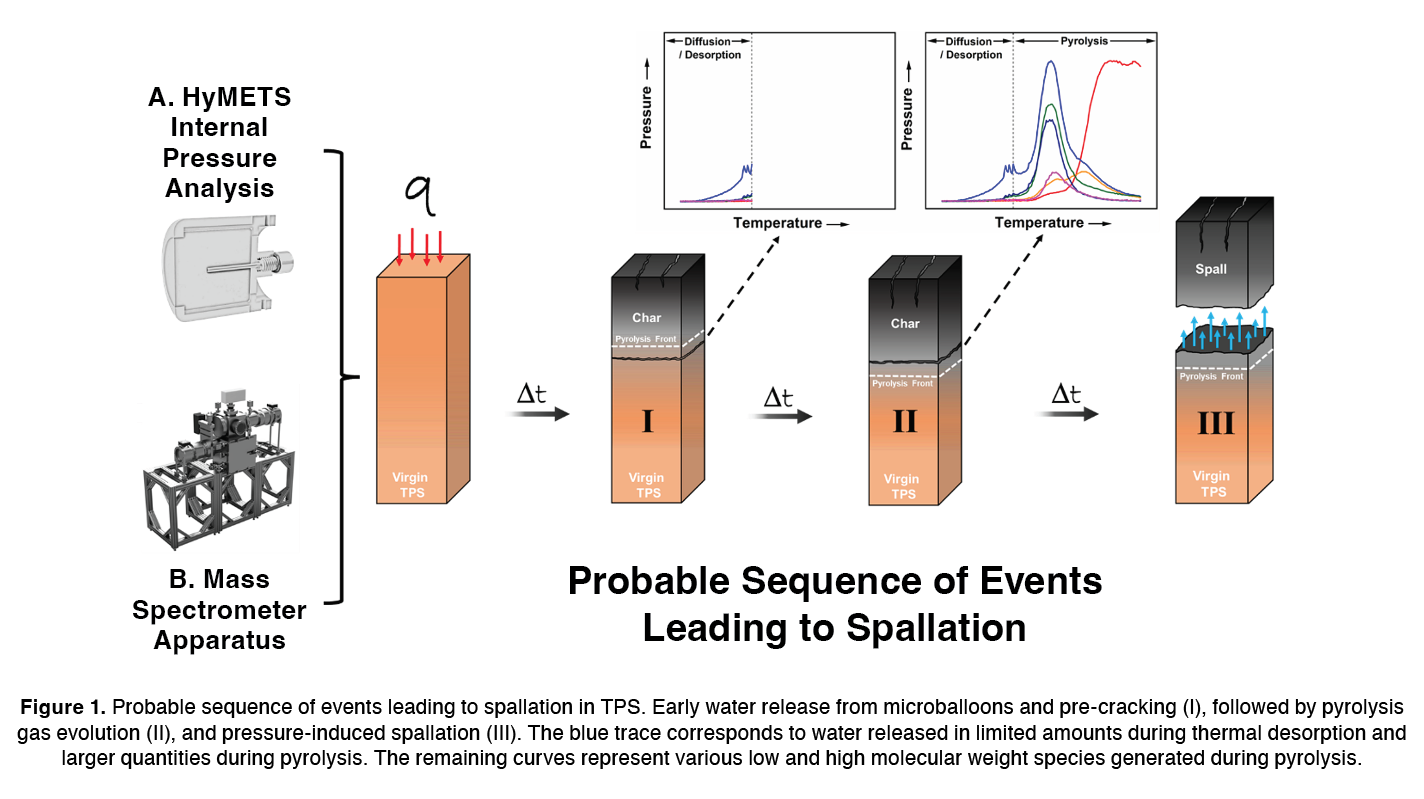
NASA researchers used a hypersonic test chamber and mass‑spectrometry to map how thermal protection system materials swell and spall during re‑entry. They found that initial heating releases absorbed water from microballoons, creating localized stresses before the polymer begins to pyrolyze. As the pyrolysis front advances, large amounts of gas build up, and once the internal pressure exceeds the material’s strength, fragments are suddenly ejected. This work provides a quantitative link between microscale gas evolution and macroscale failure, improving predictions of TPS durability in high‑enthalpy environments.
March 2026 Satellite Puzzler
Original Publication Date: 2026-03-10 19:12

NASA Earth Observatory has released its March 2026 satellite puzzler, a mysterious image that viewers must identify. Fans are encouraged to name the location, point out clues, and explain why the place matters to them. Although there’s no cash prize, the first correct answer earns bragging rights and a shout‑out, with the solution revealed a week later. Tune in and test your observation skills before the reveal.
Launch Preview: Falcon 9 to dominate another busy week of missions
Original Publication Date: 2026-03-10 21:11

Eight launches are slated worldwide this week, with SpaceX’s Falcon 9 taking the lead. The company will launch the EchoStar XXV communications satellite from Florida and a batch of 29 Starlink v2 Mini satellites from California, while Firefly Aerospace scrubs its Alpha rocket after a sensor issue.
SpaceX’s Enters a new era with Booster 19 Testing on Pad 2
Original Publication Date: 2026-03-09 19:23

Space X has moved Block 3 booster 19 onto its newly built Pad 2, marking the first vehicle on the launch site in 147 days.
Commercial Space Law Takes Center Stage at DC Moot Court
Original Publication Date: 2026-03-10 15:08
Future space lawyers will gather in Washington, D.C., this month to debate the limits of federal jurisdiction over commercial megaconstellations. The American Space Law Foundation’s first moot court, held March 20‑21, will pit student teams in a realistic case—Interra LLC v. FCC—where a fictional satellite company’s autonomous maneuver failure leads to a collision and FCC denial of a second-phase license. Founded by law student Elizabeth Sanchez Chang to lower the barrier into space law, the event aims to attract more students and break down silos between law, engineering, and policy. This initiative complements existing competitions like the Manfred Lachs Moot, underscoring the growing need for legal expertise in the new Space Race.
Lux Aeterna Closes $10M Seed to Build Reusable Sats
Original Publication Date: 2026-03-10 13:00

Lux Aeterna, a Colorado startup, just closed a $10 million seed round led by Konvoy Ventures to fund its first
Voyager Invests in Max Space, Projects 2026 Revenue Surge
Original Publication Date: 2026-03-10 12:31
Voyager Technologies just released its 2025 earnings, reporting net sales of $166.4 million—a 15% jump driven by a 59% surge in defense and national security revenue.
Interstellar comet 3I/ATLAS is 'bursting with methanol,' new study finds
Original Publication Date: 2026-03-11 10:00
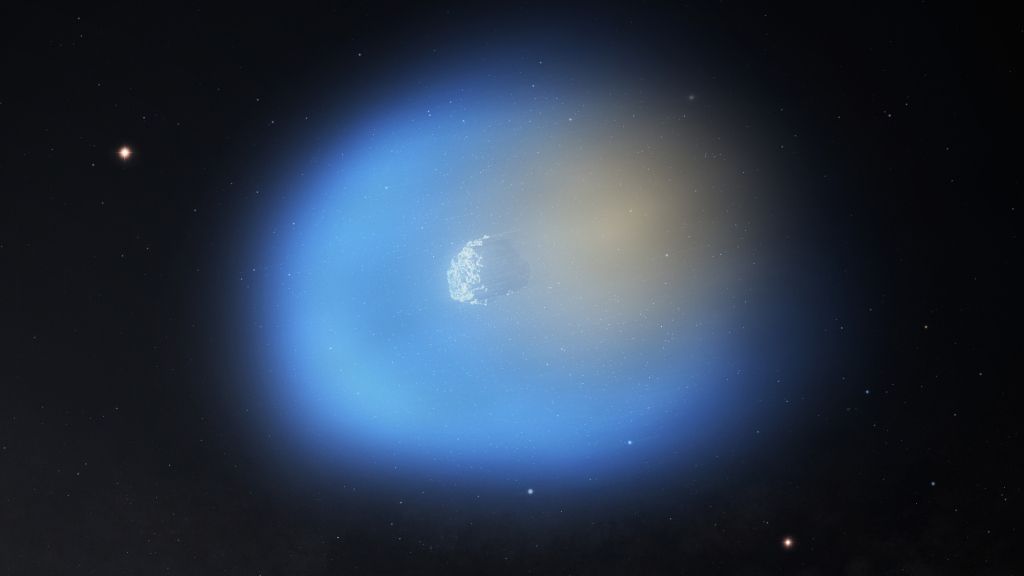
Astronomers using the Atacama Large Millimeter/submillimeter Array have found that the interstellar comet 3I/ATLAS is unusually rich in methanol, a simple alcohol molecule. The comet’s coma, heated by the Sun, released methanol from both its nucleus and icy grains, while hydrogen cyanide came mainly from the nucleus. This high methanol-to-hydrogen cyanide ratio suggests 3I/ATLAS formed in a planetary system with colder temperatures or a different chemical inventory than our own. The discovery offers a rare chemical fingerprint of a body that crossed from another star system.
Jupiter's moons leave cold 'footprints' in the planet's auroras, James Webb Space Telescope finds
Original Publication Date: 2026-03-10 22:00
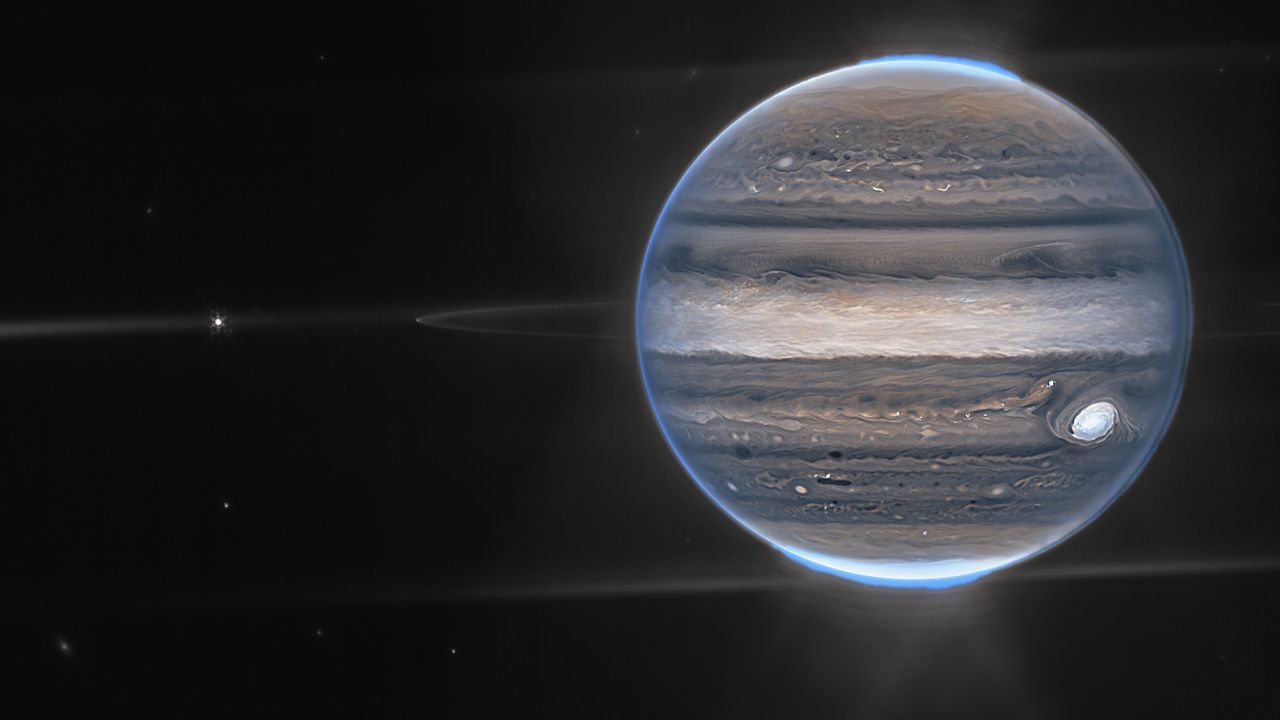
The James Webb Space Telescope has uncovered that Jupiter’s moons can leave cold footprints in the planet’s auroras, a phenomenon never before seen. By imaging the gas giant’s upper atmosphere, scientists spotted a dramatic temperature drop beneath Io’s auroral footprint, while ion densities—especially trihydrogen cations—spiked to record highs. The moons’ interactions with Jupiter’s magnetic field funnel charged particles down the poles, creating auroral footprints that mirror their orbits. This discovery deepens our understanding of the dynamic plasma environment that powers the solar system’s brightest polar lights.
Newly discovered comet could be visible in daytime skies this April
Original Publication Date: 2026-03-10 18:00
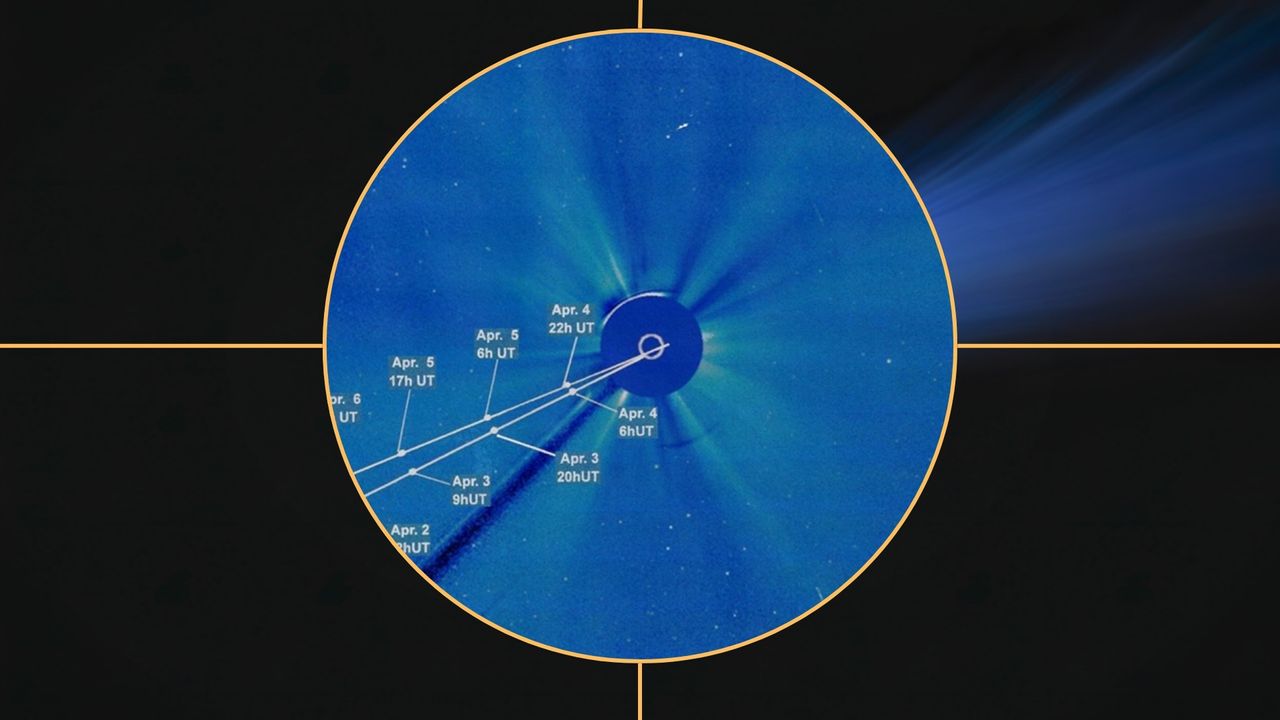
A newly discovered comet, C/2026 A1 (MAPS), has brightened 600‑fold since its January discovery and may become visible to the naked eye if it survives a close solar encounter on April 4. The Kreutz sungrazer will pass within 99,000 miles of the Sun’s surface, risking destruction from extreme heat and tidal forces. If it survives, astronomers predict it could blaze in the western twilight sky between April 8 and 14, rivaling Venus in brightness. Keep an eye on the sky this spring for a potential daytime comet spectacle.
NASA just picked a new upper stage for its SLS moon rocket amid Artemis shakeup
Original Publication Date: 2026-03-10 16:00
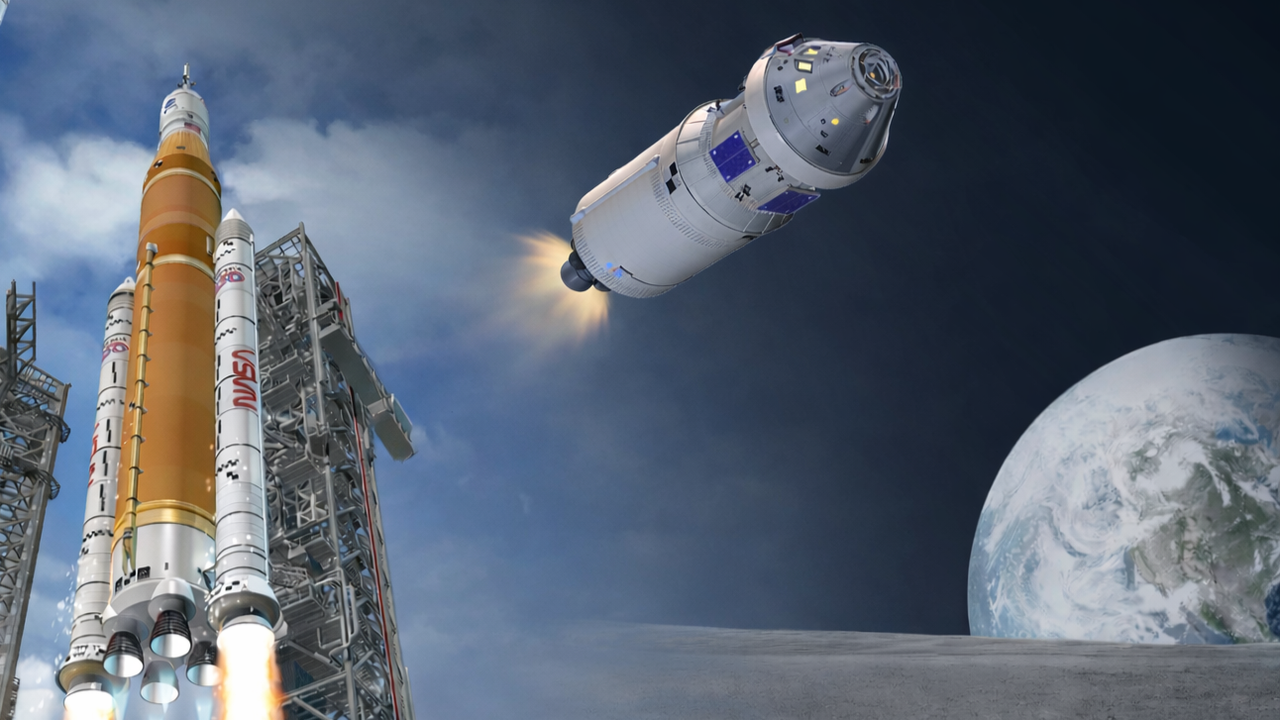
NASA has revamped its Artemis moon‑mission plan, replacing the planned Exploration Upper Stage with the ULA Centaur V upper stage on the Space Launch System. The change, announced in February and formalized with a sole‑source contract on March 6, will let the SLS launch Orion crews more quickly and with a standardized configuration. Centaur V, powered by two RL10 engines, already boasts a successful flight record on ULA’s Vulcan rocket and can deliver the performance needed for Artemis IV and V.
A star dies in the Cat's Eye | Space photo of the day for March 10, 2026
Original Publication Date: 2026-03-10 14:21
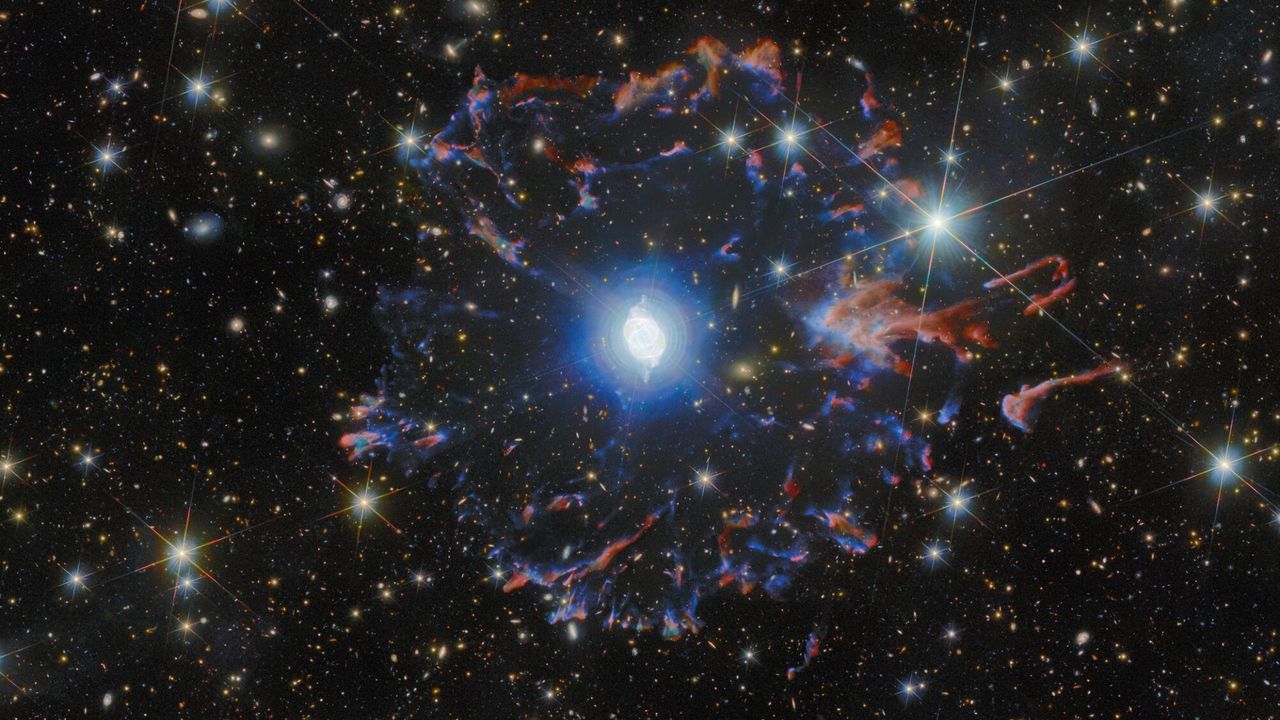
NASA’s Hubble and Euclid telescopes have captured a stunning new image of the Cat’s Eye Nebula, a planetary nebula 4,400 light‑years away in Draco. The combined observations reveal a detailed view of the dying star’s central shell and a vast halo of gas ejected earlier, showcasing the complex stages of stellar death. While Hubble zooms in on the inner structure, Euclid provides a wide‑angle view that also shows thousands of distant galaxies behind the nebula, highlighting the sheer scale of the universe. These images deepen our understanding of how stars shed their outer layers and illuminate the cosmic environment around them.