 Spotify
 Apple Podcasts
 Podcast Addict
 Overcast
 Podcast RSS
OHB raises funding for expansion, acquisitions
Original Publication Date: 2026-06-24 03:09
German space firm OHB is set to raise about €490 million through a sale of 1.7 million shares at €300 each, boosting its public float from roughly 5 % to nearly 20 % while the Fuchs family keeps a 60 % controlling stake and KKR holds
Boeing wins $2 billion Space Force contract for communications satellites
Original Publication Date: 2026-06-23 22:07
Boeing has secured a contract worth up to $2 billion to build two next‑generation military communications satellites for the U.S. Space Force. The deal, which will enhance the Force’s secure communications capabilities, came after Boeing outbid Lockheed Martin in a competitive selection process. The satellites are part of the Space Force’s broader effort to modernize its space-based infrastructure. This win underscores Boeing’s growing leadership in defense space technology.
Commercial Space Federation (CSF) Welcomes New Associate Member
Original Publication Date: 2026-06-23 19:00
On June 23, 2026, the Commercial Space Federation announced Sophia Space as a new associate member, expanding its network of commercial space innovators. Sophia Space is developing orbital computing infrastructure to support the next generation of space‑based data processing.
NASA, Boeing committed to Starliner-1 launch despite unclear timeline
Original Publication Date: 2026-06-23 21:18

NASA is still weighing when to launch the uncrewed Starliner‑1 mission after the 2024 Crew Flight Test was classified as a Type A mishap, with delays potentially extending up to a year. At a recent Aerospace Safety Advisory Panel meeting, former astronaut Kent Rominger said NASA and Boeing are addressing propulsion problems, closing 72 flight observations and 22 of 28 anomalies, and implementing new governance and oversight to improve technical rigor. The panel also noted lingering ISS risks—such as leaks on the Russian segment and aging spacesuit hardware—and warned that budget cuts could erode the margin needed to keep the station safe. Meanwhile, NASA has cut its planned Boeing flights to four and added six post‑certification missions for SpaceX to maintain crew transport capability.
Ghost Viewers trigger secondary ripple effect on Satellite Communications (SatCom)
Original Publication Date: 2026-06-23 18:19

Samsung Ads’ latest State of CTV report uncovers a new threat to viewers: the “Ghost Viewers,” who appear in data but never actually watch content. These fleeting audiences are driven by short‑lived, high‑impact events that cause extreme churn, leaving advertisers scrambling to capture attention. The report warns that as media consumption shifts to on‑demand and fragmented platforms, traditional measurement tools may miss these silent viewers, skewing campaign results. This emerging challenge highlights the need for smarter tracking to keep pace with today’s volatile viewing habits.
Lightpath expands fiber footprint as demand for AI-ready connectivity infrastructure accelerates
Original Publication Date: 2026-06-23 17:25

Vertical Systems Group’s leaderboard tracks terrestrial, on‑net fiber connections to commercial buildings and data centers, highlighting the importance of physical infrastructure.
Hybrid Cabin Architecture: Mapping the Next Generation of In-Flight Connectivity (IFC)
Original Publication Date: 2026-06-23 16:18

The 14th edition of Novcccaspace’s In‑Flight Connectivity report outlines the recent formal integration of major multi‑orbit satellite constellations with refined terrestrial data pools, offering a comprehensive end‑to‑end view of air‑to‑ground communications. It highlights how these combined networks enhance coverage, reduce latency, and improve reliability for airlines worldwide.
Fleet-Wide Hybrid Networks: Marlink Integrates Starlink Across 80+ Oldendorff Carriers Vessels
Original Publication Date: 2026-06-23 15:55
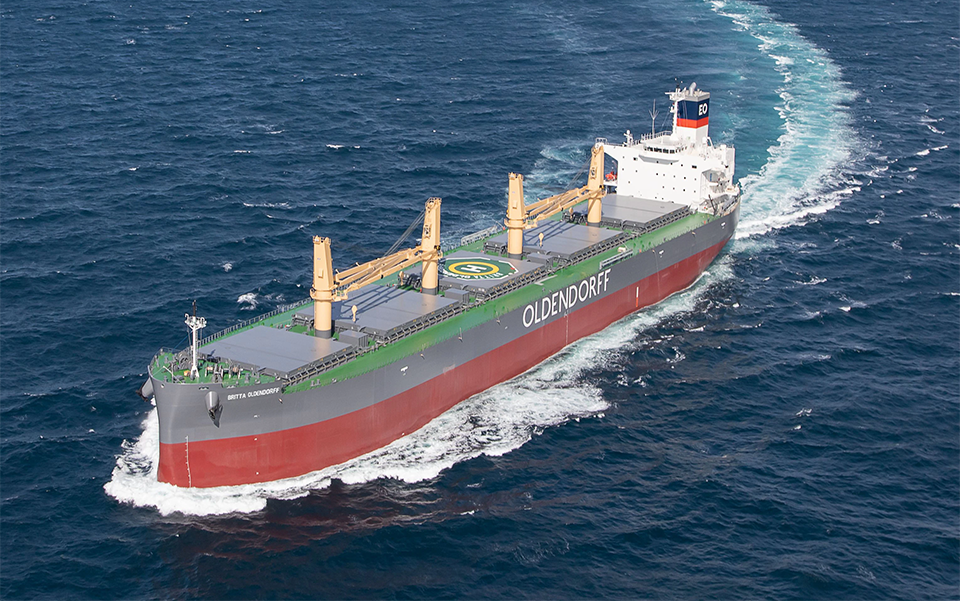
Managed multi‑orbit data pools now provide dynamic bandwidth allocation and robust low‑latency connections for the global dry‑bulk fleet, including the OSLO and PARIS vessels.
Hybrid Expansion: SES Launches Next-Gen Set-Top Boxes and Multi-Region Channel Pack for ASTRA TV in Spain
Original Publication Date: 2026-06-23 14:21

Satellite operator SES has announced a major technical expansion of its free‑to‑view ASTRA TV platform, boosting capacity and coverage across Western Europe. The rollout will introduce new satellite capacity and enhanced services, helping to bridge linear TV and internet‑delivered media. By adding high‑definition and on‑demand capabilities, the expansion aims to meet the region’s growing demand for versatile content. SES’s move underscores the industry’s shift toward integrated broadcasting solutions.
Playing the Moon Game
Original Publication Date: 2026-06-24 04:01

In the mid‑1960s, NASA’s Apollo astronauts practiced lunar fieldwork in Alaska’s Katmai National Park, using the Valley of Ten Thousand Smokes as a Moon‑like laboratory. There, they collected volcanic samples and honed their field‑communication skills in a landscape shaped by the 1912 Novarupta eruption. Decades later, the same rugged terrain has become a training ground for modern scientists, with 2024 teams studying its icy deposits to better understand Mars and the Moon.
NASA Names Sean Gallagher as Chief Information Officer
Original Publication Date: 2026-06-23 21:32
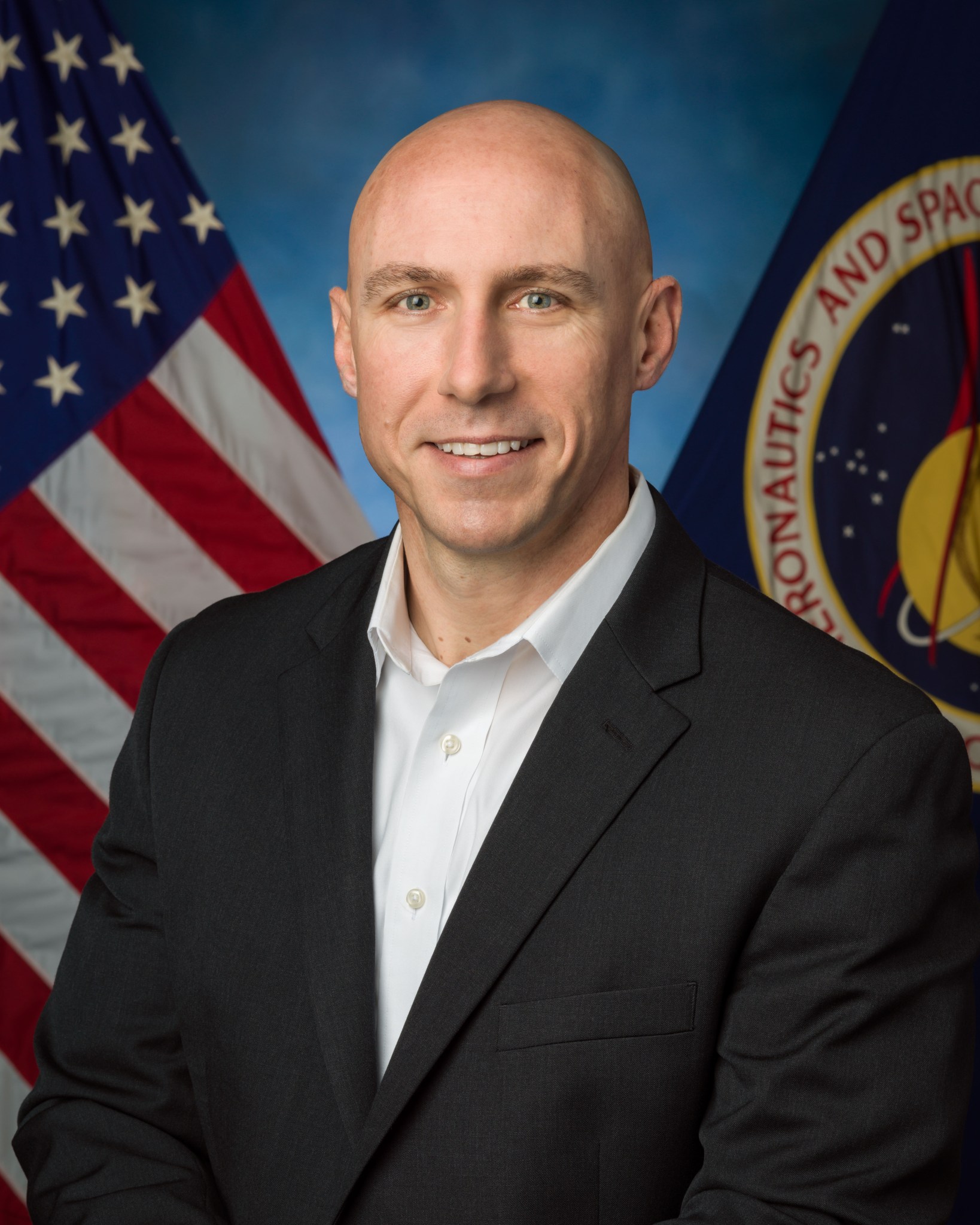
NASA has officially named Sean Gallagher its chief information officer, effective immediately after serving in an acting role since January. Gallagher will oversee the agency’s entire IT portfolio, ensuring secure, modern tools for NASA’s workforce to support groundbreaking missions. His background includes leading IT initiatives at Glenn Research Center, serving as deputy CIO for Operations, and a military career as a Signal Corps officer. NASA Deputy Administrator Matt Anderson praised his leadership for strengthening the agency’s IT foundation and advancing technology capabilities across missions.
CSDA Selects Eight Commercial Satellite Data Providers for On-Ramp 2 Contract Awards
Original Publication Date: 2026-06-23 18:57
NASA’s Commercial Satellite Data Acquisition program has awarded contracts to eight new satellite data providers under a $476 million IDIQ contract that runs through November 2028, broadening the array of Earth‑science observations available to researchers. The new vendors contribute a mix of sensors—from thermal infrared and hyperspectral imaging to radar and GNSS‑R—complementing existing partners such as Airbus, Planet Labs, and GHGSat. Authorized users will access these products through the Satellite Data Explorer, where they can search, download, and task data from the program’s commercial partners. The on‑ramp provision also lets NASA reopen solicitations, ensuring a continuous influx of innovative data products that enhance our understanding of the planet’s atmosphere, land, oceans, and cryosphere.
58th Girl Scouts Unite Event
Original Publication Date: 2026-06-23 18:51
The 58th Girl Scouts Unite Event will run July 23‑25, 2026, featuring NASA’s Hyperwall Storytelling at Booth #206. NASA experts will guide a packed agenda, from a journey from Daisy to a NASA engineer to exploring Mars, lunar travel, planetary defense, and science communications. Attendees will also learn about NASA careers beyond science, how to use social media for science, and get an overview of Artemis. This event promises inspiring sessions for young scouts and their families.
Launch Preview: Pegasus XL to launch amongst Falcon 9 and Chinese missions
Original Publication Date: 2026-06-23 22:46

This week’s launch schedule features six orbital missions, with SpaceX dominating the lineup. China’s Chang Zheng 7A lifted a classified TJSW‑26A satellite into geostationary transfer orbit from Wenchang on June 23.
NASA Watchdog: Launch Infrastructure Nearing Capacity
Original Publication Date: 2026-06-23 17:30
NASA’s inspector general warns that Kennedy Space Center will reach capacity by the end of the decade as commercial launches skyrocket, citing aging roads, limited gas and power supply, and a nitrogen‑helium system that can’t handle multiple rockets. The report estimates that upgrading the center will cost at least $1 billion, a sum far beyond NASA’s annual maintenance budget, and notes the agency cannot currently charge commercial users for the necessary improvements. NASA has agreed to the report’s recommendations, including a $250 million allocation for critical electrical, gas, and transportation fixes and a review of whether launchers can be charged for shared infrastructure. These steps aim to prevent launch delays and keep the U.S. At the forefront of spaceflight.
Sophia Space Raises $7M, Taps Apex for 2027 Demo Flight
Original Publication Date: 2026-06-23 13:01
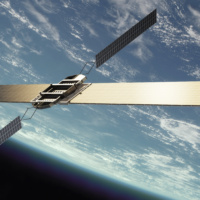
Sophia Space has secured an additional $7 million in SAFE financing, bringing its total capital to $22 million, and is gearing up to launch its edge‑compute hardware into orbit. The company will run two in‑orbit demos—first this fall to validate its orbital operating system, SOOS, on Kepler’s network, and a 2027 flight with Apex’s Nova satellite bus to test its TILE platform’s AI inference capabilities. Sophia’s approach uniquely distributes heat and computing power across each TILE, aiming to overcome the limitations of current satellite data processing and offering a cheaper, lighter alternative to SpaceX’s planned orbital data centers. With these demonstrations, Sophia seeks to prove that its technology can meet the growing demand for in‑orbit compute long before large‑scale orbital data centers become mainstream.
Ubotica Raises $11M for Satellite-Based AI Tech
Also covered by: SpaceNews
Original Publication Date: 2026-06-23 13:00
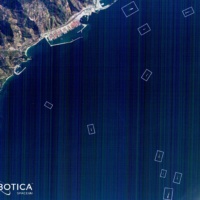
Irish AI firm Ubotica Technologies, originally focused on spacecraft, has raised $11 million to accelerate the rollout of its Live Maritime platform, an AI‑powered maritime security system that analyzes satellite data to provide real‑time threat intelligence and predict vessel movements. The funding round, led by Act Venture Capital and Greencode Ventures with participation from Atlantic Bridge and existing investors, will help the company scale sales and further develop its hardware‑agnostic edge‑computing tools. By processing data onboard satellites, Ubotica’s Orbital AI cuts response times and enables rapid, global deployment across multiple satellite platforms. The company aims to expand its maritime solution worldwide within two years, underscoring the growing demand for AI‑driven ocean logistics and surveillance.
What is Starfall? A look at SpaceX's mysterious new return capsule
Original Publication Date: 2026-06-23 21:00
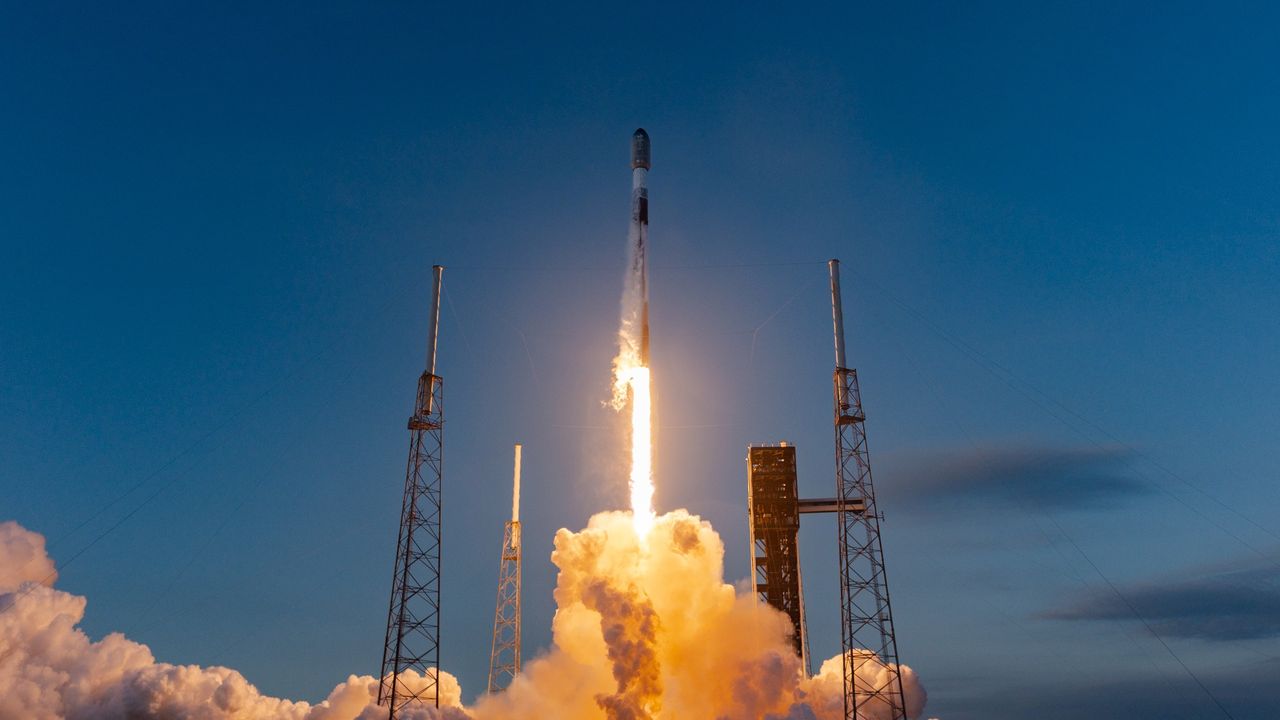
SpaceX unveiled its secretive new return capsule, Starfall, with a Falcon 9 launch on June 23, 2026, showing the vehicle can survive reentry and splash down in the Pacific. The disk‑shaped craft stands 2.5 ft tall, 10.2 ft wide, weighs 4,600 lb, and can carry 2,200 lb of cargo, but it has no propulsion—only compressed‑gas attitude control. Starfall is designed for rapid, point‑to‑point cargo delivery and to create a commercial in‑space manufacturing market by offering microgravity access and safe return. The company emphasized that the capsule is not intended for crew and will rely on parachutes and recovery boats for its Pacific splashdown.
Space.com just launched an app! Get your inside scoop on space exploration
Original Publication Date: 2026-06-23 20:04
Space.com has launched a free mobile app now available on Android and iOS, bringing the same in‑depth space news and features straight to users’ fingertips. The app lets readers customize their feed, save articles, and even opt for an ad‑free subscription to support live coverage of missions like NASA’s Artemis 3. Highlights include previews of this summer’s total solar eclipse, the Swift Boost rescue mission, and commentary on Spielberg’s “Disclosure Day.” With the new app, Space.com aims to keep fans of space exploration updated wherever they go.
China's space plane appears to have released a mystery object in orbit
Original Publication Date: 2026-06-23 16:52
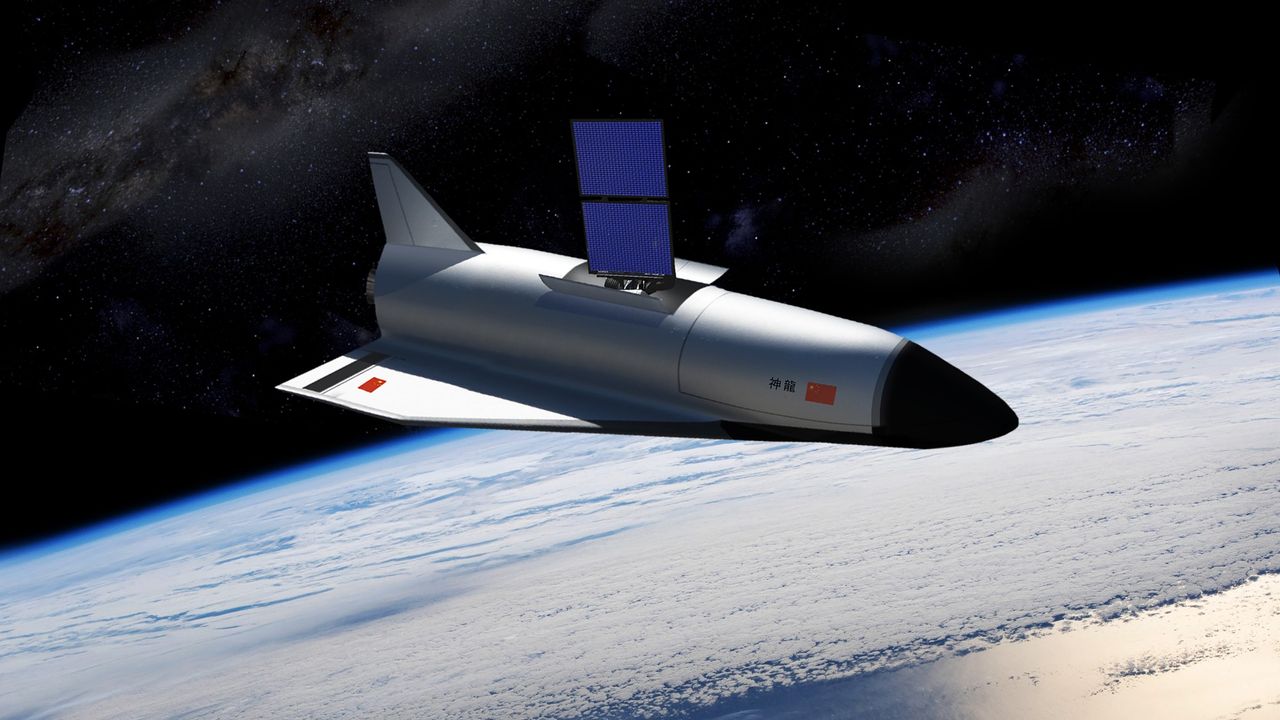
China’s reusable space plane Shenlong, which launched its fourth mission on Feb. 6, 2026, appears to have released an unclassified object into orbit, according to private space‑surveillance firm LeoLabs.
NASA wants to dump the ISS in the sea. Experts say the plan 'raises serious concerns for ocean health'
Original Publication Date: 2026-06-23 16:00
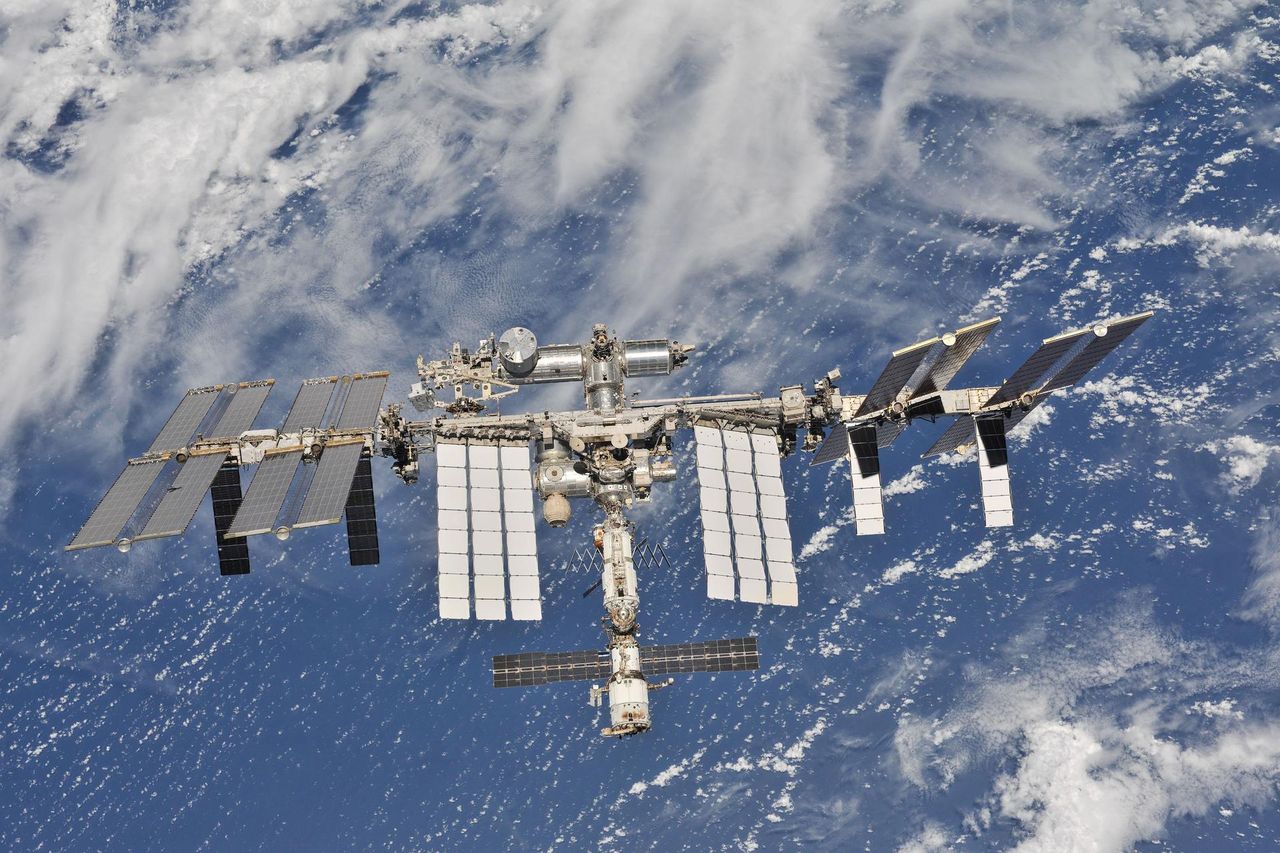
NASA plans to deorbit the International Space Station by 2029, sending it into a controlled re‑entry that will drop its debris into the remote Pacific “Point Nemo” to avoid populated areas. The Ocean Foundation warns that this will create serious, largely unknown environmental impacts on marine ecosystems, and points out a legal loophole that gives space agencies no liability for ocean contamination. A U.S. Government Accountability Office report highlights the gap in continuous human presence in low Earth orbit and the lack of clear international rules for cleaning up space debris in the high seas. The move has sparked debate over whether the ocean deserves the same protection as national territories under international law.