 Spotify
 Apple Podcasts
 Podcast Addict
 Overcast
 Podcast RSS
SpaceX to raise at least $75 billion in IPO
Original Publication Date: 2026-06-04 02:54
SpaceX plans to raise at least $75 billion in its IPO, valuing the company at more than $1.75 trillion.
NASA declares end to MAVEN Mars mission
Original Publication Date: 2026-06-04 00:20
NASA has officially ended the MAVEN mission after six months of lost contact, concluding the orbiter was in an unrecoverable state following a December anomaly. Investigators found the spacecraft was spinning at 2.7 rpm, draining power and preventing recovery. While the root cause remains under investigation, the loss underscores the need for the upcoming Mars Telecommunications Network, slated for launch by 2028. MAVEN’s science legacy—advancing our understanding of Mars’ atmospheric escape—remains invaluable to planetary science.
AST SpaceMobile sees New Glenn setback delaying initial commercial service into 2027
Original Publication Date: 2026-06-03 21:12
AST SpaceMobile has warned that Blue Origin’s recent launchpad explosion will push its direct‑to‑smartphone satellite constellation back by three to six months, according to an equity research note from William Blair. The delay shifts the company’s first commercial services to the first half of 2027. The report, published by SpaceNews, highlights how the New Glenn setback is affecting the launch schedule. Investors now expect the constellation to become operational later in 2027.
After cooperation on SMILE mission, ESA and China chart parallel but separate paths
Original Publication Date: 2026-06-03 18:20
ESA and China successfully launched the SMILE magnetosphere mission on May 19 from Kourou, marking their first joint space science venture in a decade. The spacecraft will orbit high above the North Pole to capture soft X‑ray and UV images of Earth’s magnetosphere and its interaction with the solar wind.
Electronics manufacturer Murata to explore Xona satellite timing service for telecom, data centers
Original Publication Date: 2026-06-03 15:19
Murata Manufacturing has teamed up with California startup Xona Space Systems to evaluate the use of Xona's low‑Earth‑orbit Pulsar network as a GPS alternative for high‑precision timing in sectors like telecom, data centers, finance and 5G/6G.
Beyond Gravity Launches Advanced Propulsion Pointing Mechanism for LEO Constellations
Original Publication Date: 2026-06-03 21:31
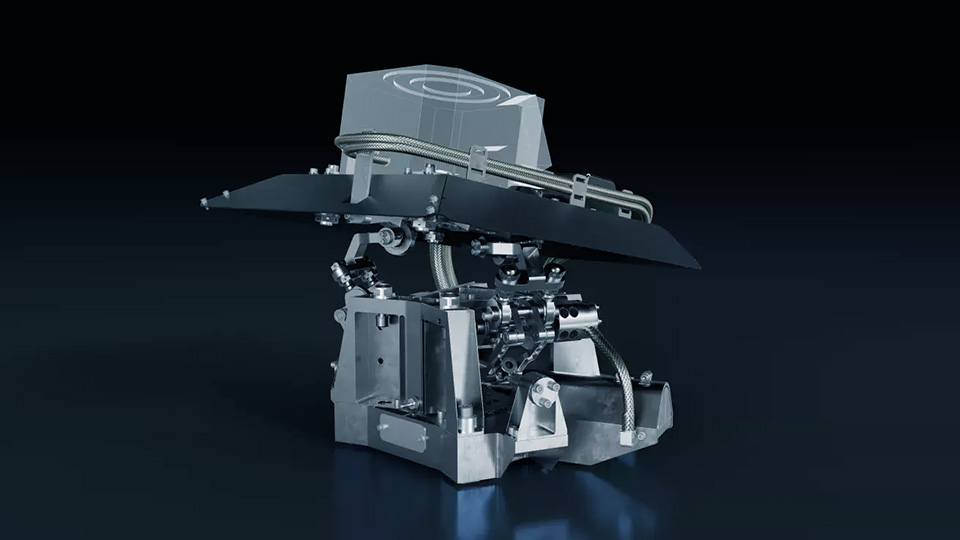
Beyond Gravity has unveiled the APPMAX2‑XS, a compact two‑axis electric propulsion pointing system tailored for low‑Earth orbit small satellites. The new mechanism delivers ultra‑precise attitude control while keeping mass and power consumption to a minimum, addressing the stringent size, weight, and power constraints of the burgeoning small‑sat market. Designed for rapid integration, the APPMAX2‑XS supports high‑throughput missions such as Earth observation and communications.
Muon Space Unveils Condor-Ultra for Orbital Data Centers
Also covered by: SpaceNews
Original Publication Date: 2026-06-03 19:48
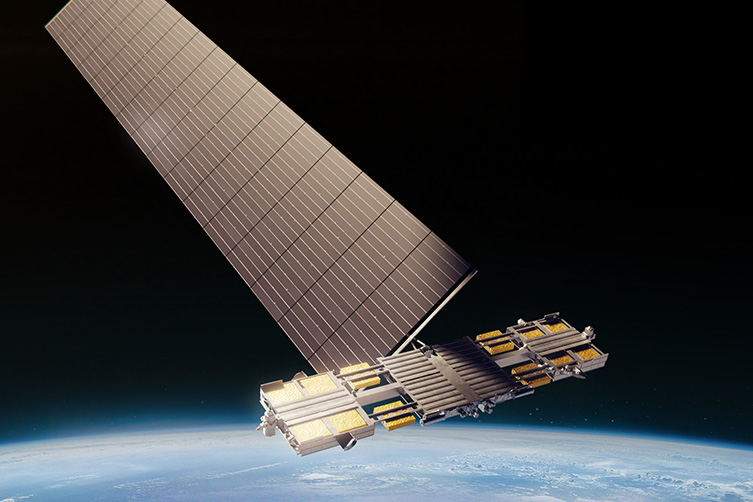
Muon Space announced the launch of Condor‑Ultra, a new Starship‑class satellite platform tailored for the emerging orbital data‑center market. Built from the ground up, the platform is engineered to scale in‑space computing infrastructure, offering high‑capacity, low‑latency data processing and robust reliability. By delivering real‑time data services directly in orbit, Muon Space aims to meet the growing demand for space‑based data processing and marks a significant step toward expanding the in‑space computing ecosystem.
Lockheed Martin UK Announces Major Workforce Expansion with Up to 2,000 New Space Jobs
Original Publication Date: 2026-06-03 19:41
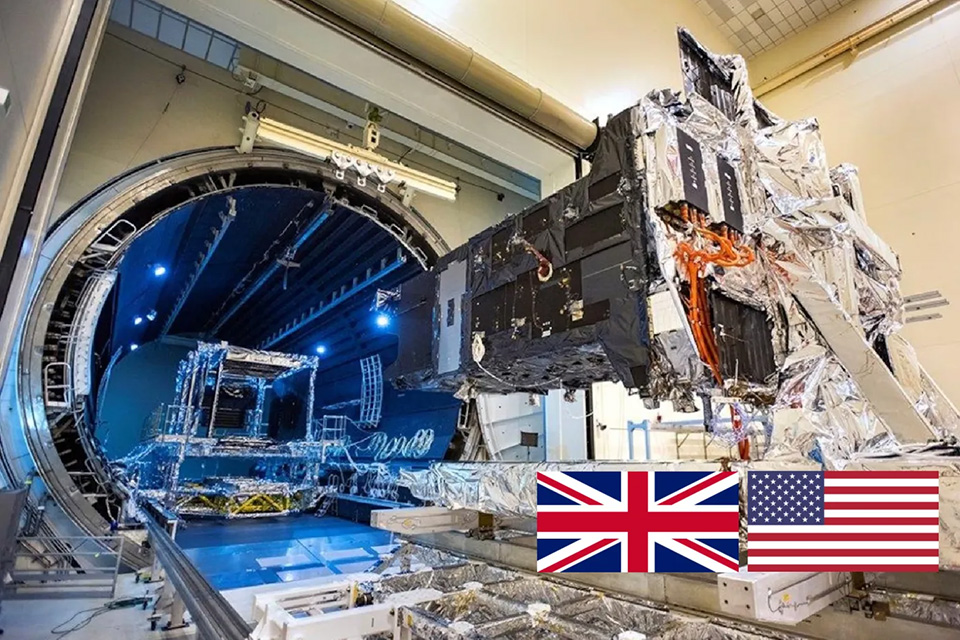
Lockheed Martin UK has unveiled plans to grow its workforce, aiming to create up to 2,000 highly skilled positions nationwide. The expansion is part of a broader strategy to strengthen the UK’s space industry and support the national space economy. By investing in talent and technology, the company seeks to drive innovation and competitiveness across the sector. This initiative underscores Lockheed Martin’s commitment to contributing to the UK’s future in space.
KSAT and Axelspace Expand Strategic Partnership to Accelerate Earth Observation
Original Publication Date: 2026-06-03 19:22
Kongsberg Satellite Services and Axelspace Corporation have broadened their partnership to fast‑track the growth of Axelspace’s Earth‑observation platform, AxelGlobe. The collaboration will combine Kongsberg’s satellite communications and ground‑segment expertise with Axelspace’s imaging and analytics capabilities, creating a more integrated data delivery solution. Together, the companies aim to expand market reach, accelerate product development, and enhance processing and distribution of satellite imagery for a wide range of industries. This expanded alliance positions both firms to strengthen their competitive edge in the global Earth‑observation market.
Resolve Optics Delivers Radiation-Resistant Lenses for LEO Satellites
Original Publication Date: 2026-06-03 15:50

Resolve Optics has delivered its first batch of ten flight‑ready optical lenses to a leading compact satellite camera core manufacturer, marking a milestone for the company’s entry into the rapidly expanding commercial space market.
American military space closed around one company in seven days
Original Publication Date: 2026-06-03 14:02

The U.S. Military’s long‑standing multi‑prime launch strategy, designed to spread risk across several providers, has been effectively dismantled.
A Moonlit Earth as Seen From Artemis II
Original Publication Date: 2026-06-04 04:01

NASA’s Artemis II crew captured the first full‑disk image of Earth at night, illuminated by moonlight, from the Orion spacecraft just after its translunar injection. The photo shows glowing city lights across Africa and Brazil, polar auroras, faint zodiacal dust glow, and even Venus in the lower right, offering a rare, high‑resolution view of our planet’s nighttime features. Scientists praised the image for its beauty and its potential to advance Earth‑science research, highlighting how human activity lights up the globe and how the planet interacts with the solar wind. This single snapshot provides a striking reminder of Earth’s dynamic nature and the value of space‑based observation.
NASA Finds New Way Earth May Have Received Elements Needed for Life
Original Publication Date: 2026-06-03 18:01
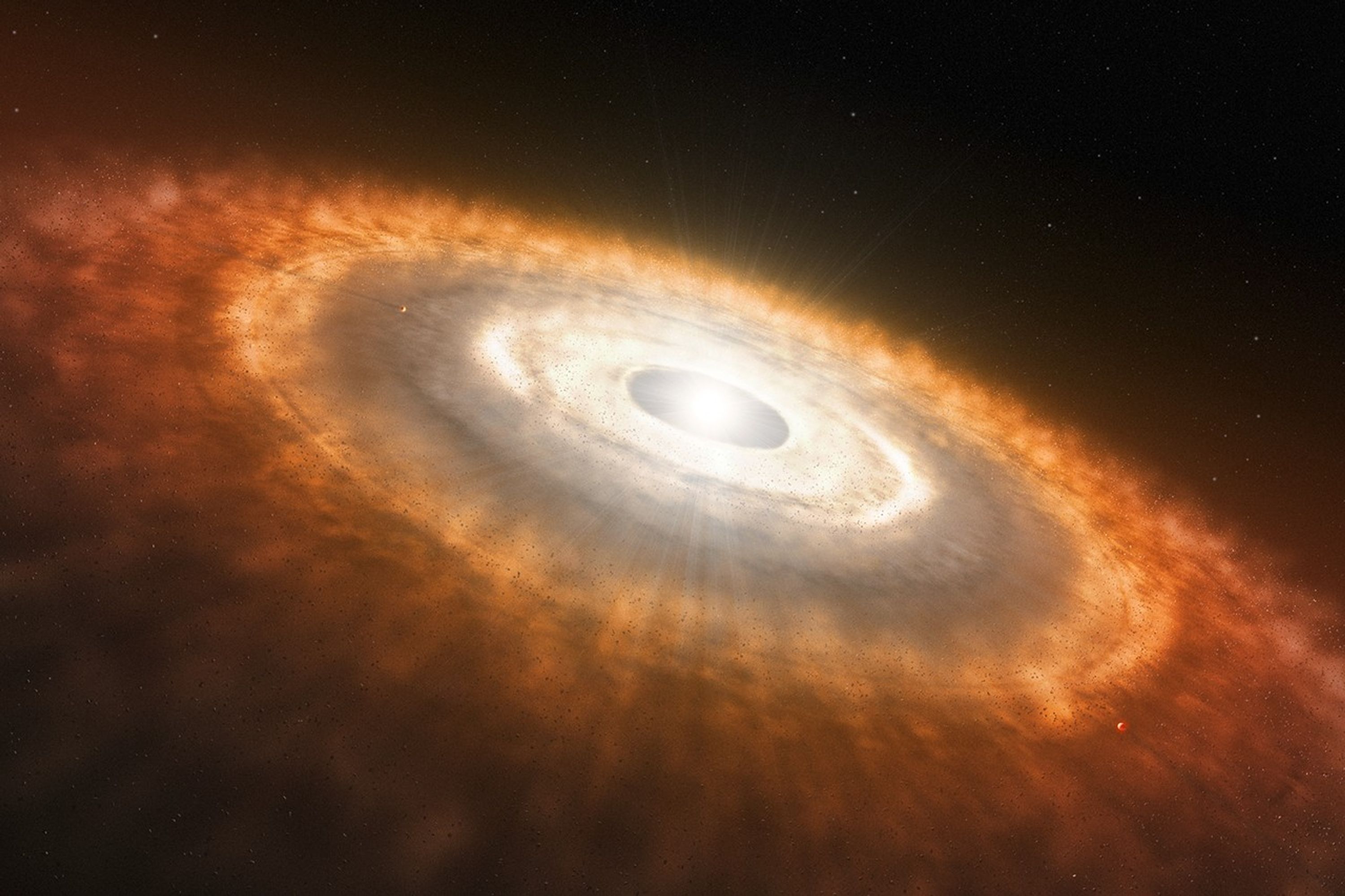
NASA scientists have shown that Earth likely acquired the life‑essential elements phosphorus and nitrogen from the inner solar system, not from outer chondrites. By comparing the P/N ratios in iron meteorites and chondrites, researchers mapped how these elements moved during the system’s first few million years. The study finds that Jupiter’s growth acted as a barrier, keeping phosphorus and nitrogen in the inner region and giving early Earth a richer supply of these ingredients. This new insight reshapes our understanding of how habitable worlds acquire the chemistry they need to support life.
Journey to the Center of the Virgo Cluster
Original Publication Date: 2026-06-03 15:48
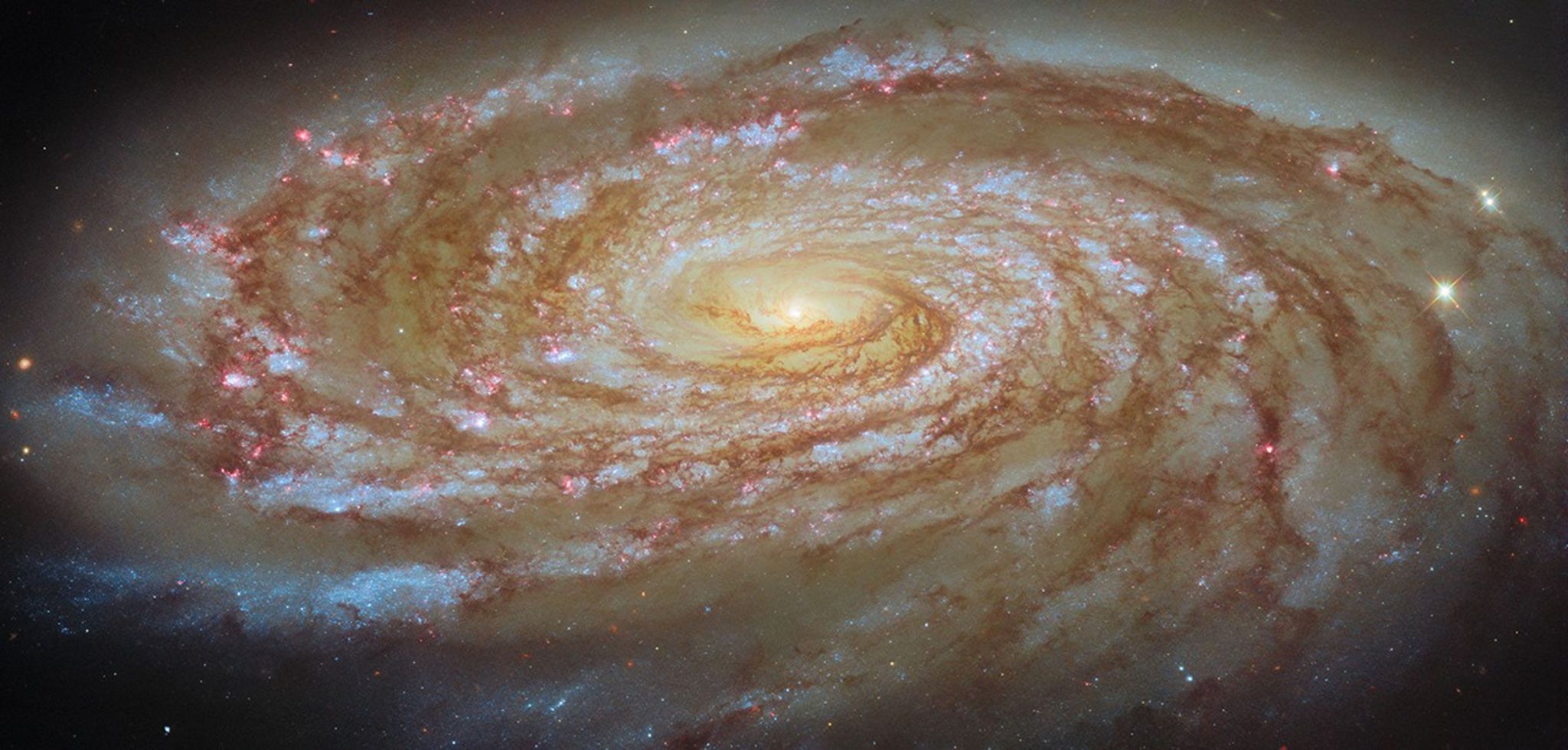
NASA and ESA’s Hubble telescope captured a stunning image of the spiral galaxy Messier 88 (NGC 4501), located 63 million light‑years away in the constellation Coma Berenices. The galaxy’s core hosts a supermassive black hole about 100 million times the Sun’s mass, actively consuming gas and dust. This accretion powers powerful outflows that sculpt the galaxy’s evolution over hundreds of millions of years. The image, released on May 29 2026, offers a vivid glimpse into the dynamic life of an active galaxy.
NASA Drains 66-Million-Gallon Reservoir to Upgrade Critical Water System
Original Publication Date: 2026-06-03 13:50
NASA’s Stennis Space Center in Mississippi completed a major upgrade to its High Pressure Industrial Water Facility, pumping out 40 million gallons from a 66‑million‑gallon reservoir over three days. The work lowered the reservoir to its lowest level since the 1960s and replaced a worn‑out 3,000‑gallon‑per‑minute pump that supplies fire‑suppression water for rocket engine tests. New piping will run 14 inches to 12 inches, reducing velocity and extending the life of the system. The upgraded facility will continue to cool engine exhaust and support safe, reliable Artemis mission engine tests.
NASA Says Farewell to MAVEN Mars Mission, Hosts Media Call Today
Original Publication Date: 2026-06-03 13:12
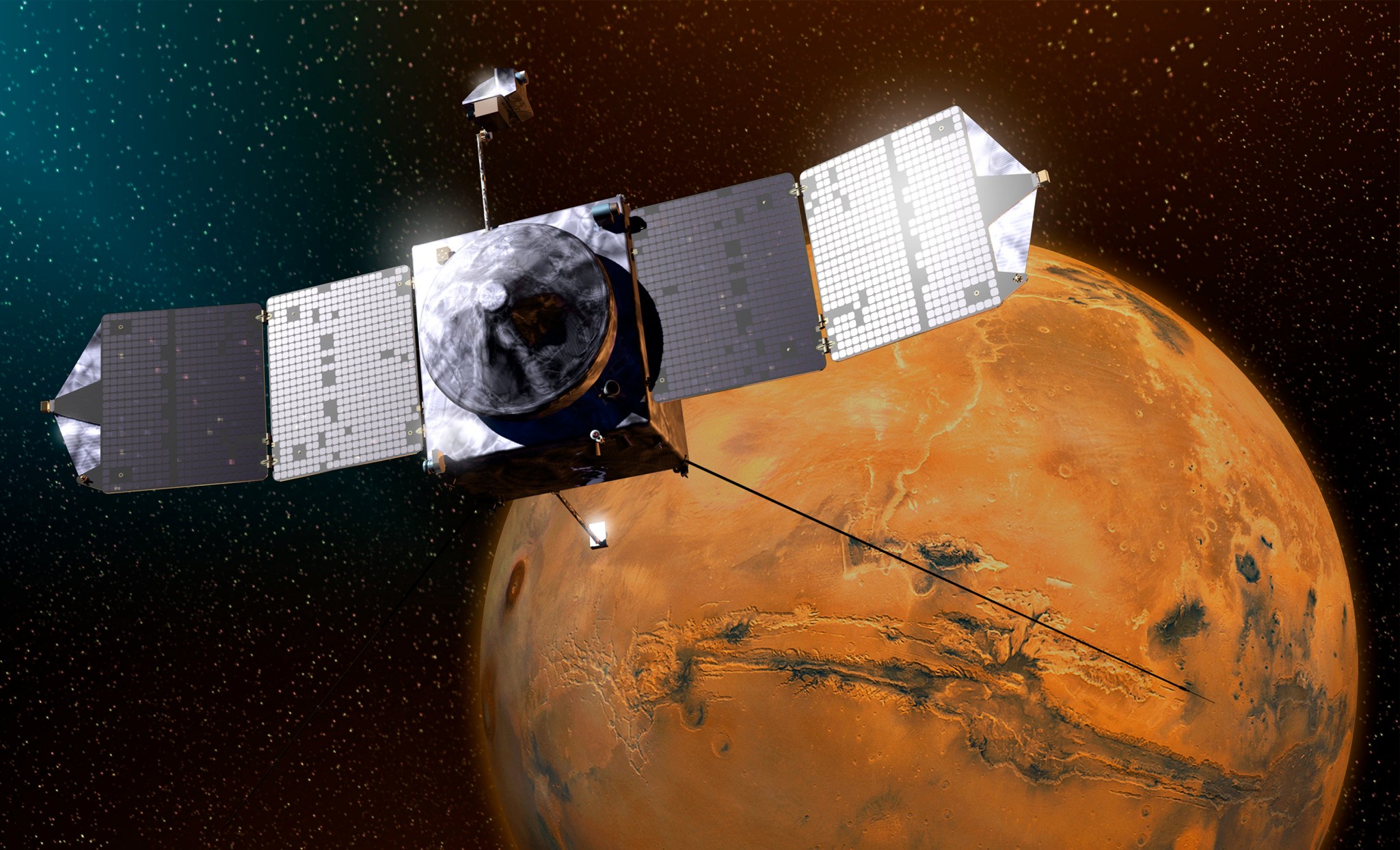
NASA’s MAVEN spacecraft, which has spent more than a decade orbiting Mars and probing its upper atmosphere, lost contact on Dec. 6 after passing behind the Red Planet and has been declared unrecoverable. The anomaly review board found that a rapid spin drained the batteries, killing the communications system, and the mission is now being decommissioned with its data archived for future research.
Space Force evaluating anomaly-related damage, future danger areas
Original Publication Date: 2026-06-03 23:04

Space Launch Delta 45 cleared a major safety milestone after the May 28 Blue Origin New Glenn rocket anomaly at Cape Canaveral. The Blast Danger Area was lifted on June 1, allowing teams to assess damage to the pad, nearby hangars, and weather equipment, while emergency crews had responded within five minutes and were at full capacity within half an hour. Despite the 7,147‑ft blast radius, debris remained confined to the designated zone, and launch operations at SLC‑40 and SLC‑41 continued the following day. Space Force officials noted the geographic separation of launch sites helped isolate the incident, and they will review and potentially adjust blast zones for future missions.
Muon Space Unveils New, Larger Satellite Bus
Original Publication Date: 2026-06-03 12:20

Muon Space has announced its new Condor‑Ultra satellite bus, three times larger than its Condor‑XL, aimed at the emerging orbital‑data‑center market. The first pathfinder is slated for launch in 2028 and can deliver 20 kW of power—expandable to 100 kW—and support up to 400 kg of payload across 18 m², with NVIDIA’s Space‑1 Vera Rubin module for AI workloads. It will feature SpaceX Starlink laser‑communications, 100 Gbps inter‑satellite links, and always‑on 25 Gbps connectivity. The platform is designed to deploy from Starship’s PEZ dispenser, Falcon 9, or Rocket Lab’s Neutron, ensuring rapid customer deployment across evolving launch options.
NASA Reverts to Original CLD Procurement Plan
Original Publication Date: 2026-06-03 12:17
NASA has decided to keep its original Commercial LEO Destination plan, backing free‑flying commercial space stations instead of attaching modules to the ISS, after industry pushed back on the agency’s earlier market doubts. The agency said it will work with commercial partners on specific requirements and release a draft request for proposals later this month. This move follows a March Ignition event where NASA considered scrapping the plan, but industry leaders—like Axiom Space’s Jonathan Cirtain—demonstrated a robust market with 166 payloads flown to date. NASA’s spokesperson, Bethany Stevens, confirmed that the commercial market will shape the agency’s path forward, ensuring the U.S. Maintains a presence in low‑Earth orbit.
Can black holes turn into white holes? It's not such a crazy idea, scientists say
Original Publication Date: 2026-06-03 22:00
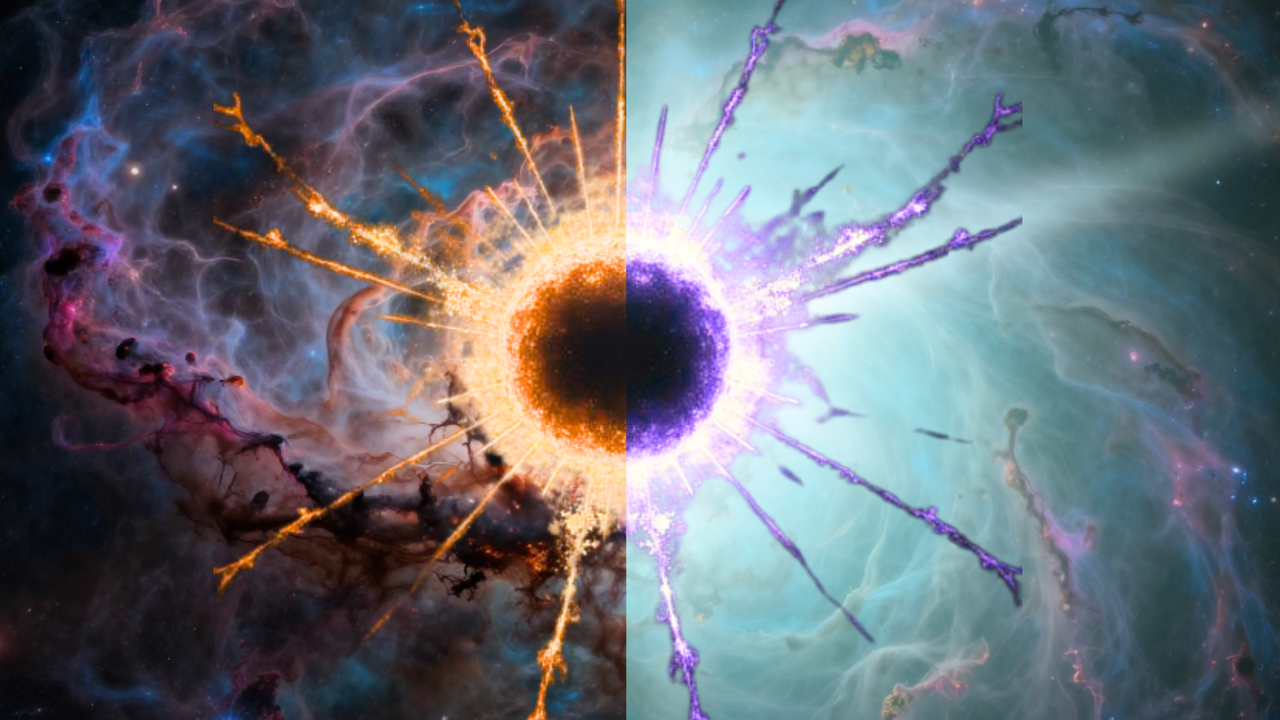
New research suggests that primordial black holes formed in the early universe may outlive the ages we once imagined, surviving long enough to reach the Planck mass of about 20 micrograms. Once a black hole shrinks to this size, the team finds it could stop evaporating and instead emit a unique “purifying” radiation, effectively behaving like a white hole. This challenges the old view that such tiny black holes would simply explode, opening a new window on dark matter and the universe’s first exotic objects. The study, led by Daniel Paraizo, indicates that these Planck‑scale remnants might be stable and could offer clues to the physics of white holes.
'The mirror passed with flying colors': NASA just took its last look at the Nancy Grace Roman Space Telescope before launch
Original Publication Date: 2026-06-03 19:00
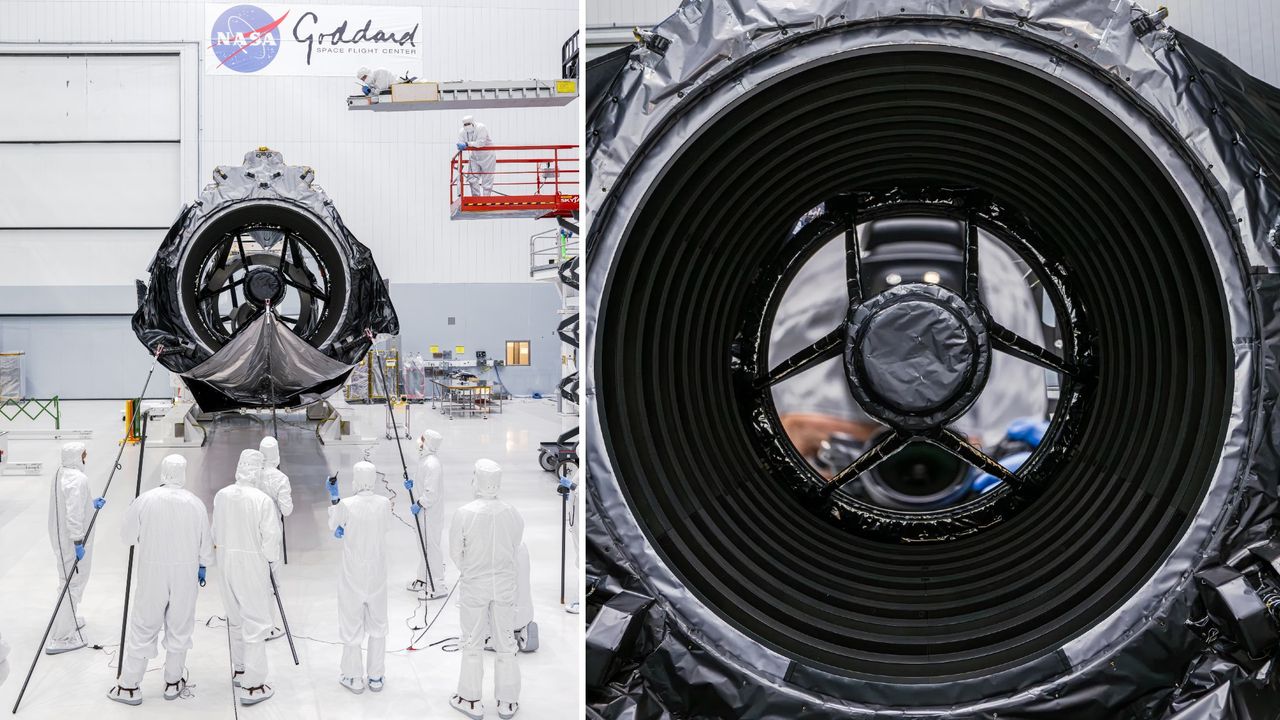
NASA’s Nancy Grace Roman Space Telescope has passed its final inspection, with the 7.9‑foot primary mirror cleared after a meticulous check that included a shake test and a high‑resolution camera inspection. Engineers confirmed no debris, proper alignment, and that the telescope can withstand launch vibrations, keeping the mission on schedule for an early September launch—potentially as soon as August 30. The telescope, set to launch from Kennedy Space Center, will soon become humanity’s new eye on the cosmos, searching for exoplanets and other mysteries.
Blue Origin says New Glenn rocket will launch again 'before the end of the year' after explosion
Original Publication Date: 2026-06-03 16:00
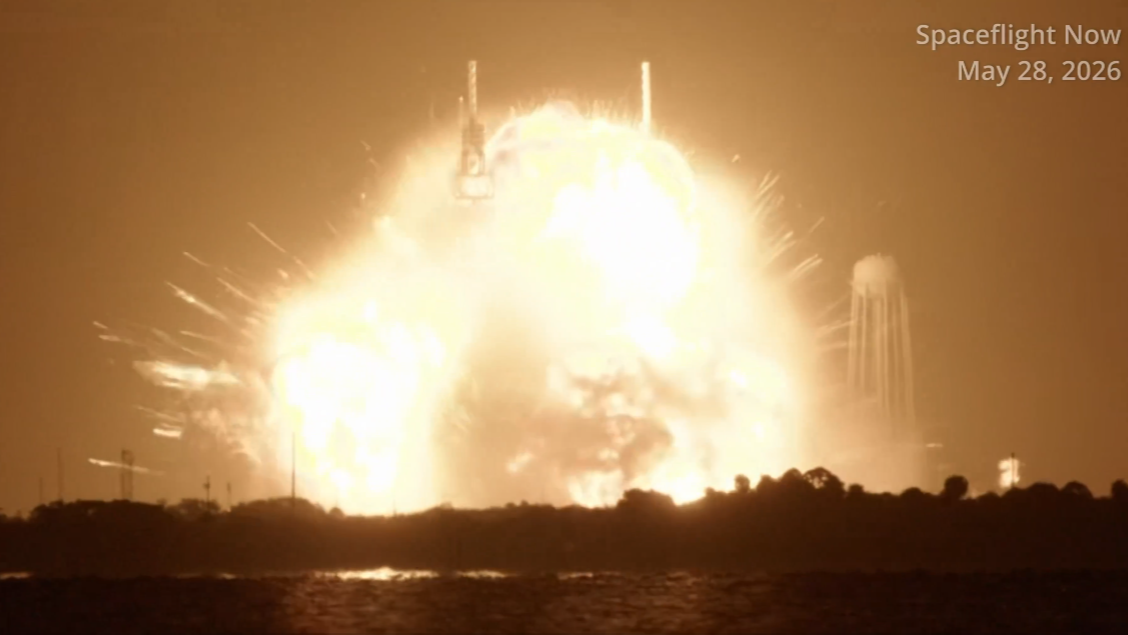
Blue Origin’s New Glenn rocket exploded in a massive fireball during a static hot‑fire test at Cape Canaveral’s Launch Complex‑36, destroying the vehicle and damaging the pad. CEO Dave Limp says the company will repair the launch site and aim for another launch before the end of 2026, noting that key infrastructure such as the propellant farm and tanks remain intact. Although the transporter‑erector was lost, Blue Origin plans to replace it with an alternative vertical concept already in development.
Like 'the loss of a loved one': NASA's Mars orbiter MAVEN is officially dead after months of radio silence
Original Publication Date: 2026-06-03 15:32
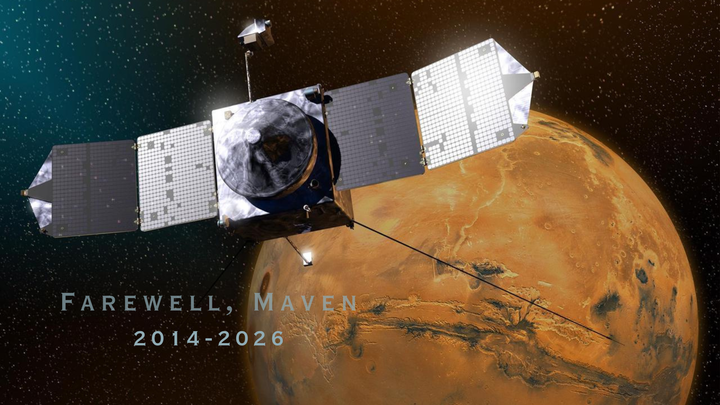
NASA has officially declared the Mars Atmosphere and Volatile EvolutioN orbiter, MAVEN, dead after months of failed attempts to reconnect. The probe’s last signal came on December 6, and when it emerged from behind Mars it had lost power and entered an uncontrollable spin, cutting off communications. Launched in 2013, MAVEN exceeded its one‑year design life by more than a decade, delivering groundbreaking data on Mars’s atmospheric escape and solar‑wind interactions.
Happy Pride Month! Remembering Sally Ride's historic legacy | Space photo of the day for June 3, 2026
Original Publication Date: 2026-06-03 14:00

Sally Ride made history in June 1983 as the first American woman to fly in space aboard the Space Shuttle Challenger’s STS‑7 mission, a milestone that helped open doors for women in the astronaut corps. After her death in 2012, it was revealed that Ride was an LGBTQ trailblazer, living in a long‑term partnership with Tam O’Shaunghnessy, a fact that adds a powerful layer to her legacy during Pride Month. Her story highlights the ongoing absence of openly LGBTQ astronauts, underscoring the challenges that remain for those in the space community. Remembering Ride today reminds us that her pioneering spirit continues to inspire both space enthusiasts and the LGBTQ community alike.
Scientists call for a secure lunar quarantine facility for extraterrestrial samples: 'The moon may become humanity's first line of biological defense'
Original Publication Date: 2026-06-03 13:00
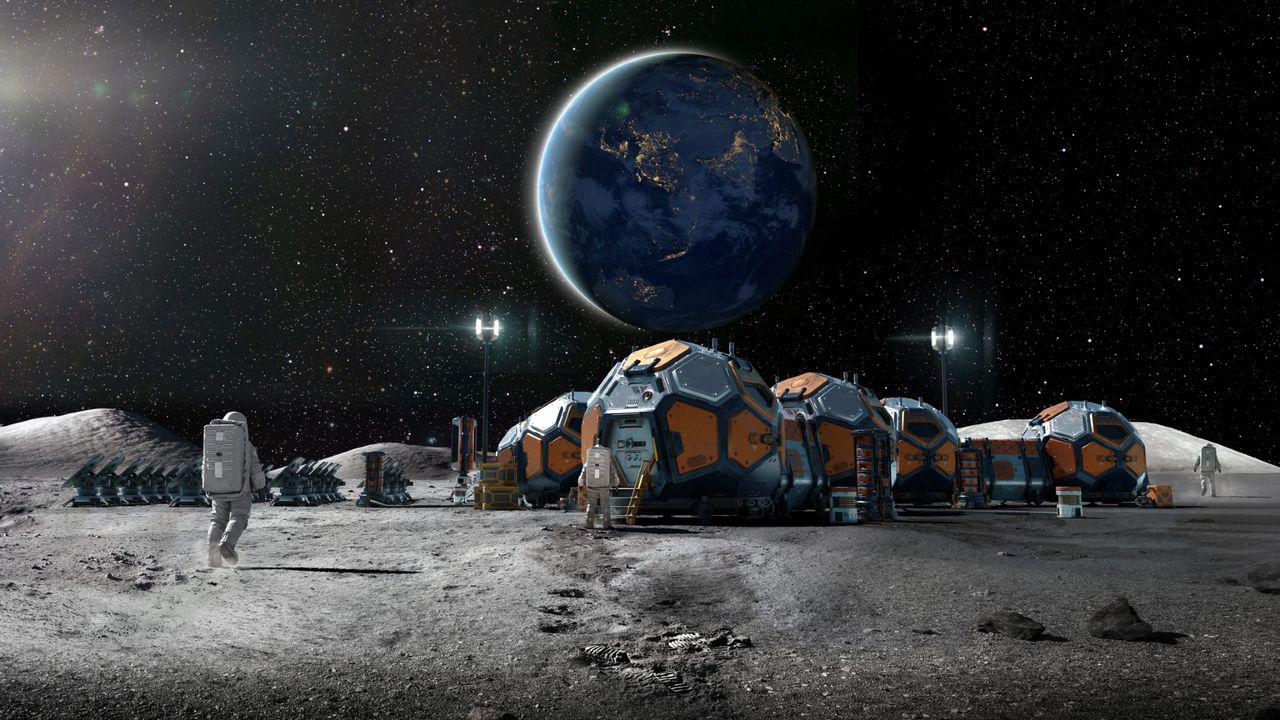
Scientists are urging that the Moon be used as a secure quarantine facility for extraterrestrial samples, arguing that the lunar environment could serve as humanity's first line of biological defense. They warn that bringing novel life forms to Earth could trigger unpredictable ecological damage, citing the history of invasive species on our planet. The proposal comes amid a race between the U.S. And China to build lunar bases, yet neither side has yet detailed how they will address planetary protection. The researchers recommend that all samples be processed by advanced robotics on the Moon to prevent accidental release before they reach Earth.
This star system creates a rare triple eclipse. Here's what that would look like
Original Publication Date: 2026-06-03 10:00

TESS has uncovered a remarkable triple‑star system, TIC 295741342, about 3,080 light‑years from Earth, where two sun‑like stars orbit each other every 4.75 days while a third, more massive star eclipses the pair every 412.8 days.