 Spotify
 Apple Podcasts
 Podcast Addict
 Overcast
 Podcast RSS
Boeing still working with NASA to schedule next Starliner flight
Original Publication Date: 2026-07-29 01:24
Boeing is still coordinating with NASA to schedule the first uncrewed cargo flight of its CST‑100 Starliner, after the 2022 Crew Flight Test suffered thruster and helium leaks. The company says redesign work is proceeding well, but NASA’s Aerospace Safety Advisory Panel warns the vehicle could be a year from flight, with the launch window still under review. Boeing projects the uncrewed mission no earlier than Q4 2026, and while it has taken about $2 billion in costs so far, executives expect no further financial hit before the spacecraft returns to flight.
Chinese startup raises funds for space situational awareness constellation, joining commercial SSA rush
Original Publication Date: 2026-07-29 01:18
Beijing‑based startup Xingchen Daohe has secured roughly $14 million to launch a satellite constellation that will monitor objects in orbit, bolstering China’s growing space situational awareness sector. The new system will track debris and satellites, helping to prevent collisions and improve space traffic management. The funding, led by prominent investors, underscores the commercial race to provide SSA services in the region. Xingchen Daohe’s project marks a significant step in China’s push to match global space monitoring capabilities.
Swift reboost mission encounters attitude control problems
Original Publication Date: 2026-07-28 23:04
NASA’s $30 million reboost mission for the Swift gamma‑ray observatory has hit a snag as Katalyst Space’s Link spacecraft, launched July 3, is spinning uncontrollably due to attitude‑control failures. Two of the three reaction wheels are dead and the thrusters are only partially working, causing a temporary loss of communications. Despite the setback, the company says it has patched software, stabilized the spacecraft, and begun a series of burns to raise its altitude by 2 km and prepare for rendezvous. The mission remains active, with Katalyst working to reduce body rates and update guidance so Link can still dock with Swift before its orbit decays.
ESA opens call to repurpose Gateway communications module
Original Publication Date: 2026-07-28 20:38
The European Space Agency has announced a new initiative to assess whether Lunar Link, the communications system built for NASA’s paused Gateway space station, can be repurposed for other lunar projects. ESA is inviting proposals from partners and industry to explore how the module might support future missions, including potential use in upcoming Artemis operations. The call underscores the agency’s commitment to leveraging existing technology to accelerate lunar exploration. This move could help fill a critical communications gap for the next generation of lunar payloads.
NASA selects successor to CAPSTONE lunar mission
Original Publication Date: 2026-07-28 12:03
NASA has awarded a contract to Advanced Space for the CAPSTONE 02 mission, a pair of 400‑kilogram satellites slated to launch in 2027. The twin spacecraft, built by Terran Orbital, will test autonomous rendezvous and proximity operations in cislunar space while measuring radiation and demonstrating communications. The mission is designed as a risk‑reduction activity ahead of Artemis, helping future Orion dockings with lunar landers. CAPSTONE 02 will push the envelope of small‑satellite autonomy, paving the way for a permanent lunar presence.
Impulse Space Unveils In-House Electra Electric Propulsion System for Orbital Maneuvering
Original Publication Date: 2026-07-28 23:19
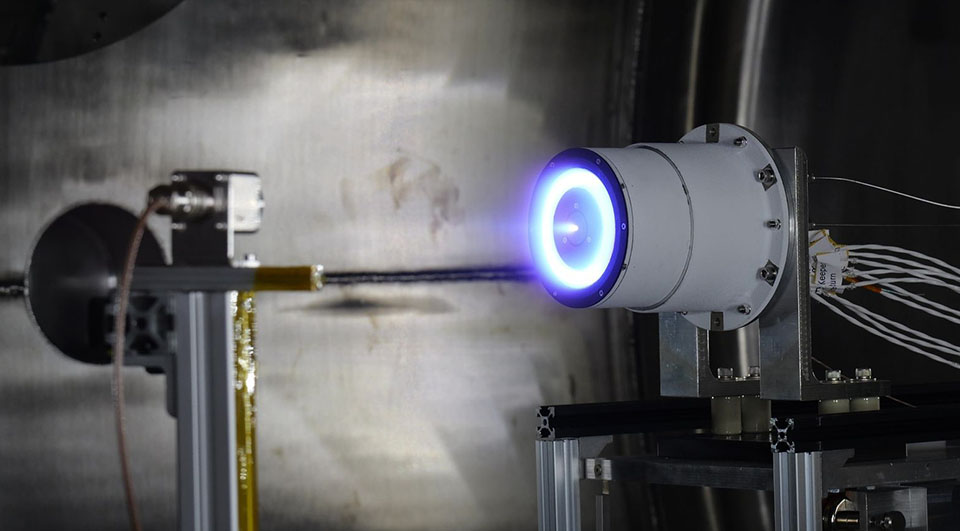
Impulse Space announced on July 28, 2026 the launch of Electra, its first in‑house propulsion system designed to reconcile rapid impulse capability with high fuel efficiency for long‑duration orbital missions. The new system blends high‑thrust electric propulsion with advanced fuel‑management technology, aiming to cut mission costs while preserving quick maneuverability. Engineers say Electra will enable more flexible satellite deployment and extend the reach of deep‑space operations. The company plans to integrate Electra into its next launch vehicle by late 2027.
EchoStar Faces Mounting Financial Pressure on Hughes Satellite Unit Amid Corporate Reorganization
Original Publication Date: 2026-07-28 18:26
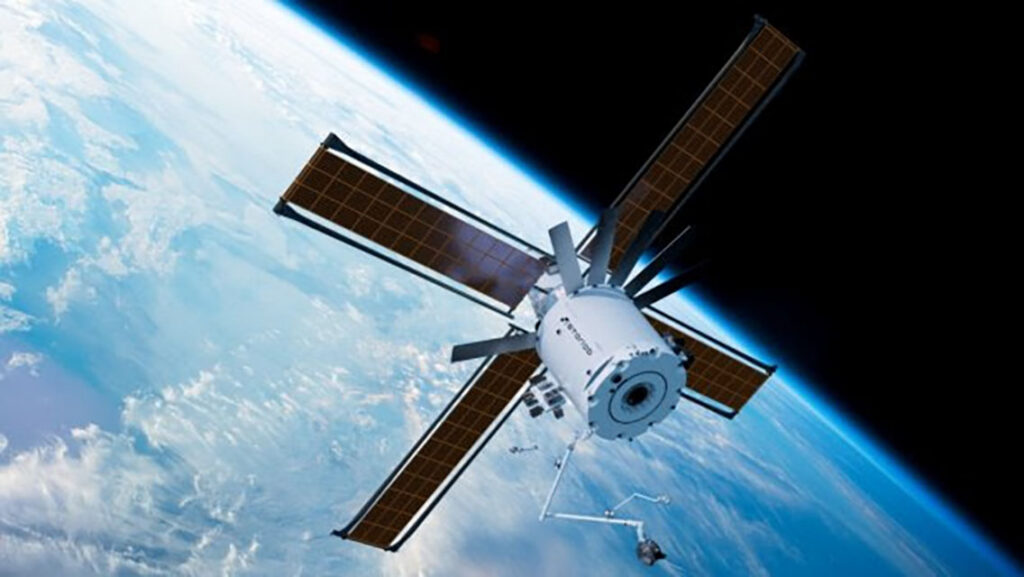
EchoStar Corporation’s satellite communications arm, Hughes Network Systems, is reportedly grappling with severe liquidity constraints, according to financial reports released Tuesday, July 28, 2026. The shortfall has sparked industry speculation that the company may file for Chapter 11 bankruptcy protection. Analysts warn that such a move could disrupt satellite broadband services across the United States. The situation remains fluid as EchoStar seeks to secure additional funding.
Space Force Awards $287 Million Software Contract to Sphinx Defense for Strategic SATCOM Ground Segment
Original Publication Date: 2026-07-28 18:17

On July 27, 2026 the U.S. Space Force awarded a $287 million contract to Sphinx Defense to provide mission‑planning software for the Ground Resilient Integration & Framework program.
Optical Zonu Debuts Miniature Ku-Band RF-over-Fiber Transmitter for Space-Constrained Defense Platforms
Original Publication Date: 2026-07-28 18:05

Optical Zonu Corporation unveiled a breakthrough optical interconnect solution on July 28, 2026, designed to eliminate the routing constraints and signal loss that plague traditional coaxial cabling in crowded antenna arrays. The new fiber‑optic system promises near‑zero attenuation and supports data rates up to 100 Gbps, enabling faster, more reliable wireless backhaul for 5G and future 6G networks. Engineers report that the compact, lightweight design can be installed in existing antenna racks without major structural changes, potentially reducing deployment costs and maintenance downtime. With this launch, OZC positions itself at the forefront of next‑generation wireless infrastructure, offering operators a high‑performance, scalable alternative to legacy cabling.
Resecurity Joins Space ISAC to Expand Cyber Threat Intelligence Across Space Assets
Original Publication Date: 2026-07-28 16:11

On Monday, July 27, 2026, cybersecurity firm Resecurity joined the Space Information Sharing and Analysis Center (Space ISAC) as a new member organization. The Space ISAC is a collaborative network that shares threat intelligence and best practices to protect the U.S. Space sector. Resecurity’s membership is expected to boost cyber resilience by providing advanced threat detection and response capabilities to satellite operators and related stakeholders. This partnership underscores the growing importance of cybersecurity in safeguarding space infrastructure.
Amazon Joins the Direct-to-Device Race
Original Publication Date: 2026-07-28 12:45
Amazon has filed with the FCC to launch a 5,105‑satellite constellation that will beam voice, text, and data directly to smartphones, using the spectrum of Globalstar it is buying for over $11 billion. The system, called Amazon Leo Direct‑to‑Device, will deploy from 2028 across five orbital shells between 510 and 580 km and will operate on Globalstar’s 1.6/2.4 GHz bands, reaching phones with built‑in satellite chips and no extra hardware. The move follows SpaceX’s earlier filing and comes amid a broader industry rush, with Amazon, SpaceX and Rocket Lab each investing billions to secure Direct‑to‑Device spectrum.
Rocket Lab Expands to Alaska with $266M Launch Contract
Original Publication Date: 2026-07-28 12:39
Rocket Lab has secured its biggest deal yet, a $266 million multi‑launch contract with Space Systems Command for 12 suborbital missions, with an option for six more.
DJI Lito 1 drone review
Original Publication Date: 2026-07-28 22:00

The article provided is empty. Therefore, there is no content to summarize. Thank you for listening.
NASA fuels its next-gen Roman Space Telescope for August launch
Original Publication Date: 2026-07-28 21:00
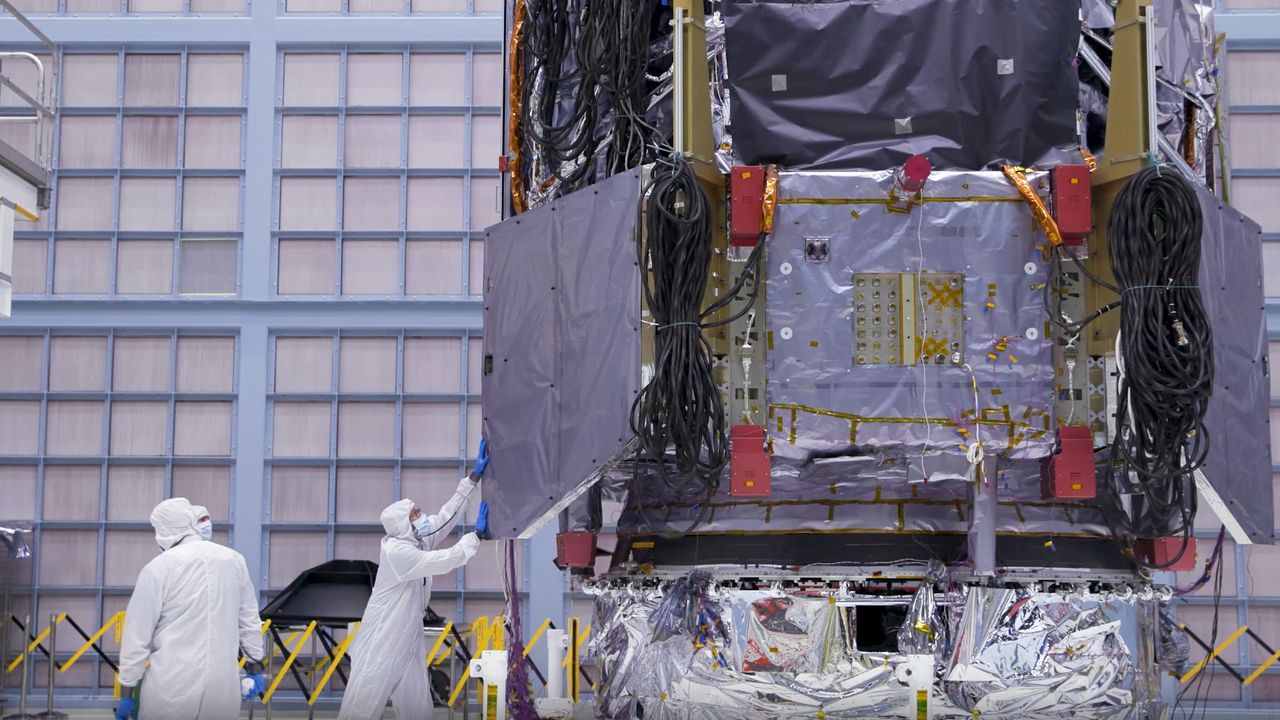
NASA has fueled the Nancy Grace Roman Space Telescope, a next‑generation observatory that will generate more than 500 terabytes of data each year—over the total 400 terabytes produced by Hubble in 35 years. The telescope, powered by hydrazine, is set to launch on Aug. 30 aboard a SpaceX Falcon Heavy and will head to the Lagrange point 2, where it will complement the James Webb Space Telescope with a 50‑times wider infrared view. Its Wide Field Instrument will map thousands of supernovae, dark matter, and exoplanet candidates, helping scientists probe the universe’s most mysterious phenomena. With the launch date firmly scheduled, NASA hopes this under‑budget, ahead‑of‑schedule mission will usher in a new era of astronomical discovery.
Our Milky Way galaxy appears to have flipped 90 degrees long ago. But why?
Original Publication Date: 2026-07-28 19:00
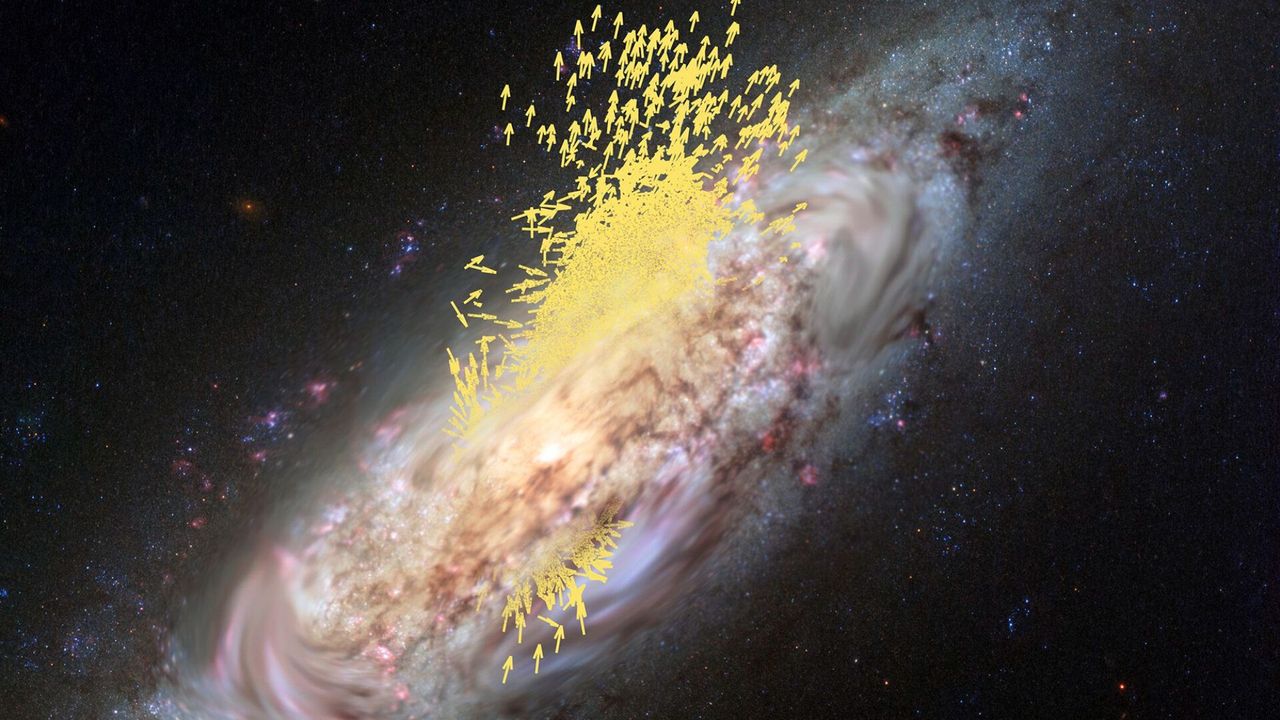
Milky Way’s disk is believed to have flipped 90 degrees after a head‑on collision with the Gaia‑Sausage‑Enceladus dwarf galaxy 8–11 billion years ago. Supercomputer simulations link such flips, often triggered by mergers, to the Milky Way’s oddly slow‑rotating halo, as the halo lags behind the reoriented disk. The tilt may have changed the Sun’s orbit around the galactic center, implying our “stable” spot has not been as steady as once thought. Astronomers still need to pin down the exact mechanism, but the discovery adds a new chapter to the galaxy’s complex history.
SpaceX launches 24 Starlink satellites to orbit in wake of Starship test flight (video)
Original Publication Date: 2026-07-28 15:00
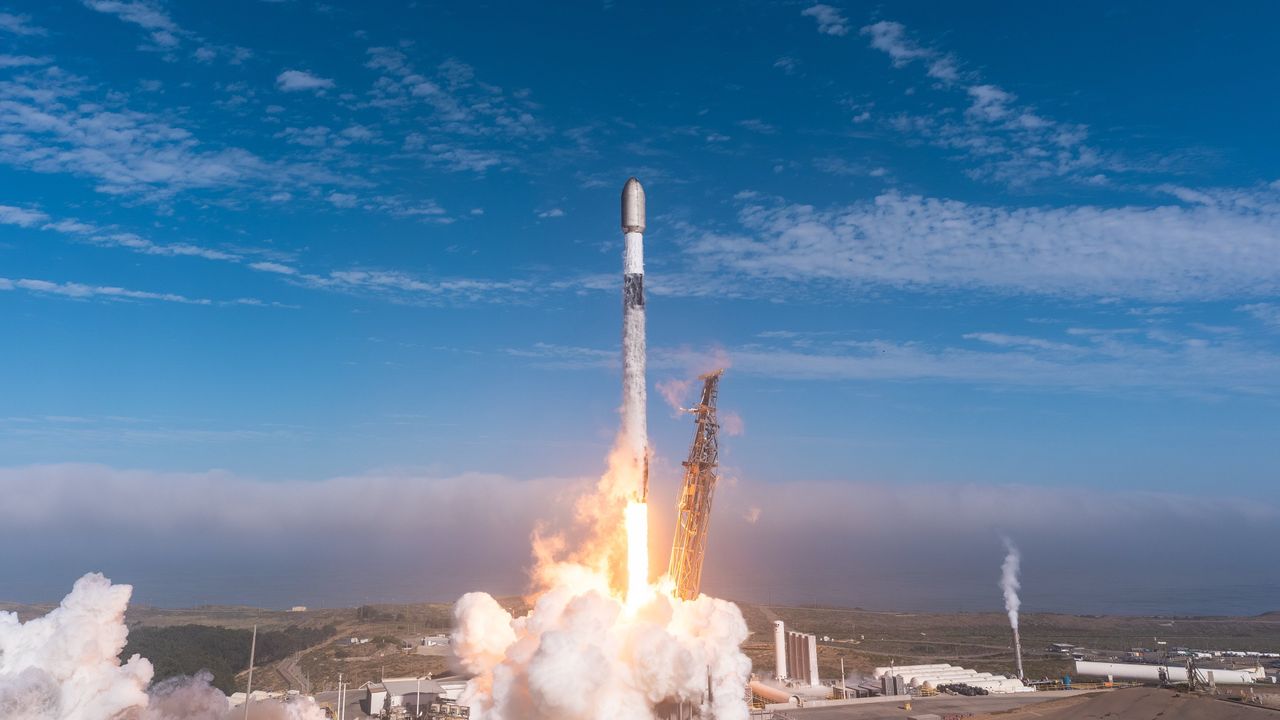
SpaceX lifted off from Vandenberg on July 25, firing a Falcon 9 that deployed 24 new Starlink broadband satellites into low‑Earth orbit. The launch followed a successful Starship test that had shown the next‑generation rocket could also carry Starlink payloads, paving the way for NASA’s Artemis III mission. With this flight, the total number of active Starlink satellites now stands at 10,865, and it marked the company’s 87th Falcon 9 mission of the year.
On this day in space! July 28, 1851: The 1st photo of a total solar eclipse was taken by a Prussian daguerreotypist
Original Publication Date: 2026-07-28 14:00
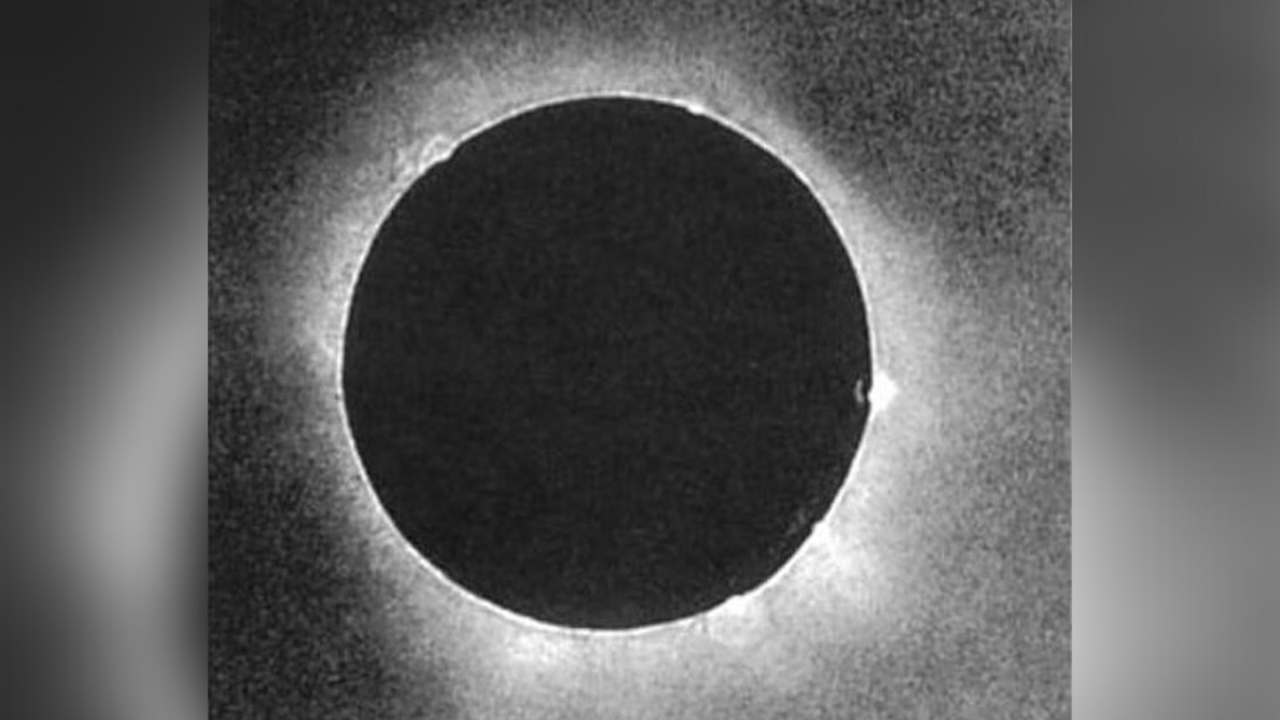
On July 28, 1851, Prussian daguerreotypist Johann Julius Friedrich Berkowski captured the first-ever photo of a total solar eclipse. Using a 6‑centimeter telescope and an 84‑second exposure, he overcame earlier over‑ and under‑exposures to reveal the sun’s corona. The image, recognized in 2005 as the first correctly exposed corona photo, opened new scientific and public access to eclipses. Over 170 years later, modern digital and smartphone cameras allow anyone to document eclipses, with the next totality slated for August 12, 2026.
Reaction wheel failures leave Swift rescue mission spinning in orbit
Original Publication Date: 2026-07-28 22:09
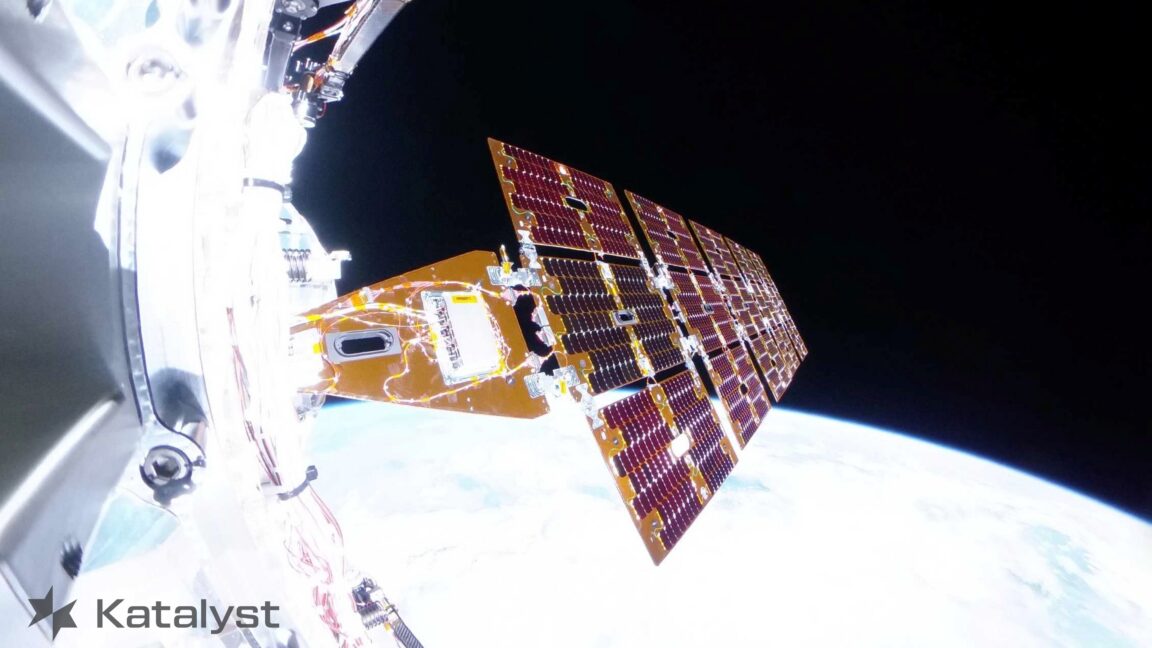
NASA’s first‑of‑its‑kind commercial satellite, Link, launched nearly a month ago to rescue the Swift gamma‑ray telescope from a fiery reentry, is now facing its own challenges. The spacecraft is spinning and losing communication as two of its three reaction wheels have failed and its cold‑gas thruster system is partially inoperable. Preliminary investigations confirm these attitude‑control problems, threatening the mission’s ability to keep Swift safe. The agency is working to resolve the issues and restore full functionality.
Study: Dinosaurs were charbroiled after Chicxulub impact
Original Publication Date: 2026-07-28 20:51

Scientists confirm that the asteroid impact 66 million years ago not only killed the dinosaurs but also ignited global wildfires, according to a new study. The Chicxulub crater in Mexico, 7 to 50 miles across, spewed a dust cloud that superheated the upper atmosphere and charred life unable to shelter. This event released over a billion times the energy of the Hiroshima bomb, supporting the Alvarez hypothesis that an extraterrestrial impact triggered the mass extinction. The research highlights how a single impact could reshape Earth's biosphere.