 Spotify
 Apple Podcasts
 Podcast Addict
 Overcast
 Podcast RSS
OQ Technology secures $30 million from Europe for satellite-to-smartphone expansion
Original Publication Date: 2026-02-25 11:00
Europe’s investment arm has loaned Luxembourg‑based OQ Technology 25 million euros to expand its direct‑to‑device satellite constellation. The move strengthens the continent’s bid to rival U.S. Efforts in connecting smartphones directly from space. OQ Technology plans to use the funding to deploy more satellites that can stream data straight to mobile devices. This funding underscores Europe’s growing ambition to build a competitive space‑to‑mobile infrastructure.
A banner year for military space funding— with an unclear path beyond
Original Publication Date: 2026-02-24 22:48
The U.S. Space Force is set to receive nearly $42 billion in fiscal 2026, combining mandatory and discretionary funds, according to a new analysis by the National Security Space Association. Overall defense space spending rises to about $57.7 billion, a jump largely fueled by a $150 billion mandatory boost from last year's reconciliation package.
Lockheed Martin presses case that GPS upgrade will counter jamming threats
Original Publication Date: 2026-02-24 15:30
Lockheed Martin says the next‑generation GPS IIIF satellites will make U.S. Military navigation far harder to jam, using high‑gain spot‑beam M‑code signals that focus power on specific theaters. The new spacecraft also carry search‑and‑rescue payloads and an experimental laser‑communication terminal, while Congress has added $528 million to the $4.1 billion program. With 12 satellites already on order and nine of the earlier GPS III already in orbit, the Space Force is racing to deploy the stronger signals to protect troops in conflict zones.
The Commercial Space Federation Releases New White Paper “Perfecting Public-Private Partnerships”
Original Publication Date: 2026-02-24 14:00
The Commercial Space Federation today unveiled a new white paper titled “Perfecting Public‑Private Partnerships: The Future of Government…”. The report outlines strategies for strengthening collaboration between federal agencies and private space companies to accelerate innovation and reduce costs. It highlights case studies of successful joint ventures and offers policy recommendations for streamlining approvals and funding mechanisms. The federation hopes the findings will guide lawmakers and industry leaders in building more efficient space‑sector partnerships.
At Colorado space firms, Hegseth casts Pentagon bureaucracy as the enemy
Original Publication Date: 2026-02-24 13:00
Secretary of Defense Pete Hegseth used stops at Colorado space companies to blame Washington bureaucracy for acquisition delays, praising commercial firms as the solution. He called the Pentagon a “giant swamp” and urged smaller startups like True Anomaly and Sierra Space to compete, warning against overreliance on a few big primes. Hegseth linked the push to the administration’s Golden Dome missile defense initiative, insisting that private industry must deliver advanced space infrastructure quickly to maintain deterrence. The remarks echo a broader Pentagon push for procurement reform and faster, fixed‑price contracts.
SpaceX’s Tuesday twilight Falcon 9 rocket launch sends 29 Starlink satellites into low Earth orbit
Original Publication Date: 2026-02-24 17:56
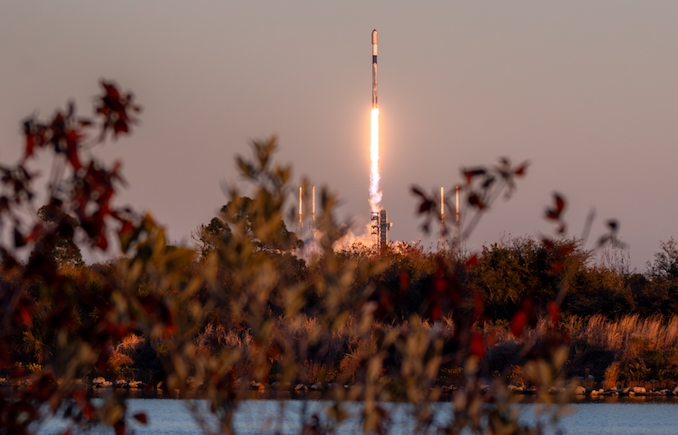
SpaceX’s Falcon 9 rocket lifted off from Cape Canaveral on Feb. 24, 2026, deploying 29 new Starlink V2 Mini satellites into low‑Earth orbit as part of the Starlink 6‑110 mission. The launch, which took place at 6:04 p.m. EST, was the 10th flight of booster 1092, which landed on the drone ship “Just Read the Instructions” just eight minutes later. Weather conditions were favorable, with a 95 percent chance of a smooth launch window. The company has also raised its standard Falcon 9 launch price to $74 million for a 5.5‑ton payload to GTO, reflecting rising costs and inflation.
The Fractal Lab – Part III
Original Publication Date: 2026-02-24 23:55

Experts warn that orbital data centers may not be the silver bullet many hope for, as a detailed cost comparison shows a 1‑megawatt facility in geostationary orbit would cost roughly $16 million over five years, dwarfing the $4.7 million required for a comparable terrestrial site.
SECAF Kendall Unveils ‘Ringleader’ Exercise to Test Satellite Sensor Fusion for Tactical Battle Management
Original Publication Date: 2026-02-24 22:57

On February 23, 2026, Secretary of the Air Force Frank Kendall unveiled “Ringleader,” a new initiative to fuse sensor data from military and intelligence satellites into tactical battle‑management systems. The program will leverage the Space Development Agency’s and NRO’s low‑Earth‑orbit constellation to deliver high‑fidelity moving‑target indication, replacing legacy airborne platforms such as JSTARS. By integrating synthetic aperture radar, infrared, and optical data at the edge, Ringleader will enable rapid sensor‑to‑shooter loops and automated satellite operations. First‑phase exercises are scheduled for the coming months, with results informing the next‑generation tactical data links for aircraft and missile batteries.
Iridium Unveils Iridium 9604: First Unified Three-in-One IoT Module
Original Publication Date: 2026-02-24 19:14

Iridium Communications unveiled the Iridium 9604 on February 24, 2026, a compact module that unifies satellite, cellular, and positioning services into a single 16 mm × 26 mm × 2.4 mm package. Built on the u‑blox SARA‑R5 platform, it cuts board space by more than 60 % while offering Iridium SBD satellite messaging, LTE‑M cellular connectivity, and integrated GNSS positioning. The launch signals a strategic shift toward a multi‑mode architecture that powers the Direct‑to‑Device revolution, with early adopters reporting lower bill‑of‑materials costs and simplified power design.
Global Defense Modernization Drives Major Awards for BlackSky and Redwire
Original Publication Date: 2026-02-24 17:02
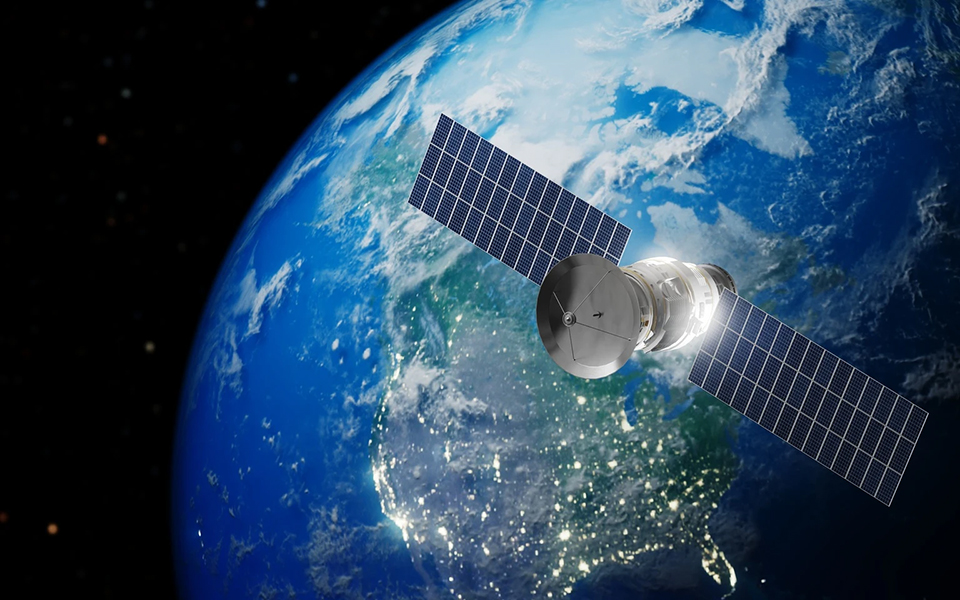
Global defense announcements on Feb. 24, 2026 highlighted a rapid shift toward sovereign AI‑integrated space assets, with India and the EU pouring billions into defense and space programs. BlackSky Technology secured over $60 million in new contracts for its Gen‑3 tactical ISR satellites, delivering 35‑centimeter imaging and AI‑enabled analytics to a major international customer within months. Redwire Corporation’s SabreSat platform, backed by a $44 million DARPA contract, is nearing final production of the Otter VLEO spacecraft, which will use atmospheric molecules to sustain low‑altitude operations and offer sharper imaging.
The New Space Race: Industrial Integration Redefines the Market Lead
Original Publication Date: 2026-02-24 16:48
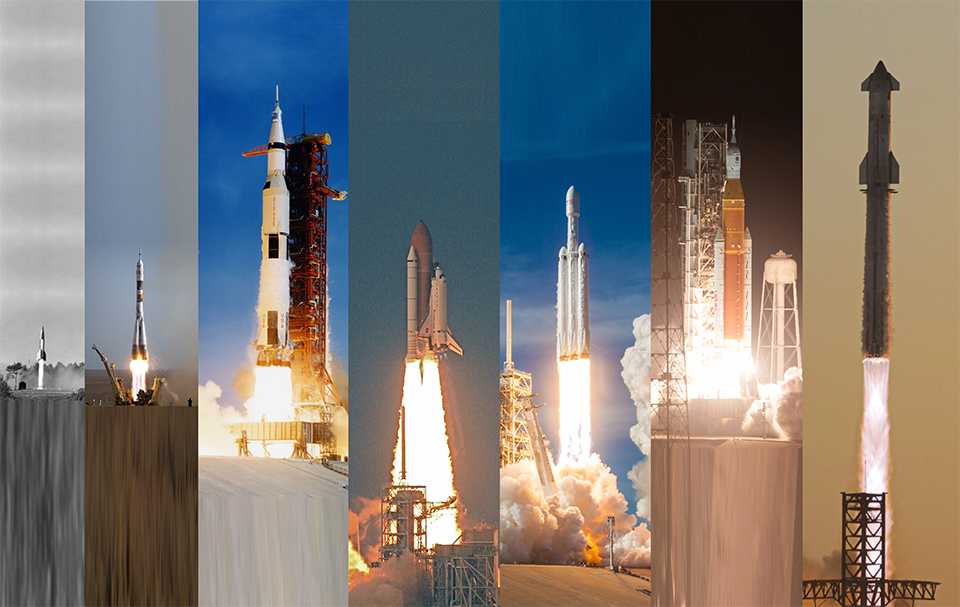
On February 24, 2026 the aerospace sector saw a wave of consolidations and leadership changes that signal a pivot from launch frequency to manufacturing dominance.
Landslide and Avalanche Debris Litter Hubbard Glacier
Original Publication Date: 2026-02-25 05:00

A magnitude‑7.0 earthquake struck the remote St. Elias Mountains on December 6, 2025, sending ice and rock careening down the steep slopes of Hubbard Glacier. NASA’s NISAR satellite captured false‑color radar images two days later, revealing a dramatic increase in rough terrain as thousands of landslides and avalanches deposited debris on the glacier’s surface. Preliminary USGS analysis identified more than 700 potential slide sites, with the glacier’s flow accelerating to up to 6,000 m per year in some areas. Though the region remains uninhabited, the newly unstable slopes and damaged ice could pose serious hazards for future mountaineers and expeditions.
Curiosity Blog, Sols 4812-4819: Back Into the Hollows
Original Publication Date: 2026-02-24 21:21
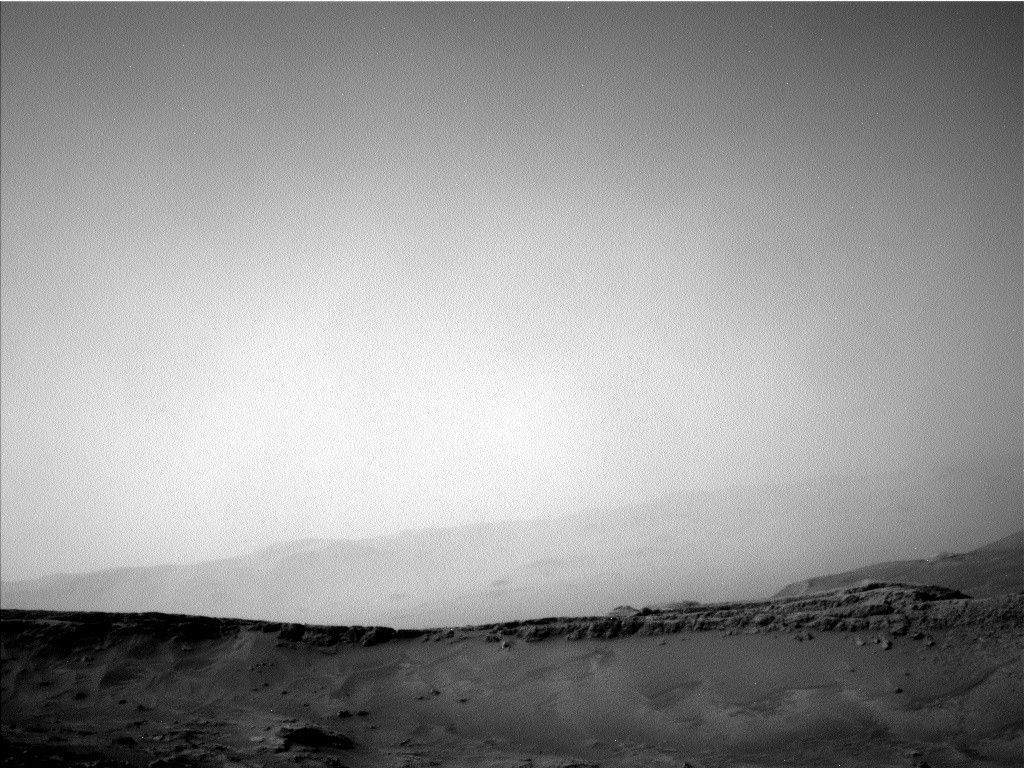
NASA’s Curiosity rover captured a hazy Navcam view of Gale Crater’s northern rim on Sol 4813, reflecting the growing dust season.
New Volunteer Data from 143 Observatories Unveils the 2024 Total Solar Eclipse
Original Publication Date: 2026-02-24 19:48
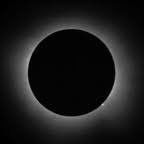
NASA’s Eclipse Megamovie citizen science project has just released a groundbreaking white‑light dataset from the April 8, 2024 total solar eclipse, featuring 52,469 calibrated photographs taken by 143 volunteer‑led observatories across the United States. The collection, now available online, spans more than an hour and a half of observations and includes raw, calibrated, and fully processed FITS files that allow researchers worldwide to study solar jets and plume development in unprecedented detail. Volunteers, who braved the path of totality with their own cameras, provided the precise calibration frames needed to unlock the Sun’s corona, while the project’s team at Sonoma State University, UC Berkeley, and NASA’s Goddard Space Flight Center curated the database. This public archive offers scientists and curious citizens alike a unique, searchable resource to explore the dynamic events that occur only during an eclipse.
Webb Maps Uranus’ Upper Atmosphere
Original Publication Date: 2026-02-24 15:00

NASA’s James Webb Space Telescope has, for the first time, delivered a vertical view of Uranus’s ionosphere, unveiling auroras sculpted by the planet’s unusually tilted magnetic field.
Technology Originally Developed for Space Missions Now Integral to Everyday Life
Original Publication Date: 2026-02-24 14:29
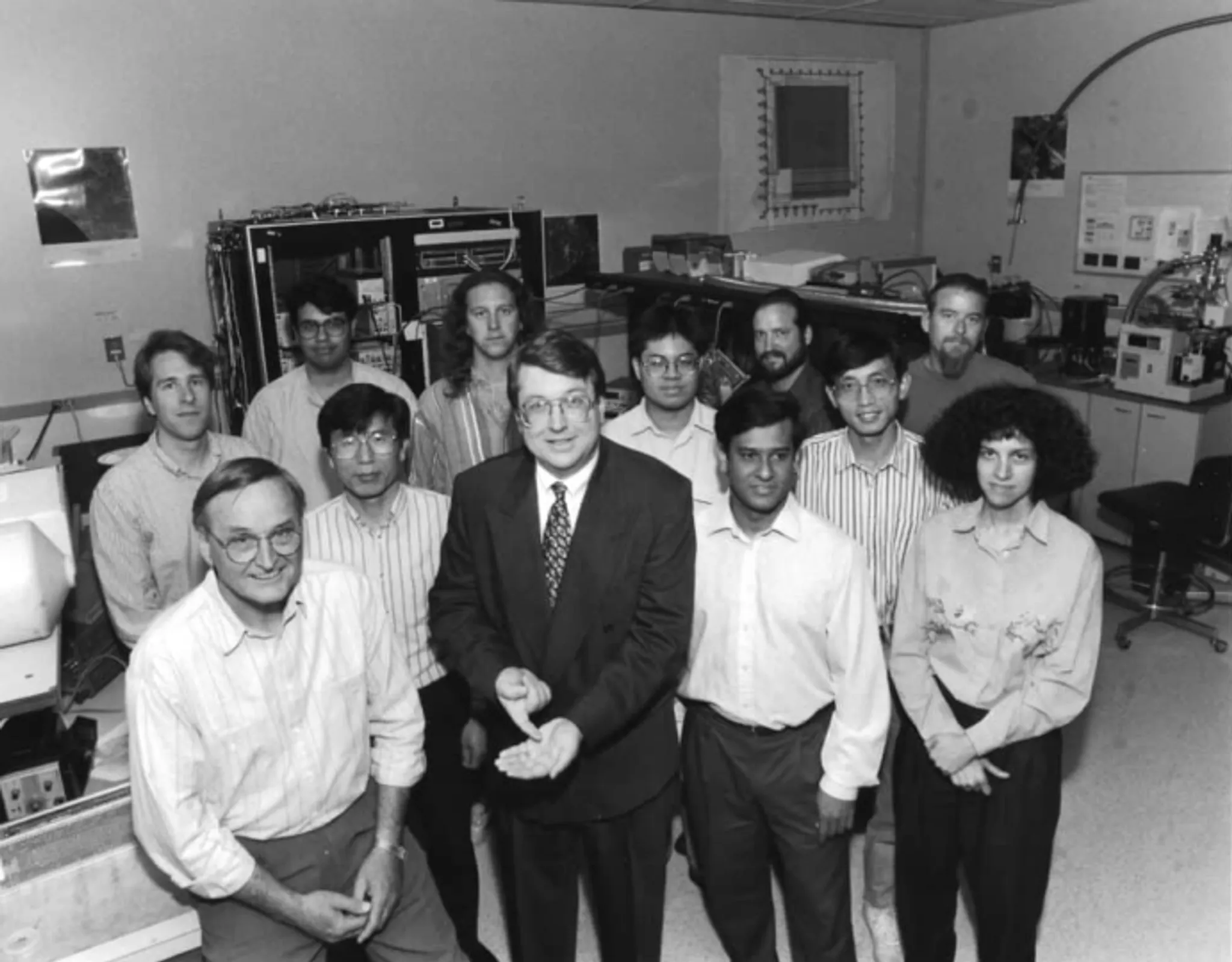
NASA’s Jet Propulsion Laboratory engineer Eric Fossum pioneered the first CMOS active‑pixel image sensor in the early 1990s, replacing bulky, power‑hungry CCDs for space missions. This breakthrough enabled cameras on Hubble, Mars rovers, and the Parker Solar Probe to capture clearer data while consuming less energy. Today the same CMOS technology powers billions of smartphones, webcams, automotive cameras, and medical imaging devices worldwide, showing how a space‑born invention has become a ubiquitous part of daily life.
Bill Spotlight: Methane Monitoring Science Act
Original Publication Date: 2026-02-24 18:30
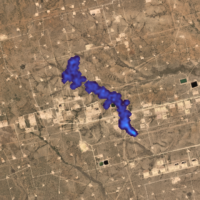
Rep. Don Beyer of Virginia and Rep. Pat Harrigan of North Carolina have introduced the Methane Monitoring Science Act, a bipartisan bill that would task NASA with enhancing the nation’s ability to detect methane leaks—from cow farts to fracking emissions—using space‑based technology. The legislation calls for a comprehensive evaluation of current monitoring tools, the creation of a shared data platform across federal and private agencies, and the integration of commercial satellite capabilities such as those from GHGSat and Planet Labs. By leveraging NASA’s trusted expertise and the broad reach of orbital sensors, the bill aims to quickly locate and shut down leaks that harm the atmosphere while still allowing fossil‑fuel operations to continue safely. The measure was adopted as an amendment to the NASA reauthorization bill, with a standalone version ready to advance the methane‑monitoring agenda if needed.
Sophia Space Raises $10M for Build Orbital Data Center Tech
Original Publication Date: 2026-02-24 13:53
Sophia Space, a Pasadena startup spun from Mandala Space Ventures, closed a $10 million
LambdaVision Taps Starlab for Post-ISS Manufacturing Plans
Original Publication Date: 2026-02-24 12:30

LambdaVision, the company that builds artificial retinas in low‑Earth orbit, has secured a reservation on Starlab Space’s upcoming commercial station to move from demonstration to scalable manufacturing. By leveraging microgravity, the firm can produce higher‑performance retinal membranes, a step that could accelerate patient benefit and open doors for other LEO ventures. The partnership follows nine ISS missions and a $7 million seed round, positioning LambdaVision as a key player in the post‑ISS commercial space economy. This move underscores the growing trend of private companies planning to continue research and production once the ISS decommissions around 2030.