 Spotify
 Apple Podcasts
 Podcast Addict
 Overcast
 Podcast RSS
Simera Sense to offer larger cameras and enhanced autonomy
Original Publication Date: 2026-02-17 23:24
Belgium‑based Simera Sense has built a reputation with its xScape100 and xScape200 cameras, which have already flown on more than 50 cubesats ranging from 6u to 16u. The company is now expanding its product line to include higher‑resolution optical payloads for larger satellites, aiming to provide standardized cameras that can fit a variety of platforms. This move follows the company’s success in the cubesat market and signals its intent to compete in the broader space imaging sector. The news was reported by SpaceNews.
China’s Space Epoch raises new funding, targets 2026 launch and recovery attempt
Original Publication Date: 2026-02-17 17:44
Chinese launch startup Space Epoch has closed a Series B round, paving the way for its first orbital launch and splash‑down later this year. The company says three Yuanxingzhe‑1 rockets are in production and will undergo ground testing before a successful launch and recovery by year’s end. The new funding will expand Space Epoch’s Beijing‑Shandong‑Hangzhou footprint, giving it a fully integrated launch, recovery and inspection capability. With a payload capacity of 13,800 kg to 200‑km orbit and a target price of under 20,000 yuan per kilogram, the reusable methane‑liquid‑oxygen rocket could be a game‑changer for China’s commercial space ambitions.
SatVu to expand thermal imaging constellation with NATO-backed funds
Original Publication Date: 2026-02-17 16:17
Earth observation startup SatVu announced on Feb. 17 that it secured $41 million in a new funding round, with the NATO Innovation Fund among its investors. The capital will help the company expand its thermal imaging satellite constellation, a technology increasingly sought by defense and intelligence agencies. SatVu's partnership with NATO underscores the growing importance of commercial space‑based thermal imagery for national security. The move positions SatVu at the forefront of the emerging defense‑focused space sector.
Global leaders meet at Space-Comm Expo in London to accelerate future of European space industry
Original Publication Date: 2026-02-17 16:02
In just two weeks, Space‑Comm Expo will bring Europe’s top space industry leaders together at ExCeL London on March 4‑5. As the continent’s premier space event and the UK’s largest, it will host more than 5,400 participants. Global leaders will convene to accelerate the future of European space, sharing insights and forging new collaborations.
Artemis haters, can we have a moment, please?
Original Publication Date: 2026-02-17 14:00
Critics of NASA’s Artemis program argue that the effort is dragging on, ballooning in cost, and falling short of the historic and safety standards many expect. They claim the mission’s progress is too slow, its budget too high, and its safety record insufficient for a return to the Moon. Despite these concerns, the program remains under-discussed in mainstream media, leading to frustration within the space community. The piece calls for a pause in the negative chatter and a renewed focus on the program’s goals and achievements.
BlackSky Secures Eight-Figure International Contract for Sovereign Gen-3 Satellite Solution
Original Publication Date: 2026-02-18 00:34
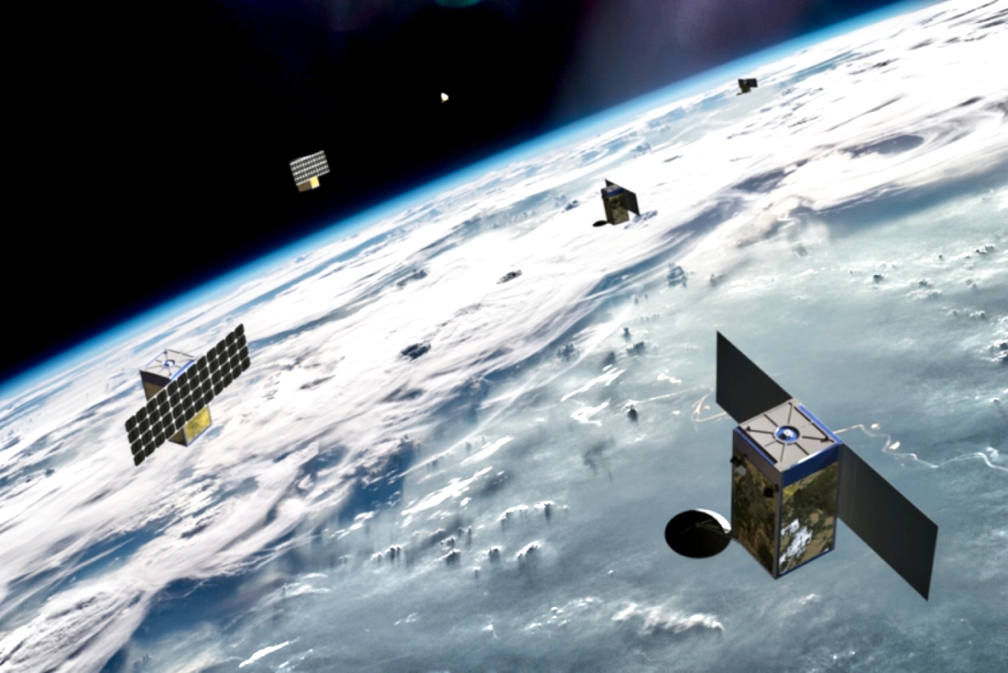
BlackSky Technology has secured an eight‑figure international contract to supply a single high‑resolution Gen‑3 satellite and multi‑year on‑orbit operations to a global defense customer, marking a significant step toward sovereign space‑based intelligence.
Exotrail Secures Major Propulsion Contracts with Indian Space Firms During Presidential Visit
Original Publication Date: 2026-02-17 20:27
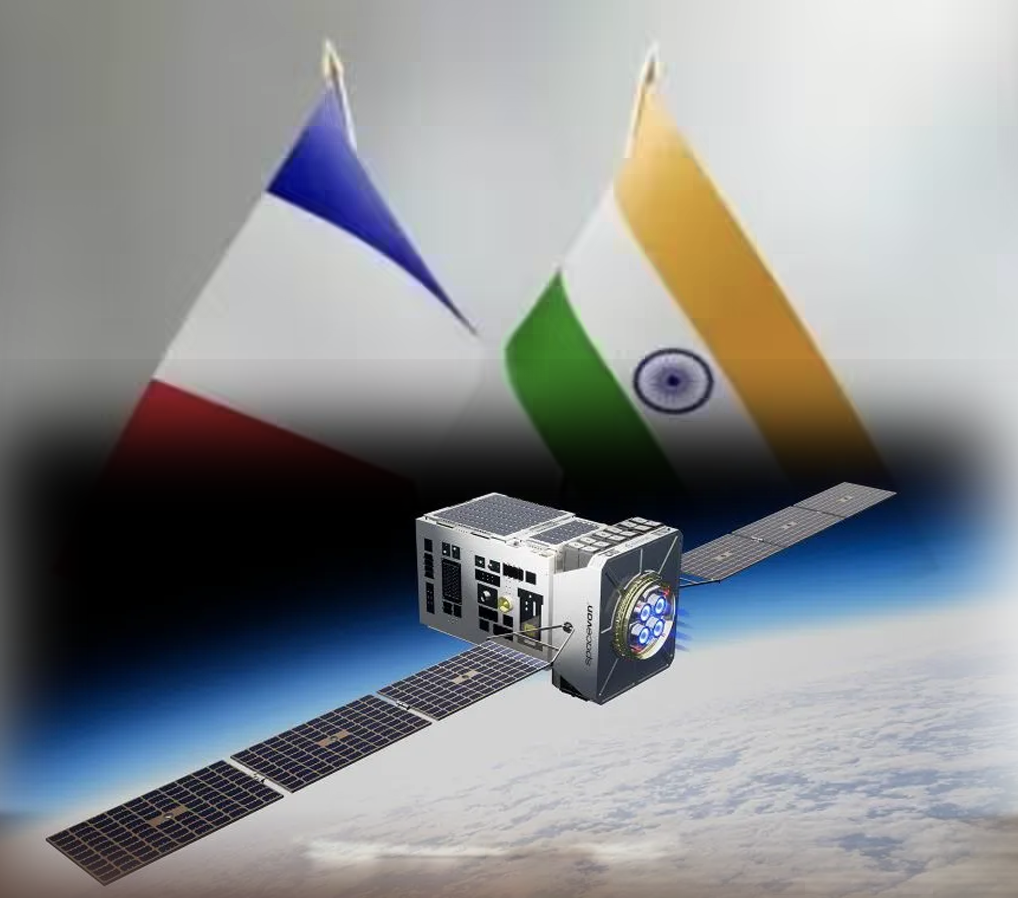
French space logistics firm Exotrail secured three major contracts with leading Indian companies—XDLINX Labs, Pixxel, and Dhruva Space—during the “India‑France Year of Innovation” launch in Mumbai, attended by Presidents Emmanuel Macron and Narendra Modi. The deals will supply dozens of Exotrail’s 150 W Hall‑Effect electric propulsion units, each delivering over 7 mN thrust and proven by more than 600 in‑orbit hours, to support Earth Observation and small‑satellite constellations. By expanding into India’s booming commercial space sector, Exotrail is strengthening the Indo‑French space ecosystem and positioning itself as a key provider of orbital mobility and sustainability solutions. These deliveries are slated for completion through 2027, bolstering the deployment of advanced space infrastructure for Pixxel and its peers.
Global Shift Toward Sovereign Launch Gains Momentum Amid Geopolitical Tensions
Original Publication Date: 2026-02-17 18:06

A new analysis released Feb. 17, 2026 shows U.S. Allies are pivoting to sovereign launch capabilities, spurred by SpaceX’s dominance and geopolitical uncertainty. Australia, Canada, Spain, and Germany are investing billions in domestic rocket startups—Gilmour Space, Maritime Launch Services, PLD Space, and Isar Aerospace—to secure reliable access to orbit. These nations are moving from talk to hardware, with milestones such as Eris’s maiden test, Miura 5’s funding, and Canada’s $10 million investment in Spaceport Nova Scotia. If these sovereign providers hit their launch cadence by 2027, the era of a single launch superpower could end, ushering in a multi‑polar space economy.
New Survey Highlights Shift from Leisure to Professional Mobile Starlink Use
Original Publication Date: 2026-02-17 17:21

TRIO Flatmount’s 2026 Mobile Starlink Survey, released February 17, surveyed about 600 users and shows a sharp pivot from recreational to professional use of mobile satellite
Kepler Communications Names NanoAvionics as Preferred European Bus Provider for Optical Relay Missions
Original Publication Date: 2026-02-17 16:02
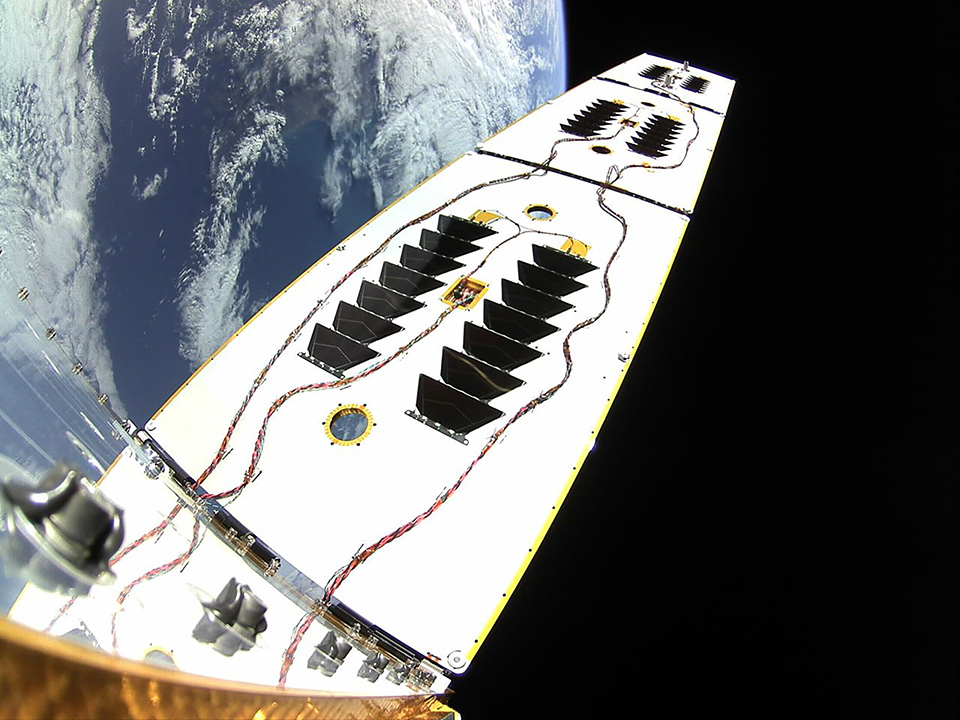
Kepler Communications announced on February 17, 2026 that it has selected Kongsberg
A Second Cyclone Slams Madagascar
Original Publication Date: 2026-02-18 05:01
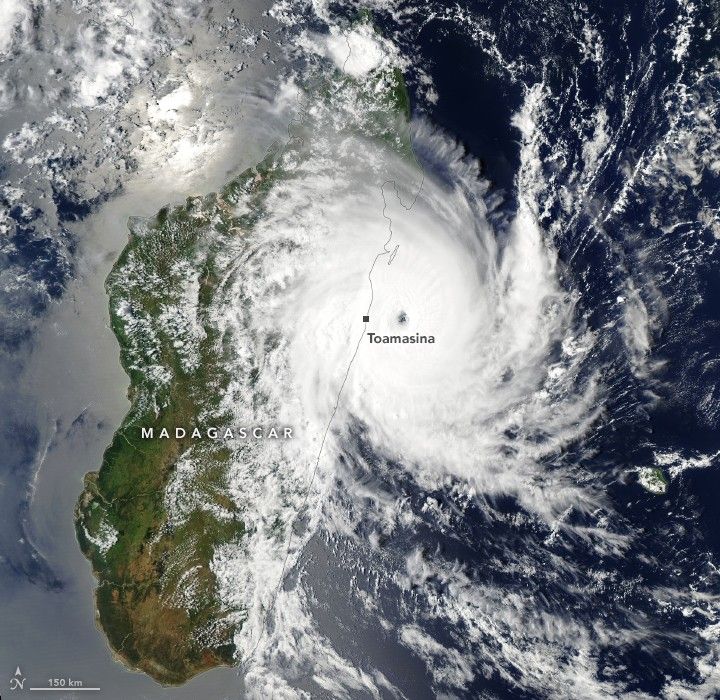
Madagascar was hit again in just two weeks, as the second cyclone of the season, Gezani, slammed the island on February 10 with winds peaking at 200 km/h and Category 3 strength. The storm, which intensified rapidly over warm seas, dumped up to 4 cm of rain per hour over Toamasina, the island’s second‑largest city, causing widespread flooding, power outages, and collapsed roofs. Preliminary damage assessments show dozens of deaths, hundreds of injuries, and more than 27,000 homes destroyed. NASA satellite imagery captured the dramatic before‑and‑after changes, underscoring Madagascar’s vulnerability during its peak cyclone season from January to March.
Curiosity Blog Sols 4804-4811: Kicking Off the Final Phase of Boxwork Exploration
Original Publication Date: 2026-02-18 00:44
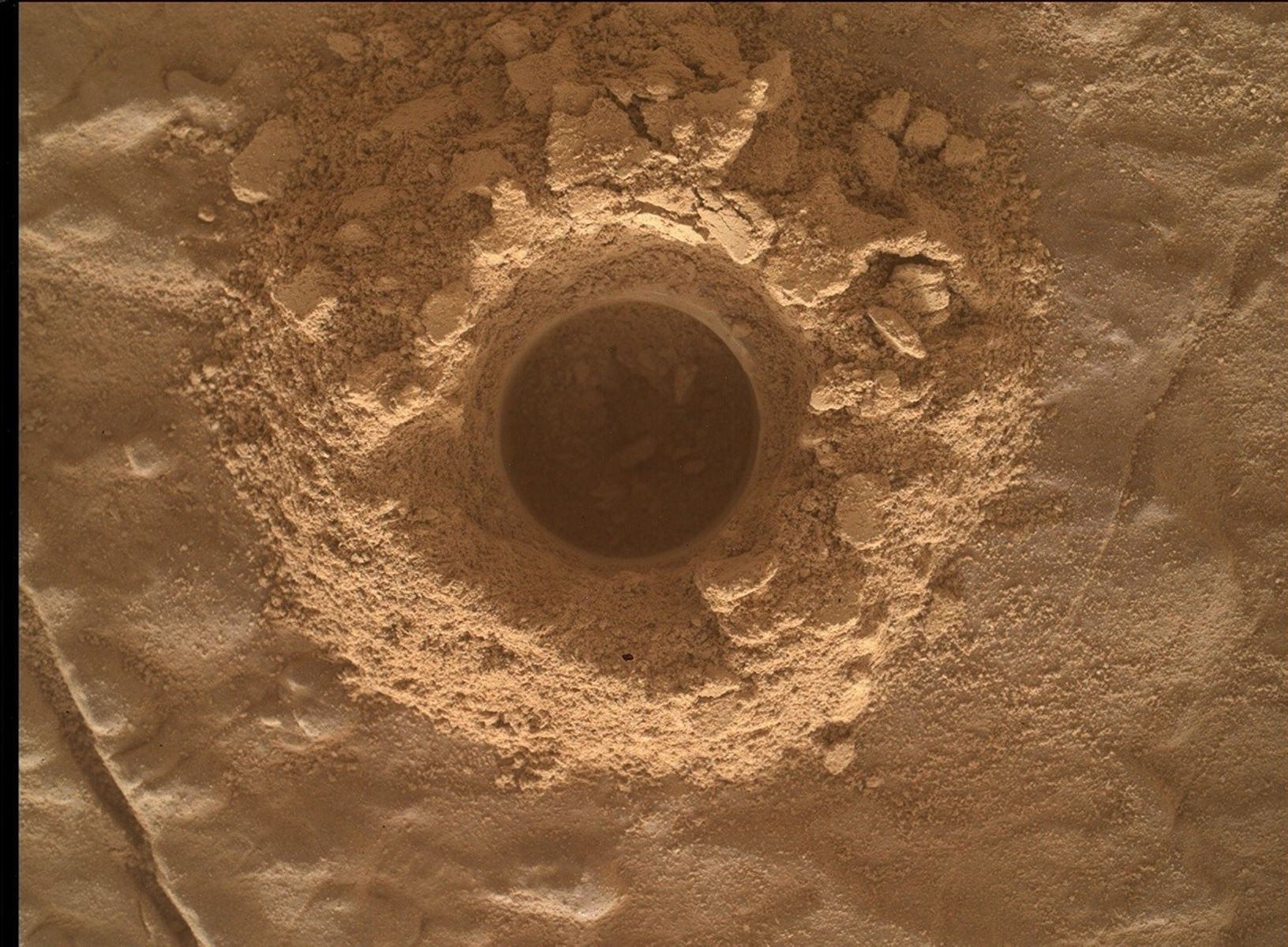
NASA’s Curiosity rover finished the final drilling at Nevado Sajama 2 on Sol 4803 and is now launching Phase 4 of its boxwork exploration campaign at Gale crater. The rover will take last measurements of ridges and hollows, study contacts with neighboring units, and then resume its ascent up Mount Sharp toward the newly named Valle Grande.
Stormy, Snowy Winter for Hokkaido
Original Publication Date: 2026-02-17 17:26

Hokkaido, Japan’s northernmost island, is famed for its heavy snowfall, with cities like Sapporo recording over 140 snow days and an average of six meters of snow each year. NASA’s Terra satellite captured a February 5, 2026 image that highlights the island’s snow‑blanketed landscapes, active volcanoes, and caldera lakes. Despite this wintry beauty, the winter of 2026 was marred by powerful storms that shut airports, clogged roads, and halted train services.
NASA Advances High-Altitude Traffic Management
Original Publication Date: 2026-02-17 16:36
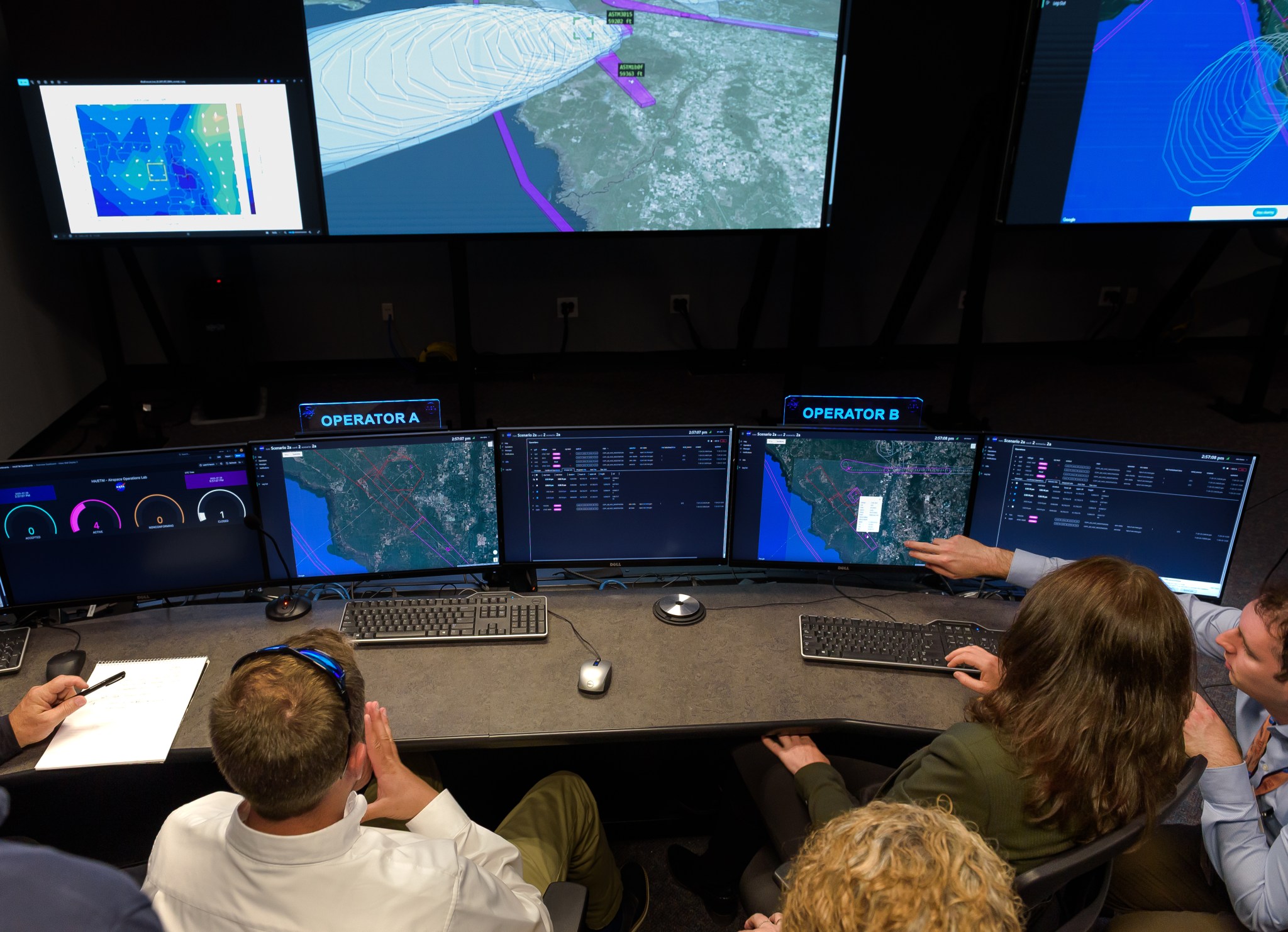
NASA is testing a new high‑altitude air traffic management system with partners Aerostar and Sceye at its Ames Research Center, using real‑time data from a stratospheric balloon and simulated airships to ensure safe operations above 50,000 feet. The simulation focused on “station‑keeping” flights, sharing live flight plans, telemetry, and conflict alerts to help operators coordinate and resolve overlaps in real time. By improving flight‑intent visualization and conflict detection, the team aims to create a scalable, dependable framework that could support internet delivery, disaster monitoring, and other commercial and humanitarian missions. Results will be shared with the FAA to shape future high‑altitude airspace regulations.
Starbase Pad 2 prepares to receive Booster 19 ahead of Block 3 milestones
Original Publication Date: 2026-02-17 23:24

SpaceX has successfully tested the new water‑deluge system on Pad 2’s Orbital Launch Mount, proving it can handle the extreme heat and acoustic forces from the 33 Raptor 3 engines that will power the next‑generation Super Heavy Booster. The upgrade, a major improvement over the earlier system that struggled during Flight 1, will be put to the test when Booster 19 rolls onto the pad for a static‑fire test later this month.
SatVu Raises £30M to Accelerate its Constellation
Original Publication Date: 2026-02-18 05:31
SatVu has raised £30 million to accelerate its HotSat constellation and meet surging demand for high‑resolution thermal imaging. The funding, led by the NATO Innovation Fund, British Business Bank, Space Frontiers and Presto Tech Horizons, joins existing backers such as Lockheed Martin and Molten Ventures, bringing total equity to £60 million. CEO Anthony Baker said the company will launch HotSat‑2 on SpaceX’s Transporter‑16 in early 2026 and HotSat‑3 later that year, using the new capital to secure long‑lead‑time payload components. With demand soaring in defense, economic monitoring and climate sectors, SatVu aims to become cash‑break‑even with just one or two satellites while scaling faster than originally planned.
Demonstrators Are No Longer Optional — They’re How Programs Stay on Track
Original Publication Date: 2026-02-18 05:00
A new wave of early‑testing “demonstrators” is reshaping aerospace and defense programs, moving from paper studies to tangible mock‑ups that catch design flaws before costly rework. The U.S. Department of Defense now mandates rapid prototyping to accelerate delivery while keeping rigorous risk controls, and companies like Teague are leading the charge with human‑centered design that spotlights operator interface issues early. By revealing layout, workflow, and sustainment problems at low cost, these demonstrators slash schedule delays, reduce technical risk, and restore customer confidence. Early validation is no longer optional—it's the key to faster, more reliable program success.
Haridopolos Praises Isaacman As ‘Dynamic Leader’ For NASA
Original Publication Date: 2026-02-17 18:26
Jared Isaacman, now just over 60 days into his role as NASA administrator, has already earned praise from Capitol Hill, with Representative Mike Haridopolos lauding his ability to energize a workforce that had been hit by staff cuts and budget proposals. Haridopolos highlighted Isaacman’s unique blend of private‑sector savvy and public‑service leadership, noting a renewed sense of excitement at NASA as the agency pushes to stay ahead of China. The new chief is also focused on securing the agency’s budget and keeping safety at the forefront of upcoming missions, including the Artemis II lunar launch, which officials say will be delayed only if conditions warrant. Overall, Isaacman’s dynamic approach is seen as a strong boost for America’s position in the current space race.
When Space Businesses Should Accelerate Cash Burn, When to Improve
Original Publication Date: 2026-02-17 17:11
Payload Pro’s latest feature examines the timing of cash burn for space‑sector firms, arguing that rapid spending can unlock growth when market opportunities are high. It cautions that companies should pivot to efficiency when margins tighten, offering practical guidelines for executives to decide when to accelerate spending and when to focus on cost improvement. The piece provides actionable insights for leaders navigating the high‑stakes financial landscape of the space industry.
Revenge of the Bad Businesses: Refining the Space Hardware Investing Thesis During This Year’s Software Rout
Original Publication Date: 2026-02-17 16:50

Investors are flipping their playbook in the AI era, favoring capital‑intensive hardware over asset‑light software. This trend is reshaping sectors worldwide, including space, where robust hardware demand is on the rise. Payload’s latest article calls this the “Revenge of the Bad Businesses,” noting that once‑neglected hardware firms are now gaining traction.
Elon Musk wants to put a satellite catapult on the moon. It's not a new idea
Original Publication Date: 2026-02-18 11:00
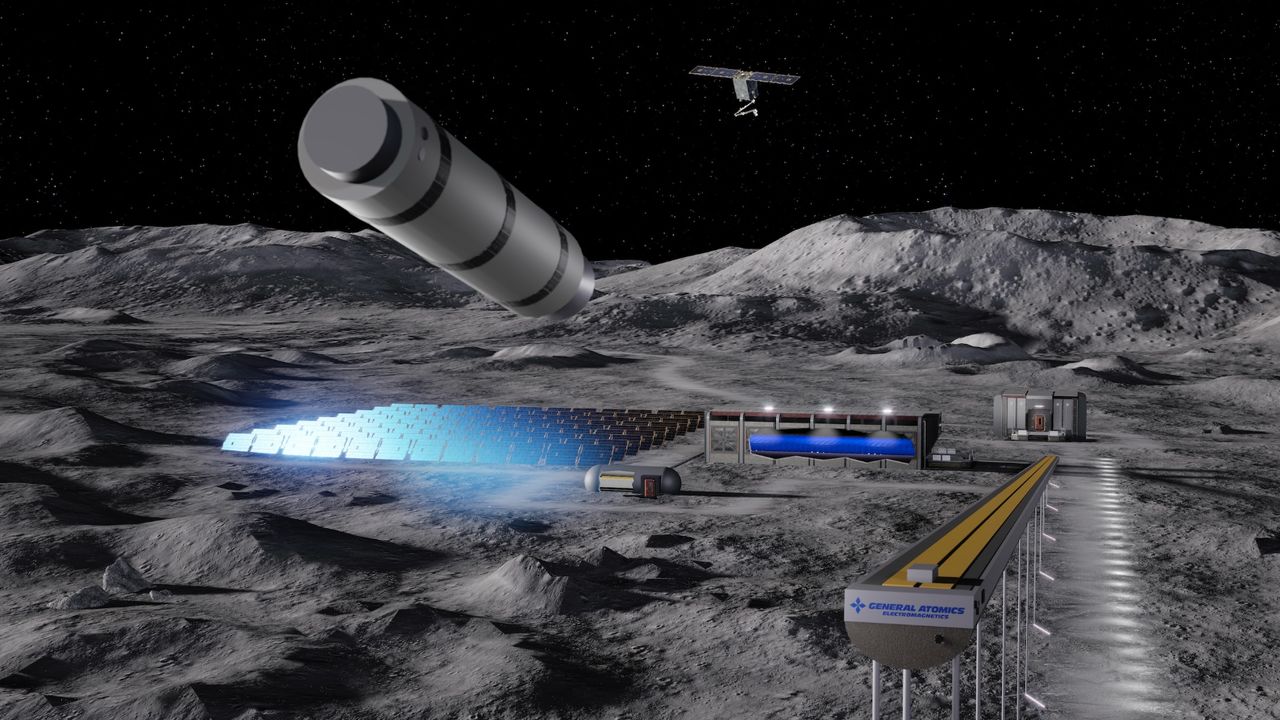
Elon Musk announced plans to build a lunar factory that would use a mass driver to launch AI satellites into space. He estimates that within two to three years the cheapest way to generate AI compute will be on the Moon, with Starship able to deliver massive cargo to the lunar surface.
Did a titanic moon crash create Saturn's iconic rings?
Original Publication Date: 2026-02-17 22:00
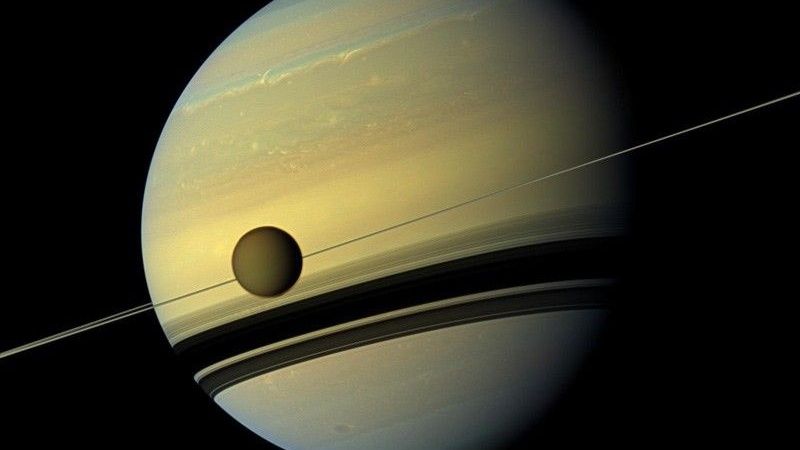
Scientists now believe that a dramatic collision between two of Saturn’s moons created Titan and set off a chain reaction that reshaped the planet’s interior, tilted its axis, and generated its spectacular rings. Cassini data showed Saturn’s mass is more centrally concentrated than previously thought, pulling the planet out of a resonance with Neptune and altering its wobble. The impact also produced debris that helped form the moon Hyperion and left enough material in orbit to build the rings we see today. This new theory links Titan’s birth, Saturn’s tilt, and the rings in a single, cosmic event.
NASA will fuel up its Artemis 2 moon rocket for the 2nd time on Feb. 19. Will it leak again?
Original Publication Date: 2026-02-17 17:08
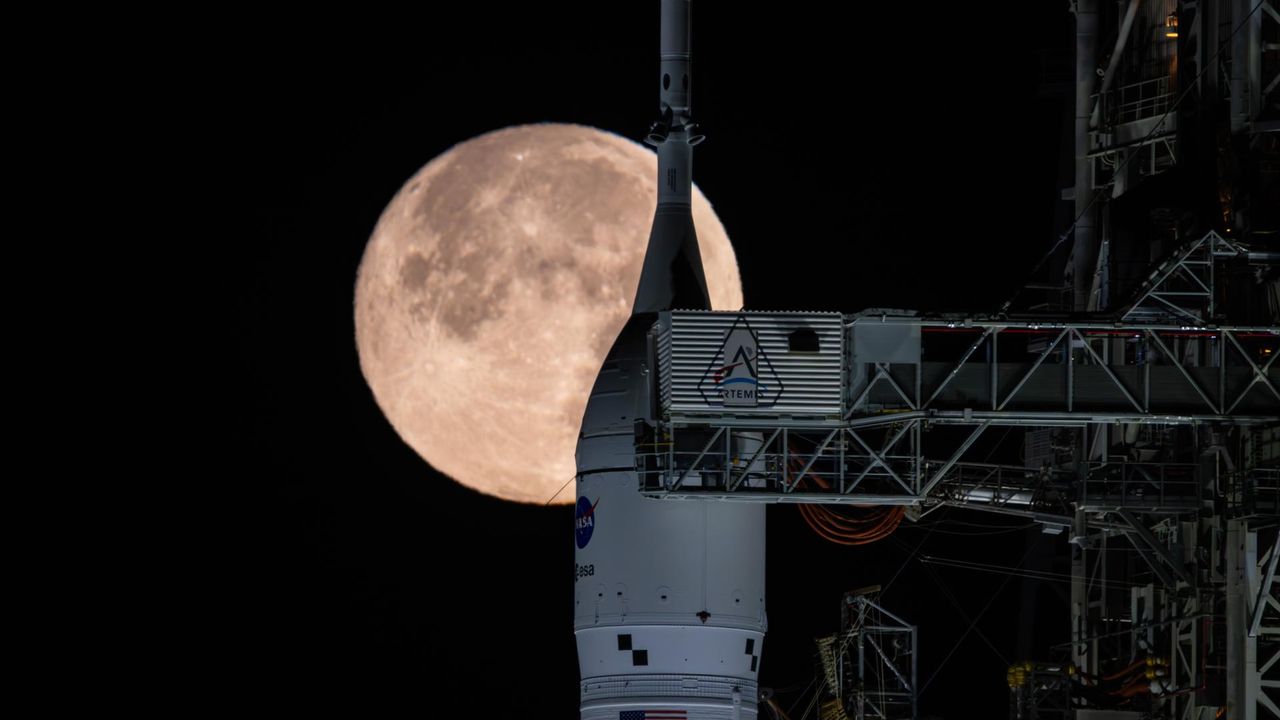
NASA is set to fuel the Artemis 2 lunar rocket for a second time on Feb. 19, loading over 700,000 gallons of liquid hydrogen and oxygen after a prior leak at the tail service mast. The two‑day wet‑dress rehearsal will test the full countdown sequence and address past leaks, with crews replacing seals and fixing ground‑support filters. If all goes smoothly, Artemis 2 could lift off from Kennedy Space Center as early as March 6, carrying four astronauts on a 10‑day circumnavigation of the Moon and paving the way for future crewed landings.
Chinese astronauts filmmusic video in space to celebrate Lunar New Year 2026
Original Publication Date: 2026-02-17 15:39
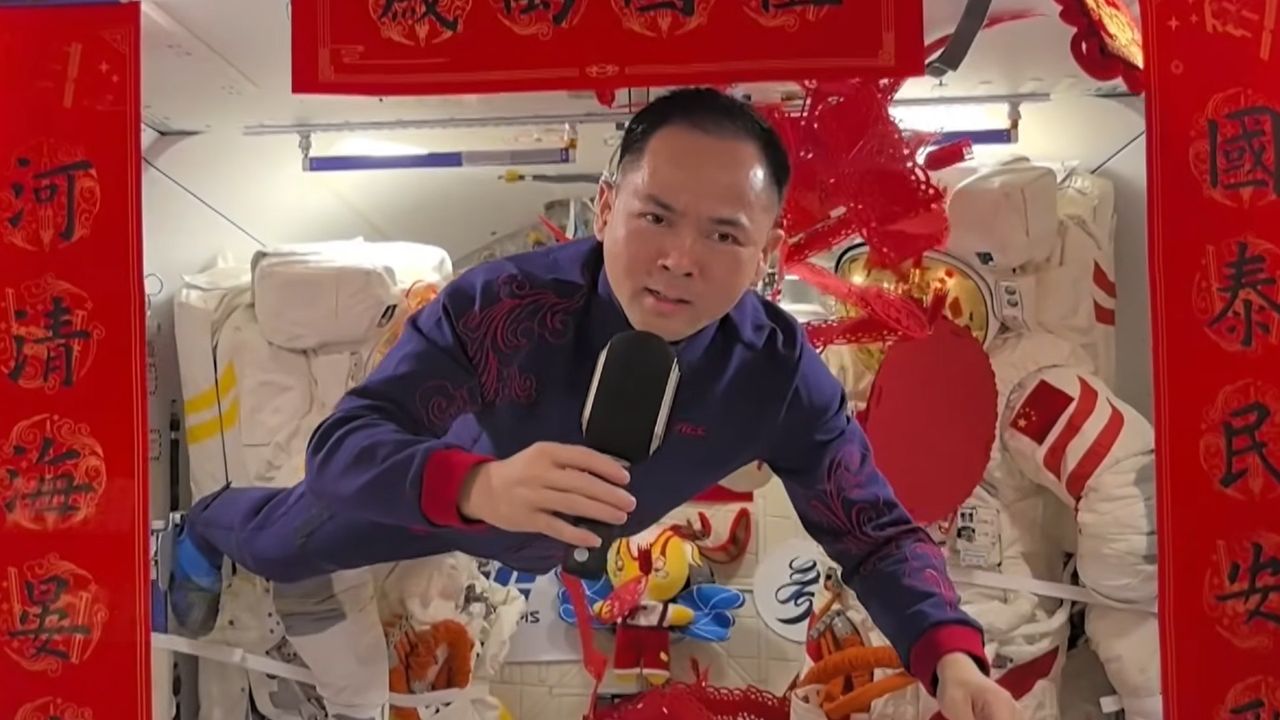
This week, China’s Shenzhou 21 crew rang in the Lunar New Year aboard the Tiangong Space Station with a zero‑gravity music video that showcased recent rocket launches, docking maneuvers and spacewalks, all set to the refrain “let the five‑star red flag fly high in space.” Commander Zhang Lu led the performance while the astronauts also displayed traditional calligraphy of the character 福, meaning good fortune.
Lasers beam 'artificial stars' above Chile | Space photo of the day for Feb. 17, 2026
Original Publication Date: 2026-02-17 15:00
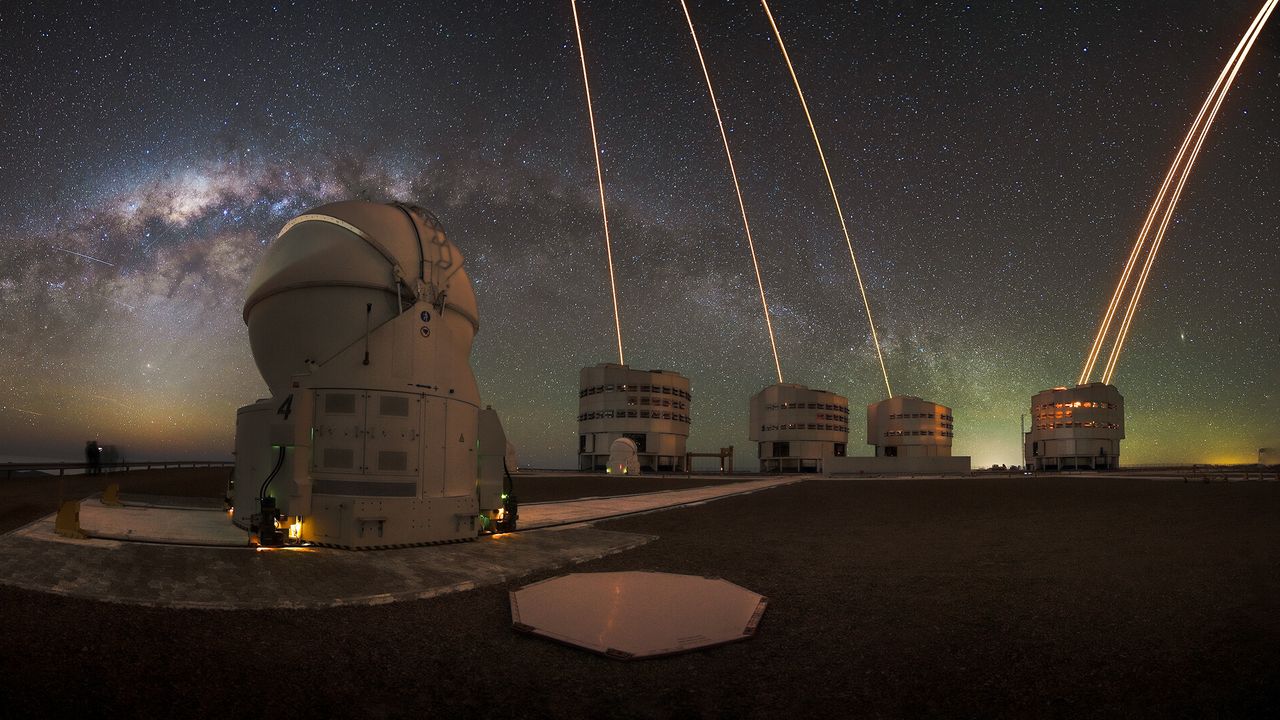
ESO unveiled a stunning image of the Milky Way arching over Chile’s Paranal Observatory, where four 8.2‑meter Unit Telescopes work together as the Very Large Telescope. Each telescope now fires powerful lasers that travel 90 km into the upper atmosphere, exciting sodium atoms to form artificial guide stars. These glowing points allow the observatory’s adaptive‑optics systems to cancel atmospheric distortion in real time, sharpening views of distant exoplanets and deep‑space objects.
There's a lot of big talk about sovereign launch—who is doing something about it?
Original Publication Date: 2026-02-17 16:47
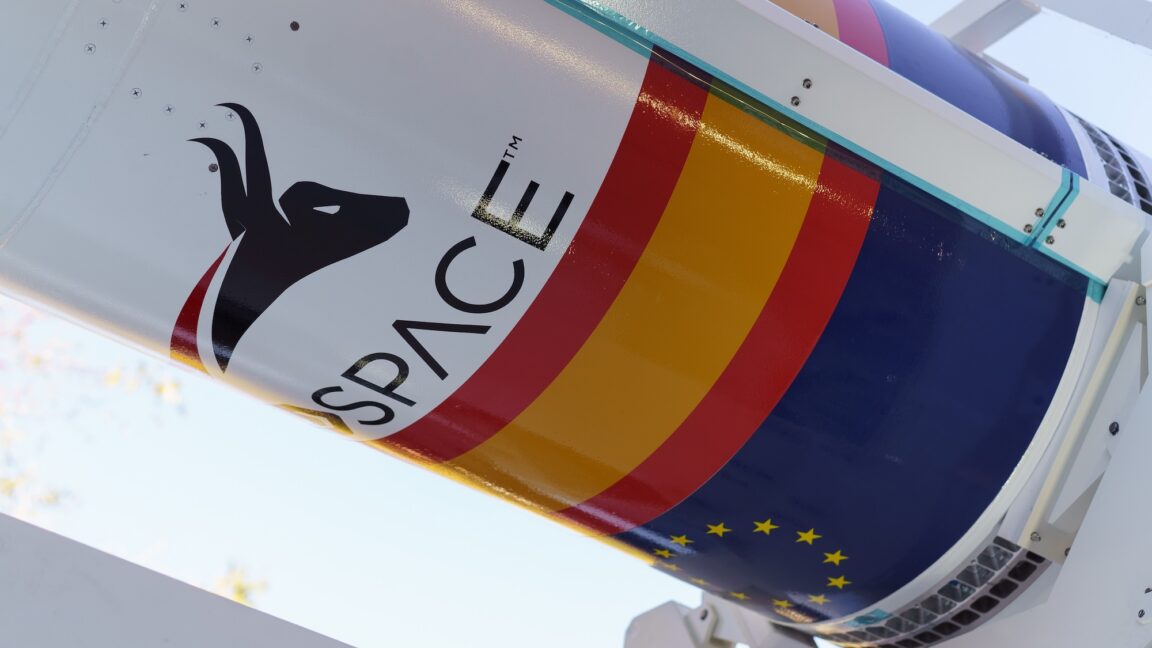
While U.S. And Chinese launch capabilities remain unrivaled, several Western allies are now investing heavily to build their own space launch industries. Nations such as Australia, Canada, Germany and Spain are channeling government funds into commercial startups to achieve independent satellite deployment. Some allies speak the rhetoric but have yet to put money on the table, reflecting a broader shift toward greater defense autonomy amid friction with the Trump administration. The move underscores a growing trend of national security spending, with European leaders even considering independent nuclear deterrents outside the U.S. Umbrella.