 Spotify
 Apple Podcasts
 Podcast Addict
 Overcast
 Podcast RSS
Firefly increases vehicle production even as launches lag
Original Publication Date: 2026-08-12 02:06
Firefly Aerospace reports booming demand for its Alpha and upcoming Eclipse launch vehicles, prompting a surge in production that has reached an all‑time high. Despite the manufacturing uptick, Alpha has flown only seven times since 2021, with the next Flight 8 postponed to the fourth quarter and only one additional launch planned for the rest of the year.
U.S. expands missile production as Army seeks more depth in its arsenal
Original Publication Date: 2026-08-12 01:34
The Pentagon is urging defense contractors to boost production of missile interceptors after recent conflicts revealed that the U.S. Can deplete its most capable air‑and‑missile‑defense stockpiles faster than industry can replace them. Lt. Gen. John Rafferty said the future will blend high‑end systems like PAC‑3 MSE and THAAD with lower‑cost interceptors, guns, electronic warfare and eventually directed‑energy weapons. Lockheed Martin, Northrop Grumman and L3Harris have signed multibillion‑dollar agreements to increase output of PAC‑3 and THAAD components and solid rocket motors, while the department invested $1 billion to expand motor capacity. Budget constraints and supply‑chain bottlenecks remain, but the new contracts aim to give suppliers long‑term visibility and keep the missile‑defense industrial base ready for future threats.
Golden Dome faces 2027 funding cliff
Original Publication Date: 2026-08-11 22:01
General Michael Guetlein warned that the Pentagon’s Golden Dome homeland missile‑defense initiative faces a fiscal‑year‑2027 funding gap unless Congress finds a new financing route, as the program’s $17.5 billion request is largely tied to a contentious reconciliation package. He noted that only $400 million is in the base defense budget, while the bulk of the money sits in a $350 billion reconciliation request that has met resistance on Capitol Hill. Despite the uncertainty, Golden Dome has already secured $22.5 billion—95 % of which is committed—to build radars, launchers, space‑based interceptors and a command‑and‑control network, and construction of its first operational site is underway. Guetlein remains optimistic that lawmakers will resolve the funding issue, urging the public to urge their representatives to act swiftly to keep the program on schedule.
Golden Dome money starting to reach contractors, but long-term funding still unclear
Original Publication Date: 2026-08-11 18:00
Pentagon’s new Golden Dome missile‑defense initiative, a layered homeland defense architecture that links sensors, interceptors and command systems across land, sea, air and space, is already seeing money flow into satellite sensors, ground‑based interceptors and directed‑energy tests, but its long‑term funding remains uncertain.
Firefly Aerospace pushes debut of Alpha Block 2 rocket to the fourth quarter of 2026
Original Publication Date: 2026-08-11 23:41
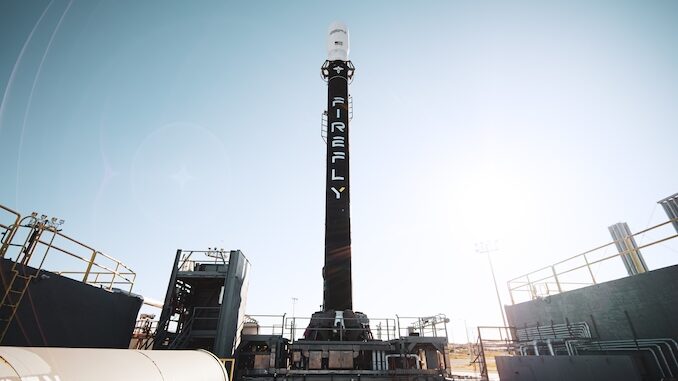
Firefly Aerospace has pushed its next Alpha rocket launch, FLTA008, back at least two months, with the Block 2 version now slated for a fourth‑quarter 2026 launch after a series of acceptance tests and payload integration at Vandenberg. CEO Jason Kim said the company is ramping production, with Flight 10 and 11 already in the pipeline, and that most of its 2027 launch manifest has already been sold.
SpaceX launches 24 Starlink satellites on Falcon 9 rocket from Vandenberg SFB
Original Publication Date: 2026-08-11 20:05
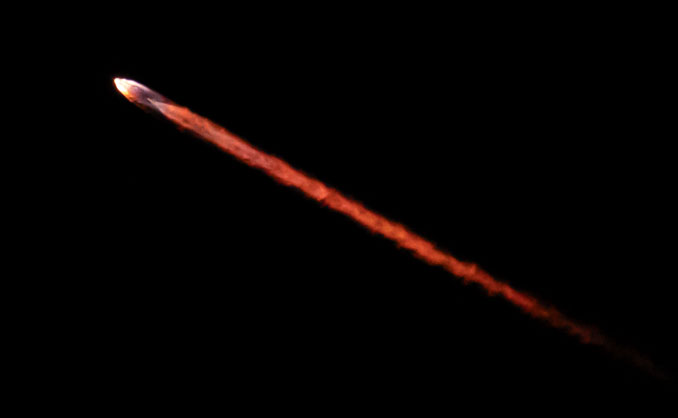
SpaceX’s Falcon 9 booster B1103 roared to life from Vandenberg on Tuesday night, launching its 51st West Coast flight of the year and deploying a fleet of Starlink satellites into low Earth orbit. The rocket followed a south‑southwesterly trajectory, lifting off at 9:46 p.m. PDT and reaching orbit in just over eight minutes. After the payload deployment, B1103 performed a flawless vertical landing on the droneship Of Course I Still Love You in the Pacific, marking the 163rd touchdown on that vessel and the 648th Falcon 9 first‑stage landing ever. The successful mission continues SpaceX’s rapid expansion of its satellite constellation.
Optus Completes First Phase of Project Aurora Following On-Orbit Servicing Undocking
Original Publication Date: 2026-08-11 23:25
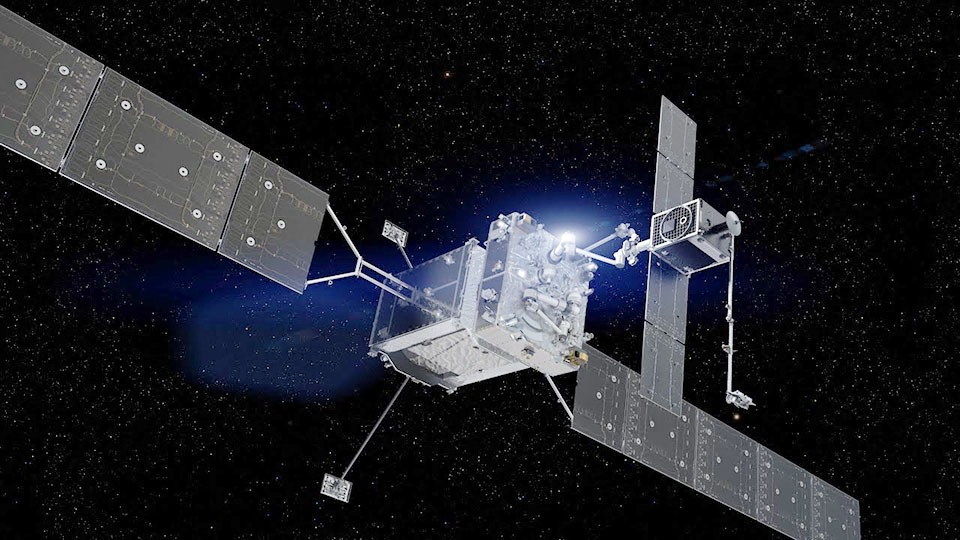
Optus marked a milestone on August 12, 2026, completing the first phase of Project Aurora after SpaceLogistics’ Mission Extension Vehicle successfully undocked from the Optus D3 geostationary satellite. The maneuver extended the satellite’s operational life and demonstrated the company’s commitment to sustaining its communications network. Optus announced that this achievement paves the way for additional MEV deployments across its fleet, aiming to boost resilience and service continuity. The company plans to roll out further modules to extend the lifespan of its geostationary assets.
Arianespace Pauses ICARUS Carbon-Composite Upper Stage Upgrade to Focus on Ariane 6 Production Ramp
Original Publication Date: 2026-08-11 18:07
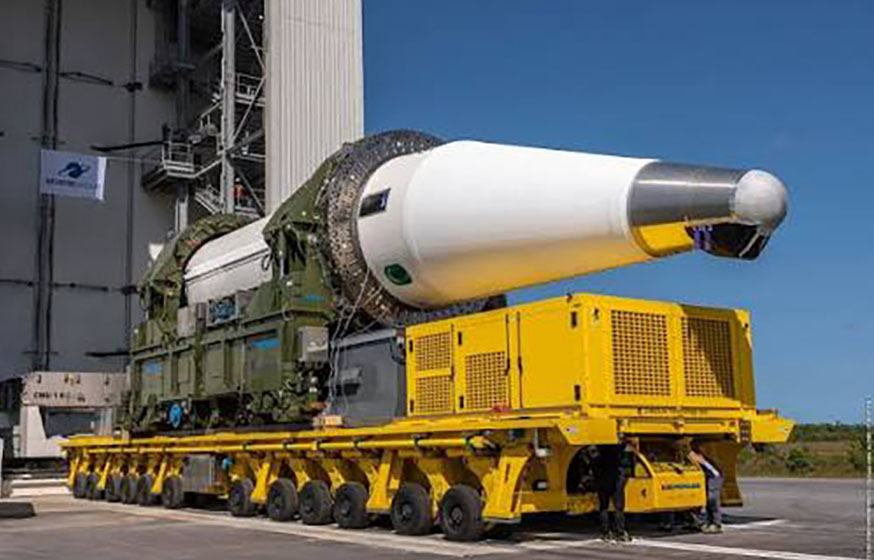
Arianespace and the European Space Agency have halted development of the ICARUS carbon‑composite upper stage, according to internal sector reports released on August 11, 2026. The pause follows concerns over escalating costs, technical challenges and schedule pressures that threaten the project's viability. With ICARUS off the table, Europe will need to rethink its strategy for future heavy‑lift launch vehicles.
DamoTech Joins Space ISAC to Expand Space-Based Cyber Threat Intelligence and Resilience
Original Publication Date: 2026-08-11 17:12

Italian cybersecurity firm DamoTech joined the Space Information Sharing and Analysis Center (Space ISAC) on August 11, 2026, expanding the global network that monitors and defends against threats to space assets. The move brings European space‑domain expertise into the ISAC’s collaborative threat‑sharing community, strengthening early‑warning capabilities for satellites and related infrastructure. DamoTech’s participation underscores the growing importance of cross‑border cooperation in protecting critical space technology. This addition marks a significant step forward in the collective effort to safeguard the space domain.
Marlink to Acquire GRC to Expand Sovereign European Defense and Critical Infrastructure Capabilities
Original Publication Date: 2026-08-11 14:16
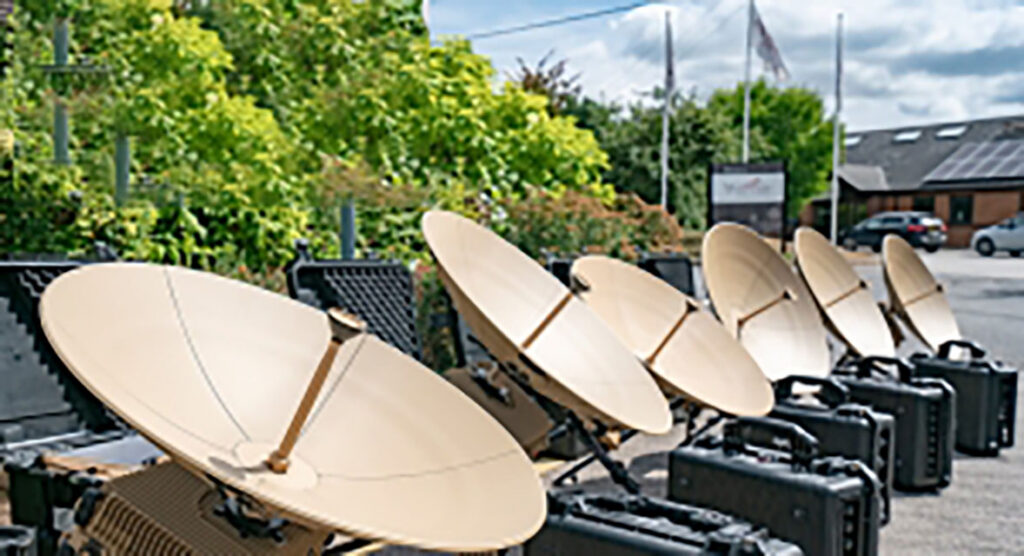
On August 11, 2026, Marlink, a leading global managed network solutions provider, entered into a definitive agreement to acquire 100 percent of Global RadioData Communications Ltd (GRC), a UK‑based specialist in defense and maritime communications. The deal is expected to broaden Marlink’s portfolio in secure, high‑speed connectivity for defense clients worldwide. GRC’s expertise in advanced radio data systems will enhance Marlink’s capabilities in mission‑critical networks. The transaction is slated to close in the coming months, pending regulatory approvals.
Stops Along the Path of Totality
Original Publication Date: 2026-08-12 04:01
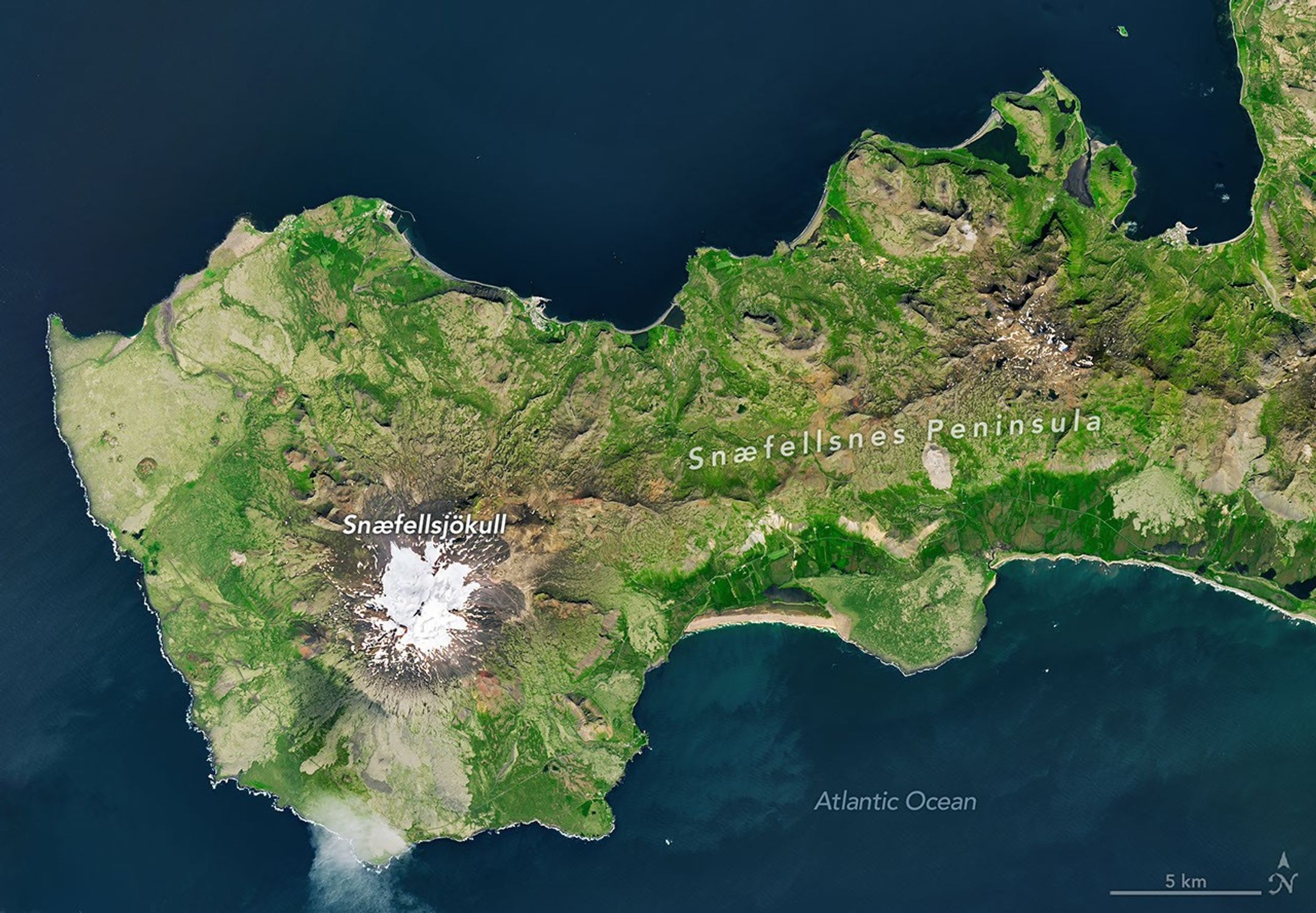
On August 12, 2026, the Moon will cast a narrow path of totality over the Arctic, Greenland, Iceland, and Spain, a rare celestial event that only a handful of places can witness.
What Is the Nancy Grace Roman Space Telescope? (Grades 5-8)
Original Publication Date: 2026-08-11 21:04

NASA’s Nancy Grace Roman Space Telescope, named after the agency’s first chief astronomer, is set to launch on Aug. 30, 2026 aboard a SpaceX Falcon Heavy from Kennedy Space Center. It will orbit the Sun‑Earth L2 point, 930,000 miles from Earth, where its 7.9‑foot primary mirror feeds a 300‑megapixel infrared camera and an advanced coronagraph. The mission will tackle three big mysteries—dark energy, dark matter, and exoplanets—by peering back billions of years and hunting planets even a billion times fainter than their stars.
NASA Completes Astronaut-Deployed Science Instrument for Lunar Surface
Original Publication Date: 2026-08-11 19:41

NASA’s Goddard Space Flight Center has finished building the Lunar Environment Monitoring Station, a suitcase‑sized, 11‑pound seismometer suite that will sit near the Moon’s south pole and listen for moonquakes and meteorite impacts. The payload, featuring two ultra‑sensitive sensors, is fully autonomous—powered by a lightweight solar array and designed to survive the Moon’s extreme temperature swings without radioisotope heaters. Engineers have already tested LEMS through launch‑grade vibrations, radiation, and vacuum conditions, proving it can be handled by Artemis astronauts and operate through the two‑week lunar night. With its modular design, LEMS will serve as a reusable scientific buoy, paving the way for future lunar exploration and safer surface operations.
Starbase Production lining up future vehicles
Original Publication Date: 2026-08-11 10:12

SpaceX’s Starbase is accelerating its Starship production line, with Ship 42 already stacked and primed for a cryogenic test while Booster 22 has finished its methane tank installation. The company has upgraded its thermal protection, with Block 3 ships now featuring largely complete tiling—an improvement over earlier Block 2 models that often left gaps. Automation is ramping up in the nosecone tile station, and the new Gigabay is being built to house more turntables and cranes, enabling simultaneous stacking, welding, and testing to raise flight cadence.
Bill Spotlight: Space Superiority Readiness Act
Original Publication Date: 2026-08-11 17:30

Bipartisan senators Catherine Cortez Masto and Katie Britt have introduced the Space Superiority Readiness Act to bolster U.S. Military preparedness for potential space conflict with China. The bill would expand the Space Force’s wargaming, modeling and simulation capabilities, develop new training focused on space‑control tactics, and require the Pentagon to report on China’s commercial space industry. It was filed both as a standalone measure and as an amendment to the FY27 National Defense Authorization Act, and while the Senate Armed Services Committee has approved it, the full Senate has yet to consider it. The legislation reflects growing concern that China’s expanding space activities could threaten U.S. Strategic dominance.
Rocket Lab Unveils GHOST on a Record Quarter
Original Publication Date: 2026-08-11 12:40
Rocket Lab unveiled GHOST, a deployable launch system that can set up a full launch site in standard shipping containers worldwide and is compatible with its Electron and HASTE rockets, with an operational debut expected in 2027. The company also posted a record Q2 revenue of $234 million, a 62% year‑over‑year increase, and a backlog of $2.36 billion, fueled by new contracts for orbital and suborbital missions. In the same quarter, Rocket Lab closed acquisitions of Mynaric and Motiv while moving toward finalizing its Iridium purchase, bolstering its launch‑to‑applications strategy.
Astrolight, ATMOS Partner on Laser Comms Reentry Demo
Original Publication Date: 2026-08-11 12:35
ATMOS Space Cargo has teamed up with Lithuanian optical‑communications firm Astrolight to equip its PHOENIX 2 reentry vehicle with a laser‑comms terminal for a 2027 demonstration. The ATLAS‑X terminal will deliver continuous 2.5‑Gbps data links as the capsule barrels through the atmosphere, giving operators instant insight into vehicle health, trajectory, and payload performance.
SpaceX could make $500 billion in 2028, Elon Musk says
Original Publication Date: 2026-08-11 23:42
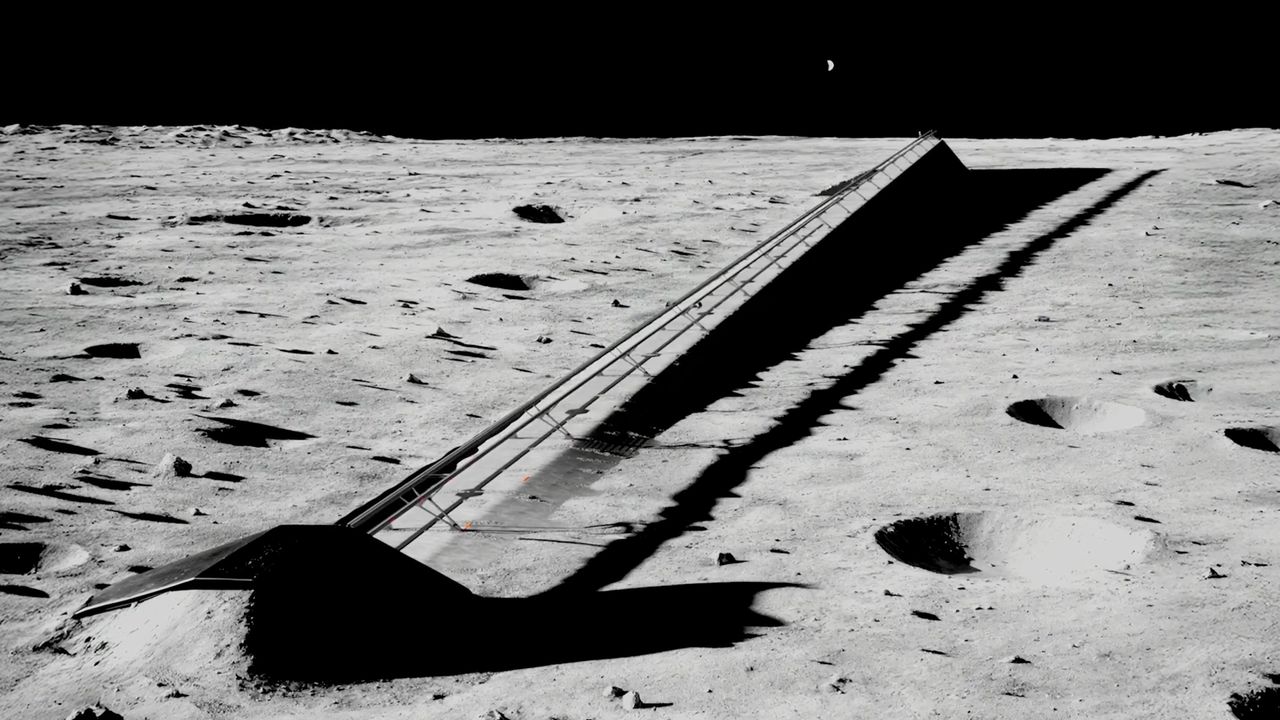
SpaceX is pivoting from rocket launches to artificial intelligence, with CEO Elon Musk projecting the AI arm could generate up to $500 billion in revenue by 2028. Musk says AI will soon outpace all other SpaceX revenue streams, and the company plans to deliver 10 gigawatts of AI compute—roughly 7‑fold the current 1.4 GW—by the end of next year.
Scientists create largest 2D map of the universe with 5.6 trillion pixels and nearly 4 billion cosmic objects
Original Publication Date: 2026-08-11 21:00
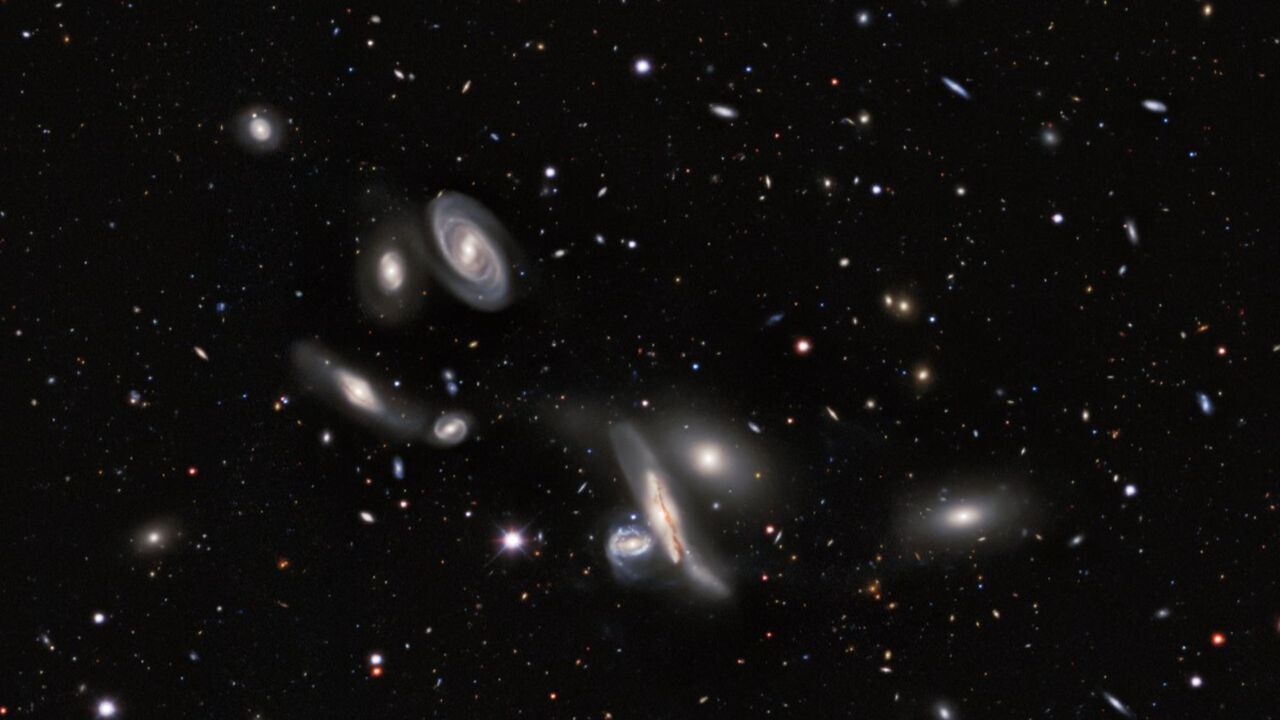
Astronomers have released the largest two‑dimensional map of the universe ever made, featuring 5.6 trillion pixels and nearly four billion celestial objects across three‑quarters of the sky.
Scientists find 2 million active black holes, exploding stars and more, nearly doubling our view of the high-energy universe
Original Publication Date: 2026-08-11 20:00
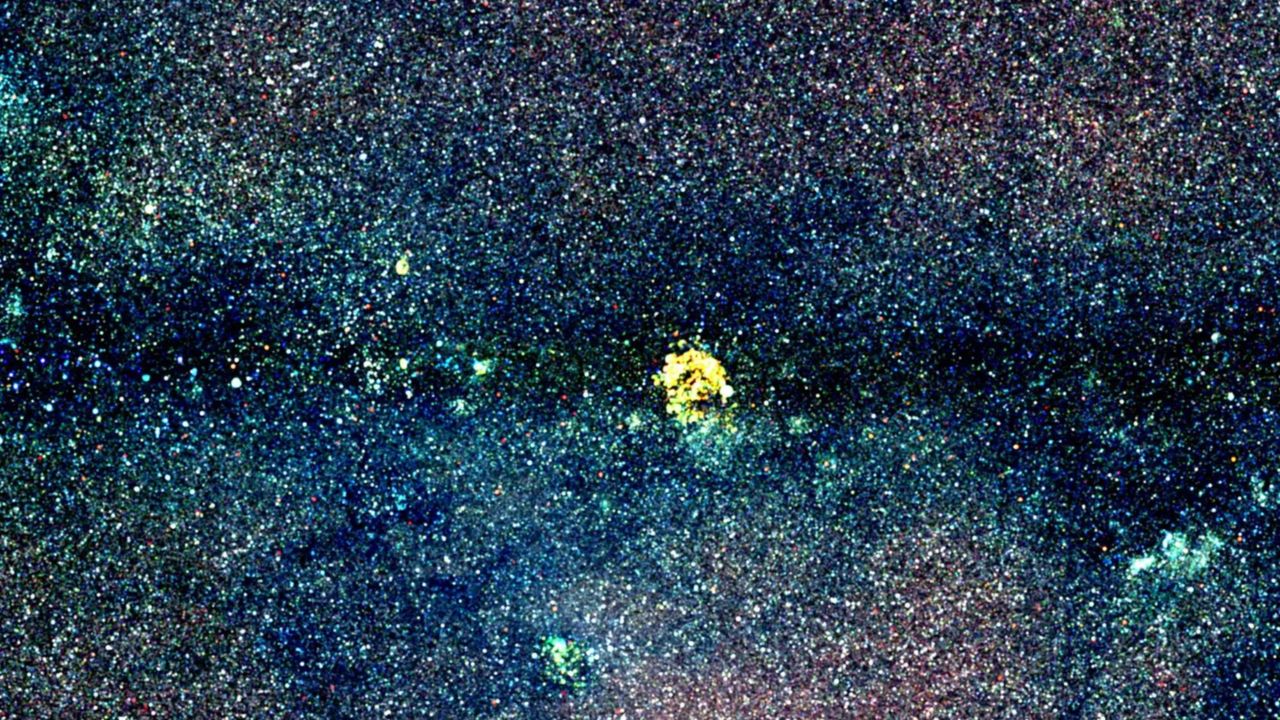
Astronomers have nearly doubled the known cosmic X‑ray sources with eROSITA’s second public data release, cataloguing almost 2 million objects. The survey, covering the entire sky over 556 days, includes more than 1.9 million point‑like sources—mostly active supermassive black holes—and about 64 000 extended objects such as galaxy clusters and supernova remnants. With optical and infrared counterparts identified for many entries, about 88 % are distant galaxies hosting feeding black holes, giving scientists a powerful new dataset to trace black‑hole growth, galaxy evolution and the universe’s largest structures. The next eROSITA release, DR3, is slated for 2028, promising even deeper insights into the high‑energy cosmos.
1-billion-year-old Mars meteorite found in Algeria is like nothing we've seen from the Red Planet
Original Publication Date: 2026-08-11 18:00

A 1.27‑billion‑year‑old Martian meteorite, dubbed Northwest Africa 13441, was recently confirmed to have fallen in Algeria, filling a long‑missing gap in the planet’s geological record between 600 million and 2.4 billion years ago. The rock is a rare shergottite that also contains neodymium isotopes typically found in chondrites, suggesting it originated from a previously unsampled reservoir deep within Mars. Scientists say its unique composition offers new clues about early Martian magmatism and the conditions of the early solar system. The find may help scientists reconstruct the Red Planet’s volcanic history and its early formation processes.
SpaceX launches 29 Starlink satellites to orbit from Florida (video, photos)
Original Publication Date: 2026-08-11 16:21
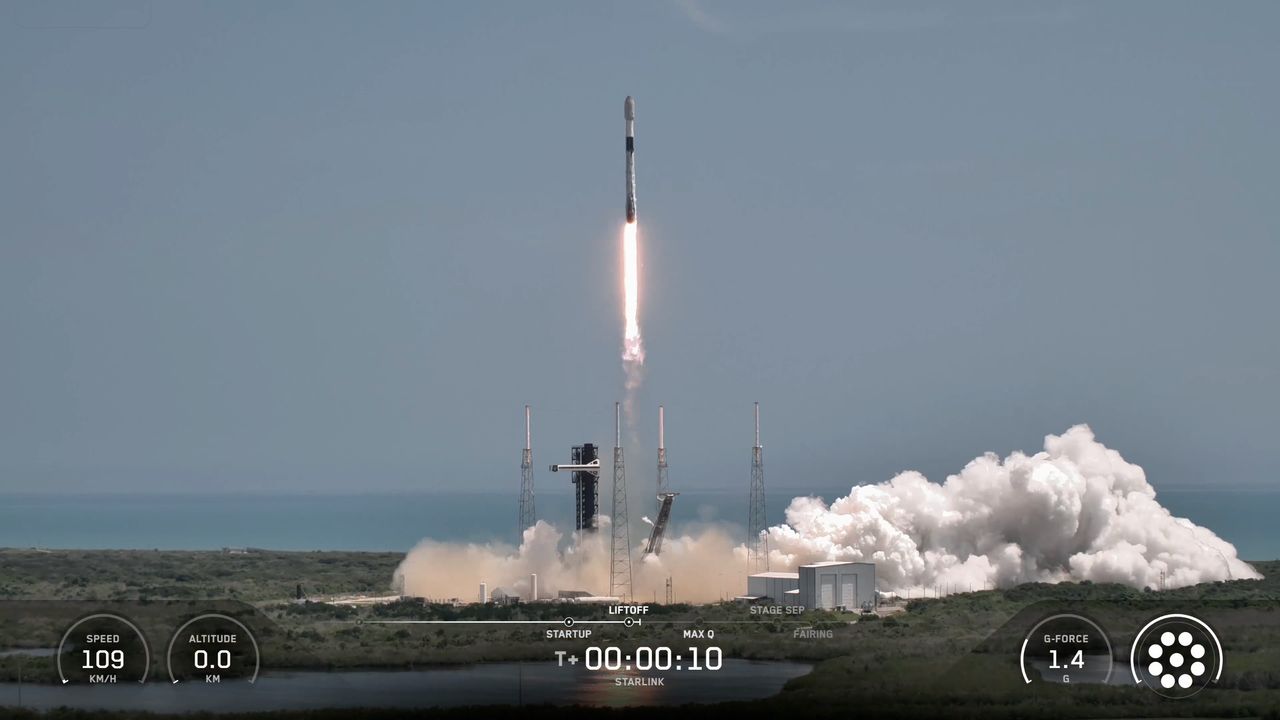
SpaceX launched 29 Starlink satellites from Cape Canaveral on Aug. 11, 2026, using Falcon 9 booster B1085, which landed on the droneship “A Shortfall of Gravitas” 8½ minutes after liftoff. The flight marks the company’s 93rd Falcon 9 launch of the year and its 70th Starlink mission this year, adding to a constellation that now exceeds 10,900 active satellites. B1085 has previously carried crewed missions, including Crew‑9 to the ISS and the Fram2 polar mission. SpaceX plans to grow the fleet to 100,000 V3 satellites and eventually a million AI‑data‑center satellites.