 Spotify
 Apple Podcasts
 Podcast Addict
 Overcast
 Podcast RSS
Commerce Department budget proposal would halt work on TraCSS
Original Publication Date: 2026-04-22 09:02
The Commerce Department is proposing to pause its space traffic coordination system, TraCSS, while it redesigns its operating and financial model, potentially adding user fees. The April 21 budget justification earmarks about $11 million for the Office of Space Commerce—roughly the same as the 2026 request—yet signals a likely cancellation of TraCSS, which consumed most of the office’s $65 million 2024 budget. A modest investment will preserve the beta system, explore fee options, and cut 16 positions, while the office continues licensing, mission‑authorization work, and industry advocacy. Commerce Secretary Howard Lutnick will testify before Congress on April 22‑23 as the proposal seeks to reshape how space traffic data is funded and accessed.
China backs orbital data center startup with $8.4 billion in credit lines
Original Publication Date: 2026-04-22 08:10
Beijing-based Orbital Chenguang secured early‑stage equity funding and a staggering 57.7 billion yuan credit line from 12 major banks as part of China’s push for space‑based data centers. The company, incubated by the Beijing Astro‑future Institute, plans a dawn‑dusk constellation at 700‑800 km altitude, aiming to host over 1 GW of computing power by 2035. While its experimental satellite Chenguang‑1 has yet to launch, the project aligns with national plans for gigawatt‑scale orbital cloud infrastructure and mirrors efforts by other Chinese firms like ADA Space and Zhejiang Lab.
Northrop Grumman takes $71 million charge on Vulcan booster issue
Original Publication Date: 2026-04-22 02:19
Northrop Grumman announced a $71 million charge in its first‑quarter earnings for corrective work on a GEM 63XL solid‑fuel booster that suffered a launch anomaly during a February 2026 flight. The booster shed debris about 65 seconds after liftoff, but the ULA‑launched USSF‑87 mission still placed its payload into geosynchronous orbit. ULA has labeled the incident a “significant performance anomaly” and the Space Force is investigating the root cause, with no set date for returning the Vulcan Centaur to flight. The service is also considering a future configuration that foregoes the GEM 63XL boosters for lower‑thrust missions.
Trump taps Raytheon executive for top military space acquisition post
Original Publication Date: 2026-04-21 22:41
President Donald Trump nominated Raytheon executive Erich Hernandez‑Baquero to be the assistant secretary of the Air Force for space acquisition and integration, a role that oversees how the U.S. Military buys and fields space systems. If confirmed, he would become only the second person to hold the job, which was created to centralize oversight of military space procurement as the Pentagon ramps up satellite and infrastructure investments. Hernandez‑Baquero, a retired Air Force colonel and current VP for space ISR at Raytheon, brings experience from the National Reconnaissance Office and the Air Force’s advanced space programs. The nomination arrives as the Pentagon prepares for a surge in space spending and seeks to ensure acquisition structures translate funding into operational capability.
SpaceX launches final GPS III satellite for the U.S. Space Force
Original Publication Date: 2026-04-21 00:11
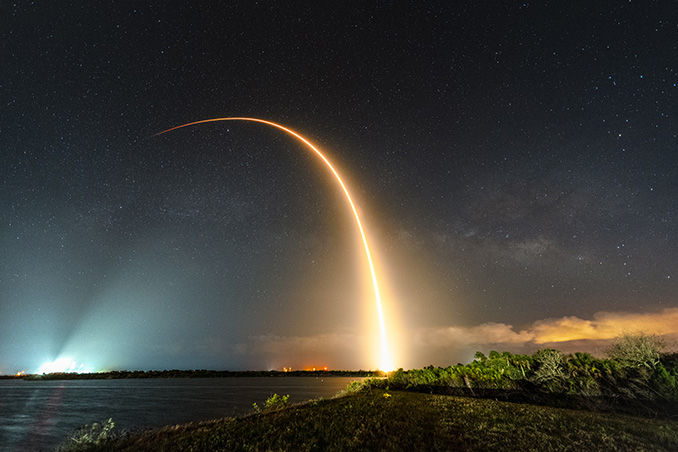
The U.S. Space Force has launched its final GPS‑III satellite, Space Vehicle 10 “Hedy Lamar,” aboard a SpaceX Falcon 9 from Cape Canaveral at 2:53 a.m. EDT, after a one‑day delay caused by weather. The satellite, now joining a fleet of 38 GPS spacecraft, carries a new digital atomic clock and an optical cross‑link laser‑communications demo to test next‑generation technology. The launch, which also recovered the booster on a drone ship, underscores the flexibility of the National Security Space Launch program and the partnership between SpaceX and ULA. This milestone not only strengthens today’s GPS constellation but also paves the way for the more resilient GPS IIIF satellites that will serve the joint force and global users for years to come.
FCC Grants AST SpaceMobile Authority for 248-Satellite Constellation and Direct-to-Cell Service
Original Publication Date: 2026-04-21 23:36
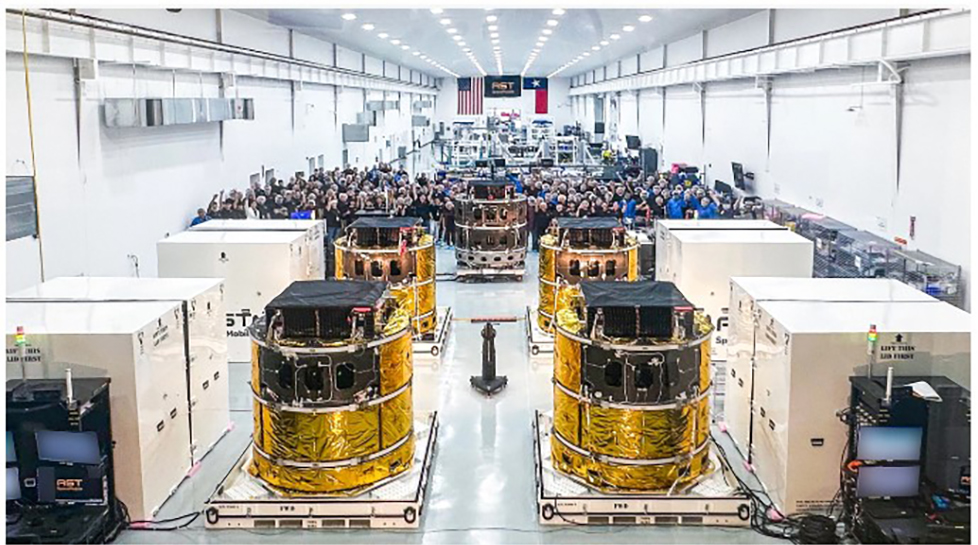
On April 21, 2026, the Federal Communications Commission granted AST SpaceMobile authority to launch and operate a satellite broadband system under Order DA 26‑391. The decision allows the company to deploy its planned constellation of low‑Earth‑orbit satellites to provide high‑speed internet across the United States. The FCC also set conditions on spectrum use and service obligations to ensure reliable coverage for underserved areas. This move marks a significant step toward expanding nationwide broadband access through space‑based technology.
ISS National Lab Launches 2026 Orbital Edge Accelerator to Scale Space-Based R&D
Original Publication Date: 2026-04-21 16:46

The International Space Station National Laboratory has launched its 2026 Orbital Edge Accelerator, the program’s second year of pairing early‑stage startups with in‑orbit validation opportunities. This initiative gives emerging companies access to ISS facilities and private sector expertise to test and refine their technologies in real space conditions. By providing a platform for real‑world testing, the program helps startups accelerate from concept to market. This marks a continued commitment to bridging the gap between early‑stage ideas and commercial space ventures.
SmallSat Europe Speaker Focus: Carsten Drachmann, GomSpace
Original Publication Date: 2026-04-21 16:19

GomSpace CEO Carsten Drachmann has turned a nanosatellite engineering shop into a profitable serial manufacturer, with 2025 revenue hitting 441.8 million SEK—a 72% increase—driven by a growing portfolio of European defense contracts. The company’s rapid scaling underscores the rising demand for smallsat solutions across the continent. At SmallSat Europe, Drachmann highlighted how GomSpace’s factory floor is becoming a central part of the industry conversation. The company’s success signals a bright future for European aerospace manufacturing.
RF-Design Launches FiberLink CompactLine FCLR1811S4 for Ground Segment Optimization
Original Publication Date: 2026-04-21 15:33

RF-Design GmbH has launched the FiberLink CompactLine FCLR1811S4, a 1‑RU, 19‑inch modular platform that consolidates RF‑over‑Fiber transmission with integrated system monitoring. Built at the company’s headquarters, the compact unit streamlines RFoF deployments in data centers and telecom environments. Its real‑time performance metrics reduce maintenance overhead and improve reliability. The new platform promises to simplify cable management and enhance operational efficiency for operators worldwide.
Kymeta Chief Scientist Discusses Metamaterial Antenna Evolution and Orbital Sustainability
Original Publication Date: 2026-04-21 15:16

On Tuesday, April 21 2026, Ryan Stevenson, Chief Scientist and founding member of Kymeta Corporation, outlined the engineering hurdles and strategic shifts that enabled the world’s first simultaneous satellite‑and‑terrestrial broadband system. He highlighted how Kymeta’s phased‑array antennas and low‑Earth‑orbit satellites are integrated with edge computing to deliver high‑speed connectivity worldwide. Stevenson emphasized new partnerships with telecom carriers and regulatory approvals that have paved the way for global deployment. This breakthrough promises to transform remote connectivity and provide robust 5G backhaul in underserved regions.
Belts of Green in the Washington Suburbs
Original Publication Date: 2026-04-22 04:01

Astronauts aboard the International Space Station captured a vivid July 30, 2023 image of the Capital Beltway’s northeast side, where it passes through the historic city of Greenbelt, Maryland, showcasing lush vegetation and expansive green spaces. The photo highlights Greenbelt Park’s forested trails, the city’s New Deal‑era historic district, NASA’s Goddard Space Flight Center, and nearby research fields at the University of Maryland and USDA. Taken with a Nikon D5 camera at 1150 mm focal length, the image was processed for contrast and clarity before being released to the public. This snapshot not only celebrates the region’s cooperative housing heritage but also underscores the enduring value of green corridors and scientific research sites in the Washington, D.C. Metropolitan area.
Artemis II Mission Milestones: An Image and Video Recap
Original Publication Date: 2026-04-22 01:55
NASA’s Artemis II launched on April 1, 2026, carrying four astronauts—Reid Wiseman, Victor Glover, Christina Koch, and Canadian Jeremy Hansen—on the first crewed flight of the Orion spacecraft. The crew orbited the Moon for nearly ten days, reaching a record 252,756 miles from Earth and capturing stunning views of Earth and lunar features before splashing down in the Pacific on April 10.
Curiosity Blog, Sols 4867-4872: Sand Fill In Antofagasta Crater and Finding Our Next Drill Target
Original Publication Date: 2026-04-22 00:33
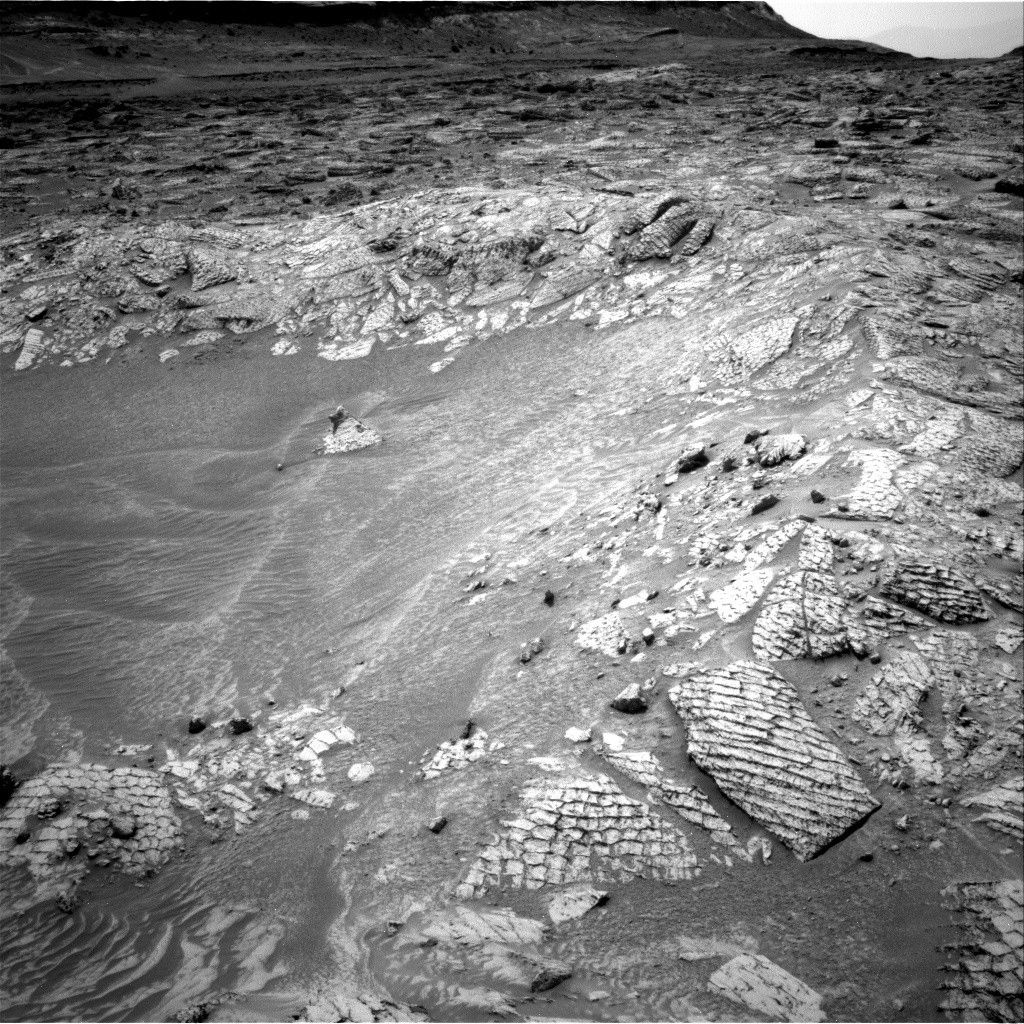
NASA’s Curiosity rover reached the rim of the 10‑meter Antofagasta crater on Mars, where it found a fresh, deep rim but a sandy fill that obscured the most intriguing rock layers. Because the sand made drilling risky and the exposed rocks were too similar to determine their origin, the team decided not to drill there and instead focused on detailed imaging and geochemical analysis of the crater’s polygonal bedrock. Meanwhile, Curiosity is planning its next drill campaign in the layered sulfate strata above the boxwork unit, targeting a promising block dubbed “Atacama” for sample collection and analysis. The rover will continue monitoring the Martian environment, including dust‑devil activity and atmospheric conditions, as it progresses toward new scientific objectives.
NASA Invites Media to Jordan Artemis Accords Signing Ceremony
Original Publication Date: 2026-04-21 21:30
Jordan will become the 63rd nation to sign NASA’s Artemis Accords in a ceremony at NASA Headquarters on Thursday. The event, hosted by NASA Administrator Jared Isaacman, will feature Jordanian Ambassador Dina Kawar and U.S. State Department official Ruth Perry. The accords aim to promote safety, transparency, and coordination in lunar and Martian exploration. The signing takes place in the James E. Webb Memorial Auditorium, and media must RSVP by Wednesday.
New NASA Views of Earth, From (S)PACE
Original Publication Date: 2026-04-21 20:54
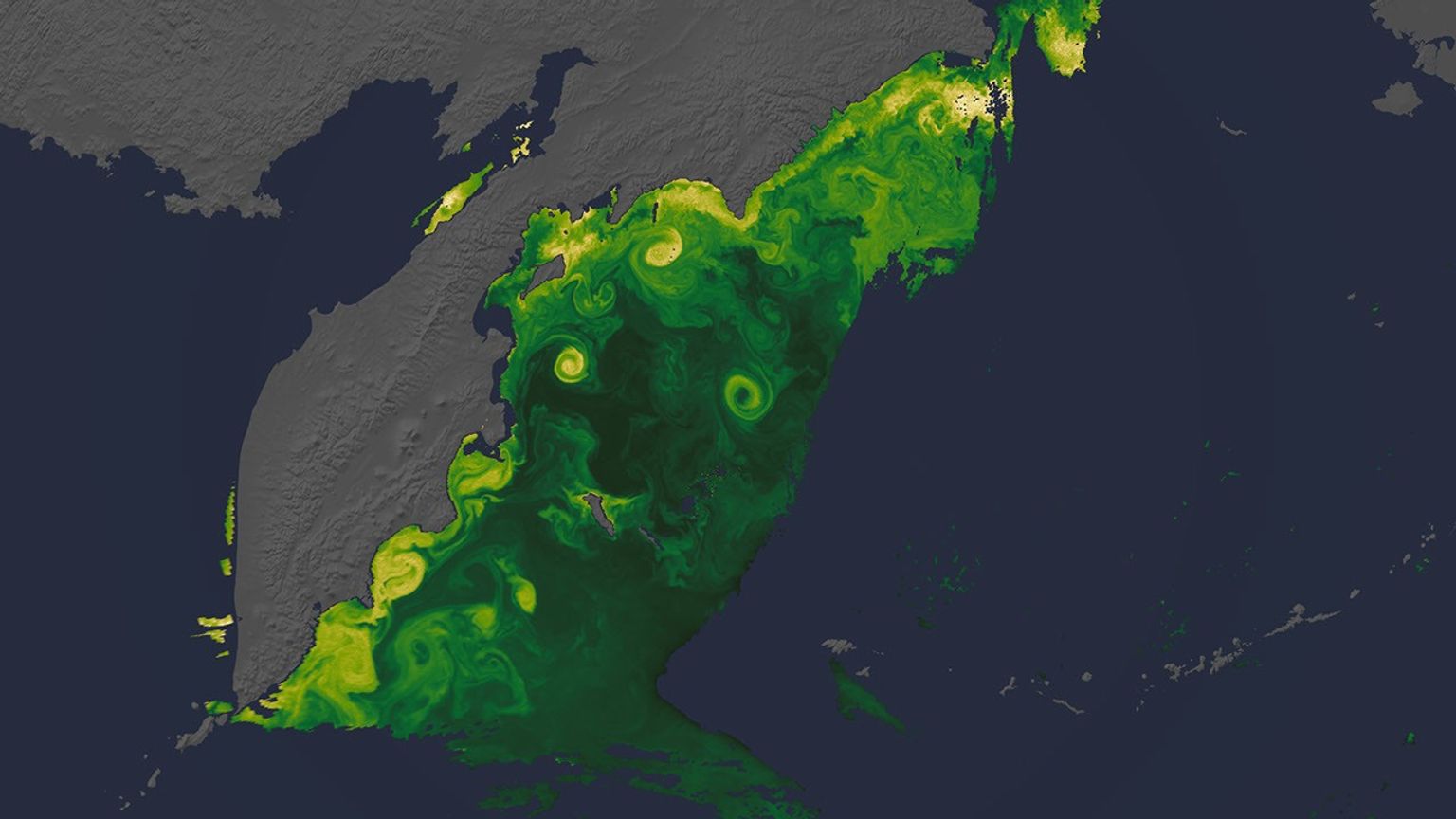
NASA’s Artemis II astronauts captured the first live images of Earth from the Orion spacecraft, revealing auroras, city lights, and swirling clouds over the Atlantic. In February 2024 the PACE satellite began monitoring the planet’s atmosphere and oceans, using hyperspectral imaging to track Saharan dust, wildfire smoke, and even the intensity of fires in California. PACE’s data also detect harmful cyanobacteria blooms in the Great Lakes and distinguish different phytoplankton species across the Atlantic, offering vital insights for climate science and public health. Together, these missions give scientists a continuous, detailed view of Earth’s dynamic systems from space.
NASA and Axiom react to OIG Report on delays in Next-Generation Spacesuit Program
Original Publication Date: 2026-04-21 23:02

NASA’s Office of Inspector General warned that the agency’s plan to deliver next‑generation spacesuits for Artemis 2028 and ISS operations is far behind schedule. The report cites developmental delays, a risky firm‑fixed‑price acquisition strategy, and the early exit of a key contractor, leaving NASA dependent on a single provider—Axiom Space—for both lunar and microgravity suits.
Payload Field Guide: Golden Dome
Original Publication Date: 2026-04-21 15:45

President Donald Trump unveiled the Golden Dome missile‑defense program in January 2025, rebranding it from the “Iron Dome for America” and assigning Space Force General Michael Guetlein to oversee the $175 billion architecture. The Missile Defense Agency has opened the door to more than 2,000 companies—over 1,100 named in December—to compete for a $151 billion IDIQ contract under the SHIELD program, promising a four‑layer system of terrestrial and space‑based interceptors. Trump aims to have the shield operational by the end of his term in January 2029, though experts say that deadline is unlikely; a demonstration could occur earlier, with Lockheed Martin targeting an on‑orbit space‑based interceptor demo by 2028 and Apex planning a commercial SBI test this year. The Golden Dome marks a bold effort to protect U.S. Territory from a range of missile threats using cutting‑edge technology.
Opportunities Beyond the Moon Opened by CLPS
Original Publication Date: 2026-04-21 12:22
NASA announced it will launch monthly uncrewed lunar missions next year under its Commercial Lunar Payload Services program, opening a steady stream of rides for private companies. The program has already proved vital for startups such as Astroforge, which can’t afford a dedicated Falcon 9 launch and relies on CLPS to reach asteroids for $3.5 million, far below the $80 million cost of a full translunar injection.
Economics of Orbital Data Centers Report: Part 1
Original Publication Date: 2026-04-21 06:55

The article examines how limitations in Earth‑bound data infrastructure are driving the shift of compute workloads into orbit. It highlights the growing demand for low‑latency, high‑bandwidth services that terrestrial networks struggle to meet, and explores how satellite constellations can bridge these gaps. A key focus is the economic viability of orbital data centers, outlining cost structures, revenue models, and potential return on investment.
Mysterious rings around Uranus point to hidden moons orbiting the ice giant
Original Publication Date: 2026-04-22 10:00
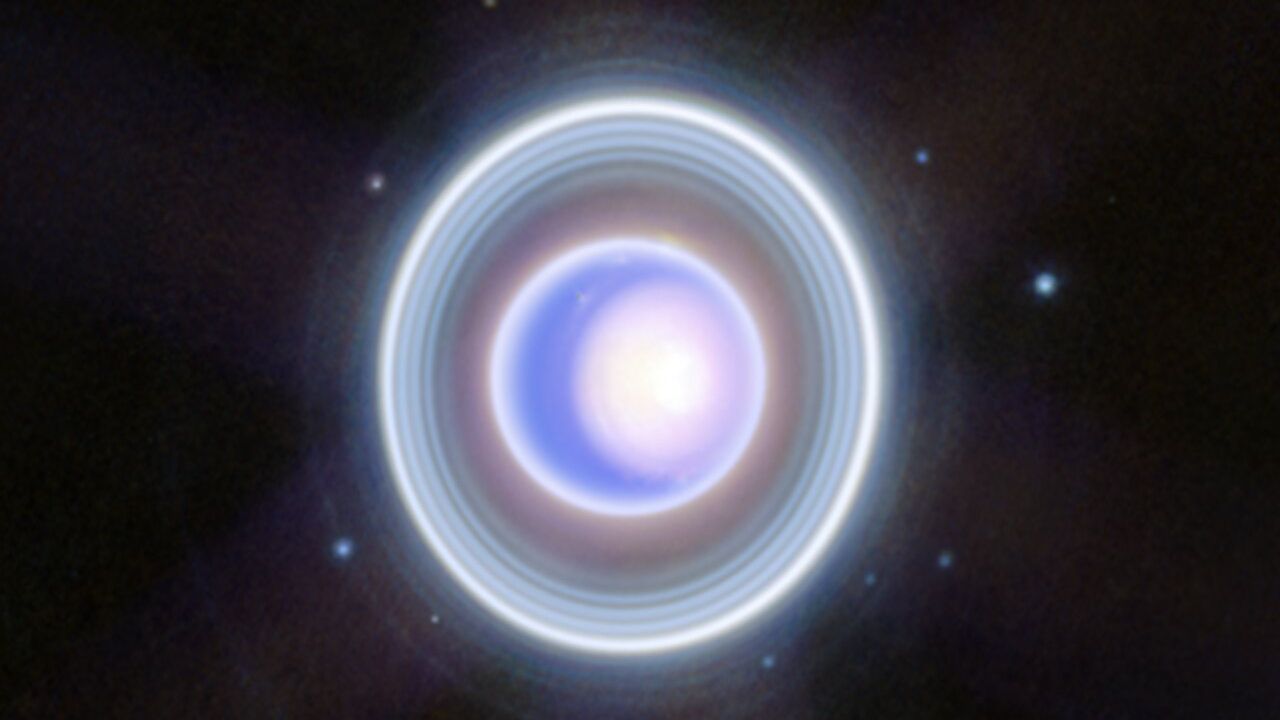
New observations from the James Webb Space Telescope have shown that Uranus’s two outermost rings, mu and nu, are made of very different materials—water ice and dust—indicating distinct origins. The blue mu‑ring’s icy particles mirror those of Saturn’s E‑ring, while the red, dusty nu‑ring suggests a different source. These findings imply that the rings are fed by small, previously unseen moons orbiting close to Uranus, potentially adding to the 29 known satellites. Scientists now expect to uncover more hidden moons as they continue to study the planet’s enigmatic ring system.
The Nancy Grace Roman Space Telescope, NASA's next great observatory, is finally complete
Original Publication Date: 2026-04-21 23:31
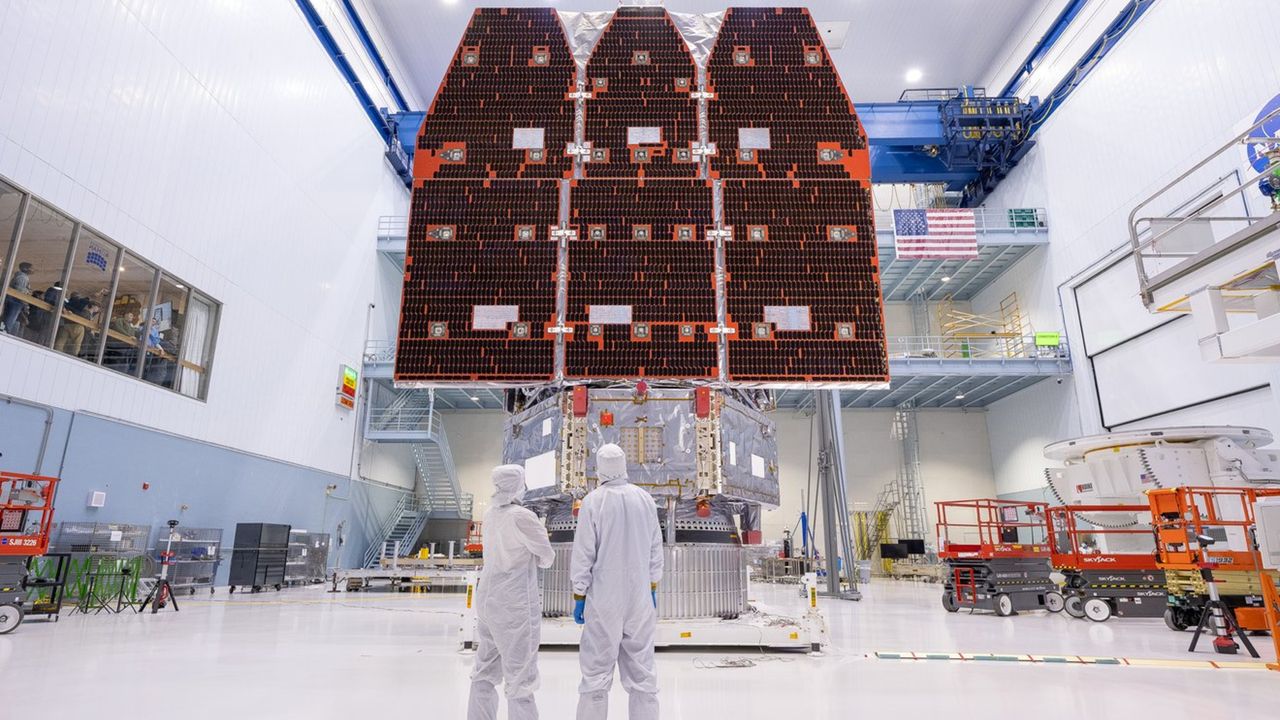
NASA’s Goddard Space Flight Center has finished building the Nancy Grace Roman Space Telescope, which is set to launch in September 2026, eight months ahead of schedule and under budget. With a 2.4‑meter mirror, Roman will scan 100 times the sky area of Hubble, generating up to 500 terabytes of data per year and capturing images so large no current screen can display them. Named after NASA’s first chief of astronomy, the telescope will complement JWST, Euclid and Hubble by imaging in visible and near‑infrared wavelengths, aiming to uncover unexpected cosmic phenomena. Scientists expect Roman to open new frontiers in understanding the universe’s deep questions.
'Dancing' jets erupting from a cannibalistic black hole have the power of 10,000 suns
Original Publication Date: 2026-04-21 18:00
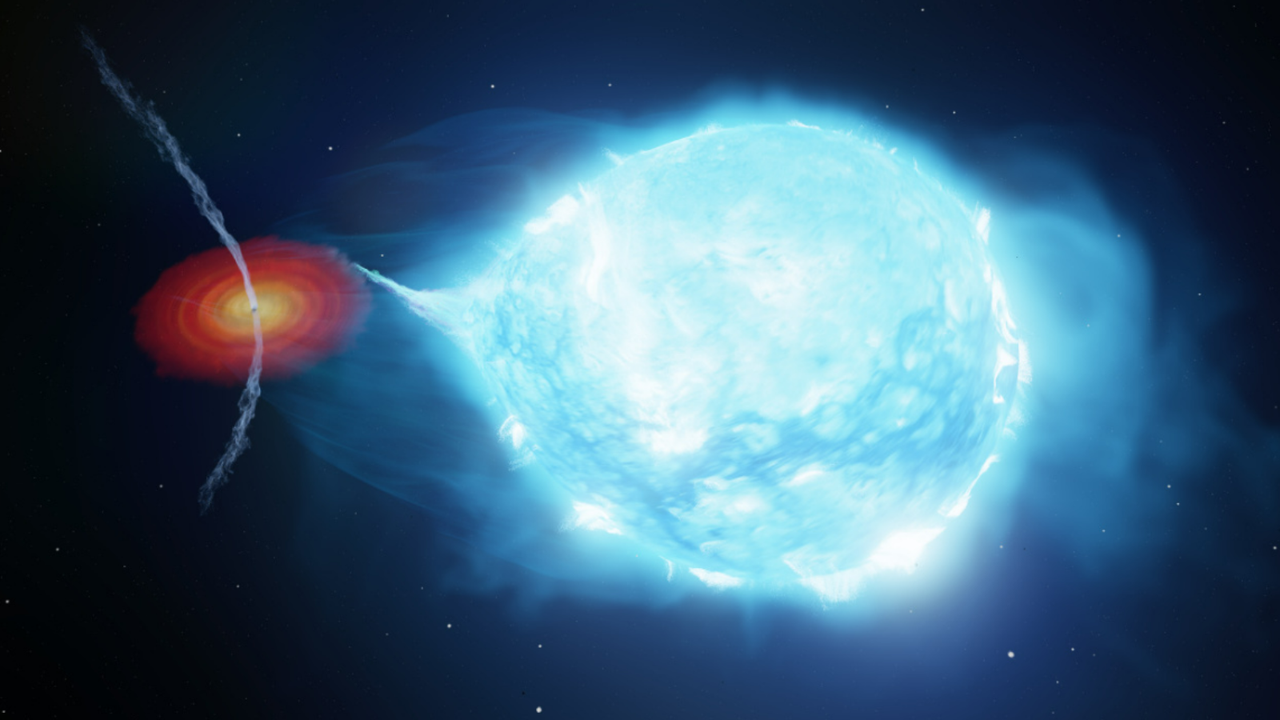
Astronomers using the Square Kilometre Array have measured jets from the Cygnus X‑1 black hole system that blast out with the power of 10,000 suns and travel at roughly half the speed of light. The jets, launched from the black hole’s poles, are deflected by the powerful stellar winds of its blue supergiant companion, giving them a “dancing” appearance as the two objects orbit each other. The study shows that about 10 % of the energy released as matter falls into the black hole is carried away by these jets, confirming a key assumption in large‑scale cosmological simulations. These findings provide a benchmark for understanding jet power in much larger supermassive black holes at the hearts of galaxies.
NASA rolls out Artemis 3 SLS rocket's huge core stage to gear up for 2027 launch (photo)
Original Publication Date: 2026-04-21 15:00
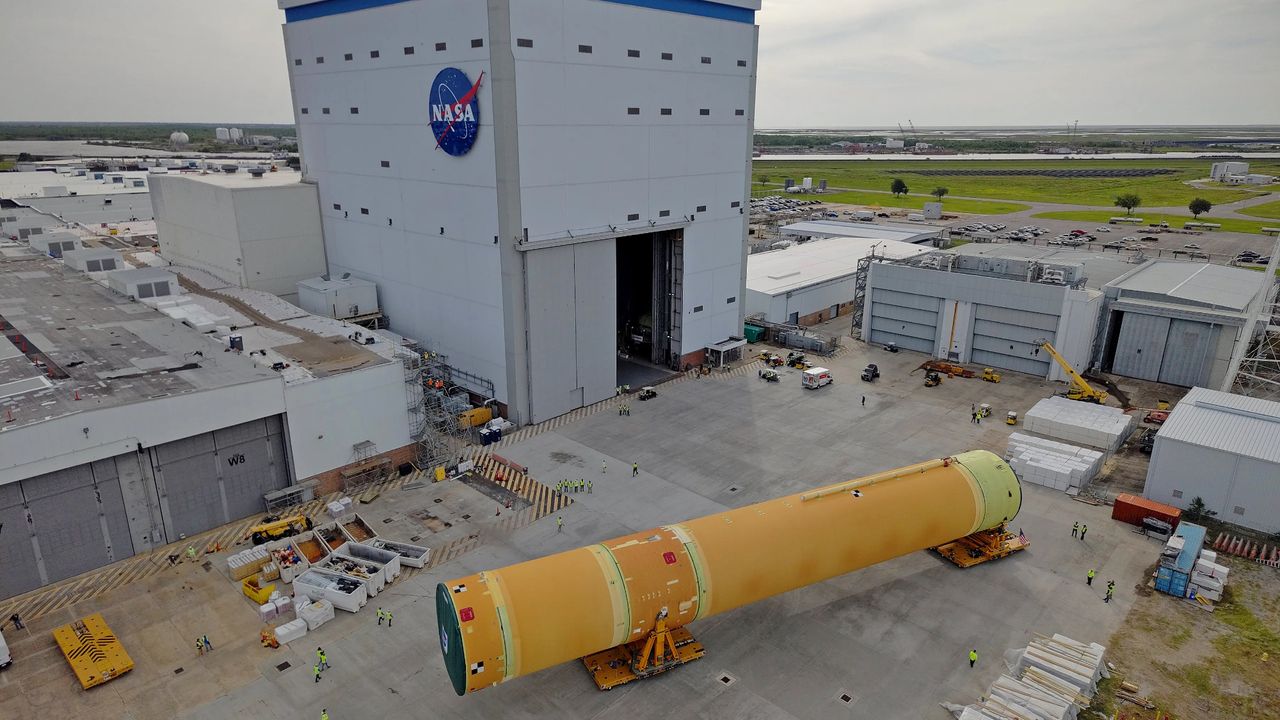
NASA has moved the core stage of the Space Launch System rocket for Artemis 3 from Michoud Assembly Facility to the Pegasus barge in New Orleans. The 212‑foot tall SLS core, currently 80 % of its final height, will be shipped to Kennedy Space Center for final integration ahead of its mid‑2027 launch. Artemis 3 will test rendezvous and docking between the Orion capsule and private lunar landers Starship and Blue Moon before the agency aims to land astronauts near the Moon’s south pole on Artemis 4 in late 2028. This milestone marks a key step toward returning humans to the Moon and eventually preparing for crewed Mars missions.