 Spotify
 Apple Podcasts
 Podcast Addict
 Overcast
 Podcast RSS
Blue Origin moves toward launch at Vandenberg
Original Publication Date: 2026-04-14 23:13
Blue Origin is edging closer to launching its New Glenn rockets from Vandenberg Space Force Base after the U.S. Space Force agreed to finalize lease negotiations for Space Launch Complex 14. The decision marks a key step in expanding heavy and super‑heavy launch capabilities at the California site. Blue Origin plans to use SLC‑14 for future New Glenn missions, further bolstering the U.S. Space launch infrastructure. The partnership underscores the growing collaboration between commercial space companies and the military.
NRO highlights government and industry partnerships
Original Publication Date: 2026-04-14 22:10
The National Reconnaissance Office is actively seeking new partners to speed the adoption of advanced intelligence, surveillance, and reconnaissance technologies. In a statement on April 14, Principal Deputy Director William Adkins announced that the agency is ready to collaborate with government entities, industry, academia, and international allies. This move underscores NRO’s commitment to expanding its capabilities through broad, cross-sector cooperation. The announcement was first reported by SpaceNews.
SES and Boeing move toward factory-installed multi-orbit inflight connectivity
Original Publication Date: 2026-04-14 21:22
SES and Boeing have struck a deal to begin integrating multi‑orbit hardware into aircraft during production, moving beyond retrofit installations. This collaboration will embed low‑Earth‑orbit broadband capabilities directly into new planes. The partnership marks a significant step toward factory‑installed inflight connectivity for commercial fleets. It signals a broader shift toward seamless, high‑speed connectivity for passengers and operators alike.
West Coast SpaceX Falcon 9 mission launches 25 Starlink satellites
Original Publication Date: 2026-04-15 01:40
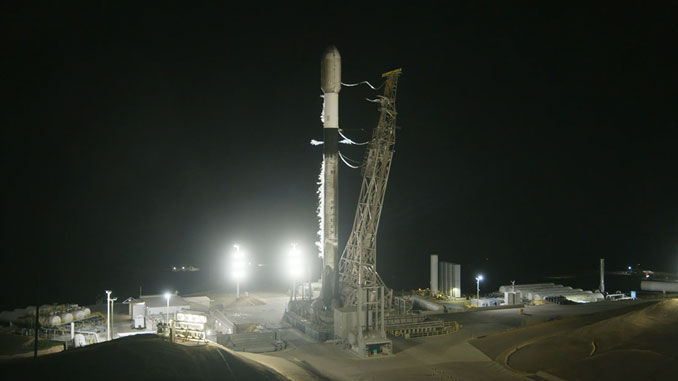
SpaceX launched a Falcon 9 from Vandenberg Space Force Base Tuesday night, carrying 25 Starlink V2 Mini satellites into a 258 × 246 km orbit. The launch, which took place at 9:29 p.m. PDT, marked the company’s 46th Falcon 9 flight of 2024 and used booster B1082 on its 21st mission. After roughly eight minutes, the first stage safely landed on the drone ship “Of Course I Still Love You” in the Pacific. This deployment expands Starlink’s global network, adding more high‑throughput satellites to provide faster internet coverage worldwide.
SpaceX launches 1,000th Starlink satellite of 2026 on Falcon 9 rocket from Cape Canaveral
Original Publication Date: 2026-04-14 06:54
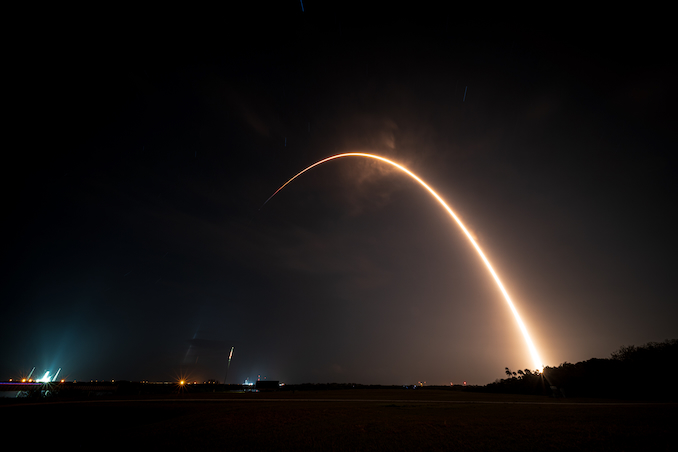
SpaceX’s Falcon 9 lifted off from Cape Canaveral on April 14, 2026, launching the company’s 1,000th Starlink satellite. The Starlink 10‑24 mission deployed 29 broadband satellites into low‑Earth orbit, bringing the total number of Starlink satellites launched this year to 1,002.
Oklahoma Positions as Commercial Space Manufacturing Hub at Space Symposium
Original Publication Date: 2026-04-14 21:49
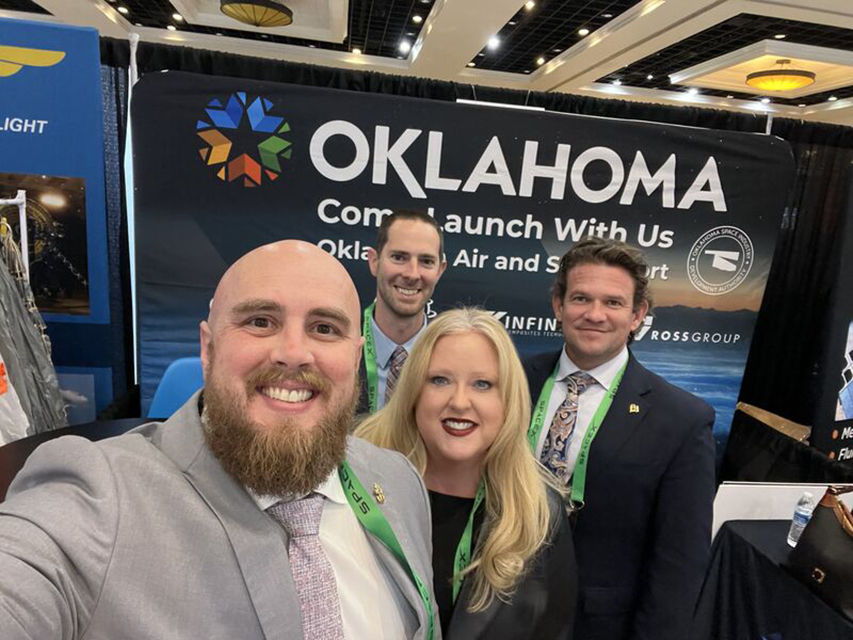
The Oklahoma Department of Commerce staged a targeted briefing on Tuesday, April 14, 2026, during the 41st Space Symposium in Colorado Springs to position the state as a prime hub for the burgeoning space industry. Officials highlighted Oklahoma’s favorable business climate, abundant land, and existing aerospace infrastructure as key draws for companies looking to expand or relocate. The briefing also outlined state incentives, workforce development initiatives, and partnership opportunities with local universities and research centers. By showcasing these assets, Oklahoma aims to attract new investment and cement its reputation as a leading destination for space-related enterprises.
Ensign-Bickford Hardware Supports Successful Artemis II Lunar Mission
Original Publication Date: 2026-04-14 21:33
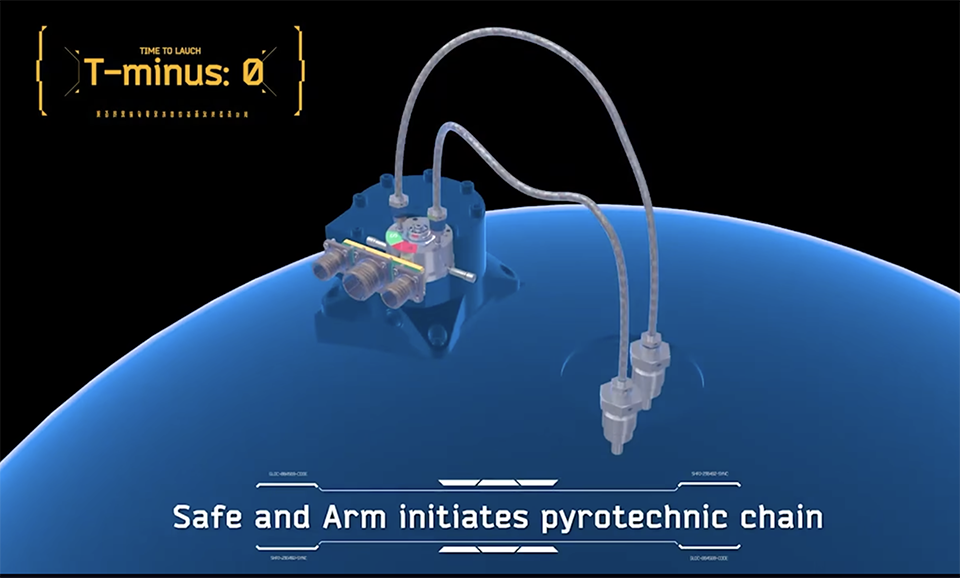
On April 13, 2026, Ensign‑Bickford Aerospace & Defense announced that its critical separation and initiation hardware performed flawlessly during NASA's Artemis II mission. The hardware was essential for the spacecraft’s safe launch and journey to the Moon. This successful performance marks a significant milestone for both the company and the Artemis program. The mission’s success demonstrates the reliability of Ensign‑Bickford’s technology in human spaceflight.
Amazon to Acquire Globalstar for $11.6 Billion to Fuel D2D Expansion
Original Publication Date: 2026-04-14 16:16

Amazon announced on April 14, 2026 that it will acquire satellite‑telecommunications pioneer Globalstar for roughly $11.57 billion. The definitive agreement gives Amazon a foothold in the growing satellite‑internet market. Globalstar shareholders will receive a mix of cash and Amazon stock as part of the transaction. The deal marks a significant expansion of Amazon’s technology portfolio into space‑based communications.
SmallSat Europe Speaker Focus: Daniel Metzler, Isar Aerospace
Original Publication Date: 2026-04-14 16:01

Isar Aerospace CEO Daniel Metzler told attendees at SmallSat Europe that the company is riding on its first Spectrum launch, ESA contracts, and a 2027 orbital deadline under the European Launcher Challenge. He emphasized that the real test is not whether the launch vehicle works, but whether European customers will commit enough payloads to keep the company afloat. The firm’s future hinges on securing a robust manifest volume from the region’s satellite industry. Metzler’s remarks underline the broader challenge facing Europe's new launch providers.
Webb Observations Challenge Fundamental Mass Limits
Original Publication Date: 2026-04-14 15:13
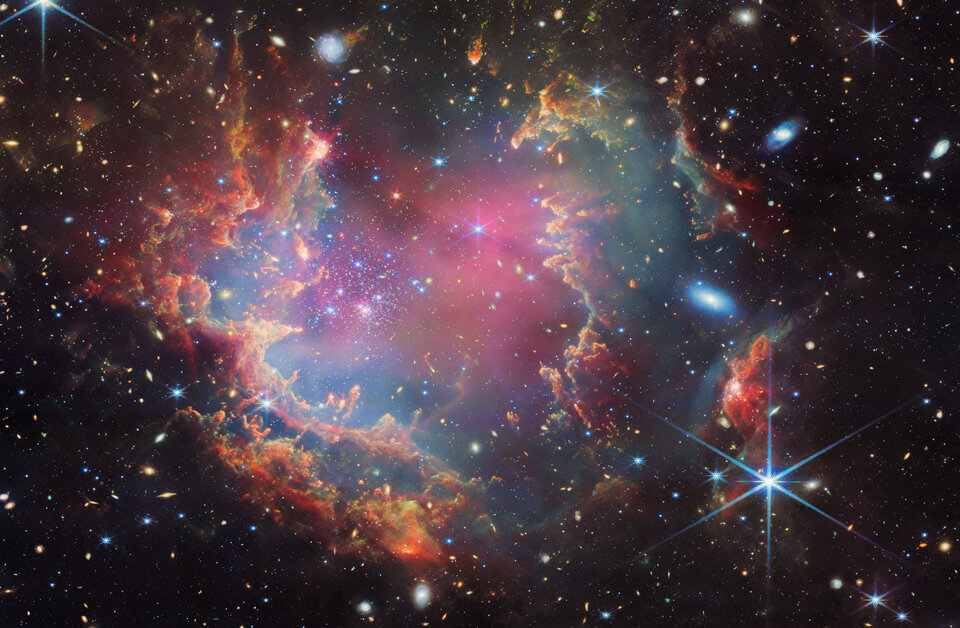
On April 14, 2026, researchers using the James Webb Space Telescope announced that their latest observations blur the line between the smallest stars and the largest planets, revealing a substellar object that shows both stellar‑like fusion signatures and planetary‑like atmospheric features. The data suggest that deuterium fusion may be occurring in this object, placing it in a gray zone between brown dwarfs and massive exoplanets. This finding challenges the traditional binary classification of celestial bodies and implies a more continuous spectrum of masses and compositions. The study underscores the need to rethink how we define stars and planets in the cosmos.
Contours of the James Bay Lowlands
Original Publication Date: 2026-04-15 04:01

An astronaut aboard the International Space Station captured a striking image on March 26, 2026 of frozen channels feeding Hannah Bay, a southern arm of James Bay in northern Canada. The photo, taken with a Nikon Z9 camera, highlights subtle topography shaped by the Laurentide Ice Sheet’s retreat, including closely spaced beach ridges formed as the land rebounds at about 10 mm per year. The region’s vast peatlands, the world’s second‑largest carbon store, begin to turn green as spring arrives, while sea ice along the shoreline typically breaks up by late May and fully melts by July. This freely available image offers scientists and the public a rare, high‑resolution view of early‑spring conditions in the Hudson Bay Lowlands.
Curiosity Blog, Sols 4859-4866: One Small Crater and Thousands of Polygons
Original Publication Date: 2026-04-15 00:07
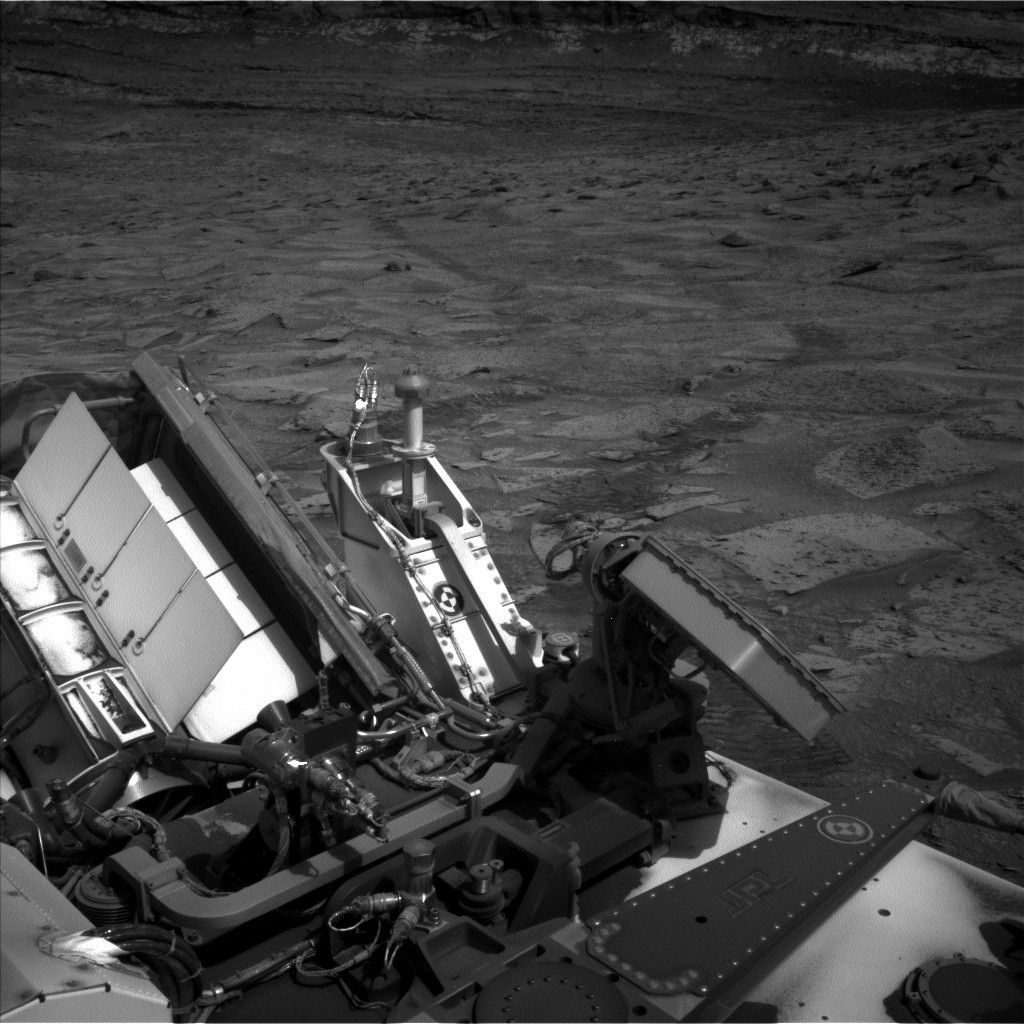
Curiosity has spent the past week driving toward a newly dubbed “Antofagasta” crater, a roughly 10‑meter wide hole that may be less than 50 million years old and could expose fresh, unweathered rocks. The rover’s autonomous navigation left faint tracks on the Martian surface as it approached, while its left navigation camera captured the path on Sol 4861. Along the way, Curiosity has recorded an abundance of honeycomb‑shaped polygon textures on the surrounding rocks—an unusual pattern that scientists hope to understand through the data it will send back. If the crater is indeed young enough, Curiosity will soon position itself on the rim, delivering the first ground‑level images of Antofagasta’s interior and potentially revealing a new treasure trove of complex chemistry.
NASA Finds Young Stars Dim in X-rays Surprisingly Quickly
Original Publication Date: 2026-04-14 20:34
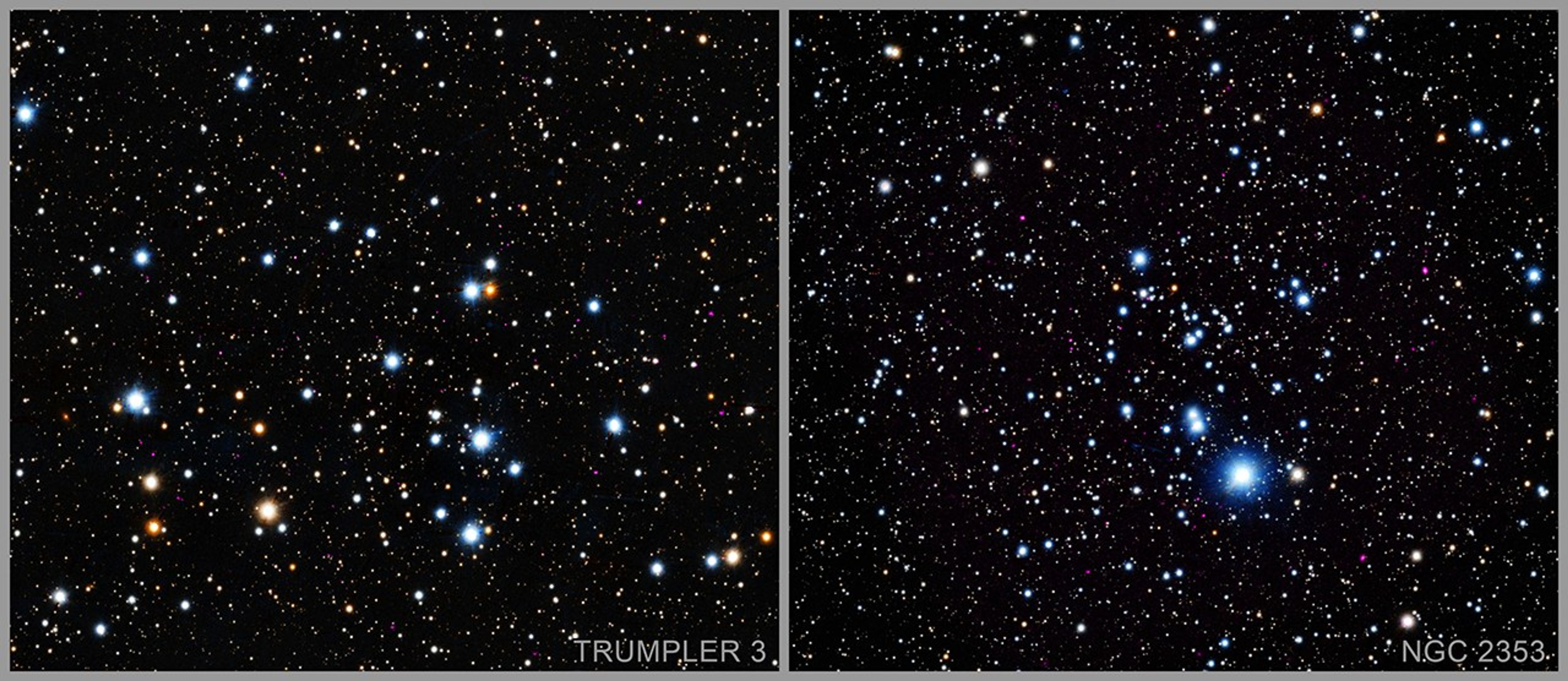
Scientists using NASA’s Chandra X‑ray Observatory have found that young Sun‑like stars dim their X‑ray output far more quickly than previously thought. In a study of eight star clusters aged 45 to 750 million years, the stars emitted only a quarter to a third of the X‑rays expected, easing the erosion of orbiting planets’ atmospheres. The rapid quieting is attributed to less efficient magnetic‑field generation, making early planetary environments more hospitable to life. This discovery reshapes our understanding of stellar evolution and the conditions that support life in the galaxy.
NASA Receives 7 Nominations for the 30th Annual Webby Awards
Original Publication Date: 2026-04-14 20:26

NASA’s digital outreach has earned it 7 nominations at the 30th annual Webby Awards, covering categories from immersive science to social media campaigns. The agency’s efforts—from historic press releases to modern social media—continue to connect the public with missions like the Webb Telescope and Artemis II. Fans can vote for the Webby People’s Voice Awards until Thursday, April 16, choosing their favorite NASA content across video, podcasts, and social posts. NASA’s online presence proves that even a space agency can thrive on the open web.
2025-2026 Dream with Us Design Challenge Winners
Original Publication Date: 2026-04-14 18:44

NASA has announced the winners of its 2025‑2026 Dream with Us Design Challenge, celebrating innovative projects from middle and high school teams. Middle school first place went to Scout Farm from New Jersey, followed by AgriTech from California and AgriDrone from Texas and California. High school first place was claimed by SkySeekers, a collaboration between Monta Vista and Foothill High Schools in California, with AeroForge and Flight Fusion taking second and third places. These achievements highlight the next generation’s creativity in aeronautics and STEM, as NASA encourages continued exploration.
NASA Administrator Jared Isaacman On Artemis, Budget, And Establishing a Lasting Space Vision
Original Publication Date: 2026-04-14 20:19
NASA Administrator Jared Isaacman defended the FY2027 budget proposal amid growing criticism from space‑science advocates, stressing that while passionate people can achieve incredible scientific results, few have the financial expertise to dictate the right budget. In a wide‑ranging interview at the Space Symposium, he highlighted the largely clean findings from Artemis II—minor issues with the heat shield and a few redundant systems—while praising Orion’s robustness. Isaacman also underscored NASA’s phased, iterative approach to lunar exploration, arguing it protects the program from political swings and avoids the pitfalls of making a mission “too big to fail.” He concluded that maximizing every dollar Congress provides is essential, but that printing money is not a healthy solution for the agency or the country.
CLD Companies Say NASA Is Wrong. NASA Says Prove It.
Original Publication Date: 2026-04-14 18:51

NASA says the commercial low‑Earth‑orbit station market isn’t ready, and Administrator Jared Isaacman challenged the industry to prove otherwise. Axiom Space and Vast CEOs countered, citing 166 payloads flown, 14 astronauts aboard, and commitments from NASA, ESA, and JAXA to purchase commercial flights once the ISS retires. They argue the market is already active through tourism and in‑space manufacturing, and that budgets for these services exist. Isaacman maintains that if seats for private astronaut missions are available, the market will prove itself, urging the industry to demonstrate a robust demand.
Slingshot Introduces AI-Powered Portal Platform
Original Publication Date: 2026-04-14 13:00
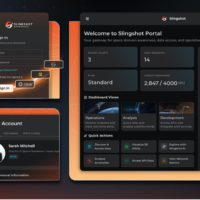
Slingshot Aerospace unveiled its new AI‑powered Slingshot Portal, a one‑stop platform that merges data from its Global Sensor Network, government tracking, orbital catalogs, and customer‑owned sources to give operators real‑time situational awareness. The portal fuses this information with advanced analytics to help teams spot anomalies, plan maneuvers, and make confident decisions in a single interface. With the orbital environment growing more crowded and complex, the tool addresses the need for faster, smarter responses in a contested space domain. Slingshot plans to add predictive analytics, advanced maneuver intelligence, and enhanced mission‑planning features to the portal later this year.
ICON Prime Launches, Led By Former TX Rep
Original Publication Date: 2026-04-14 11:00
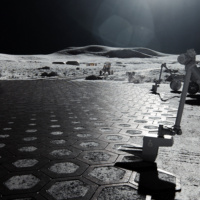
ICON, a robotic construction firm, has launched ICON Prime to partner with the Pentagon and NASA on building infrastructure for troops and astronauts. The new unit is headed by former Congressman Will Hurd, a CIA veteran, who will leverage ICON’s existing $360 million in government contracts, including Army 3D‑print barracks and NASA Martian habitat simulations. ICON Prime plans to pioneer lunar construction by turning regolith into usable material with laser‑melting technology, aiming to create roads and launch pads for future Moon bases. With government backing and a clear focus on space‑related projects, the company is poised to become the go‑to builders for interplanetary infrastructure.
A worst-case solar storm could trigger panic buying and public unrest, report warns
Original Publication Date: 2026-04-15 10:00

Scientists warn that a rare, Carrington‑scale solar storm could cripple satellites, GPS and power grids, while sparking widespread panic buying and public unrest. The UK’s Science and Technology Facilities Council report notes that low public awareness of space weather makes society vulnerable to misinformation and conspiracy theories that could amplify anxiety. In a crisis, people may rush to stockpile essentials, creating shortages even if supply chains remain intact. The findings highlight the need for clear communication to keep the public calm and prepared.
SpaceX launches two Starlink satellite groups 19 hours apart
Original Publication Date: 2026-04-15 05:35
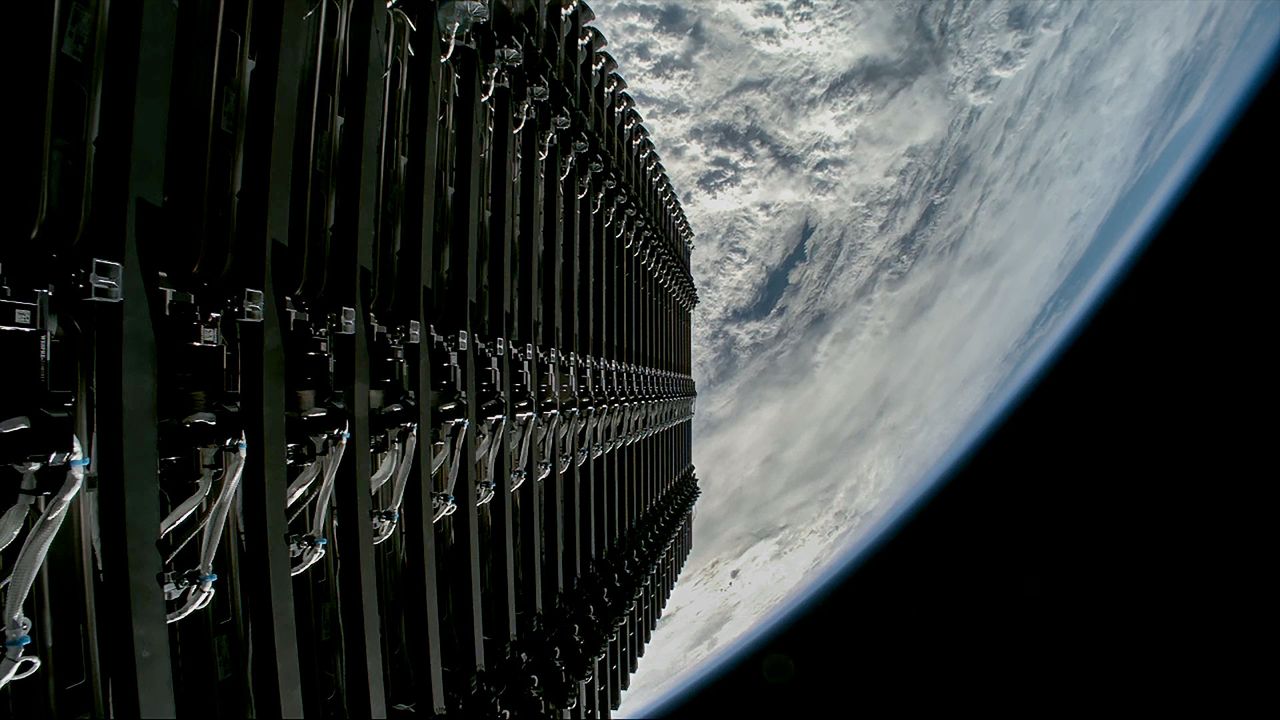
SpaceX completed a double‑header launch Tuesday, sending 29 Starlink satellites from Florida at 5:23 a.m. EDT and 25 more from California at 9:29 p.m. PDT, both Falcon 9 rockets returning their first stages for reuse. The missions added more than 10,200 satellites to the network, boosting the constellation to its largest size yet. Both launches were successful, with the upper stages deploying the satellites into low‑Earth orbit and the boosters landing on droneships in the Atlantic and Pacific. SpaceX’s bicoastal strategy demonstrates the company’s growing launch cadence and commitment to expanding global broadband coverage.
NASA's Artemis 2 moonshot was just the 'opening act' for America's return to the moon, space agency chief says
Original Publication Date: 2026-04-14 22:06
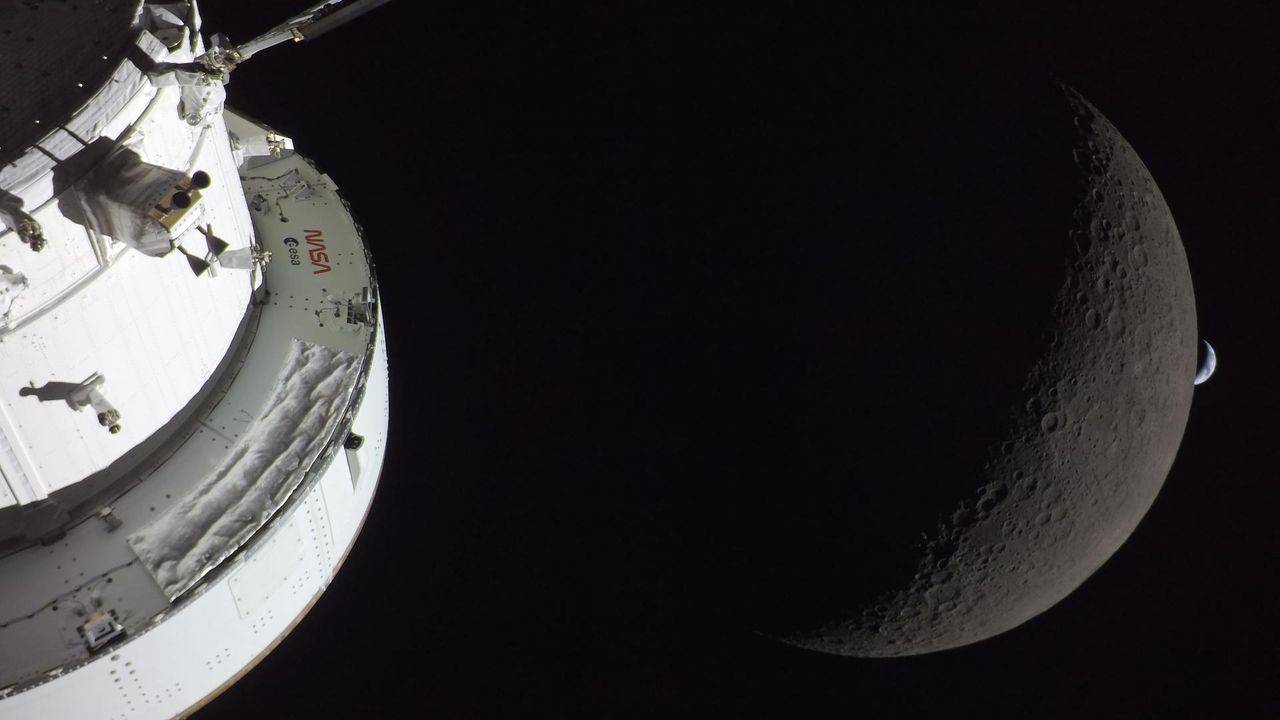
NASA’s Artemis 2 mission successfully completed a lunar flyby and safe splashdown, marking the first crewed trip around the moon in more than five decades. Administrator Jared Isaacman called the flight the opening act of a relay race that will lead to a moon base and eventually to Mars.
Scientists use rare 'Einstein Cross' to learn about young galaxy with surprisingly old stars
Original Publication Date: 2026-04-14 15:00
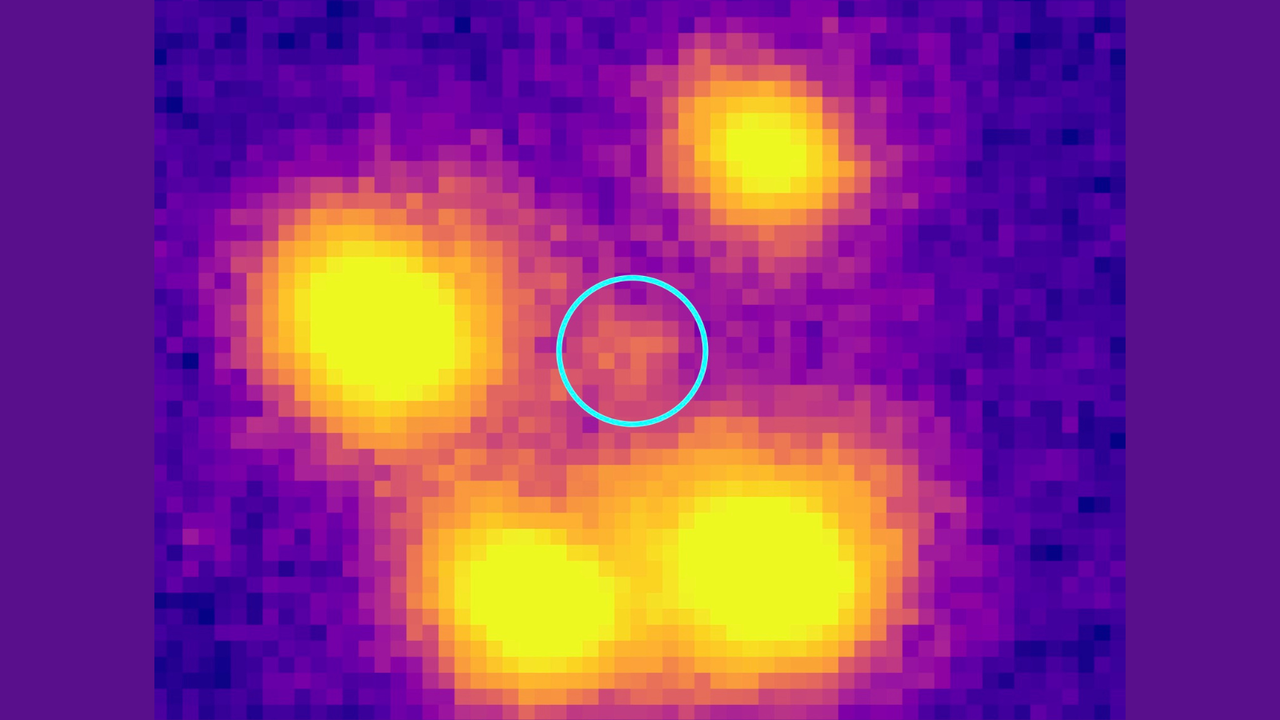
Scientists have spotted a rare “Einstein Cross” gravitational lens, where the elliptical galaxy J1453g magnifies light from a distant quasar into a cross‑shaped image. Observed as it was about 8 billion years ago, J1453g is a young galaxy whose stars are surprisingly similar in composition to those in our mature Milky Way. This finding suggests that galaxy growth and evolution can be far more complex than current models predict. The discovery highlights how Einstein’s theory of gravity can reveal hidden details of the universe’s earliest epochs.
This Artemis 2 astronaut really loves Rise | Space photo of the day for April 14, 2026
Original Publication Date: 2026-04-14 14:23

NASA’s Artemis 2 mission marked the first crewed lunar trip since 1972, with astronauts Reid Wiseman, Victor Glover, Christina Koch and Jeremy Hansen completing a 10‑day moon flyby before splashing down in the Pacific on April 10. Commander Wiseman’s jubilant celebration was highlighted by the sight of his water bottle attached to “Rise,” the mission’s plush moon mascot created by a third‑grader as a zero‑gravity indicator. Despite instructions to leave Rise aboard the Orion spacecraft, Wiseman chose to bring the toy back, dubbing it “Rise Wiseman” and honoring his late wife Carroll with an inscription. The heartwarming moment underscores the crew’s triumph and the mascot’s role as a symbol of hope and personal connection.
Physicists think they've resolved the proton size puzzle
Original Publication Date: 2026-04-14 16:52
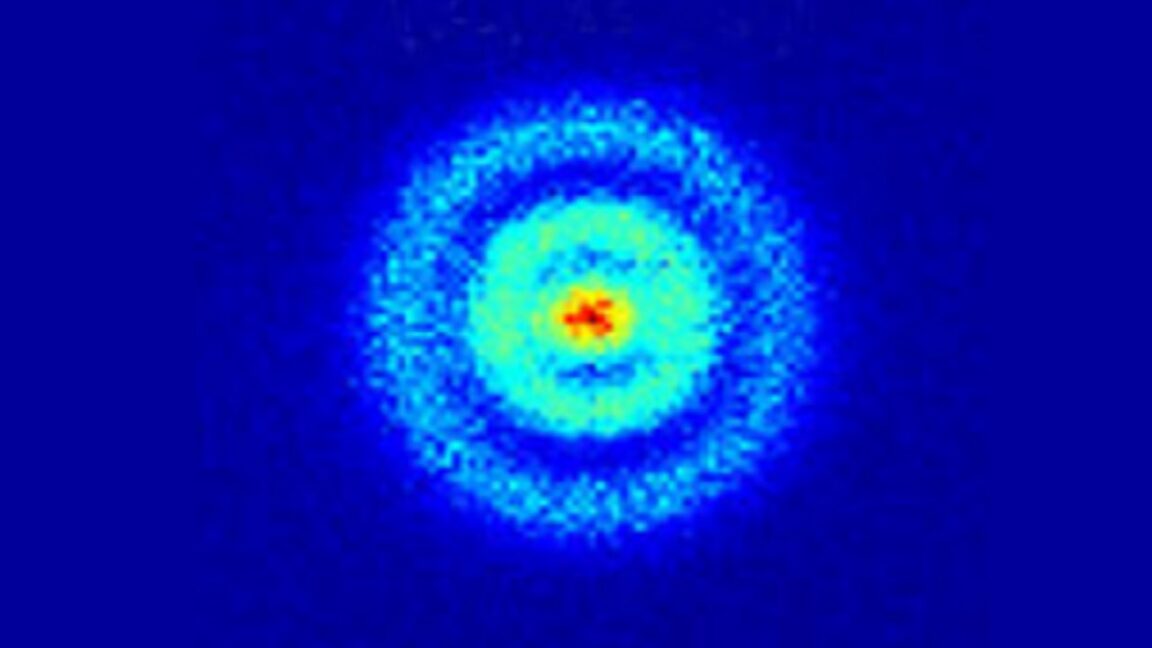
After a decade‑long debate, physicists have finally settled the proton radius puzzle: recent measurements in Nature and Physical Review Letters confirm a smaller proton size, aligning with standard theory and closing the case for new physics. The new data, led by researchers at UC Berkeley, overturns earlier hints that the proton might be smaller than expected. This marks the final nail in the coffin of the long‑standing discrepancy, bringing clarity to a fundamental property of the hydrogen atom. Quantum mechanics, not the old Bohr model, underpins this precise understanding of atomic structure.
NASA chose the right crew to launch a new era of human space exploration
Original Publication Date: 2026-04-14 16:10

NASA’s Artemis II crew has safely returned to Houston after a nine‑day trip beyond the Moon, completing the mission’s first crewed flight. The Space Launch System rocket performed nearly flawlessly, and the Orion capsule proved fully capable of the journey, but engineers flagged several areas for improvement, including hydrogen and helium leaks and a malfunctioning toilet. These lessons will shape the next Artemis missions as the program moves forward. The crew’s safe return marks a historic milestone for human spaceflight.