 Spotify
 Apple Podcasts
 Podcast Addict
 Overcast
 Podcast RSS
Inspection cubesat demo planned as first step toward orbital defense mothership
Original Publication Date: 2026-04-08 08:00
Bulgarian satellite maker EnduroSat and British defense tech startup Shield Space plan to launch a cubesat next year that can maneuver close to other satellites for inspection. This demonstration is the first step toward their vision of an orbital defense mothership that could carry dozens of such cubesats for on‑demand missions. The project aims to enhance space situational awareness and potentially provide rapid response capabilities. It marks a significant collaboration between European and UK space defense companies.
Astroscale passes key design milestone for UK military space-tracking cubesats
Original Publication Date: 2026-04-08 07:00
Astroscale has finished the critical design review for two cubesats that will launch next year to help the British military monitor space weather and track low‑Earth‑orbit objects. The Orpheus mission, fully funded by the UK’s Defence Science and Technology Laboratory under a £5.15 million contract, will deploy a pair of near‑identical spacecraft from Open Cosmos in close formation for a year, using hyperspectral imaging to detect and identify targets. International partners such as the U.S. Naval Research Laboratory and Defence Research and Development Canada will support studies of geophysical activity that can disrupt satellite signals, navigation, and communications. Astroscale will now move into integration and testing before launch, leveraging its expertise in rendezvous and proximity operations.
Hungary taps Northrop Grumman for first national geostationary communications satellite
Original Publication Date: 2026-04-07 19:48
Hungary is set to launch its first national communications satellite, HUSAT, with Northrop Grumman building the Ka‑band geostationary craft scheduled for delivery in 2030. The 4iG‑led project also includes a constellation of eight Earth‑observation satellites and partners from Germany, South Korea, and Italy for ground systems, payloads, and radar. This move reflects Europe’s push for sovereign space capabilities amid growing military and economic reliance on satellite services. 4iG has also tied with L3Harris and Apex to boost defense technology and small‑satellite production, underscoring a broader U.S.–European collaboration.
NASA’s new moon base project requires operational technology systems in space, but they are vulnerable.
Original Publication Date: 2026-04-07 13:00
NASA Administrator Jared Isaacman announced on March 24, 2026 that the agency will scrap its planned lunar‑orbit space station and instead focus on building a $20 billion base on the Moon’s surface. The shift reflects a strategic pivot toward surface operations, though the new base will rely on operational technology systems that remain vulnerable in space. This decision marks a significant change in NASA’s lunar strategy, aiming to establish a permanent human presence on the Moon. The announcement underscores the agency’s commitment to advancing lunar exploration while navigating technical challenges.
New Boeing Satellite Spacecraft Delivered.
Original Publication Date: 2026-04-07 20:47
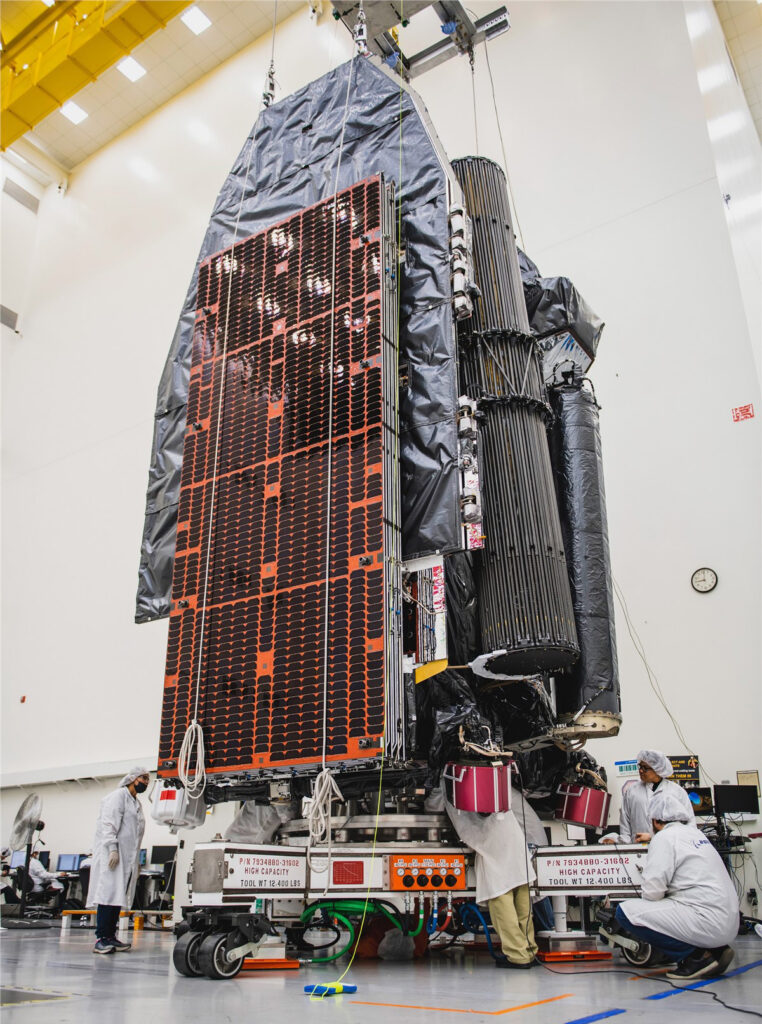
A new Boeing‑built satellite was delivered to its launch site on April 7, 2026, marking a key milestone in the mission’s lifecycle. The successful handover underscores Boeing’s ongoing commitment to advancing space technology. With the satellite now on site, preparations are moving forward toward its scheduled launch, further boosting national space capabilities.
What the SpaceX IPO Changes for Every Satellite Operator
Original Publication Date: 2026-04-07 18:54

SpaceX’s transition to a public company is forcing launch pricing to be tied to earnings and adding mandatory disclosure requirements across the industry. The move creates a two‑player duopoly, with Amazon’s satellite services and SpaceX dominating the launch market. This consolidation is reshaping the unit economics for mid‑tier satellite operators, who now face higher costs and tighter margins. The new landscape underscores the growing influence of tech giants in space infrastructure.
Empowering the Next Generation at SmallSat Europe 2026
Original Publication Date: 2026-04-07 18:25

The Space Generation Advisory Council (SGAC) will join SmallSat Europe 2026 in Amsterdam from May 26 to 28. At the RAI Convention Centre, SGAC will host a dedicated engagement space designed to mentor and connect budding space professionals with industry employers. The initiative aims to foster networking and career‑development opportunities for the next generation of space talent. Attendees can look forward to hands‑on guidance and industry insight during the event.
SmallSat Europe Speaker Focus: Carissa Christensen, BryceTech
Original Publication Date: 2026-04-07 17:54

Carissa Christensen, founder and CEO of BryceTech, will join the SmallSat Europe 2026 Market Outlook panel, bringing a decade of startup investment data. The panel will feature five industry leaders evaluating whether Europe's small satellite sector is growing fast enough. Christensen’s expertise will help gauge investment trends and market potential. The discussion aims to shape policy and investment strategies for Europe’s burgeoning smallsat industry.
Astroscale Plans World-First Multi-Orbit Satellite Inspection Mission
Original Publication Date: 2026-04-07 15:00
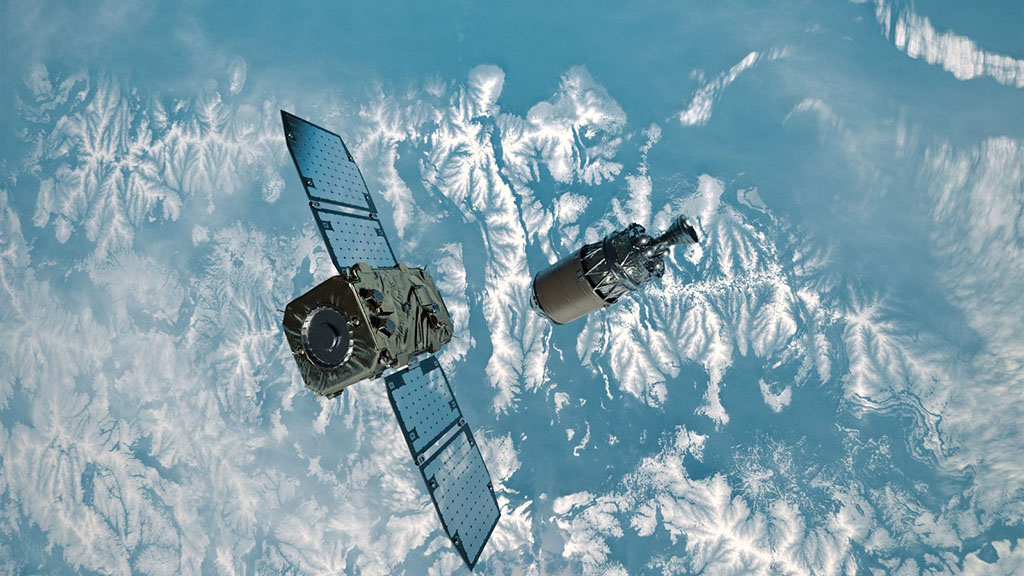
Astroscale Japan has unveiled the ISSA‑J1 mission, set to conduct the world’s first commercial multi‑orbit inspection of retired satellites. The project, part of Japan’s Small Satellite Program, will deploy a small spacecraft capable of rendezvous and inspection across several orbital regimes. By examining defunct satellites, ISSA‑J1 aims to gather critical data for debris mitigation and space sustainability. This initiative marks a significant step forward in commercial space debris management.
A Volcanic Medley Near Mammoth Lakes
Original Publication Date: 2026-04-08 04:01

NASA’s latest Landsat 9 image reveals a volcanic tapestry along the eastern Sierra Nevada, from the Mono‑Inyo Craters chain to Mammoth Mountain’s 25 lava domes and the massive Long Valley Caldera. The Mono‑Inyo Craters, with about 30 vents formed in the last 10,000 years, include the 700‑year‑old Panum Crater that still shows concentric pumice rings.
Celestial Wonders in Leo
Original Publication Date: 2026-04-08 03:01
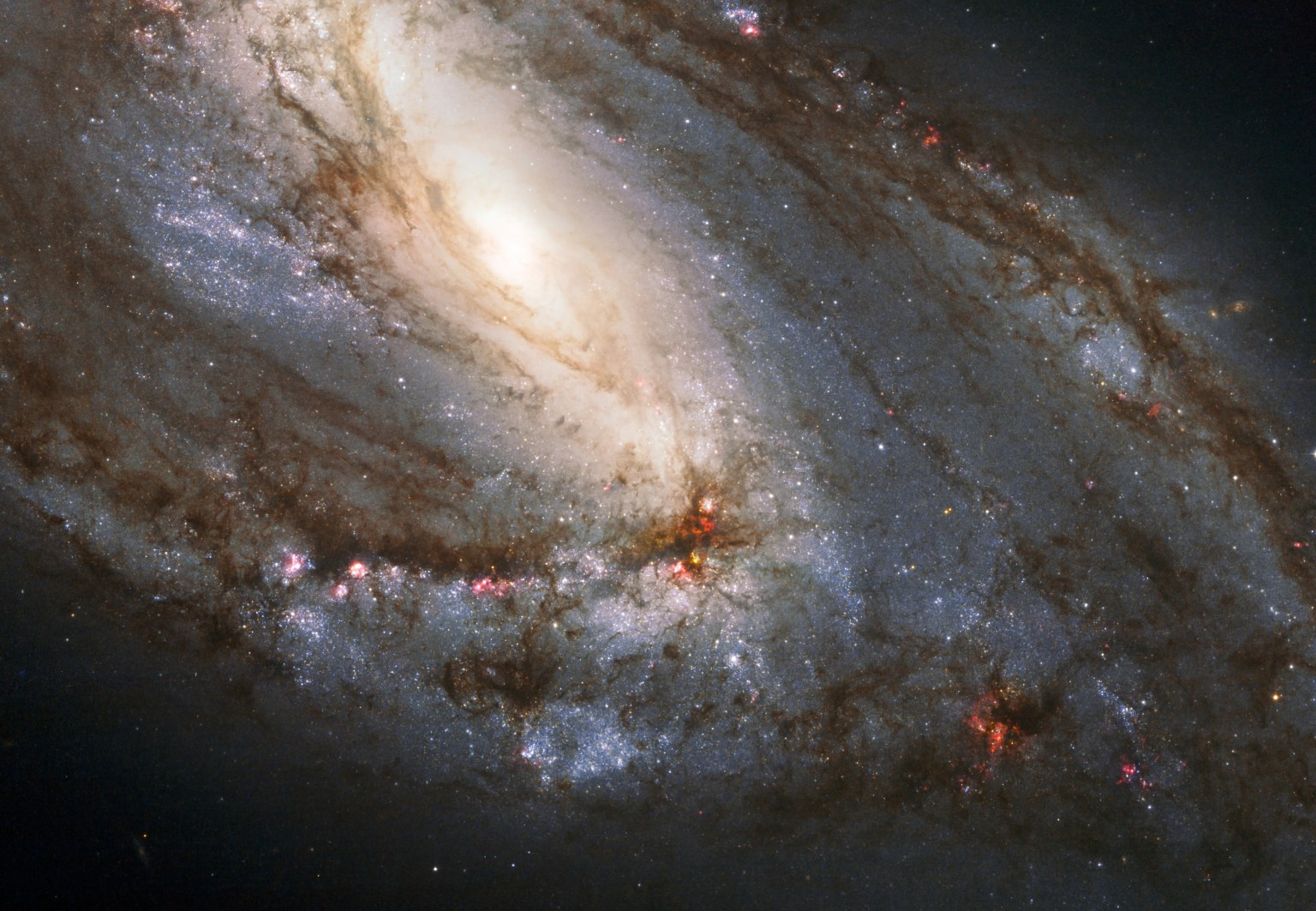
Hubble’s latest composite image of galaxy M66 brings Leo’s bright colors to life, showcasing the constellation’s striking sickle and the star Regulus. In April, Leo’s “reverse question mark” climbs the southeast sky after sunset, with a triangle of Denebola completing the lion’s hindquarters. With binoculars or a telescope, you can spot the double star Gamma Leonis (Algieba) and the Leo Triplet—M65, M66, and NGC 3628—three spirals only 30 million light‑years away.
NASA’s Artemis II Crew Beams Official Moon Flyby Photos to Earth
Original Publication Date: 2026-04-07 20:44
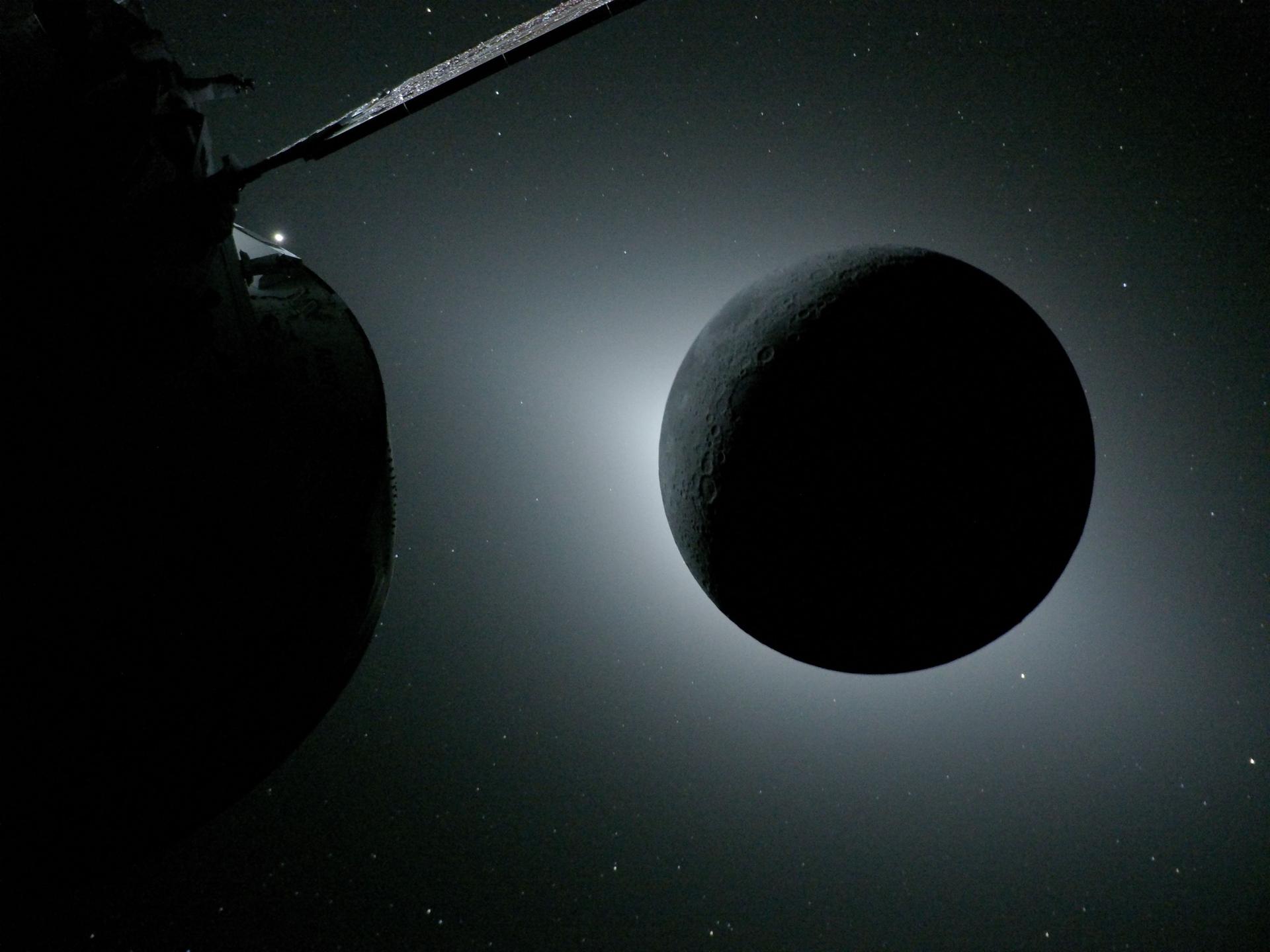
NASA’s Artemis II crew captured the first-ever flyby images of the Moon during a historic test flight, revealing unseen regions and a rare in‑space solar eclipse. The seven‑hour lunar flyby, photographed by Orion’s cameras, shows the Moon’s far side, Earth’s crescent, and bright spots of Saturn and Mars. Astronauts Reid Wiseman, Victor Glover, Christina Koch and Jeremy Hansen documented impact craters, ancient lava flows and six meteoroid impact flashes, providing new data on lunar geology.
Earthset
Original Publication Date: 2026-04-07 18:54
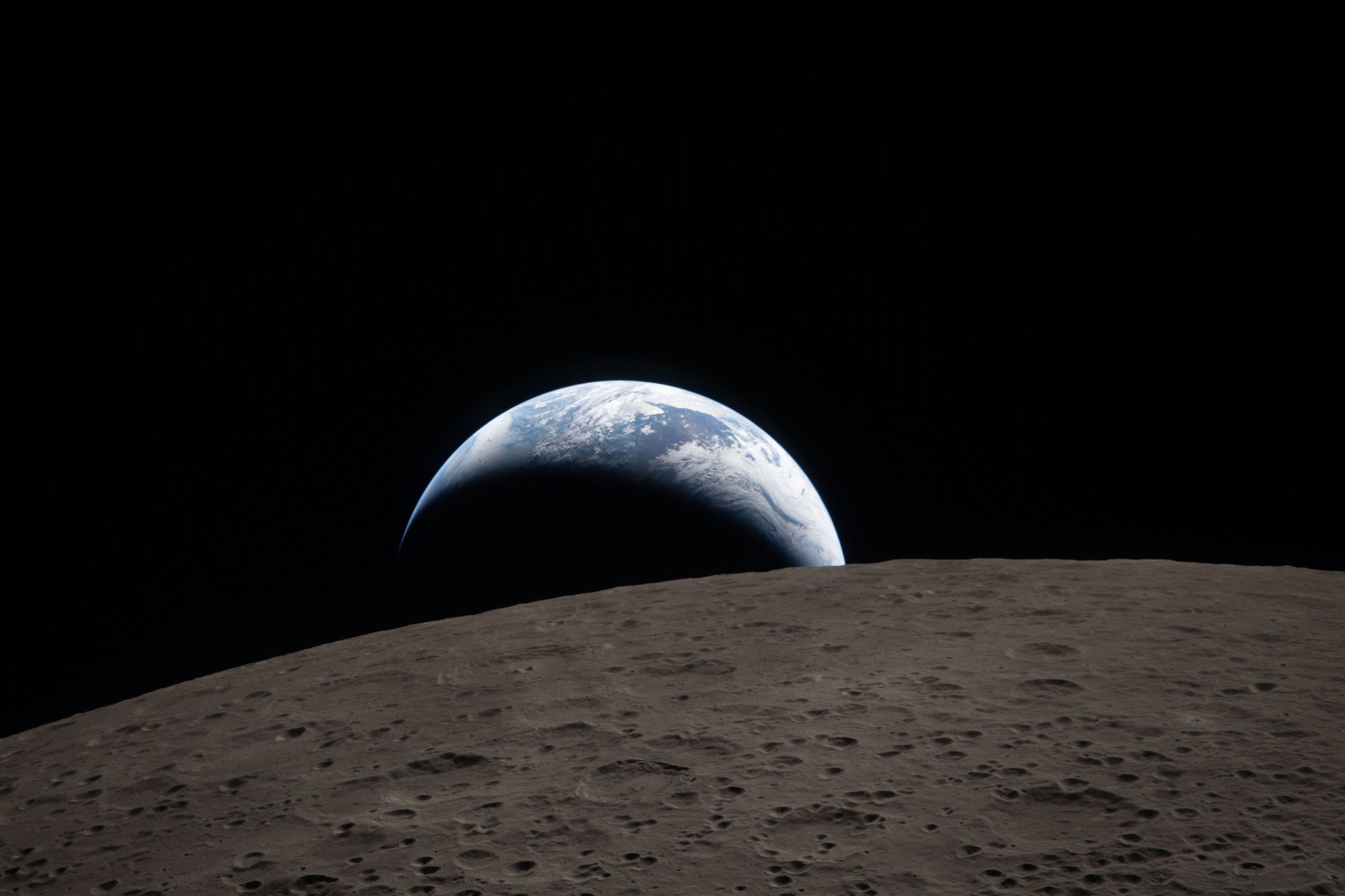
NASA’s Artemis II crew captured a stunning view of Earth setting over the Moon on April 6, 2026, during their lunar flyby. While circling the far side, the astronauts photographed impact craters, ancient lava flows, and surface cracks, noting color, brightness, and texture differences that illuminate the Moon’s composition and history. The image echoes the iconic Earthrise taken by Bill Anders 58 years earlier during Apollo 8, the first crewed mission to circumnavigate the Moon.
Experience the Rollout of SLS Hardware for Artemis III
Original Publication Date: 2026-04-07 17:52
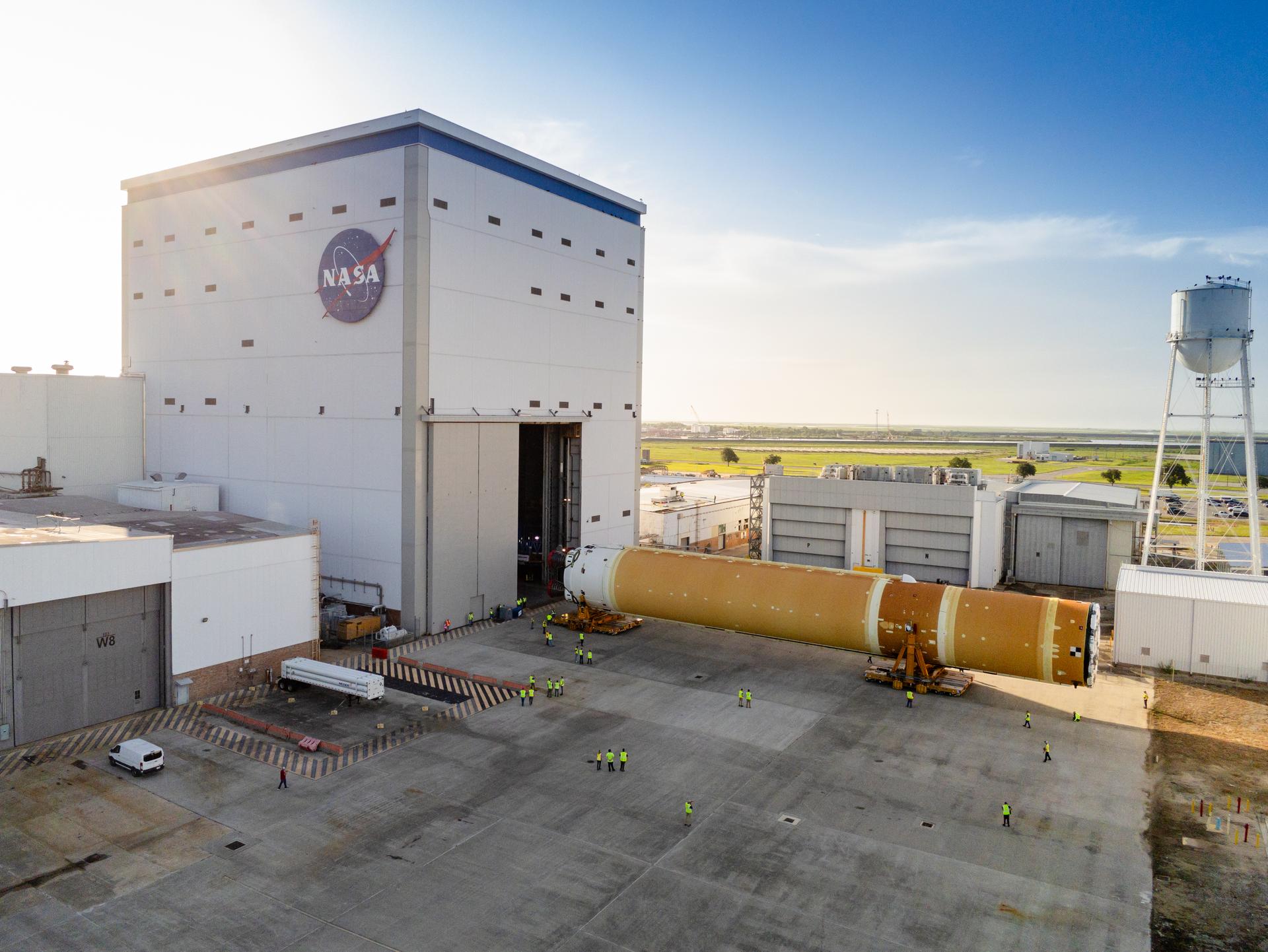
NASA is inviting up to 20 U.S. Digital creators to witness the rollout of the third Space Launch System core stage at the Michoud Assembly Facility before it heads to Kennedy Space Center. The one‑day NASA Social event, slated for mid‑to‑late April pending Artemis II, will let participants tour the facility, meet experts, and view the stage in action. Applications open April 7 and close at noon on April 10, with notifications expected April 13. Only U.S. Citizens with active social media accounts and proven engagement can apply, and attendees must cover their own travel and meet security ID requirements.
Advocates Ready For NASA Science Funding Fight, Part II
Original Publication Date: 2026-04-07 17:30

NASA faces a sharp $18.8 billion budget proposal that would slash its science portfolio by $3.4 billion, cutting over 40 missions including the Mars Sample Return and the SERVIR climate‑change program. The administration’s plan would allocate $3.89 billion to science, with $1.02 billion for Earth science, $1.88 billion for planetary science, and smaller amounts for astrophysics, heliophysics, and biology. In response, the Planetary Society and a bipartisan group of 103 lawmakers have rallied to demand at least $9 billion for fiscal 2027, arguing the cuts would undermine U.S. Leadership in space exploration. Advocates are poised to push back in Congress, insisting that NASA’s science missions must survive to keep America at the forefront of discovery.
Starfish Closes $100M+ Series B
Also covered by: SpaceNews
Original Publication Date: 2026-04-07 13:00
Starfish Space has closed a Series B round of more than $100 million, led by Point 72 Ventures with co‑leaders Activate Capital and Shield Capital and strong participation from Industrious Ventures and NightDragon. The funding will scale production of its Otter satellite‑servicing craft, add 40‑50 new employees, and prepare the company’s first full launch later this year. Starfish already holds contracts with SES, the U.
The State of EO 2026
Original Publication Date: 2026-04-07 12:20

With conflicts in Ukraine and Iran underscoring the value of Earth‑Observation data, countries are building sovereign satellite fleets and buying commercial imagery, sparking record deals for firms like BlackSky and Vantor that total over $200 million this year. Industry leaders say buyers now demand end‑to‑end solutions—from tasking satellites to AI‑driven analysis—so companies are bundling hardware, software, and analytics to help users turn raw data into actionable insights. But as AI tools mature, trust in EO imagery remains fragile, with concerns over deepfakes and data quality prompting firms to emphasize rigorous validation.
How Earthlings Got Views of the Lunar Fly By
Original Publication Date: 2026-04-07 12:17
Redwire has installed 11 high‑resolution cameras on the Orion capsule, with interior units offering crews a view of their surroundings and exterior units capturing key flight milestones such as module separation, heat‑shield status, and parachute deployment. These cameras also take “glamor shots” of the Moon and Earth, and some will aid optical navigation by mapping the spacecraft’s position relative to celestial bodies. While most footage will be released after the mission due to deep‑space bandwidth limits, the dual‑purpose design balances mission‑critical monitoring with public outreach. Redwire’s experience will carry over to Artemis III, where its cameras will provide the first live images of astronauts on the lunar surface in decades.
'It just made it even more special': Being so far from Earth makes you appreciate our planet even more, Artemis 2 astronaut says
Original Publication Date: 2026-04-08 10:00
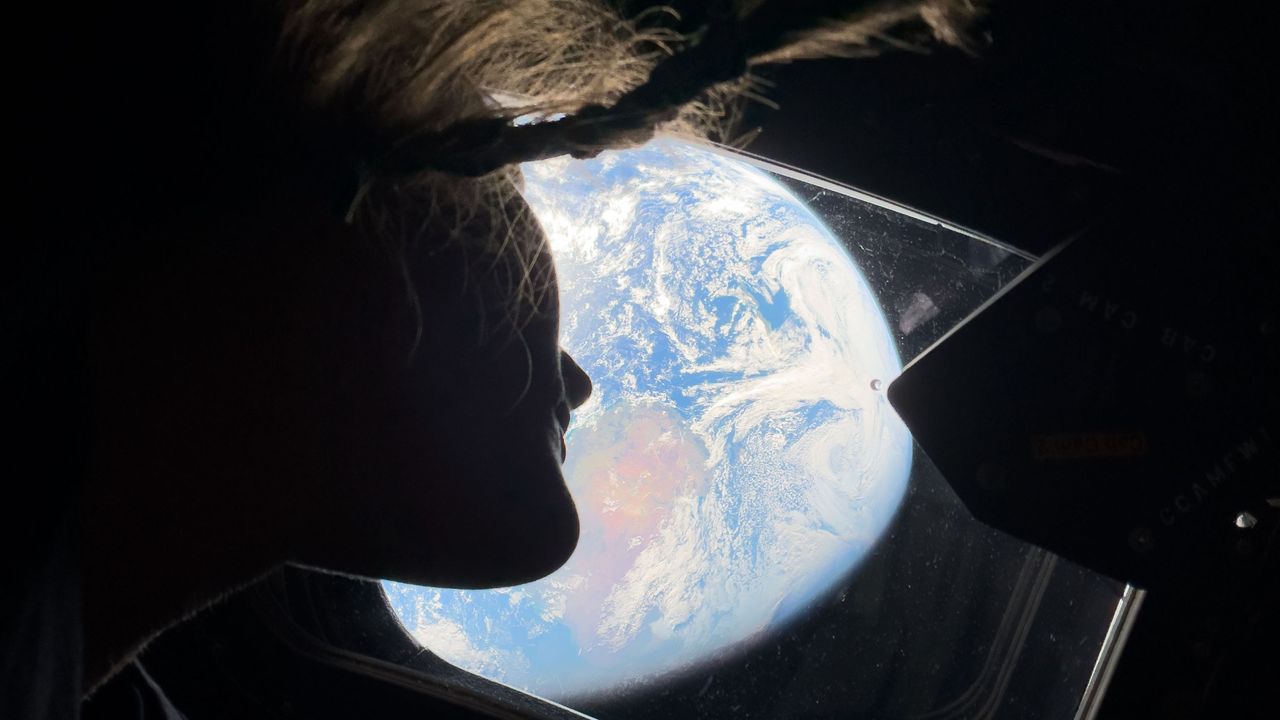
Artemis 2’s crew, led by astronaut Christina Koch, have returned from a historic lunar fly‑by, sharing how the vast blackness of space makes Earth’s beauty feel even more precious. While on the trip, Koch described the “overview effect,” noting how seeing our fragile planet against the dark cosmos deepens appreciation for our shared humanity. The astronauts also reflected on missing the International Space Station, where they can view specific locations on Earth, and discussed the mission’s milestones—from launch on the Space Launch System to the record‑breaking lunar loop. Their experience underscores the profound connection between space exploration and the renewed perspective it brings to life on Earth.
The Artemis 2 space toilet is actually working fine. But there is another problem
Original Publication Date: 2026-04-07 22:31
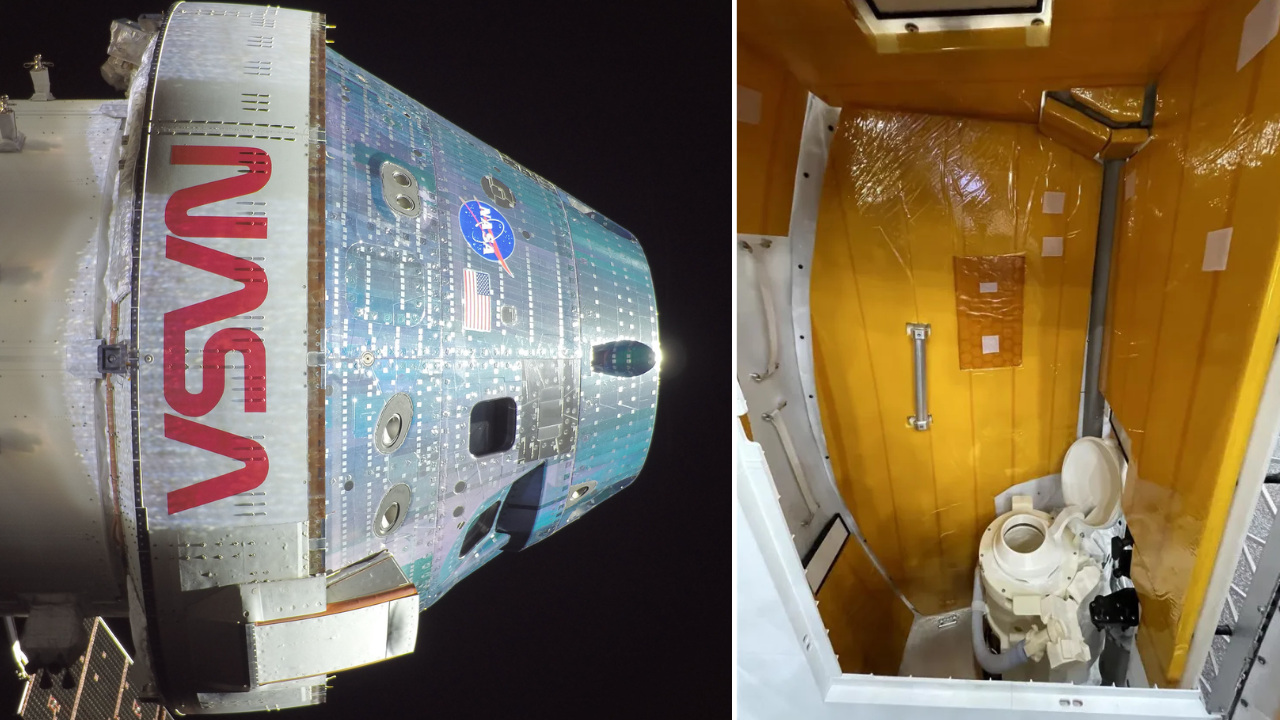
Artemis 2’s compact space toilet has attracted headlines after astronauts reported a backup and an unexplained burning smell. Mission Control confirms the toilet is still operational, but the team is struggling to evacuate the tank because the vent is smaller than expected and may be clogged by debris from chemical reactions. NASA will examine the problem in detail once Orion splashes down on April 10, ending the first crewed flight beyond low‑Earth orbit since Apollo 17. Despite the hiccup, Artemis 2 remains a historic milestone for humanity.
Relive Artemis 2's epic moon flyby with these amazing photos
Original Publication Date: 2026-04-07 18:00
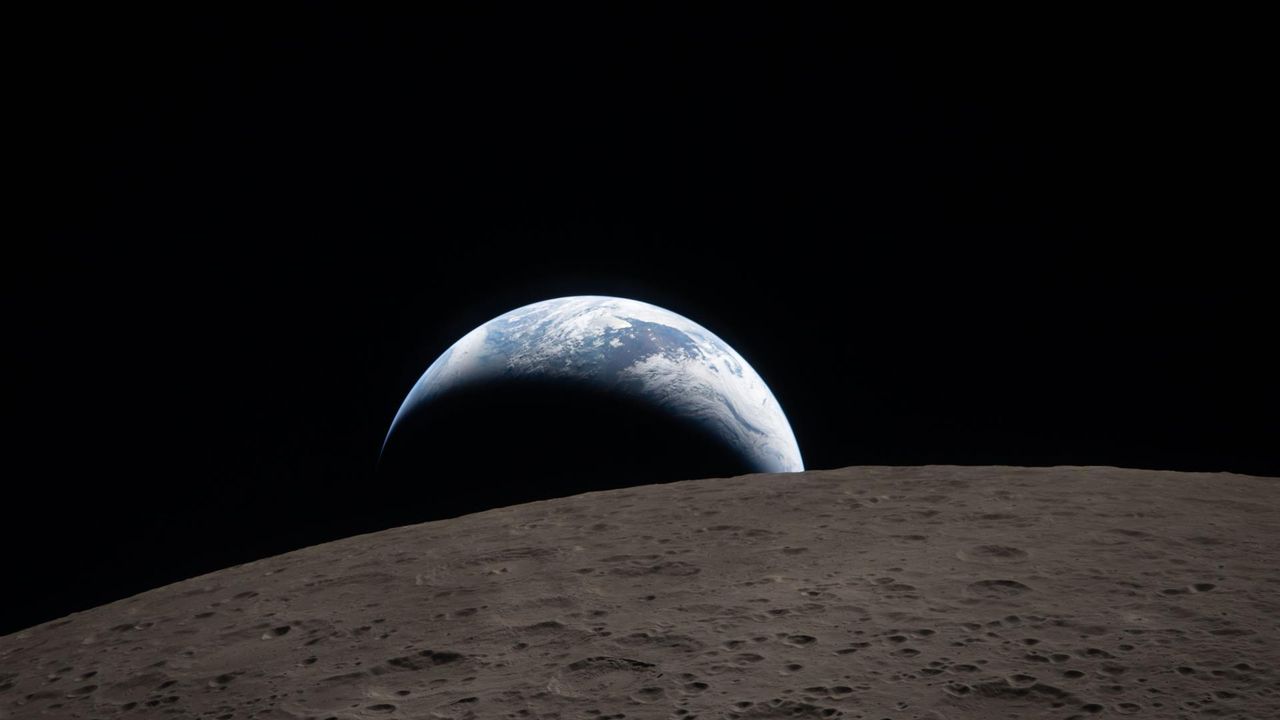
NASA’s Artemis 2 crew completed the first crewed lunar fly‑by since Apollo 17, circling the far side of the Moon on April 6, 2026. During the loop they captured striking images—including a dramatic Earthset over the lunar limb, a never‑before‑seen view of the Orientale Basin, and the vivid terminator line that separates day and night on the Moon’s surface. The photographs, taken by astronauts Reid Wiseman, Victor Glover, Christina Koch and Canadian astronaut Jeremy Hansen, offer new scientific insights into lunar geology while delivering awe‑inspiring vistas for viewers worldwide. These images underscore the mission’s dual role as both a scientific tour and a visual celebration of human exploration.
A satellite just captured images of a tsunami being born. Here's why that's a big deal
Original Publication Date: 2026-04-07 17:00

About an hour after the Kamchatka earthquake, the SWOT satellite captured the offshore tsunami wave field, shown as two red‑blue measurement swaths. These observations constrained the initial sea‑surface elevation pattern, depicted in a yellow‑purple map. Scientists used this data to run forward simulations that accurately reproduced the surrounding wave field, matching the SWOT measurements. This work demonstrates how real‑time satellite data can refine tsunami modeling and improve early warning systems.
Artemis 2 captures historic 'Earthset' photo | Space photo of the day for April 7, 2026
Original Publication Date: 2026-04-07 16:40
NASA’s Artemis 2 crew captured a stunning “Earthset” photo on Flight Day 6 of their 10‑day lunar mission, as Earth slipped from view while they flew over the far side of the Moon. The image, taken at 6:41 p.m. EDT on April 6, shows a crescent Earth with clouds swirling over Australia and Oceania, set against the Moon’s rugged surface and the 40‑mile‑wide Ohm Crater. Astronauts Reid Wiseman, Victor Glover, Christina Koch and Jeremy Hansen celebrated the moment, echoing Bill Anders’s iconic 1968 Apollo 8 Earthrise. The crew also witnessed a rare total solar eclipse from orbit, underscoring the historic nature of their journey.