 Spotify
 Apple Podcasts
 Podcast Addict
 Overcast
 Podcast RSS
Vantor wins intelligence agency contract to monitor space objects
Original Publication Date: 2026-04-01 09:30
Vantor, a commercial Earth intelligence provider, has secured a $2.3 million contract from the
Chinese startup tests flexible robotic arm in space for on-orbit servicing
Original Publication Date: 2026-04-01 07:50
Chinese commercial firm successfully tested a flexible robotic arm in orbit, a key step toward satellite servicing, refueling, and debris removal. The demonstration showcased the arm’s ability to maneuver in microgravity, highlighting advances in autonomous space operations. This milestone underscores China’s growing capabilities in on‑orbit servicing technologies. The test paves the way for future missions to maintain and extend the life of spacecraft.
Virgin Galactic expects commercial suborbital flights to resume late this year
Original Publication Date: 2026-04-01 01:10
Virgin Galactic says its next‑generation SpaceShip spaceplane will be ready for ground testing in April and expects its first commercial suborbital flight in Q4 2026. After a series of glide and powered tests, the company plans to ramp up to 10 or more flights per month by early 2027, with the launch vehicle Eve upgraded to handle 12‑15 flights monthly. Ticket sales have reopened at $750,000 each, and Virgin currently has a backlog of over 700 customers. Despite a $279 million net loss in 2025, Virgin forecasts significant cash inflows from the upcoming commercial launch and aims to maintain a strong balance sheet.
Cast your vote for the best sci-fi spaceship and then watch debaters duke it out at Space Symposium
Original Publication Date: 2026-03-31 22:49
Space Symposium 2026 in Colorado Springs is hosting a debate to determine the greatest sci‑fi spaceship ever seen on screen, with participants voting by April 14. Attendees can choose from iconic vessels like the Millennium Falcon, USS Enterprise, Rocinante, and the TARDIS, among others, and then join a panel of industry experts to defend their pick. The event will feature a mix of technical presentations and a lively discussion about the merits of each ship. Those interested can register online and receive confirmation details via email.
Agentic AI: the future of space warfare
Original Publication Date: 2026-03-31 13:00
As satellite constellations expand and counterspace capabilities become more sophisticated, the future of space warfare will hinge on how quickly a nation can sense, analyze, and act. Speed of decision will dictate who controls the space domain. Artificial intelligence is already boosting complex military decision-making, and the next leap—agentic AI—enables autonomous agents that can make rapid, independent choices. The race to deploy these technologies will shape control of the final frontier.
Falcon 9 booster launches for record 34th time on Starlink delivery mission
Original Publication Date: 2026-03-30 19:58
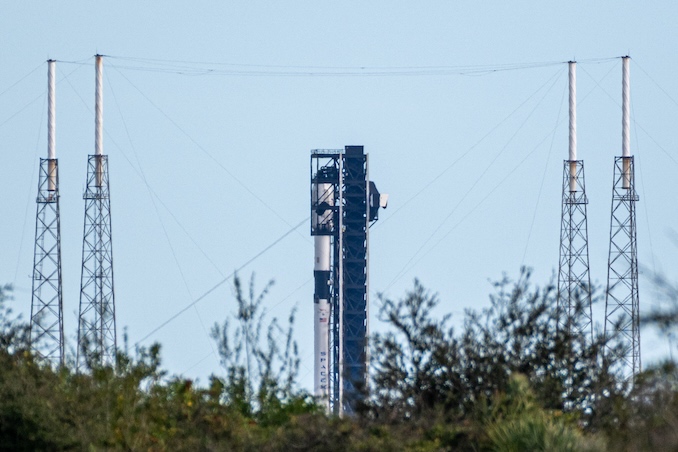
SpaceX’s Falcon 9 booster launched from Cape Canaveral’s Launch Complex 40 at 5:15 p.m. EDT to deploy 29 Starlink satellites, marking its record‑breaking 34th flight. The launch, approved under a 70% weather forecast, added to the booster’s long list of high‑profile missions since 2021. After just 8.5 minutes in orbit, the first‑stage booster landed safely on the drone ship “Just Read the Instructions” in the Atlantic Ocean. This success further cements SpaceX’s growing track record of reusable rocket operations.
Rocket Lab Receives Final FDI Approval to Acquire Mynaric and Launch Rocket Lab Europe
Original Publication Date: 2026-03-31 18:38
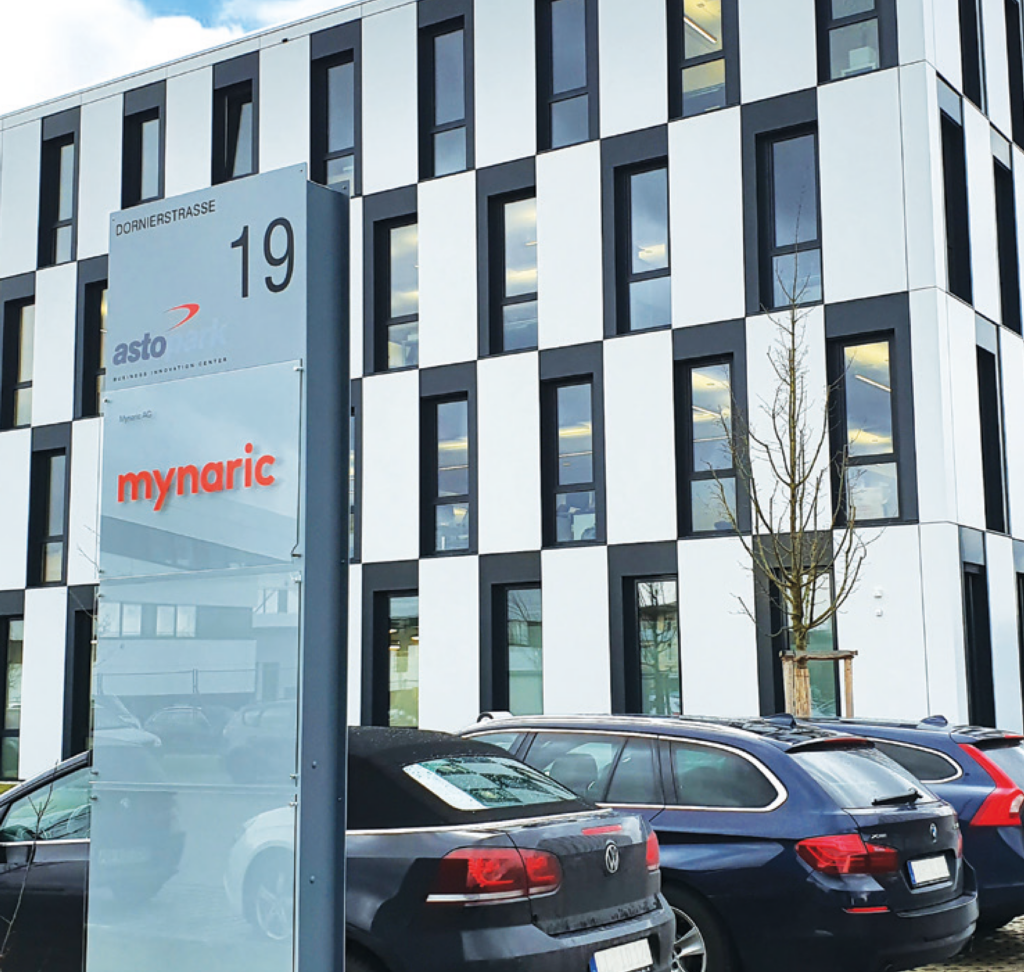
On March 30, 2026 Germany’s Federal Ministry for Economic Affairs and Climate Action granted foreign‑direct‑investment approval to Rocket Lab, clearing the way for the company to complete its purchase of a Munich‑based firm. The decision underscores Germany’s willingness to welcome international aerospace investment and bolsters Rocket Lab’s expansion into the European market. The acquisition is expected to enhance the company’s launch capabilities and deepen its collaboration with German aerospace partners. This approval marks a significant milestone for Rocket Lab as it continues to grow its global footprint.
Chasing Starlink, Amazon Leo strikes satellite Wi-Fi deal for future Delta flights
Original Publication Date: 2026-03-31 16:40

On March 31, 2026, Delta Air Lines revealed a landmark partnership with Amazon Leo—formerly Project Kuiper—to deliver high‑speed, low‑latency Wi‑Fi to its fleet. The collaboration will tap into Leo’s satellite constellation, promising faster, more reliable connectivity for passengers across a large swath of Delta’s route network. Delta’s move is part of a broader push to upgrade in‑flight experience and stay competitive in an era where seamless connectivity is a key differentiator. This new service will soon be available to travelers on many of the airline’s domestic and international flights.
Traditional Media and Online Video Revenues Projected to Exceed One Trillion Dollars by 2030
Original Publication Date: 2026-03-31 16:26

By 2030, the global media and entertainment sector is poised to exceed $1.03 trillion in combined revenue from traditional TV and online video, marking a historic milestone. This surge reflects the growing dominance of streaming platforms alongside legacy broadcast networks. Industry analysts predict that digital content will continue to outpace traditional media, reshaping how audiences consume entertainment. The shift underscores a pivotal moment in the evolution of media consumption worldwide.
Duagon Computing Hardware Set for Deployment to the International Space Station
Original Publication Date: 2026-03-31 14:28
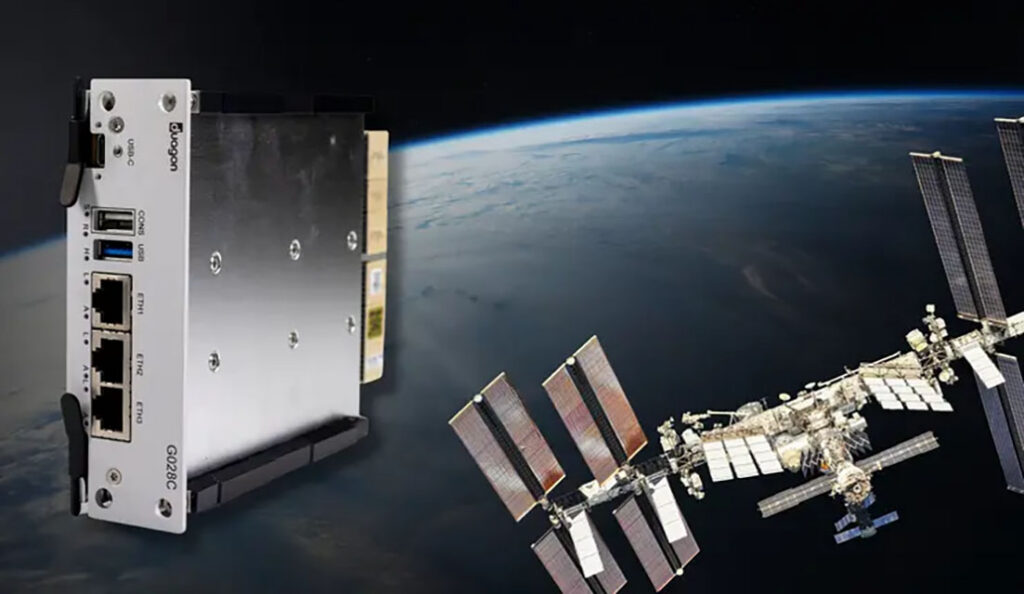
On March 31, 2026, embedded‑computing specialist Duagon announced that its new high‑availability hardware will be launched to the International Space Station in April. The system, engineered for Belgian aerospace applications, is designed to deliver robust, fault‑tolerant computing in the harsh space environment. Duagon’s announcement highlights the growing demand for reliable on‑board processing as missions become more complex.
SPARC AI Appoints On-Ground Referral Agent in Ukraine to Accelerate Defense Engagement
Original Publication Date: 2026-03-31 14:19
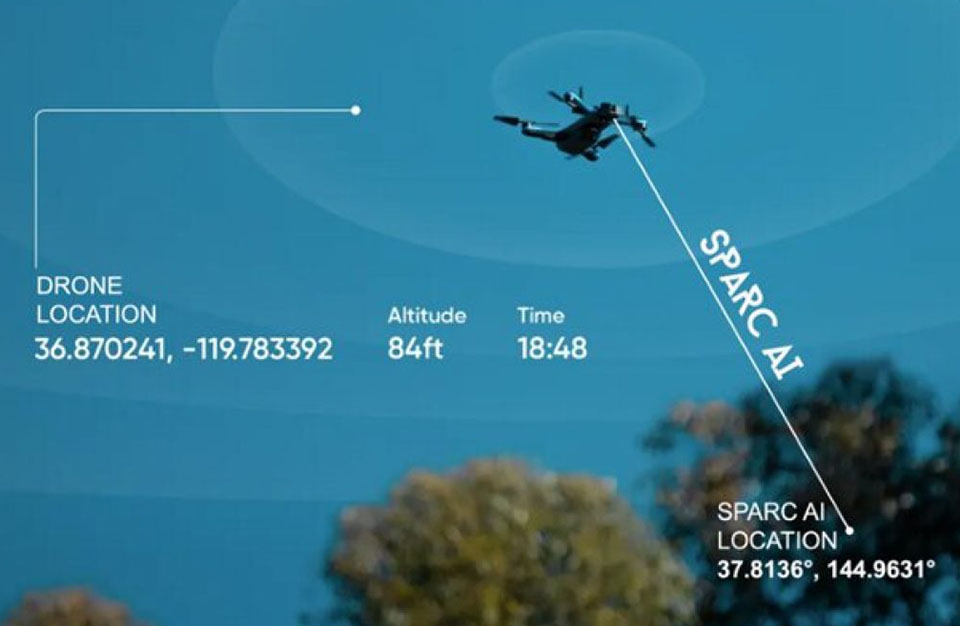
SPARC AI Inc. Announced on March 25 2026 that it has appointed an on‑ground referral agent in Ukraine to deepen commercial ties with local defense stakeholders. The move is part of the company’s strategy to expand its presence in Eastern Europe and to support Ukraine’s defense industry with advanced AI solutions. By positioning a dedicated local partner, SPARC AI aims to streamline collaboration and accelerate the deployment of its technology in the region. This initiative underscores the growing importance of AI in modern defense operations.
March of the Harmattan
Original Publication Date: 2026-04-01 04:00
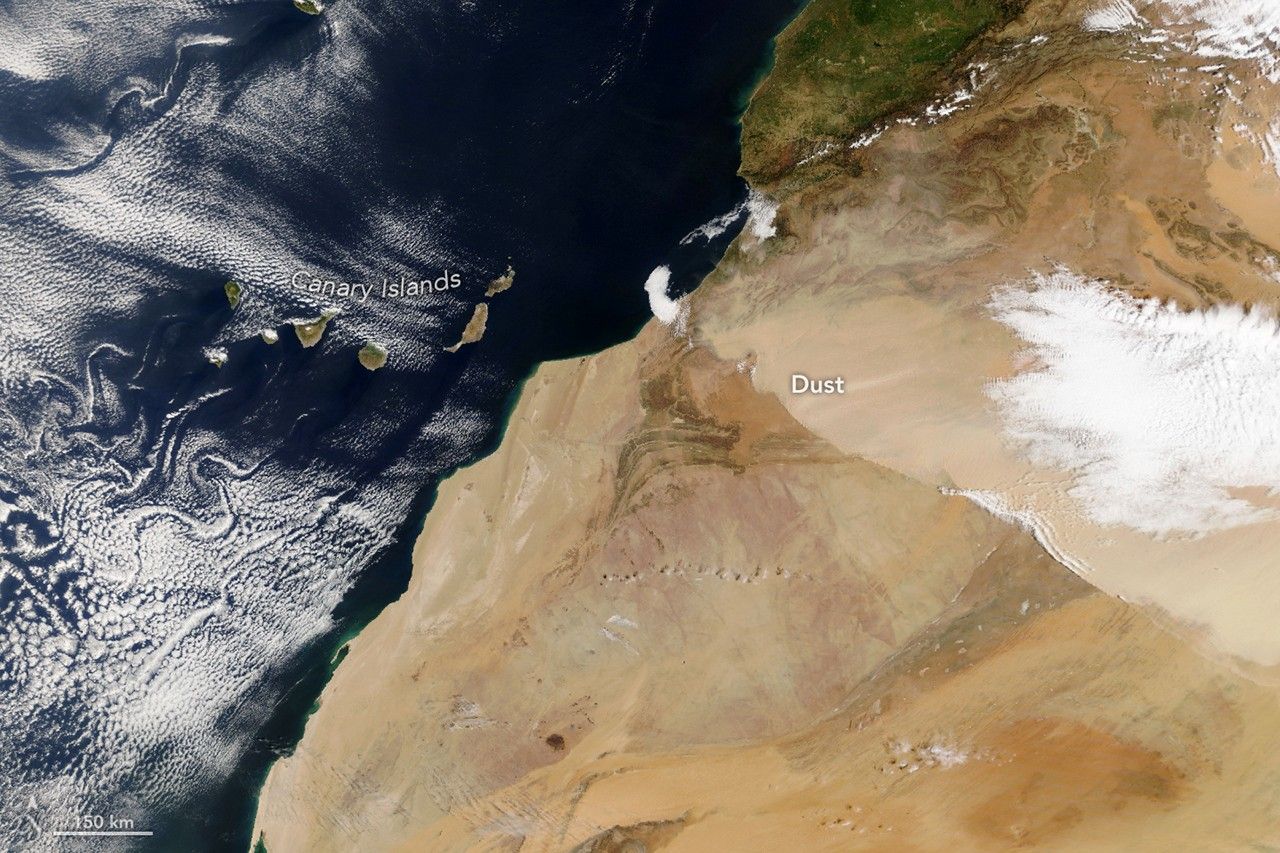
NASA satellites tracked a March 30 harmattan dust plume that swept across northwestern Africa, moving from the Sahara toward the Atlantic and threatening low visibility and harsh conditions in Morocco. The dust, lifted by strong northeasterly winds, was captured by NASA’s Terra and NOAA-21 satellites, while EUMETSAT’s Meteosat‑12 showed its approach to the Canary Islands. Authorities issued alerts in Morocco and warned that the dust—known locally as calima—would worsen air quality and visibility over the islands through April 1. The event underscores the seasonal peak of Saharan dust storms, which can travel far beyond Africa and impact weather and air quality across Europe.
Godspeed, Artemis II!
Original Publication Date: 2026-03-31 15:54
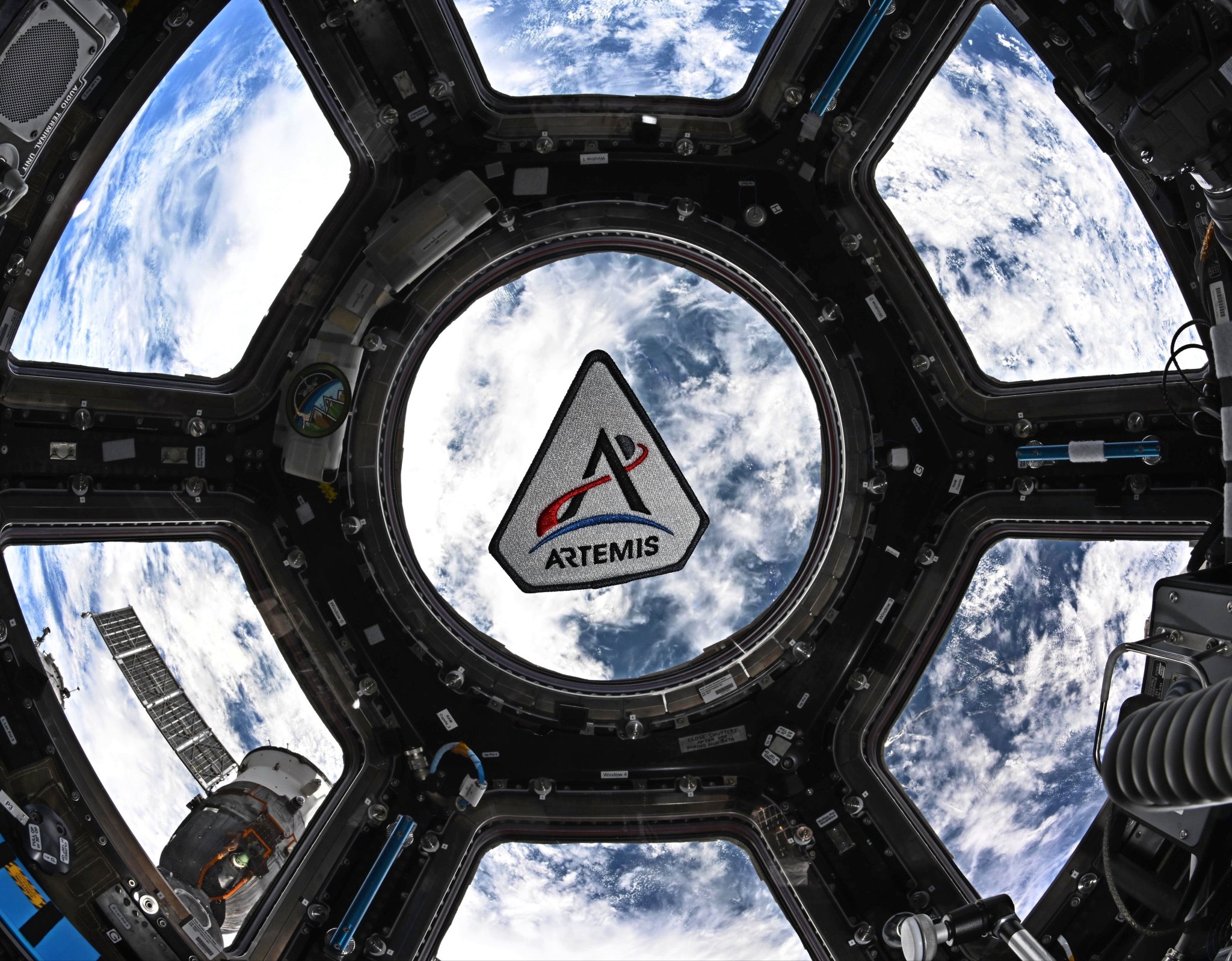
NASA astronaut Jessica Meir posted a photo of the Artemis program patch drifting inside the International Space Station’s cupola on X on March 30, 2026. In her caption she noted that work aboard the ISS is laying the groundwork for a crewed Moon return this week and teased the upcoming Artemis II launch. She urged listeners to stay tuned as Expedition 74 will keep a close watch, wishing a “Godspeed” to Artemis II. The image was credited to NASA/Jessica Meir.
Landsat Reveals Reservoir Changes and Bathymetry
Original Publication Date: 2026-03-31 14:30

Scientists have turned the world’s long‑running Landsat satellite archive into a global map of where water has permanently advanced or retreated since 1984, pinpointing the exact year of each change. The University of Southampton team’s dataset highlights dramatic losses such as the Aral Sea and gains like new glacial lakes. Meanwhile, Texas A&M researchers fused Landsat with ICESat‑2 data to create “3D‑LAKES,” a worldwide bathymetry map that lets managers estimate reservoir storage and visualize underwater topography.
Artemis II set to return humanity to the Moon with launch on Wednesday evening
Also covered by: Space.com, Space.com, Ars Technica
Original Publication Date: 2026-03-31 20:36

Apollo 17’s trans‑Earth injection on December 16, 1972 marked the last time a crewed Apollo spacecraft orbited the Moon, and 52 years later NASA is poised to return. On April 1, 2026 the Orion “Integrity” will launch atop an SLS rocket from Kennedy Space Center, perform a high‑Earth orbit check, then a trans‑lunar injection that will carry the crew on a 10‑day free‑return flyby of the Moon, reaching farther from Earth than any human has ever traveled. The four‑person crew—NASA commanders Reid Wiseman and pilot Victor Glover, mission specialist Christina Koch, and Canadian astronaut Jeremy Hansen—will make history with Glover as the first person of color to fly, Koch as the first woman, and Hansen as the first non‑American beyond low‑Earth orbit. Artemis II is the first crewed flight of the Artemis program and will set the stage for future lunar landings at the Moon’s south pole in 2028.
Top Space Lawmaker on Moon Base, Artemis Plans
Original Publication Date: 2026-03-31 17:30
Congress is rallying behind NASA’s new lunar infrastructure plan, with Rep. Mike Haridopolos saying lawmakers are fired up to lead the U.S. To the Moon. NASA Administrator Jared Isaacman unveiled a roadmap that includes monthly uncrewed lunar missions starting in 2027, a Moon base, and the first U.S. Crewed landing in 2028, positioning the Moon as a springboard for Mars. Haridopolos highlighted the upcoming Artemis II flyby as a rallying point, though it hasn’t captured public imagination like Apollo did, citing competing national concerns. He also stresses the potential for lunar tech to benefit life on Earth, underscoring the broader excitement for this next chapter of space exploration.
Voyager and Icarus Team Up on ISS Robotics Demo
Original Publication Date: 2026-03-31 12:47

Voyager Technologies has just inked a mission‑management contract with New York startup Icarus Robotics to launch its free‑flying robot, Joy, aboard the ISS in 2027. Joy will glide on fans and use two manipulator arms to perform cargo and logistics tasks, freeing astronauts for more complex work while gathering data to refine future robotic platforms. The partnership also ties Joy’s development to Voyager’s upcoming Starlab commercial station, ensuring the robot meets the needs of future orbital habitats. As NASA notes a lack of a mature low‑Earth orbit market, Icarus remains focused on building robotic workers that could one day support missions to the Moon, Mars and beyond.
Q&A With Lunar Base Manager Carlos Garcia-Galan
Original Publication Date: 2026-03-31 12:14
NASA’s new lunar base chief, Carlos Garcia‑Galan, has shifted the agency’s focus from an orbiting habitat to a rapid‑development surface outpost, starting with a heavy robotic presence before crews arrive. He plans to blend commercial innovation with NASA’s own expertise, tightening oversight of the Commercial Lunar Payload Services program to boost reliability. Gateway technology—such as the HALO module’s life‑support and power systems—is being adapted for surface use, while the Lunar Terrain Vehicle procurement is being streamlined for speed and volume. Garcia‑Galan stresses that public storytelling is 100 % essential, as excitement and awareness will drive the success of humanity’s first lunar outpost.
This star-forming galaxy is blowing out powerful winds topping 2 million mph
Original Publication Date: 2026-03-31 21:00
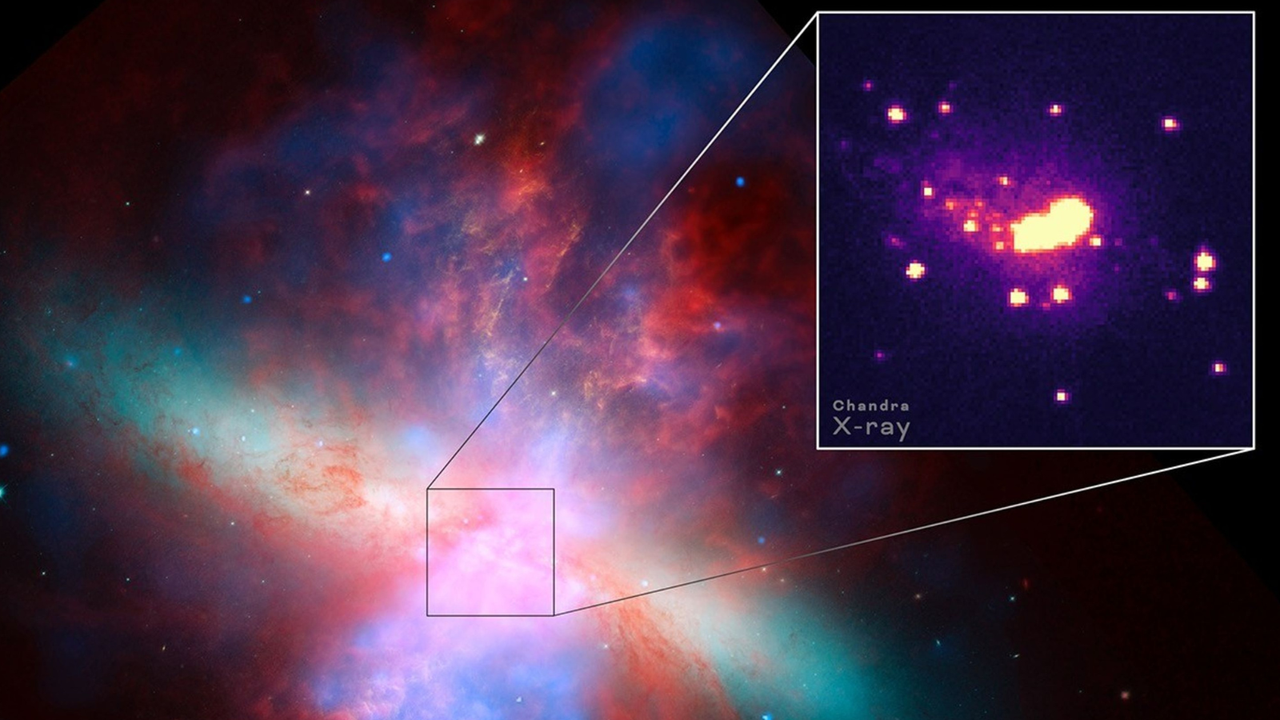
NASA’s Chandra X‑ray Observatory, together with Hubble and Spitzer, has captured the powerful winds of galaxy M82, propelling gas and dust up to 40,000 light‑years from its core. The images reveal a central cauldron of stellar activity that fuels the galaxy’s massive outflow. This spectacular phenomenon showcases how starburst activity can drive galactic winds across vast distances. The data highlight M82 as a prime laboratory for studying feedback processes in galaxies.
Comet MAPS faces a make-or-break moment as it dives toward the sun on April 4 — could it shine in the daytime sky?
Original Publication Date: 2026-03-31 19:00
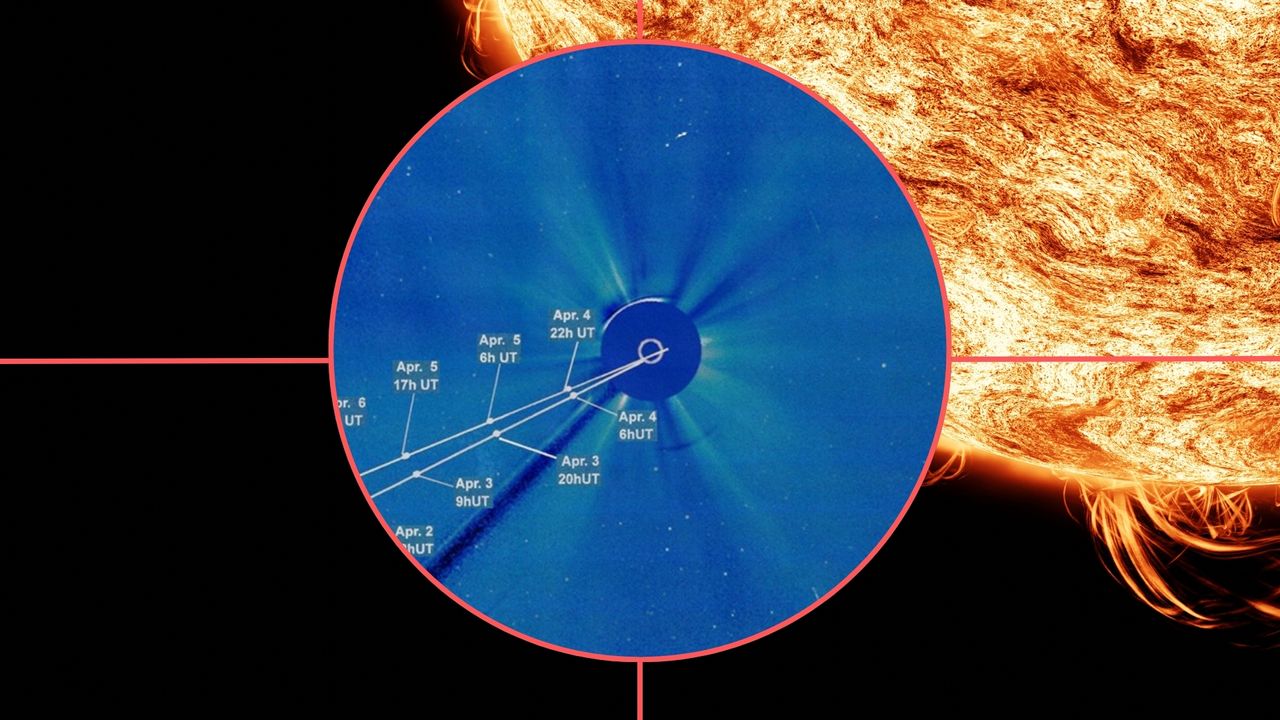
Comet MAPS, a newly discovered Kreutz sungrazer, will reach its closest approach to the Sun on April 4, passing a mere 101,000 miles above the photosphere at a blistering 322 mph. The comet’s dramatic hairpin swing could make it bright enough to glimpse in daylight, but looking directly at it would be dangerous for the eyes. Amateur astronomers from Chile’s AMACS1 observatory first spotted the comet in January, naming it after the discoverers’ surnames. For safe viewing, listeners can watch the comet’s journey on SOHO’s LASCO C3 coronagraph from April 2 to 6.
What will happen if Artemis 2 astronauts get hit by a solar storm during NASA's ambitious moon mission?
Original Publication Date: 2026-03-31 18:00
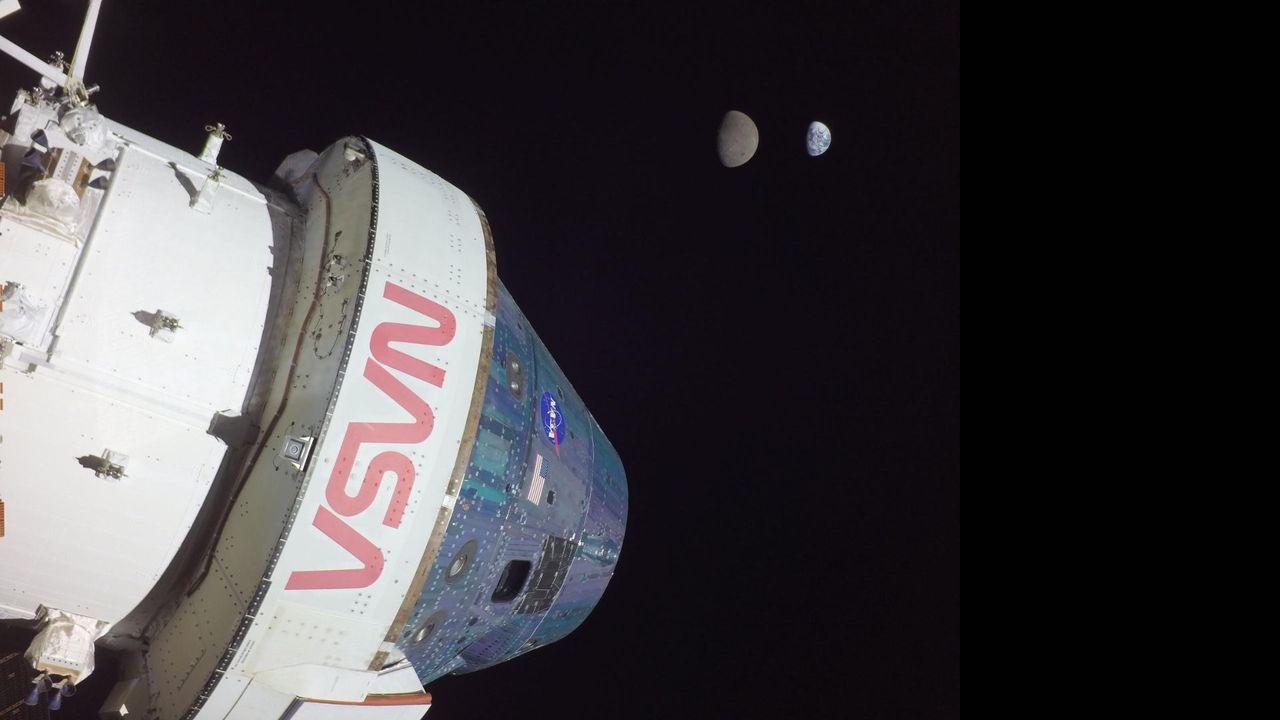
NASA’s upcoming Artemis 2 mission will send a four‑person crew—Reid Wiseman, Victor Glover, Christina Koch and Canada’s Jeremy Hansen— on a roughly ten‑day lunar fly‑by, with launch targeted as early as April 1. Once beyond Earth’s magnetic field, the astronauts will monitor radiation detectors and wear active dosimeters to track exposure from space weather events. If a powerful solar storm strikes, the Orion capsule’s built‑in storm shelter—central stowage bays that can be moved to a “hot spot” inside the vehicle—will provide a lower‑dose refuge for the crew. Tests from the uncrewed Artemis 1 mission confirm that Orion’s dense structure offers effective shielding, giving NASA confidence in the crew’s safety.
After more than 53 years, humans may finally return to the Moon this week
Original Publication Date: 2026-03-31 14:25
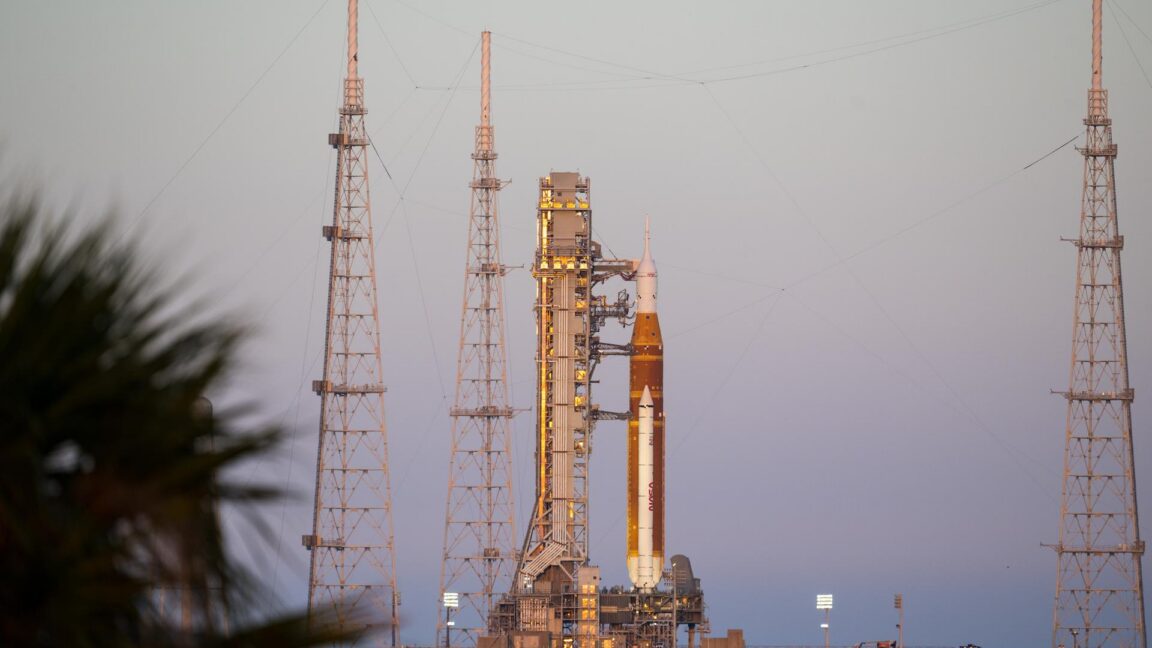
NASA’s Artemis II countdown began Monday evening as the agency readies a crew of four to orbit the far side of the Moon. The launch is scheduled for a two‑hour window starting 6:24 p.m. EDT on Wednesday from Launch Complex 39B at Kennedy Space Center. With backup windows through April 6 and an 80 percent chance of clear weather, mission managers report all systems are ready and the launch looks on track. If conditions hold, Artemis II will be the first of six early‑April opportunities to send humans beyond the Moon’s far side.