 Spotify
 Apple Podcasts
 Podcast Addict
 Overcast
 Podcast RSS
NASA plans unpiloted Starliner test flight at end of year
Original Publication Date: 2026-09-29 01:14
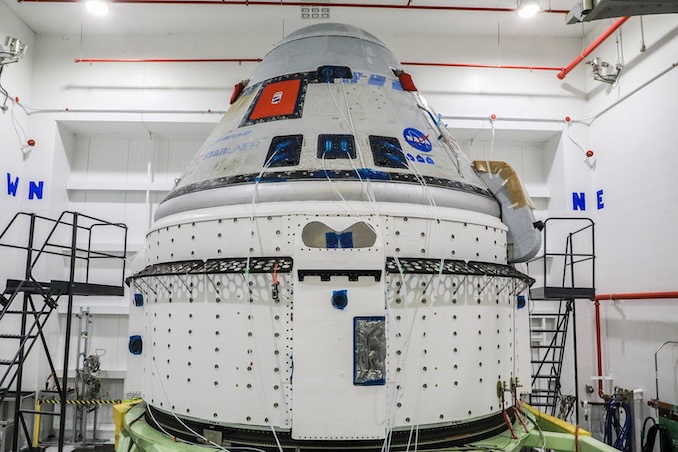
NASA and Boeing are preparing an unpiloted Starliner test flight for December or January to validate major propulsion and system upgrades after the 2024 mission’s 286‑day delay.
Starship returns to Earth; rocket splashes down north of Hawaii after three-hour flight
Original Publication Date: 2026-09-28 20:40
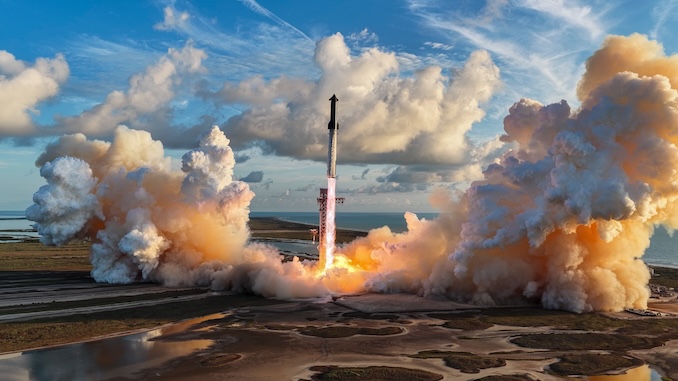
SpaceX’s Starship‑Super Heavy lifted off from Texas’s Starbase on Monday, marking the rocket’s first successful flight to orbit after 13 suborbital tests. One upper‑stage engine shut down early, but a second engine fired to carry the vehicle into a 180‑mile orbit, where it deployed 26 new‑generation Starlink satellites before returning to Earth. The craft was brought back ahead of schedule, splashing down north of Hawaii in a controlled, tail‑first descent. The mission was hailed by NASA as a critical step toward the 2028 Artemis moon landing, showcasing SpaceX’s progress toward reliable, reusable orbital launches.
Launch preview: SpaceX to launch first Starlink V3 satellites to orbit on Starship
Original Publication Date: 2026-09-28 00:21
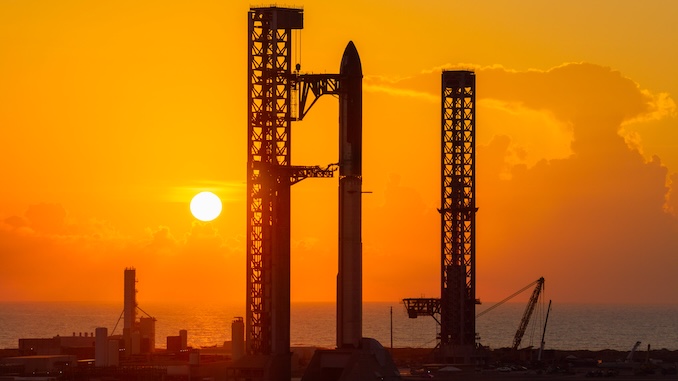
SpaceX is set to launch its Starship‑Super Heavy rocket on Monday, marking the first orbital flight of the integrated vehicle after 13 sub‑orbital test flights. The 124‑meter tall launch, scheduled for 7:15 a.m. CDT, will carry 26 Starlink V3 satellites and aim to insert the upper stage into orbit about 25 minutes after liftoff. If successful, the vehicle will orbit Earth roughly six times before a controlled splashdown off South America, with plans to recover the upper stage on the next test flight. The mission, dubbed Starlink 31‑1, will be monitored live by Spaceflight Now, offering experts commentary throughout the launch.
Arqiva Proposes Managed 2044 Digital Terrestrial Television Switch-Off in UK Government Green Paper
Original Publication Date: 2026-09-28 22:42
On September 28, 2026, Arqiva—UK’s media infrastructure and telecommunications provider—submitted its formal response to the Government’s Green Paper on the future of television distribution. The company outlined its vision for the sector, stressing the need for resilient infrastructure and the integration of emerging technologies. Arqiva called for continued investment in broadband and broadcasting networks to support a more flexible, consumer‑centric TV landscape.
TakeMe2Space Prepares MOI-1A Orbital Computing Satellite for SpaceX Falcon 9 Launch
Original Publication Date: 2026-09-28 18:43
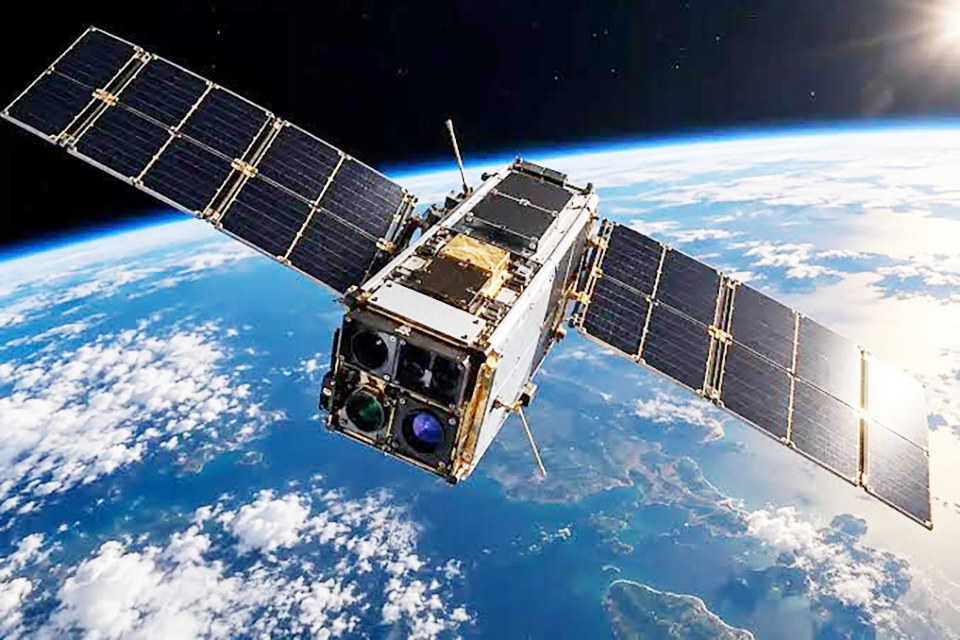
On October 1, 2026, Indian spacetech startup TakeMe2Space will launch its MOI‑1A orbital computing satellite aboard a SpaceX Falcon 9 rocket, marking the company’s first commercial flight. The mission will provide on‑orbit computing services for a range of customers, leveraging the satellite’s advanced processing capabilities. The launch underscores India’s growing role in the global space economy and demonstrates TakeMe2Space’s commitment to delivering high‑performance spaceborne solutions.
U.S. Space Force Solicits Commercial Proposals for Restructured SCAR Ground Antenna Network
Original Publication Date: 2026-09-28 18:28
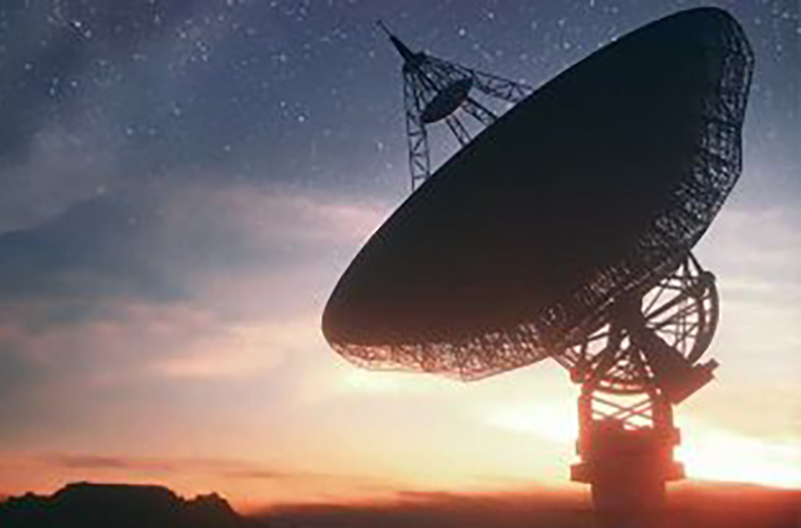
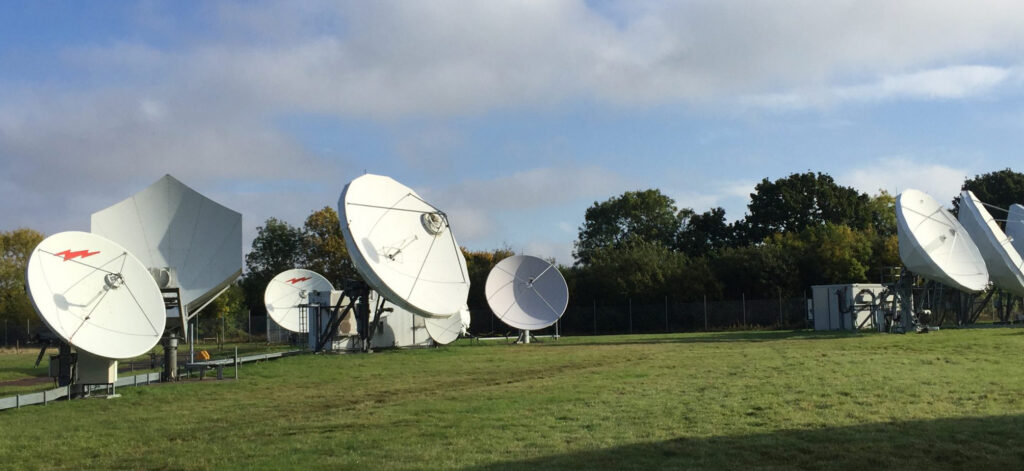
On September 28, 2026, the U.S. Space Force issued the final solicitation for a competitive procurement of next‑generation ground antenna infrastructure to modernize military satellite command and control operations. The initiative seeks advanced phased‑array and high‑gain antennas that can support real‑time data links, enhance resilience, and enable rapid deployment at global sites.
SpaceX Launches Starship Flight 14 from Starbase in Inaugural Orbital Test Flight
Original Publication Date: 2026-09-28 14:35
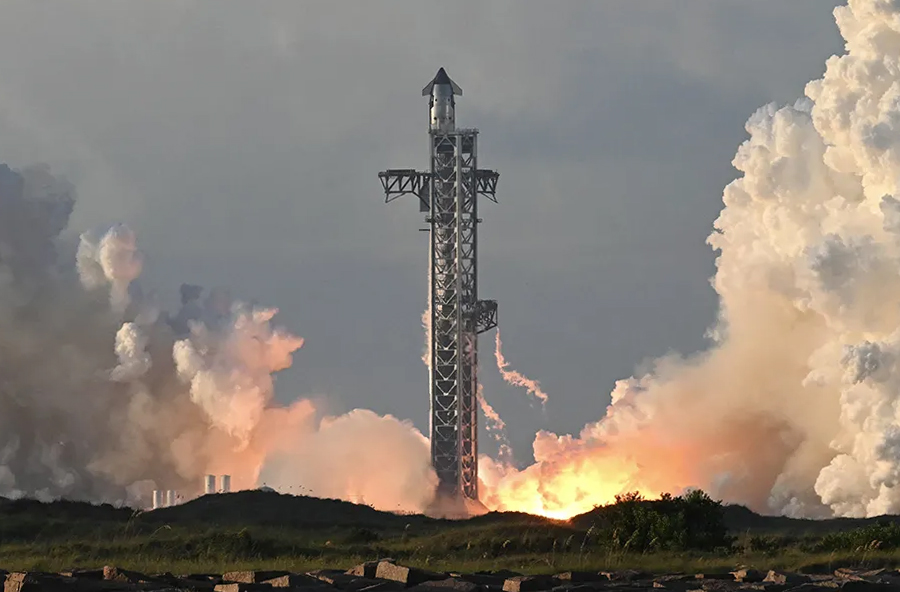
On September 28, 2026, SpaceX conducted the first orbital test flight of its fully integrated Starship launch system, marking a major milestone for the company.
Fire Cloud with a Pileus on Top
Original Publication Date: 2026-09-29 04:01
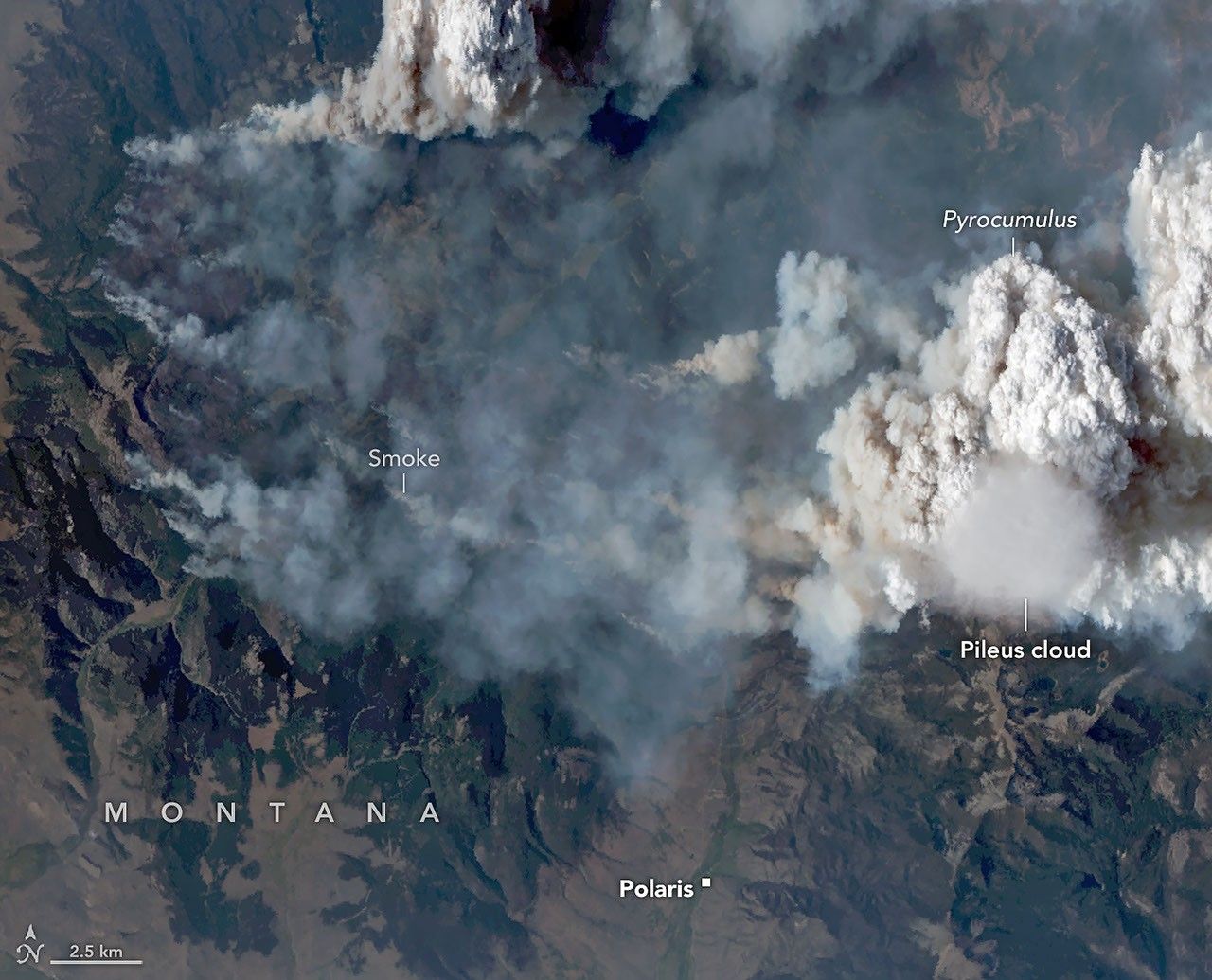
NASA scientists aboard the ER‑2 aircraft captured a rare pileus cloud perched atop a towering pyrocumulus over Montana’s Sand Creek fire, revealing the extreme updraft dynamics of the blaze. The veil‑like cloud, which forms when a fire‑heated updraft meets a moist air layer, was photographed in natural color and shortwave‑infrared, linking surface fire behavior to cloud processes. This observation, part of the INSPYRE campaign, showcases how intense wildfires can produce atmospheric phenomena usually seen over thunderstorms or volcanoes.
Mars Has Its Charmes
Original Publication Date: 2026-09-29 01:27
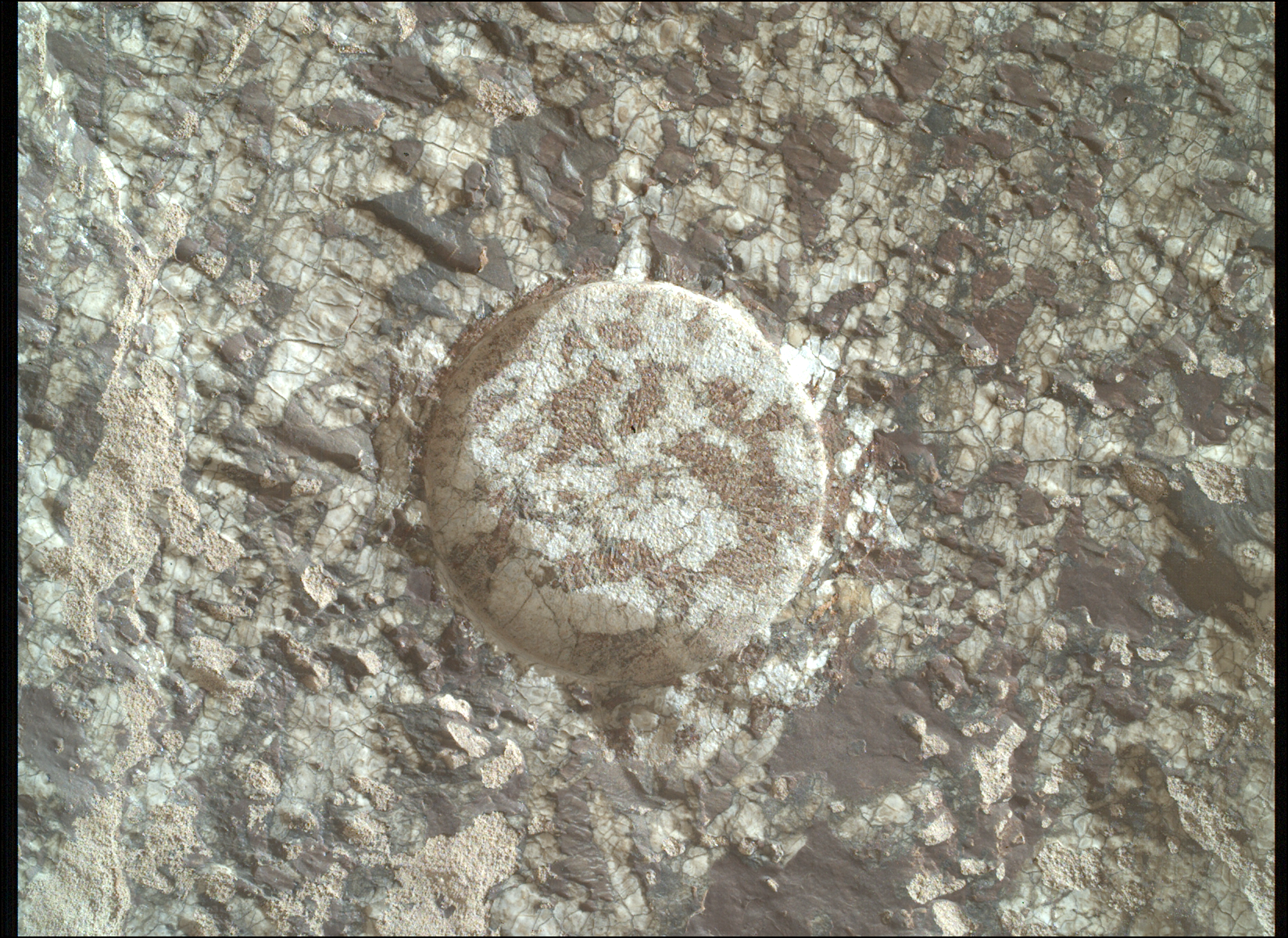
NASA’s Perseverance rover has resumed regular updates after a hiatus, revealing a busy year of exploration in 2026. The rover has spent most of the year mapping the ancient “Lac de Charmes” valley, where it has identified 13 abrasion patches that hint at both igneous and impact‑derived rocks from Mars’s early history. Using a new algorithm that repurposes a processor from the Ingenuity helicopter, Perseverance has taken longer, more accurate drives into the region and is now turning its attention to the “Idubi” area, where light‑toned boulders and the striking “Badger Peak” abrasion promise fresh scientific surprises. The team is also investigating the “Gardenia” outcrop, a potential breccia, and plans to perform another abrasion to better understand its composition.
NASA, Boeing Share Update on Commercial Starliner Development Plans
Original Publication Date: 2026-09-28 19:26
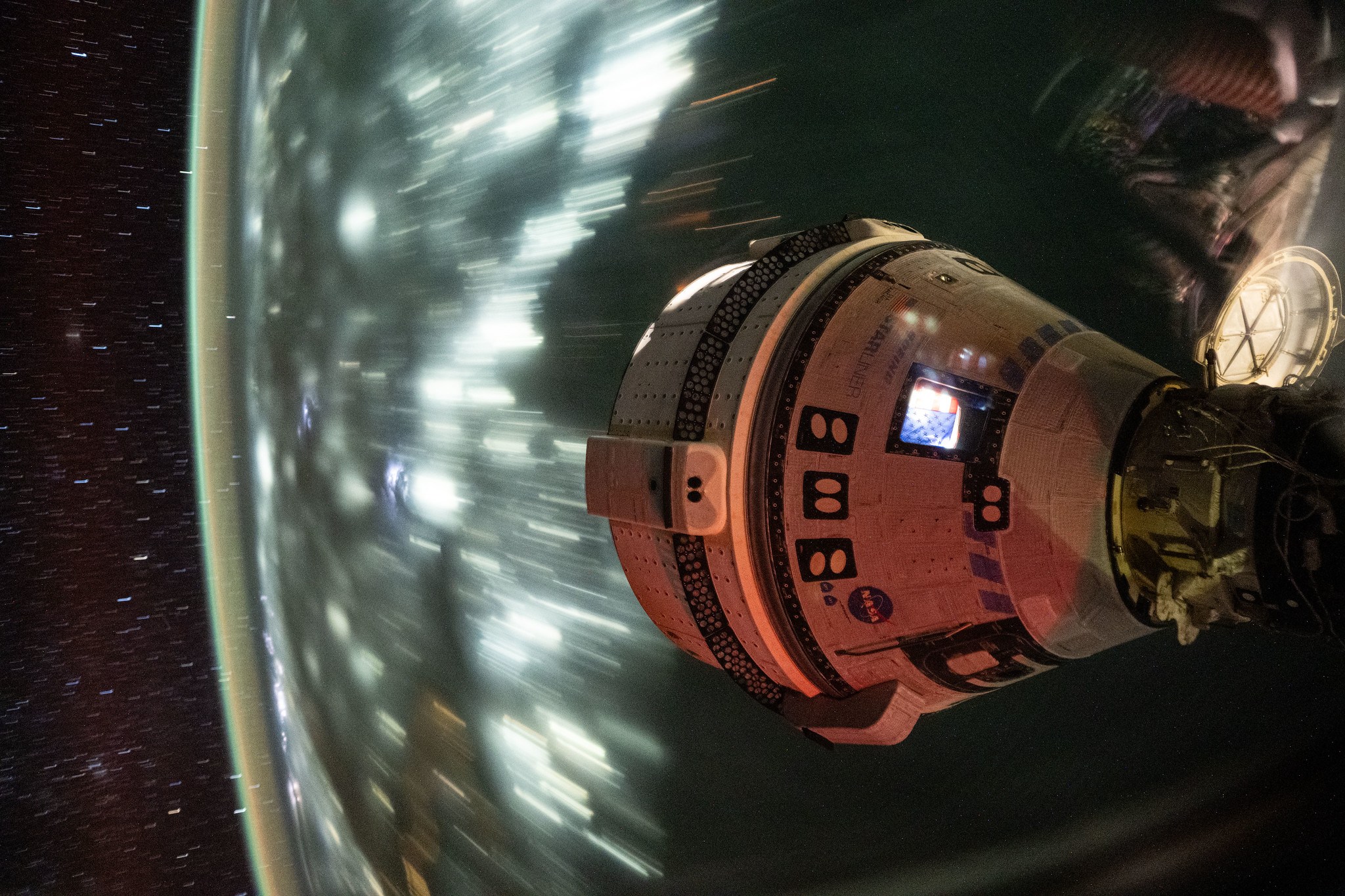
NASA and Boeing announced plans to return the Starliner to flight, starting with an uncrewed Starliner‑1 mission to validate thruster and thermal improvements before crewed flights. The agency will use the uncrewed flight to gather data, certify the Vulcan rocket, and work toward a crewed Starliner‑2 launch by 2028. After addressing 61 recommendations from a recent investigation, Boeing has made thermal and thruster valve modifications, while NASA will evaluate their performance. These steps aim to secure multiple crew transport options and maintain U.S. Access to the International Space Station and future commercial destinations.
Starliner Targets Uncrewed Flight NET December, Crewed Follow Up in 2028
Original Publication Date: 2026-09-28 21:34
NASA and Boeing have announced a redesign of the Starliner capsule after a 2024 crewed test flight left astronauts Butch Wilmore and Sunita Williams stranded on the ISS for nine months. The upgraded Starliner will first fly an uncrewed mission slated for December, with a crewed flight to the ISS scheduled for mid‑2028 under astronaut Woody Hoburg.
Starship Reaches Orbit on 14th Test Flight
Original Publication Date: 2026-09-28 14:06
SpaceX’s Starship reached orbit for the first time this morning, launching from Starbase, Texas at 8:48 a.m. ET and deploying 26 V3 Starlink satellites after briefly losing an engine. The Super Heavy booster splashed down in the Gulf, though it did not relight all its engines during descent. Starship completed only two orbits before an early deorbit and splashdown north of Hawaii, breaking up shortly after reentry. The successful launch marks a major milestone toward full reusability, with SpaceX planning to catch and reuse both the Starship and its booster in future missions.
Exclusive: Meridian Space Spins Out from SpinLaunch
Also covered by: SatNews
Original Publication Date: 2026-09-28 12:59
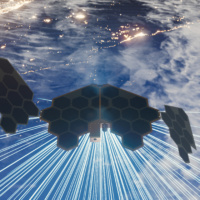
On September 28, 2026, Meridian Space announced its spin‑out from kinetic‑launch provider SpinLaunch, becoming an independent commercial space company focused on satellite communications. The new venture will develop low‑power, reflect‑array satellite technology, with its first in‑space demonstration slated for SpaceX’s Transporter‑18 launch on October 1 and a goal of deploying a 250‑plus‑satellite constellation from a single launch. By making satellites smaller and cheaper, Meridian aims to offer governments and telecoms a third, affordable path to owning their own satcom network, bypassing giants like Starlink and Amazon. The company will be led by CEO [Name] and is positioned to capitalize on growing global demand for dedicated satellite connectivity.
Scientists solve 1840s space weather mystery
Original Publication Date: 2026-09-28 17:56
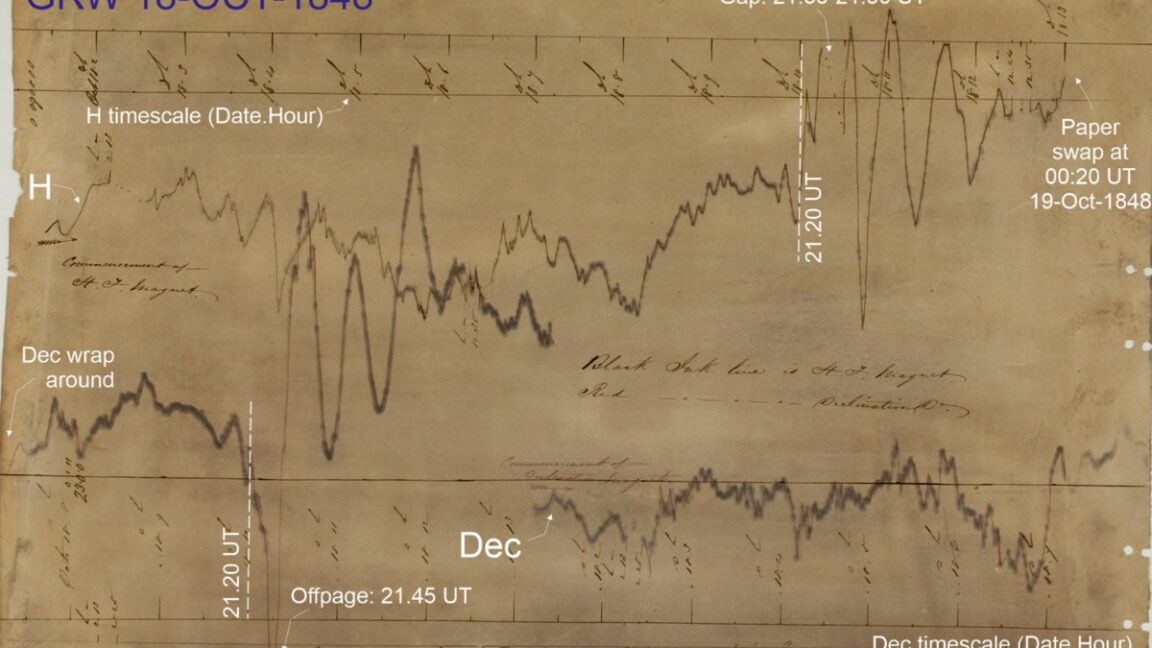
The Carrington Event of 1859 remains the most powerful geomagnetic storm recorded, but historians have uncovered earlier evidence of space‑weather impacts on technology. A 2013 study traced a 1871 Nature report that claimed a “very intense magnetic disturbance” halted rail travel in Exeter in October 1841, potentially marking the first recorded disruption. However, a recent paper in Space Weather argues the 1841 date was likely a typo, pointing instead to a later incident, yet confirming that even early electrical systems were vulnerable to solar storms.