 Spotify
 Apple Podcasts
 Podcast Addict
 Overcast
 Podcast RSS
FCC Projects $100 Billion Spectrum Auction Revenue Target Across Upcoming Multi-Year Sales
Original Publication Date: 2026-09-21 19:32

On September 21, 2026, FCC Chairman Brendan Carr announced that the agency projects raising more than $100 billion—about €87.1 billion—for the U.S. Treasury. The revenue will come from a series of spectrum auctions and other monetization initiatives across the communications sector. This influx is expected to help offset federal budget shortfalls and fund infrastructure projects. The announcement underscores the FCC’s growing role in generating significant public revenue through its regulatory activities.
Silicon Valley Space Week Speaker Focus: Preston Dunlap, Arkenstone Capital
Original Publication Date: 2026-09-21 18:18

The U.S. Space Force has handed over control of the satellite count for its $2.29 billion Space Data Network Backbone to SpaceX, while also announcing it will eliminate future Transport Layer funding in fiscal 2027. This move raises questions about the network’s resilience and its role as a critical infrastructure.
Commercial Geostationary Satellite Orders Rebound to 14 in 2026 Driven by Spectrum Transitions
Original Publication Date: 2026-09-21 17:34
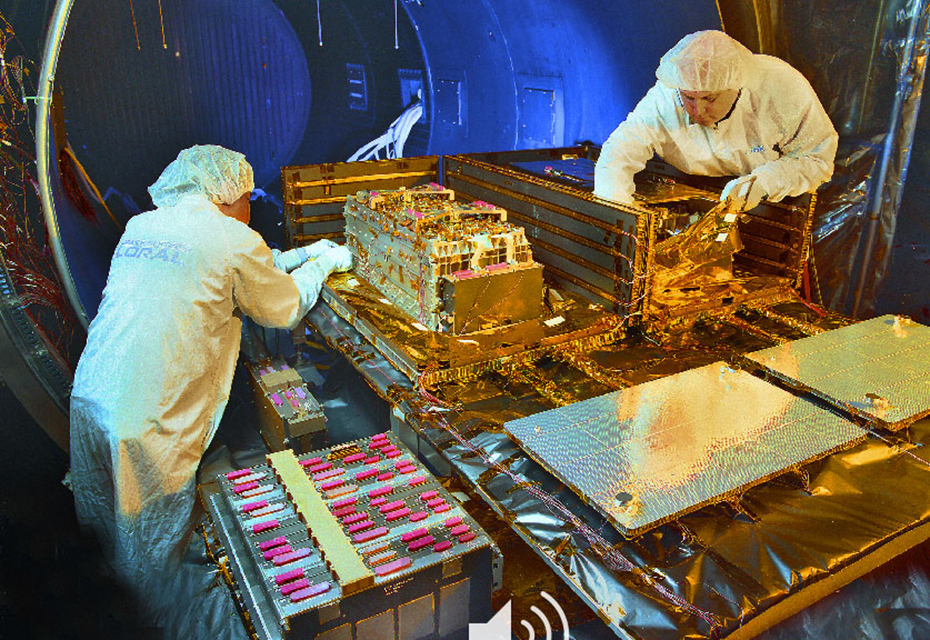
On September 21, 2026, Novaspace released market data showing that commercial geostationary communications satellite orders had reached 14 spacecraft year‑to‑date, marking a notable rebound in the sector. This uptick follows a period of reduced activity and reflects renewed demand for satellite capacity. The data underscore a strengthening market, with operators poised to expand coverage and bandwidth. The recovery is expected to continue as new launch contracts are signed.
Embracing the Equinox
Original Publication Date: 2026-09-21 21:55
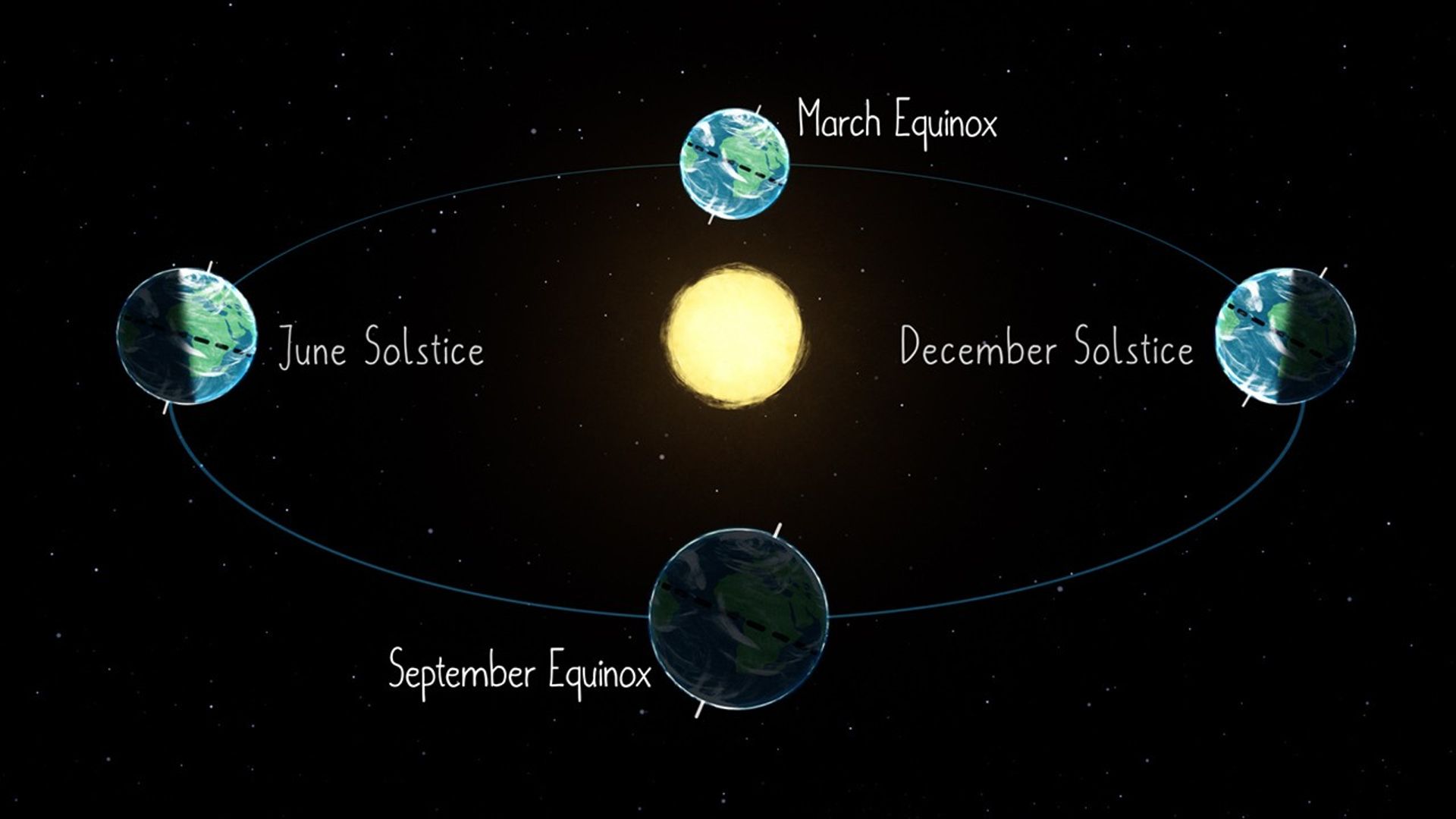
Equinoxes occur twice a year—on March 20 and September 23 in 2026—when the Sun crosses Earth’s equator, giving nearly equal daylight to the Northern and Southern Hemispheres. At the equator, the Sun sits directly overhead at noon, and the day‑night split is almost perfect, though atmospheric refraction adds a few minutes of extra light. After the March equinox the Sun’s path moves northward toward the June solstice, then reverses southward after September, marking the start of spring in the north and fall in the south.
NASA Welcomes Albania as Newest Artemis Accords Signatory
Original Publication Date: 2026-09-21 21:21
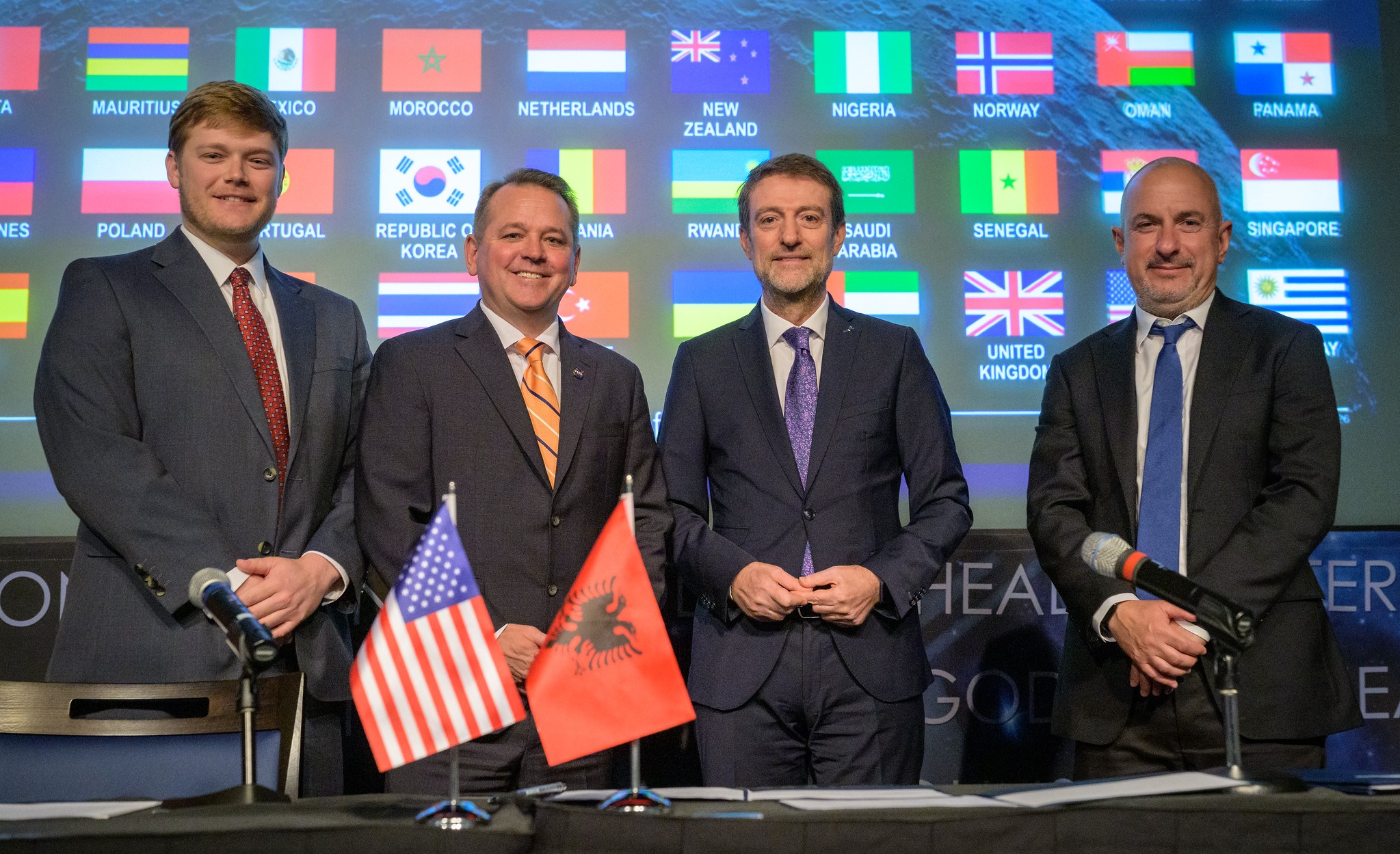
Albania has become the 73rd nation to sign the Artemis Accords, joining NASA’s coalition for peaceful, transparent space exploration. The ceremony at NASA Headquarters featured U.S. Deputy Assistant Secretary Connor Tomlinson, NASA Deputy Administrator Matt Anderson, and Albanian officials Ferit Hoxha and Ervin Bushati. Albania has already launched two Earth‑observation satellites, Albania‑1 and Albania‑2, with NASA support, and hosts NASA Space Apps events to engage students and innovators. By signing the Accords, Albania commits to cooperative lunar and planetary exploration, opening doors to future joint missions with NASA.
NASA Astronaut Reid Wiseman Attends Ravens vs. Saints Game
Original Publication Date: 2026-09-21 18:43

NASA astronaut Reid Wiseman, commander of the Artemis II mission, posed for a selfie with fans at the New Orleans Saints vs. Baltimore Ravens game on September 20 at M&T Bank Stadium. The visit is part of NASA’s Inspiration Tour, which connects the agency with partners and showcases aerospace innovation ahead of the MAX POWER expo and airshow at Kennedy Space Center. Wiseman’s Baltimore roots added a hometown touch to the event. The tour aims to inspire the next generation of space explorers.
NASA Discovery Reveals Complex Water Systems on Early Mars
Original Publication Date: 2026-09-21 17:00
NASA’s Perseverance rover has turned expectations on its head in Jezero Crater’s Margin Unit, where instead of layered sedimentary rocks it found igneous formations that record three distinct encounters with water. SuperCam’s laser analysis revealed carbonate, silica, and even fluorite veins—signs of ancient groundwater, lake activity, and heated underground flows—challenging the idea that the carbonate seen from orbit came solely from the lake.
Launch Preview: Electron, Falcon 9, and Starship set for launches
Original Publication Date: 2026-09-21 21:01

Five orbital launches are scheduled this week, including SpaceX’s Falcon 9 from Vandenberg, which will carry a classified U.S. Space Force payload, and the company’s Starship, set to test its first orbital mission next week. China will fire two Chang Zheng rockets—an 8A on Sept. 23 and a 6A on Sept. 24—each launching an undisclosed payload to low‑Earth orbit.
Exolaunch, Space Cargo book Starship Starfall missions
Original Publication Date: 2026-09-21 16:57

SpaceX’s disk‑shaped Starfall reentry capsule, first flown on a Falcon 9 in June, now has two European integrator contracts for commercial Starship missions slated for 2028 and 2029. Luxembourg‑based Space Cargo Unlimited will launch a one‑tonne “space factory” on a 2028 Starship flight, while Germany‑headquartered Exolaunch has secured a 2029 slot to aggregate and return pharmaceutical, biotechnology and advanced‑materials experiments. Both deals aim to turn Starfall’s roughly 1,000‑kilogram return capacity into routine microgravity research and in‑space manufacturing, expanding the capsule’s role beyond its initial Falcon 9 demonstration. The contracts signal a growing shift toward using Starship for return‑to‑Earth services that support life sciences and high‑volume production in orbit.
Exclusive: Exolaunch Books its first Starfall Mission
Original Publication Date: 2026-09-21 12:16

German launch integrator Exolaunch has signed an agreement to fill the 1,000‑kg payload capacity of SpaceX’s Starfall Earth‑return mission, slated to launch on a Starship by 2029, marking the company’s first foray into
The Lunar Economy Could Be Worth $566B by 2050. First, We Have to Build It.
Original Publication Date: 2026-09-21 12:00

Deloitte’s latest report projects the lunar economy could generate between $343 billion and $566 billion by 2050, depending on how quickly key infrastructure is built. The estimate is built on six core markets—transportation, energy, communications, surface mobility, construction, and life support—focused mainly around the Moon’s South Pole. Once that foundation is in place, downstream markets such as lunar data, national‑security services, resource extraction, and manufacturing could add another $284 billion, while broader societal benefits might contribute an extra $541 billion. The report cautions that a thriving lunar economy is far from inevitable, citing engineering hurdles, regulatory uncertainty, and the need for sustained government and private investment.