 Spotify
 Apple Podcasts
 Podcast Addict
 Overcast
 Podcast RSS
Avio launches pair of climate monitoring European spacecraft to study plants, oceans and atmospheric changes
Original Publication Date: 2026-09-15 03:51
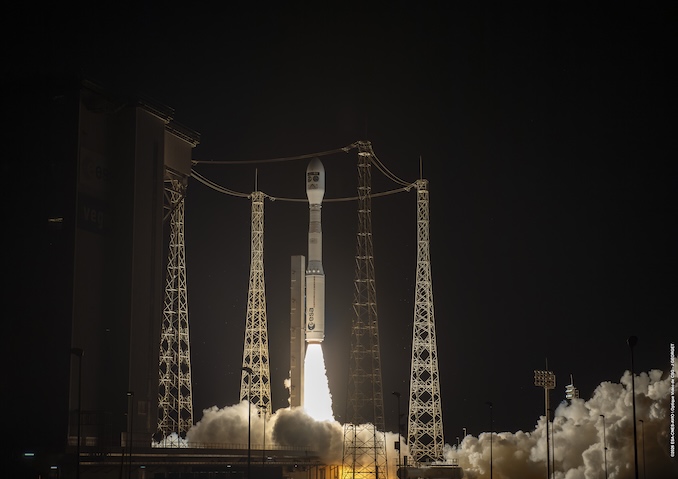
This week, Europe’s Spaceport in French Guiana saw the Vega‑C rocket lift off at 03:21 UTC, carrying ESA’s Fluorescence Explorer (FLEX) and the Copernicus Sentinel‑3C satellite into orbit. The launch marked the second Vega‑C flight managed solely by Avio and the eighth overall, underscoring the reliability of the launch vehicle.
Launch preview: Avio to launch spacecraft to monitor plant health and ocean conditions
Original Publication Date: 2026-09-14 22:05
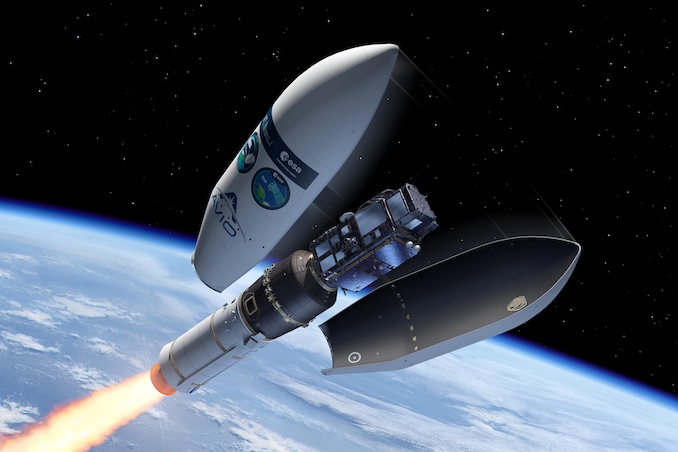
Vega‑C will lift off Monday night from French Guiana carrying two European satellites: the Copernicus Sentinel‑3C and the ESA Fluorescence Explorer (FLEX). Sentinel‑3C, the third in its series, will be released first to monitor ocean colour, sea‑level rise, topography and atmospheric changes, including wildfires. FLEX will deploy about an hour later to study how plants move carbon and water through its FLORIS spectrometer, providing vital data on photosynthesis and the carbon cycle. The 34.8‑metre rocket, capable of 2,300 kg to a 700‑km Sun‑synchronous orbit, will launch at 10:21 p.m. Local time, with live coverage beginning an hour before liftoff.
Open Cosmos Reaches $1B Unicorn Valuation Following $348M Series C Round
Original Publication Date: 2026-09-14 16:43
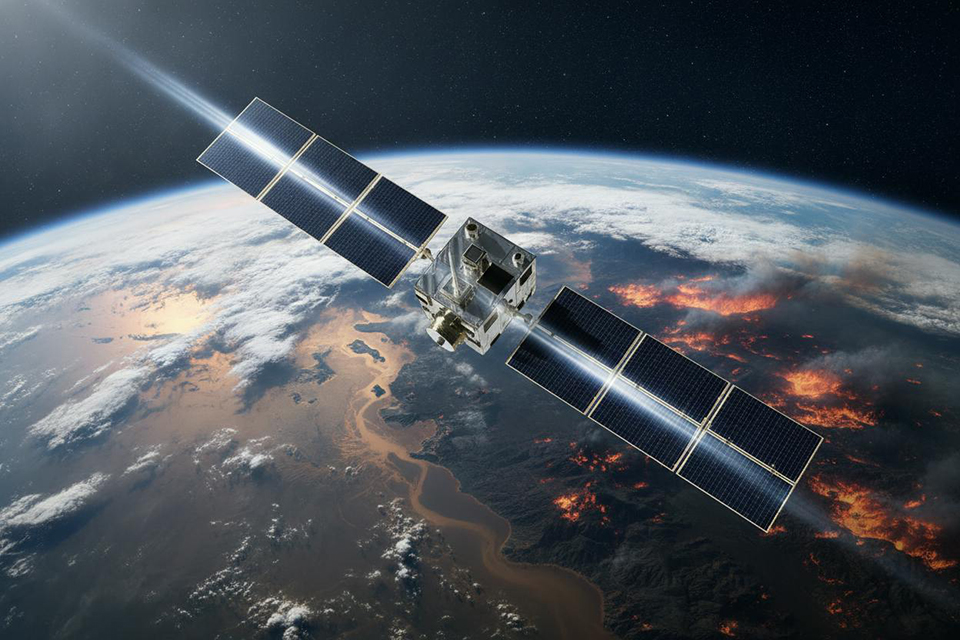
On September 14, 2026, UK satellite company Open Cosmos closed a €300 million Series C funding round, making it Europe’s newest space unicorn. The capital injection will fuel the firm’s satellite manufacturing and launch operations, expanding its fleet and global reach. Known for its modular satellite platforms, Open Cosmos aims to accelerate the deployment of low‑cost, high‑performance constellations for commercial and governmental customers.
NewOrbit Secures Q3 2028 Launch Slot for First Commercial VLEO Rideshare Satellite
Original Publication Date: 2026-09-14 15:44
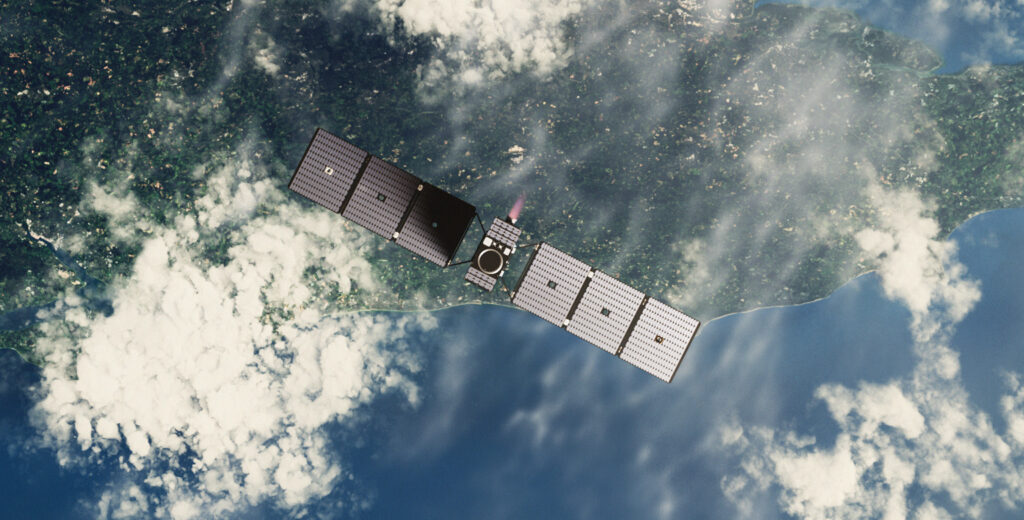
On September 10, 2026, UK satellite maker NewOrbit announced it has secured a launch slot for its first satellite, NEO‑1, slated for a Q3 2028 launch. The opportunity was obtained through a partnership with a major launch provider, giving the company a clear path to market. NewOrbit plans to deliver high‑resolution Earth‑observation services to commercial and governmental customers, positioning itself in a rapidly growing sector. The company is optimistic about its entry into the competitive space industry.
SWISSto12 and Mitsubishi Electric Partner on Asia-Pacific Satellite Payloads and Japanese GEO Defense Program
Original Publication Date: 2026-09-14 14:53
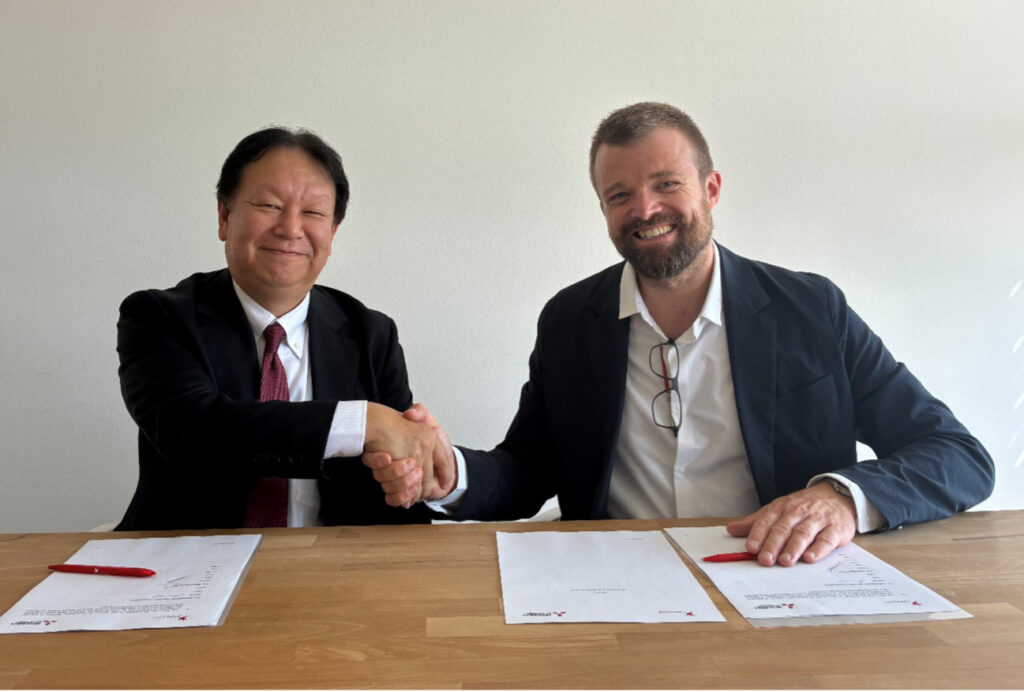
On September 14, 2026, Swiss company SWISSto12 and Japan's Mitsubishi Electric Corporation signed a Memorandum of Understanding to jointly develop advanced radio frequency products and satellite payloads for the Japanese market. The partnership combines SWISSto12's RF technology expertise with Mitsubishi Electric's manufacturing capabilities to create cutting‑edge solutions for communications and space applications. The MoU outlines collaboration on research, development, and potential commercial deployment of the new products. This alliance positions both companies to strengthen their presence in the rapidly evolving satellite and RF sectors.
ESA and ROSIE Consortium Track Cluster Satellite Reentries via Airborne Observation Mission
Original Publication Date: 2026-09-14 13:10
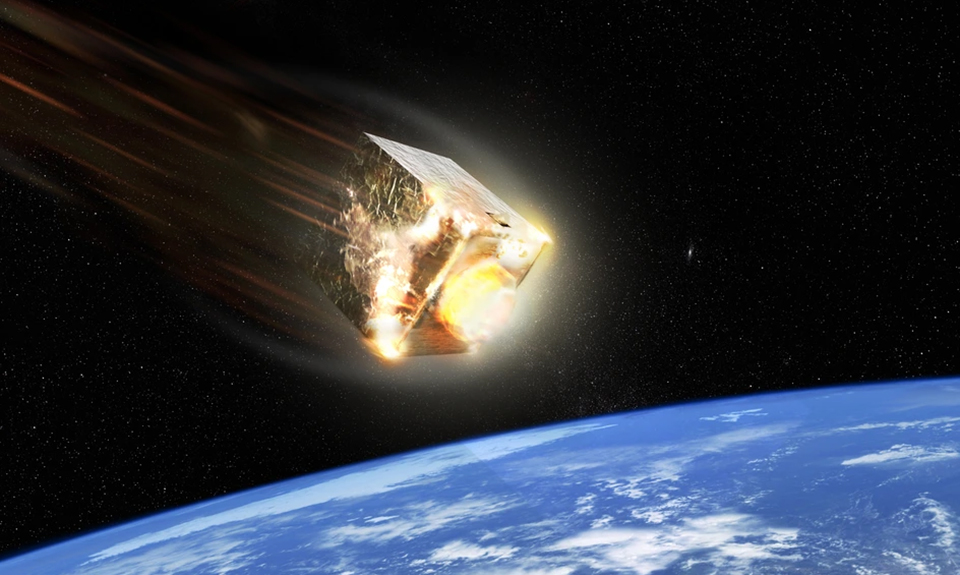
ESA concluded its Cluster II magnetospheric mission on September 1, 2026, after 18 years of data from four identical spacecraft that studied Earth’s magnetic environment.
Webinar 9/23: NASA CSDA Program Update 2026
Original Publication Date: 2026-09-14 21:04
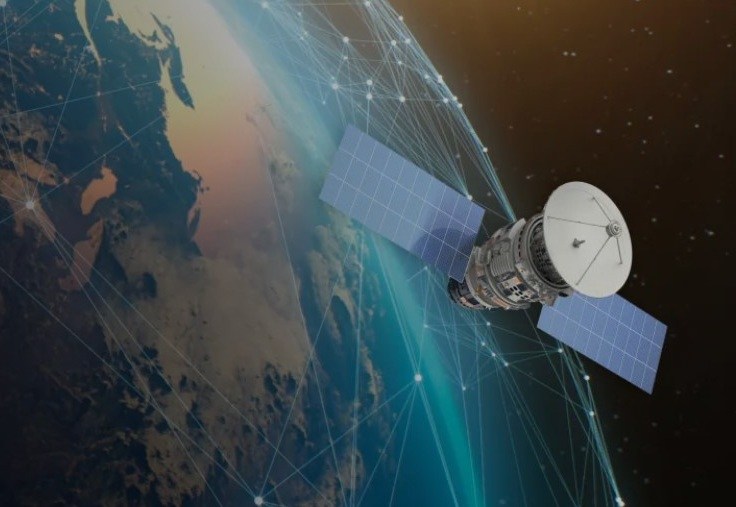
NASA’s Commercial Satellite Data Acquisition Program (CSDA) expands the agency’s Earth‑observation toolkit by licensing high‑resolution commercial imagery, enhancing data quality through calibration and validation partnerships, and funding science use cases. The program complements NASA’s free satellite data with frequent, taskable commercial datasets from vendors such as Airbus, BlackSky, and ICEYE. A recent webinar highlighted CSDA’s progress, including new data modalities, updated evaluation processes, and expanded archive and tasking features in the Satellite Data Explorer. Participants can learn about licensing agreements, data access, and upcoming user engagement opportunities through CSDA’s resources.
New Crops, Health Research Proposals to Help NASA Advance Exploration
Original Publication Date: 2026-09-14 19:00
NASA has awarded 12 new studies to help future astronauts thrive in space, with half focused on growing food and the other half on safeguarding health. Six projects will explore how plants, from legumes to “resurrection” species, can grow in lunar and Martian environments, while the other six investigate how dust, radiation, and microgravity affect the body and how drugs might mitigate those effects. The research, funded through a $7 million grant over 2026‑2030, involves 10 institutions and introduces nine first‑time investigators to the Space Biology Program. Together, these studies aim to build sustainable life‑support systems and early‑warning health monitors for long‑duration missions.
NASA Kicks Off Inspiration Tour with Steelers vs. Falcons Game
Original Publication Date: 2026-09-14 16:00

NASA engaged fans at a Pittsburgh Steelers‑Atlanta Falcons game, where an astronaut posed for photos in the NASA Experience Zone at Acrisure Stadium. The event is part of NASA's Inspiration Tour, designed to strengthen ties with partners and highlight air and space innovation. It serves as a lead‑up to the MAX POWER aerospace technology expo and air show at Kennedy Space Center in early November. This outreach showcases NASA’s commitment to public engagement and cutting‑edge research.
Ship 42 wraps chopsticks tests, Flight 14 moves to NET Sept. 22
Original Publication Date: 2026-09-14 17:25

SpaceX finished catch‑related testing with unflown Ship 42 at Pad 2 and is now installing engines in preparation for its static‑fire test. Flight 14, slated for no earlier than September 22, will be a clean return that could pave the way for catch attempts on Flight 15.
Satellogic Expands DoD Work As it Preps for Next Launch
Original Publication Date: 2026-09-14 12:00
Satellogic is preparing to launch a new batch of satellites next month, potentially including its first Merlin satellite that will deliver continuous 1‑meter resolution Earth‑observing imagery. The launch will feature two NewSat Mark VI satellites with intersatellite links and one Mark V that will be sold and transferred to a customer while still in orbit as part of the company’s Sovereign Space Systems program. Once operational, the Merlin satellite will allow the company to monitor virtually any site on Earth continuously, a capability expected to transform defense and intelligence monitoring and open a cost‑effective market for commercial users.
The warmest summer on record: 2026 hit a scorching new high in the US
Original Publication Date: 2026-09-14 20:00
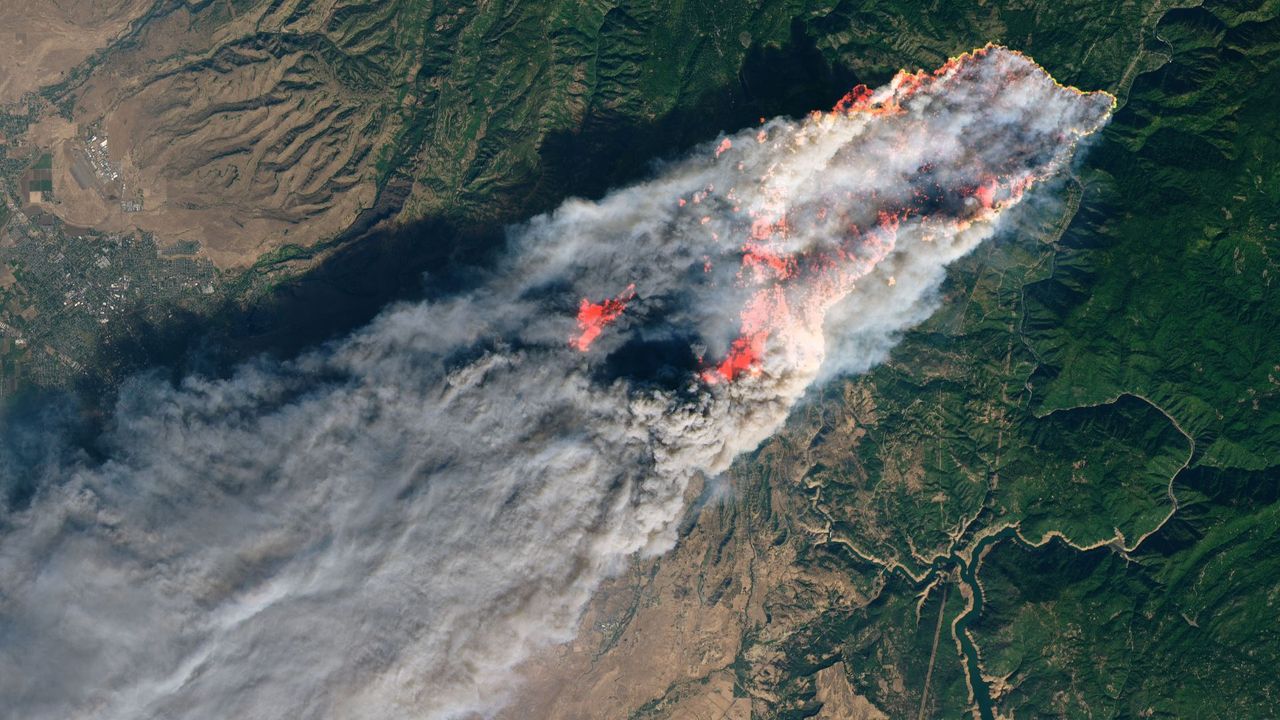
NOAA reports that the 2026 U.S. Summer was the hottest on record, averaging 3 °F above normal and 3.5 °F above normal in August, with the Southwest, Rockies, Florida and California hitting extreme highs. The same season was the third driest on record, leaving more than 59 % of the contiguous U.S. In drought by September and dramatically increasing wildfire risk. The heat and dryness sparked over 10,000 acres of fire in Washington, fierce winds in South Dakota, and Hurricane Lala’s devastating winds and flooding in Hawaii, underscoring the escalating climate crisis. These events illustrate how rising temperatures and shrinking precipitation are reshaping America’s weather and disaster landscape.
Interstellar comet 3I/ATLAS likely formed where its star's light couldn't touch it
Original Publication Date: 2026-09-14 19:00
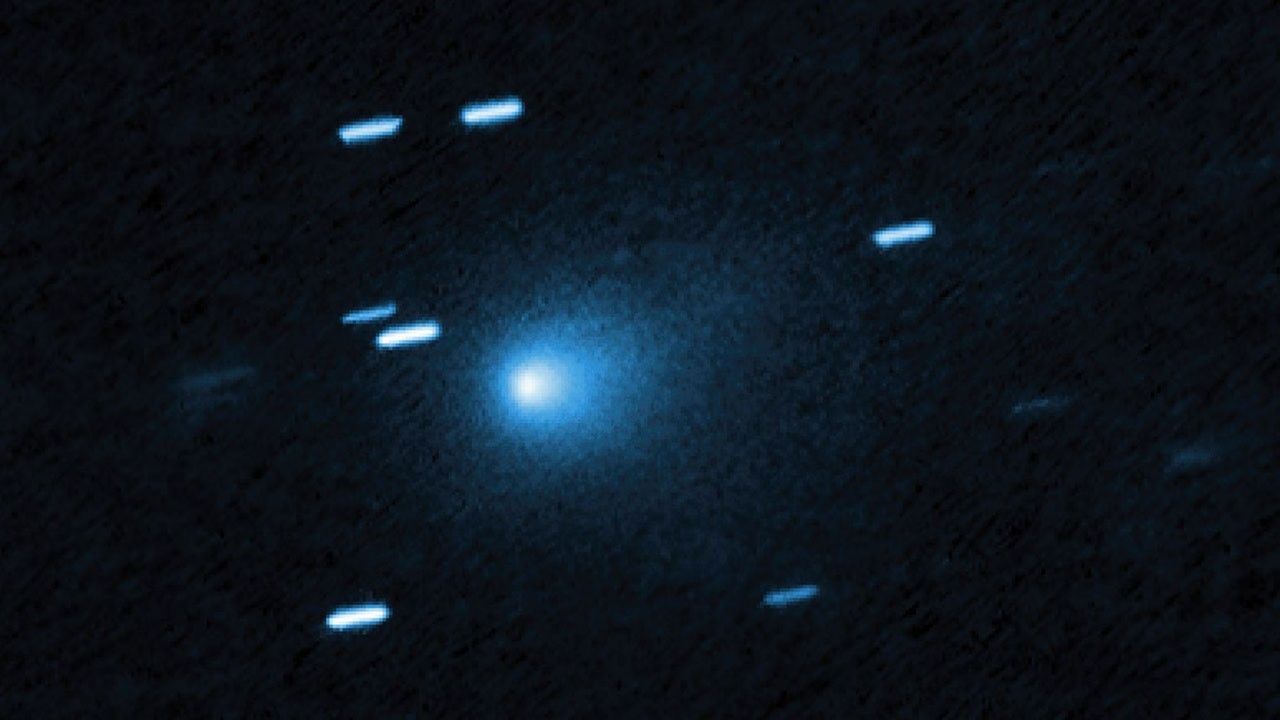
Astronomers have used the new WEAVE spectrograph to study the interstellar comet 3I/ATLAS, revealing a tail rich in nitrogen, carbon dioxide, and carbon monoxide. The unusually high nitrogen‑to‑carbon monoxide ratio indicates the comet formed in an extremely cold environment—colder than –240 °C—far from its home star. This makes 3I/ATLAS the first interstellar visitor whose tail chemistry has been mapped, giving scientists a rare glimpse into material formed in a distant, star‑forming system. The findings, published in the Monthly Notices of the Royal Astronomical Society, help us understand how planets and comets form around other stars.
Vega C rocket launches 2 European Earth-observing satellites to orbit from South America
Original Publication Date: 2026-09-14 18:00
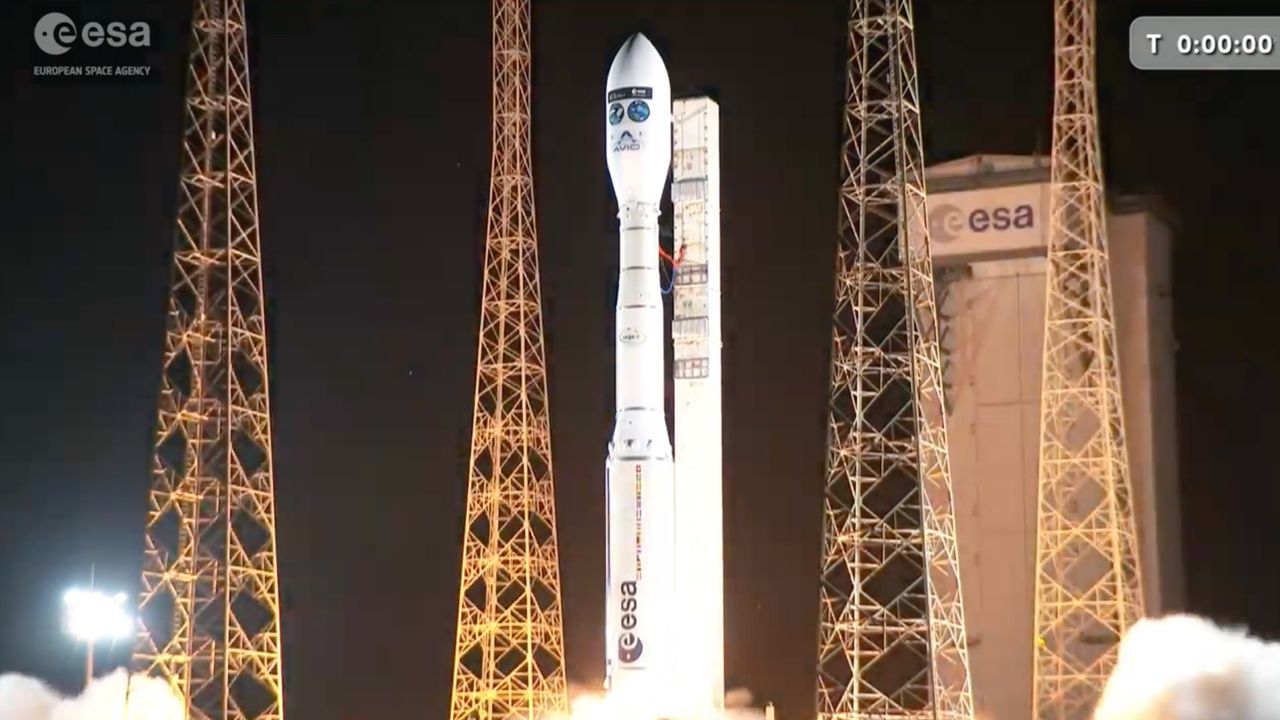
Tonight at 9:21 p.m. ET, a Vega C rocket lifted the European FLEX and Copernicus‑3C Earth‑observation satellites into orbit from Kourou, French Guiana.
The US government is 'sincere in its efforts to understand UAP', new White House council chair says
Original Publication Date: 2026-09-14 17:00
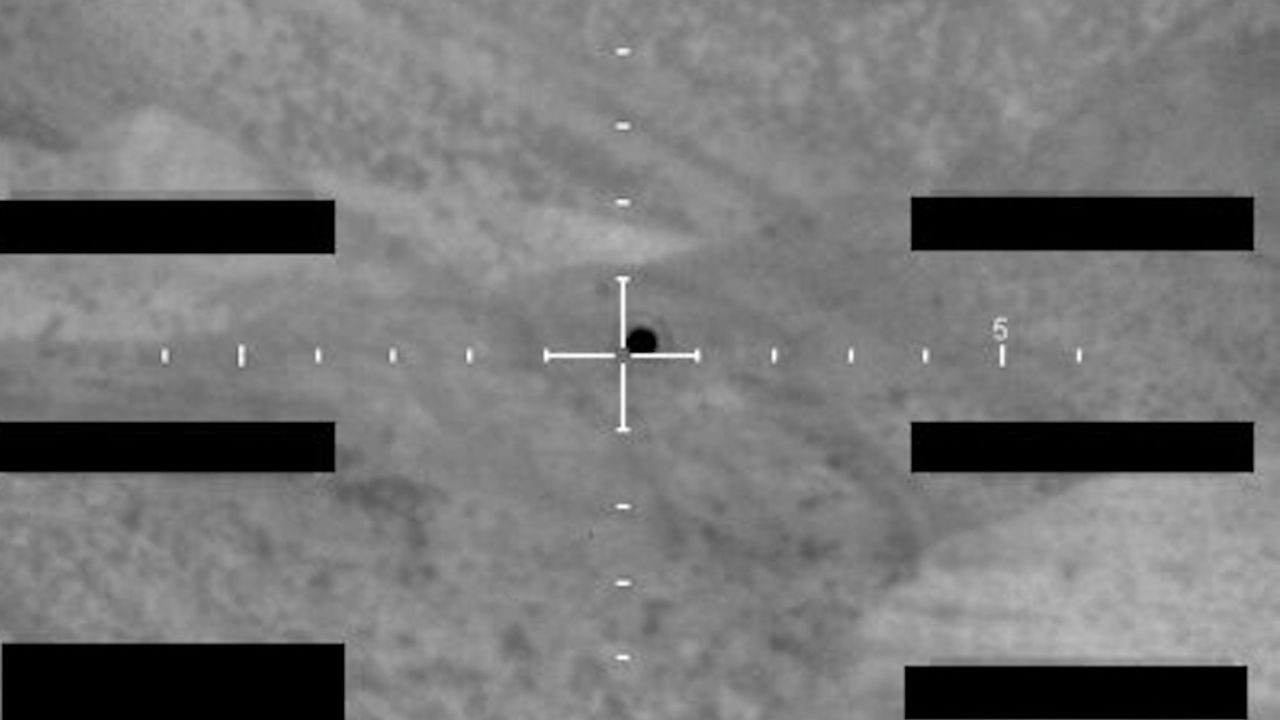
The U.S. Government has launched a new UAP Science Advisory Council, led by Harvard astrophysicist Avi Loeb, to apply rigorous scientific methods to the study of unidentified anomalous phenomena. Council members, including tech entrepreneur Ben Lamm, aim to gather and analyze data from historical records and new sightings, promising greater transparency and accountability. A recent Gallup poll shows that while 49 percent of Americans believe UFOs can be explained by natural or human activity, 37 percent still think some may be alien craft, and 78 percent feel the government is withholding information. This initiative marks the most serious effort yet to understand UAPs and could reshape our view of the world.
For the first time, the US military confirms it has deployed weapons in orbit
Original Publication Date: 2026-09-15 03:47
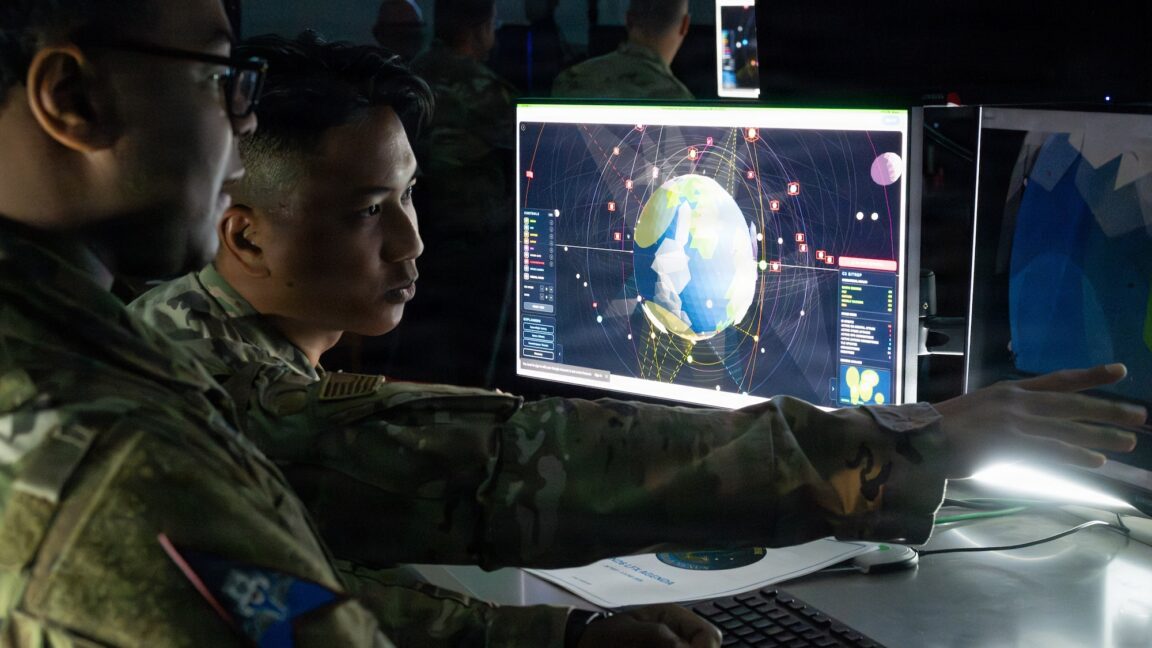
Air Force Secretary Troy Meink announced on Monday that the United States now has space control weapons orbiting Earth, a move that is expected to alarm Beijing and Moscow. The declaration followed Space Force officials’ long‑standing interest in space-based weapons and the Pentagon’s growing openness to discussing space warfare. Meink delivered the news at the Air and Space Forces Association’s annual conference near Washington, DC, emphasizing the U.S. Commitment to defend the joint force against evolving threats. This marks a significant escalation in the emerging domain of space conflict.