 Spotify
 Apple Podcasts
 Podcast Addict
 Overcast
 Podcast RSS
Kymeta Secures $20 Million Department of Defense Order for Resilient Flat-Panel SATCOM Terminals
Original Publication Date: 2026-09-07 23:00
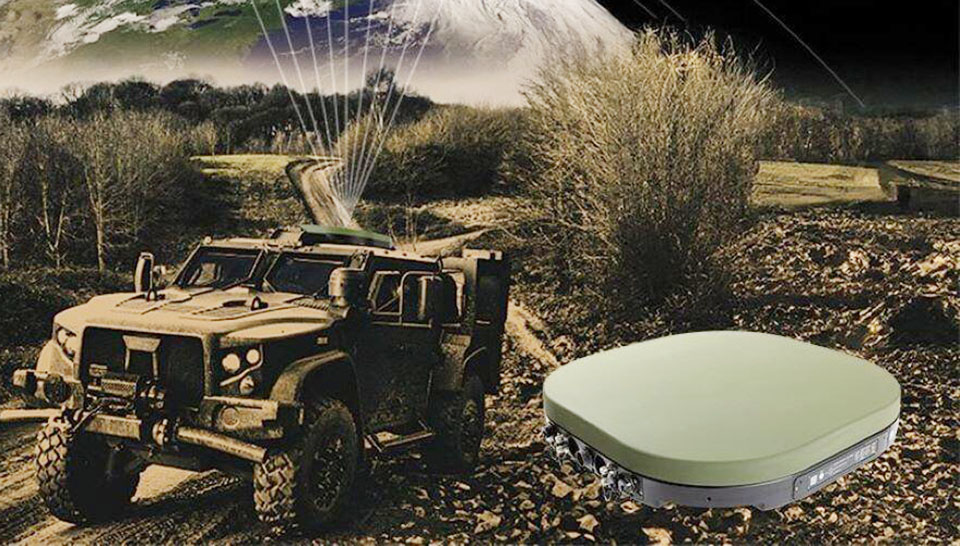
Kymeta Corporation announced on September 4, 2026 that it has secured a $20 million contract from the U.S. Department of Defense. The order will see Kymeta deliver advanced satellite communications equipment to support military operations. This deal underscores the company’s growing role in national defense technology. Kymeta’s new contract is expected to boost its market position and reinforce its partnership with the U.S. Military.
Isar Aerospace Reaches Orbit with Spectrum Rocket Maiden Launch from Norway
Original Publication Date: 2026-09-07 22:56
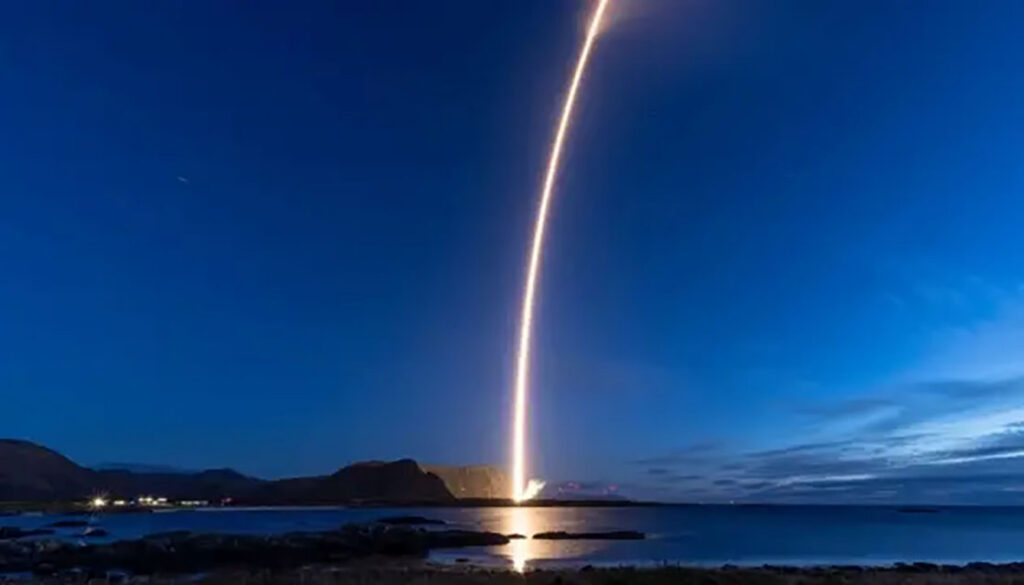
On Saturday, September 5, 2026, Munich‑based launch company Isar Aerospace achieved orbital insertion with its Spectrum rocket during the inaugural test flight, c
ISRO Clarifies National Space Mandate, Confirming Agency Will Not Face Privatization
Original Publication Date: 2026-09-07 22:08
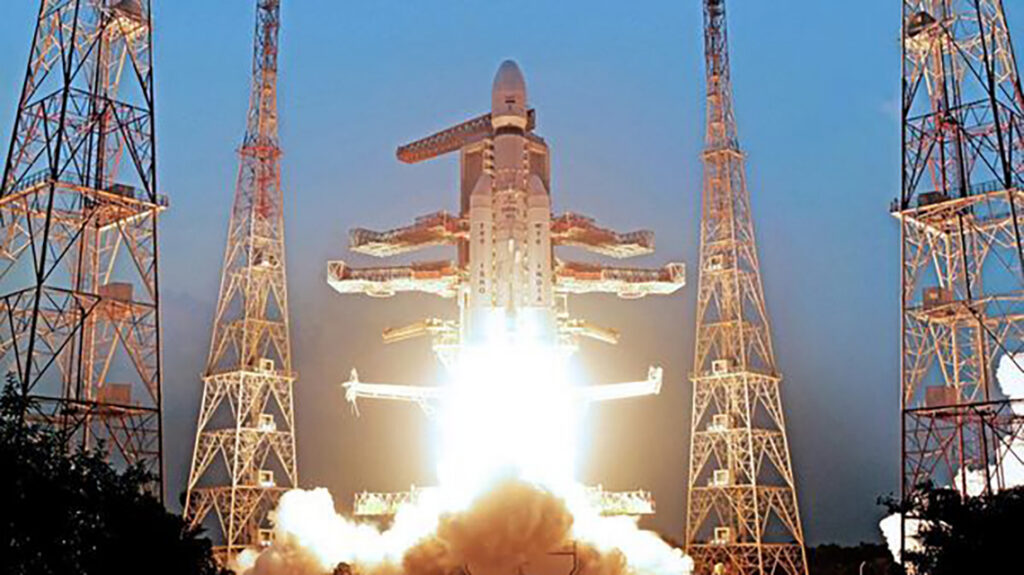
On September 4, 2026, the Indian Space Research Organisation released an official statement confirming that the agency will remain a government entity and will not be privatized or corporatised. The announcement, part of ISRO’s new organisational roadmap, reaffirms the agency’s commitment to advancing India’s national space objectives.
U.S. Commercial Launch and Satellite Operators Withdraw from European Space Summit Following White House Interventions
Original Publication Date: 2026-09-07 22:02

On September 3, 2026, SpaceX, Blue Origin, Stoke Space, and Starcloud announced they would no longer attend the European Space Summit in Paris, citing concerns over new EU regulations and funding cuts. Their withdrawal follows mounting tensions between U.S. Commercial space firms and European regulators over launch licensing and market access. French President Emmanuel Macron expressed disappointment but reaffirmed the summit’s commitment to international collaboration. The event will continue with European partners and other stakeholders, though the absence of these major U.S. Companies will reshape the summit’s agenda.
No Robot Has Captured an Uncontrolled Satellite. The Pentagon Is Buying It Anyway.
Original Publication Date: 2026-09-07 18:05

DIU and SDA have turned to third‑party providers for end‑of‑life disposal services, streamlining their asset retirement processes. Meanwhile, Katalyst's recent LINK failure and an empty flight record are tightening constraints on bus reliability. These technical setbacks highlight the growing importance of robust data links and accurate flight logs in maintaining operational continuity. The industry is now racing to address these gaps before they jeopardize future missions.
The Otherworldly Geology of Vasquez Rocks
Original Publication Date: 2026-09-08 04:01
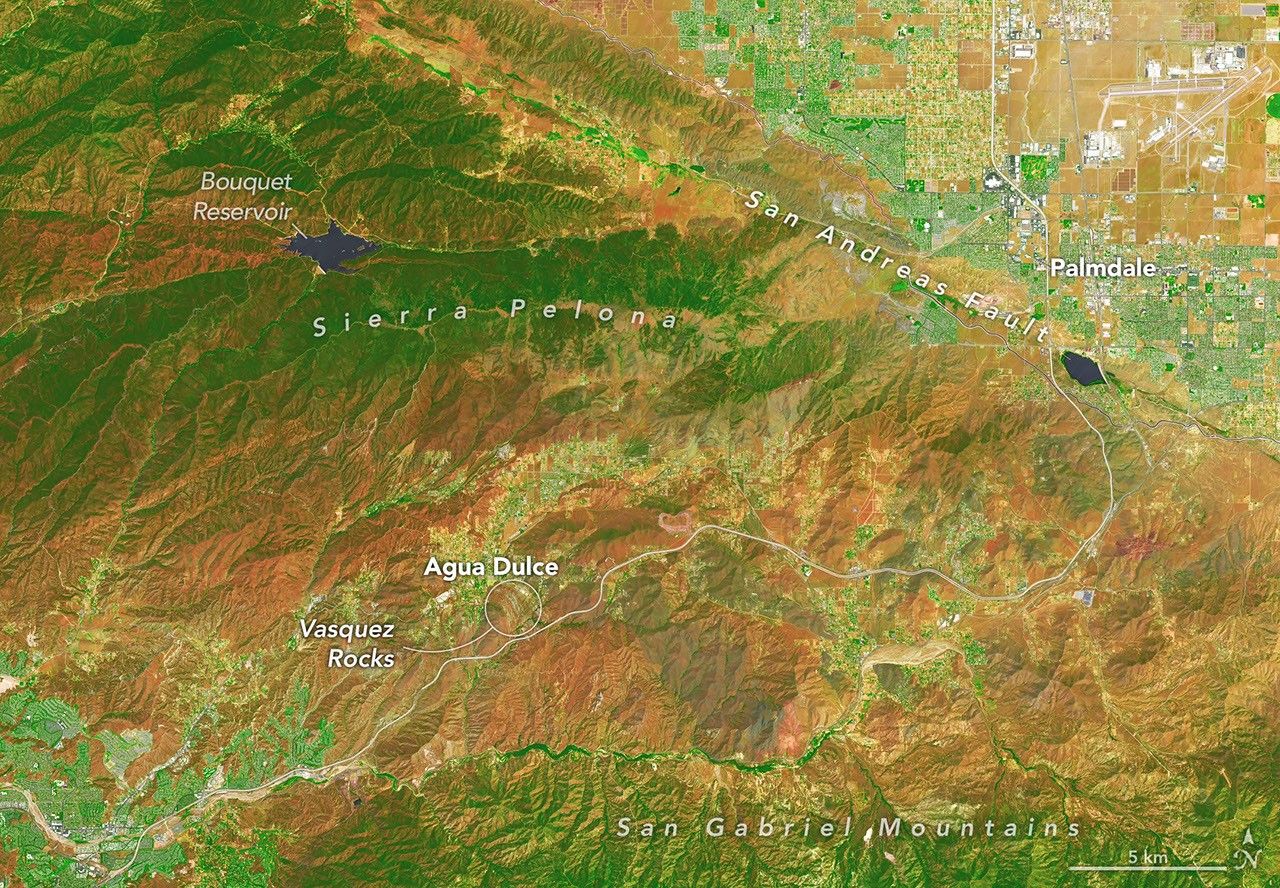
NASA’s Landsat 9 captured new false‑color and natural‑color images of California’s Vasquez Rocks, highlighting the steeply tilted sandstone and conglomerate outcrops that rise at roughly 50‑degree angles. These formations were laid down 25 million years ago from alluvial fan deposits and later deformed by tectonic forces along the San Andreas Fault. Their dramatic, star‑shaped ridges have made the site a popular backdrop for Star Trek, Westworld, Battlestar Galactica, and many other productions. The satellite images illustrate how Earth’s shifting plates can craft landscapes that look like alien worlds.
A Bright Spot at Mount Michael
Original Publication Date: 2026-09-07 04:01

NASA satellite imagery has confirmed that Mount Michael on Saunders Island, a remote volcanic island in the South Atlantic, hosts a persistent lava lake in its summit crater—a feature shared by only a handful of volcanoes worldwide. Thermal data from Landsat, Sentinel, ASTER, MODIS, and VIIRS show ongoing low‑intensity activity and sulfur dioxide emissions, while a recent Landsat 9 pass captured a volcanic plume and wave‑like clouds formed by the island’s 843‑meter peak.
Launch Preview: Soyuz, CZ-8A, and Falcon 9 to launch from sites around the world
Original Publication Date: 2026-09-07 22:15

This week, five orbital launches are scheduled: two Falcon 9 rockets from Vandenberg and Cape Canaveral, a Soyuz 2.1b from Baikonur, and two Chinese Chang Zheng rockets from Jiuquan and Wenchang.
Artemis III SLS stacking advances as Orion results confirm trajectory fix
Original Publication Date: 2026-09-07 18:39

NASA’s Kennedy Space Center has advanced Artemis III, stacking the next pair of solid rocket booster segments and completing the installation of all four RS‑25 engines on Core Stage‑3, while the final forward assemblies remain to be added. Meanwhile, Artemis IV hardware—particularly the boattail section—has arrived from the Pegasus barge, keeping both missions on track for a 2028 lunar landing. A review by the Aerospace Safety Advisory Panel showed that Artemis II’s altered, steeper reentry cut Avcoat char‑loss by more than 90 percent compared to Artemis I, prompting a material change that will debut on Artemis III. These progress milestones underscore NASA’s steady hardware flow and the ongoing refinement of Orion’s heat‑shield performance.
Stoke Space Raises $1B Initial Series E Round
Original Publication Date: 2026-09-08 09:00
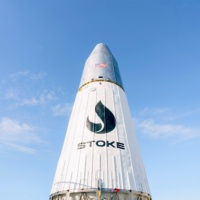
Stoke Space has closed a $1 billion Series E tranche, bringing its total funding to $2.3 billion, and will use the money to scale production, testing and launch infrastructure for its Nova Pathfinder rocket, now slated for an early‑2027 first flight. The round was co‑led by Point72 Ventures and Spark Capital, with returning investors such as General Innovation and Y Combinator joining new backers. Stoke’s reusable Pathfinder, capable of carrying 3,000 kg to LEO, has already completed 46 structural tests and is expanding its Moses Lake facility, while the company also plans a higher‑capacity Nova Block 2 launch in 2029. The new capital will help unlock national‑security contracts under the Space Force’s NSSL program and accelerate the development of the 15‑tonne, fully reusable Nova Block 2.
Isar Aerospace Reaches Orbit on Second Attempt
Original Publication Date: 2026-09-08 03:24
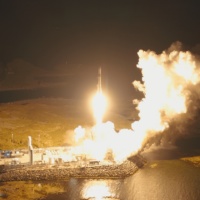
This weekend, German launch company Isar Aerospace became the first European Launcher Challenge startup to successfully place a rocket into orbit on its second try. The Spectrum rocket lifted off from Norway’s Andøya spaceport, carrying six academic and commercial payloads, and delivered them all to orbit in a mission dubbed “Onward and Upward.” The achievement marks a breakthrough for Europe’s sovereign access to space and signals a real alternative to the global launch bottleneck.
Earth's moon could have formed in just 5 hours after giant impact
Original Publication Date: 2026-09-07 16:00
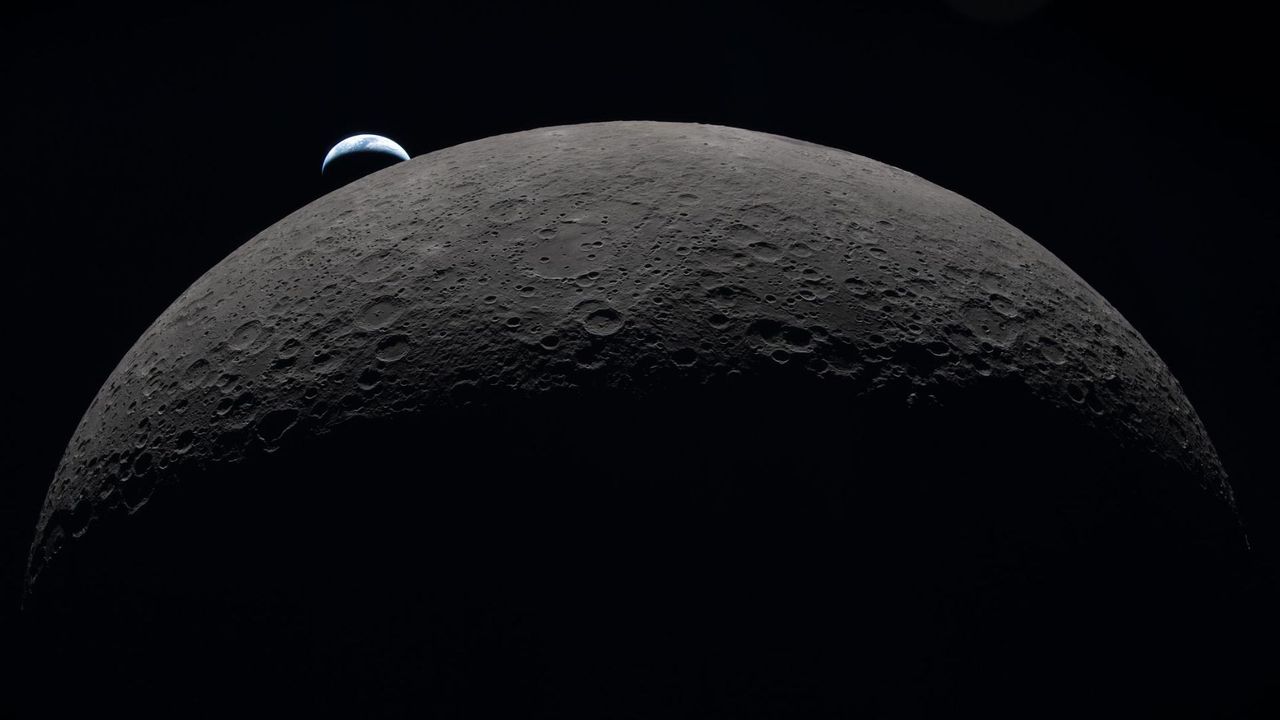
New computer simulations suggest Earth’s moon could have formed in just a few hours after a giant impact with a Mars‑sized protoplanet called Theia, 4.5 billion years ago. By incorporating the bodies’ internal temperatures and material strengths, researchers found that a warmer Theia would have shattered more completely, creating a debris disk that quickly coalesced into the moon. Earlier models proposed a gradual accretion over millions of years, but the latest study shows the moon could have emerged almost instantly if the collision occurred less than 60 million years after the planets formed. These findings may help scientists pin down the moon’s exact age and explain its current composition.
On this day in space! Sept. 7, 1995: NASA launches its 100th astronaut flight on space shuttle Endeavour's STS-69 mission
Original Publication Date: 2026-09-07 14:47
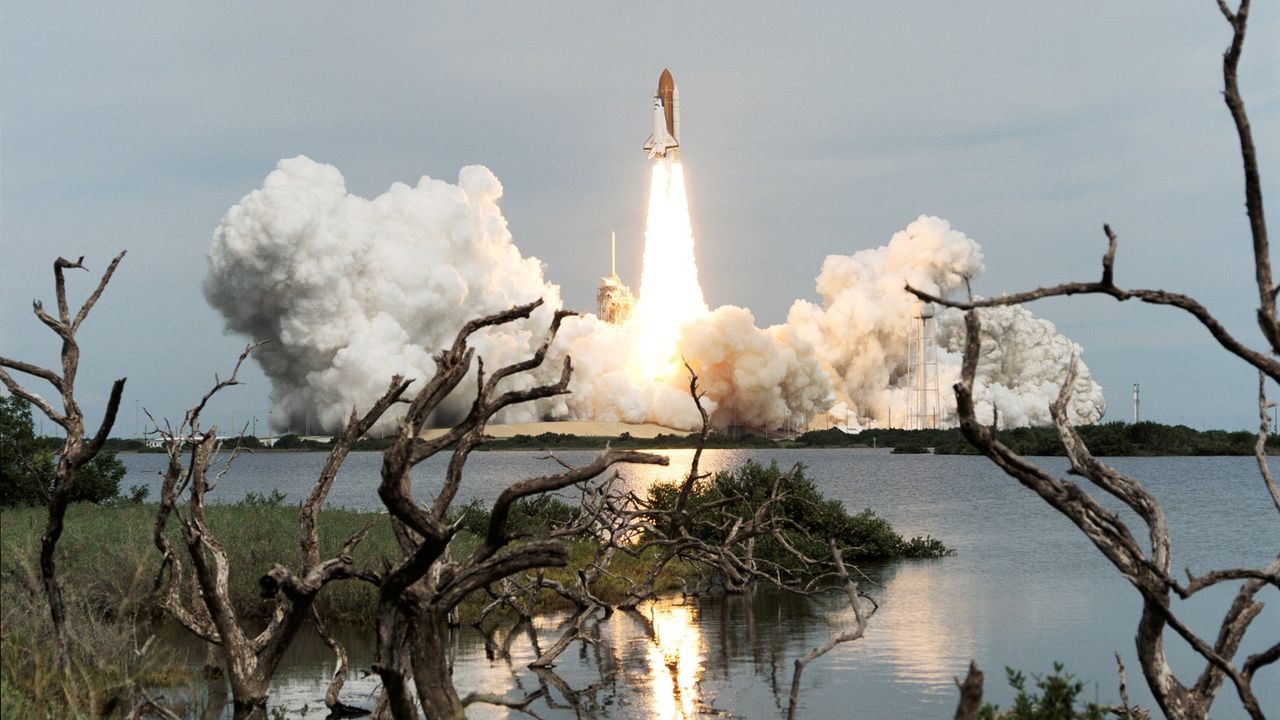
On September 7, 1995, NASA celebrated its 100th crewed flight when the Space Shuttle Endeavour launched on mission STS‑69 from Florida’s Pad 39A. The 11‑day mission was historic for deploying two different payloads—Spartan 201, a solar‑atmosphere experiment, and the Wake Shield Facility, a stainless‑steel disk that created a vacuum for growing thin films.
Galaxies tangled in science and spirit | Space photo of the day for Sept. 7, 2026
Original Publication Date: 2026-09-07 14:00
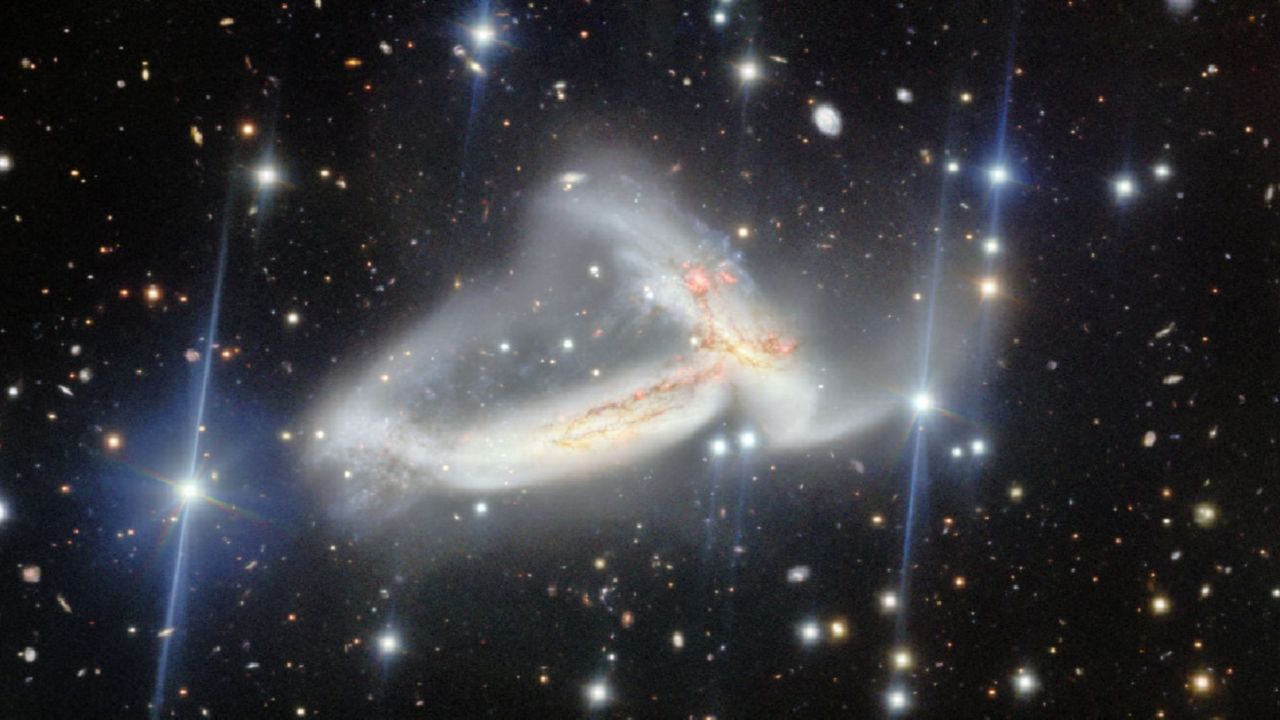
High‑school students from Waiākea and the Volcano School of Arts and Sciences used the Gemini North telescope on Maunakea to capture a stunning image of the merging pair of spiral galaxies NGC 7253, located about 200 million light‑years away in Pegasus. They christened the discovery Nā ’Uhane Māhoe Huki Pū i ke Ola, translating to “The Twin Spirits Pulling Together Creating Life,” a nod to both the cosmic dance and the students’ own spiritual journey. The image shows the galaxies’ shapes sharply defined as they gravitationally intertwine, a process that will ignite a burst of new star formation. This find reminds us that astronomy is not just science but also a source of wonder and inspiration.
The future of Earth observation: Private satellites and AI bring benefits but also pose risks
Original Publication Date: 2026-09-07 13:00
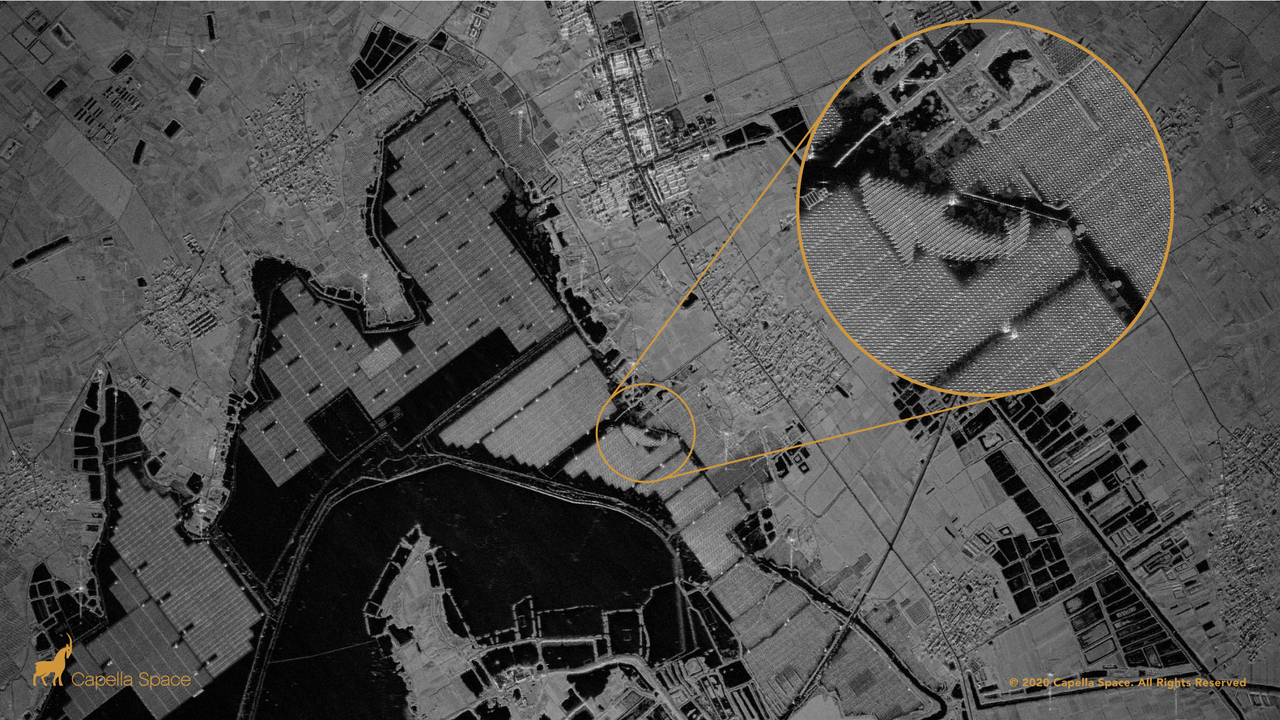
Private satellite operators and AI are turning Earth observation into a commercial frontier, offering high‑resolution data that can monitor everything from solar farms to illegal fishing. A recent OECD report warns that this democratization of imagery also heightens national‑security risks, privacy concerns, and the spread of disinformation through mis‑used or fabricated satellite photos. Companies like Space42 are building sovereign synthetic‑aperture‑radar constellations that aim to combine cost efficiency with secure, cloud‑based analytics, while governments push for tighter oversight. As more small satellites populate orbit, the line between civilian and military use will blur, demanding new policies to protect both our planet and our privacy.
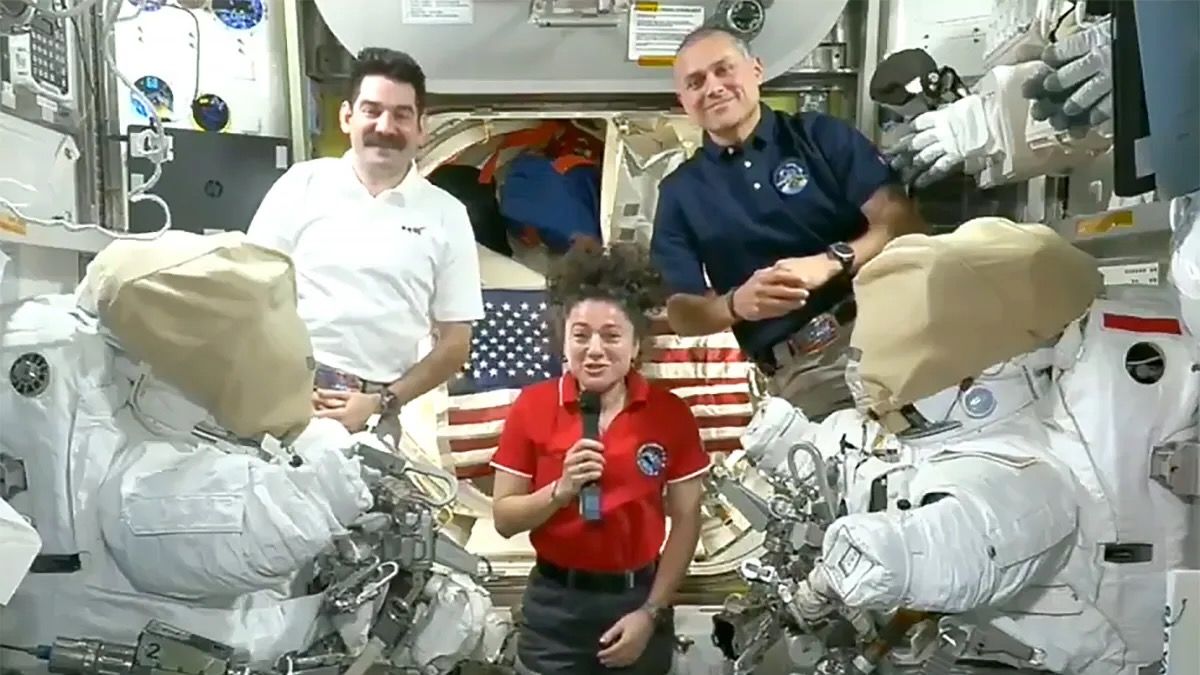
Labor Day in space: NASA astronauts get the holiday off
Original Publication Date: 2026-09-07 10:00
NASA astronauts Jack Hathaway, Jessica Meir, and Anil Menon celebrated Labor Day aboard the International Space Station, enjoying a rare day off that is typical for U.S. Crews on long‑duration missions. European Space Agency astronaut Sophie Adenot also had the holiday off, while their Russian counterparts—Pyotr Dubrov, Andrey Fedyaev, and Anna Kikina—remained on duty, monitoring the Progress 94 resupply vehicle as it undocked. The Russian crew’s responsibilities included overseeing the removal of the trash‑laden spacecraft and preparing for the arrival of Progress 96 from Baikonur. This mixed schedule highlights how international partners balance holiday downtime with mission-critical tasks in orbit.