 Spotify
 Apple Podcasts
 Podcast Addict
 Overcast
 Podcast RSS
Silicon Valley Space Week Speaker Focus: Dr. Diana Gamzina, Elve
Original Publication Date: 2026-08-31 22:20

Elve announced on August 19 that its 100‑watt millimeter‑wave space amplifier has achieved Technology Readiness Level 8, a milestone that puts it in contention with the industry’s sole American maker of space‑qualified traveling wave tubes. The company’s founder and CEO, Dr. Diana Gamzina, will speak on the ground bottleneck panel at the opening day of Satellite Innovation during Silicon Valley Space Week. Elve’s progress signals a growing domestic competition in high‑frequency space communications. The company’s breakthrough underscores the expanding U.S. Capabilities in advanced space technology.
NorthStar Selected by European Space Agency to Lead FALCON Reentry Tracking Consortium
Original Publication Date: 2026-08-31 21:12
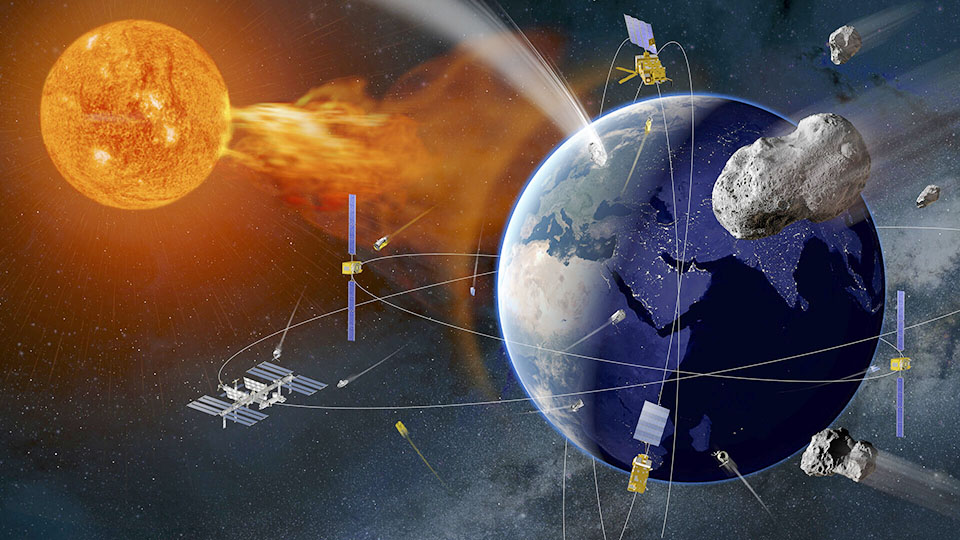
On August 31, 2026, the European Space Agency named NorthStar Earth & Space to head its new FALCON initiative, a multinational effort to strengthen space situational awareness. The program will bring together satellite operators, research institutions and industry partners to develop a coordinated network of sensors and data-sharing tools. NorthStar will lead the consortium, overseeing technology integration and operational standards to enhance the safety of space traffic. This appointment marks a significant step for both the company and Europe’s broader space security strategy.
SpaceX Petitions FCC to Block Viasat Satellite Authorization Over Starlink Interference Concerns
Original Publication Date: 2026-08-31 18:45
On August 31, 2026, SpaceX filed a petition with the Federal Communications Commission requesting that regulators either block or impose strict operational conditions on a proposed geostationary satellite deployment. The company argues that the new launch could interfere with existing spectrum allocations and threaten the reliability of its own satellite network. SpaceX is seeking a review that would either halt the deployment or require it to meet stringent technical and operational standards. The FCC’s decision will shape whether the satellite can proceed under modified terms or be stopped entirely.
ISRO Deploys First Geostationary Earth Imager as NavIC Constellation Operates Below Baseline Threshold
Original Publication Date: 2026-08-31 17:08
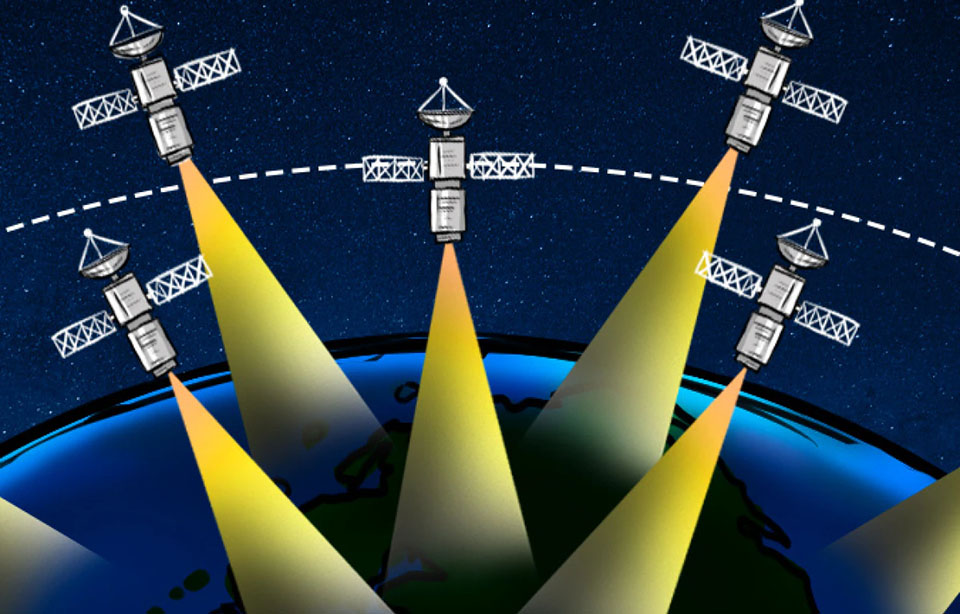
On August 31, 2026, India’s space agency ISRO launched its first geostationary Earth observation imager, marking a major milestone in
Ice Island Survives Run-In With Joe Island
Original Publication Date: 2026-09-01 04:00
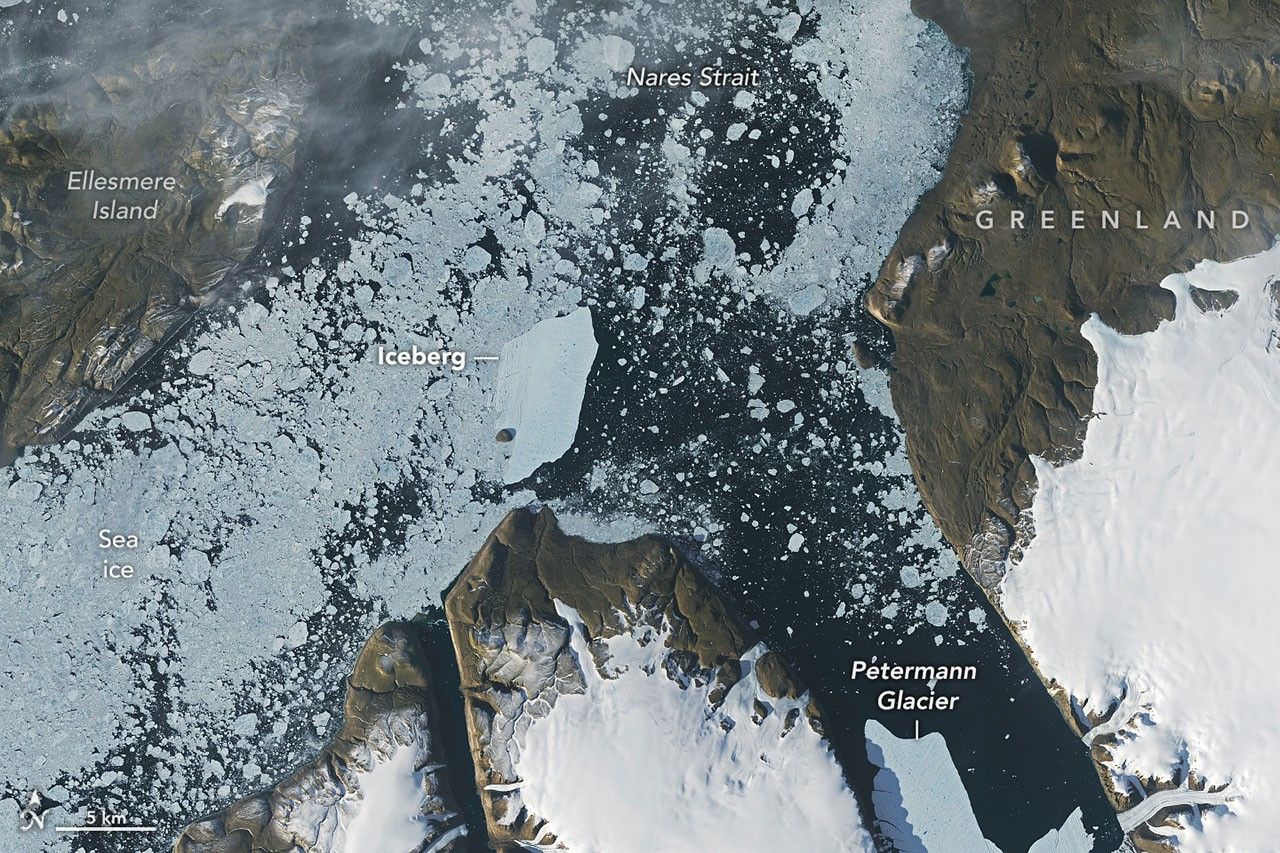
A massive tabular iceberg broke free from Greenland’s Petermann Glacier in early August 2026, covering about 76 square kilometers—making it the largest calving from an Arctic glacier since 2020. The ice island drifted roughly three kilometers a day, striking a small rocky outcrop called Joe Island at the fjord’s mouth but surprisingly survived the collision without breaking apart. Scientists monitoring the glacier predict that two remaining rifts could produce even larger ice islands, potentially up to 94 square kilometers, though the timing is uncertain. While the drifting berg will eventually fracture and melt, its journey poses navigation hazards and contributes fresh water to the ocean, underscoring the glacier’s role in sea‑level rise.
September 2026 Satellite Puzzler
Original Publication Date: 2026-08-31 19:37
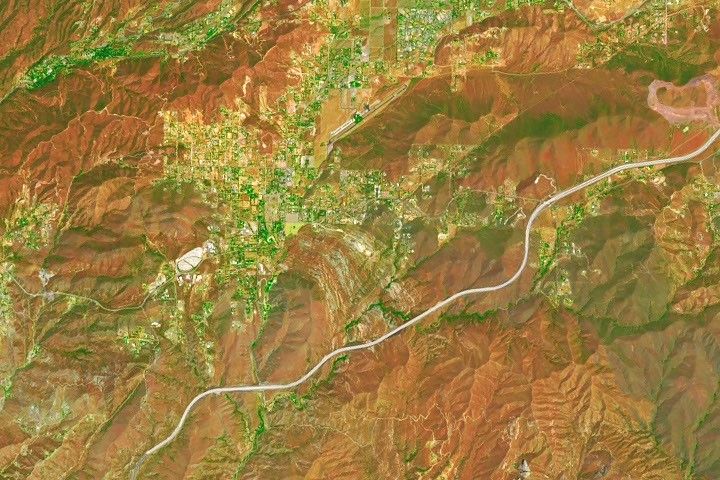
NASA’s Earth Observatory has released a monthly satellite puzzle, and the September 2026 image invites viewers to identify its location. Participants can submit clues, guess the place, and even highlight technical details like the satellite, instrument, or spectral bands used. While no cash prize is offered, the first correct answer earns bragging rights and potential recognition in the next story. The reveal will come a week later, with an explanation of the image and its unique features.
Launch Preview: Array of international launches planned this week
Original Publication Date: 2026-08-31 20:55

This week, six missions are set to launch worldwide, from SpaceX’s California launch site to new launches in New Zealand, China, India, and Norway. SpaceX will fly its last Falcon 9 Starlink from Florida before shifting all future Starlink launches to California, while Rocket Lab’s Electron will launch Synspective’s StriX‑9 satellite from the Mahia Peninsula.
Diffraqtion Adds to Pre-Seed Round for Quantum Camera Tech
Original Publication Date: 2026-08-31 13:00

Quantum imaging startup Diffraqtion has secured over $5 million in new funding, bringing its total capital to more than $10 million, with contributions from Lockheed Martin Ventures, Sumitomo Corporation’s Presidio Ventures, and several other investors. The Massachusetts‑based company is developing compact quantum‑imaging cameras that use AI to achieve high‑resolution, long‑range vision with a fraction of the aperture size and cost of traditional optics. Since its pre‑seed round, Diffraqtion has demonstrated its technology at a terrestrial observatory, won a NASA SBIR Phase I award for space‑debris tracking, and claimed a $100,000 prize in NASA’s Space to Soil Challenge. The latest capital will fund the company’s first flight‑heritage mission and the hiring of a new head of engineering as it prepares to launch a hosted payload on an unnamed spacecraft.
Watch 2 astronauts take 6th-ever all-female spacewalk today
Original Publication Date: 2026-09-01 04:05
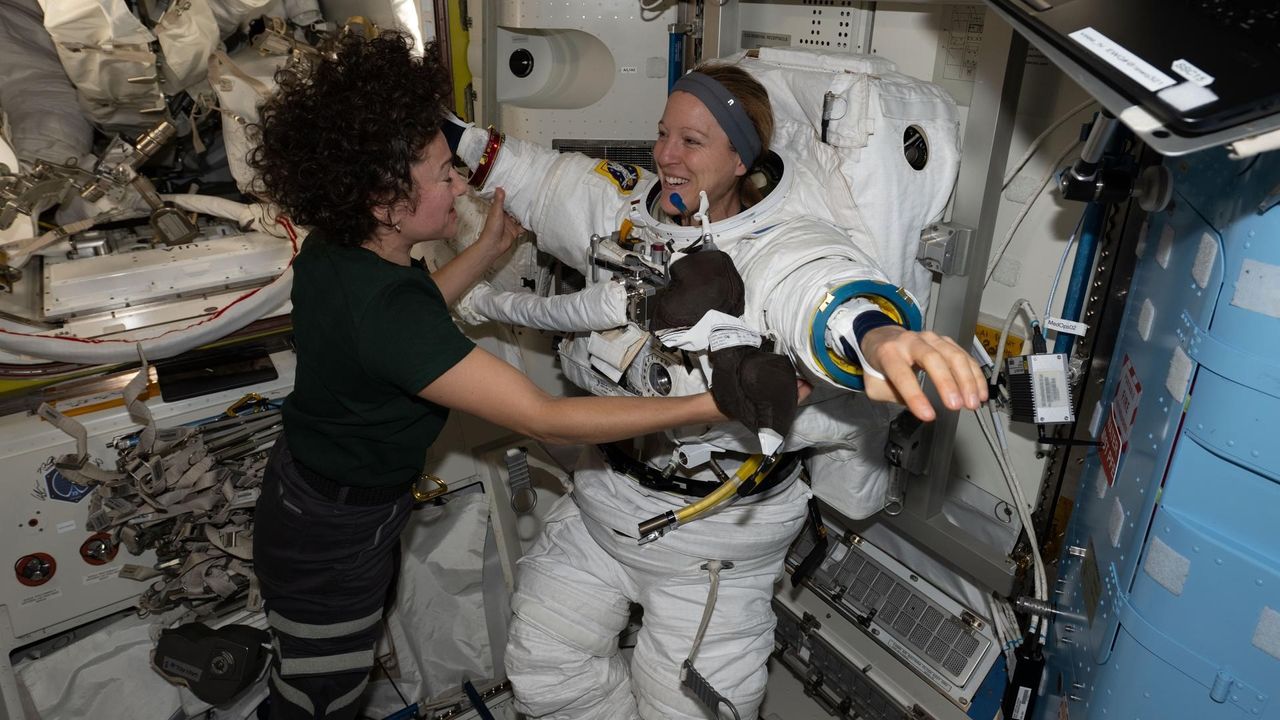
Today, NASA astronaut Jessica Meir and ESA’s Sophie Adenot will perform the sixth all‑female spacewalk in history, stepping outside the International Space Station at about 8:30 a.
NASA's doomed Swift space telescope restarts science work after rescue mission fails
Original Publication Date: 2026-08-31 21:00
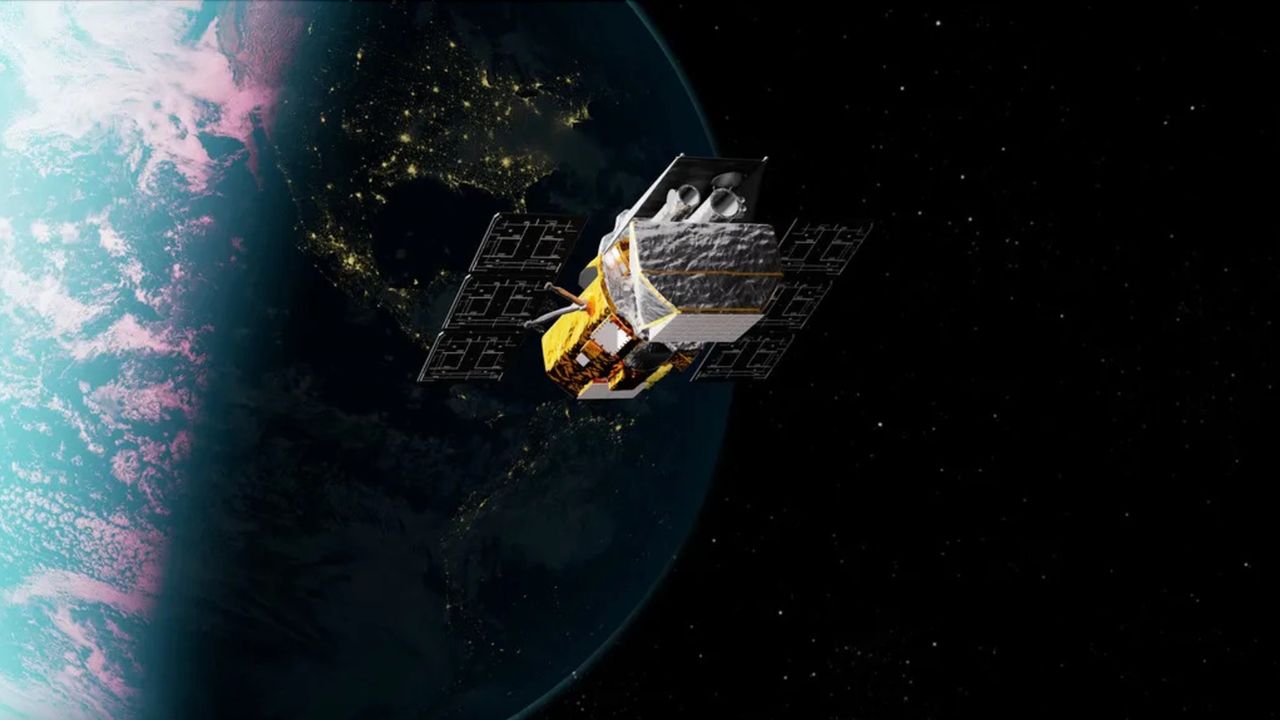
NASA’s 22‑year‑old Swift telescope has resumed science operations after a failed rescue attempt, with its X‑ray and ultraviolet/optical instruments back online. The third instrument, the Burst Alert Telescope, remains offline as the mission team works to get it running again. The planned orbital boost by the private LINK spacecraft was cancelled when attitude‑control problems forced the rescue mission to abort. With no boost in sight, Swift is expected to fall below 185 miles in the next one to two months and will likely burn up upon re‑entry later this year, but it will make the most of the time it has left scanning the universe.
'No guts, no glory': How I captured NASA's Roman Space Telescope cross the sun on a picture-perfect SpaceX Falcon Heavy launch
Original Publication Date: 2026-08-31 19:48
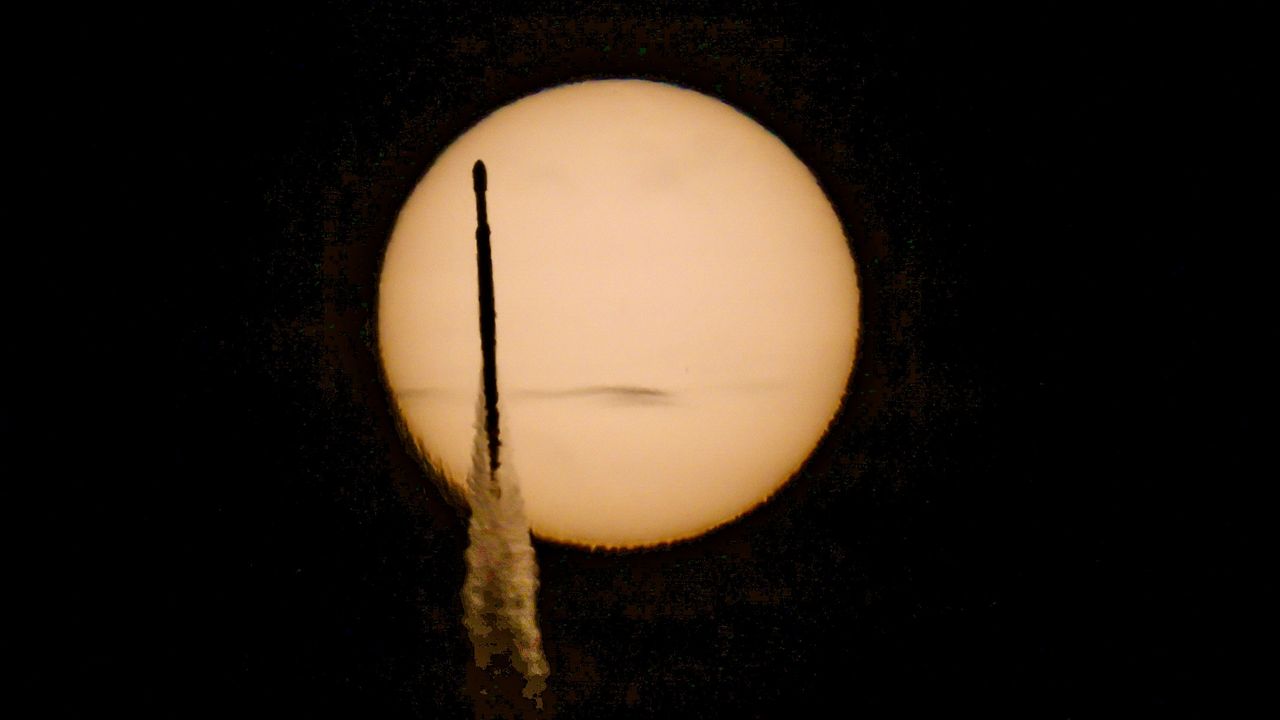
NASA’s Nancy Grace Roman Space Telescope lifted off aboard a SpaceX Falcon Heavy from Kennedy Space Center on August 30, 2026, heading to a million‑mile orbit to chart the universe’s deepest mysteries. Space.com’s Josh Dinner seized a rare moment, photographing the rocket’s path as it sliced through the sun from the parking lot of a Hobby Lobby in Titusville, Florida. The alignment required a razor‑thin launch window, and the photographer relied on tools like FlightClub.io and PhotoPills to time the shot before clouds cleared.
What's next for Roman Space Telescope? Here's how NASA's flagship observatory will open up the universe
Original Publication Date: 2026-08-31 16:00
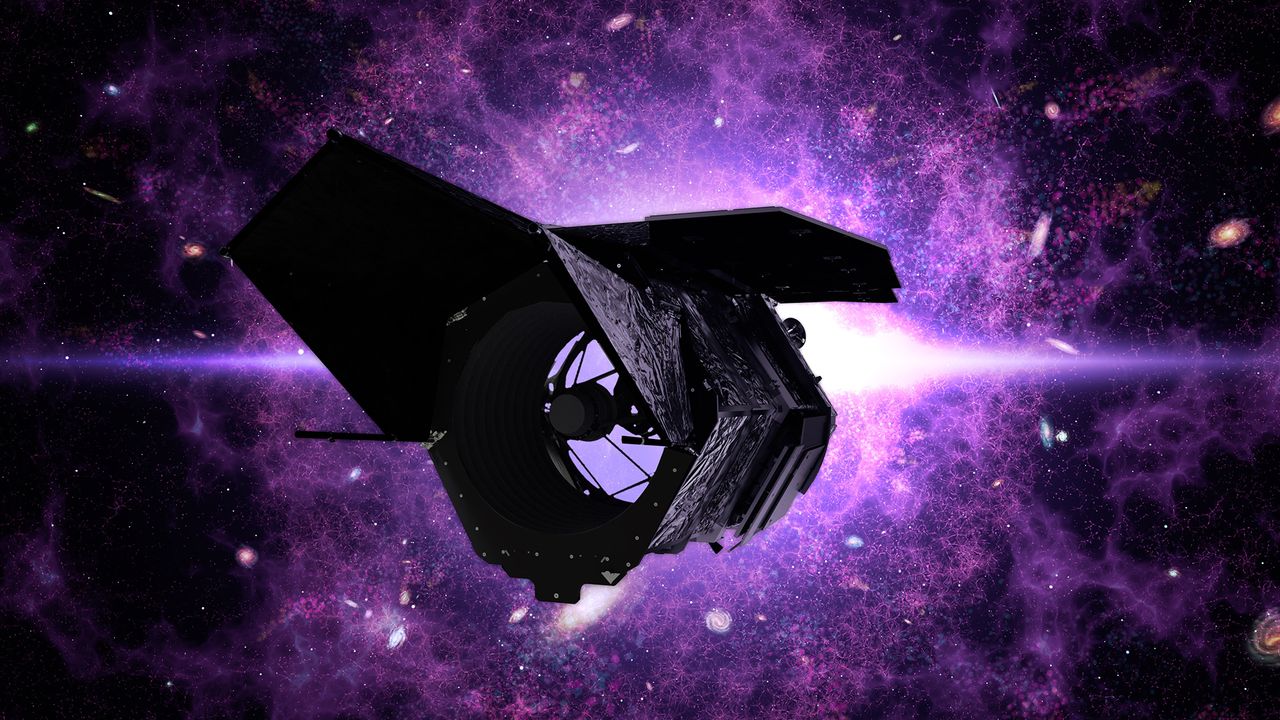
NASA’s Nancy Grace Roman Space Telescope launched on August 30, 2026 aboard a SpaceX Falcon Heavy, heading toward the sun‑Earth Lagrange Point 2, a stable orbit shared with the James Webb Space Telescope. The 42‑foot observatory will use its 300‑megapixel Wide Field Instrument to peer back to the universe’s earliest epochs, while a Coronagraph Instrument will hunt for exoplanets billions of times fainter than their host stars. After about a month of travel, the Roman team will commission the spacecraft’s systems and science payloads, preparing it for its first observations in early 2027. With a planned five‑year mission life, astronomers hope the telescope will outlast its warranty, much like Hubble and Chandra have done.
SpaceX, NASA delay next astronaut launch to ISS due to leak on Dragon spacecraft
Original Publication Date: 2026-08-31 15:00
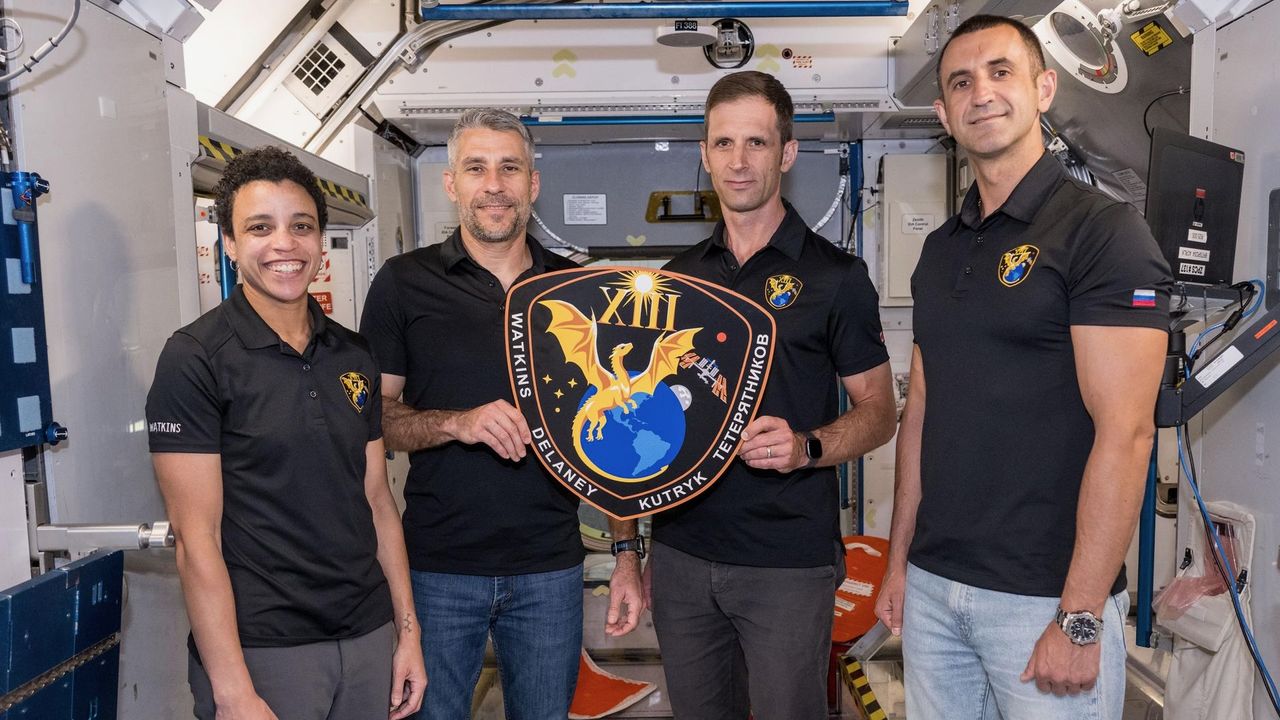
SpaceX’s Crew‑13 mission to the International Space Station, originally set for September 12, has been delayed. An oxidizer leak in the Dragon spacecraft’s propulsion system triggered additional tests by NASA and SpaceX. The crew—NASA’s Jessica Watkins and Luke Delaney, Canada’s Josh Kutryk, and Russia’s Sergey Teteryatnikov—will eventually launch aboard a Falcon 9 from Cape Canaveral. A new launch date will be announced once the required rework and verification are complete.
NASA's next "great observatory" begins mission to widen our view of the Universe
Original Publication Date: 2026-08-31 13:01
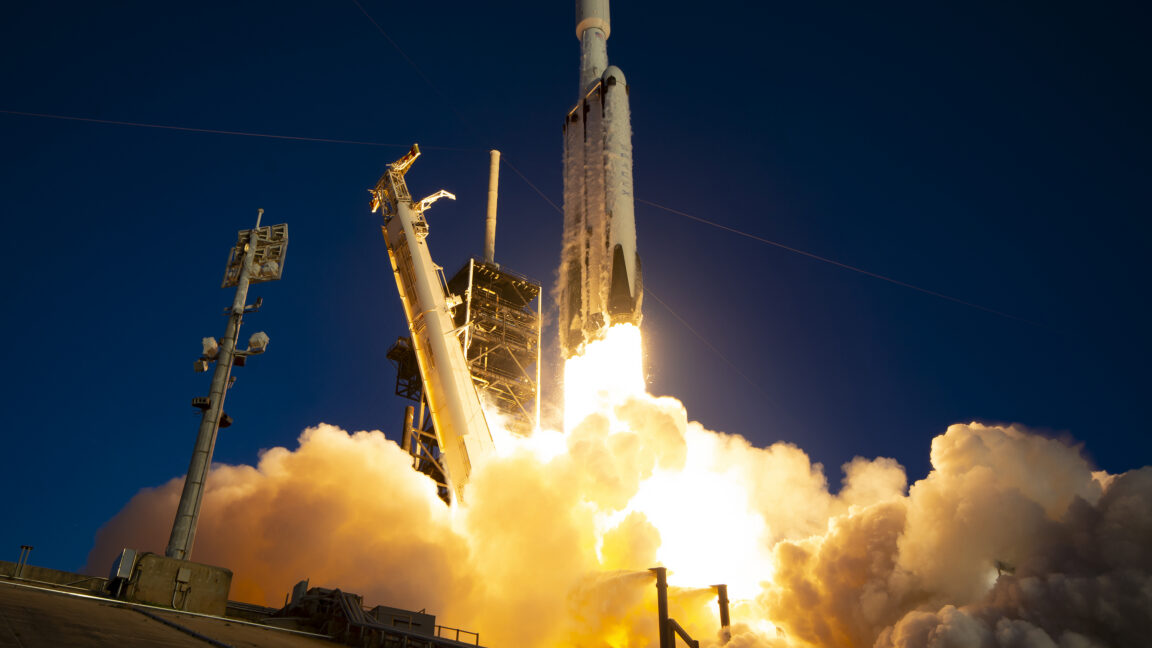
NASA’s $4.3 billion Nancy Grace Roman Space Telescope, fitted with a 300‑megapixel camera and a refurbished spy‑mirror, launched Sunday from Kennedy Space Center to investigate the Universe’s mysterious forces. The telescope offers a field of view 100 times wider than Hubble, complementing the James Webb Space Telescope’s groundbreaking work. It is the second NASA‑led astrophysics mission of the century, following Webb’s 2021 launch.