 Spotify
 Apple Podcasts
 Podcast Addict
 Overcast
 Podcast RSS
BAE Systems and U.S. Department of Defense Sign Multi-Year Framework to Expand APKWS Production
Original Publication Date: 2026-10-19 23:03

On Monday, October 19, 2026, BAE Systems announced a multi‑year framework agreement with the U.S. Department of Defense that could span up to seven years. The deal will broaden BAE’s portfolio of defense products and services, covering areas such as cyber, space, and aerospace. It is part of the DoD’s strategy to secure critical technology and support national security needs. The partnership underscores the growing collaboration between U.S. And UK defense industries.
Silicon Valley Space Week Speaker Focus: Matt Jenkins, Vantor
Original Publication Date: 2026-10-19 20:05

Vantor has integrated its visual positioning software with Sightline Intelligence’s onboard vision system, letting drones locate themselves and their targets even when GPS is jammed. The upgrade promises greater operational resilience for commercial and defense applications. Matt Jenkins, Vantor’s chief space systems officer, will discuss the implications of this technology at the commercial geospatial intelligence panel during Silicon Valley Space Week.
U.S. Ambassador Warns EU of Retaliation Over Satellite Spectrum Reservations
Original Publication Date: 2026-10-19 18:37

U.S. Ambassador to the EU Andrew Puzder warned on Sunday that Brussels could face severe American retaliation if it moves forward with its latest proposals. In an interview published on October 18, 2026, Puzder said the United States would take decisive action to counter any measures that threaten American economic interests. The comments come amid growing tensions over EU trade and environmental policies. He urged European leaders to reconsider their stance to avoid escalating the conflict.
European Telco Consortium Signs Letter of Intent to Pursue Joint MSS Spectrum Allocation
Original Publication Date: 2026-10-19 16:19

On Monday, October 19, 2026, four of Europe's biggest telecom operators—Deutsche
Curiosity Blog, Sols 5036-5042: Watching the Clouds Go By
Original Publication Date: 2026-10-20 01:21

NASA’s Curiosity rover has entered the first month of Mars year 39, marking the start of autumn in Gale Crater. The rover’s navigation camera captured a stunning view of high, wispy twilight clouds just before sunset on Sol 5037, highlighting the planet’s seasonal sky. While wrapping up a drill campaign at Basque Lakes, the science team added a Gas Chromatograph/Mass Spectrometry experiment and continued remote‑sensing studies with Mastcam and ChemCam. Curiosity’s observations of the new Martian year and its evolving atmosphere provide fresh data on Mars’ climate and potential habitability.
NASA Improves Shock, Vibration Analysis
Original Publication Date: 2026-10-19 19:28
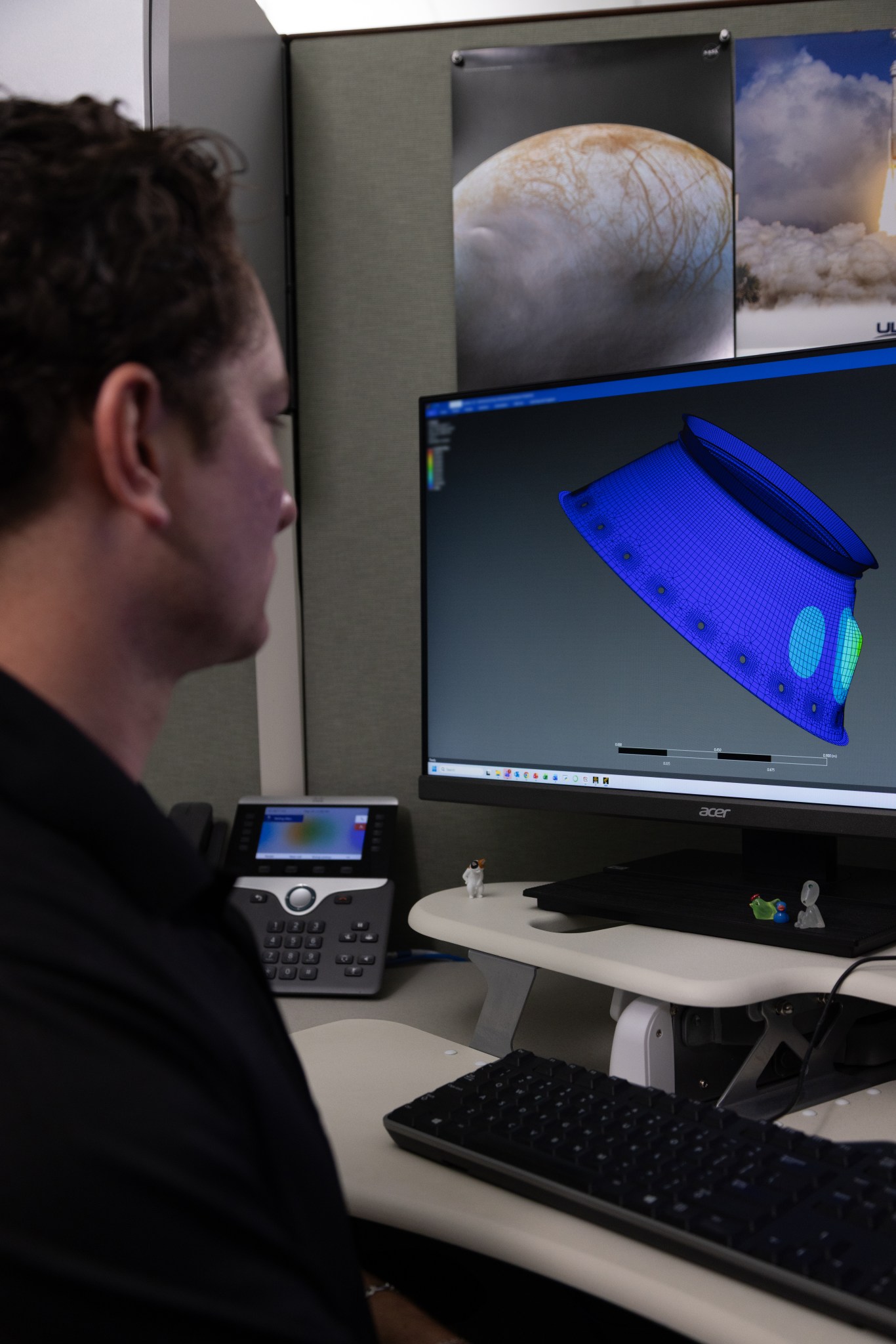
NASA’s Dynamic Environments Group at Kennedy Space Center has adopted a commercial finite‑element software to model shock and vibration for rockets and spacecraft, ensuring they can survive the harsh forces of launch. By standardizing the workflow, engineers like Brian Beaver and Alex Hardt can quickly identify weak spots and verify testing results, cutting months of manual analysis. The tool was first used to certify a commercial launch provider’s rocket for a NASA mission, revealing the need for additional shock testing that the partner had not performed.
Software
Original Publication Date: 2026-10-19 18:11

NASA’s Glenn Research Center is rolling out a suite of jet‑noise prediction tools that let engineers design quieter aircraft engines faster.
PLD Space begins system-level testing of Miura 5 as first three vehicles take shape
Original Publication Date: 2026-10-19 13:35

PLD Space has moved into a new phase as it begins system‑level test campaigns on a fully integrated second stage for its Miura 5 orbital launcher, while completing subsystem validation and building the first three vehicles. The company is targeting a debut flight in the first half of 2027 from the Guiana Space Centre in Kourou, with Miura 5 standing 35.7 metres tall and carrying up to one tonne to equatorial low‑Earth orbit. The two‑stage, kerosene‑ and liquid‑oxygen‑fueled rocket uses five TEPREL‑C engines on the first stage and a single vacuum‑optimized engine on the second, and future versions plan partial reusability. With a vertically integrated approach, PLD Space is expanding its manufacturing and testing facilities, securing €288 million in Series C funding, and partnering with CNES to align safety procedures for a scalable European launch system.
Exclusive: EraDrive Lands $13M DoD Award For Autonomy Module
Original Publication Date: 2026-10-19 13:00

EraDrive, a Palo Alto startup, secured a $13 million Department of Defense award to supply the Space Force with its Era‑Node vision‑based autonomy modules, bypassing the usual multi‑year procurement process thanks to the APFIT program. The award gives the Space Force an accelerated path to deploy autonomous capabilities that can navigate GPS‑denied environments, enhance space domain awareness, and enable fleet‑level collision avoidance. While the company has yet to fly a fully integrated module in orbit, its core software has already been tested on NASA’s Starling satellites, demonstrating target tracking and autonomous coordination. This deal marks a significant step toward giving U.S. Satellites the real autonomy the defense community has long sought.
WarpWare Closes Pre-Seed to Bring Agentic Tools to Flight Software
Original Publication Date: 2026-10-19 13:00
WarpWare, a Colorado‑based startup, has closed a $1.2 million pre‑seed round to expand its AI‑enabled engineering platform for space missions.
On this day in space! Oct. 19, 2016: Europe's ExoMars orbiter and Schiaparelli lander arrive at Mars
Original Publication Date: 2026-10-19 19:40
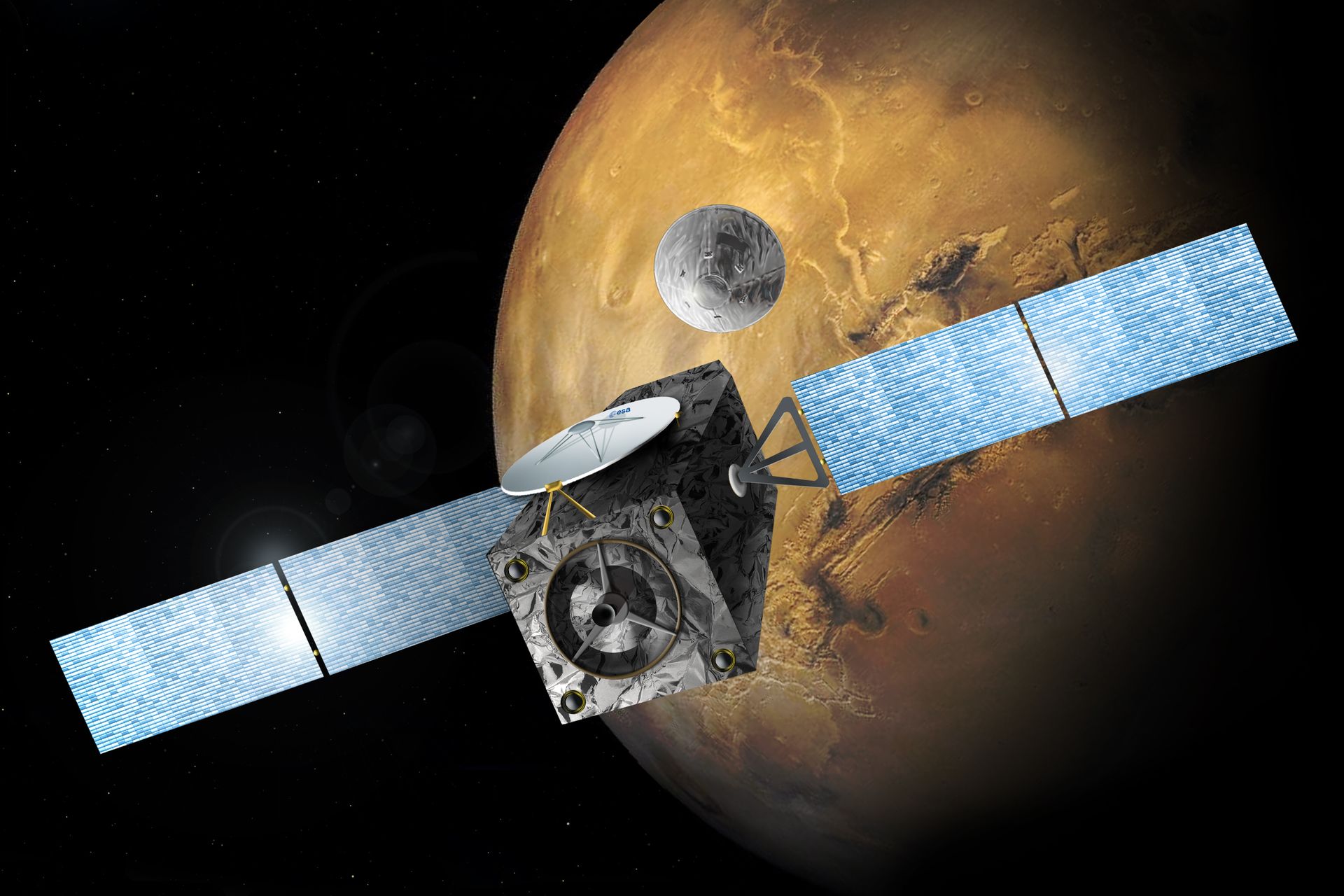
Europe’s ExoMars 2016 mission reached Mars on October 19, 2016, with the Trace Gas Orbiter successfully entering orbit while its Schiaparelli lander crashed during descent. The lander lost communication just one minute before touchdown, likely due to a data glitch that prevented its thrusters from firing. Despite the loss, the orbiter remains operational, studying Martian methane and other trace gases for over a decade. The setback has pushed the planned ExoMars rover launch to no earlier than 2028, with a Mars landing slated for 2030.
The moon is shrinking. 10,000 cracks on the lunar surface reveal by how much
Original Publication Date: 2026-10-19 19:00
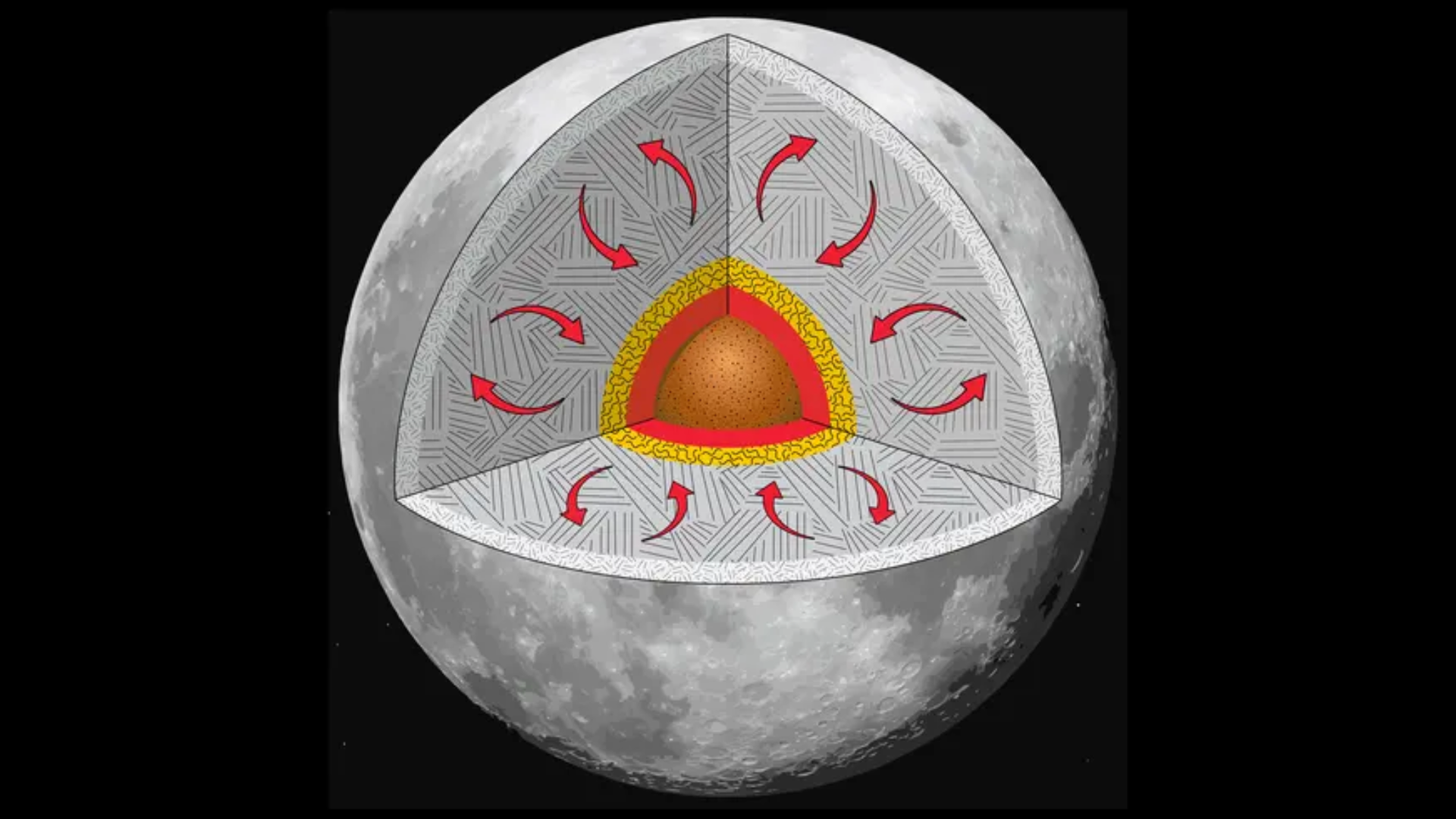
Scientists have confirmed that the Moon is slowly shrinking, estimating a 148‑foot reduction in radius over the last 400 to 800 million years. By analyzing more than 10,000 new faults—lobate scarps and mare ridges—captured by the Lunar Reconnaissance Orbiter, researchers mapped how the Moon’s cooling interior is contracting. The study shows that areas with thicker crust crack less, indicating a more stable surface, while the rest of the satellite continues to contract in a single‑plate system.
'They're kind of goth': NASA spacecraft gives mysterious brown dwarfs a close-up
Original Publication Date: 2026-10-19 15:06

NASA’s SPHEREx mission has taken the first detailed chemical look at 37 nearby brown dwarfs, the “failed stars” that never ignite fusion and drift alone through space. The telescope’s 102‑wavelength survey revealed rich atmospheres filled with water, carbon dioxide, carbon monoxide and methane, and showed how clouds clear as these objects cool from 4,000 °F to –10 °F.
Japan launches mission to bring home a piece of the Martian moon Phobos
Also covered by: NASASpaceFlight, Space.com
Original Publication Date: 2026-10-20 05:59
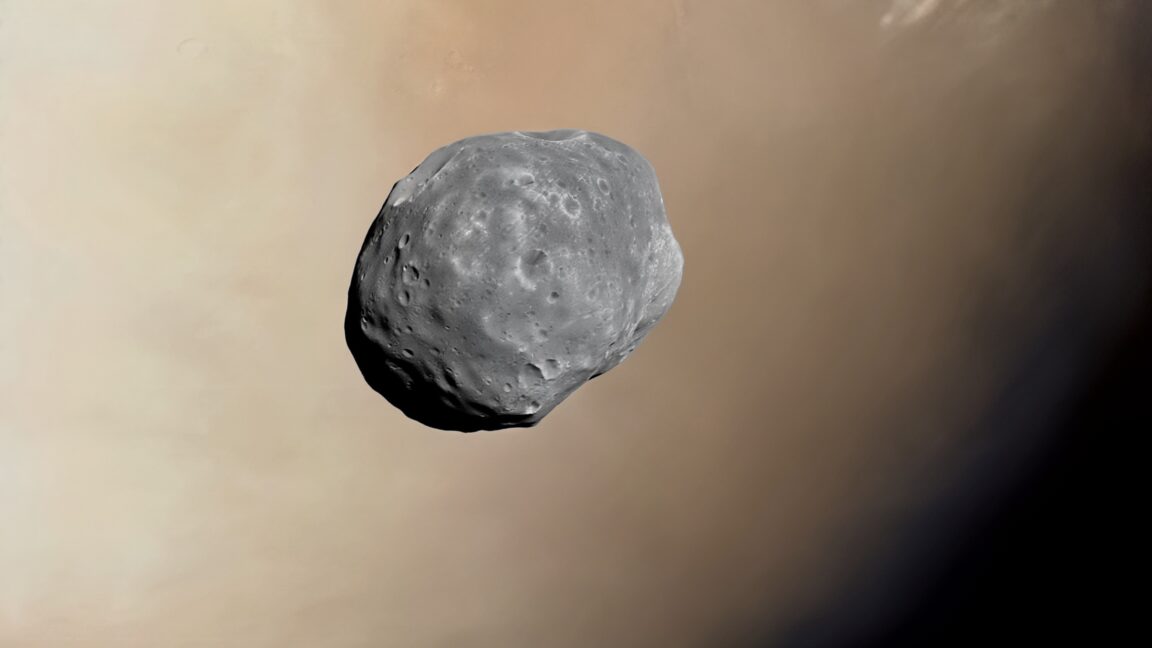
Japan launched the Martian Moons eXploration (MMX) probe on an H3 rocket from Tanegashima, a 4,480‑kg spacecraft that will reach Mars in August 2027 after a 10‑month journey.
Russian spacecraft maneuvers in "extreme proximity" to satellite used by Ukraine
Also covered by: SatNews
Original Publication Date: 2026-10-19 20:54
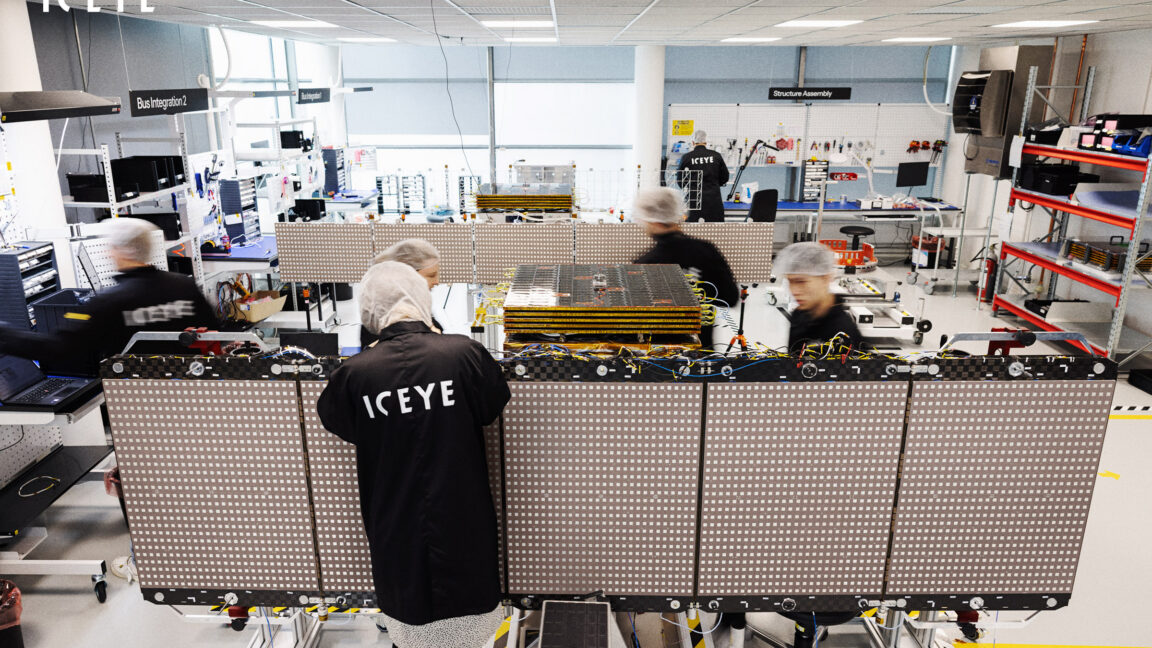
On Saturday, Oct 17 2026, Russian military satellite Kosmos 2612 performed a series of precise orbital maneuvers to shadow U.S. Commercial imaging satellite ICEYE‑X36. Tracking data from LeoLabs and other stations showed the Russian craft closed from hundreds of kilometres to extreme proximity, lingered nearby for an extended period, then began to distance itself. The maneuver was repeated by at least four of the six satellites launched on the same Soyuz rocket, marking the first known unsanctioned close‑encounter between a military and commercial satellite in orbit. U.
A Chinese rocket deorbited over Minnesota and left this in a farmer's cornfield
Original Publication Date: 2026-10-19 14:35

A Chinese Zhuque‑2E rocket launched from the Gobi Desert on September 15, released 10 satellites into orbit, then re‑ignited and headed back to Earth, sending fiery debris across the American Midwest. The 75‑ to 80‑minute flight saw the rocket’s remnants streak across Kansas, Minnesota, and Wisconsin, a spectacle that was captured on social media. Experts traced the debris to the LandSpace launch from Dongfeng, a commercial site next to the Jiuquan Satellite Launch Center.