 Spotify
 Apple Podcasts
 Podcast Addict
 Overcast
 Podcast RSS
floLIVE and Skylo Partner to Deliver Integrated Cellular and Satellite IoT Connectivity Across Brazil
Original Publication Date: 2026-10-12 22:29
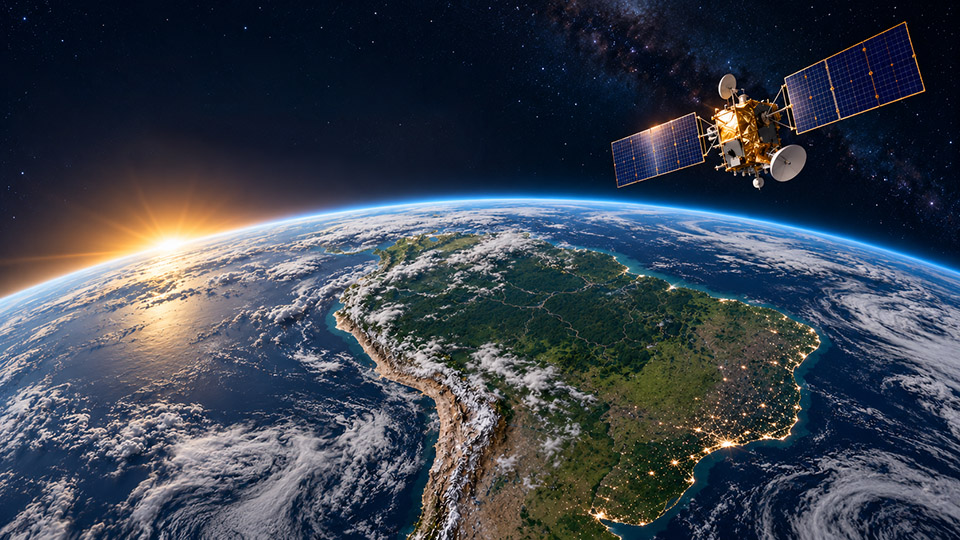
At Futurecom 2026 in São Paulo, global connectivity provider floLIVE and satellite operator Skylo Technologies announced a new integrated cellular‑satellite IoT service that will blanket Brazil with seamless coverage. The partnership blends 4G/5G cellular networks with Skylo’s low‑Earth‑orbit satellites to reach remote and underserved regions, enabling real‑time data for industries such as agriculture, logistics, and smart cities. By combining the speed of terrestrial networks with the reach of space‑based links, the solution promises lower latency and higher reliability for mission‑critical IoT applications. The rollout is slated to begin in the third quarter of 2026, marking a significant step toward nationwide IoT connectivity.
SpaceX Launches First 21 Northrop Grumman Satellites for SDA Tranche 1 Transport Layer
Original Publication Date: 2026-10-12 16:47
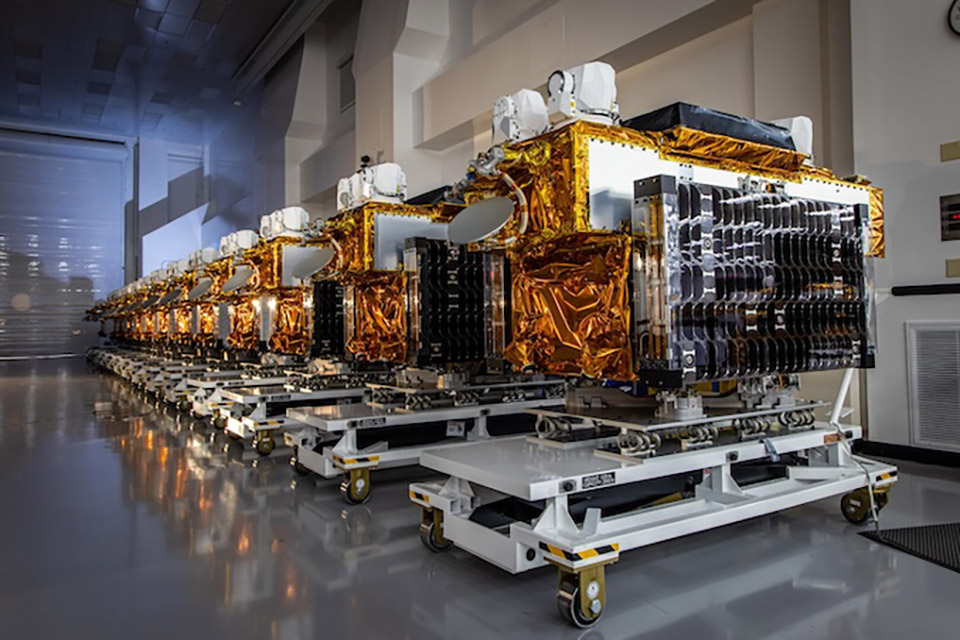
A SpaceX Falcon 9 launch vehicle lifted off from Vandenberg Space Force Base in California at 3:39 a.m. Eastern on October 10, 2026. The launch successfully deployed 21 Northrop Grumman satellites. The launch vehicle was powered by a SpaceX Falcon 9 rocket.
Silicon Valley Space Week Speaker Focus: Peter Cabauy, City Labs
Original Publication Date: 2026-10-12 14:44

NASA and the Department of Energy signed an agreement on October 8 to speed up the development of space nuclear power and propulsion, following a Miami‑based company’s successful tritium‑powered payload launch with SpaceX three months earlier. The deal aims to bring advanced nuclear technologies to satellites and deep‑space missions more quickly. At the MilSat Symposium, City Labs co‑founder and CEO Peter Cabauy delivered a technical brief on the potential of nuclear power for satellite applications. This partnership marks a significant step toward more reliable and powerful space propulsion systems.
An Impact Structure With Legs
Original Publication Date: 2026-10-13 04:01
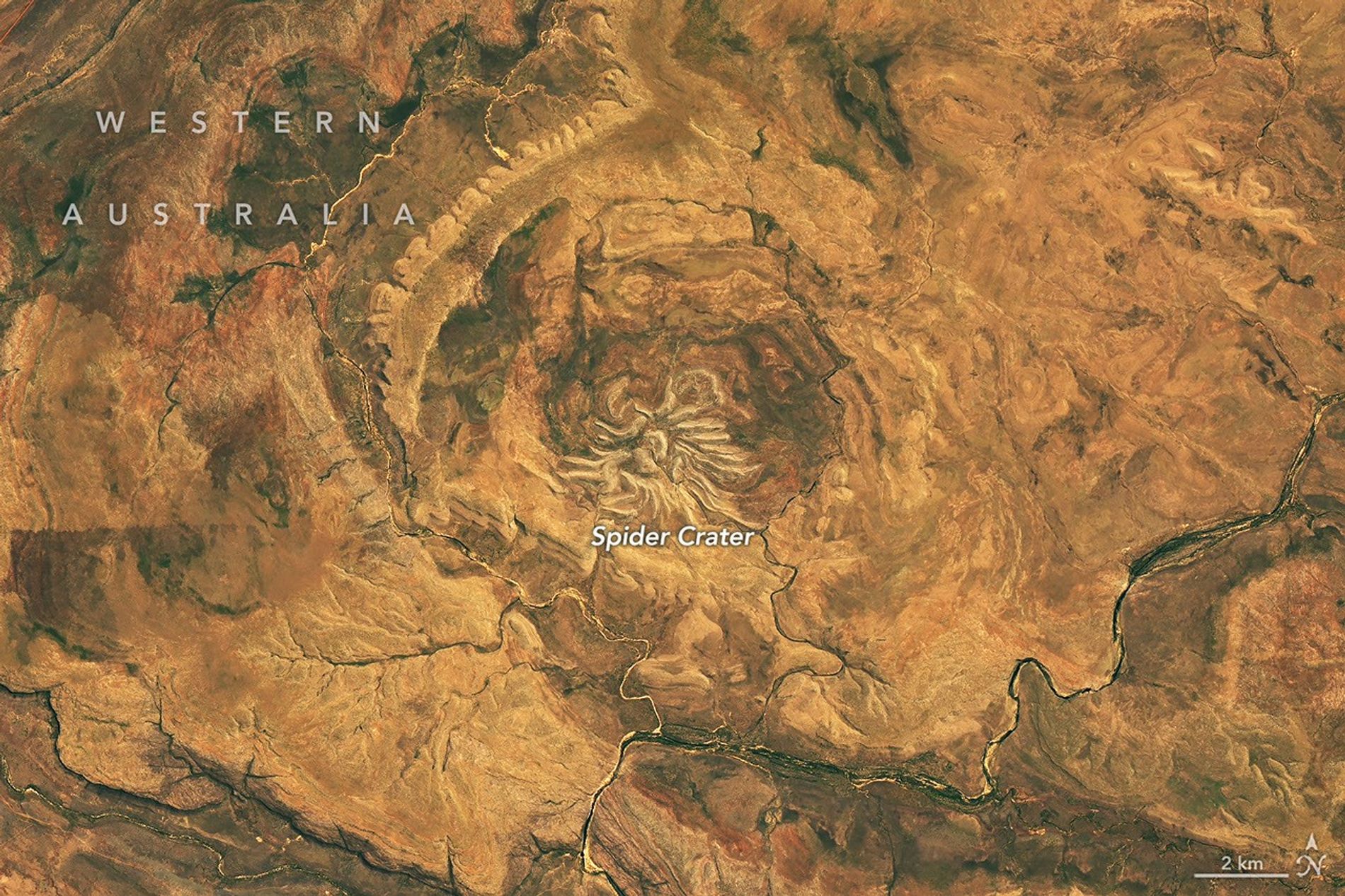
NASA’s Earth Observatory has identified the Spider Crater, a 13‑kilometer‑wide impact structure in Western Australia’s Kimberley region, captured by Landsat 9 in September 2026. The crater’s spider‑like shape, with a 4‑kilometer central dome and light‑colored sandstone ridges that have survived erosion, points to a central uplift from a meteorite hit. Geologists confirmed the impact by finding shatter cones and shocked quartz, and laboratory analysis of the rocks will help determine the meteorite’s angle of entry.
SpaceX launches Falcon 9 Starlink mission for 1st time in more than 3 weeks (photos)
Also covered by: Spaceflight Now
Original Publication Date: 2026-10-13 03:15
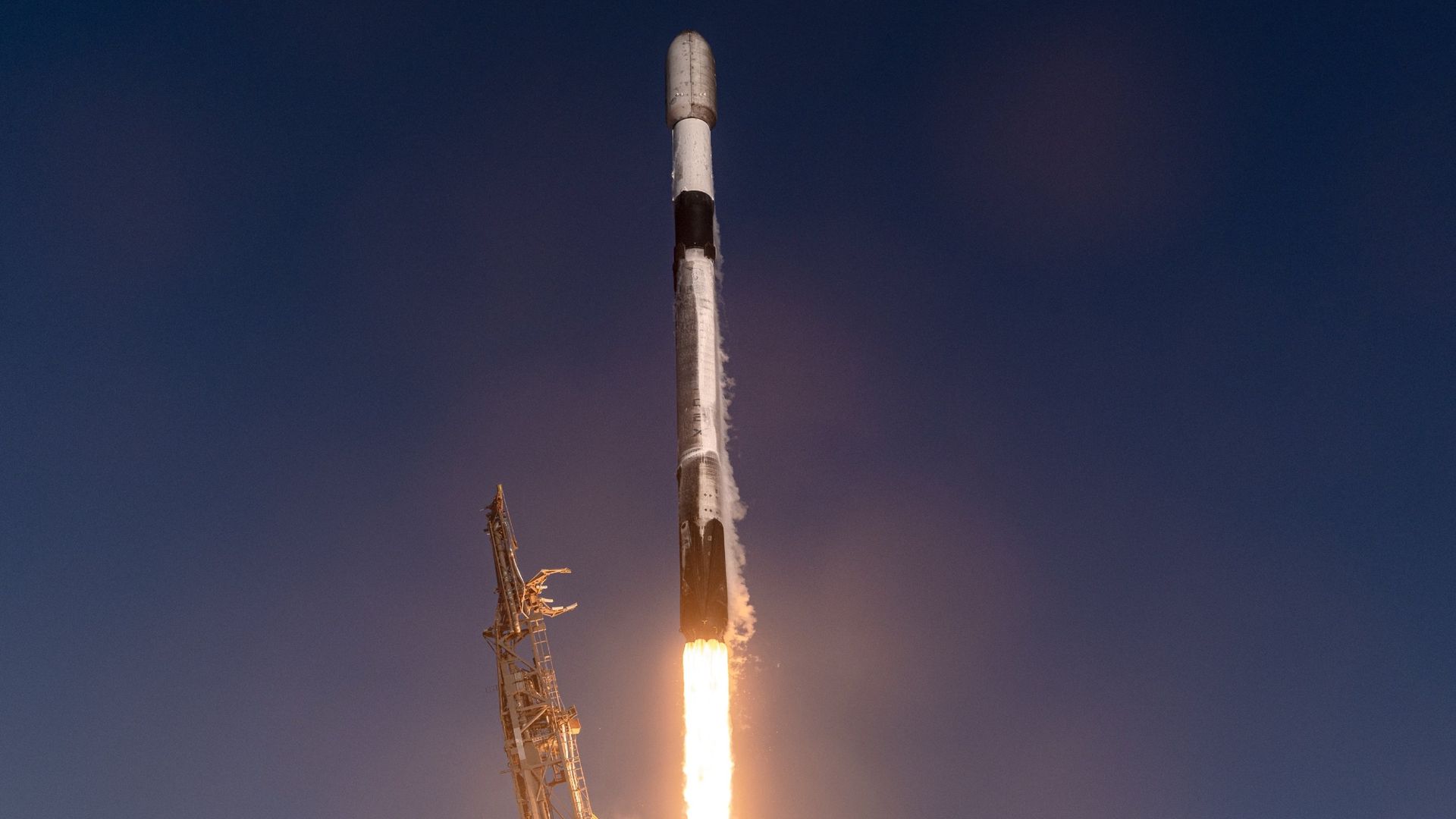
On Oct. 12, 2026, SpaceX launched a Falcon 9 from Vandenberg Space Force Base carrying the Starlink 15‑25 payload, marking the first Starlink launch since Sept.
SpaceX launching 6,300 pounds of cargo to the ISS today: Watch it live
Also covered by: NASASpaceFlight
Original Publication Date: 2026-10-12 21:00

SpaceX will launch its Cargo Dragon C211 on a Falcon 9 from Cape Canaveral at 6:33 a.m. EDT on Tuesday, Oct. 13, as part of the CRS‑35 resupply mission to the International Space Station. The freighter will carry about 6,300 lb of cargo—including the final rollout of solar arrays, artificial‑retina hardware, and brain organoids—to the Harmony module, where it will dock autonomously on Oct. 15. Dragon will remain attached for roughly a month before returning to Earth, splashing down safely in the Pacific, and this launch marks SpaceX’s 35th commercial resupply mission under NASA’s contract.
Astronomers witness supermassive black hole gorge on a cosmic meal before 'burping' radio jets 300 days later
Original Publication Date: 2026-10-12 20:00
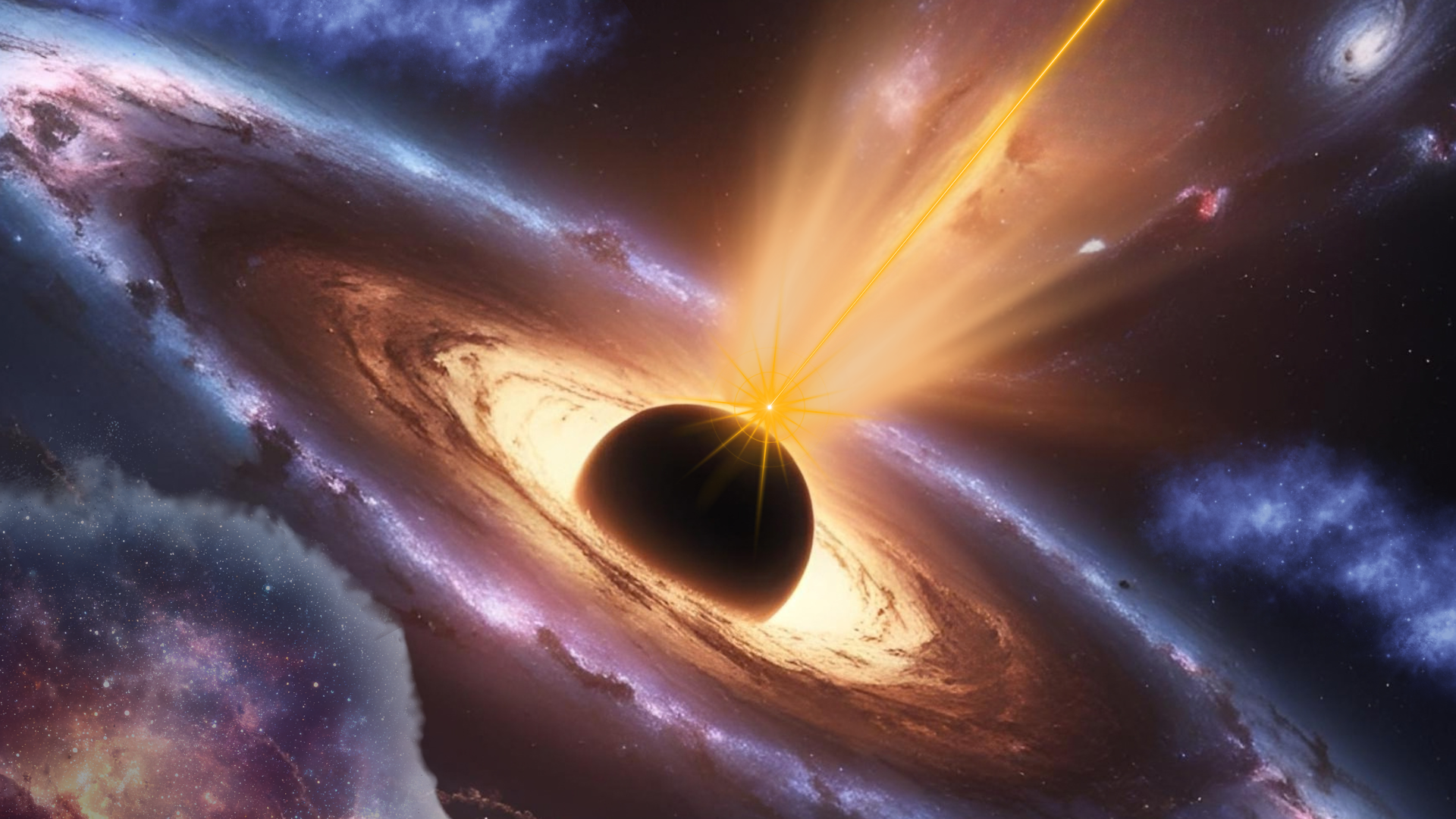
Scientists have caught a supermassive black hole at the heart of the Perseus Cluster gulping down a cosmic meal, flaring brightly in X‑rays in early 2023. Using NASA’s Swift Observatory, astronomers tracked the flare and, about 300 days later, observed the black hole belching out twin radio jets that ripple across the cluster. This delayed “burp” provides the clearest evidence yet of how material spiraling into the black hole’s accretion disk powers its powerful jets. The team also estimated the black hole’s mass to be between 100 million and 1 billion times that of our Sun.
The moon could turn astronauts into 'walking, high voltage capacitors' that accidentally zap spacecraft
Original Publication Date: 2026-10-12 18:00
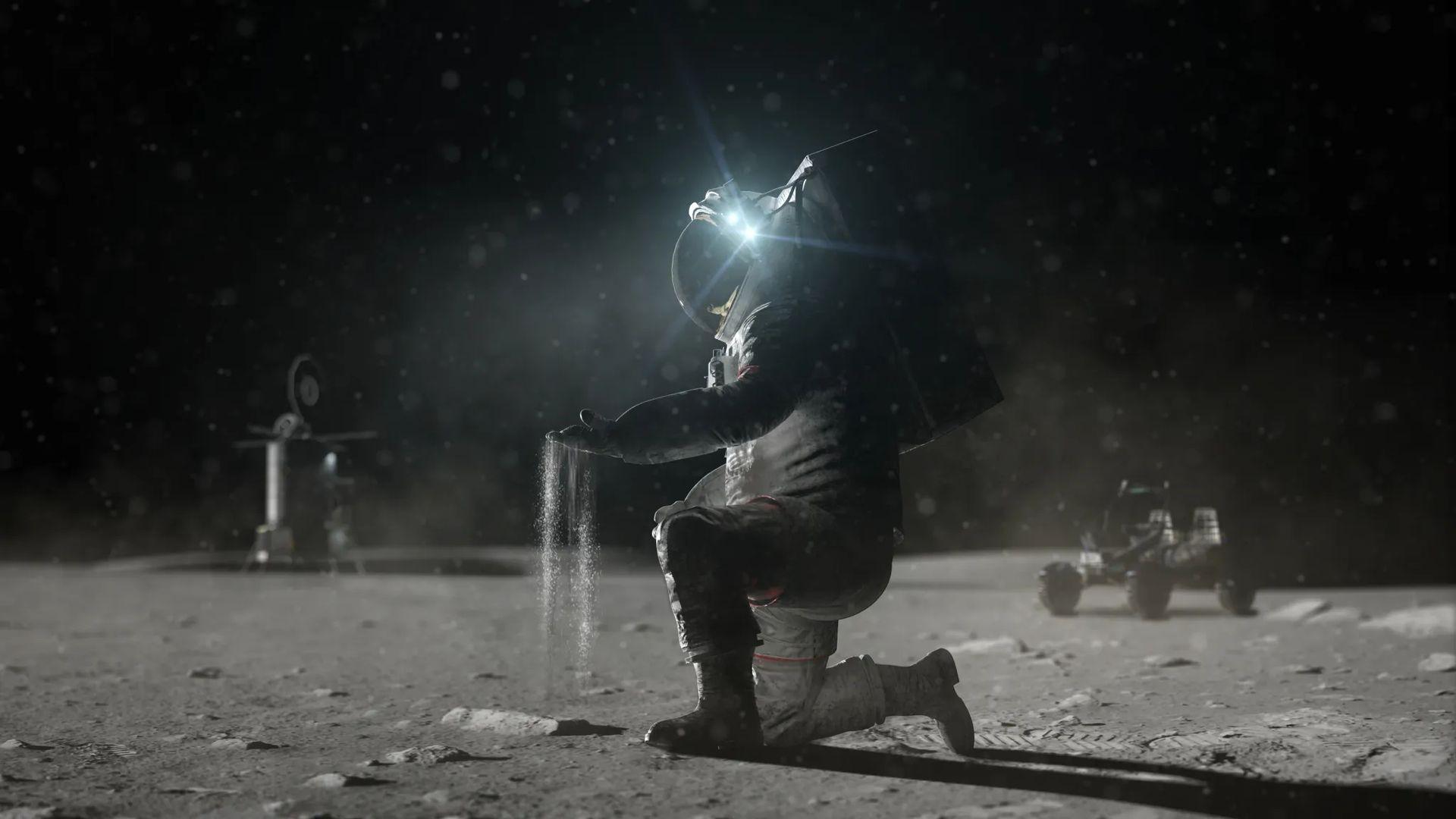
NASA has launched a $150,000 Lunar Grounding Challenge to stop astronauts from becoming walking high‑voltage capacitors on future moon missions. The competition seeks lightweight, low‑power solutions that can safely discharge a suit’s static build‑up before it contacts a lander, a risk heightened by lunar dust and shadowed craters. Submissions are due January 15, and the agency hopes the technology will be ready for Artemis 4 or 5 landings at the lunar south pole in 2028. The goal is to protect crews and equipment as NASA pushes toward a long‑term lunar base in the 2030s.
On this day in space! Oct. 12, 1964: The Soviet Union launches Voskhod 1, the 1st multi-person cosmonaut crew, into space
Original Publication Date: 2026-10-12 14:29
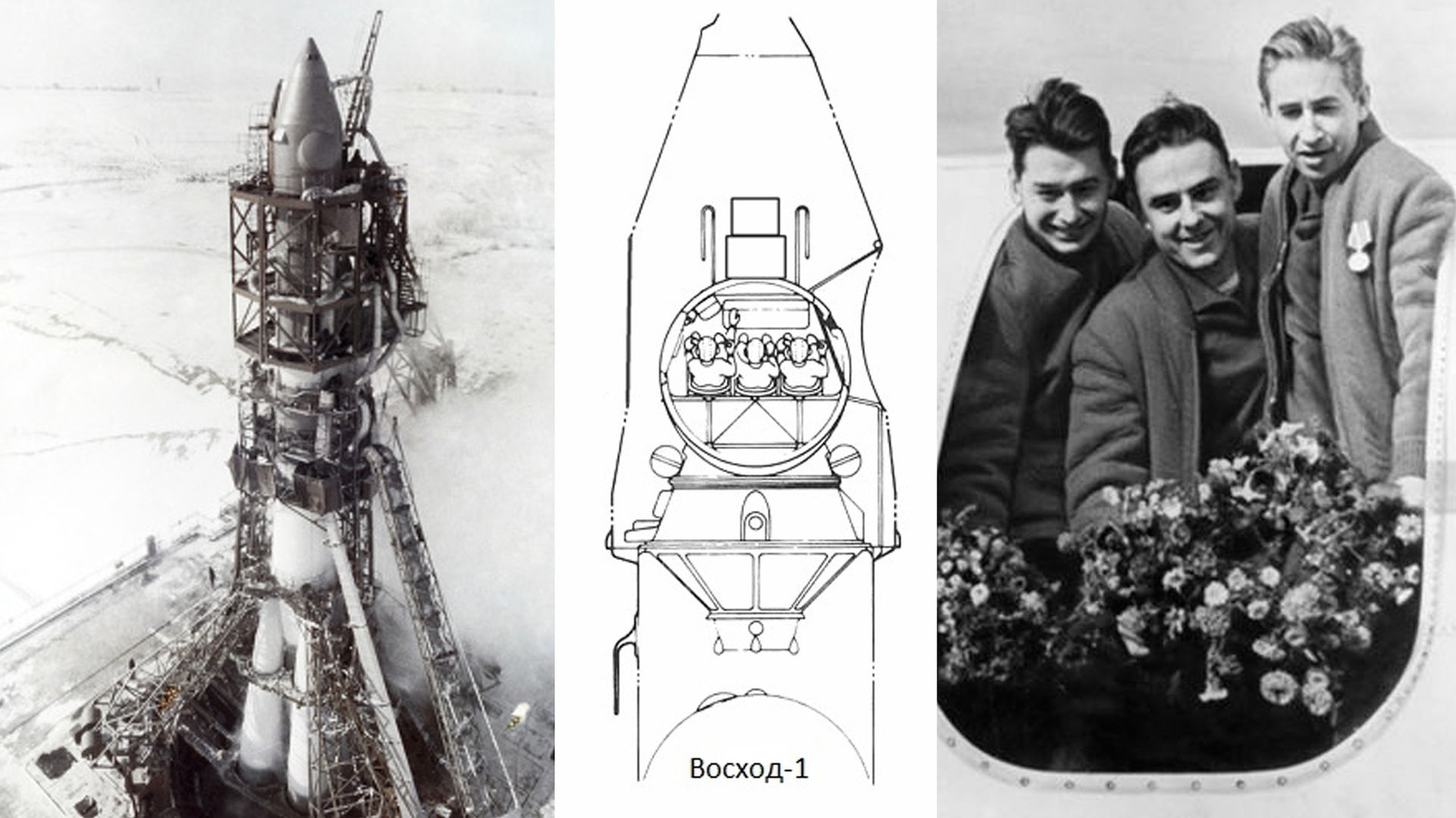
On October 12, 1964, the Soviet Union launched Voskhod 1, the first multi‑person crewed spacecraft, carrying three cosmonauts—Vladimir Komarov, Konstantin Feoktistov, and Boris Yegorov—into orbit. Politically pressured to add a third crew member, the mission left no room for spacesuits, making it the first spaceflight without them and the first to include civilians, an engineer and a doctor. The 24‑hour flight tested microgravity experiments and captured Earth photographs, setting the stage for NASA’s Gemini program six months later. Voskhod 1 marked a pivotal moment in the space race, demonstrating the Soviet Union’s rapid advancement in crewed spaceflight.