 Spotify
 Apple Podcasts
 Podcast Addict
 Overcast
 Podcast RSS
Planet Contracts Stoke Space for Multi-Launch Agreement Across Nova Rocket Fleet
Original Publication Date: 2026-11-10 00:35

Planet Labs PBC has signed a multi‑launch agreement with Stoke Space to ferry its optical imaging satellites aboard the startup’s reusable rocket. The deal is expected to cut launch costs and boost deployment cadence for Planet’s growing constellation. By leveraging Stoke’s rapid‑reflight capabilities, the partnership aims to keep the Earth‑observation company ahead of the demand for high‑frequency imagery. This collaboration marks a significant step toward more frequent, affordable satellite launches.
NASA Awards $1.3B in Lunar Launch Orders, Names Eight CLPS 2.0 Providers, and Greenlights PROMISE Rover
Original Publication Date: 2026-11-09 20:18
NASA awarded $1.3 billion in launch contracts to SpaceX, Blue Origin, Relativity Space and other commercial providers to deliver the infrastructure needed for its planned permanent lunar base. The task orders cover a series of orbital launches that will bring modules, rovers and support equipment to the Moon’s surface. These agreements are part of NASA’s broader effort to build a sustainable presence on the Moon, building on the upcoming Gateway and Artemis missions. The contracts underscore the agency’s shift toward leveraging private industry for deep‑space exploration.
SWISSto12 Completes Critical Design Review for UNIVITY 5G Satellite Antennas
Original Publication Date: 2026-11-09 19:40

Swiss satellite payload developer SWISSto12 has finished the critical design review for its dual‑band S‑ and Ka‑band active phased array antennas, which will power UNIVITY’s upcoming 5G non‑terrestrial network. The review confirms the antennas meet performance and reliability targets for the company’s satellite constellation. UNIVITY plans to deploy the system to deliver global 5G coverage from space. This milestone brings the project closer to commercial launch.
Thales Alenia Space Awarded DGA Contract for French IRIS Military Optical Constellation
Original Publication Date: 2026-11-09 18:06
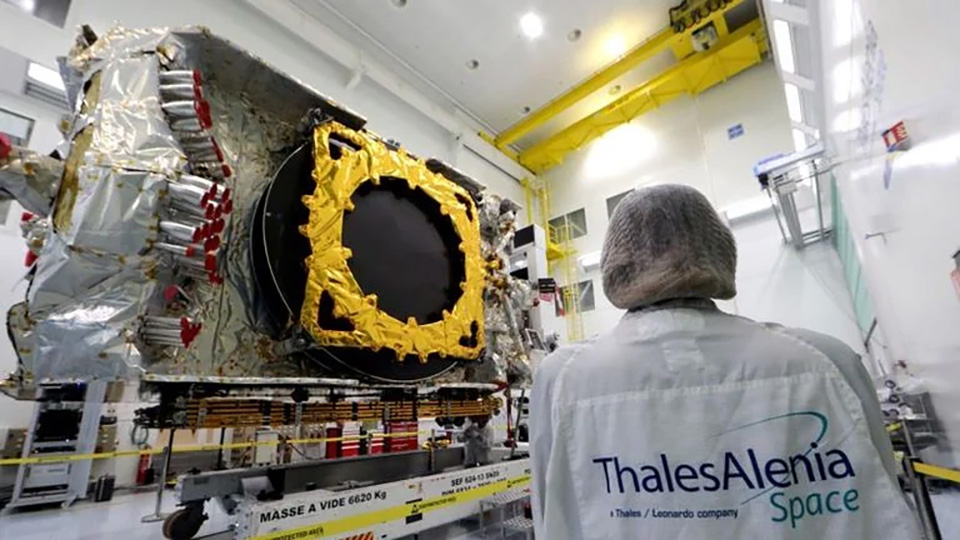
Thales Alenia Space has secured a contract from France’s Defence Procurement Agency to develop the IRIS military optical observation space system. The project, based in Cannes, will deliver advanced optical imaging capabilities for national defense. It is part of a joint effort to strengthen France’s space‑based surveillance and reconnaissance. The contract underscores France’s commitment to bolstering its space security infrastructure.
U.S. Navy Expands ALL.SPACE Terminal Fleet to 108 with Follow-On Hydra MAX 2 Order
Original Publication Date: 2026-11-09 16:43
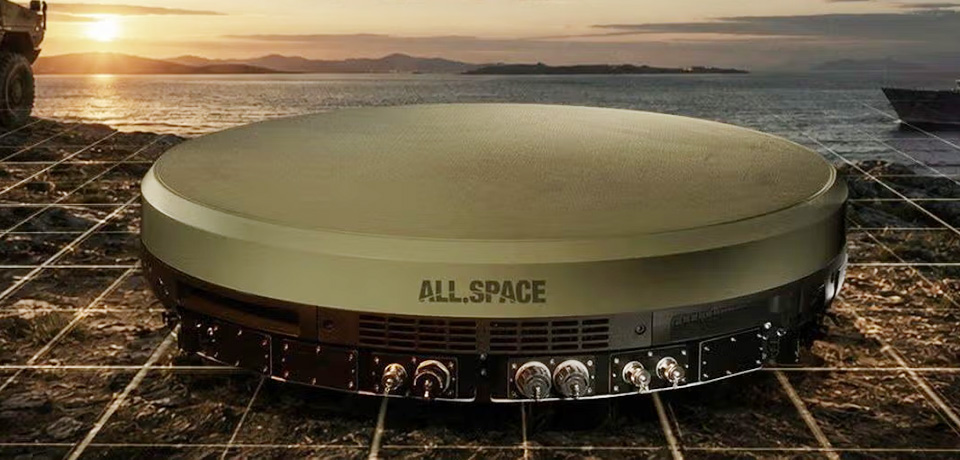
All.Space announced that the U.S. Navy has placed a follow‑on order for 59 Hydra MAX 2 satellite communications terminals, boosting its fleet’s secure link capabilities. The new terminals will enhance high‑capacity, resilient data transfer across naval vessels. Hydra MAX 2’s advanced encryption and anti‑jamming features improve command and control in contested environments. These deployments will strengthen the Navy’s global communications network.
Autumn Mornings Bring Valley Fog
Original Publication Date: 2026-11-10 05:00

NASA’s Earth Observatory captured a dramatic shift in the Appalachian Plateau and Cumberland River valleys on November 8, 2026. A morning MODIS image shows thick white fog settling in the branching valleys, while an afternoon VIIRS image reveals the fog has cleared, exposing dark‑blue rivers and bright‑green vegetation. The fog, a low‑level cloud, forms as cold night air cools to the dew point and pools in valleys—a common autumn phenomenon in the region. Weather officials warned of hazardous travel conditions earlier in the week as dense fog blanketed a wider area.
Curiosity Blog, Sols 5056-5062: Charging Back Up!
Original Publication Date: 2026-11-10 01:07

NASA’s Curiosity rover has paused its intensive Nazca drilling campaign to recharge its batteries over three sols, focusing on power conservation. During this downtime the rover still conducted remote science, imaging key targets such as Titicaca and Pampas, and performed a new engineering test that ran the CheMin data transfer simultaneously with a downlink to save power.
Rubies on Mars?
Original Publication Date: 2026-11-09 22:27
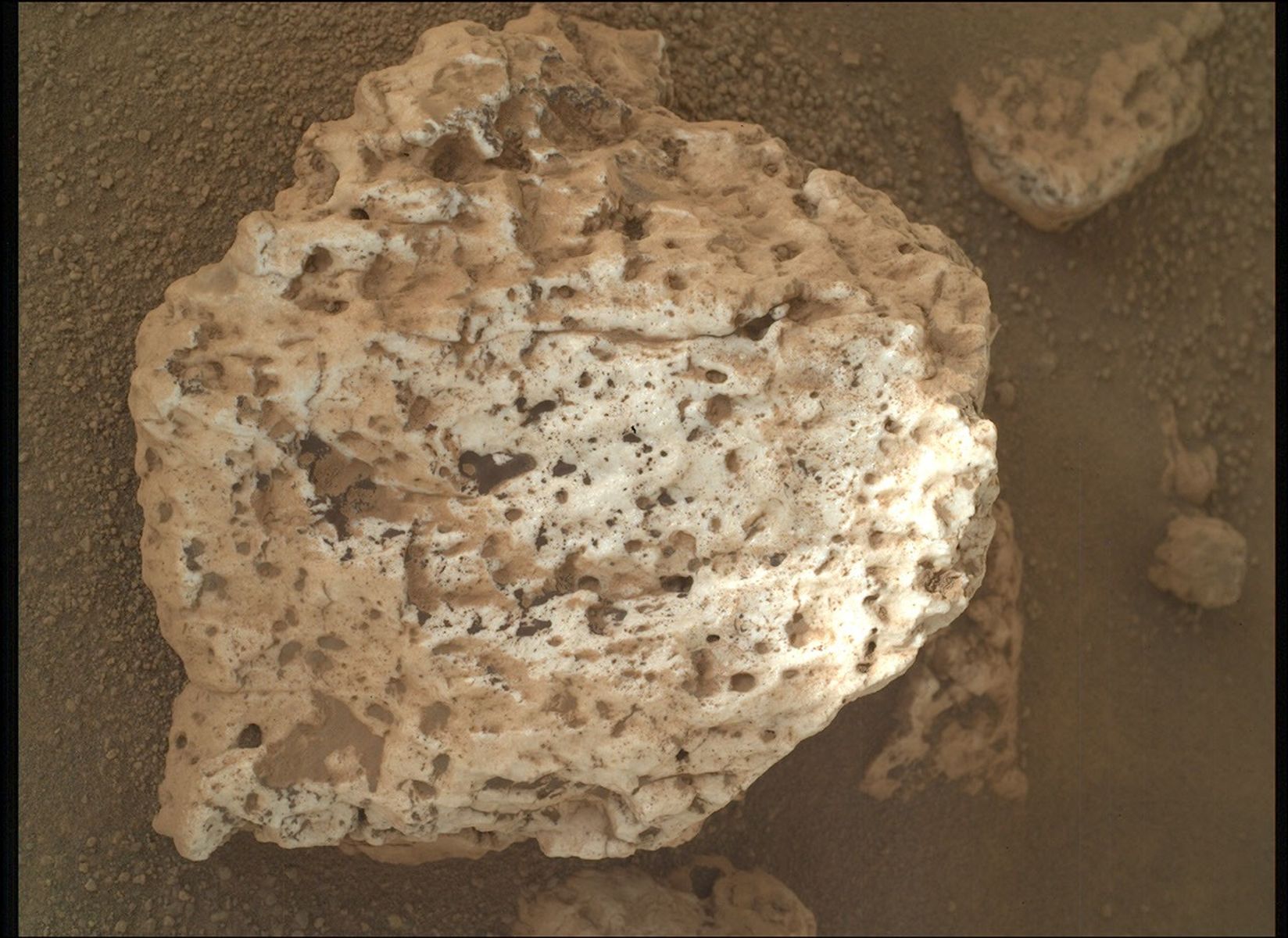
NASA's Perseverance rover has uncovered unexpected chromium signatures in a light
Launch Preview: Starship, Vulcan, and Electron launches scheduled for busy week
Original Publication Date: 2026-11-09 22:37

This week, seven rockets from four nations will blast off, including SpaceX's Starship on its most consequential mission yet and Falcon 9 carrying a classified payload for the U.S. Space Force. United Launch Alliance will return Vulcan to flight with a stack of Amazon Leo satellites, while Rocket Lab’s Electron celebrates its 100th mission. International launches include South Korea’s Mir demo flight and China’s Chang Zheng 2D and Kuaizhou 11 delivering unknown payloads. The week promises a diverse lineup of orbital missions across the globe.
Apollo and Artemis Astronauts Share the Stage at Gala
Original Publication Date: 2026-11-09 13:45

At Kennedy Space Center, 28 astronauts—including Apollo veterans Charlie Duke and Rusty Schweickart—gathered for the Artemis Celebration Gala just before NASA’s MAX POWER event. NASA Administrator Jared Isaacman highlighted the link between the pioneers who first taught humanity to reach another world and those preparing to stay there. The evening featured the Artemis III crew demonstrating that their lunar lander tests mirror Apollo 9’s, with Schweickart noting how modern technology dwarfs the original computers and how the new missions will be broadcast to a larger audience.
On this day in space! Nov. 9, 1967: NASA launches the Saturn V moon rocket for the first time on Apollo 4, but no astronauts were aboard
Original Publication Date: 2026-11-09 22:11
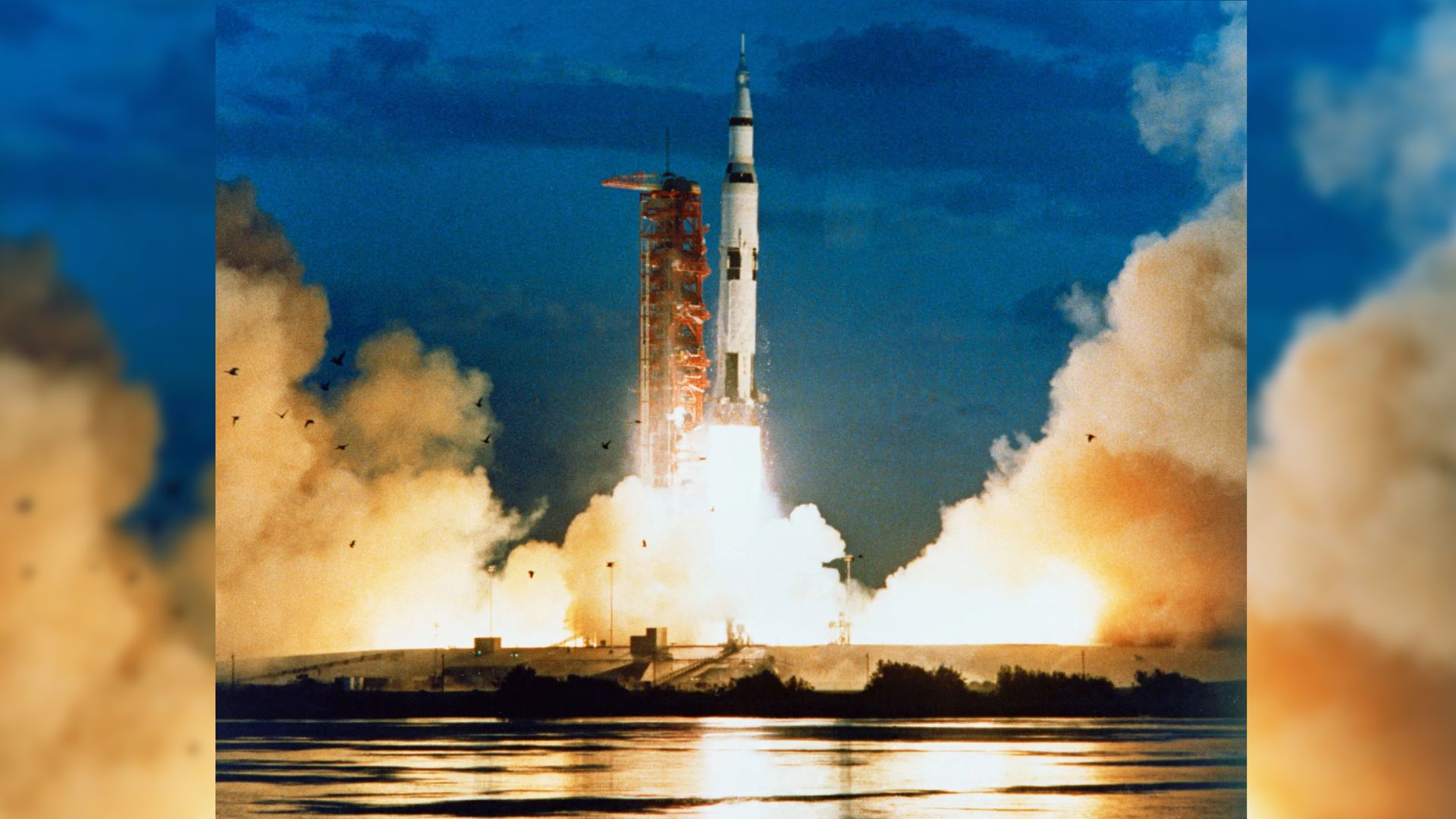
On November 9, 1967, NASA launched the world‑record 363‑foot‑tall Saturn V rocket for the first time on the uncrewed Apollo 4 test flight from Cape Canaveral. The powerful launch, lasting 8 hours and 36 minutes, produced a shockwave that rattled buildings miles away and set a new benchmark for human spaceflight. Although no astronauts were aboard, the mission proved the Saturn V’s reliability and paved the way for the first crewed moon landing a year later. This historic launch marked a turning point in NASA’s Apollo program and solidified the agency’s confidence in its most ambitious rocket ever built.
Are the James Webb Space Telescope's mysterious Little Red Dots actually tiny black holes left over from the Big Bang era?
Original Publication Date: 2026-11-09 21:00
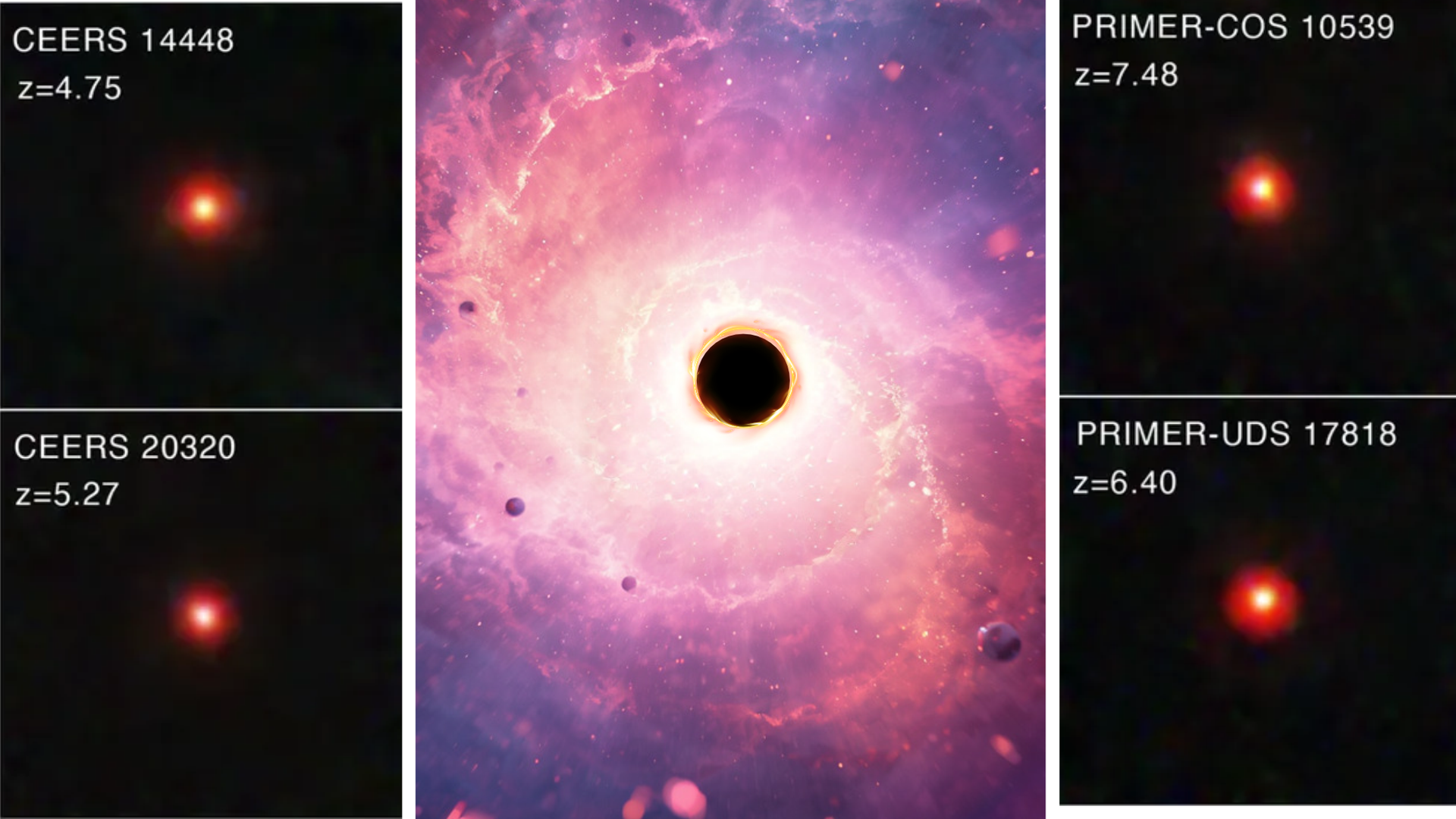
NASA’s James Webb Space Telescope has spotted mysterious “Little Red Dots” that vanish before the universe was two billion years old, and new research suggests they could be primordial black holes formed just after the Big Bang. A team from Johns Hopkins used JWST data to model one of these dots, Abell 2744‑QSO1, and found that a small primordial black hole could grow by accreting gas into a 13‑billion‑light‑year‑old object.
Starfish Space loses contact with 1st 'Otter' servicing spacecraft, ending NASA tech-demo mission
Original Publication Date: 2026-11-09 18:00
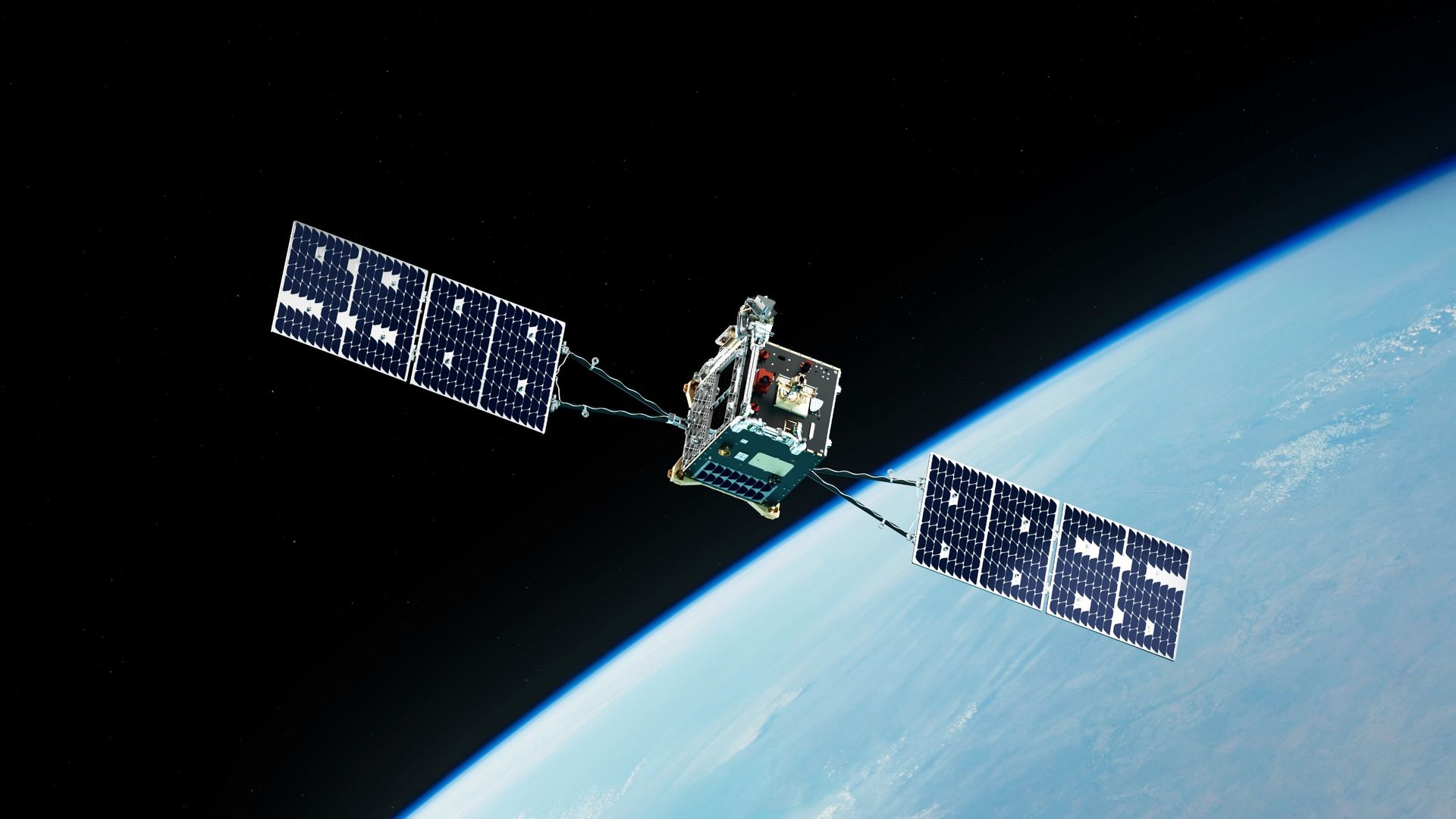
Starfish Space’s first Otter servicing satellite, Otter 24C, lost contact a month after launch and is deemed unrecoverable, ending its NASA tech‑demonstration mission.
NASA just launched a $1 million Moon Base Student Challenge to award cash prizes to students that solve lunar base problems
Original Publication Date: 2026-11-09 17:00
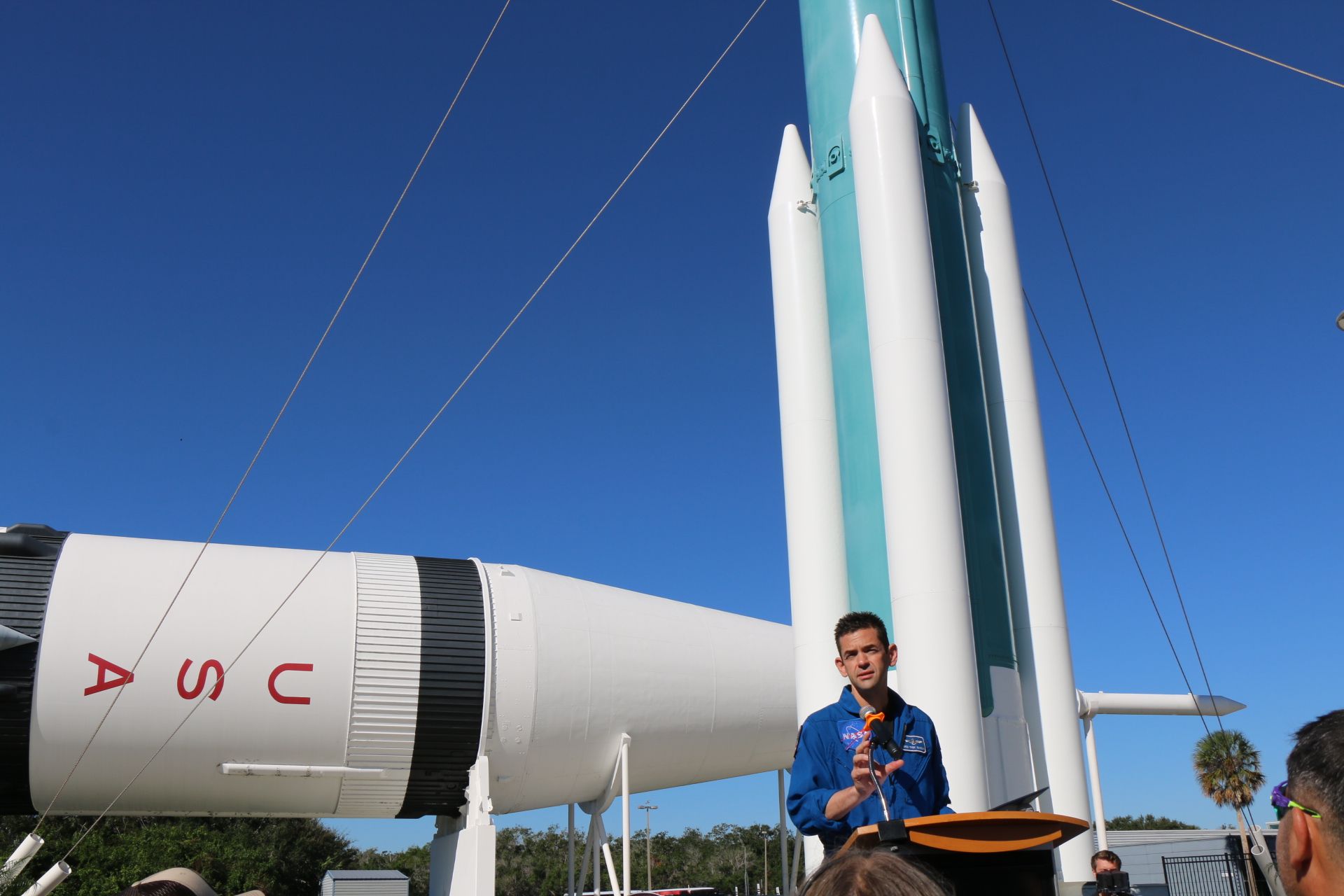
NASA has launched a $1 million Moon Base Student Challenge, inviting U.S. High‑school and college teams to solve key problems for a future lunar base. The competition, unveiled by Administrator Jared Isaacman at Kennedy Space Center, covers six technical areas—power, habitats, communications, mobility, life support, and astronaut safety—and will run through concept, refinement, and finalist presentations. Students can register until January 25, 2027, with the first round of submissions due by December 3, 2026. This initiative aims to harness young innovators’ ideas to help NASA build the groundwork for a sustainable presence on the Moon.
NASA needs more astronauts for moon missions and beyond. You can apply now, but only until Dec. 3
Original Publication Date: 2026-11-09 16:00
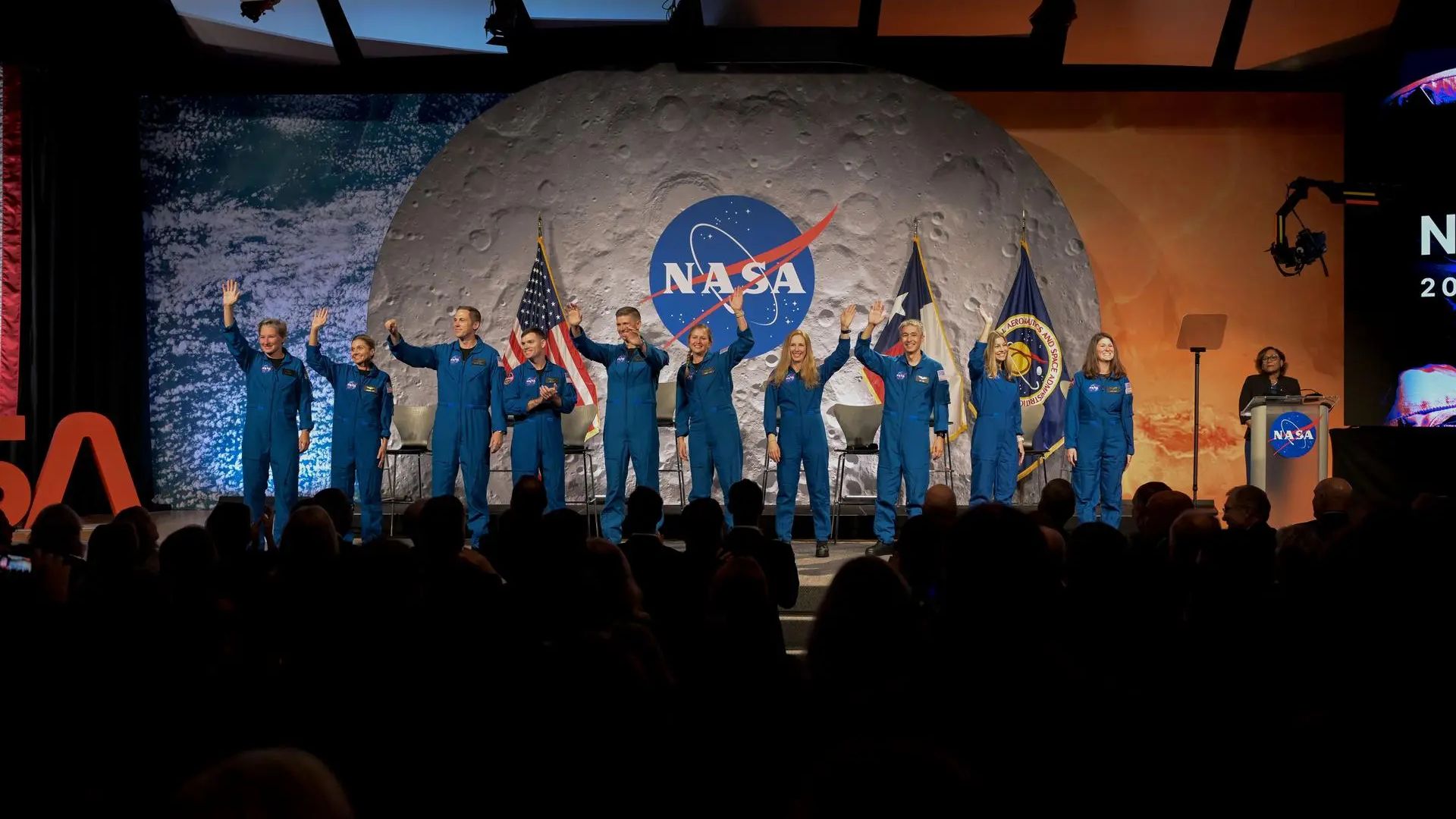
Tariq Malik, the Editor‑in‑Chief of Space.com, has guided the site since 2001, rising from intern to Managing Editor in 2009 and to the top role in 2019, covering human spaceflight, exploration, science, skywatching, and entertainment. He earned the National Space Club Florida’s Harry Kolcum Award in 2022 and the National Space Society’s Space Pioneer Award for Excellence in Mass Media in 2025. A Stockton, California native, Malik holds a journalism degree from USC, a science‑journalism master’s from NYU, and has reported for the Los Angeles Times before turning his focus to space. Outside the newsroom, he co‑hosts the “This Week In Space” podcast and is a frequent attendee of Space Camp, sharing his passion for space and sci‑fi on Twitter and through his popular Space.com columns.
Pentagon mulls placing fleet of military satellites around the Moon
Original Publication Date: 2026-11-09 19:08
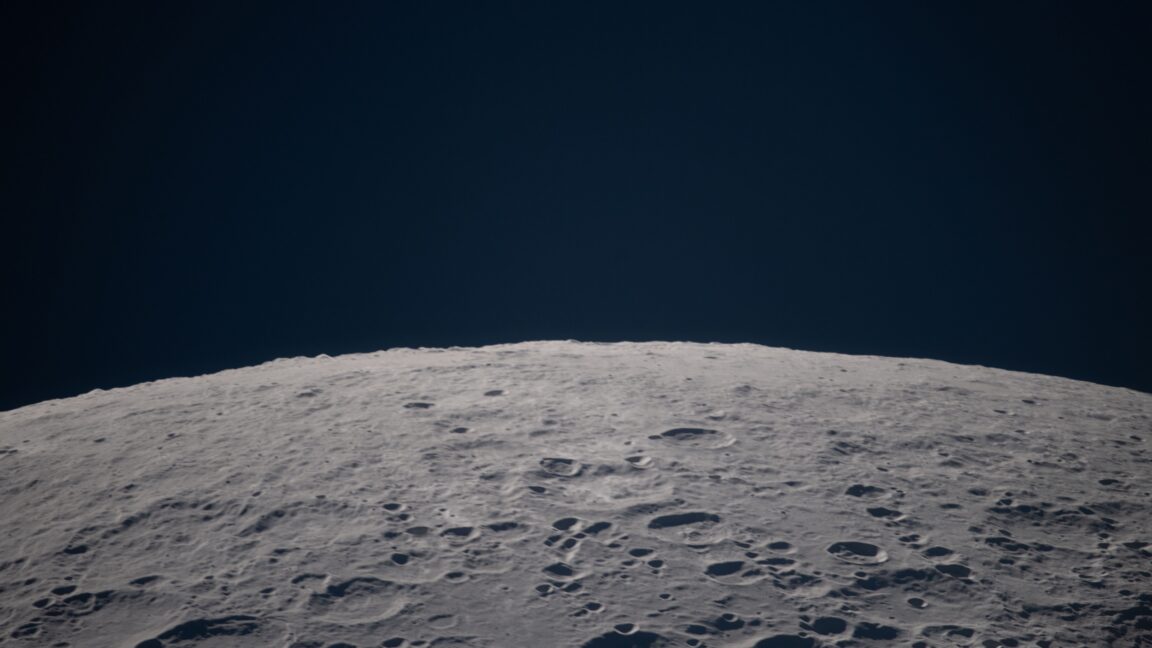
U.S. Military has issued a Request for Information for a proliferated cislunar constellation of satellites, hinting at a new moon‑orbit program. The move follows Space Force acquisition chief Maj. Gen. Stephen Purdy’s comments about extending capabilities to the Moon and a Trump‑era executive order that expanded U.S. Space defense priorities. Currently, the Space Force’s farthest assets sit in geostationary orbit, about 22,000 miles above Earth. The new constellation could signal a significant shift in how the Pentagon monitors and protects space assets beyond low‑Earth orbit.
New Democratic Congress will likely strip the gilding from Trump's Golden Dome
Original Publication Date: 2026-11-09 12:00

Two leading Republicans who championed President Trump’s Golden Dome missile defense shield are set to exit Congress as the Democrats take control, casting doubt on the program’s future. Their departure comes after Pentagon officials signaled a possible retreat from the boost‑phase interception capability Trump demanded. The shield, which has so far avoided intense scrutiny, will now face new budget constraints and potential redesign under the incoming Democratic majority. Democrats plan to trim the program’s most controversial component, rename it, and impose funding limits as they assume responsibility for the Pentagon’s budget.