 Spotify
 Apple Podcasts
 Podcast Addict
 Overcast
 Podcast RSS
Northwood Space Secures $375M Series C at $2B Valuation to Expand Shared Ground Station Network
Original Publication Date: 2026-11-02 22:51
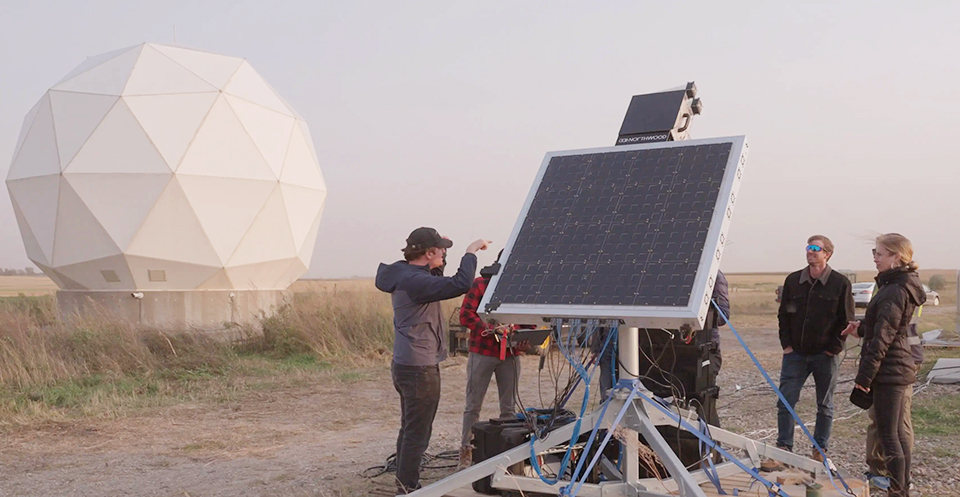
Northwood Space, a satellite ground‑infrastructure developer based in El Segundo, California, closed a $375 million Series C round, pushing its post‑money valuation to $2 billion. The funding, announced on Monday, underscores the growing demand for robust satellite connectivity solutions. With this capital, Northwood plans to accelerate the deployment of its ground stations across the United States. This move positions the company as a key player in the expanding space‑tech ecosystem.
Space Force Awards Lockheed Martin $95M GPS IIIF Modification, Bringing Contract Face Value to $4.73B
Original Publication Date: 2026-11-02 17:31
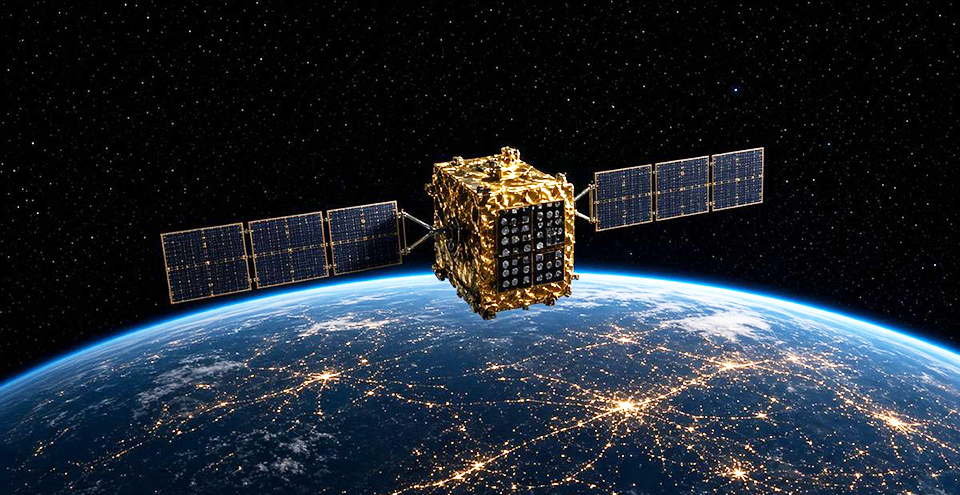
The U.S. Space Force has awarded Lockheed Martin a $95 million contract modification for its GPS III Follow‑On (GPS IIIF) satellite program, boosting the program’s total funding. The modification expands Lockheed’s role in developing and launching the next‑generation GPS satellites that will provide improved accuracy and resilience. The contract underscores the U.S. Commitment to maintaining a modern navigation system for both military and civilian users. This upgrade will help ensure the GPS network remains reliable amid growing global reliance on satellite positioning.
Space Force Faces Industry Criticism Over Slow Commercial Satellite Integration Pace
Original Publication Date: 2026-11-02 16:45

Commercial space operators and defense analysts are urging the U.S. Space Force to accelerate the integration of commercial satellite capabilities into national‑security systems. They argue that the current pace is too slow, limiting the force’s ability to leverage the agility and cost‑effectiveness of commercial assets for ISR, communications and navigation. The push comes amid growing reliance on space‑based assets to support rapid, real‑time decision‑making on the battlefield.
Orbital Sentry Develops Persistent Geostationary Infrared Sensor for Real-Time Wildfire Detection
Original Publication Date: 2026-11-02 16:35
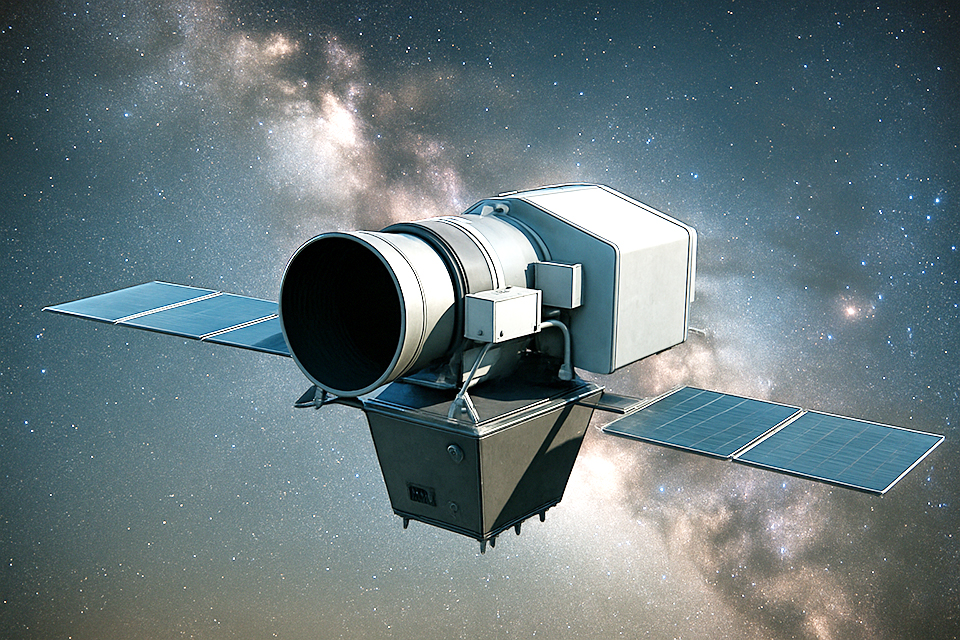
Earth observation startup Orbital Sentry is building a persistent geostationary infrared system that will deliver continuous thermal intelligence and rapid wildfire detection across the western United States. The satellite network will monitor the region 24/7, providing near real‑time alerts to firefighting teams and emergency responders. By harnessing high‑resolution infrared imaging, the platform aims to spot fires earlier and reduce response times. This technology promises to enhance wildfire preparedness and protect communities in the most fire‑prone areas.
TB 26-09 Measured Hammer-Tap Inputs
Original Publication Date: 2026-11-02 20:47

NASA researchers have shown that an instrumented hammer test does not need a perfect half‑sine pulse to be valid. By measuring the entire force history, including crest ripples and separated contacts, engineers can still achieve accurate modal analysis as long as the data capture has sufficient bandwidth, calibration and signal‑to‑noise. The study emphasizes that test adequacy hinges on the complete force and response measurements, not on the shape of the hammer tap. Engineers are advised to evaluate each test against its specific objectives and repeat only when measurement or coverage gaps are identified.
Launch Preview: Falcon 9 to launch USSF missions, China to launch internet satellites
Original Publication Date: 2026-11-02 22:21

This week, eight launches are scheduled across the globe, from New Zealand’s Māhia Peninsula to South Korea’s Jeju Island, with rockets ranging from Rocket Lab’s Electron to SpaceX’s Falcon 9.
Exclusive: Stellar Alpina Unveils Monarch Orbiter and Morpho Lunar Lander
Original Publication Date: 2026-11-02 13:42
Swiss startup Stellar Alpina pivots from propulsion to vehicles, unveiling the Monarch orbiter and Morpho lunar lander. Monarch, dubbed a “Swiss Army knife of orbital operations,” can deliver 1,000 kg wet mass and 200 kg payload with up to 6,000 m/s delta‑V using green, storable propellants, and is slated for an in‑orbit demo by 2029. Morpho, built on an upgraded Monarch architecture, aims to carry up to 50 kg to the Moon for flexible surface missions, filling a gap in Europe’s commercial lunar agenda. Both vehicles rely on rotating detonation rocket engines still in prototyping, with Stellar Alpina targeting a fleet‑as‑a‑service model once the engines prove flight‑ready.
Hydrosat Unveils New High-Res MWIR Thermal Capability
Original Publication Date: 2026-11-02 11:00

Hydrosat has announced Nyktòs, a new high‑resolution mid‑wave infrared (MWIR) thermal imaging program that will complement its existing Osiris constellation, which provides continuous, wide‑swath imagery. CEO Pieter Fossel likened the two systems to an iPhone and MacBook, each serving different needs but belonging to the same ecosystem. Nyktòs is expected to match or exceed competitors like SatVu’s 3.5‑meter resolution and will enable 24/7 surveillance for defense and intelligence customers, allowing them to spot changes with Osiris and then task Nyktòs for a closer look. The company plans to build a new European production facility next year, with the first Nyktòs payloads slated for launch as early as 2028.
James Webb Space Telescope uncovers new clues about the origins of 'interstellar invader' comet 3I/ATLAS
Original Publication Date: 2026-11-02 17:00
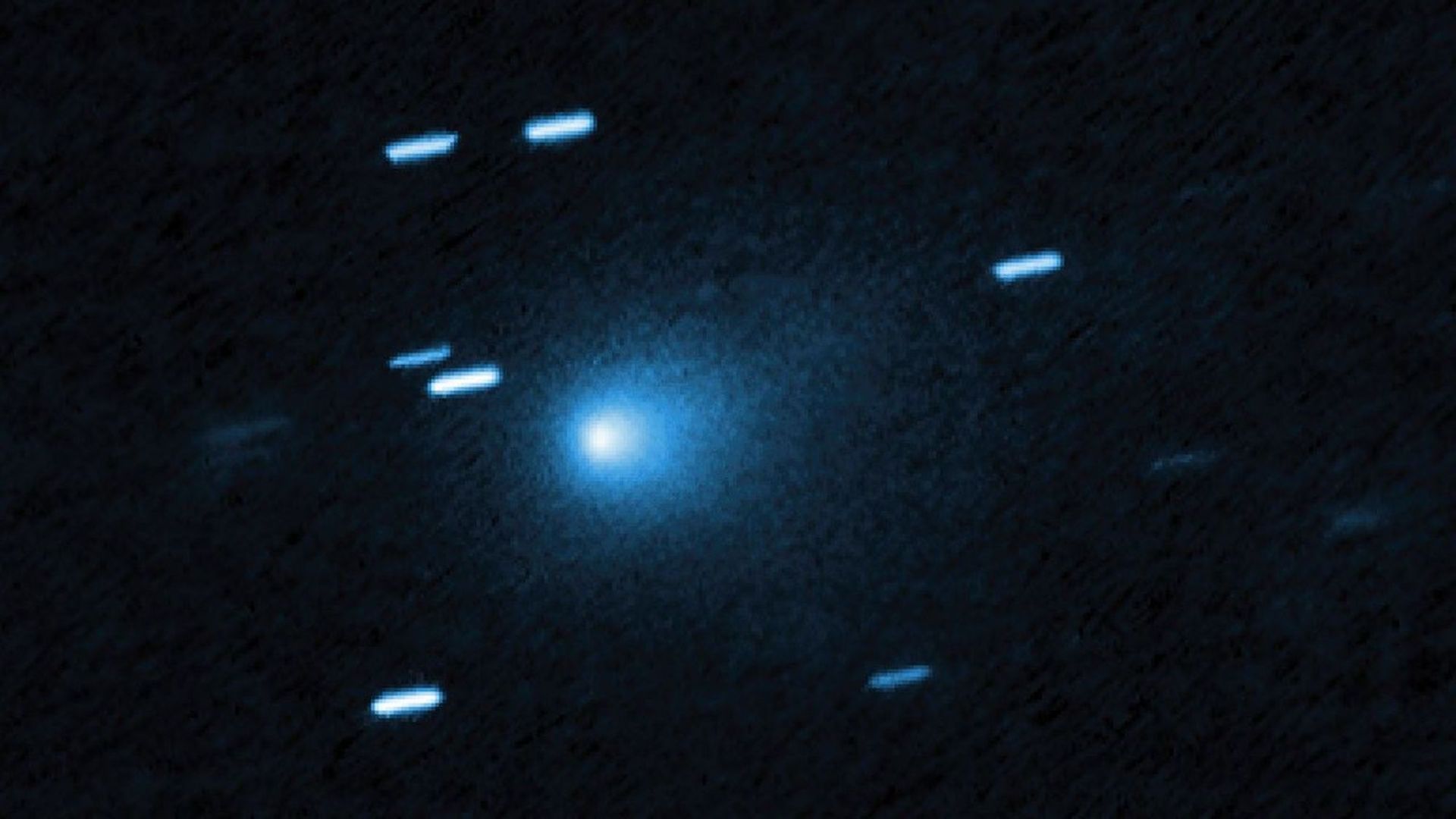
The James Webb Space Telescope has shown that the interstellar comet 3I/ATLAS is composed of dust‑laden, sub‑micron ice grains unlike the cleaner ice of solar‑system comets.
On this day in space! Nov. 2, 2000: Expedition 1 Arrives at the International Space Station
Original Publication Date: 2026-11-02 15:00
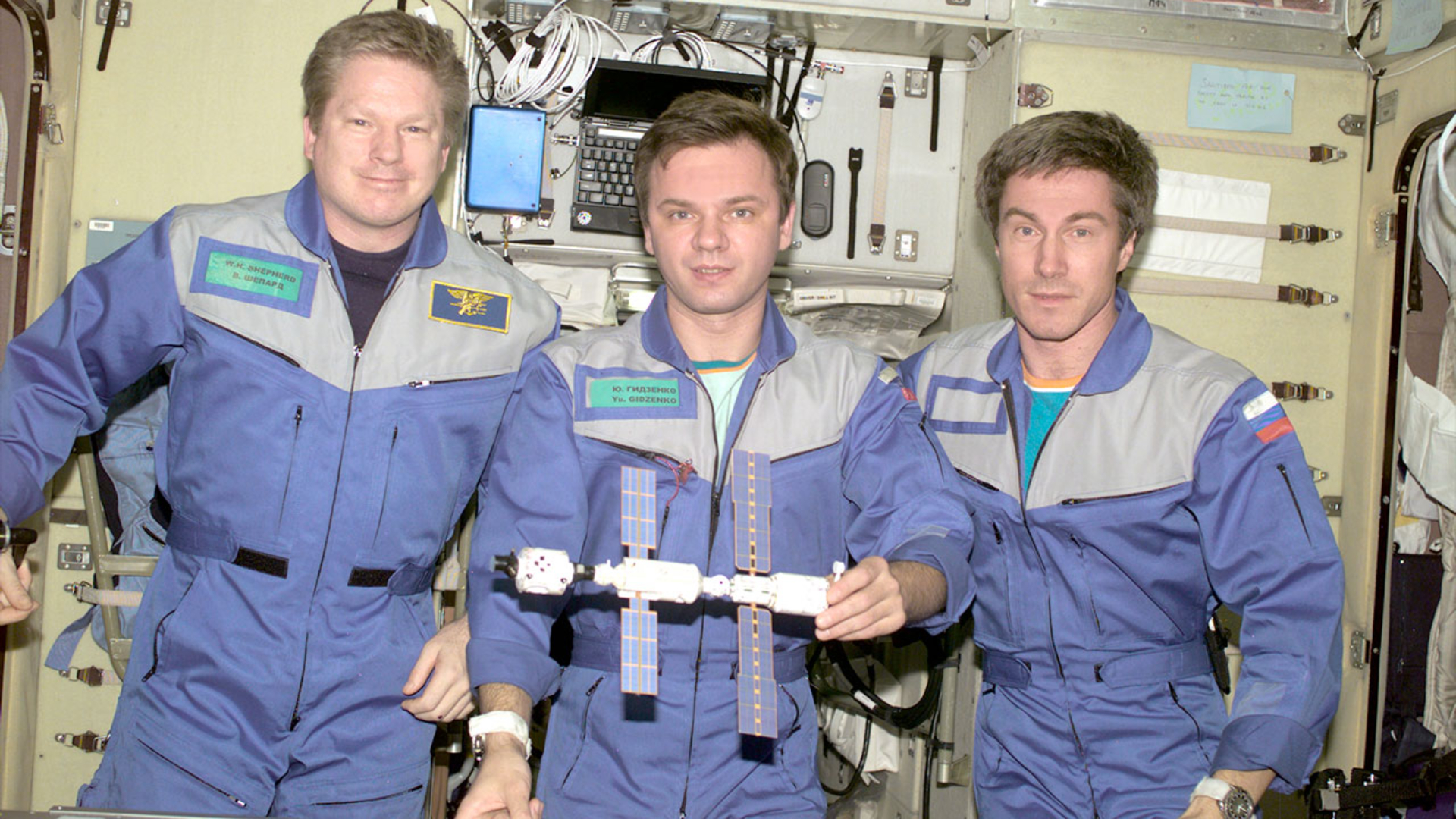
On November 2, 2000 the International Space Station welcomed its first long‑term crew, Expedition 1, made up of NASA astronaut Bill Shepherd and Russian cosmonauts Yuri Gidzenko and Sergei Krikalev. They arrived aboard the first Soyuz to dock with the station and stayed for four and a half months, installing solar arrays and new equipment that proved the ISS could support extended human habitation. The crew departed on the Space Shuttle Discovery, which brought the Expedition 2 crew to take their place. This historic mission launched a continuous human presence in space that has lasted 26 years to date.
A rainbow of ancient rocks on Mars | Space photo of the day for Nov. 2, 2026
Original Publication Date: 2026-11-02 15:00
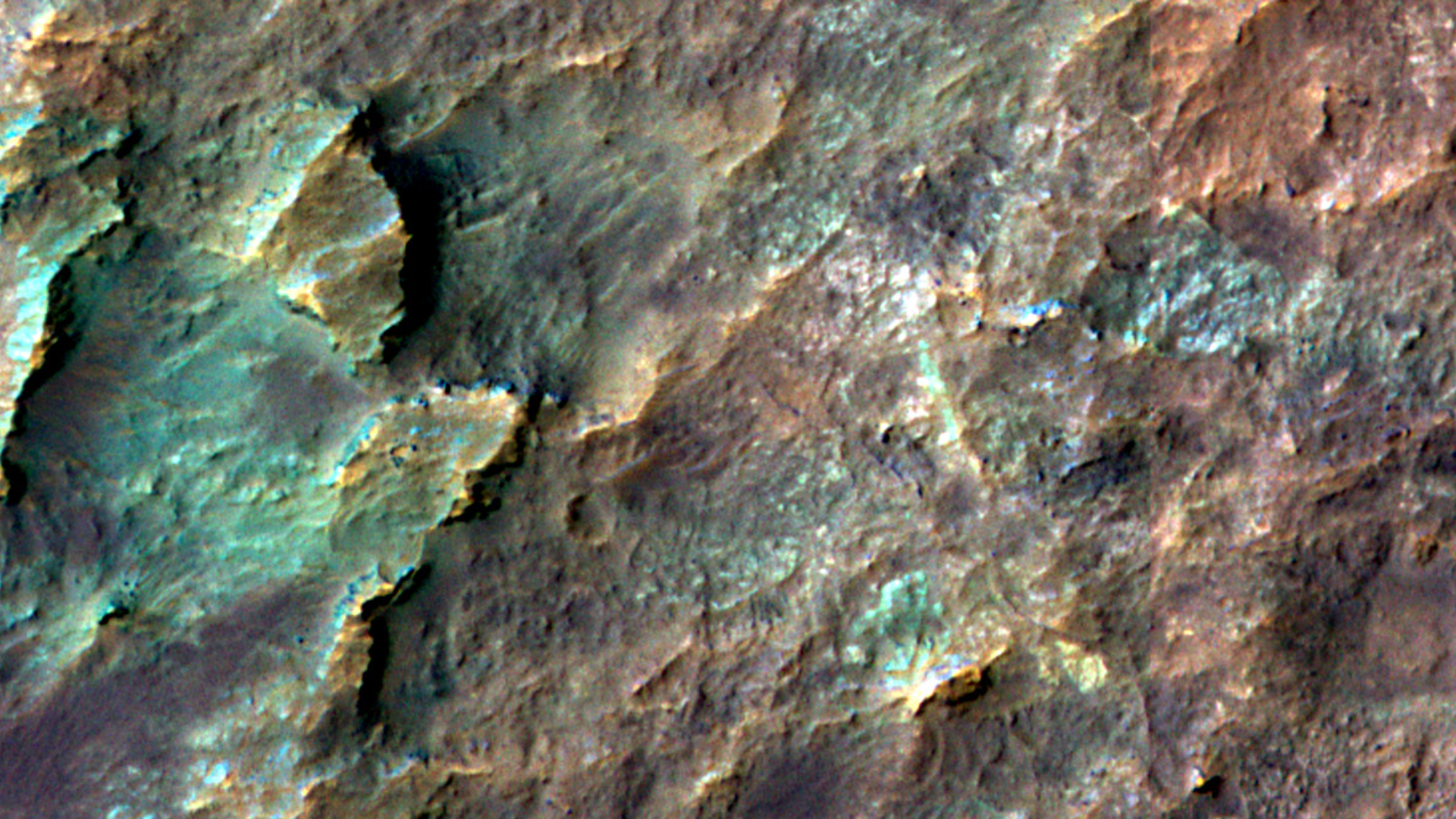
NASA’s HiRISE camera has captured a rainbow‑hued hill in Mars’ Southern Highlands, a color‑enhanced image that sharpens subtle mineral differences. The spectrum shows blue and green tones likely indicating pyroxenes and olivine, while yellow, orange and red patches suggest minerals formed by ancient liquid water. By mapping these minerals, scientists can trace Mars’ geological past and assess whether water once flowed across its surface. This vivid, alien landscape not only dazzles but also offers crucial clues to the planet’s potential habitability.
What is Starshield? A look at SpaceX's military satellite network
Original Publication Date: 2026-11-02 11:00

SpaceX’s Starshield, a secure satellite network for national‑security customers, is built on the same Starlink bus but adds hardened hardware and encrypted software for U.S. Military and intelligence missions. In October 2026, Ukrainian drone operators reported a temporary loss of high‑speed Starshield links, a disruption that was resolved after ten days and highlighted the network’s strategic importance. The U.S. Government has awarded multi‑billion‑dollar contracts to SpaceX to deliver Starshield assets, including spy satellites, data‑relay platforms and a Space Force backbone that will feed missile‑warning sensors.