 Spotify
 Apple Podcasts
 Podcast Addict
 Overcast
 Podcast RSS
Anderson confirmed as NASA deputy administrator
Original Publication Date: 2026-05-19 09:09
On May 18, the U.S. Senate confirmed former Air Force colonel Matt Anderson as NASA’s deputy administrator, a narrow 46‑43 party‑line vote. Anderson, first nominated by the Trump administration in 2025 and renominated after a Senate hold, pledged to work with Administrator Jared Isaacman to bring astronauts back to the moon by 2028 and establish a lunar base. During his March hearing, Anderson emphasized safety, accountability and the priority of outpacing China in lunar landings, earning bipartisan support with a 23‑5 committee vote. With Anderson’s confirmation, NASA now has two of its four Senate‑confirmed positions filled, while the White House still awaits nominations for chief financial officer and inspector general.
European imaging companies step in to fill warzone gap
Original Publication Date: 2026-05-18 19:33
U.S. Satellite‑image providers have stopped sharing footage of Iran and the Gulf, leaving a vacuum that European Earth‑observation firms are now filling. Energy traders, insurers, shipping companies and news outlets—who rely on real‑time imagery to track the Strait of Hormuz—have turned to Copernicus, Airbus and other European operators for data. Small firms such as Finland’s Kuva Space are seeing a surge in requests, especially to spot “dark vessels” that have turned off AIS transponders amid the blockade. This shift underscores Europe’s growing strategic autonomy in space‑based monitoring and its ability to step in when U.S. Services retreat.
The Stratospheric Toll of the Megaconstellation Era
Original Publication Date: 2026-05-18 20:00
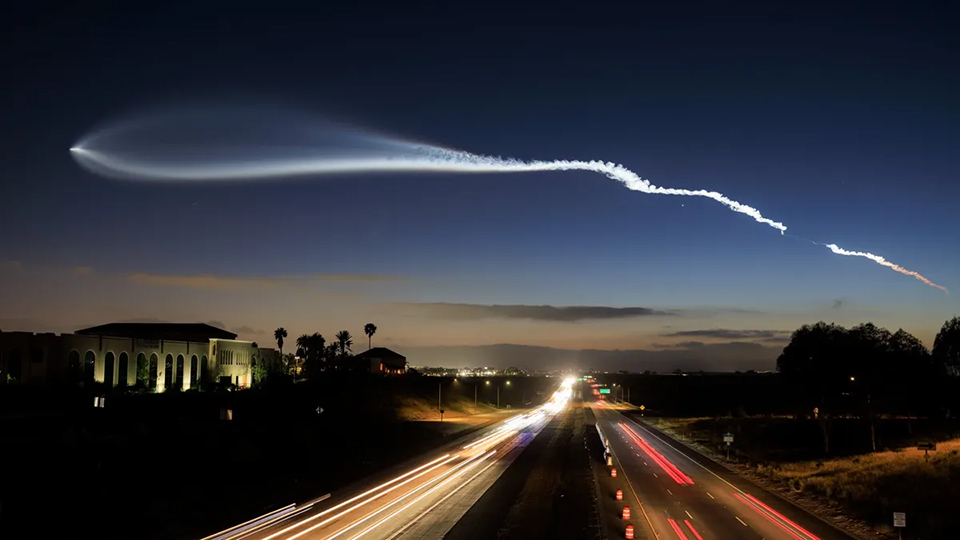
The global space sector is experiencing an unprecedented infrastructure boom, as commercial operators race to launch thousands of low‑Earth orbit communication satellites. This rapid deployment is reshaping the industry, driving advances in satellite technology and increasing the density of space traffic. Companies are investing heavily in launch capabilities and ground infrastructure to support the growing constellation networks. The surge in satellite activity underscores the growing importance of space as a critical component of global communications and data services.
Cowboy Raises $275M and Files for 20,000 Orbital Data Centers, Forcing the ODC Thesis Into View
Original Publication Date: 2026-05-18 17:38

Cowboy Space Corporation, formerly Aetherflux, has closed a $275 million Series B round led by Index Ventures and immediately filed plans for a 20,000‑satellite “Stampede” constellation. The funding represents the largest single capital commitment in orbital compute history. The move signals Cowboy’s bet on scaling satellite‑based computing infrastructure, but the company must now prove it can deliver on the ambitious deployment and performance targets outlined in its filing.
NASA Outlines Preliminary Artemis III Low Earth Orbit Test Flight Profile
Original Publication Date: 2026-05-18 16:25
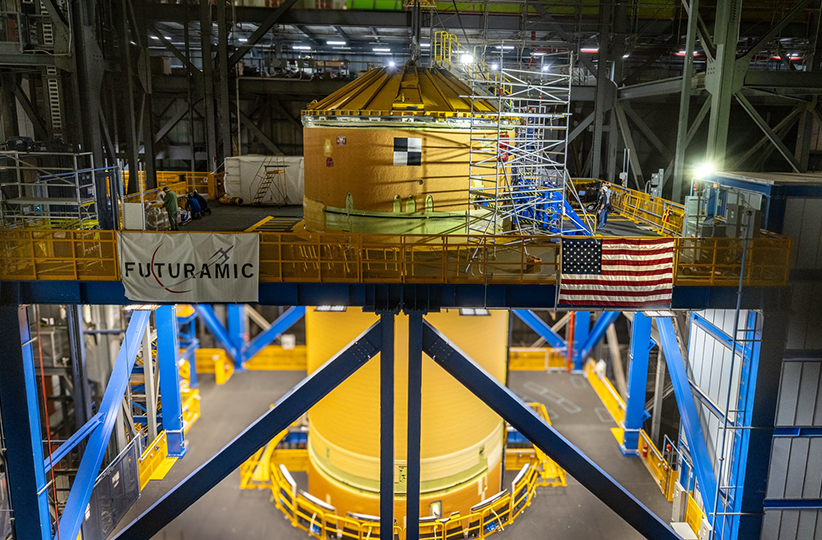
In mid‑May 2026, NASA unveiled its preliminary mission architecture for Artemis III, marking a decisive reshaping of the lunar exploration agenda.
Ubotica and NOVI Space Form Strategic Partnership for Real-Time Onboard Space AI
Original Publication Date: 2026-05-18 15:47
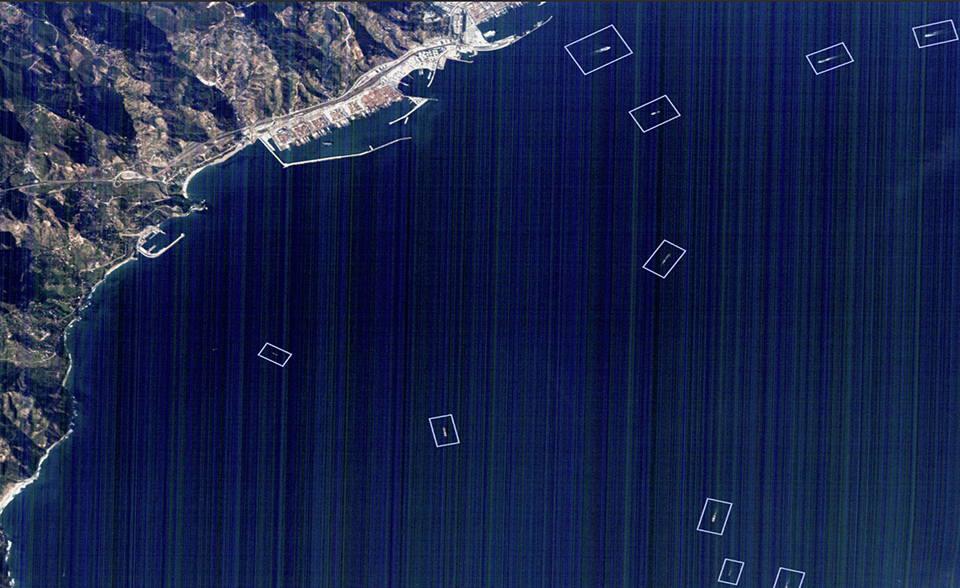
On May 18, 2026, Dublin‑based Ubotica Technologies and Texas‑based NOVI Space announced a strategic partnership aimed at delivering real
Teleste and Polystar Partner to Launch AI Automation for Next Generation Cable Infrastructure
Original Publication Date: 2026-05-18 15:40

Teleste Networks and Polystar, a subsidiary of Elisa Industriq, announced a strategic partnership on May 18, 2026 to bring cloud‑native artificial intelligence and automated analytics to broadband cable operators. The collaboration aims to give operators real‑time insights for network performance, predictive maintenance, and bandwidth optimization. By leveraging AI, the partners plan to reduce downtime, improve service quality, and enhance the overall customer experience. This partnership marks a significant step toward smarter, more resilient broadband infrastructure.
Farming in Ancient Lake Agassiz
Original Publication Date: 2026-05-19 04:01

An astronaut aboard the International Space Station captured a crisp image of the southern shore of Lake Winnipeg on April 19, 2026, revealing the fertile fields that were once the bed of the massive glacial Lake Agassiz.
Curiosity Blog, Sols 4893-4899: Drilling at Campo Marte and a Visit From the Psyche Spacecraft
Original Publication Date: 2026-05-19 00:33
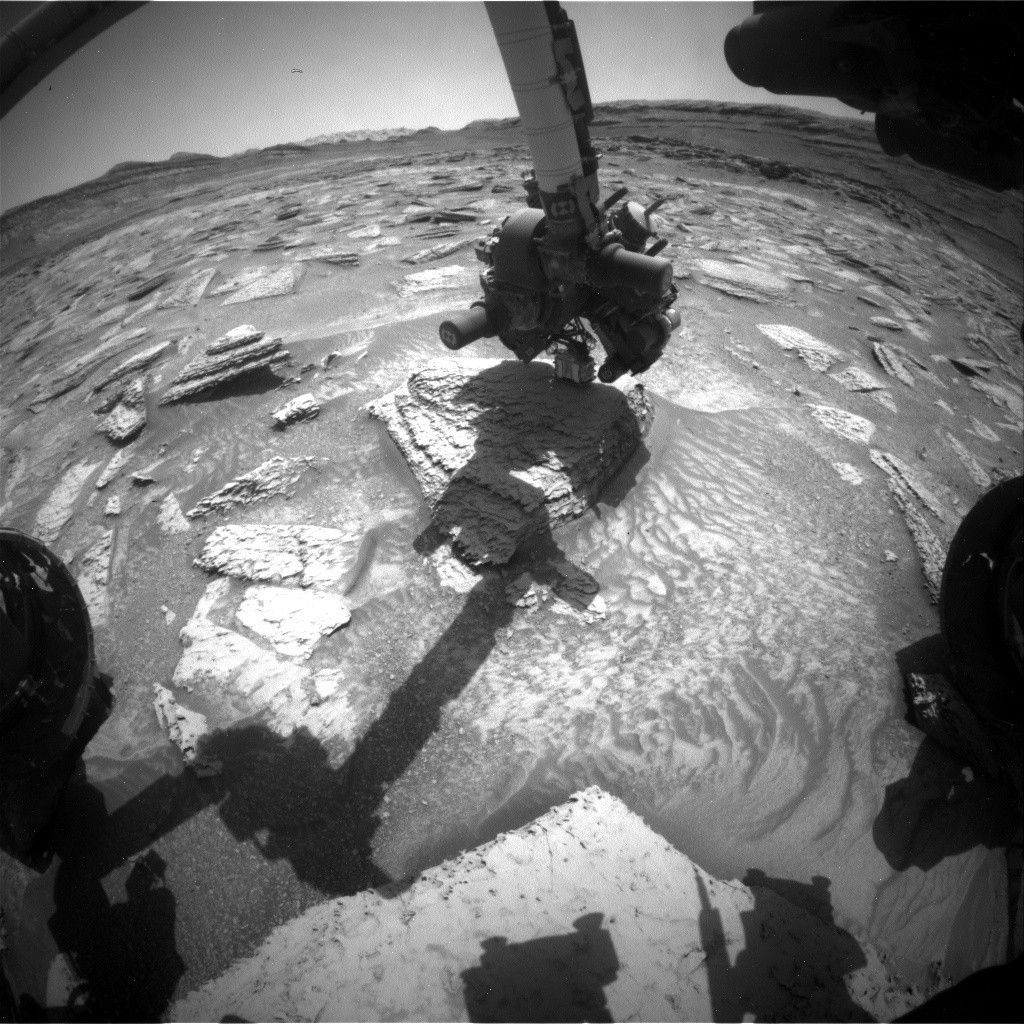
Curiosity rover on Mars is gearing up to drill a new target called Campo Marte after freeing its arm from the Atacama block. The team used ChemCam, APXS, and MAHLI to analyze the block’s composition and imaging, noting Campo Marte is thicker and likely more stable for a normal drill bit withdrawal. While drilling, Curiosity also conducted atmospheric observations to support the Psyche spacecraft flyby, helping validate Psyche’s instruments and data pipelines. This dual effort advances Mars geology studies and bolsters interplanetary mission support, marking another milestone for the Mars Science Laboratory.
Johnson Photographers Honored for Award-Winning Portraits
Original Publication Date: 2026-05-18 21:28

NASA’s Johnson Space Center photographers earned top honors at the 2025 NASA Imagery Experts Program Annual Awards, with David DeHoyos taking first place, followed by Josh Valcarcel and Bill Stafford. The ceremony, held on April 20, 2026 in Las Vegas, celebrated their ability to chronicle everything from astronaut training to mission‑control operations.
NASA Selects Next Class of Space Health Postdoctoral Fellows
Original Publication Date: 2026-05-18 17:00
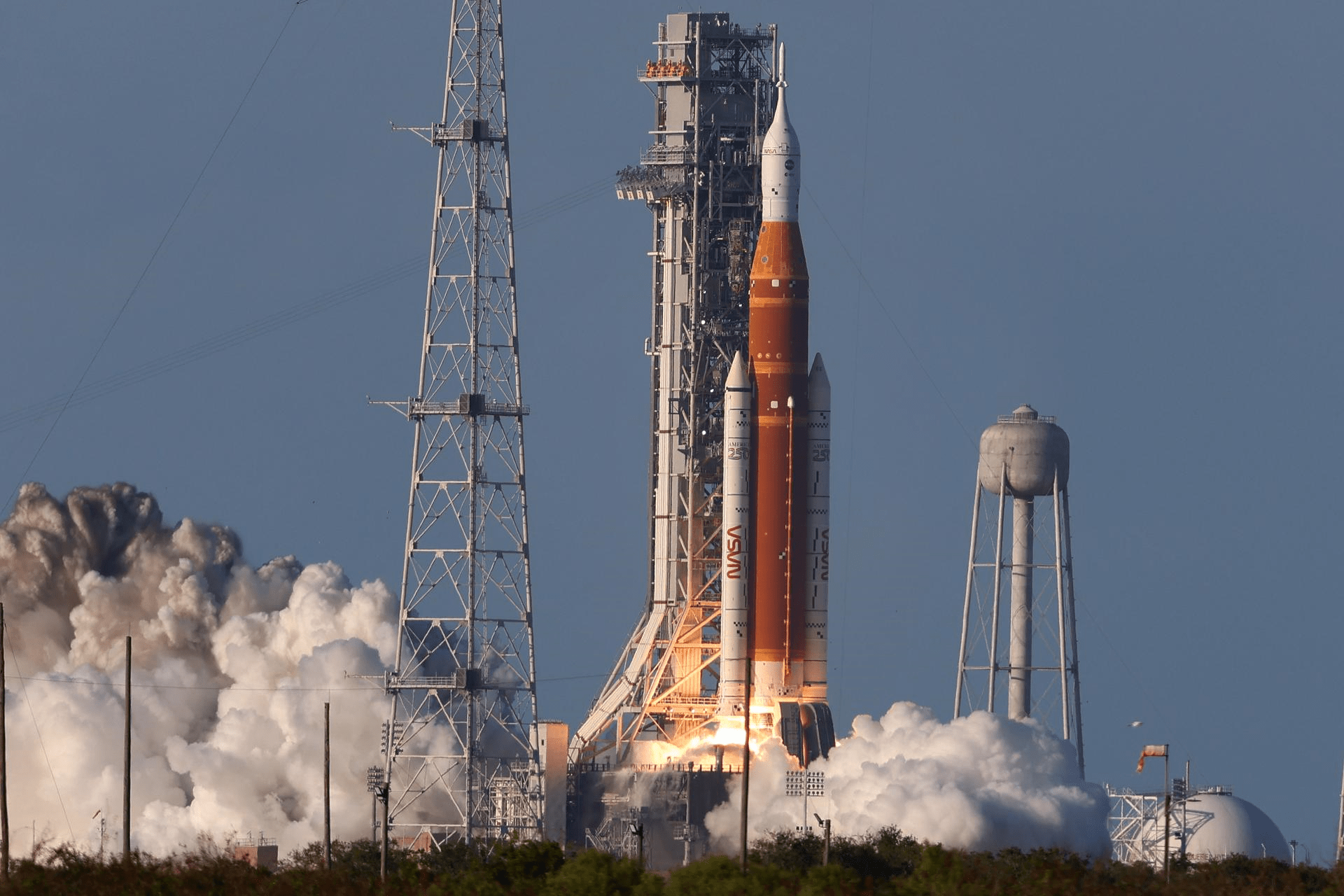
NASA’s Translational Research Institute for Space Health has announced the selection of two early‑career scientists to its next class of postdoctoral fellows, who will begin work in May. Dr. Baiyang Liu from Columbia University will develop a nutritionally optimized Spirulina strain for long‑duration missions, while Dr. Dylan Pham of Texas A&M will study the effects of simulated microgravity and aging on eye and retinal function. The fellowship program supports independent research aimed at reducing spaceflight‑related health risks and improving human health on Earth. By investing in these new investigators, TRISH seeks to build the expertise needed for a sustained lunar presence and deeper space exploration.
Super Heavy Block 3 the Booster of the Future
Original Publication Date: 2026-05-18 18:27

SpaceX has unveiled Block 3 of its Super Heavy booster, a clean‑sheet redesign that incorporates lessons from the past seven years. The new booster features an integrated hotstage truss that directs exhaust to a reinforced forward dome, 50 % larger grid fins in a T‑formation, and a streamlined raceway that houses the flight‑termination system.
Astrolab Unveils Payloads Flying on FLIP Lunar Mission
Original Publication Date: 2026-05-18 19:41
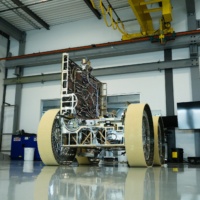
Astrolab is sending its FLIP rover to the lunar South Pole this year, carrying a suite of NASA payloads that will study regolith, map the surface, and measure helium‑3 concentrations. The rover will also deploy a laser retroreflector for precise positioning, a dust‑level sensor to gauge regolith impacts on equipment, and a LiDAR system to build high‑resolution 3D maps.
Potomac Database Systems Unveils Plans to Amass Lunar Data
Original Publication Date: 2026-05-18 13:00
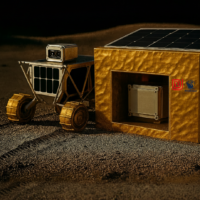
Potomac Database Systems announced plans to harvest lunar data instead of mining, launching three mission types: Compass, Pathfinder, and Source. Compass will send an impactor to study plumes, Pathfinder will survive a ballistic landing to transmit data, and Source will be a rover that stays powered through the long lunar night using a radioisotope heater. The company aims to sell high‑value datasets to companies planning lunar missions, noting that NASA recently paid $10 million for 120 GB of data. Potomac targets its first Source mission to Cabeus Crater in 2028 and is seeking commercial radioisotope heater units to support the endeavor.
U-Space Selects Skynopy to Support Multiple Missions
Original Publication Date: 2026-05-18 12:25
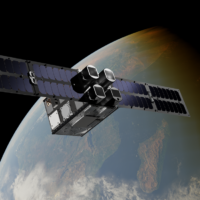
Skynopy is quickly becoming a go‑to ground‑station provider after signing two new agreements with French satellite maker U‑Space. The contracts cover ground services for the LEO demo satellites SOAP and PANDORE and a joint effort to develop X‑band communications for future U‑Space missions under ESA’s PUSH program.
Scientists found stardust trapped in Antarctic ice. What could it tell us about our solar system?
Original Publication Date: 2026-05-18 21:00
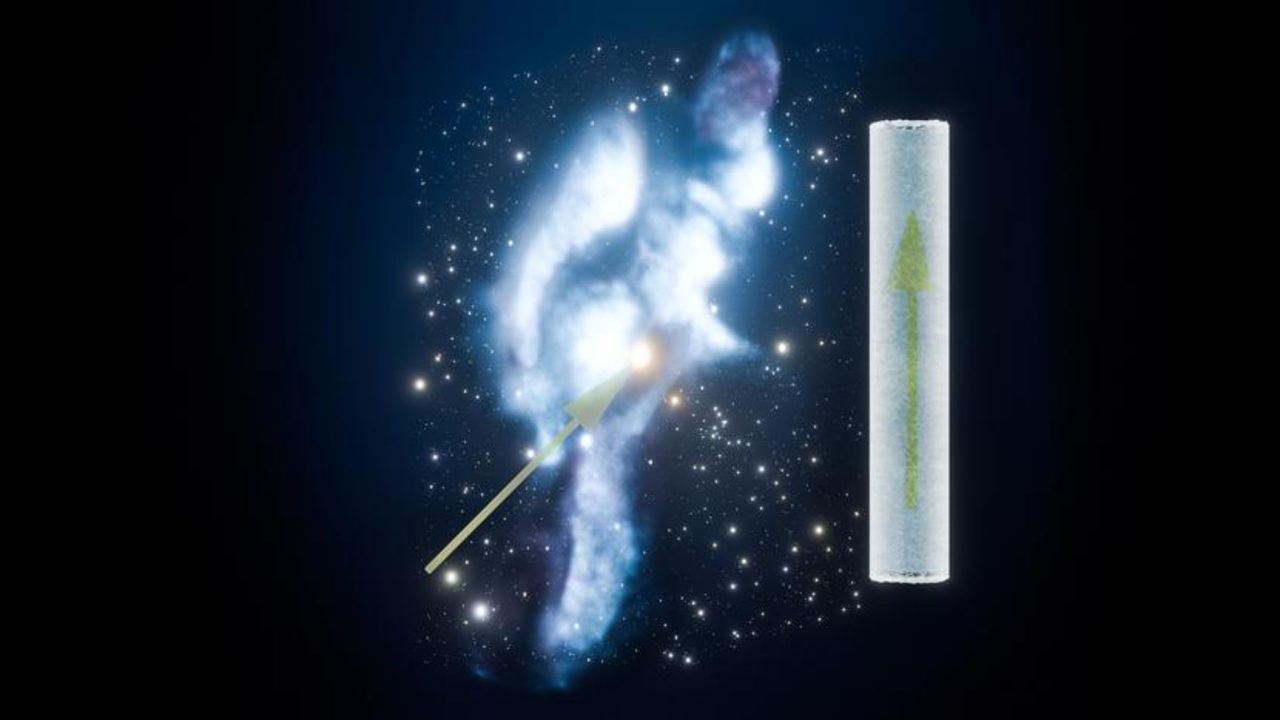
Scientists have uncovered radioactive iron‑60, a clear signature of supernovae, trapped in Antarctic ice, proving that stardust can breach the solar system’s shield and reach Earth.
Vega C rocket launches European-Chinese space weather satellite to orbit
Original Publication Date: 2026-05-18 17:00
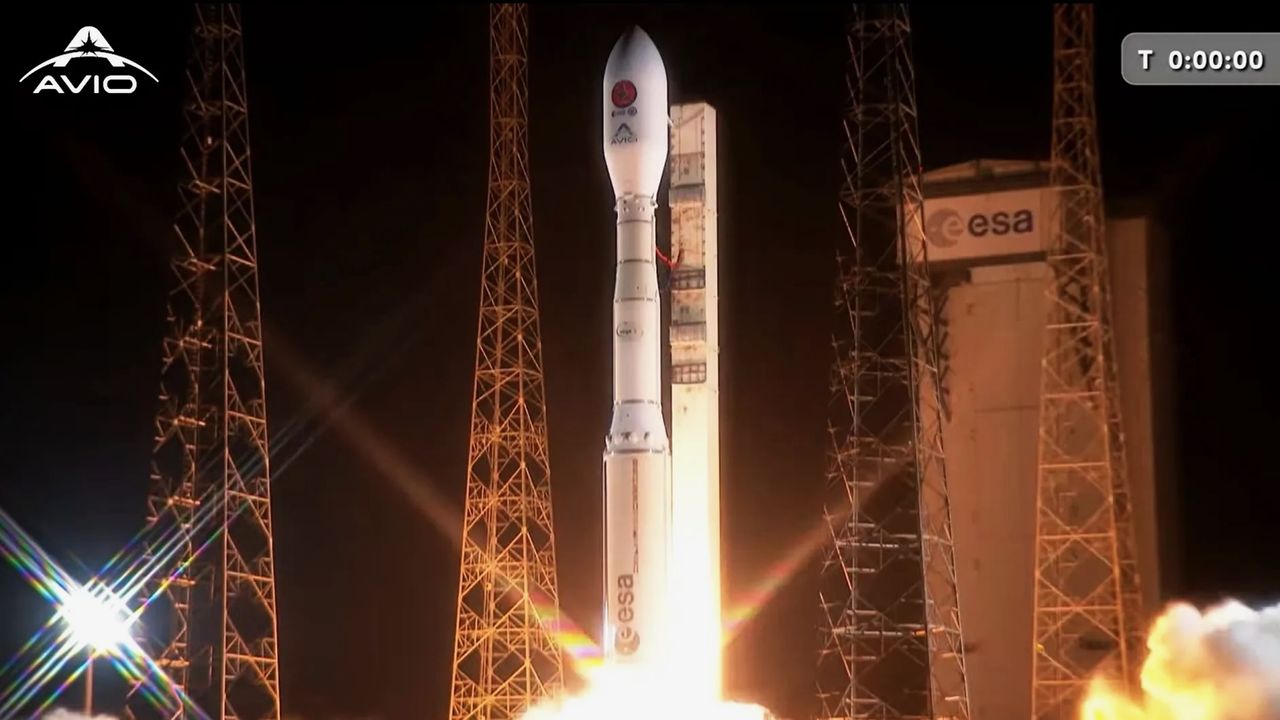
The SMILE spacecraft, a joint European‑Chinese mission to study space weather, lifted off at 11:52 p.m. ET on Monday, May 18, aboard a Vega C rocket from French Guiana’s Kourou spaceport.
This amazing NASA video shows the exact moment the Artemis 2 Orion capsule broke free of its service module, and we can't stop watching it
Original Publication Date: 2026-05-18 15:00
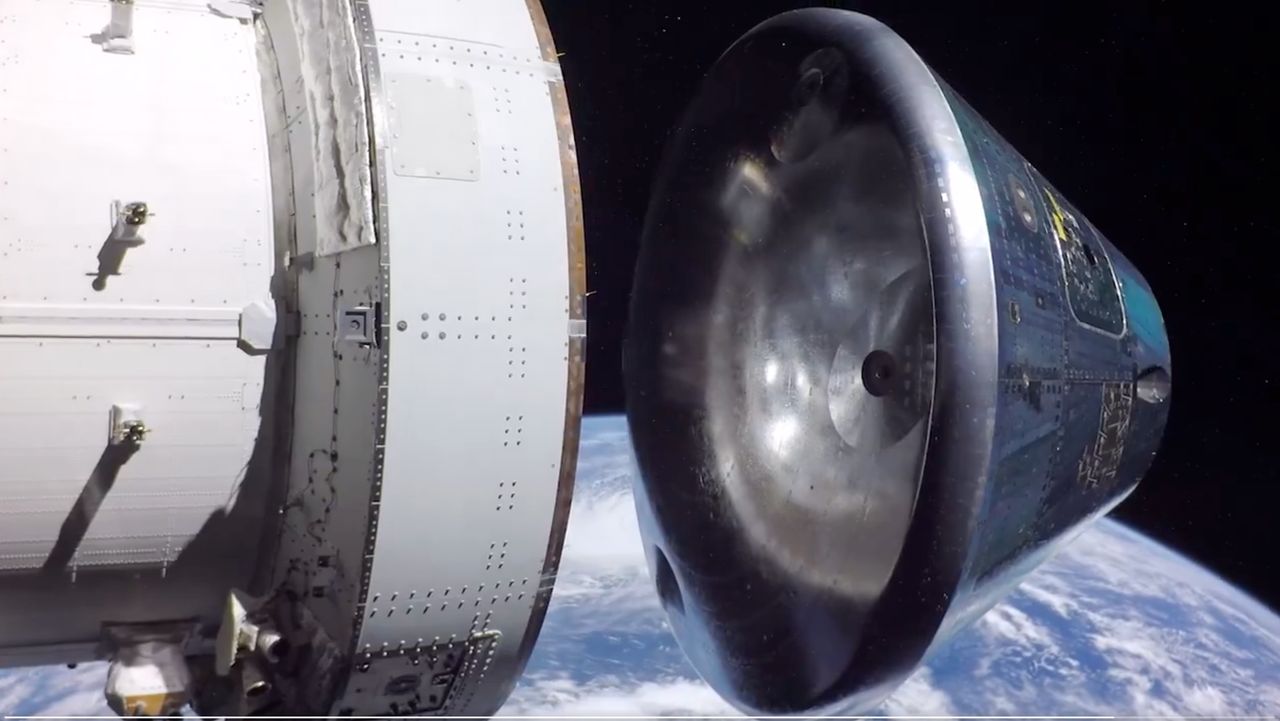
NASA’s Artemis 2 mission saw the Orion capsule safely separate from its European service module on April 10, 2026, as the crew returned from a 10‑flight lunar orbit. High‑definition footage released by NASA captured the capsule’s shiny heat shield reflecting the service module, a stark contrast to the charring seen on Artemis 1. The Orion capsule, traveling at nearly 24,000 mph, splashed down in the Pacific half an hour later, marking the first crewed return from a lunar mission. This successful reentry underscores Artemis’s goal of establishing a sustainable human presence on and around the Moon.
SpaceX Starship Flight 12 launch updates: 1st-ever Starship V3 test gets new launch date
Also covered by: Space.com
Original Publication Date: 2026-05-18 14:56
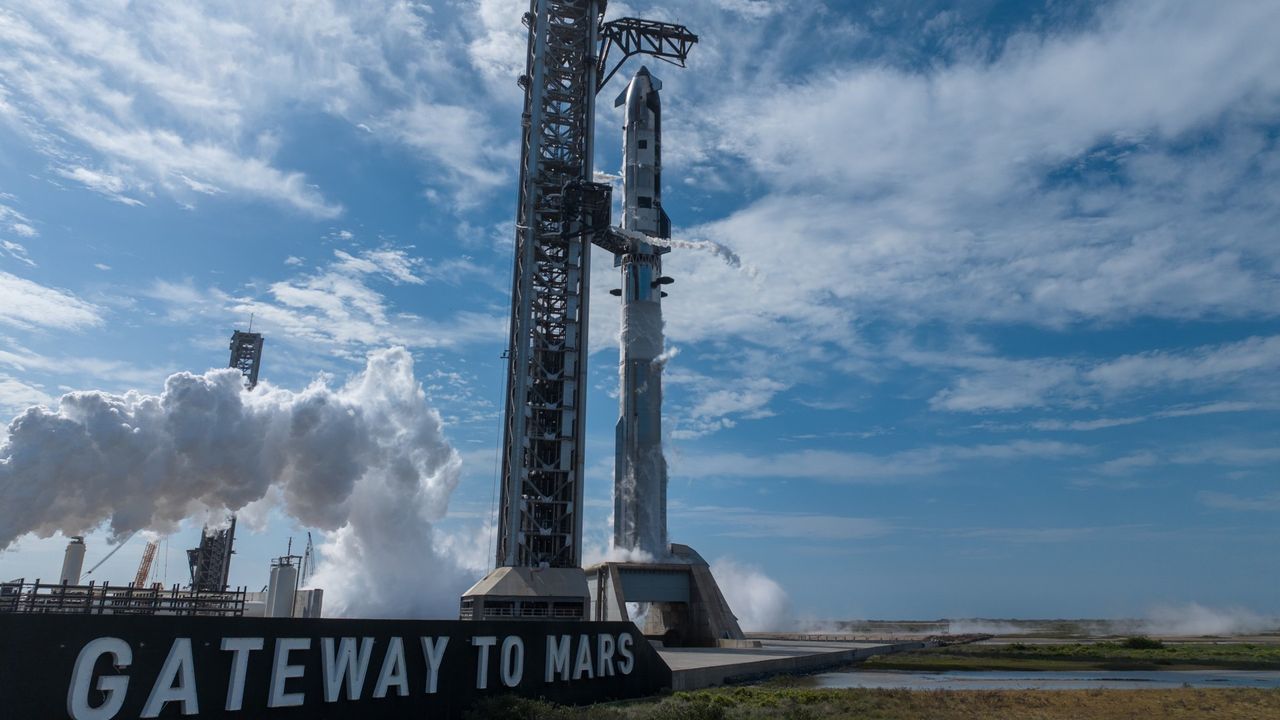
SpaceX will launch its first Starship V3 on Flight 12 from the Boca Chica launch pad on Thursday, May 21, 2026, with a 90‑minute window opening at 6:30 p.m. EDT and an expected liftoff between 6:30 and 8:00 p.m. EDT. The test flight marks the debut of the upgraded V3 design, which NASA has earmarked for Artemis 4 lunar missions and will validate performance for future interplanetary missions.