 Spotify
 Apple Podcasts
 Podcast Addict
 Overcast
 Podcast RSS
Firefly plans late summer launch of first Alpha Block 2 rocket
Original Publication Date: 2026-05-05 00:45
Firefly Aerospace plans to launch its upgraded Alpha Block 2 rocket late this summer after a flawless March flight of the original vehicle. The new version, featuring longer stages and improved avionics, is designed to boost reliability following earlier launch failures. The company reports strong demand, especially from national‑security customers, and is preparing additional launches this year while exploring offshore and European sites. Firefly also emphasizes growing lunar lander opportunities, with NASA’s expanded lunar agenda creating a fresh market for its Blue Ghost series.
NRO taps EarthDaily, Iceye, Pixxel to expand commercial data pipeline
Original Publication Date: 2026-05-05 00:32
The U.S. National Reconnaissance Office is widening its use of commercial Earth‑observation data, signing new agreements with EarthDaily Analytics, Iceye, and Pixxel under its Commercial Solutions Opening program. The agency is testing these private‑sector constellations—hyperspectral, synthetic‑aperture radar, and high‑revisit multispectral imagery—to deliver faster, more diverse intelligence for national security, environmental monitoring, and disaster response. The CSO model allows the NRO to evaluate data quality and integration in stages, from simulation to on‑orbit testing, before committing to large‑scale purchases. To protect sensitive information, the NRO has introduced a three‑tier cybersecurity classification for vendors, ensuring secure data flow between government and commercial partners.
NATO governance policies need updating
Original Publication Date: 2026-05-04 23:30
NATO is urged to revise its policies and deepen ties among member states to speed up the integration of commercial and national geospatial intelligence, Maj. Gen. Paul Lynch said at the GEOINT Symposium
Tech firms partner up to push intelligence processing closer to the battlefield
Original Publication Date: 2026-05-04 18:00
A coalition of defense and tech firms, led by DeNovo Solutions, has formed “Coalition Edge” to deliver commercial satellite imagery and geospatial intelligence directly to military units even when networks fail. The initiative combines edge computing hardware, preloaded data sets, and AI models to process information on the ground, bypassing distant data centers. Participants include Hewlett Packard Enterprise, Nvidia, T‑Mobile, Urban Sky, and GRVTY, demonstrating live data streams and AI analysis at the GEOINT Symposium. By enabling local, real‑time intelligence, Coalition Edge promises warfighters faster, more reliable access to critical information in austere environments.
Pixxel pushes into orbital data centers for faster geospatial intelligence
Original Publication Date: 2026-05-04 16:04
Indian startup Pixxel is set to launch a 200‑kilogram pathfinder satellite by year‑end that will test orbital data‑center technology, processing hyperspectral imagery directly in space. The demonstrator, built at Pixxel’s new Gigapixxel facility, will house Earth‑class AI processors and language models supplied by partner Sarvam, aiming to bypass ground‑based constraints on energy, land, and regulation. Pixxel already operates six Firefly satellites that capture 135 spectral bands at five‑meter resolution, and plans to expand with larger Honeybee satellites covering 250 bands. While U.S. Giants like SpaceX and Blue Origin also pursue orbital computing, Pixxel’s mission seeks to make India a key player in scalable, environmentally friendly space‑based data centers.
Lockheed Martin joins collaboration with Firefly Aerospace and Seagate for off-shore launches
Original Publication Date: 2026-05-04 21:52
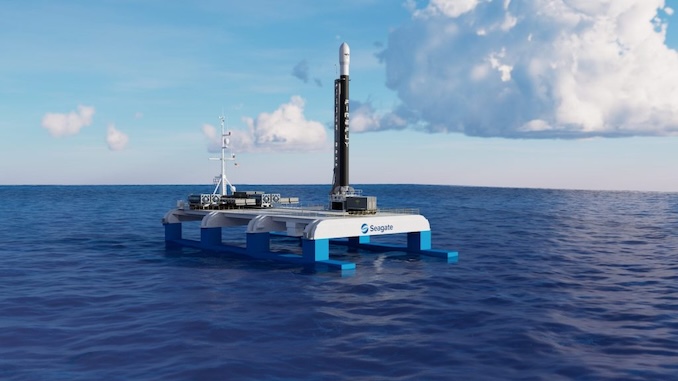
Lockheed Martin has joined forces with Firefly Aerospace and Seagate Space to launch the Alpha rocket from Seagate’s sea‑based Gateway Series offshore spaceport. The partnership will use the mobile platform to provide rapid, flexible access to space for tactical payloads and national‑security missions from diverse locations. It builds on a recent 25‑launch order from Lockheed and follows a 2023 flight that delivered a Lockheed satellite, correcting a guidance error in subsequent missions. By leveraging the ocean launch pad, the trio aims to reduce ground‑launch congestion and accelerate delivery of new payload technologies for warfighters.
U.S. Space Force Awards $3.2 Billion for Space-Based Interceptor Layer
Original Publication Date: 2026-05-04 23:48

On Monday, May 4, the U.S. Space Force’s Space Systems Command announced the award of 20 Other Transaction Authority agreements, totaling up to $3.2 billion. The contracts will be awarded to a consortium of contractors tasked with advancing U.S. Space capabilities. This move underscores the Space Force’s commitment to rapid development and deployment of cutting‑edge space technology. The agreements are expected to drive innovation and strengthen national security in the final frontier.
Interlune Secures $6.9 Million NASA Contract for Lunar Resource Extraction
Original Publication Date: 2026-05-04 20:37

Interlune has secured a $6.9 million Small Business Innovation Research Phase III contract from NASA’s Space Technology Mission Directorate, a deal that will span 18 months. The award follows successful completion of earlier SBIR phases, highlighting the company’s progress in developing cutting‑edge space technology. NASA’s funding will support further research and development aimed at advancing future space missions. This contract marks a significant milestone for Interlune in the competitive aerospace sector.
U.S. Space Force Integrates Domain Awareness Capabilities into Balikatan 2026
Original Publication Date: 2026-05-04 20:30
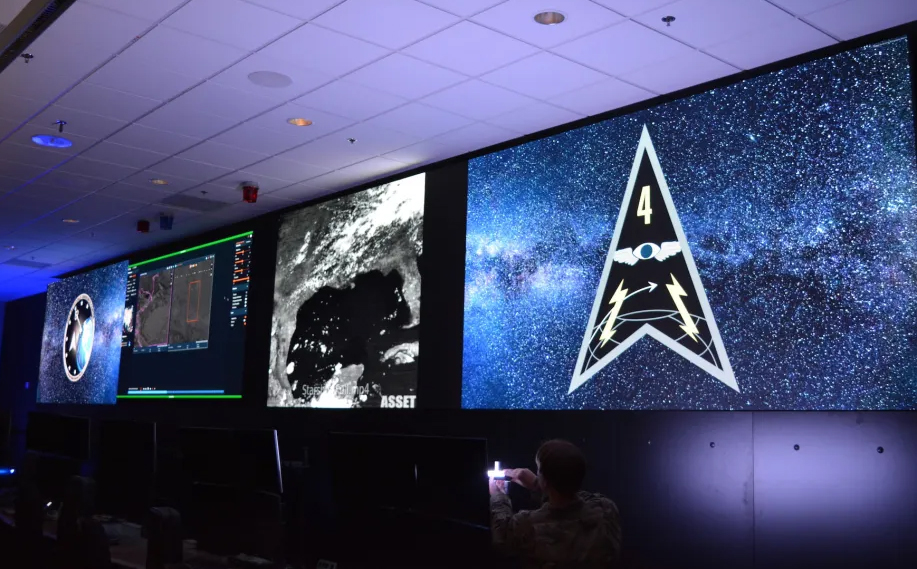
U.S. Space Forces Indo‑Pacific (SPACEPAC) has deployed personnel and advanced technology to the Philippines for the annual Exercise Balikatan 2026, which kicked off on April 20. The multinational drill brings together U.S., Philippine, and allied forces to test joint space‑domain operations and cyber‑defense capabilities. Participants will conduct live‑fire simulations, data‑sharing exercises, and joint mission planning to strengthen regional security cooperation. This effort underscores the U.S. Commitment to enhancing space‑domain resilience across the Indo‑Pacific region.
Smallsat Sector to Deploy 16,900 Satellites Through 2035 as Market Reaches Industrial Maturity
Original Publication Date: 2026-05-04 16:42

The small‑satellite industry is moving from a niche, experimental phase to a fully mature sector, driven by governments and defense agencies demanding reliable, mass‑produced systems. NewSpace pioneers are now partnering with established aerospace firms to scale production and meet stringent security standards. This shift is reshaping supply chains, encouraging domestic manufacturing, and ensuring satellites can be deployed quickly and cost‑effectively. The result is a more resilient, globally competitive small‑satellite market that can meet both commercial and sovereign needs.
SmallSat Europe Speaker Focus: Massimo Comparini, Leonardo Space Division
Original Publication Date: 2026-05-04 15:10

Massimo Comparini, Managing Director of Leonardo's Space Division, is steering a €500 million investment into the company's own low‑Earth orbit satellite network. The Italian aerospace firm aims to build a proprietary constellation to support Europe’s growing small‑satellite market. At SmallSat Europe, Comparini opened the event with the keynote “Decoding Europe’s Smallsat Ascent,” outlining Leonardo’s strategy and the broader industry trajectory. This move underscores Italy’s ambition to become a key player in the next wave of space technology.
NASA Fosters Development of Lunar Resource-Seeking Technologies
Original Publication Date: 2026-05-04 20:32
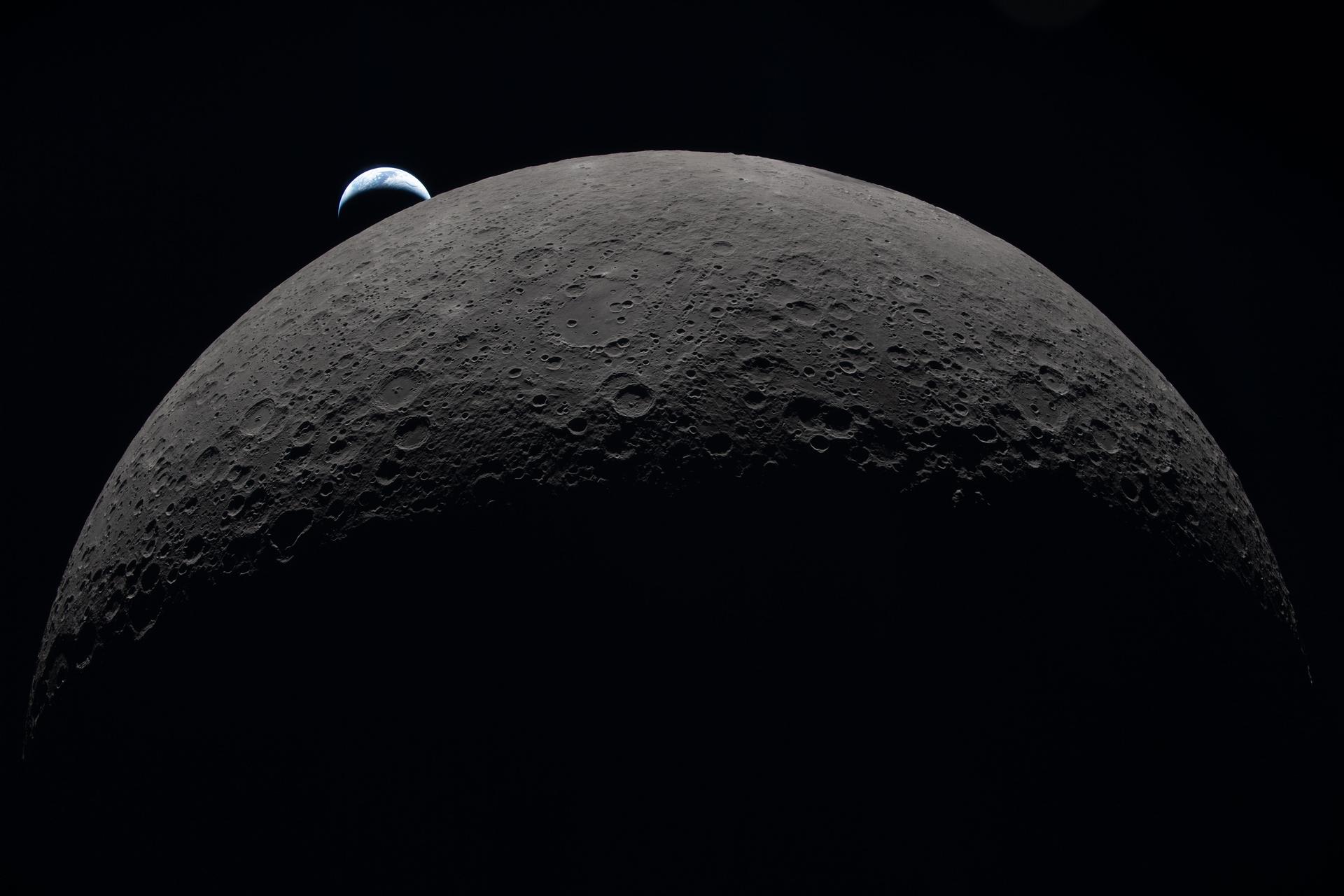
NASA has awarded Interlune of Seattle a $6.9 million Phase III SBIR contract to develop in‑situ resource utilization tools that will harvest hydrogen, helium‑3 and other volatiles from lunar regolith, reducing the need to ship supplies from Earth. The company will design, build and test a payload that sorts regolith particles, extracts solar‑wind gases and measures their concentrations using a compact mass spectrometer built on NASA’s proven MSOLO technology. MSOLO, which flew on the Intuitive Machines 2 mission to the lunar South Pole, can be integrated with multiple commercial lunar landers, making it a versatile instrument for both NASA’s Artemis program and private developers. This investment underscores NASA’s commitment to maturing commercial technologies that enable sustainable, low‑cost exploration of the Moon and beyond.
NASA Welcomes Malta as Newest Artemis Accords Signatory
Also covered by: NASA
Original Publication Date: 2026-05-04 17:46

On Monday, Ireland became the 66th nation to sign the Artemis Accords, joining 23 other European Space Agency members and committing to peaceful, transparent lunar exploration. The ceremony at NASA Headquarters in Washington, attended by NASA Administrator Jared Isaacman and Ireland’s Minister for Enterprise Peter Burke, underscored the long‑standing partnership between the U.S. And Ireland. Earlier, Malta had become the 65th signatory in a ceremony in Kalkara, where Isaacman welcomed the new partner and highlighted the accord’s principles of safety, coordination and preservation of space heritage.
Breaking Barriers at 3rd Annual Findings from the Field Symposium
Original Publication Date: 2026-05-04 16:58

The 3rd Annual Findings from the Field Student Research Symposium opened in Portland, Maine on March 30, 2026, hosted by the Gulf of Maine Research Institute and NASA’s Learning Ecosystems Northeast program. 106 fourth‑ through eighth‑grade students, 29 educators and 15 subject‑matter experts presented 68 research posters, 14 lightning talks and joined five discussion sessions, with undergraduate mentors bridging the gap between youth and career scientists. The event flipped traditional science norms—students marked up data like artists, sat at the front of discussion tables, and even answered questions posed to experts—highlighting the mantra “Science is a team sport” delivered by GMRI’s Chief Impact Officer, Dr. Dave Reidmiller. With community support from Unum and plans to expand next year, the symposium proved that when young people are given a platform and agency, they don’t just participate—they lead the conversation.
Lt. Gen. Schiess Nominated to Lead Space Force
Original Publication Date: 2026-05-04 12:45

Lt. Gen. Douglas Schiess has been nominated to become the next chief of the U.S. Space Force, the third to hold the post since the service’s 2019 inception. He brings more than 30 years of military experience, including roles as deputy chief of space operations, commander of the 45th Space Wing, and commander of U.S. Space Forces – Space. Schiess has already earned the support of outgoing chief Gen. Chance Saltzman and Air Force Secretary Troy Meink, and praise from the National Security Space Association for his expertise and forward‑thinking leadership. The Senate Armed Services Committee will hold a hearing on his nomination, which must then be approved by the full Senate.
Payload Field Guide: Lunar Rovers
Original Publication Date: 2026-05-04 12:26
NASA’s new lunar rover strategy, unveiled at the March Ignition event, aims to deliver multiple, faster, and scalable rovers to support regular crewed missions and monthly robotic landings. Private firms—from Astrobotic’s CubeRover and Lunar Outpost’s MAPP to ispace’s TENACIOUS and Intuitive Machines’ Micro Nova—are racing to build rovers that can haul cargo, scout resources, and generate commercial data, with several slated to land on the Moon this decade.
NASA wants to land astronauts on the moon in 2028. Will SpaceX's Starship or Blue Origin's Blue Moon lander be ready in time?
Original Publication Date: 2026-05-05 10:00
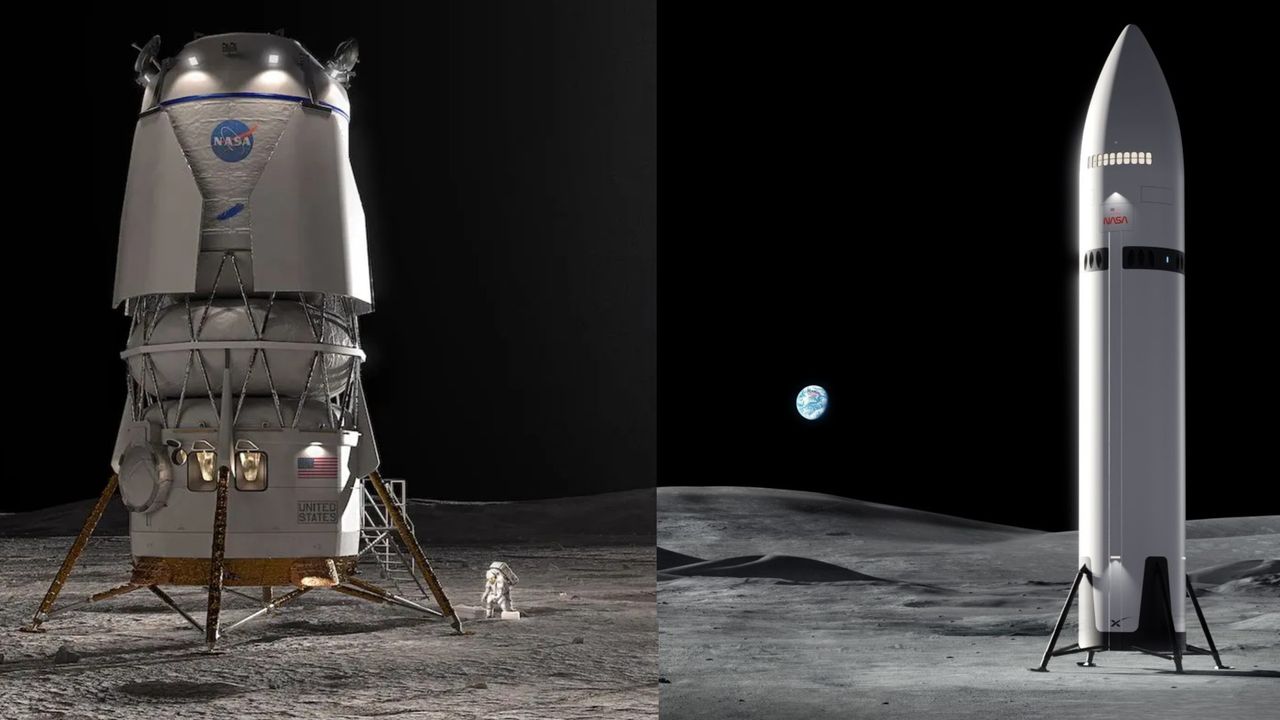
NASA has reshuffled its Artemis 3 schedule, moving the crewed lunar landing from 2028 to an Earth‑orbit test in late 2027, with a real moon touchdown slated for Artemis 4 in 2028. The success of that plan hinges on two private landers: SpaceX’s Starship Human Landing System, which must complete orbital refueling and life‑support tests, and Blue Origin’s Blue Moon Mk2, which follows a stepwise approach starting with an uncrewed cargo lander. Both vehicles face tight development timelines, with Starship’s upcoming V3 flight and Blue Origin’s New Glenn launcher still needing critical demonstrations. Whether these milestones are met will determine if astronauts return to the lunar surface as early as 2028.
Trump's proposed NASA budget is a 'horrible threat to our future' in space, Planetary Society CEO says
Original Publication Date: 2026-05-04 21:00

Planetary Society CEO Jennifer Vaughn slammed President‑trump’s proposed NASA budget as a “horrible threat to our future,” warning that the cuts would slash funding for key missions such as Artemis 2, the Chandra X‑ray Observatory, and the Mars Odyssey. She said the administration’s plan is a lazy, thought‑less “copy‑paste” from last year’s budget and would cut science spending by as much as 47 percent, leaving the agency with only about $18.8 billion for fiscal 2027. Vaughn urged Congress to reject the proposal, arguing that even temporary restorations would still damage careers, inspiration, and the nation’s leadership in space exploration. She called on lawmakers to stand up and keep the United States at the forefront of scientific discovery.
James Webb Space Telescope directly studies an exoplanet's surface for the 1st time: 'We see a dark, hot, barren rock'
Original Publication Date: 2026-05-04 19:00
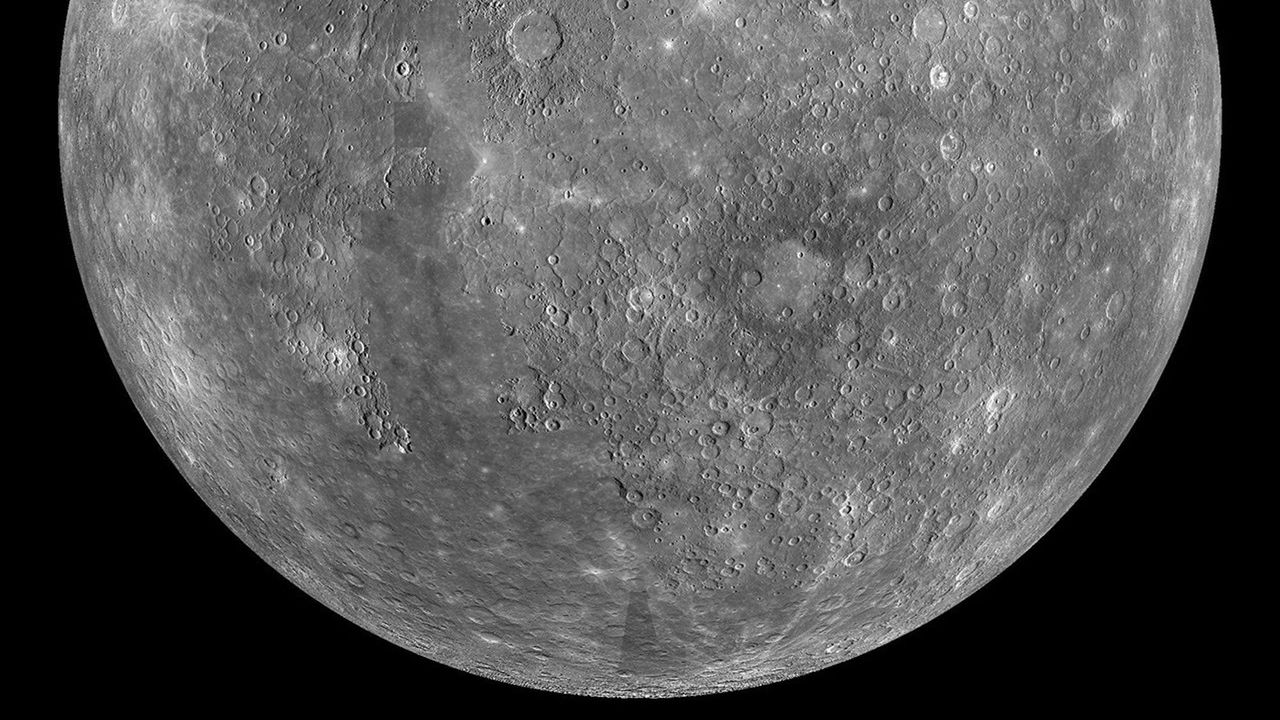
Scientists using the James Webb Space Telescope have, for the first time, directly imaged the surface of an exoplanet beyond our solar system, the super‑Earth LHS 3844 b, located about 50 light‑years away. The data reveal a dark, airless world with scorching dayside temperatures of roughly 1,340 °F, resembling the barren surface of Mercury. Spectral analysis indicates a basalt‑rich crust, suggesting either recent volcanic activity or a thick layer of space‑weathered rock, while no trace of an atmosphere was detected. Follow‑up observations are planned to refine our understanding of this distant planet’s geology and to apply the technique to other rocky exoplanets.
Our Milky Way's 'Zone of Avoidance' holds a galaxy supercluster with 30,000 trillion times the sun's mass
Original Publication Date: 2026-05-04 15:00
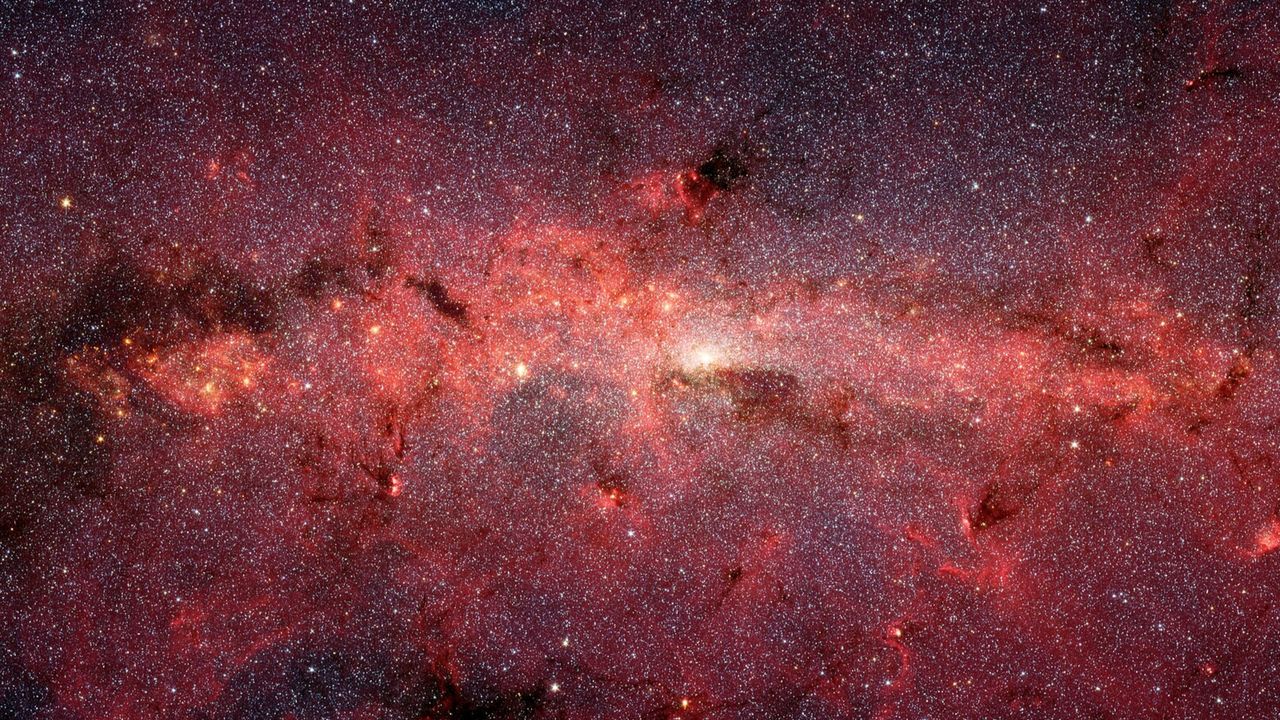
Astronomers have unveiled the true scale of the Vela Supercluster, a colossal galaxy conglomerate hidden behind the Milky Way’s dust. Using over 65,000 galaxy distances and new radio data from MeerKAT, the cluster is now measured at about 300 million light‑years wide and 33,800 trillion solar masses, rivaling the famed Shapley Supercluster. Its immense gravity now explains the mysterious cosmic flows that tug galaxies across the universe, even surpassing the influence of the Great Attractor.
Lasers take aim at a galaxy far, far away | Space photo of the day for May 4, 2026
Original Publication Date: 2026-05-04 14:17
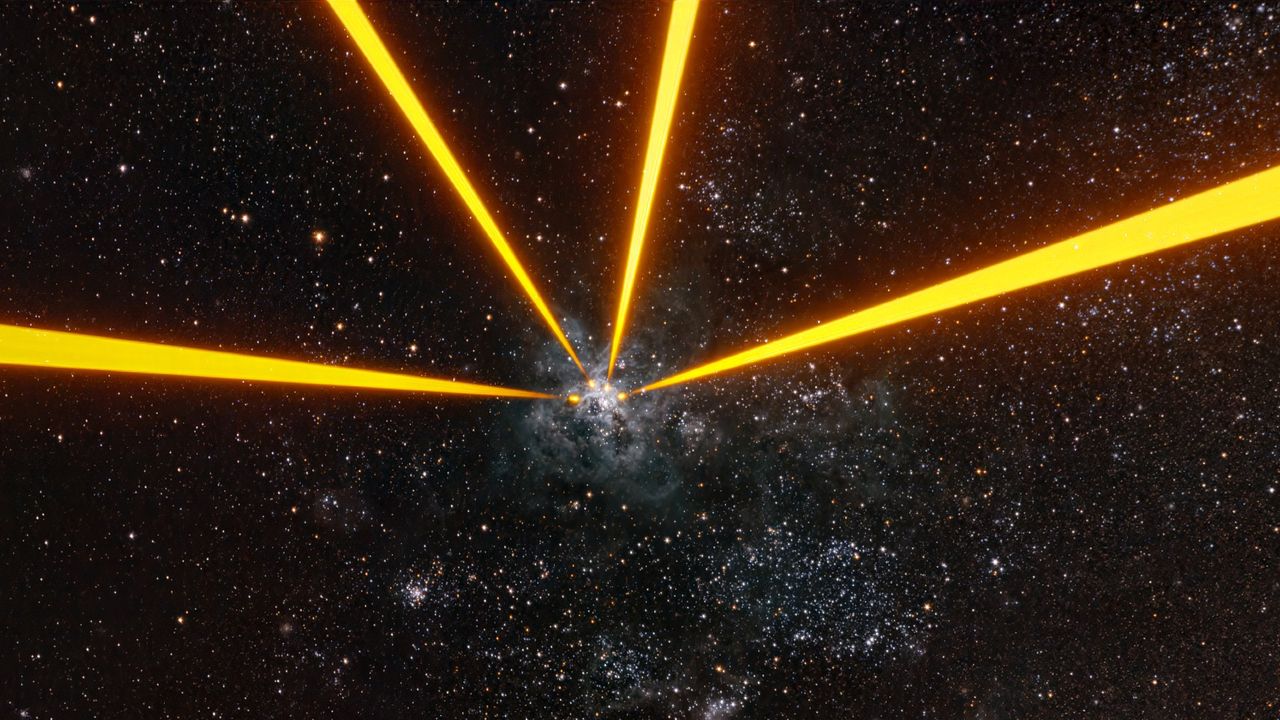
The European Southern Observatory’s Very Large Telescope Interferometer in Chile is using four powerful lasers aimed at the Tarantula Nebula to create artificial stars that help astronomers measure atmospheric turbulence. By observing how these laser‑generated points of light blur as they travel through Earth's atmosphere, scientists can apply adaptive optics techniques to correct the distortion and sharpen images of distant galaxies. This advanced method, still in its early stages, has only been employed by a handful of observatories worldwide and was first introduced at the VLTI in 2016. Though the beams may look like a “Star Wars” laser strike, the goal is purely scientific, enabling clearer views of the universe from the ground.