 Spotify
 Apple Podcasts
 Podcast Addict
 Overcast
 Podcast RSS
Europe’s space sector faces power shift as funding grows
Original Publication Date: 2026-03-31 09:00
The European Union is boosting its space budget, steering its program toward military and security uses and positioning Brussels as a new central driver of European space policy. A report by analyst Michael Gleason warns that EU funding could soon account for more than half of the European Space Agency’s budget, giving the bloc greater sway over ESA’s priorities. While this shift could accelerate Europe’s quest for strategic autonomy, it also risks duplicating national space efforts and creating friction between collective and sovereign initiatives. As Brussels gains influence, the region faces a complex balance between unified defense ambitions and individual country programs.
Artemis 2 countdown underway
Original Publication Date: 2026-03-31 06:23
NASA’s Artemis 2 countdown began on March 30, with officials reporting the Space Launch System and Orion spacecraft in excellent shape and no major issues. The launch window opens at 6:24 p.m. Eastern on April 1, giving a two‑hour window that should accommodate any weather changes. Minor repairs—such as fixing a flare‑stack pilot light and replacing console monitors—have been addressed, and new liquid‑hydrogen seals are expected to prevent past leak concerns. With an 80% chance of acceptable weather, mission managers remain confident that the launch will proceed as planned.
Second Starlink satellite suffers anomaly, generating debris
Original Publication Date: 2026-03-30 23:50
SpaceX’s Starlink‑34343 satellite suffered an on‑orbit anomaly on March 29, 2026, creating debris that LeoLabs detected as “tens” of fragments at 560 km altitude. The incident, the second in just over three months, raised concerns but SpaceX and LeoLabs said the debris poses no threat to the ISS or Artemis 2, and fragments are expected to deorbit within weeks. The anomaly mirrors a December 2025 event where a Starlink satellite vented propellant, but no immediate pause in launches followed this latest malfunction. SpaceX is investigating the root cause and will implement corrective actions.
Rocket Lab wins German approval for Mynaric deal
Original Publication Date: 2026-03-30 21:19
Rocket Lab has secured German approval to acquire laser‑communications firm Mynaric, clearing a key regulatory hurdle after months of national security scrutiny. The $150 million deal, announced last year, will close in April, giving Rocket Lab a critical component for satellite data links and expanding its European presence. German regulators concluded the risks can be managed, even as Europe tightens controls on defense‑related technology. With Mynaric remaining headquartered in Munich, the acquisition will deepen Rocket Lab’s vertical integration and support German and European space programs.
Varda flies navigation payload, heat shield tests on sixth reentry mission
Original Publication Date: 2026-03-30 18:48
On March 30, Varda Space Industries launched its sixth hypersonic reentry capsule, the W‑6, from Vandenberg Space Force Base aboard SpaceX’s Transporter‑16 rideshare that carried 119 payloads. The capsule carries U.
SpaceX launches 119 payloads on smallsat rideshare mission from California
Original Publication Date: 2026-03-30 02:30
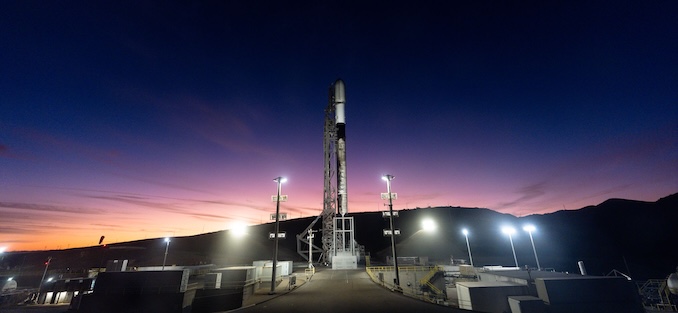
SpaceX lifted off a Falcon 9 from Vandenberg on March 13, 2026, carrying 119 payloads to a Sun‑synchronous low‑Earth orbit on the Transporter‑16 rideshare mission. The first‑stage booster B1093, making its 12th flight, landed on the drone ship “Of Course I Still Love You” just 8½ minutes after liftoff, marking the company’s 592nd booster landing. The payload mix, booked largely by Exolaunch and Seops Space, spanned 13 countries and included CubeSats, PocketQubes, Varda Space’s reentry bus and the 40‑meter‑wide, 2‑ton Gravitas satellite from K2 Space, which will test 20 kW power‑generation tech for future in‑orbit data centers. This launch underscored SpaceX’s growing role in enabling global small‑satellite access.
SpaceX Loses Contact With Starlink Satellite
Original Publication Date: 2026-03-30 22:43
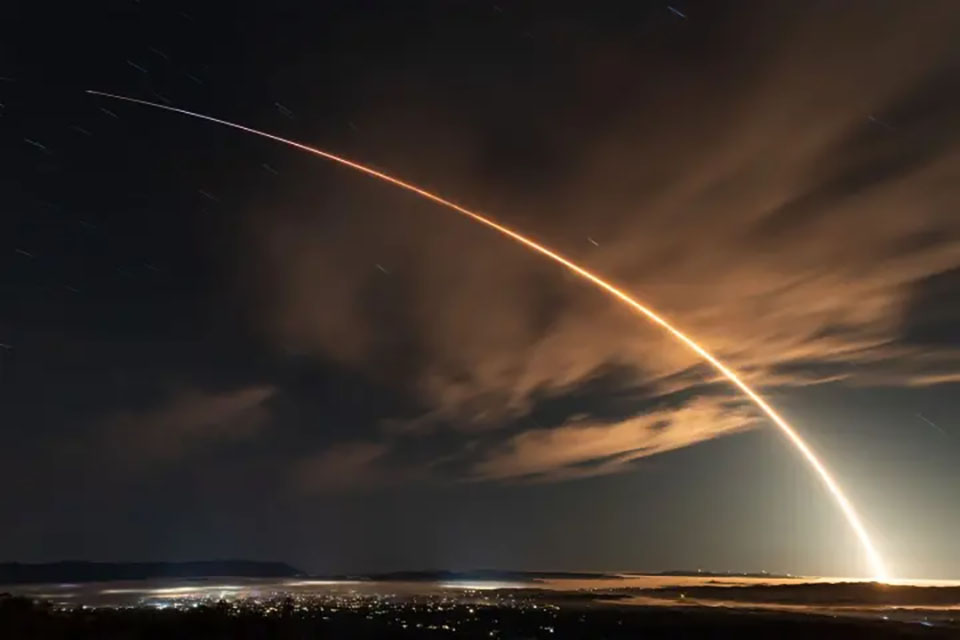
SpaceX announced on March 29 that Starlink satellite 34343 suffered an on‑orbit anomaly, causing a total loss of communications while orbiting at about 560 km. The satellite’s telemetry indicated a malfunction in its attitude control system, preventing it from maintaining proper orientation. Engineers are working to restore contact, but no definitive recovery plan has yet been released. The incident underscores the challenges of maintaining a large satellite constellation in space.
AAC Clyde Space Expands Orbital Presence with Transporter-16 Launch
Original Publication Date: 2026-03-30 15:35

On March 30 2026, SpaceX launched its Transporter‑16 rideshare mission from Vandenberg Space Force Base, successfully deploying 119 payloads into orbit. The payload list included seven satellites from a mix of commercial, scientific, and governmental customers. This launch marked another milestone for SpaceX’s growing rideshare program, which aims to make orbital access more affordable and efficient. The mission’s success underscores the company’s continued leadership in commercial spaceflight.
Indra Showcases Sovereign Space and Defense Technologies at FIDAE 2026
Original Publication Date: 2026-03-30 14:41
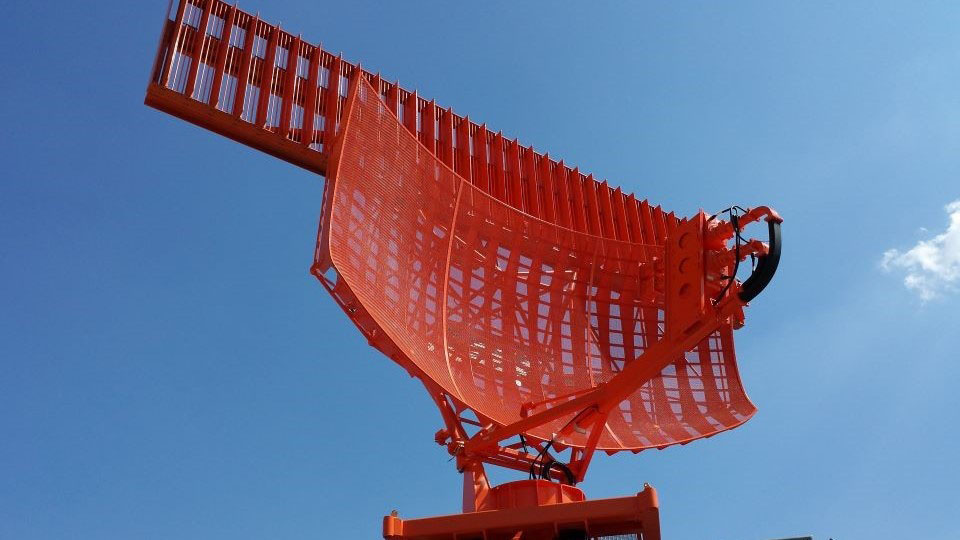
Indra has confirmed its participation in FIDAE 2026, the International Air and Space Fair, which will be held from April 7 to 12 in Santiago, Chile. The event will showcase the company’s cutting‑edge aerospace and defense solutions to a global audience. Indra’s presence underscores its position as a leading provider of advanced technology for the aviation and space sectors. The fair will attract industry leaders, government officials, and innovators from around the world.
WISeSat.Space Expands IoT Constellation with 21st Satellite Launch via SpaceX
Original Publication Date: 2026-03-30 14:27

On March 30, 2026, WISeKey International Holding Ltd announced that its space-focused subsidiary, WISeSat.Space, successfully launched its 21st satellite into Low Earth Orbit. The satellite was deployed aboard a rocket, marking another milestone in the company’s expanding constellation. This deployment underscores WISeSat.Space’s growing presence in the competitive LEO satellite market.
York Space Systems Secures PExT Mission Extension Through 2027 Following BARD Success
Original Publication Date: 2026-03-30 13:58
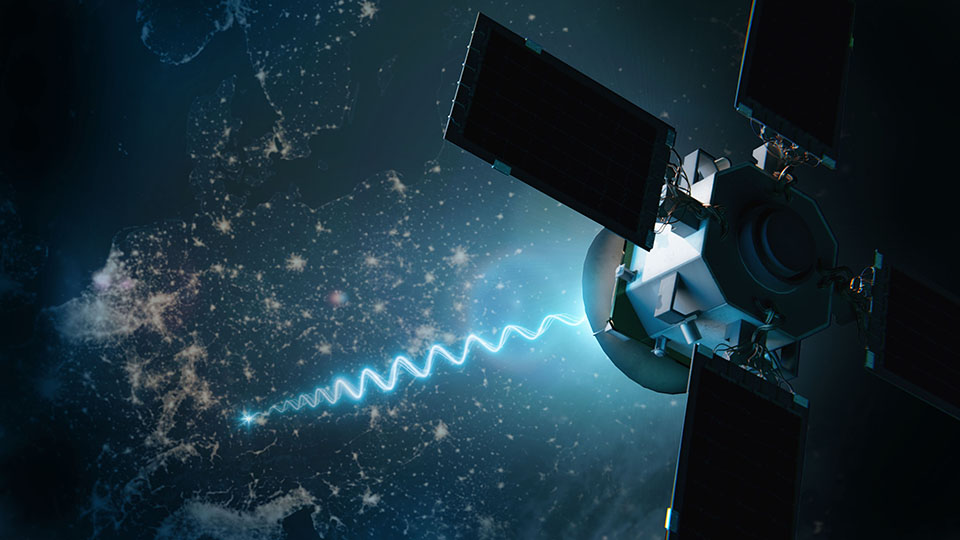
York Space Systems announced on March 30 that NASA and the Johns Hopkins Applied Physics Laboratory have extended the operational life of the Polylingual Experimental Terminal (PExT) satellite. The extension pushes the mission’s deadline into 2028, giving the team more time to test advanced communication protocols for deep‑space and Earth‑based networks. PExT’s experiments aim to improve data throughput and resilience for future interplanetary missions. This partnership highlights the growing role of commercial partners in supporting NASA’s science and exploration goals.
Fires Tear Through Nebraska Grasslands
Original Publication Date: 2026-03-31 04:01

On March 12, a wildfire ignited in Morrill County, Nebraska, and within 12 hours had blown 70 miles east‑southeast, eventually scorching over 640,000 acres—making it the largest wildfire in
Sendoff for Artemis II Crew
Original Publication Date: 2026-03-30 18:18
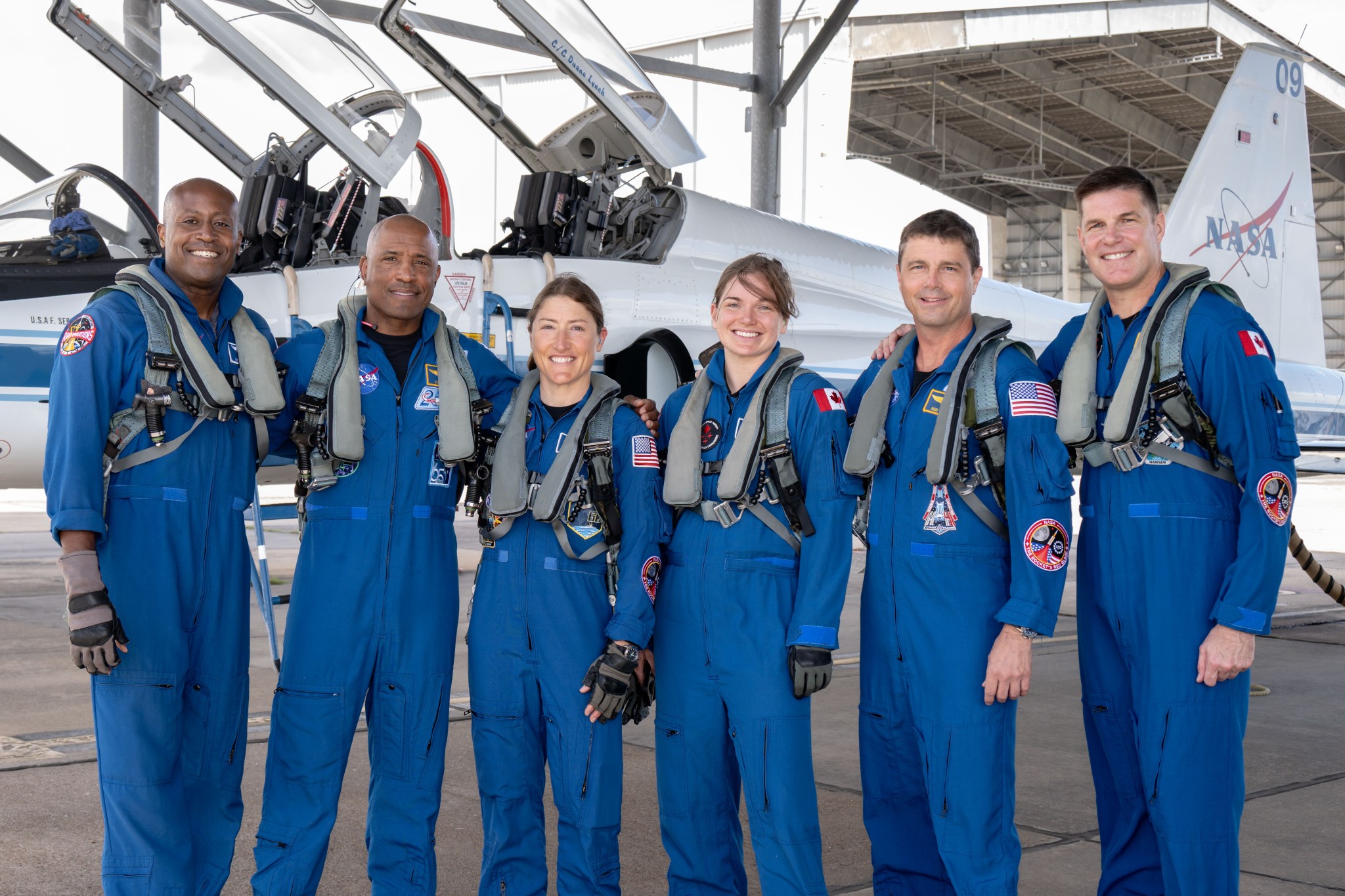
NASA’s Artemis II, the agency’s first crewed mission under its Artemis program, will launch from Kennedy Space Center on March 27, 2026, carrying astronauts Reid Wiseman, Victor Glover, Christina Koch, and Jeremy Hansen for a ten‑day lunar fly‑by. Backup crew members Andre Douglas and Jenni Gibbons are on standby to replace any primary astronaut if needed. The mission will conduct the first human test of the Orion spacecraft’s life‑support systems and set the stage for future crewed Artemis flights. This historic launch marks a significant step toward returning humans to the Moon.
Seeing Blue During Schirmacher’s Summer Melt Season
Original Publication Date: 2026-03-30 04:01

NASA’s Landsat 9 captured a vivid image of the Nivlisen Ice Shelf in January 2026, showing bright blue meltwater carving channels across the ice. Researchers from the Jyothy Institute report that melt depth has risen 1.5‑fold and surface area 1.2‑fold since 2000, pointing to increasing vulnerability along the grounding line. The melt, driven by low‑albedo blue ice and powerful foehn winds, is amplified by atmospheric rivers that boost summer surface melting. This latest imagery confirms 2026 as a strong melt event, raising concerns for the shelf’s long‑term stability.
Launch Preview: SLS, Falcon 9, Atlas V, and Soyuz launches comprise busy launch manifest
Original Publication Date: 2026-03-30 21:07

Nine launches are scheduled this week across Florida, California, Russia, Kazakhstan, and China, with NASA’s Artemis II set to launch the first crewed lunar mission since 1972 on Wednesday. SpaceX will fire four Falcon 9 rockets to deploy Starlink satellites, while ULA will launch a new batch of Amazon Leo internet satellites on an Atlas V. Russia plans a Soyuz 2.1a launch from Plesetsk and a Soyuz 5 debut from Baikonur, and China’s CAS Space will debut its Kinetica 2 rocket, carrying cargo to a Sun‑synchronous orbit.
America’s Rocket Factory comes Full Circle with Artemis
Original Publication Date: 2026-03-29 21:28

Michoud Assembly Facility in New Orleans, a sprawling 832‑acre rocket factory, has built every major U.S. Launch vehicle from the Saturn rockets to the Space Shuttle external tanks and now the Space Launch System for Artemis.
Transporter-16 Sends 119 Payloads to Orbit
Original Publication Date: 2026-03-30 12:53
SpaceX’s Transporter‑16 launch from Vandenberg Space Force Base carried 119 satellites into orbit, marking the company’s first rideshare mission of 2026. The payload mix includes Earth‑observation constellations from OHB Italia, ICEYE, Satellogic, and others, alongside RF‑sensing platforms from Spire, Sierra Nevada, and Unseenlabs aimed at maritime and aviation monitoring. Advanced communications experiments were also aboard, featuring laser‑comms demos from the Hellenic Space Agency, ArkEdge Space, and a secure space‑to‑ground test by a Romanian consortium. Many of the satellites piggybacked on orbital transfer vehicles such as Momentus’ Vigoride‑7 and Exotrail’s Spacevan‑002, showcasing in‑space assembly, robotics, and optical link technologies.
Starcloud Raises $170M Series A at $1.1B Valuation
Original Publication Date: 2026-03-30 12:39
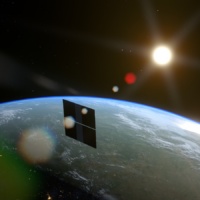
Starcloud, the orbital data‑center startup, has closed a $170 million Series A at a $1.1 billion valuation, with Benchmark and EQT Ventures leading the round and a host of institutional and angel investors, including former CEOs Dennis Muilenburg and Kevin Johnson, on board. The company’s first spacecraft, Starcloud‑1, successfully carried the first Nvidia H100 GPU to orbit in November, proving its AI‑enabled tech can survive space’s harsh environment. Looking ahead, Starcloud plans to launch Starcloud‑2 later this year—aiming for 100 times more power, a record‑sized deployable radiator, and new edge‑compute workloads for partners like AWS and Google Cloud—and to build a manufacturing facility to produce Starcloud‑3 units for future Starship flights by 2028. With launch costs expected to drop as Starship becomes operational, Starcloud’s CEO believes the company can scale from 13 to 50 employees and make orbital data centers a viable alternative to terrestrial facilities.
Bellatrix Raises $20M For In-Space Propulsion Tech
Original Publication Date: 2026-03-30 12:13

Indian space startup Bellatrix Aerospace has secured $20 million in a Pre‑Series B round led by Cactus Partners to scale production of its green‑fuel Hall‑effect thrusters. The funding follows flight‑qualification of its propulsion systems in 2024 and recent launches, including the Harbinger satellite on Transporter‑16, positioning the company to meet a growing domestic and international backlog. Investors include Hero Investment Office, 35North Ventures, Indusbridge Ventures, and Monarch Holdings, alongside existing backers such as Inflexor Ventures and Pavestone VC. With plans for a U.S. Satellite‑manufacturing facility and partnerships with Astroscale Japan and ISRO’s NewSpace, Bellatrix aims to accelerate global deployment of its in‑orbit propulsion technology.
Why won't NASA's Artemis 2 astronauts land on the moon when they get there?
Original Publication Date: 2026-03-31 10:00
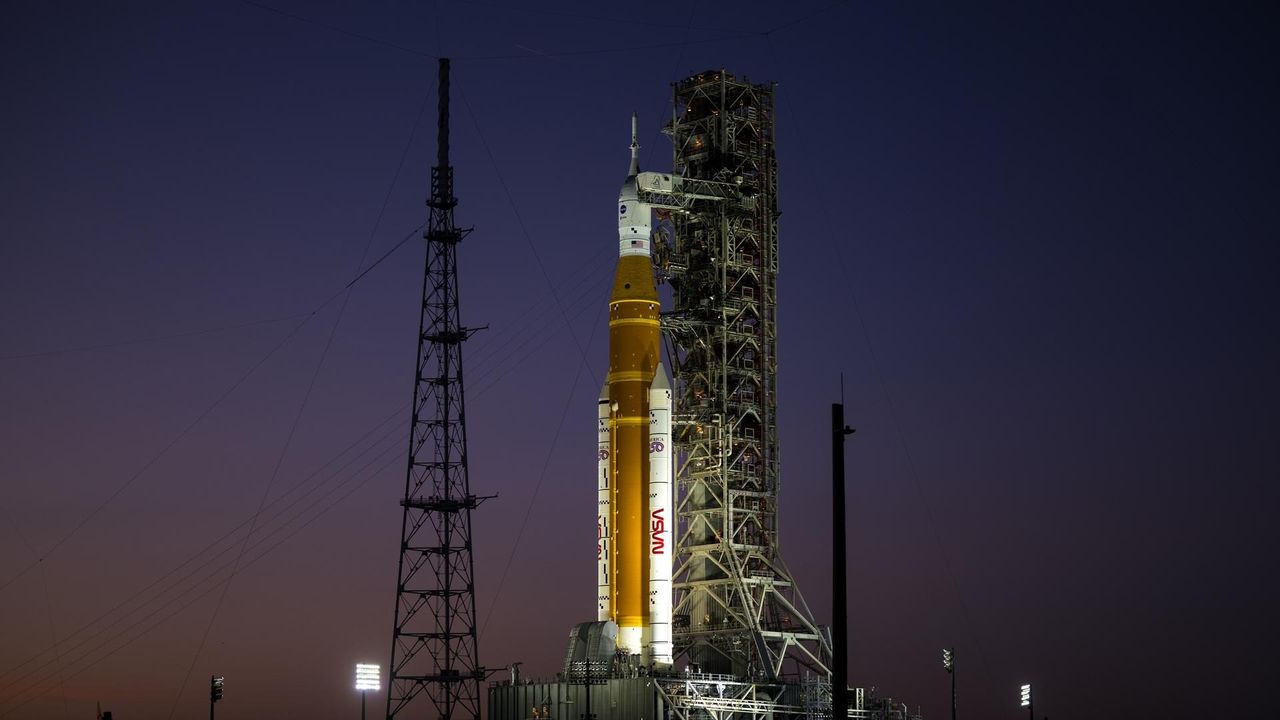
NASA’s Artemis 2, slated to launch as early as April 1, 2026, will send a four‑person crew on a 10‑day fly‑by of the Moon, but they will not land. The Orion capsule, which carries life‑support systems for the first time, lacks landing capability, so Artemis 2 is a test of deep‑space operations and crew performance. NASA has shifted its plan: Artemis 3 will practice docking with private landers in Earth orbit, while the first crewed lunar landing is now expected on Artemis 4 in 2028. This staged approach aims to build a sustainable lunar presence and demonstrate U.S. Norms in cislunar space amid a competitive race to the Moon.
Huge solar flare no threat to Artemis 2 astronaut launch to the moon, NASA says
Original Publication Date: 2026-03-30 23:31
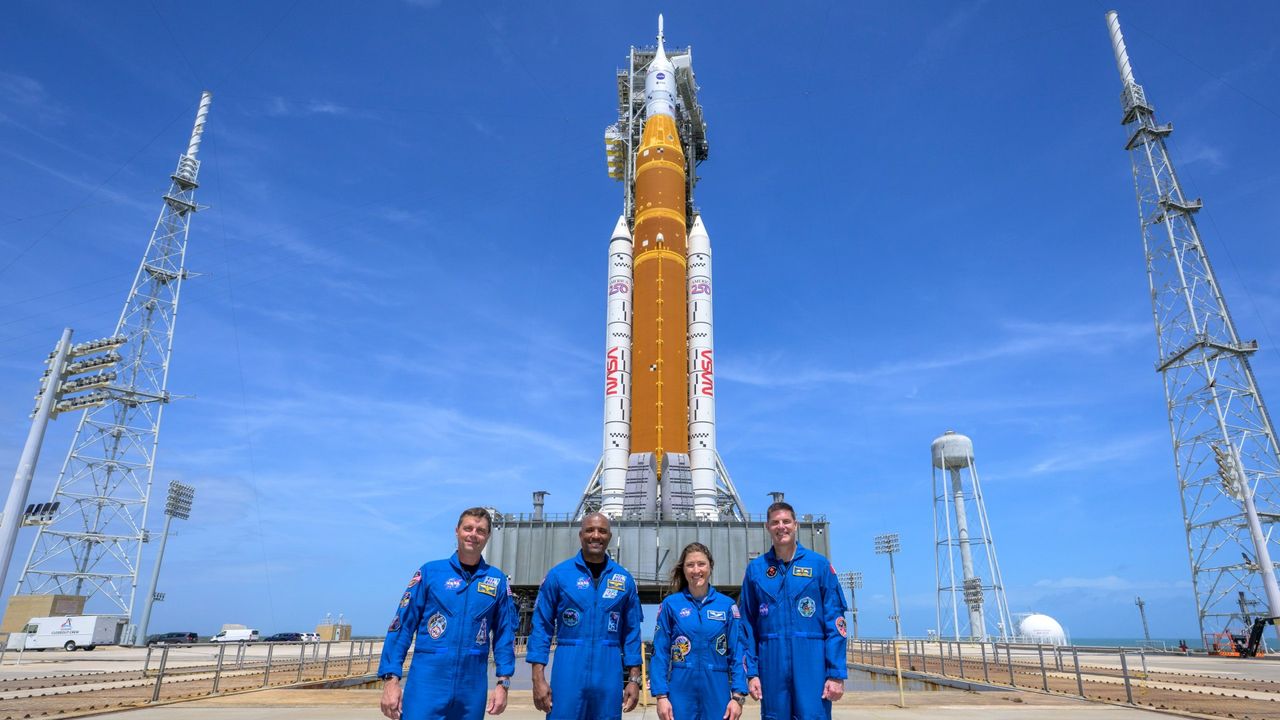
A massive X1.4 solar flare erupted from the sun on March 29, but NASA says the resulting coronal mass ejection will not jeopardize the Artemis 2 launch scheduled for April 1. The agency confirmed that space‑weather conditions will settle before liftoff, and the crew of four astronauts—Reid Wiseman, Victor Glover, Christina Koch and Jeremy Hansen—are on track for a 10‑day lunar fly‑by.
Record-breaking 'space laser' erupts from merging galaxies 8 billion light-years away
Original Publication Date: 2026-03-30 22:00
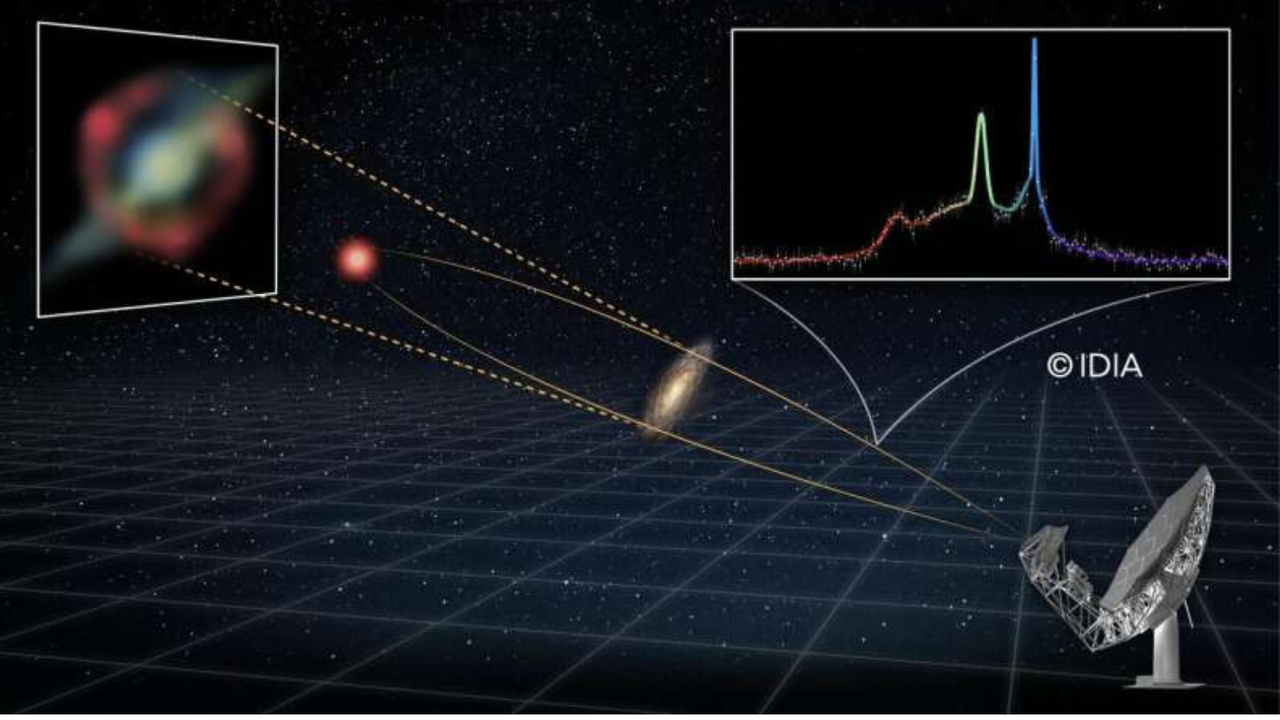
Scientists have detected the most distant and brightest space laser ever seen, a hydroxyl megamaser erupting from a pair of colliding galaxies 8 billion light‑years away. The radio burst, captured by South Africa’s MeerKAT telescope, was magnified by gravitational lensing, allowing astronomers to study conditions in the early universe that would otherwise be invisible. This rare phenomenon confirms that intense star formation and dense molecular gas were already present when the universe was just half its current age. The discovery offers a new window into the physics of galaxy mergers and the cosmic dawn.
Interstellar comet 3I/ATLAS may be nearly 12 billion years old — so ancient its star system may no longer exist
Original Publication Date: 2026-03-30 20:00

Scientists have found that the interstellar comet 3I/ATLAS, discovered in 2025, could be as old as 12 billion years, making it nearly as ancient as the Milky Way itself.
Heading to Florida for NASA's Artemis 2 moon launch? Here's what to know before you go
Original Publication Date: 2026-03-30 18:00
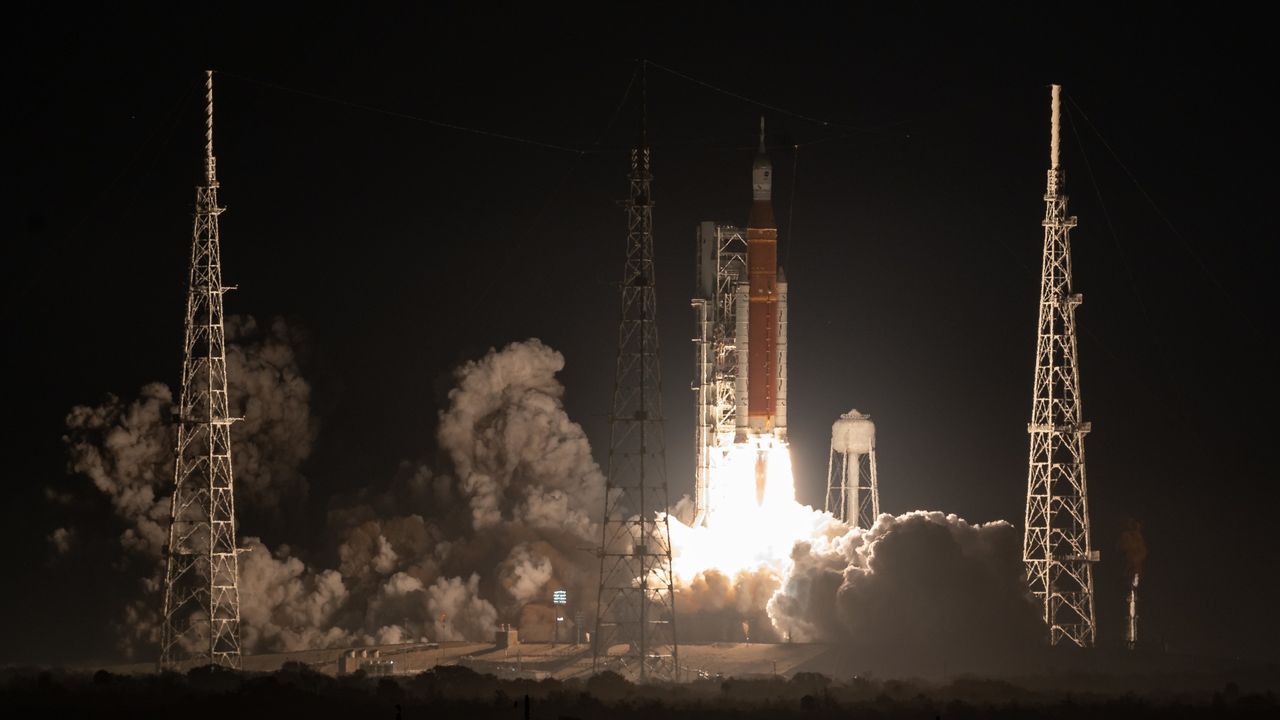
NASA is preparing to launch its Artemis 2 mission, a crewed trip around the moon, from Kennedy Space