 Spotify
 Apple Podcasts
 Podcast Addict
 Overcast
 Podcast RSS
Space Force adds cyber units to guard rocket launches
Original Publication Date: 2026-03-23 21:37
The U.S. Space Force has deployed dedicated cyber‑defense teams at its two main launch sites, Cape Canaveral and Vandenberg, to guard against digital attacks that could halt rocket launches. Two Defensive Cyber Operations Squadrons will monitor network traffic in real time during countdown and liftoff, spotting anomalies in command links, telemetry streams, and ground communications. This move formalizes a growing need to protect the increasingly software‑reliant launch infrastructure from cyber threats, shifting focus from purely physical security to a broader, contested‑infrastructure approach. By placing cyber operators alongside launch crews, the Space Force aims to detect and neutralize malicious intrusions before they can disrupt critical space‑based missions.
Amazon Leo targets faster deployment cadence as deadline pressure mounts
Original Publication Date: 2026-03-23 20:39
Amazon has pledged to double its annual launch rate for the Amazon Leo low‑Earth‑orbit broadband constellation to over 20 missions, targeting 11 launches in the first year of deployment. The company has booked more than 100 launches with ULA, Arianespace, Blue Origin and SpaceX, but is seeking a two‑year extension to meet an FCC deadline that requires half of its 3,232 planned satellites by July 30. While 212 Leo satellites have already been deployed, Amazon is building up to 30 new satellites a week from its Washington facility and preparing payloads for upcoming Atlas‑5, Ariane 64, and New Glenn missions. Amazon also invested $200 million in ULA’s Cape Canaveral facilities to boost launch cadence and turnaround times.
Parsons unveils new satellite antenna aimed at military market
Original Publication Date: 2026-03-23 19:00
Parsons Corporation has unveiled the SPARTAN antenna, a hybrid six‑meter dish with an electronically steered phased‑array feed, to fill the gap left by the Space Force’s canceled $1.7 billion SCAR procurement. The system can simultaneously transmit to eight satellites while maintaining the sensitivity of a traditional dish, making it an affordable, high‑capacity alternative for commercial and government users. Integrated into Parsons’ OrbitXchange network, the antenna offers a scalable path to upgrade existing ground stations and expand coverage to geostationary and cislunar space. With the military now leaning on commercial solutions, SPARTAN positions itself as a cost‑effective bridge between legacy dishes and expensive multi‑beam arrays.
Sovereign demand and institutional capital reshape space economy
Original Publication Date: 2026-03-23 17:29
Large infrastructure funds are now “carefully looking” to enter the space sector, according to Seraphim Space CEO Mark Boggett, a move that could give early‑stage investors the confidence to back ambitious startups. This shift signals that companies may soon secure the billions of dollars needed to scale up their operations. Boggett highlighted growing sovereign demand and institutional capital as key drivers reshaping the space economy. The news was reported by SpaceNews on March 23.
Arianespace to launch Katalyst servicing spacecraft
Original Publication Date: 2026-03-23 15:30
Katalyst Space Technologies has secured an Ariane 6 launch for its Nexus‑1 servicing spacecraft, slated for the second half of 2027. The vehicle will be inserted into geostationary transfer orbit to attach a space‑situational‑awareness sensor to a U.S. Space Force satellite and perform further rendezvous operations.
EnduroSat and MetaSensing Partner to Accelerate SAR Satellite Access
Original Publication Date: 2026-03-23 20:17
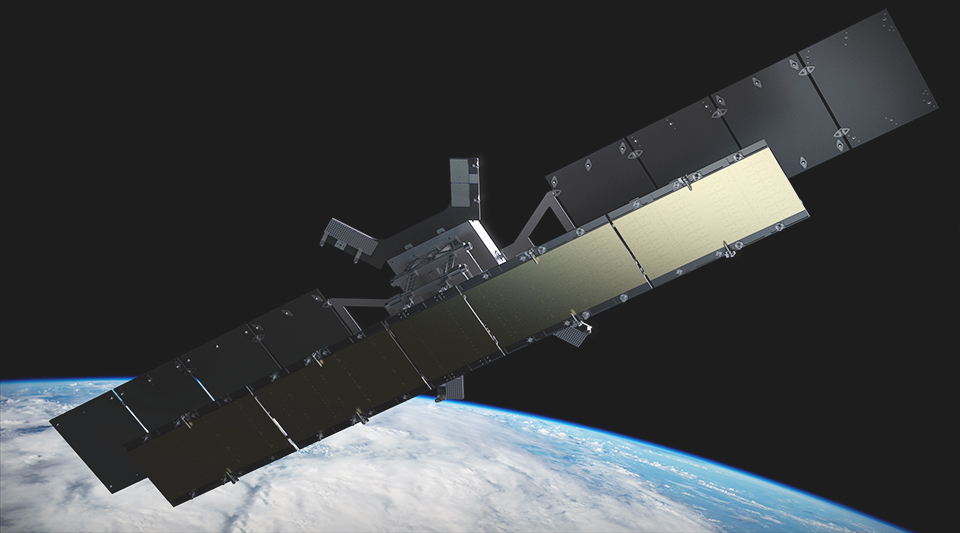
EnduroSat and MetaSensing announced a strategic partnership in March 2026 to accelerate the deployment of synthetic aperture radar (SAR) systems. The deal merges MetaSensing’s high‑resolution radar payloads with EnduroSat’s satellite launch expertise, promising faster, more cost‑effective SAR coverage worldwide. Together, the companies aim to deliver high‑frequency, high‑accuracy imaging for applications ranging from disaster monitoring to precision agriculture. This collaboration is expected to streamline global SAR coverage and enhance real‑time data delivery.
CubeSpace Challenges Vertical Integration with Record ADCS Production Milestone
Original Publication Date: 2026-03-23 19:56

On March 23, 2026, CubeSpace announced a significant ramp‑up in production of its Attitude Determination and Control Systems, positioning the compact, ready‑to‑go modules as a commercial alternative to the traditional build‑
ThinKom Showcases Modular MILSATCOM Architecture for Contested Environments
Original Publication Date: 2026-03-23 15:28
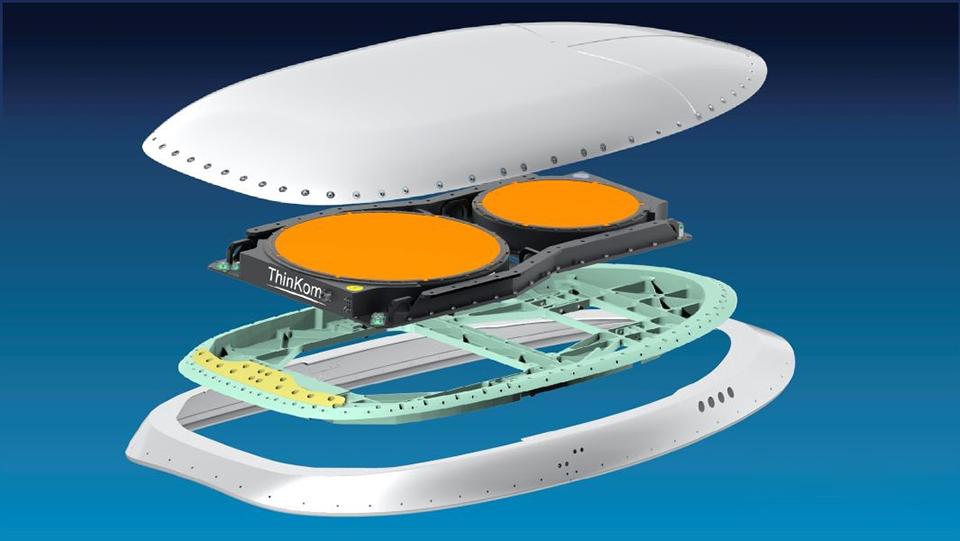
ThinKom Solutions, Inc. Unveiled a new high‑mobility ground architecture roadmap at the 2026 Satellite Show in Washington, D.C., aimed at reducing the security risks associated with fixed satellite command centers. The design promises rapid deployment, lower latency, and enhanced resilience against cyber and physical threats. Industry experts noted that the modular platform could be integrated into existing satellite networks with minimal disruption. ThinKom’s presentation underscored the growing need for flexible, secure ground stations in an increasingly contested space environment.
OHB SE Exceeds Profitability Targets with Record €3.2 Billion Backlog
Original Publication Date: 2026-03-23 14:24
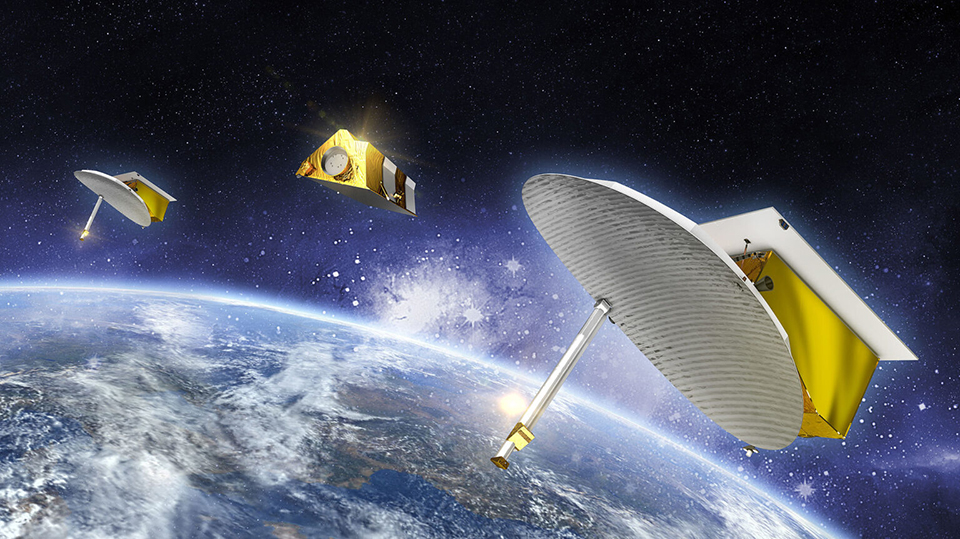
OHB SE, the German aerospace firm, reported that its 2025 results surpassed earlier profitability guidance, thanks to a sharp rise in European government space spending.
Satellogic Executes Strategic Pivot as 2025 Revenue Climbs 38%
Original Publication Date: 2026-03-23 13:43
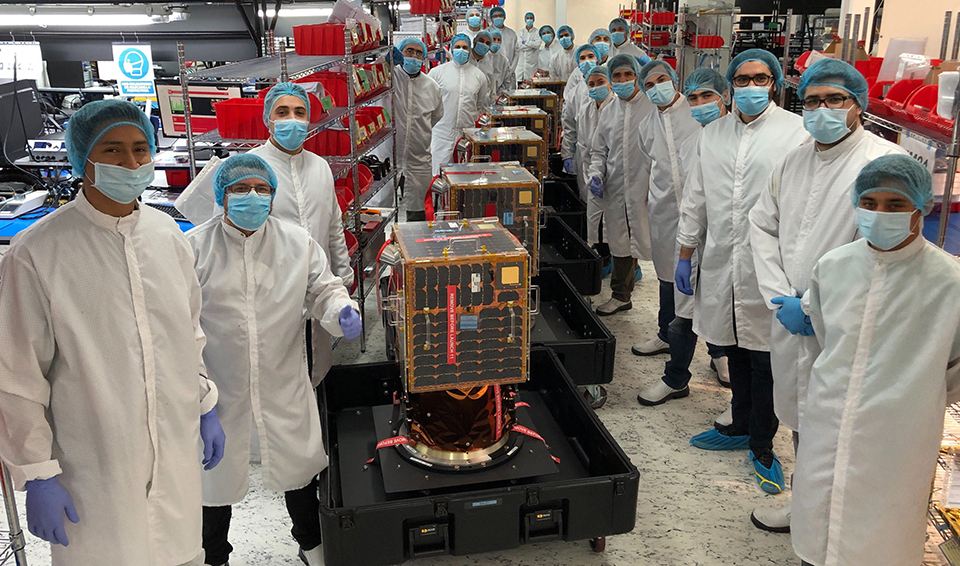
Satellogic Inc., the Argentine satellite imaging firm, announced a 38% year‑over‑year revenue jump for fiscal 2025 during its earnings call on March 19, 2026, following a bold shift into the U.S. Market. The company said the move has broadened its customer base and boosted sales across its constellation services. Analysts note the growth signals strong demand for high‑resolution Earth observation data. Satellogic’s performance underscores the expanding commercial space economy in North America.
Tropical Cyclone Narelle Crosses Australia
Original Publication Date: 2026-03-24 04:01
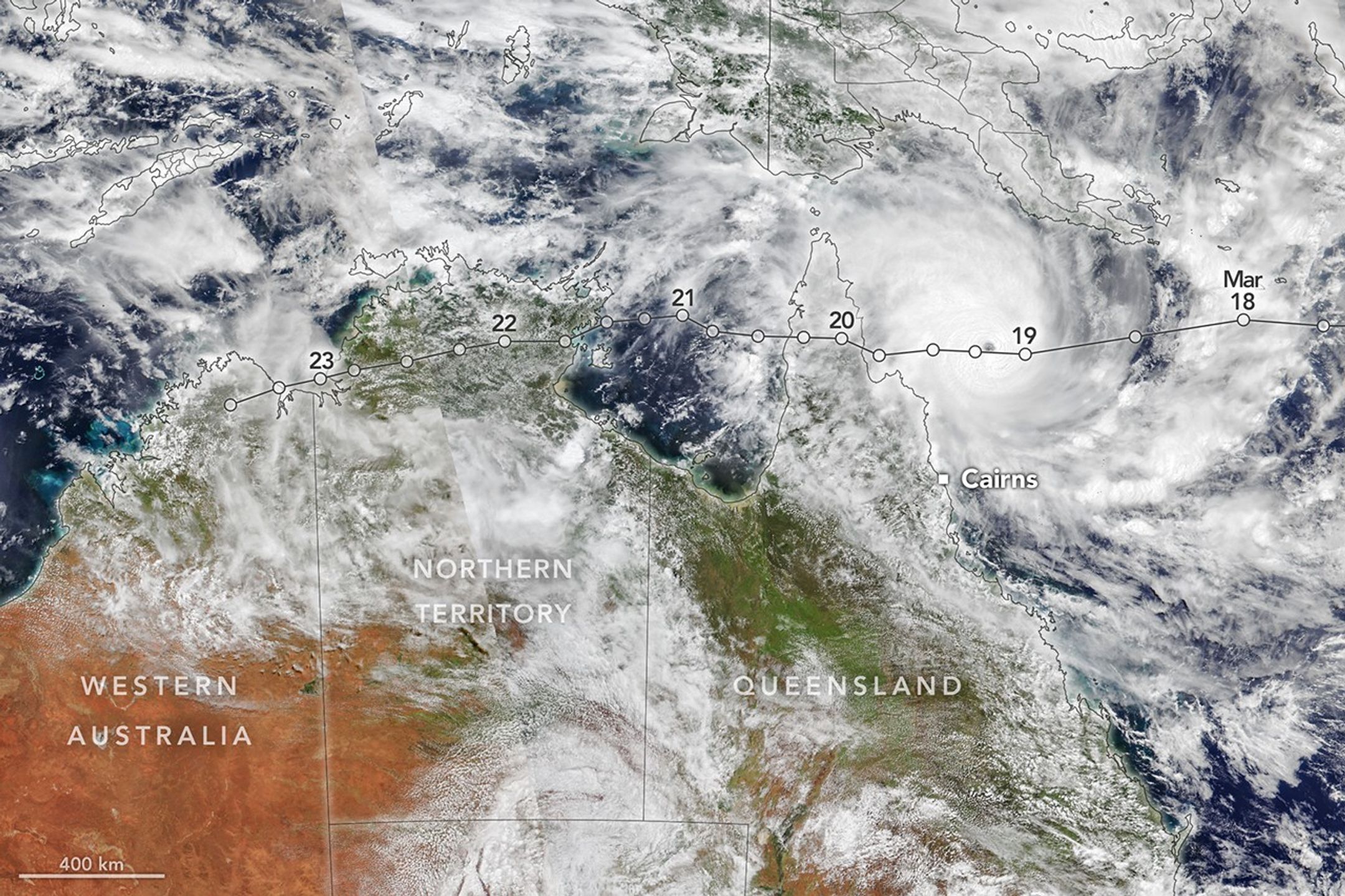
Tropical Cyclone Narelle swept across northern Australia in March 2026, making three separate landfalls in Queensland, the Northern Territory and Western Australia.
NASA Data Hackathon Inspires Community Action
Original Publication Date: 2026-03-23 21:30
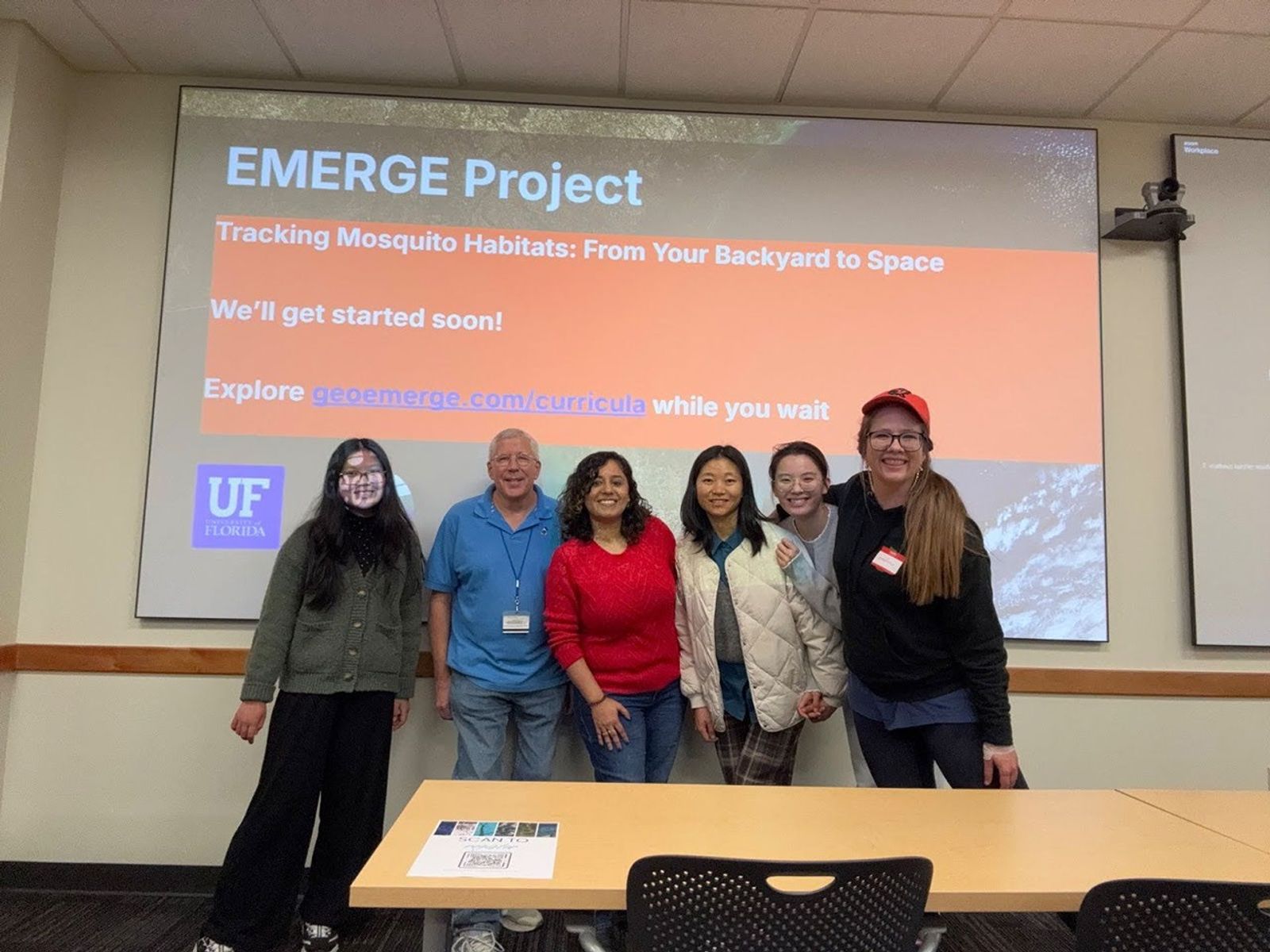
On Jan. 31, the University of Florida hosted its EMERGE NASA Data Hackathon at the Marston Science Library, bringing together students, researchers, and community members to turn real‑world environmental data into actionable insights. Participants worked with NASA’s GLOBE Observer app to collect and analyze data on mosquito habitats, land cover, and more, creating maps, dashboards, and infographics in a full‑day sprint.
Science Through Shadows: How Astronomical Alignments Reveal the Universe
Original Publication Date: 2026-03-23 19:47
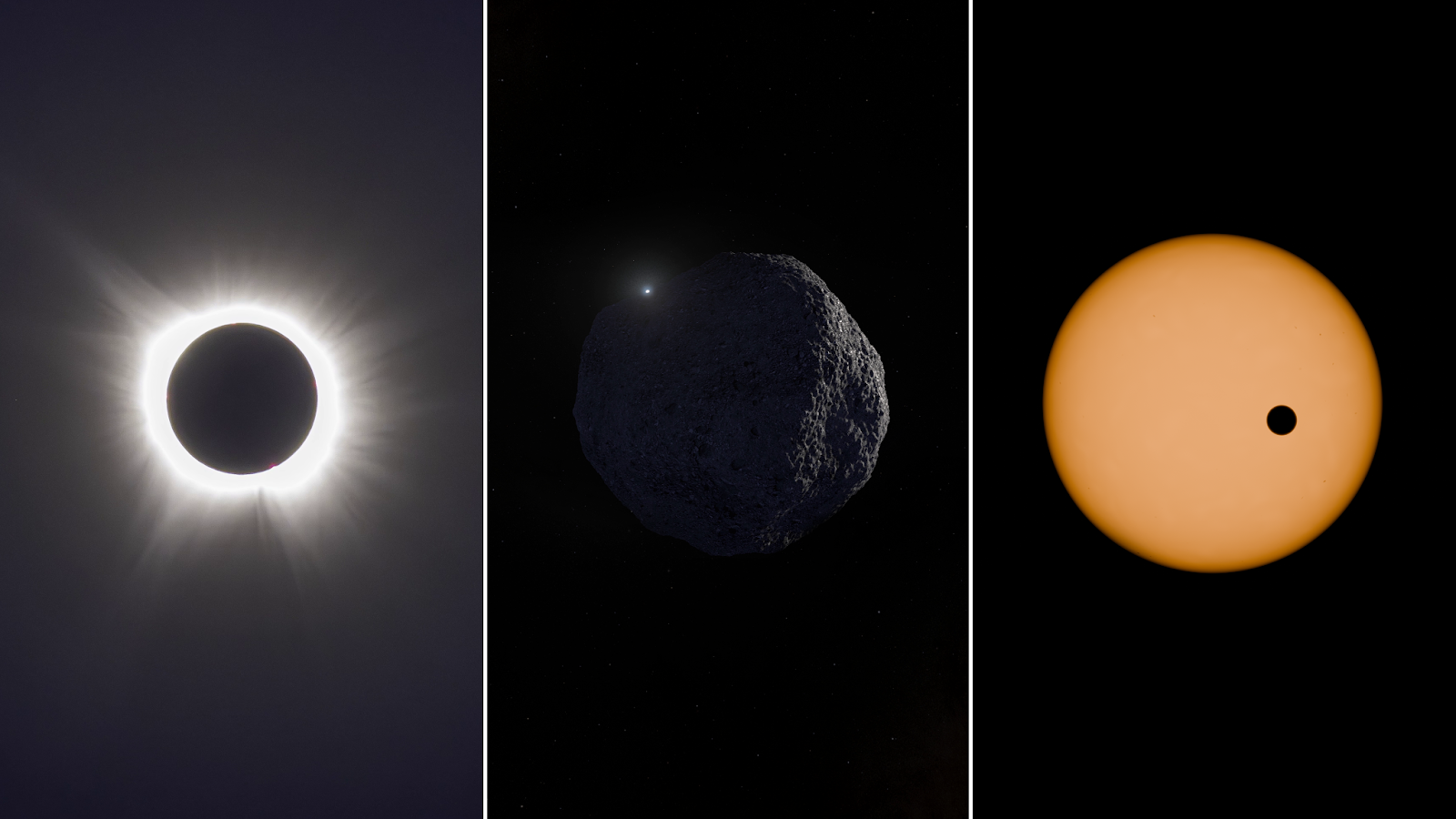
NASA’s Science Activation program, led by the Fiske Planetarium at the University of Colorado Boulder, has produced a series of free short films that explain how eclipses, occultations and transits let scientists study distant objects by watching shadows move across the sky.
See NASA’s GUARDIAN Catch a Tsunami
Original Publication Date: 2026-03-23 18:00
NASA’s new GUARDIAN system can spot tsunamis by detecting tiny distortions in GPS signals, giving communities extra minutes of warning. In July 2025 the system identified the 8.8‑magnitude Kamchatka earthquake and its ensuing tsunami just eight minutes after the quake, and it flagged the wave off Kauai 32 minutes before it hit the shore. By using data from over 350 ground stations around the Pacific Ring of Fire, GUARDIAN offers a cost‑effective, real‑time complement to expensive ocean‑floor sensors. The technology, developed at JPL, could give future disaster‑prone areas a vital edge in preparedness.
SWOT Mission Unlocks a New View of Our Waterways
Original Publication Date: 2026-03-23 17:22

NASA’s new SWOT mission is delivering the first continuous, global measurements of river flow, tracking how rivers like the Mississippi and Amazon change over time and support ecosystems and economies. By combining data from NASA/JPL, CNES, the Canadian Space Agency, and the UK Space Agency, the mission provides unprecedented insight into water dynamics across the planet. These observations help scientists understand water resources, climate impacts, and support communities worldwide. The SWOT data marks a historic leap in Earth science, offering continuous, high‑resolution river monitoring for the first time in human history.
Progress on Starbase Pads ahead of Block 3 Starships
Original Publication Date: 2026-03-24 02:21

SpaceX is revamping Launch Pad 1 at Starbase, digging a new flame trench and installing an on‑site Air Separation Unit to cut turnaround time and eliminate the weeks‑long repairs that plagued earlier flights. The upgrade also expands the liquid‑methane tank farm and reconfigures the tower’s support equipment, paving the way for back‑to‑back Starship launches. Meanwhile, Pad 2 has completed a landmark test of its 20 new hold‑down arms, all retracting simultaneously to meet the rapid‑reusability standards needed for the next flight. With Flight 12 slated for the next month or two, these upgrades bring SpaceX closer to its goal of a weekly launch cadence.
Launch Preview: Russia to debut Soyuz-5; Falcon 9 and Atlas V to launch internet satellites
Original Publication Date: 2026-03-23 21:50

Next week, the U.S., Russia, China, New Zealand, and Norway will be busy with spaceflight, with SpaceX planning three Starlink launches from Florida and California and ULA set to launch Amazon’s Leo satellites on an Atlas V. Internationally, China will fire two Chang Zheng 2C rockets from Taiyuan and Jiuquan, while Isar Aerospace will launch its Spectrum rocket from Norway carrying six ESA Boost! Payloads.
Beyond the Rocket: The Digital Infrastructure of the Artemis II Mission
Original Publication Date: 2026-03-24 02:34

Artemis II’s launch will showcase a new rocket, but the unseen digital architecture behind it is a massive leap from Apollo, thanks to Booz Allen’s modern communications, ground systems, and integrated flight solutions. Unlike Apollo’s single‑mission design, Artemis relies on a global web of ground stations, mission control, and scalable infrastructure to support multiple crewed and robotic missions, from the uncrewed Artemis I to future lunar landings.
Contrivian Launches New Product Bundling Amazon Leo & Starlink
Original Publication Date: 2026-03-23 13:00
Contrivian, a California‑based managed connectivity provider, has unveiled Contrivian Constellation, a new product that bundles Amazon’s Leo and SpaceX’s Starlink satellite services into a single data plan, contract, and IP address. The system uses Contrivian’s Lighthouse technology to continuously monitor both networks and steer traffic to the best link, eliminating outages and providing seamless coverage even when one network drops. Deployable via the company’s portable Horizon platform, Constellation targets government agencies, emergency responders, and remote or maritime operators who need reliable connectivity in critical situations. By combining two satellite constellations into one, Contrivian aims to give public sector customers a more resilient, single‑source satcom solution that complements existing fiber and 5G networks.
NASA announcing update to Artemis moon plans today: Watch it live
Original Publication Date: 2026-03-24 10:00
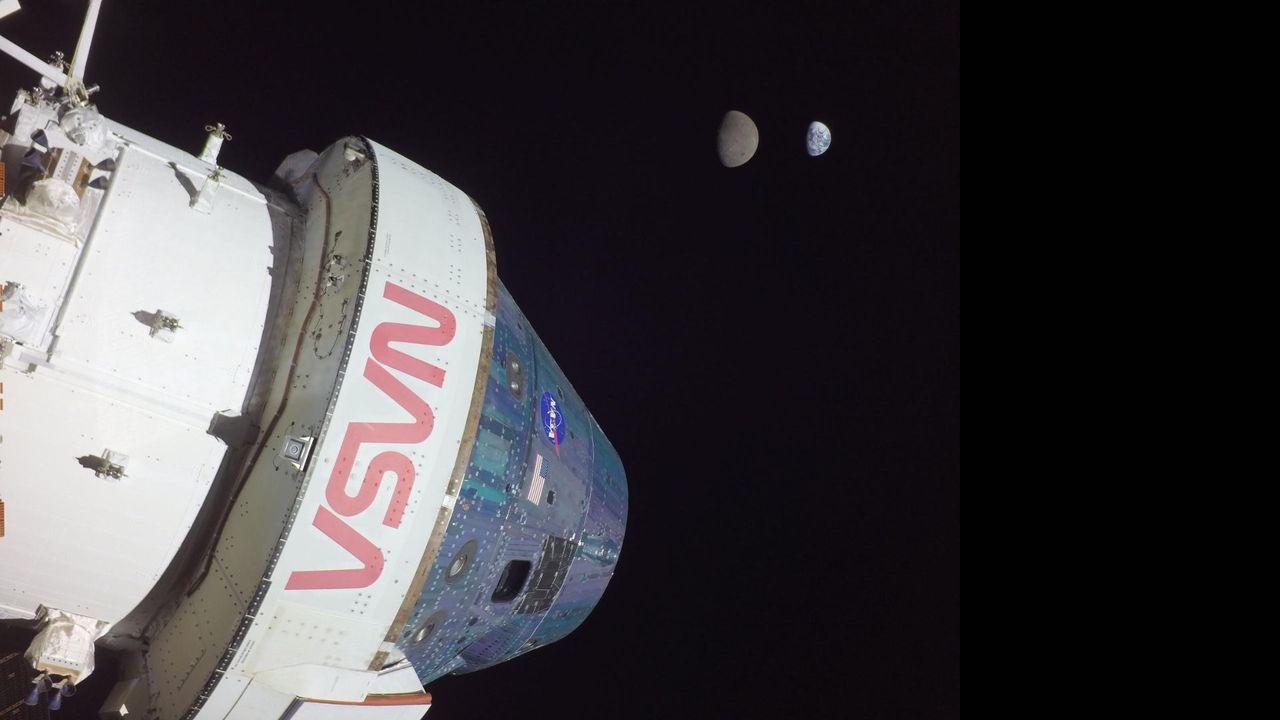
NASA announced a day‑long series of panels and briefings on March 24 to update the public on its Artemis moon plans and the implementation of President Trump’s National Space Policy. Three livestream events will begin at 9 a.m. EDT, followed by sessions at 1 p.m. And a 4:45 p.m. News conference featuring top officials. The day will also cover recent changes to the Artemis program, shifting the first crewed lunar landing to Artemis 4 and outlining the upcoming Artemis 2 launch on April 1. Viewers can watch the events live via NASA+ or Space.com.
Scientists find 2 'failed stars' that may have a second chance to shine bright — by getting together
Original Publication Date: 2026-03-23 21:02
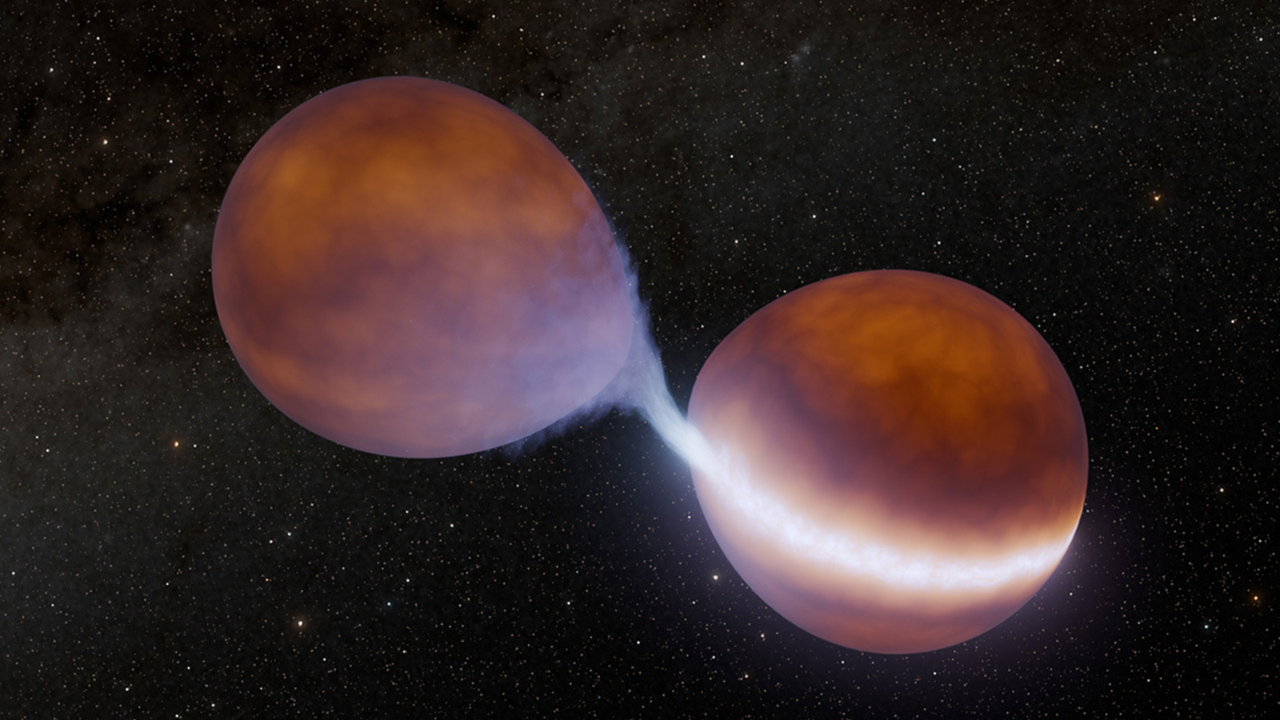
Scientists using the Zwicky Transient Facility have discovered a tight pair of brown dwarfs—failed stars—orbiting each other so closely that one is siphoning material from the other, potentially giving the recipient enough mass to ignite nuclear fusion. The system, located about 1,000 light‑years away in Ursa Major, shows a dramatic 57‑second brightness flicker caused by a hot spot where the transferred matter impacts the companion. If the mass transfer continues or the two objects collide, they could merge into a new, fully fledged star. This finding suggests that even failed stars can have a second chance at shining.
2nd-ever test flight of NASA's 'quiet' X-59 supersonic jet cut short by glitch
Original Publication Date: 2026-03-23 17:22
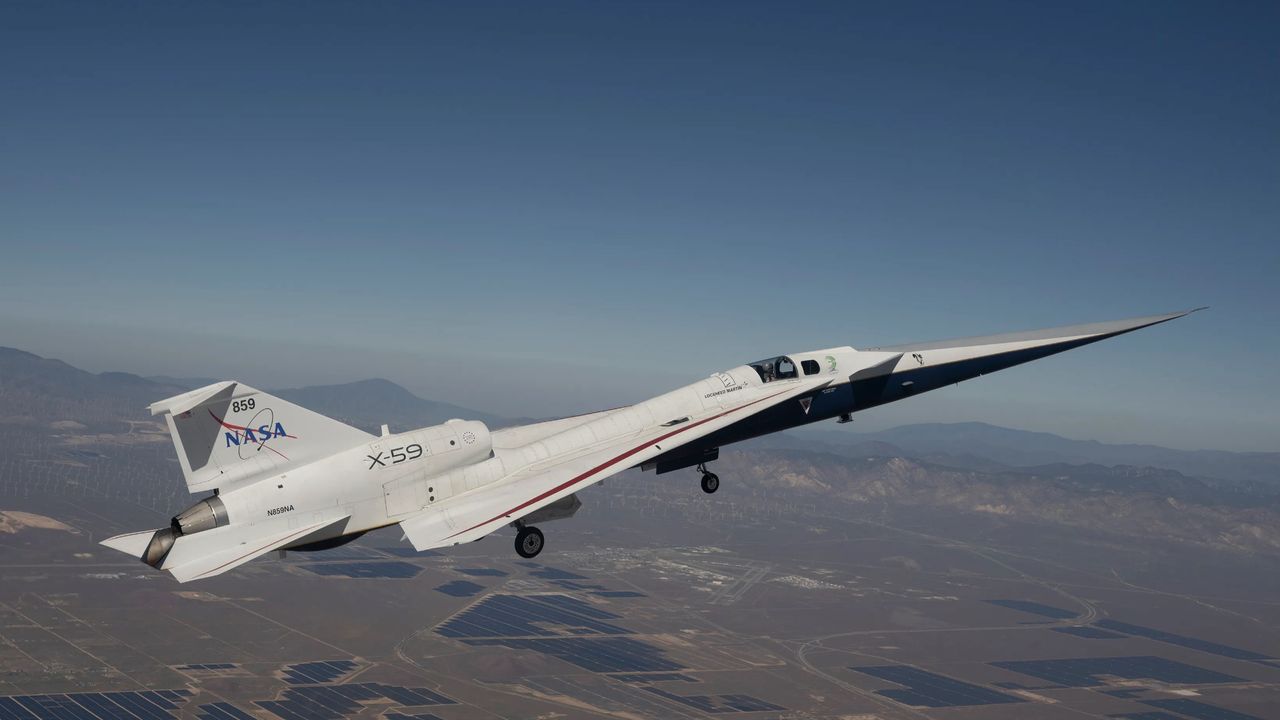
NASA’s quiet supersonic X‑59 jet completed its second test flight on March 20, but the mission was cut short to just nine minutes when a cockpit warning forced an early return. The pilot landed safely at Edwards Air Force Base, and the team collected valuable data despite the brief flight. The X‑59, part of NASA’s Quesst program, aims to prove that supersonic travel can produce only gentle thumps instead of disruptive booms, potentially opening the way for future commercial supersonic flights. Engineers are reviewing the warning to prepare for the next test in the long‑term flight‑test campaign.
Triangulum Galaxy dazzles in psychedelic color | Space photo of the day for March 23, 2026
Original Publication Date: 2026-03-23 14:00
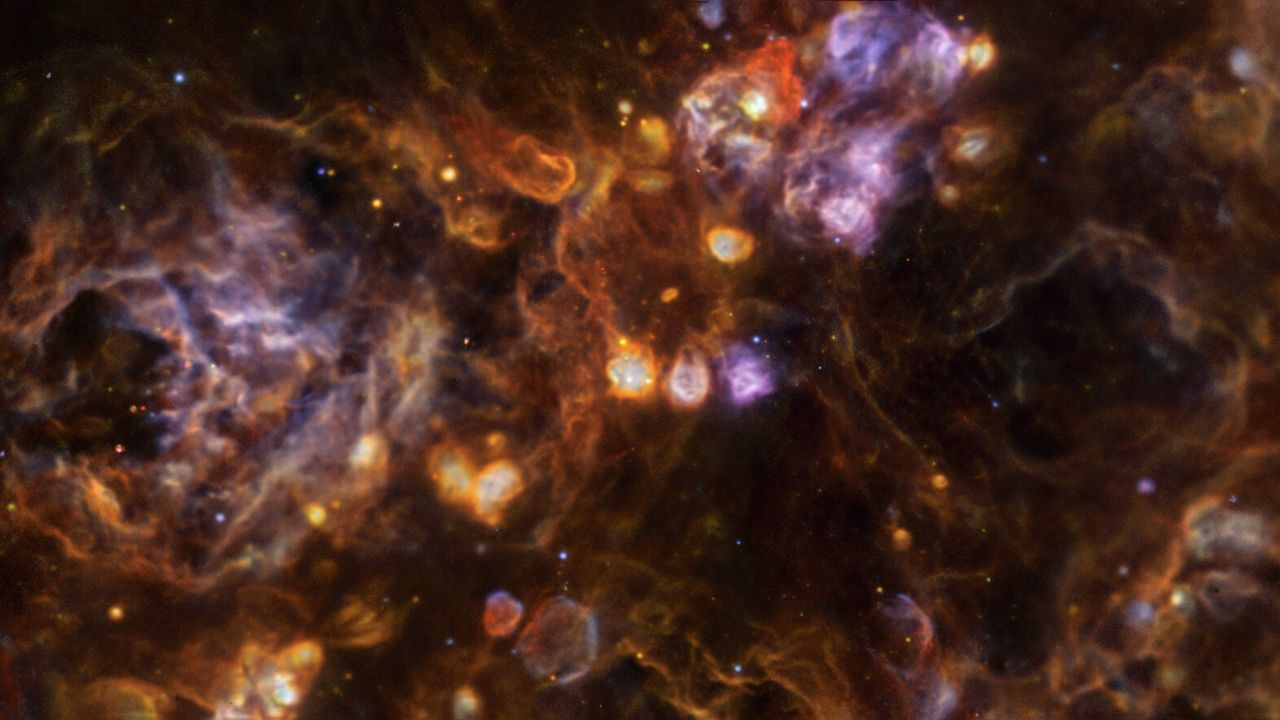
The Very Large Telescope in Chile’s Atacama Desert has released a vivid new portrait of the Triangulum Galaxy, showing colorful clouds of gas amid its 40 billion stars. Using the MUSE instrument, astronomers split the galaxy’s light into wavelengths, revealing oxygen in blue, hydrogen in green and sulfur in red. The image, captured about 3 million light‑years from Earth, highlights how young stars ionize surrounding gas, making these star‑forming regions glow in a spectacular, dynamic display. This striking view underscores that the space between stars is far from empty, but a complex, beautiful laboratory of stellar birth.
Are mysterious 'Little Red Dots' discovered by the James Webb Space Telescope actually baby galaxies under construction?
Original Publication Date: 2026-03-23 12:00
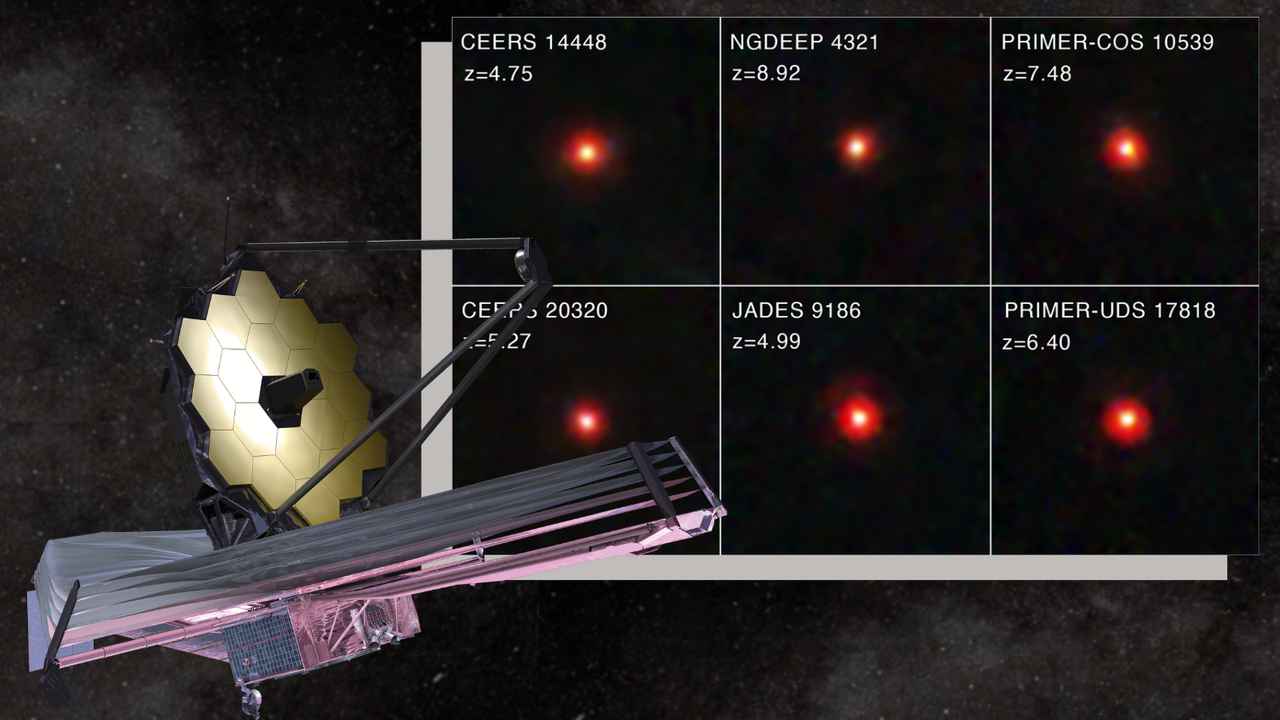
The James Webb Space Telescope has spotted a mysterious class of distant objects known as “Little Red Dots” that were once thought to be baby black holes. Recent research proposes instead that these dots are actually nascent globular clusters, lit by short‑lived super‑massive stars, which explains their distinctive V‑shaped spectra. The redshift range and number density of the dots match what we expect for the early stages of globular cluster formation, aligning with the known population of metal‑poor clusters in the present universe.
A mission NASA might kill is still returning fascinating science from Jupiter
Original Publication Date: 2026-03-23 22:49
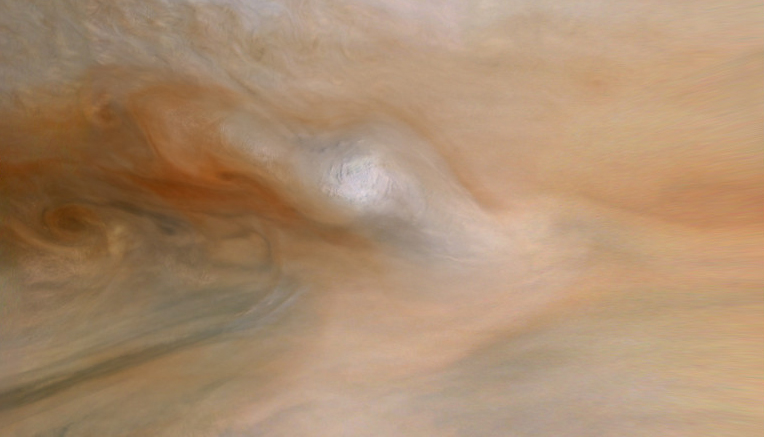
Jupiter’s massive storms produce lightning 100 times stronger than Earth’s, scientists report. Using Juno data from 2021‑22, the study—published March 20 in AGU Advances—highlights the planet’s extreme electrical activity. While Juno remains healthy, NASA has yet to decide on another extension amid budget cuts that have sparked questions about the mission’s future and other robotic probes. The Trump administration’s closeout request and a proposed near‑half cut to NASA’s science budget underscore the precarious funding landscape for planetary exploration.
A unique NASA satellite is falling out of orbit—this team is trying to rescue it
Original Publication Date: 2026-03-23 11:00
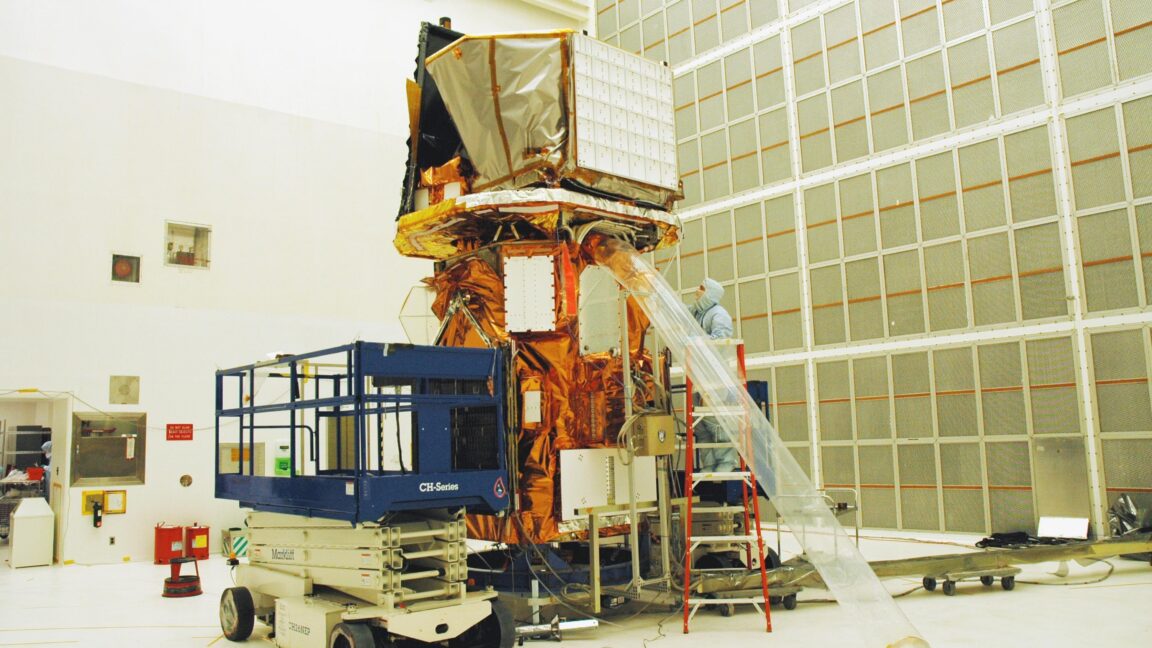
NASA’s 21‑year‑old Swift Observatory, which has been out of commission for over a month, is falling out of orbit as scientists await a pioneering robotic rescue. Unlike flagship missions such as Hubble, Swift is less costly—about $500 million—making a commercial rescue a more attractive option.