 Spotify
 Apple Podcasts
 Podcast Addict
 Overcast
 Podcast RSS
Nvidia unveils AI computing module for space-based data centers
Original Publication Date: 2026-03-16 22:17
Nvidia announced at its GTC conference that it is developing the Space‑1 Vera Rubin Module, a compact AI computing system that promises more power than its H100 GPU for use in satellites and future orbital data centers.
Kayrros sale signals rising demand for satellite intelligence amid Hormuz crisis
Original Publication Date: 2026-03-16 21:47
Tensions in the Strait of Hormuz have sharply increased demand for commercial geospatial intelligence. Kayrros, a satellite analytics provider, has agreed to be acquired by Energy Aspects, underscoring the growing appetite for real‑time, high‑resolution data. The deal signals that geopolitical instability is driving companies to seek satellite‑based insights to monitor critical chokepoints. This acquisition marks a new era of satellite intelligence in the energy sector.
Melagen Labs and Satlyt Announce Joint ISS Mission to Demonstrate Radiation-Resilient In-Orbit Computing and Next-Gen Shielding
Original Publication Date: 2026-03-16 16:00
Melagen Labs and Satlyt have announced a joint technology demonstration aboard the International Space Station using the AEGIS MISSE platform. The collaboration aims to showcase radiation‑resilient in‑orbit computing and next‑generation shielding solutions. The ISS payload will generate data on how these technologies perform in the harsh space environment. This effort marks a significant step toward more robust spacecraft systems for future missions.
Kepler Communications: Call for Live-Stream Payload Concepts
Original Publication Date: 2026-03-16 15:00
Kepler Communications is calling on satellite developers to propose payloads that can deliver persistent, real‑time data streams from Low Earth Orbit. The company will soon begin integrating the few remaining hosted payload slots available for such missions. Interested parties should submit their concepts promptly, as the window for participation is closing. This opportunity could accelerate real‑time space data services across the industry.
Investing in student programs is essential for America’s lead in space
Original Publication Date: 2026-03-16 13:00
University of Illinois’ SEAQUE experiment has proven a milestone in the global push for quantum
SpaceX reaches 10,000 simultaneous Starlink satellites in orbit following Falcon 9 launch from California
Original Publication Date: 2026-03-16 21:51

SpaceX’s Falcon 9 launched Starlink Group 17‑24, deploying 25 V2 Mini satellites and pushing the company past 10,000 active satellites in low‑Earth orbit—a milestone reached less than seven years after its first launch. The launch, which landed the first‑stage booster on the drone ship “Of Course I Still Love,” also marked the 17th Vandenberg launch of the year and coincided with the 100th anniversary of Robert Goddard’s liquid‑propelled rocket.
L3Harris Unveils XL-300P: The First P25 Handheld with 5G and Satellite Direct-to-Device Connectivity
Original Publication Date: 2026-03-16 20:01

L3Harris Technologies unveiled its XL‑300P at the IWCE 2026 in Las Vegas, aiming to fill the critical communications gap where terrestrial signals fail. The new system promises robust, high‑capacity connectivity for military and commercial users in challenging environments. By leveraging advanced satellite and phased‑array technologies, the XL‑300P can provide reliable links even in contested or remote regions. This launch marks a significant step toward ensuring uninterrupted communications for defense operations worldwide.
Nigus and Elmirate Partner on $200 Million Defense and Satellite Manufacturing Initiative in Nigeria
Original Publication Date: 2026-03-16 19:46

Nigus International Investment Limited and UAE’s Elmirate Capital signed a strategic MoU on March 16, 2026, to launch a joint venture focused on advanced defense and satellite technology. The partnership will pool capital, expertise, and research capabilities to develop cutting‑edge defense systems and satellite solutions for both military and commercial markets.
Rheinmetall Walked Away. Germany Should Take the Hint.
Original Publication Date: 2026-03-16 16:00
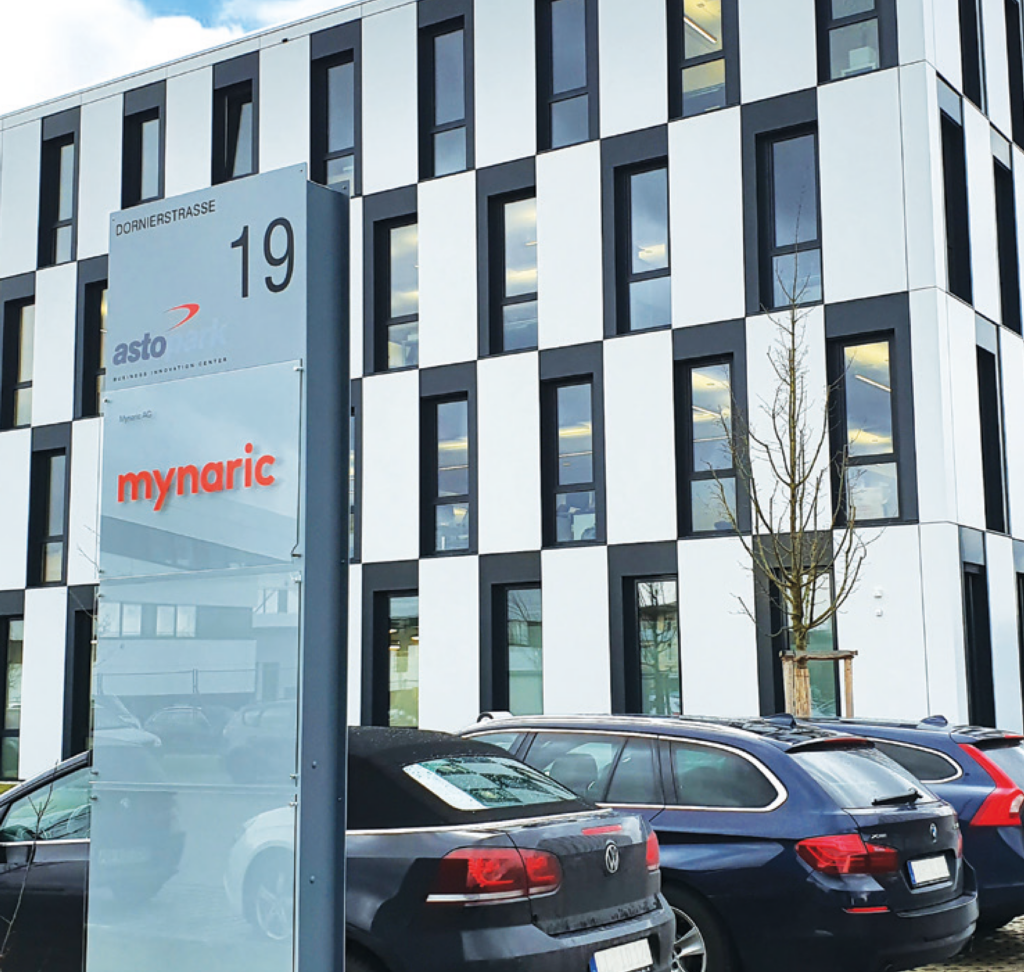
Germany’s attempt to block Rocket Lab’s $150 million purchase of U.S. Defense firm Mynaric has collapsed after Rheinmetall abandoned its competing bid. Over 90% of Mynaric’s backlog is funded by the U.S. Department of Defense, so the company is not a German sovereign asset. This removes the legal basis Germany used to justify the acquisition’s blockade. Consequently, the deal can now move forward without obstruction.
Lynk Global Files for FCC Experimental License to Test Multi-Orbit D2D Relay
Original Publication Date: 2026-03-16 14:06
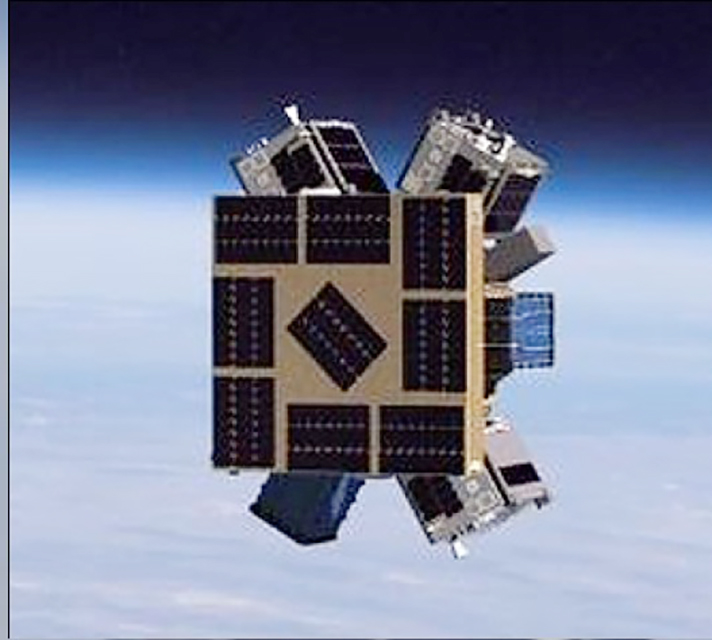
Lynk Global, a pioneer in direct‑to‑device communications, has petitioned the Federal Communications Commission for an experimental license to test a groundbreaking multi‑orbit relay architecture. The company aims to validate the system’s ability to connect satellites across multiple orbital planes, potentially expanding global connectivity. By leveraging this experimental framework, Lynk hopes to demonstrate the feasibility of its first‑of‑its‑kind relay network. The FCC will review the application and decide whether to grant the license.
L3Harris Honors Goddard Centennial with Advances in Nuclear and Electric Propulsion
Original Publication Date: 2026-03-16 13:55
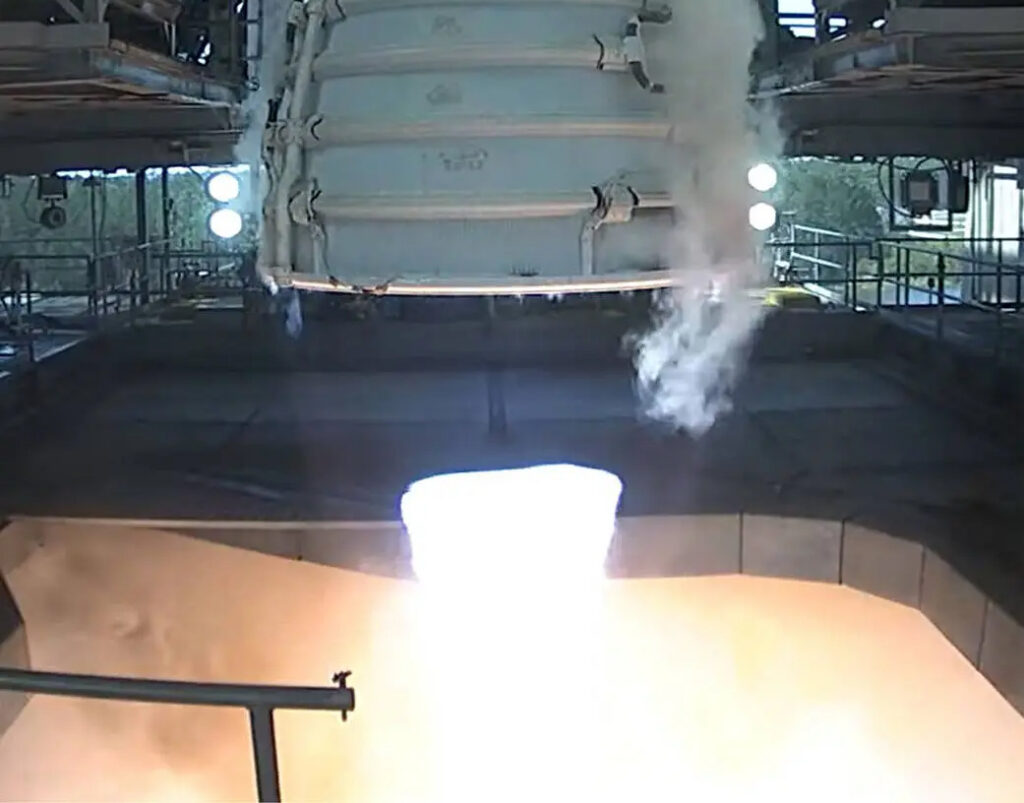
Exactly a century ago, Dr. Robert H. Goddard fired the world’s first liquid‑fueled rocket in Auburn, Massachusetts, a milestone that reshaped spaceflight. Today, L3Harris Technologies, a leader in defense and aerospace, commemorates that anniversary, highlighting its own heritage in advanced propulsion and satellite technology. The company unveiled new initiatives honoring Goddard’s legacy while showcasing cutting‑edge innovations for future missions. By celebrating this historic launch, L3Harris underscores the enduring impact of Goddard’s pioneering work on modern aerospace engineering.
A Bit of Gray on an Emerald Isle
Original Publication Date: 2026-03-17 04:01

NASA Earth Observatory’s Landsat 8 captured a gray limestone pavement in Ireland’s Burren region on May 16, 2025, revealing the area’s ancient Carboniferous rock. This limestone, folded during the Variscan Orogeny and later sculpted by glaciers, forms the Burren’s terraced hills and karst features such as sinkholes, caves, and grikes. The grikes collect soil and support plants—including the iconic shamrock—creating green spots amid the rugged gray landscape. The image illustrates how geological history and erosion have shaped a unique Irish landscape that blends rugged stone with pockets of lush vegetation.
NASA Invites Media to Learn About Upcoming X-59 Test Flights
Original Publication Date: 2026-03-16 19:48

NASA’s X‑59 quiet supersonic aircraft completed an engine run test on March 12, 2026, at the Armstrong Flight Research Center in Edwards, California. The agency will hold a media teleconference on March 19 at 5:30 p.
SPARCS CubeSat ‘First Light’ Images
Original Publication Date: 2026-03-16 18:52

NASA’s SPARCS CubeSat has taken its first images of stars in both near‑ and far‑ultraviolet light, revealing temperature differences among nearby low‑mass stars. Launched aboard a SpaceX Falcon 9 on January 11, the 1‑year mission will monitor flares and sunspot activity on roughly 20 of the galaxy’s most common stars, many of which host potentially habitable planets.
To Protect Artemis II Astronauts, NASA Experts Keep Eyes on Sun
Original Publication Date: 2026-03-16 18:42
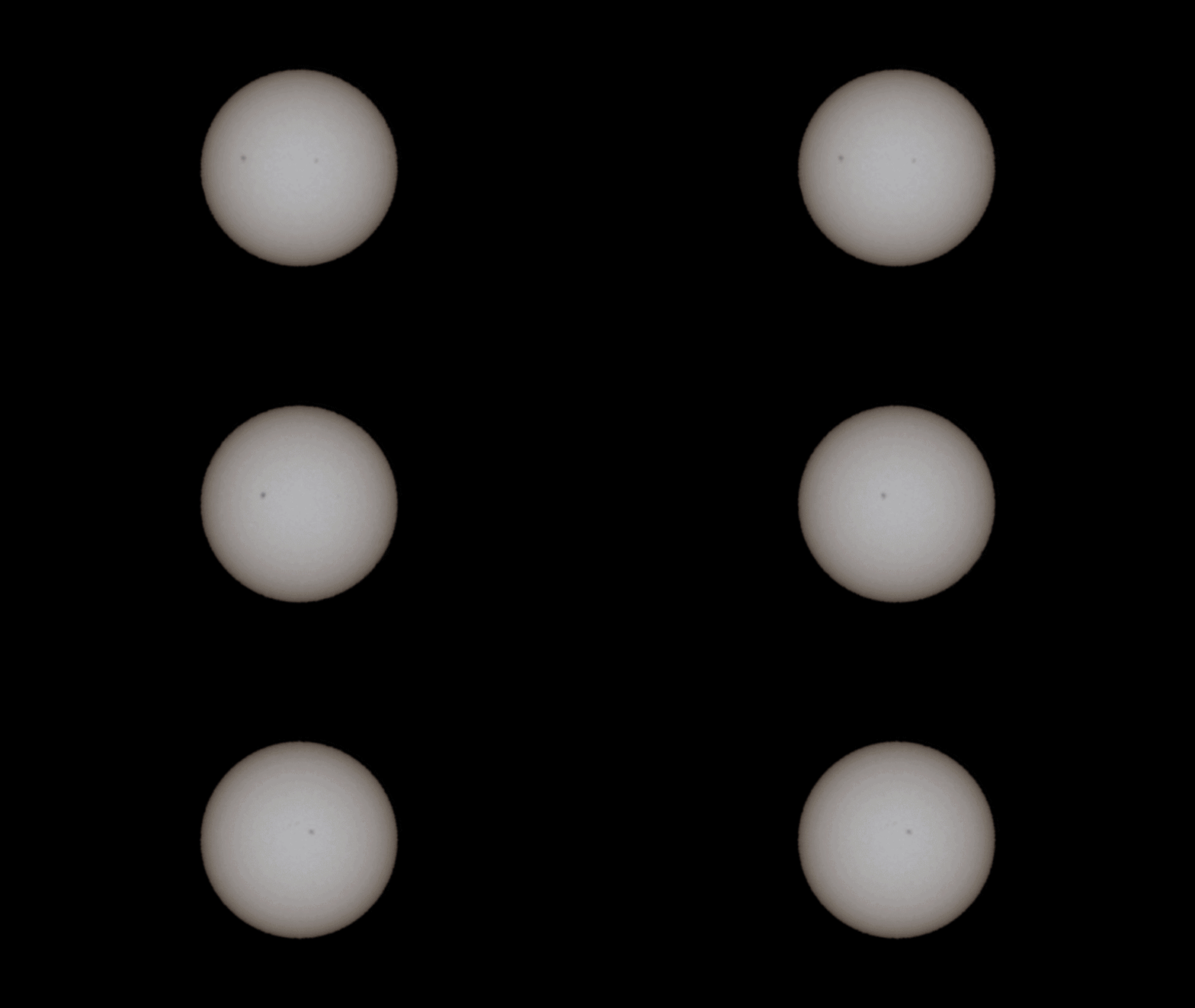
NASA’s Artemis II crew will leave Earth’s magnetic shield and journey around the Moon, with the Orion capsule acting as their primary shield against the Sun’s fierce solar flares and coronal mass ejections. Ground teams from NASA and NOAA will monitor the Sun 24/7, using data from spacecraft such as the Interstellar Mapping and Acceleration Probe and even the Perseverance rover on Mars to spot sunspots before they face Earth. Inside Orion, six radiation sensors and personal dosimeters will track particle levels, and if thresholds are crossed the crew can reconfigure the cabin to add mass and reduce exposure. With real‑time space‑weather analysis and emergency protocols in place, the astronauts’ safety will be protected even as they traverse the most energetic environment the solar system can offer.
Celebrating 100 Years Since Goddard’s Breakthrough Moment in Modern Rocketry
Original Publication Date: 2026-03-16 13:58
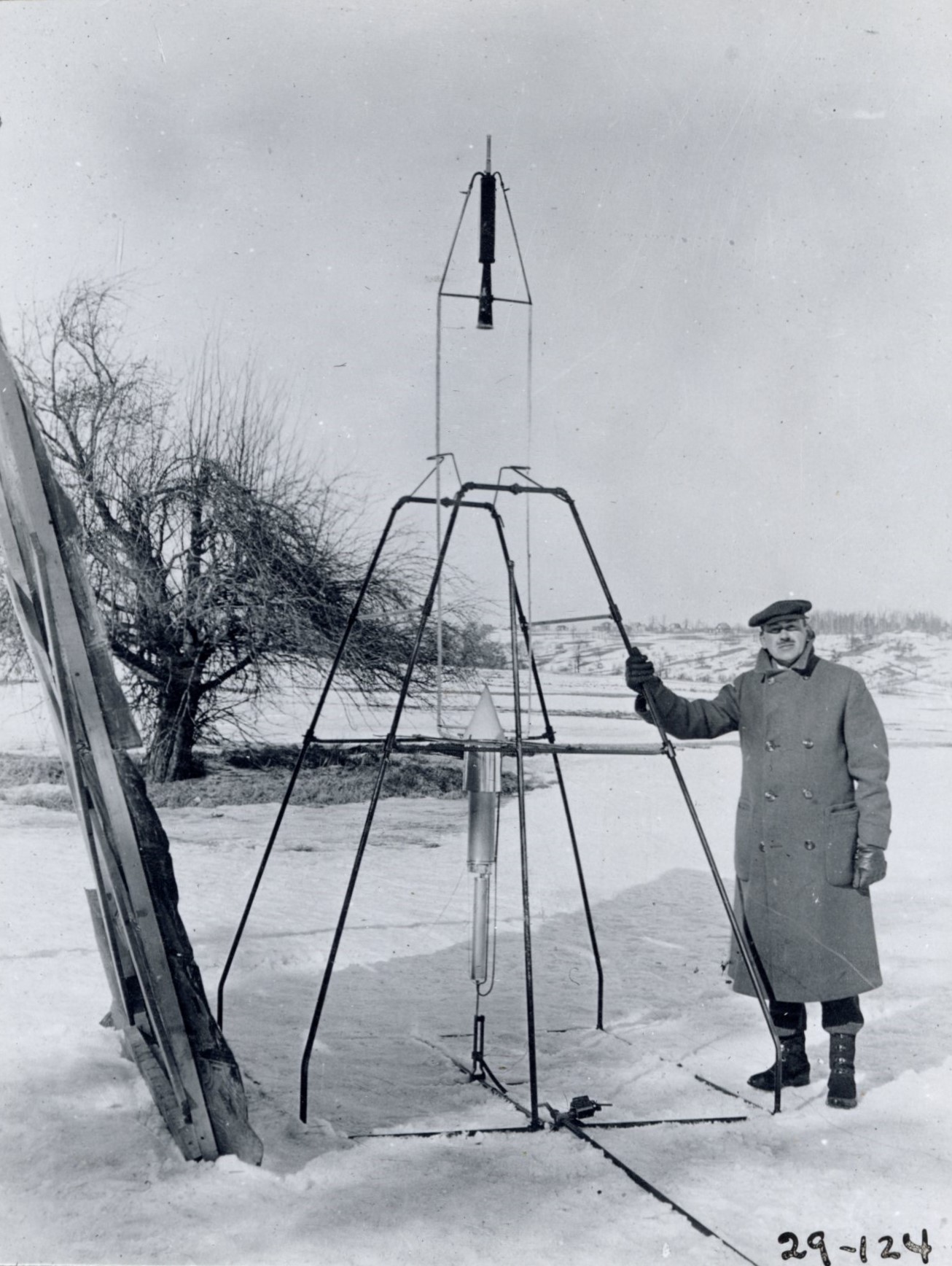
Today marks the centennial of the first liquid‑fueled rocket launch, a milestone achieved by physicist Dr. Robert H. Goddard on March 16, 1926, at his Aunt Effie’s farm in Auburn, Massachusetts. His modest 41‑foot flight, powered by liquid oxygen and gasoline, lasted just 2.5 seconds but proved the viability of rocket propulsion and sparked the era of space exploration. Over the next decades, Goddard refined rocket steering, fuel pumps, and engine pivoting, laying the groundwork for the satellites and missions that now navigate, communicate, and expand our knowledge of the cosmos. His pioneering work remains the cornerstone of modern spaceflight technology.
Launch Preview: Falcon 9, Spectrum, Electron to launch during busy week of launches
Original Publication Date: 2026-03-16 23:24

Nine rockets are scheduled to lift off this week, with SpaceX dominating the calendar with five Starlink missions from Vandenberg and Cape Canaveral. Internationally, Rocket Lab will fire an Electron rocket from New Zealand to launch an Earth‑observation satellite, while Isar Aerospace attempts a second flight of its Spectrum rocket from Norway carrying six European payloads. China also adds to the action, launching a Kuaizhou 11 rideshare mission from Jiuquan carrying eight satellites into sun‑synchronous orbit. All of these launches demonstrate the global growth of commercial spaceflight this week.
Leonardo’s Missile-Defense Demo in Ukraine Aims To Be a Blueprint for Other Nations
Original Publication Date: 2026-03-16 12:43

Leonardo aims to generate €30 billion in annual revenue by 2030 by expanding its missile‑defense and space capabilities. The company will begin testing its Michelangelo Dome shield in Ukraine this year, with NATO trials planned for 2027, creating a 10‑15 km “dead zone” against drones, missiles, and other threats. To feed the dome, Leonardo will launch a 20‑satellite Space Guardian constellation from 2027, offering real‑time EO, SAR, and high‑resolution optical data. With roughly 20 countries already interested and an expected €21 billion in new business, Leonardo is positioning itself as a global security power player by 2030.
Isaacman Plans Monthly Uncrewed Lunar Landings In 2027
Original Publication Date: 2026-03-16 12:32
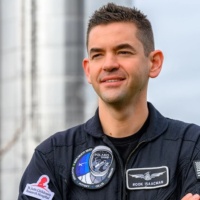
NASA Administrator Jared Isaacman has announced a bold plan to launch monthly uncrewed lunar lander missions to the South Pole beginning in 2027, using the CLPS program framework to lay the groundwork for a future Moon base. He highlighted the need for essential infrastructure—such as communications, nuclear power generation, and surface improvement demonstrations that test regolith manipulation for stable landing pads. The initiative also calls for a workforce overhaul, with thousands of applicants at KSC vying to transition from contractors to NASA civil servants, and policy changes underway to ensure all Mission Control staff are full‑time civil servants. This comprehensive strategy aims to secure the long‑term team and capabilities necessary for a crewed lunar landing in the coming years.
Jeff Bezos' Blue Origin wants to defend Earth against dangerous asteroids. Here's how
Original Publication Date: 2026-03-17 10:00
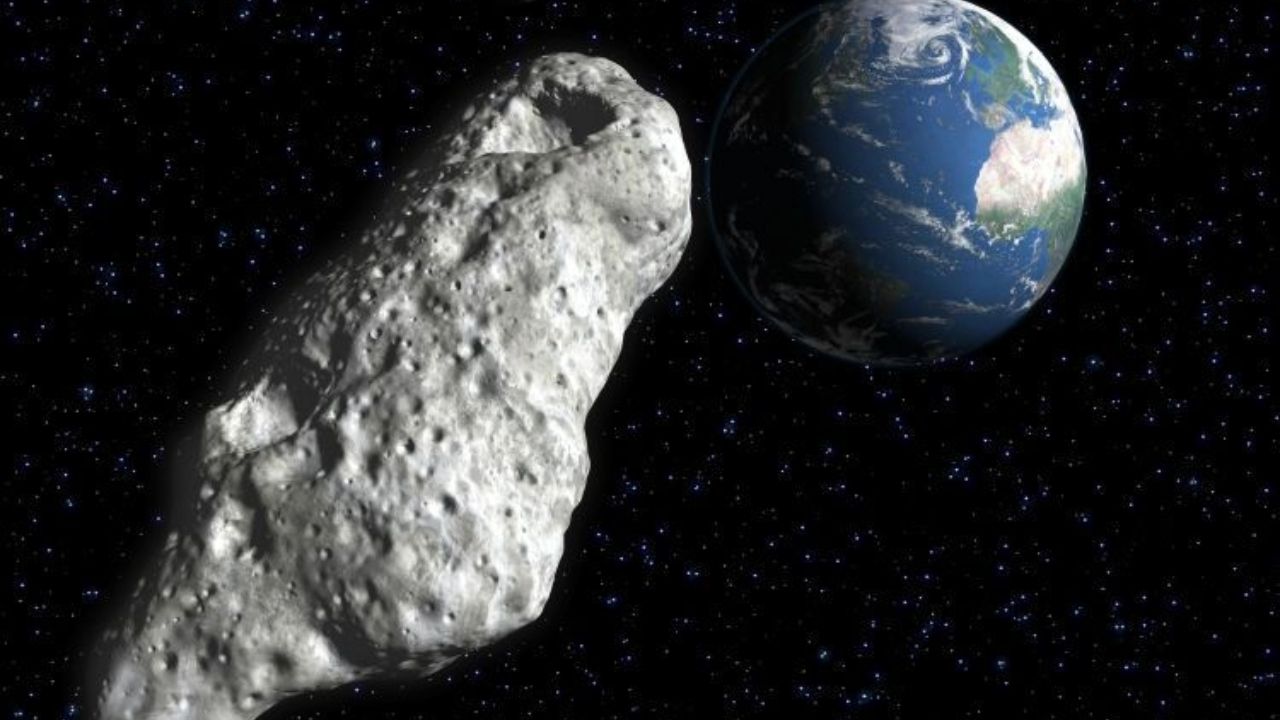
Jeff Bezos' Blue Origin is teaming with NASA’s Jet Propulsion Laboratory and Caltech to launch the NEO Hunter mission, using its modular Blue Ring spacecraft to defend Earth from potentially hazardous asteroids.
How fast is the universe expanding? Astronomers may be one step closer to resolving 'Hubble trouble'
Original Publication Date: 2026-03-16 21:00

Astronomers have discovered that the nearby universe may be expanding more slowly than previously believed. Two independent studies, examining the gravitational tug‑of‑war within the Centaurus A and M81 galaxy groups, measured a lower local Hubble constant. This new value brings the local measurement into alignment with the cosmic microwave background estimate, easing the long‑standing Hubble tension and hinting that less dark matter may be needed to explain galactic dynamics. The results suggest our cosmic neighborhood is less stretched than we thought, offering a fresh perspective on the universe’s rate of growth.
100 years after Robert Goddard's 1st liquid-fueled rocket launch, NASA is using the technology to send astronauts back to the moon
Original Publication Date: 2026-03-16 19:00
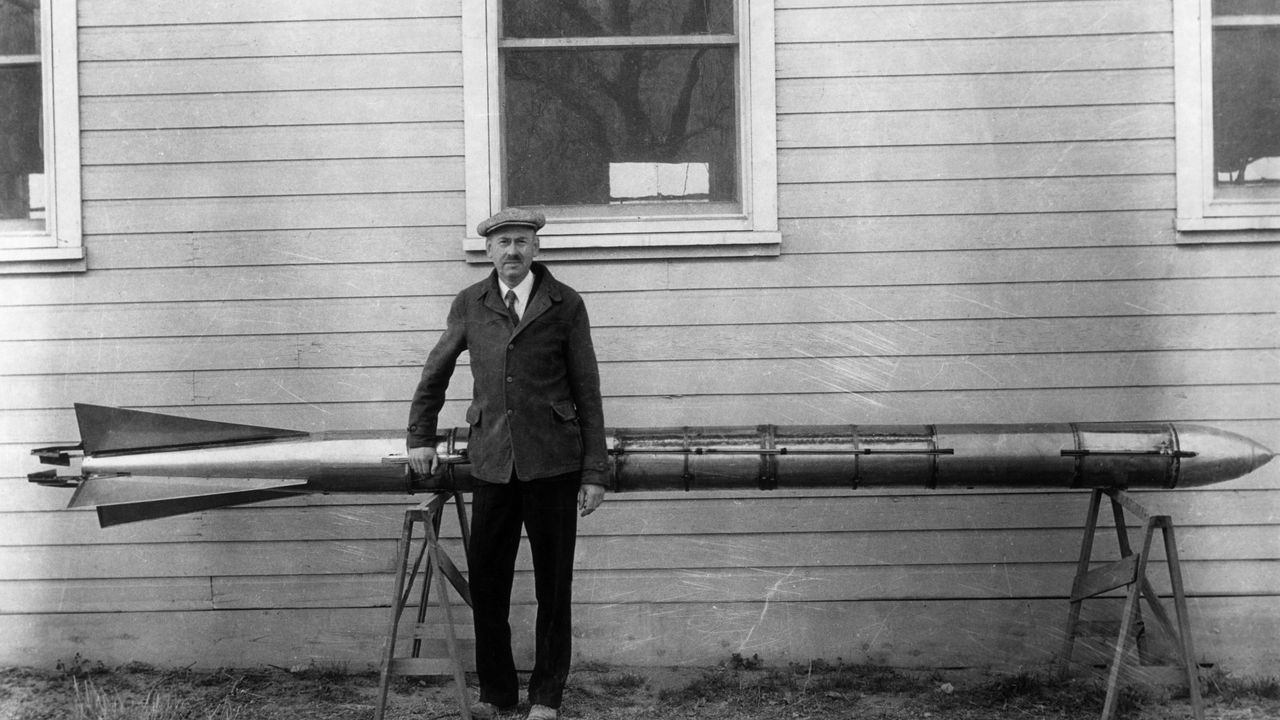
Today marks 100 years since Robert Goddard’s liquid‑fuel rocket lifted off, a breakthrough that paved the way for every modern launch vehicle. His pioneering design, which rose just 40 feet from a cabbage field, now underpins NASA’s Artemis program, whose SLS booster is 30 times larger than Goddard’s original craft. The Artemis 2 mission, slated for launch no earlier than April 1, will send Orion and four astronauts on a 10‑day lunar fly‑by before returning them to Earth. Goddard’s legacy lives on as we head back to the Moon, proving that the first spark of curiosity still powers humanity’s greatest adventures.
Astronomers discover a new type of planet that probably smells like rotten eggs
Original Publication Date: 2026-03-16 18:00
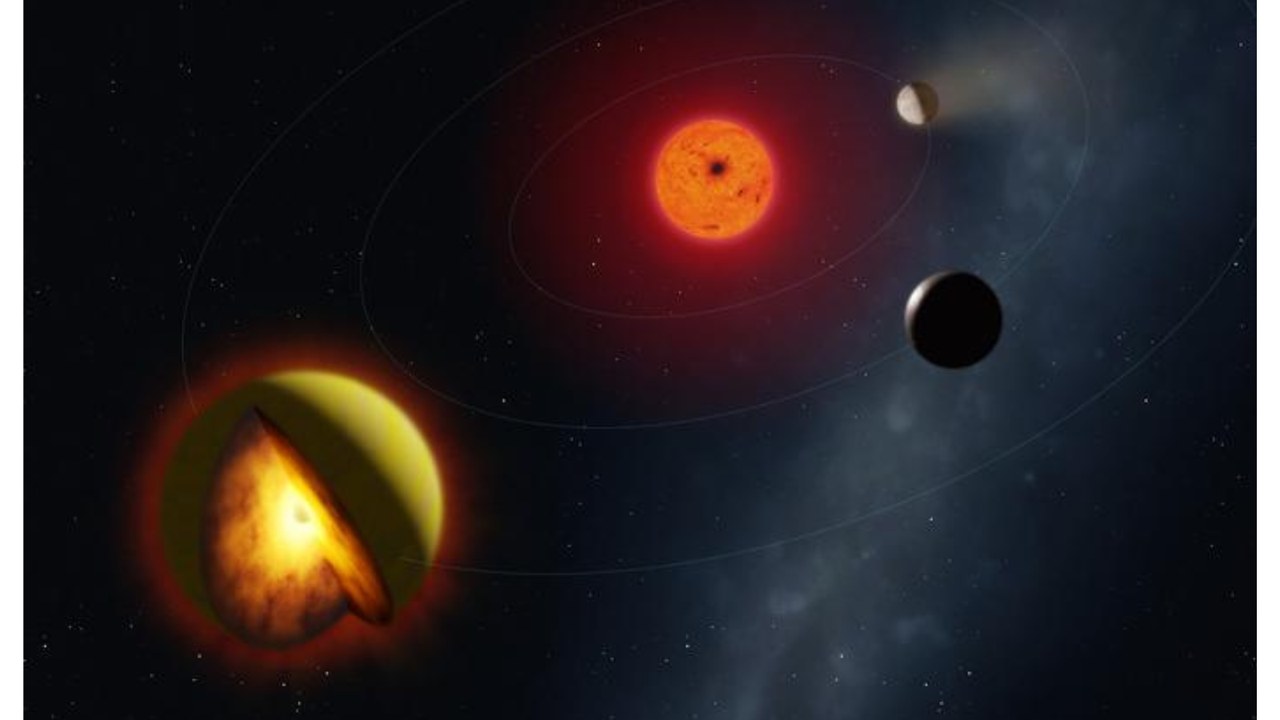
Astronomers using the James Webb Space Telescope have identified a new class of exoplanet, L 98‑59 d, that is 1.6 times Earth’s size and orbits a red dwarf 35 light‑years away. The planet appears to be a molten world with a global magma ocean, and its atmosphere is saturated with hydrogen sulfide, giving it a distinct rotten‑egg smell. This sulfur‑rich, low‑density planet defies existing categories of rocky gas dwarfs or hycean ocean worlds, prompting scientists to propose a fresh classification of sulfur‑laden, magma‑ocean exoplanets. The discovery highlights the vast and varied diversity of worlds beyond our solar system.
Timboy Chaco in the Mars borderlands | Space photo of the day for March 16, 2026
Original Publication Date: 2026-03-16 14:30
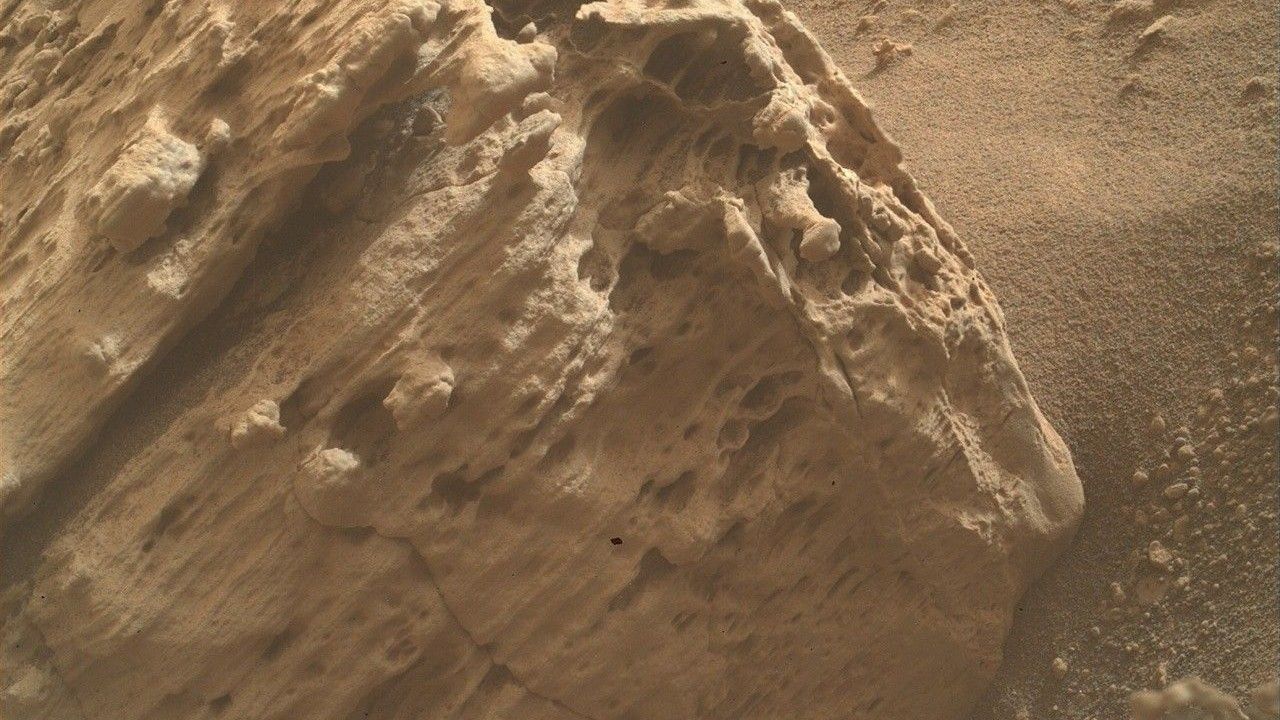
NASA’s Curiosity rover has spotted a striking pitted rock face dubbed “Timboy Chaco” on Mount Sharp inside Gale Crater, a feature that reveals the ancient “boxwork” formations carved by wind and erosion. These spider‑web‑like ridges are the fingerprints of water that once flowed through the region, leaving behind rich mineral deposits. Scientists are eager to analyze these rocks in hopes of uncovering microbial life that may have been trapped in the ancient groundwater. Curiosity’s investigation of the eastern and southern borderlands continues, shedding new light on how long Mars’ water—and potentially its habitability—persisted.