 Spotify
 Apple Podcasts
 Podcast Addict
 Overcast
 Podcast RSS
Meridian Space Diplomacy Forum & Executive Space Training – March 25 & 26
Original Publication Date: 2026-03-09 21:52
Meridian International Center is relaunching its Space Diplomacy Forum: Shared Horizons, a half‑day event aimed at advancing international cooperation in outer space. The forum will take place on March 25‑26 and features executive space‑training sessions for policymakers, industry leaders and academics. By bringing together key stakeholders, the event seeks to shape collaborative space policy and underscore the growing importance of diplomatic engagement in the expanding space sector.
SSTL to build spacecraft for private space telescope
Original Publication Date: 2026-03-09 21:48
Surrey Satellite Technology Ltd. Has been selected to build the spacecraft platform for Lazuli, a privately funded space telescope with a 3‑meter primary mirror larger than Hubble’s, slated to launch by mid‑2028. The platform will handle attitude control, propulsion and communications, leveraging SSTL’s proven small‑satellite approach of rapid development and commercial parts reuse. The project, backed by Eric and Wendy Schmidt’s observatory system, is expected to cost a few hundred million dollars—roughly one‑tenth the price of a typical NASA flagship mission. This partnership marks a bold step in applying SSTL’s compact engineering philosophy to a large, deep‑space observatory.
Missile detection satellites designed by BAE Systems pass early review
Original Publication Date: 2026-03-09 21:15
BAE Systems’ missile‑tracking satellite constellation for the U.S. Space Force has cleared its preliminary design review, a key milestone in the program. The 10 new satellites, part of Epoch 2, will orbit in medium Earth orbit and use infrared sensors to detect and track missile launches, including advanced hypersonic threats. The constellation is being built in incremental batches; the first 12 satellites were already acquired from Boeing’s Millennium Space Systems, bringing the total to 22 spacecraft. This layered network—spanning geosynchronous, medium, and low Earth orbits—provides complementary coverage to improve global missile‑warning and tracking capabilities.
GNSS resilience is an economic and security priority
Original Publication Date: 2026-03-09 13:00
Global Navigation Satellite Systems are now essential to aviation, emergency services, finance, communications, energy and the growing world of autonomous machines. Yet the low‑power signals from medium Earth orbit that keep these services running are surprisingly vulnerable to degradation and interference. Because a single disruption can ripple through critical infrastructure, experts argue that strengthening GNSS resilience should be a top economic and national‑security priority. Ensuring robust satellite navigation is therefore not just a technical challenge, but a strategic imperative for modern society.
Voyager Technologies invests in Max Space
Original Publication Date: 2026-03-09 13:00
Voyager Technologies has quietly poured a low‑eight‑figure investment into Max Space to fast‑track their joint effort on lunar habitats, a move that follows a month‑old announcement of a partnership using Max Space’s expandable module technology. The funding will help Max Space build a new Florida manufacturing plant and launch a series of habitat demonstrations aimed at meeting NASA and White House space‑policy goals. Voyager plans to blend its power and propulsion expertise with Max Space’s inflatable modules to deliver “hardware in space as quickly as possible.” The collaboration signals a broader strategy to support lunar, low‑Earth‑orbit, and deep‑space ambitions while keeping options open for future commercial station projects.
SpaceX launches direct television satellite for EchoStar
Original Publication Date: 2026-03-09 21:58
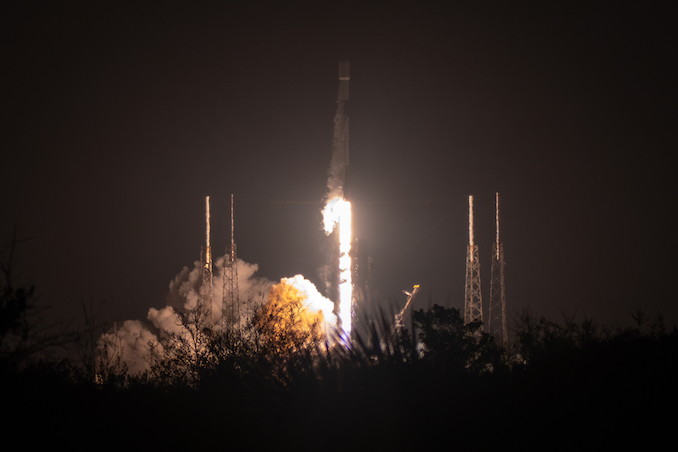
On March 9, 2026, a SpaceX Falcon 9 lifted off from Cape Canaveral’s Space Launch Complex 40 to deliver EchoStar‑25
Lockheed Martin Commits £100M to UK Space Hub; New Manufacturing Plant to Create 2,000 Jobs
Original Publication Date: 2026-03-09 23:14

Lockheed Martin announced a strategic investment of more than £100 million in the United Kingdom’s space sector on Monday, March 9, 2026. The funding will support the development of a massive new space facility in Durham, aimed at boosting satellite manufacturing and launch capabilities. The move underscores the growing partnership between the UK government and the defense contractor to secure a leading position in the global space market. This investment is expected to create jobs and spur innovation across the British aerospace industry.
Blues and Skylo Debut Industry-First Hybrid IoT Module with Seamless Satellite Failover
Original Publication Date: 2026-03-09 21:39
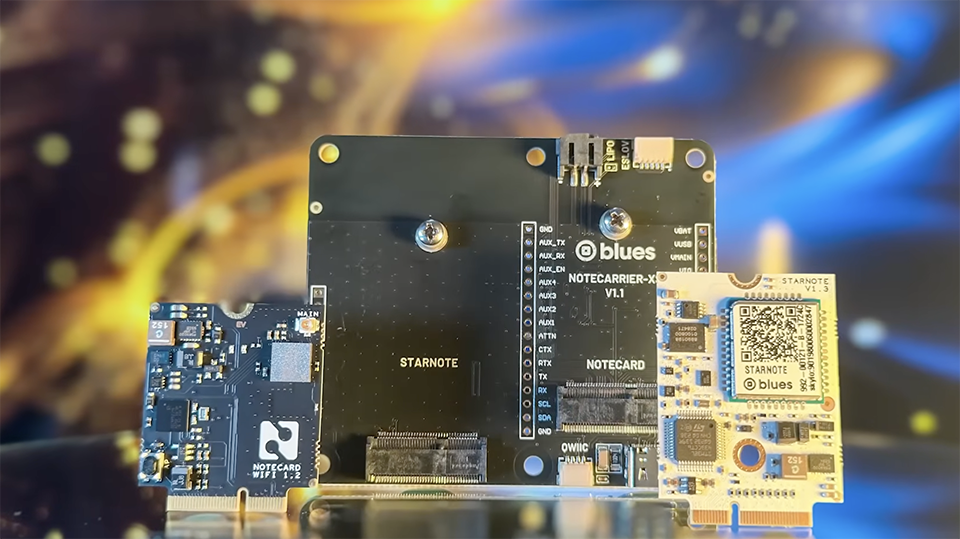
On March 9, 2026, Blues and Skylo Technologies unveiled the Notecard for Skylo, a pioneering system‑on‑module that fuses satellite, cellular, and Wi‑Fi connectivity into a single compact package. The new module promises to streamline IoT deployments by offering reliable, global data links for devices in remote or hard‑to‑reach locations. Designed for rugged environments, it supports low‑power operation and rapid integration with existing hardware. This launch marks a significant step toward universal connectivity for the next generation of connected devices.
SpaceX Evolves Beyond Broadband with “Million-Satellite” AI Data Center Plan; Amazon Mounts Legal Challenge
Original Publication Date: 2026-03-09 19:30

SpaceX, with its fleet of more than 11,000 active Starlink satellites, remains the dominant force in low‑Earth‑orbit broadband. The company has announced a strategic pivot, placing deep‑space exploration and the Starship launch system at the heart of its long‑term plans.
Guardians in the Kill Chain: How the Space Force Led the Opening Salvo of Operation Epic Fury
Original Publication Date: 2026-03-09 15:36
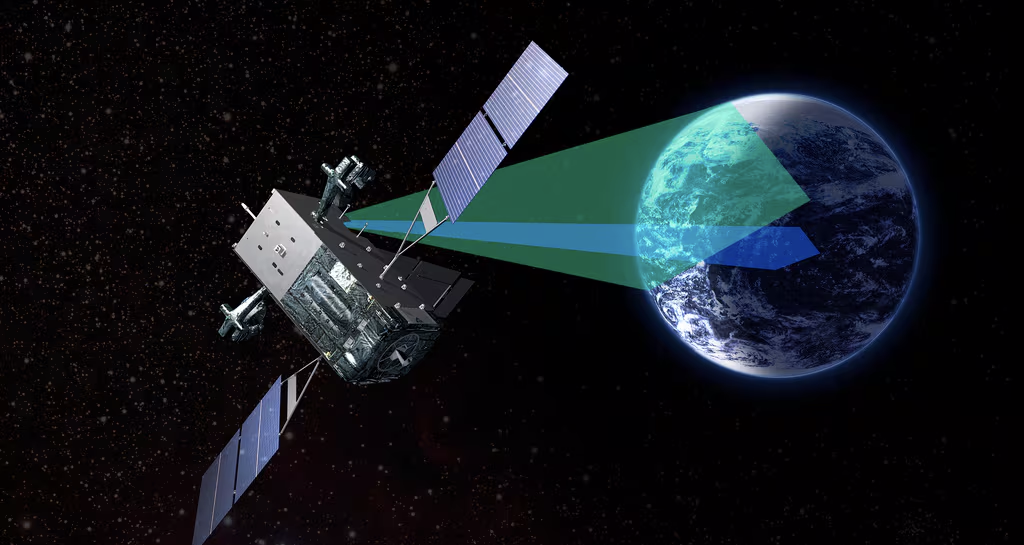
The Pentagon’s latest strategy shows that the real battle for supremacy began well before the first F‑35 stealth fighters entered Iranian airspace on February 28, 2026. While the jets demonstrate U.S. Air dominance, the real contest is taking place 22,000 miles above Earth, where the U.S. Is deploying advanced space‑based systems to secure satellite communications, navigation and intelligence. These space assets give the U.S. A decisive edge, allowing it to control the battlefield from orbit and pre‑empt any hostile actions on the ground. The move underscores that space is now the new frontier for national security.
Danish Army Selects BAE Systems OneArc for 7-Year Simulation Modernization Program
Original Publication Date: 2026-03-09 15:16

On March 9, 2026, BAE Systems OneArc announced that the Danish Army has chosen its OneArc software suite as the foundation for Denmark’s next‑generation enterprise virtual environment. The decision marks a major upgrade to the army’s IT infrastructure, delivering a unified platform for data, logistics, and operational planning. OneArc’s modular, cloud‑native architecture promises greater interoperability and scalability across the Danish defense network. This partnership underscores BAE Systems’ expanding role in European defense technology.
Shades of a Lunar Eclipse
Original Publication Date: 2026-03-10 04:01

On March 3, 2026 a total lunar eclipse cast Earth’s shadow on the full Moon, turning it into a copper‑red “Blood Moon” visible across the Americas, East Asia, Australia, and the Pacific. Observers in those regions watched the dimming lunar surface, while NOAA‑21’s VIIRS satellite captured the changing amount of moonlight reflected back to Earth in a composite image of the Arctic. The satellite’s night‑time observations showed the darkest swath during totality, revealing auroral ribbons and faint city lights, and brighter swaths as the eclipse progressed into the partial phase. The next opportunity to see a total lunar eclipse will be on December 31, 2028, adding a celestial highlight to New Year’s Eve celebrations worldwide.
About Subsonic Flight Demonstrator (SFD) Project
Original Publication Date: 2026-03-09 19:00
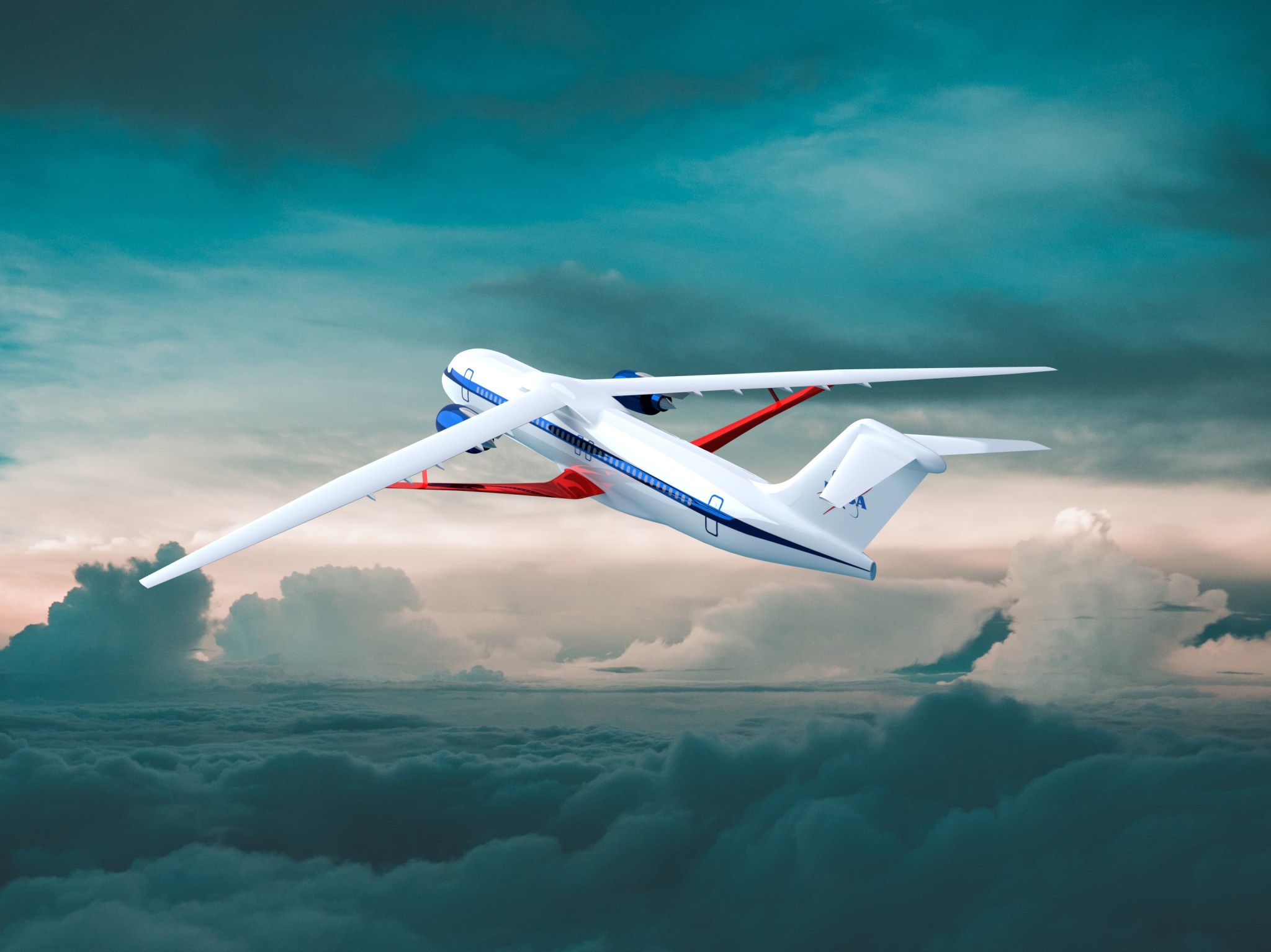
NASA is partnering with industry on the Subsonic Flight Demonstrator project to develop and test new wing designs that could slash fuel consumption in the next generation of single‑aisle airliners. The program will fly an advanced airframe, gather ground data, and validate the benefits of the technology for commercial use.
About Flight Demonstrations and Capabilities (FDC) Project
Original Publication Date: 2026-03-09 18:30
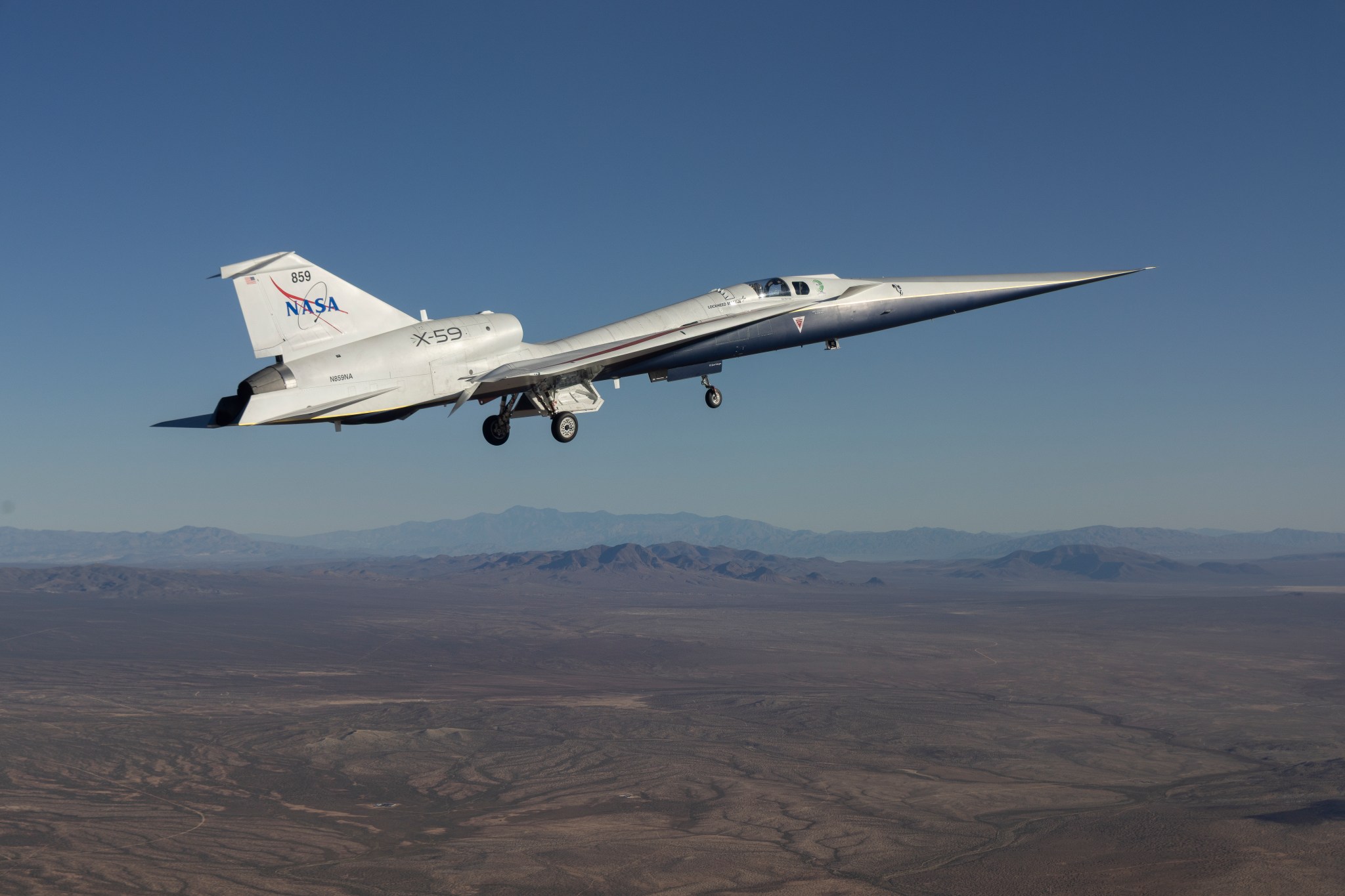
NASA’s X‑59 Quiet Supersonic Technology aircraft lifted off on Tuesday, Oct. 28, 2025, from Air Force Plant 42 in Palmdale, California, marking the first flight of the X‑59 and the start of flight testing for the Quesst mission.
What Is Pi? (Grades 5-8)
Original Publication Date: 2026-03-09 18:10

Pi, the famous 3.14 constant, is an irrational number that never repeats and has been calculated to over a trillion digits, yet NASA and most engineers only need the simple 3.14 approximation for precise work. This unending number defines the ratio of a circle’s circumference to its diameter, making it essential for geometry, physics, engineering, and computer science. NASA relies on pi for everything from sizing parachutes that slow astronauts from the International Space Station to determining the volume and density of planets, asteroids, and spacecraft fuel tanks.
SpaceX’s Enters a new era with Booster 19 rolling to Pad 2
Original Publication Date: 2026-03-09 19:23

SpaceX has rolled its Block 3 Booster 19 to the newly built Pad 2 after a 147‑day gap since the last launch, marking the first test on the 22‑month‑old pad.
Firefly Alpha FLTA007 “Stairway to Seven” launch attempt scrubbed again
Original Publication Date: 2026-03-09 08:27

Firefly Aerospace is set to lift off its Alpha rocket, FLTA007 “Stairway to Seven,” from Vandenberg Space Force Base on Tuesday, March 10 at 5:50 PM PDT after a nearly ten‑month pause following the 2025 FLTA
What to Expect from Starship V3
Original Publication Date: 2026-03-09 12:24
SpaceX CEO Elon Musk announced this weekend that the first launch of Starship V3 is slated for about four weeks from now. The new version will be taller, carry up to 100 tons to low Earth orbit, and feature 280‑ton‑force Raptor V3 engines that deliver roughly 50% more thrust than the current model.
Astrobotic Wins Lunar Wheel Contract For Italian Habitat
Original Publication Date: 2026-03-09 12:21

Astrobotic has secured a contract with Thales Alenia Space to build the wheels for Italy’s Multi‑Purpose Habitation lunar habitat, a key component of the Italian Space Agency’s planned 10‑year mission on the Moon. The lightweight, flexible wheels—scaled up from Astrobotic’s existing Mobility Platform—are designed to reduce launch costs and navigate the Moon’s uneven terrain. The partnership underscores international cooperation, blending Astrobotic’s lunar mobility expertise with Thales Alenia’s habitat leadership. Astrobotic remains active on other projects, including a forthcoming NASA CLPS flight slated for launch no earlier than July.
NASA's asteroid-smashing spacecraft managed to alter target space rocks' orbit around the sun
Original Publication Date: 2026-03-10 10:00
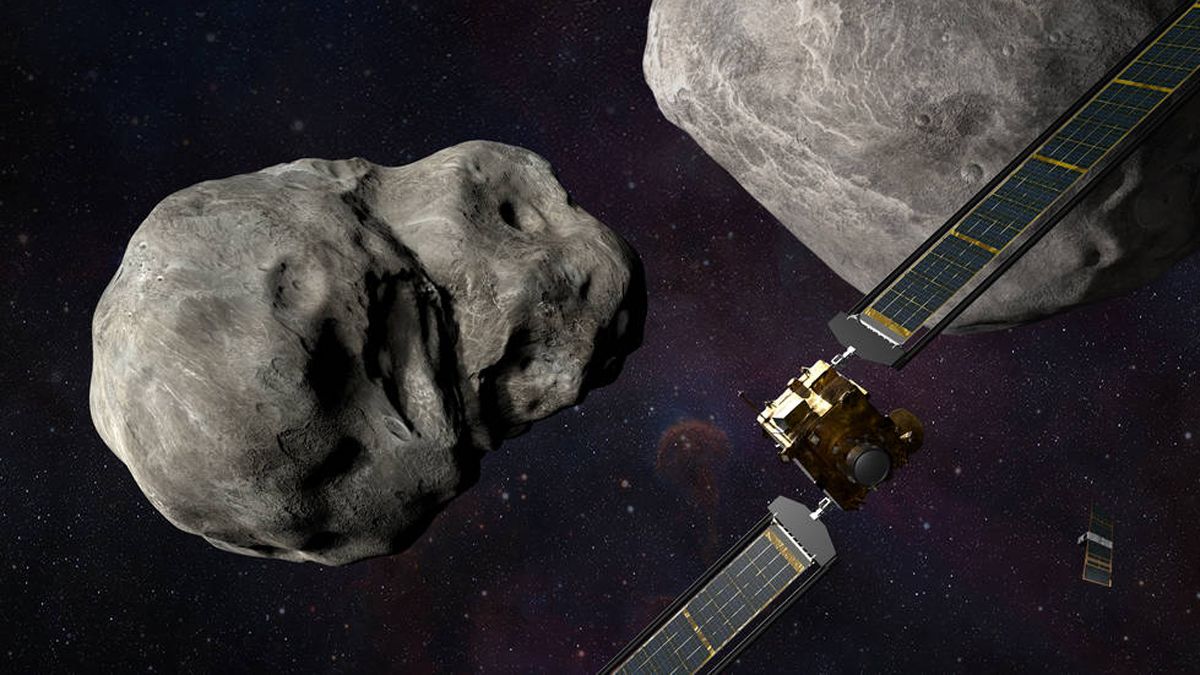
NASA’s Double Asteroid Redirection Test, which slammed the Dimorphos asteroid in 2022, not only shortened its orbit around its partner Didymos but also nudged the entire binary system a tiny amount in its journey around the Sun. Scientists now confirm that the impact, amplified by a momentum‑enhancement factor of two from the ejecta cloud, increased the system’s orbital speed by about 11.7 microns per second—roughly 1.7 inches an hour. This tiny tweak demonstrates that a kinetic‑impactor could steer a potentially hazardous asteroid away from Earth if spotted early. NASA plans to launch the Near‑Earth Object Surveyor after September 2027 to spot more such threats.
SpaceX launches 15,000-pound TV satellite to orbit on its 30th mission of the year (photos)
Original Publication Date: 2026-03-10 05:43
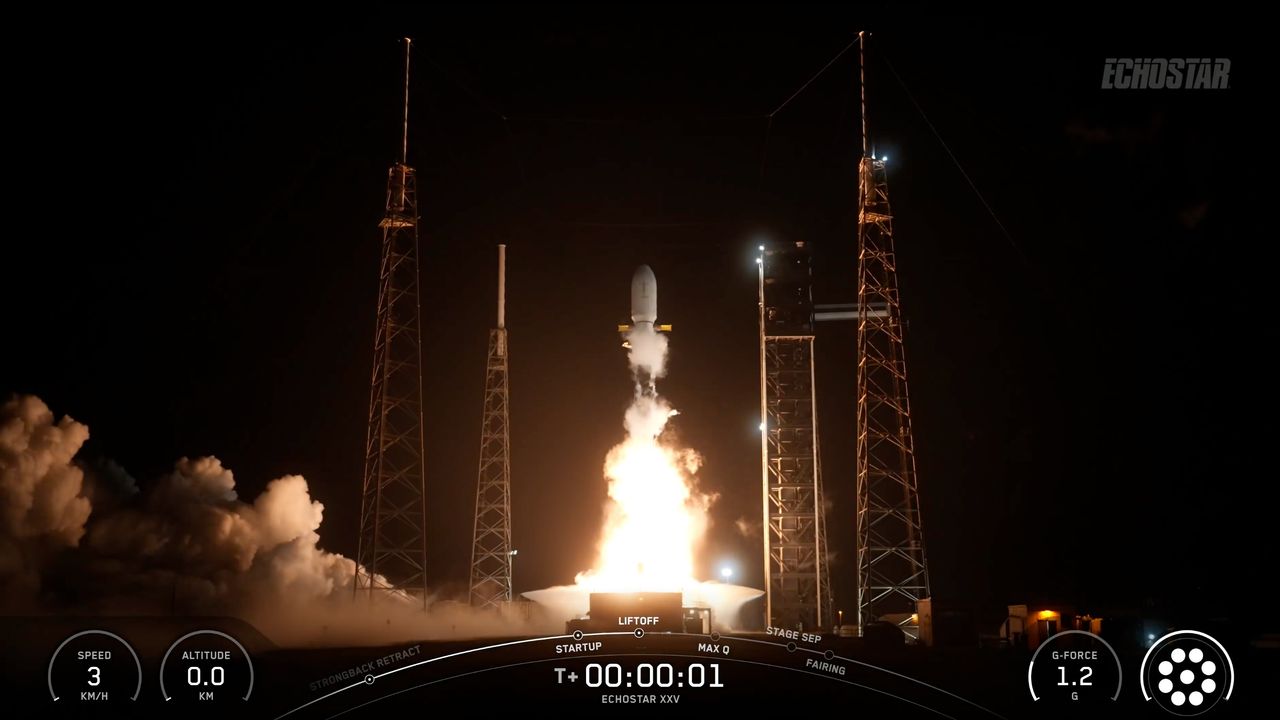
SpaceX’s Falcon 9 lifted off from Cape Canaveral on March 10, 2026, carrying the 15,000‑pound EchoStar XXV TV satellite into orbit.
Incoming! 1,300-pound NASA satellite will crash to Earth on March 10
Also covered by: NASA
Original Publication Date: 2026-03-09 22:00
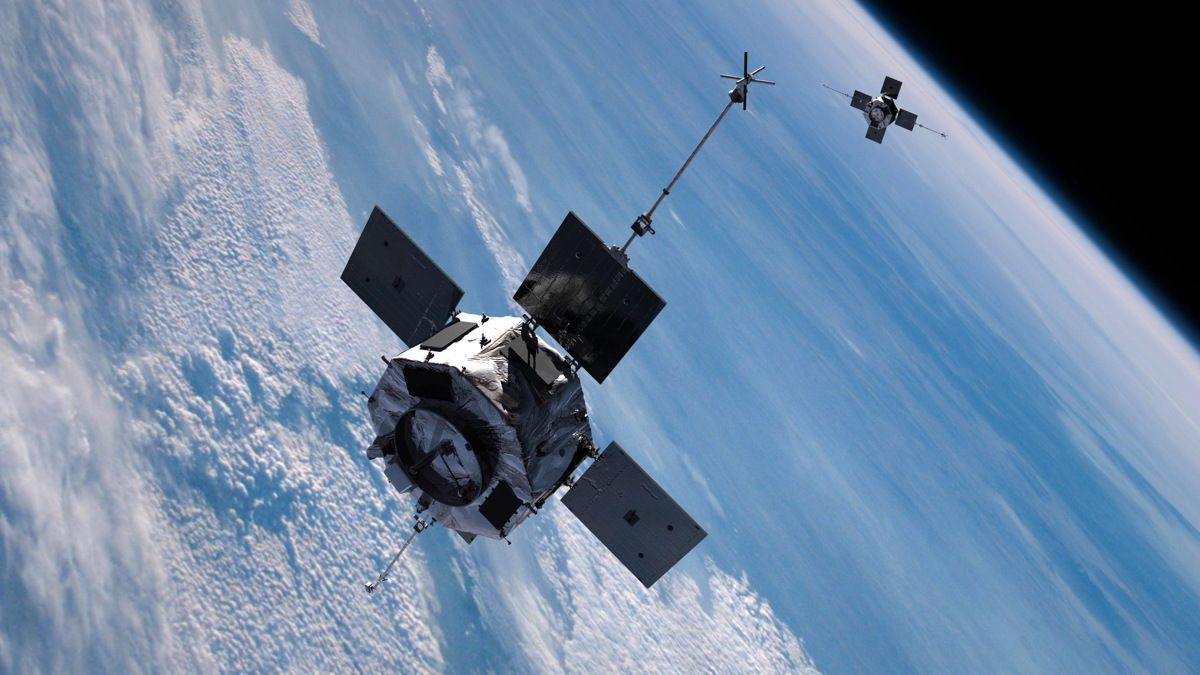
NASA’s Van Allen Probe A, a 1,323‑pound spacecraft launched in 2012 to study Earth’s radiation belts, is scheduled to re‑enter the atmosphere on Tuesday, March 10, 2026. After nearly 14 years in orbit, the probe will descend over the Pacific Ocean. The U.S. Space Force predicts the reentry will occur at about 7:45 p.m. Local time.
China's 1st moon astronauts could land in Rimae Bode, a 'geological museum' on the lunar near side
Original Publication Date: 2026-03-09 16:01

China is targeting its first crewed lunar landing before 2030, and scientists have singled out Rimae Bode on the Moon’s near side as a top candidate. The site, near the Sinus Aestuum volcanic plains, offers flat terrain for a safe touchdown and a “geological museum” of volcanic plains, rilles, and impact ejecta.
SpaceX's Ship 39 is so cool in Starship V3 test| Space photo of the day for March 9, 2026
Original Publication Date: 2026-03-09 14:00
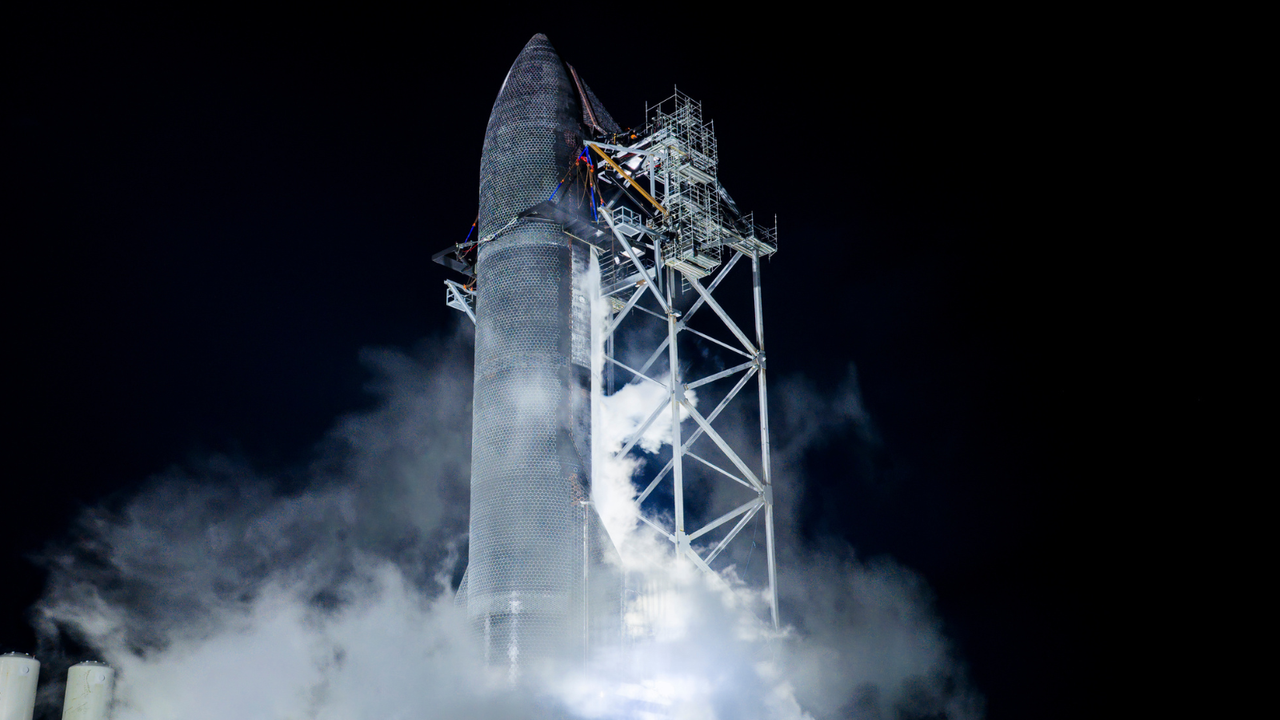
SpaceX has been busy at its Boca Chica base, where Ship 39 underwent a rigorous cryogenic test campaign. Engineers spent several days checking the vehicle’s redesigned propellant system and running squeeze tests that mimic the forces it will face in flight. The successful run marks the first campaign for the next‑generation Starship V3 and clears the way for Ship 39’s upcoming Flight 12. With these validations in place, the rocket is poised to take to the skies, bringing us one step closer to the future of deep‑space travel.