 Spotify
 Apple Podcasts
 Podcast Addict
 Overcast
 Podcast RSS
Deutsche Telekom aims to bring Starlink Mobile V2 to Europe in 2028
Original Publication Date: 2026-03-02 22:37
Deutsche Telekom is preparing to launch Europe’s first direct‑to‑smartphone service using upgraded Starlink satellites, slated for 2028. The company plans to leverage MSS spectrum to deliver 5G speeds to remote areas across ten countries. This move could close the connectivity gap in underserved regions of the continent. The announcement was reported by SpaceNews.
Kelli Kedis Ogborn Joining Commercial Space Federation as Strategic Advisor for Global Markets and Industry Engagement
Original Publication Date: 2026-03-02 20:00
The Commercial Space Federation announced on March 2, 2026 that Kelli Kedis Ogborn will serve as Strategic Advisor for Global Markets and Industry. Ogborn brings extensive experience in aerospace and global market development. Her role will focus on expanding CSF’s international partnerships and industry engagement. This appointment underscores CSF’s commitment to fostering a robust commercial space ecosystem worldwide.
Stargazing into the future of SSA
Original Publication Date: 2026-03-02 16:00
SpaceX has already shaken up the launch and satellite‑communications markets with the Falcon 9 and Starlink, and it is now turning its attention to space situational awareness (SSA). In late January the company unveiled Stargaze, a new SSA service that will harness data from the star‑tracker cameras on its Starlink satellites. By constantly monitoring the positions of objects in orbit, Stargaze aims to provide real‑time tracking and collision‑avoidance information for the growing constellation of satellites. This move positions SpaceX at the forefront of a rapidly expanding field that will be crucial for ensuring the safety of space operations.
Pentagon details cyber, space ‘first mover’ role in Iran operations
Original Publication Date: 2026-03-02 14:50
U.S. And Israeli forces struck Iran on Feb. 28, with space and cyber units launching the operation before any aircraft took off. The Joint Chiefs said the campaign is “major combat operations,” coordinated across air, maritime, cyber and space domains, and is still underway. Cyber and Space Commands acted as the first movers, disrupting Iranian communications and sensor networks, while more than 100 aircraft hit over 1,000 targets in the first 24 hours. Integrated missile‑defense systems from the Middle East have already intercepted hundreds of ballistic missiles, keeping U.S. Forces and allies protected.
Hardware is no longer the problem holding back space-based data centers — the supply chain is
Original Publication Date: 2026-03-02 14:00
Space-based data centers, whether in orbit or on the Moon, are no longer limited by hardware; the real bottleneck is the lack of a robust procurement and logistics framework to source, qualify, transport, assemble, and maintain the necessary technologies. While engineering challenges and launch economics remain significant, they are secondary to supply‑chain constraints. Without a streamlined supply chain, companies cannot fully realize the potential of orbital and lunar data centers. Addressing these supply‑chain issues is essential for advancing space‑based data infrastructure.
IEC Telecom Establishes Malaysia Hub to Accelerate Starlink-Powered Digital Inclusion
Original Publication Date: 2026-03-02 21:52

IEC Telecom Group opened its first operations centre in Kuala Lumpur on March 3, 2026, becoming an authorised Starlink reseller aimed at bridging the last‑mile connectivity gap in East Malaysia and supporting the nation’s maritime and energy sectors. The launch marks the company’s third Asia‑Pacific office, following a 20‑year presence in Singapore, and dovetails with Malaysia’s JENDELA plan to extend high‑speed internet to rural Sarawak and Sabah. IEC’s enterprise‑grade Starlink solutions feature a proprietary OneGate management layer for mission‑critical reliability, targeting maritime fleets, first‑responder vehicles and off‑grid communities. The firm will roll out customized deployments to government and industrial users in Q2 2026 and showcase its maritime portfolio at Singapore Maritime Week in April.
wolfSSL Aligns Embedded Security Portfolio with EU Cyber Resilience Act Mandates
Original Publication Date: 2026-03-02 21:35

WolfSSL Inc. Has announced that its entire embedded security and cryptographic portfolio now fully complies with the EU’s Cyber Resilience Act, giving manufacturers a clear path to meet mandatory cybersecurity requirements for devices sold in the EU. The company’s TLS 1.3 and DTLS 1.3 libraries, a FIPS 140‑3 validated module, and an updated wolfBoot secure bootloader provide end‑to‑end protection, including firmware integrity checks and optional hardware‑backed rollback. WolfSSL also meets the CRA’s vulnerability‑management and supply‑chain transparency mandates by offering structured disclosure processes, a detailed Software Bill of Materials, and compliance with IEC 62443 and DO‑178C standards. With the CRA’s reporting obligations set to begin on September 11, 2026, wolfSSL is already providing CVE remediation and long‑term maintenance support to help clients meet the 24‑hour notification deadline to ENISA.
Geopolitical Scrutiny: The Strategic Implications of APT Satellite’s Chinese State Ownership
Original Publication Date: 2026-03-02 15:17

APT Satellite Holdings, a subsidiary of China Satellite Communications Corporation, sits at the heart of the “Sovereign‑Commercial Nexus,” sparking concerns that data from its global customers could be accessed by the Chinese state under the National Intelligence Law. Analysts warn the company’s dual‑use high‑throughput satellites could be repurposed to support PLA drone operations and real‑time battlefield communications across the Asia‑Pacific.
SpaceX Lunar Manufacturing Proposal Triggers Surge in APT Satellite Shares
Original Publication Date: 2026-03-02 15:10
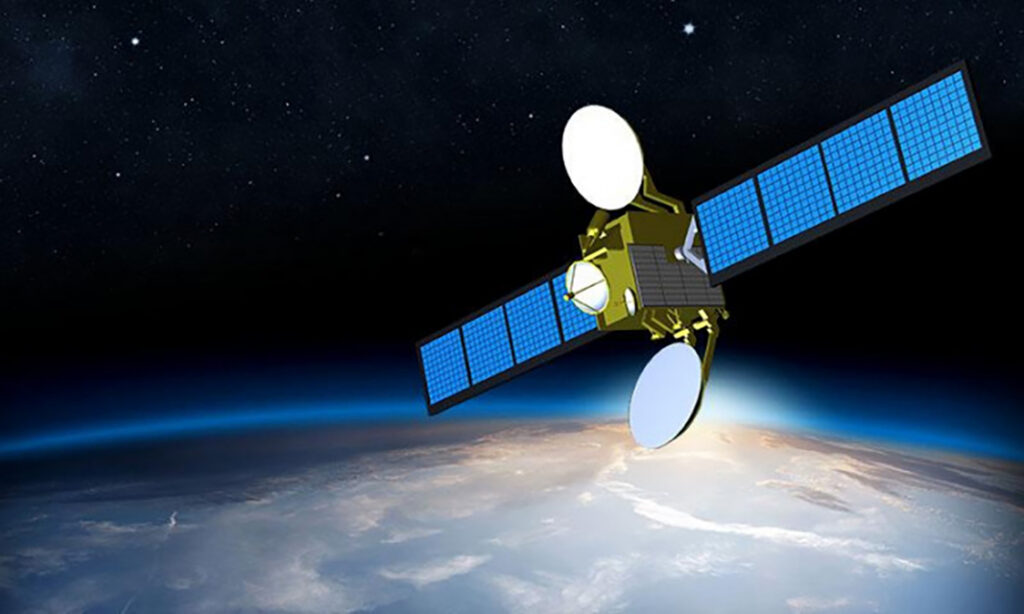
APT Satellite Holdings shares jumped more than 7% on March 2 after SpaceX announced plans to build a lunar satellite factory using an electromagnetic catapult that could slash launch costs to about $500 per kilogram. The move highlights how Western lunar ambitions are reshaping the valuation of Asian satellite operators, with investors eyeing APT as a key regional data relay partner for the anticipated million‑satellite “Galactic Brain” network.
Ericsson and Intel Forge Strategic 6G Alliance to Transition AI-Native Networks to Commercial Reality
Original Publication Date: 2026-03-02 14:54

Ericsson and Intel unveiled a partnership at Mobile World Congress to fast‑track AI‑native 6G infrastructure, turning research into a commercial ecosystem. The deal centers on Cloud RAN powered by Intel Xeon processors, enabling real‑time AI inference at the network edge and integrating sensing, compute, and connectivity. It also prioritizes platform security and supply‑chain sovereignty, using Intel’s domestic manufacturing to safeguard sensitive data for autonomous systems and critical infrastructure. The companies plan to launch 6G testbeds in late 2027, with full commercial availability aimed for 2030.
Smoke Rises Over Big Cypress National Preserve
Original Publication Date: 2026-03-03 05:00

On February 22, a wildfire dubbed the National Fire erupted in Big Cypress National Preserve, about 25 miles east of Naples, Florida. By February 25 the blaze had scorched roughly 24,000 acres, and NASA’s Aqua satellite captured the billowing smoke.
Sunglint on Atlantic Ocean
Original Publication Date: 2026-03-02 16:54

NASA captured a stunning image of sunglint off the Atlantic Ocean on March 5, 2025, when sunlight reflected off the water at the same angle as the International Space Station’s sensors, creating a mirror‑like glare. While the phenomenon produces breathtaking visuals, it can blind satellite sensors to ocean features, complicating studies of phytoplankton and ocean color. Scientists have therefore developed techniques to filter sunglint from imagery archives, preserving data quality. Conversely, the smoothness of oil‑covered water makes sunglint a useful tool for detecting both natural seeps and human‑caused spills.
NASA, JAXA to Cover HTV-X1 Spacecraft Departure from Space Station
Original Publication Date: 2026-03-02 16:50
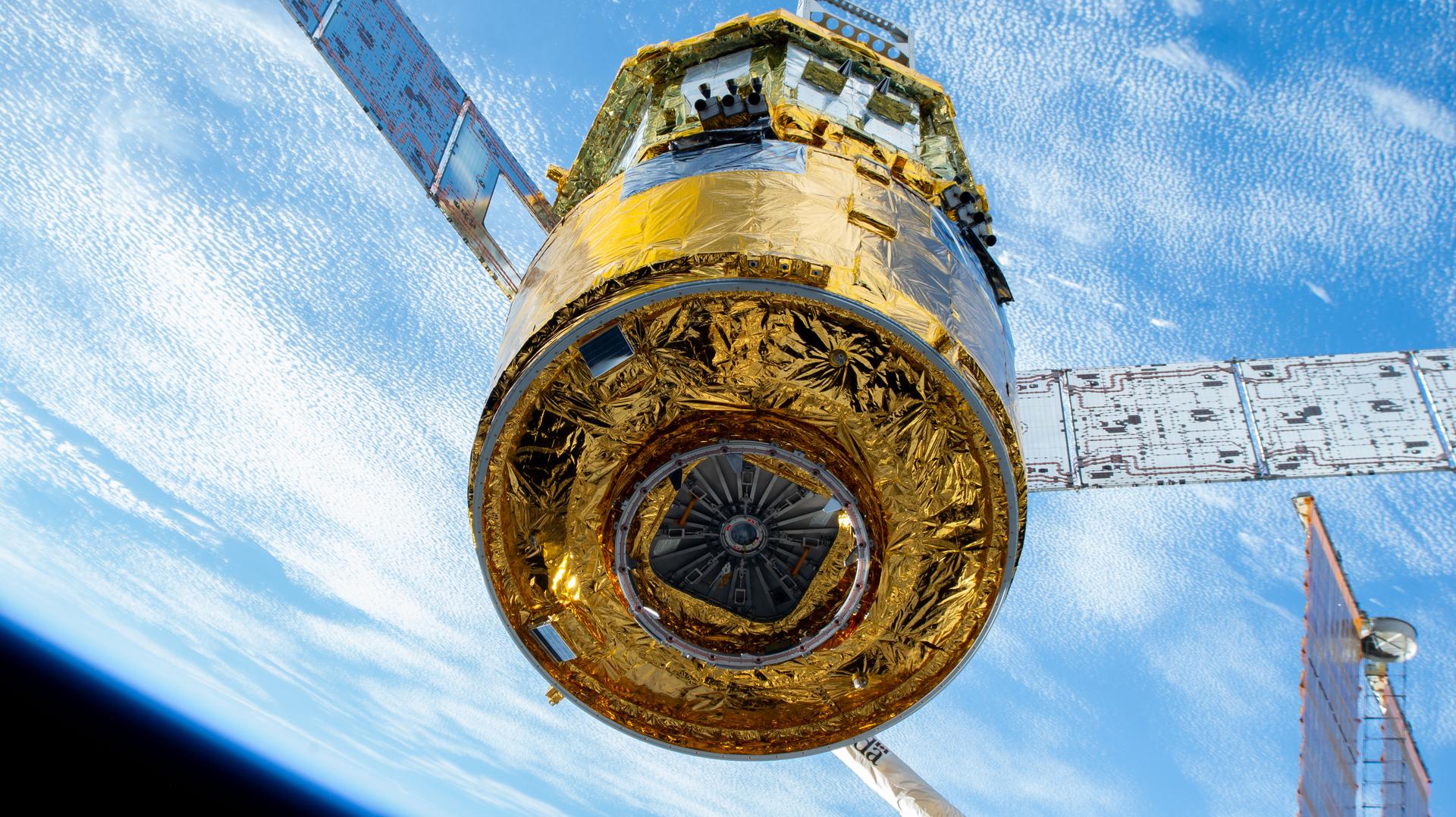
JAXA’s HTV‑X1 cargo spacecraft, which delivered roughly 12,000 pounds of supplies
Scoria Cones on Earth and Mars
Original Publication Date: 2026-03-02 05:01

Scientists have uncovered a handful of scoria cones on Mars, the explosive volcanic features that are common on Earth but rare on the Red Planet. The Ulysses Colles cones, imaged by NASA’s Mars Reconnaissance Orbiter, mirror similar cones in Arizona’s San Francisco Volcanic Field, allowing researchers to compare eruption styles across worlds. Lower Martian gravity and a thin atmosphere let the cones grow taller and wider, yet the exact age of the cones relative to surrounding lava flows remains uncertain. By studying Earth analogs, planetary geologists hope to unlock the history of Martian volcanism and its implications for the planet’s past environment.
Launch Preview: Japan to launch Kairos as Falcon 9 launches Starlink missions
Original Publication Date: 2026-03-02 22:20

This week, SpaceX is set to launch four Starlink missions with its Falcon 9 from Florida and California, while Japan’s Space One will attempt its third Kairos rocket launch from the Kii Peninsula. The Japanese launch, scheduled for March 4, follows two failed attempts and aims to place five small payloads into low‑Earth orbit. SpaceX will also hit significant milestones, including its 600th Falcon booster recovery attempt and a Vandenberg‑based booster flying for the 32nd time.
Space Was ‘First Mover’ In Iran Conflict, Top General Says
Original Publication Date: 2026-03-02 21:33

In the opening hours of Operation Epic Fury, U.S. Space Command and Cyber Command used non‑kinetic space tactics to jam Iran’s satellite communications, blinding the enemy’s sensors and command networks. Chairman of the Joint Chiefs Gen. Dan Caine said these coordinated space and cyber strikes left Iran unable to see, coordinate, or respond effectively. The Pentagon’s remarks underscore that space is now a frontline battlefield, where disrupting satellites can cripple a nation's intelligence, navigation, and communications. Commercial imaging firms like Vantor and Planet Labs are now providing the world with high‑altitude footage of the strikes from orbit.
Exclusive: Starpath Unveils New Ultra-Thin Space Solar Panels
Original Publication Date: 2026-03-02 13:55

Starpath Space today unveiled Starlight Air, an ultra‑thin solar panel that weighs just 73 grams per square meter and costs about $15 per watt, promising to lift the power ceiling on satellites. The panels use a nanometer‑scale crystalline structure printed on a flexible substrate, giving them the same in‑space durability as the company’s heavier Classic line while keeping launch costs down.
Austria Commissions its First Military Sat
Original Publication Date: 2026-03-02 13:42
Austria is preparing to launch its first military‑commissioned satellite, BEACONSAT, on a SpaceX Falcon 9 in February 2027 to detect and counter satellite navigation interference. The mission, funded by a €1 million Austrian MoD contribution and €500 k from ESA, will use a green chemical propulsion system built by local startup GATE Space.
How fast is the universe actually expanding? Ripples in spacetime could finally solve 'Hubble tension'
Original Publication Date: 2026-03-02 21:00
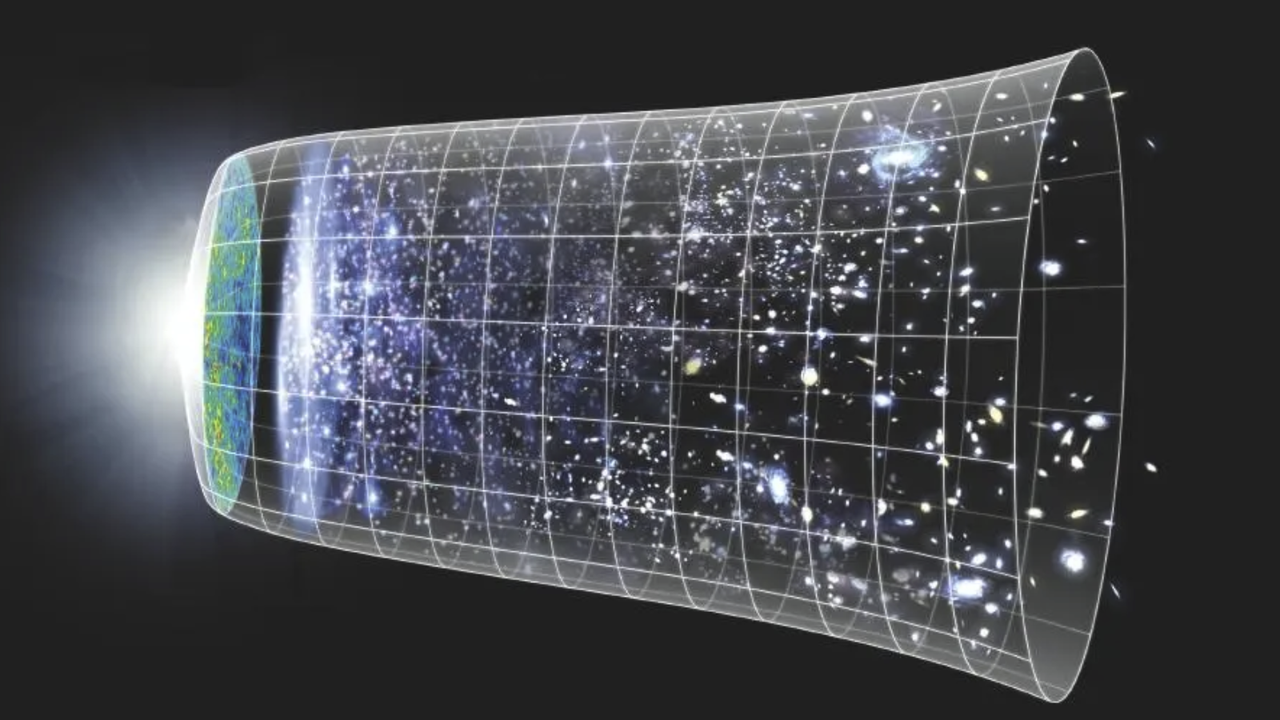
Scientists have discovered that tiny ripples in spacetime—gravitational waves—can be used to measure the universe’s expansion rate, offering a fresh way to tackle the long‑standing “Hubble tension.” By analyzing the background hum from countless black‑hole mergers, researchers from the University of Illinois Urbana‑Champaign and the University of Chicago can obtain an independent estimate of the Hubble constant. This new method could reconcile the differing values obtained from nearby supernovae and ancient cosmic observations, potentially resolving a key mystery in modern cosmology. The technique promises greater precision as gravitational‑wave detectors become more sensitive.
SpaceX deploys two more Starlink groups into orbit on March 1 bicoastal launches (video)
Original Publication Date: 2026-03-02 17:01
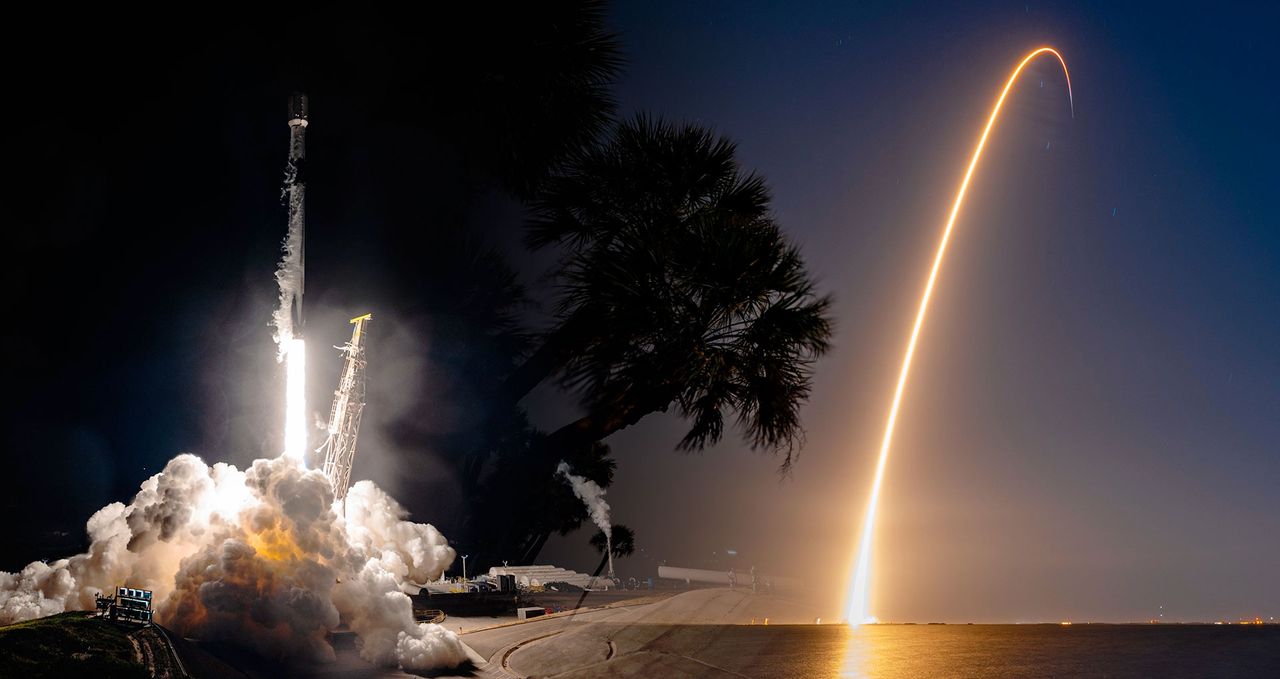
SpaceX launched two Falcon 9 rockets on March 1, 2026, deploying 54 Starlink satellites from California and Florida. The first launch from Vandenberg, California, lofted 25 satellites at 5:10 a.m. EST, while the second from Cape Canaveral, Florida, launched 29 satellites at 9:56 p.m. EST. Both boosters were successfully recovered, adding to the growing constellation of over 9,900 Starlink satellites in orbit. The dual‑coast launch marks SpaceX's 27th mission of the year and 620th overall, underscoring the company's rapid expansion of its satellite network.
Interstellar comet 3I/ATLAS shines in new image | Space photo of the day for March 2, 2026
Original Publication Date: 2026-03-02 15:00
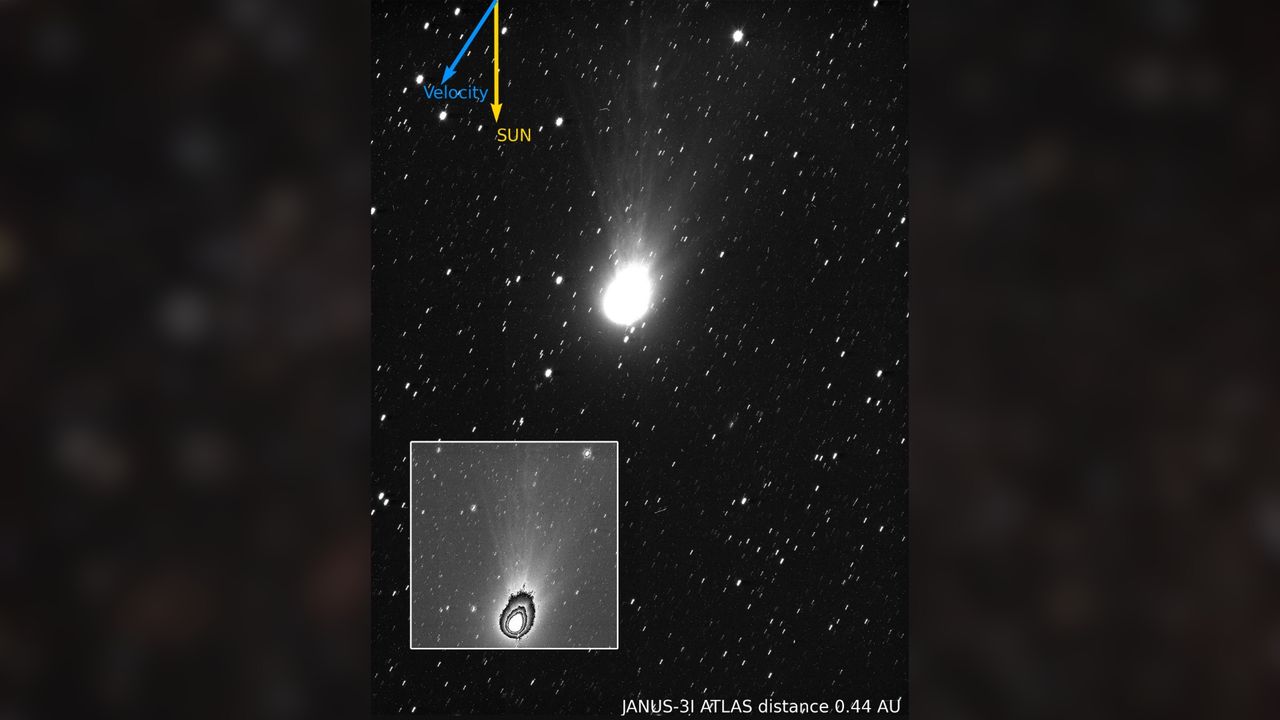
A striking black‑and‑white image features a white, glowing egg‑shaped object at its center, surrounded by upward‑spreading streaks against a starry backdrop. Arrows point to a yellow “Sun” marker and a blue “Velocity” vector, indicating direction and motion. An inset shows the same object against a lighter grey background, with ragged, concentric egg shapes fading from black to white. The composition evokes a sense of dynamic celestial motion and artistic abstraction.
Real NASA space telescope data creates soundtracks for Jupiter, Saturn and Uranus
Original Publication Date: 2026-03-02 14:00
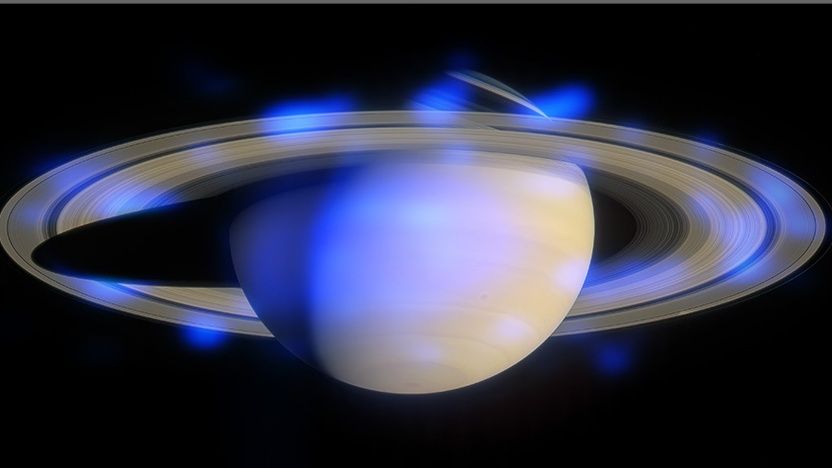
NASA’s Chandra X‑ray Observatory has turned data from Jupiter, Saturn and Uranus into immersive soundscapes, converting X‑ray brightness and position into music that mirrors auroras, rings and atmospheric turbulence. The project, released this month, blends Chandra observations with images from Hubble and past missions, mapping brighter emissions to higher pitches and louder notes. The sonifications, timed to coincide with a rare planetary alignment, offer listeners a new way to experience the outer planets while also providing an accessible tool for scientists and the public. This initiative continues NASA’s broader effort to observe the universe through more than just sight.
Could these weird stars just be overgrown planets?
Original Publication Date: 2026-03-02 13:00
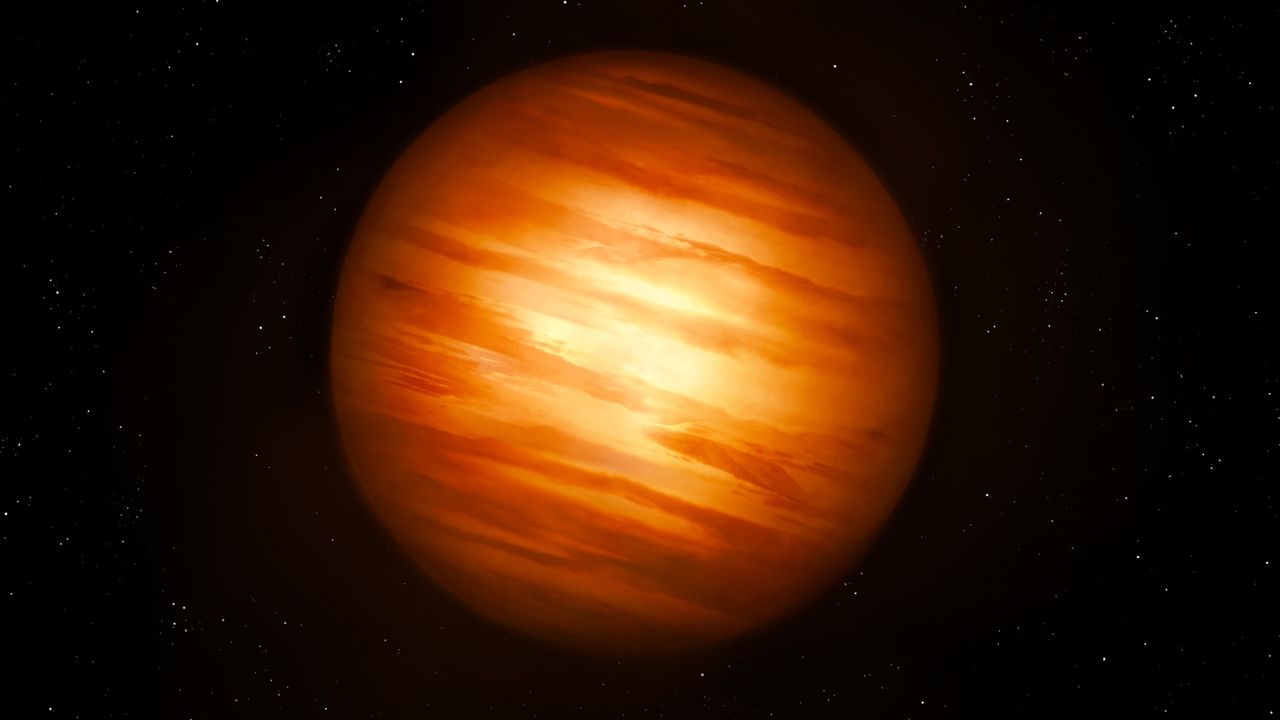
Astronomers examined 70 objects ranging from Jupiter‑mass planets to borderline brown dwarfs to find a clear mass cut‑off between planet‑like and star‑like bodies, but the universe proved messier than expected. The study, led by UCLA’s Gregory Gilbert, revealed no sharp line; instead, the transition appears to be a fuzzy continuum with some objects forming like planets and others like stars. Brown dwarfs, which fuse deuterium but not hydrogen, sit between the largest planets and the smallest stars, while “sub‑brown dwarfs” blur the boundary even further. This research suggests that the distinction between overgrown planets and failed stars may be more of a spectrum than a simple threshold.