 Spotify
 Apple Podcasts
 Podcast Addict
 Overcast
 Podcast RSS
NASA and Boeing still uncertain about when Starliner will return to flight
Original Publication Date: 2026-06-23 01:48
NASA’s safety advisers say Boeing’s Starliner could be up to a year before it flies again, with no firm launch date for the uncrewed Starliner‑1 test yet. The Aerospace Safety Advisory Panel confirmed progress on fixing thruster failures and other issues from the 2024 Crew Flight Test, but key propulsion problems still constrain the schedule. Despite leadership changes and renewed trust between NASA and Boeing, the panel noted that the launch window depends on ISS availability and remaining technical fixes. Both agencies remain committed to certifying Starliner for crewed missions while preparing for the possibility of relying more on SpaceX’s commercial crew flights.
Trump executive order directs NASA to plan quantum space applications
Original Publication Date: 2026-06-22 21:37
The White House has issued an executive order to unify and accelerate U.S. Quantum technology development, targeting next‑generation navigation, sensing, and secure communications for space systems. The directive specifically directs NASA to plan quantum space applications, positioning the agency at the forefront of this emerging field. By centralizing efforts across federal agencies, the order aims to fast‑track breakthroughs that could give the United States a strategic advantage in quantum-enabled space capabilities. This initiative underscores the administration’s commitment to maintaining technological leadership in the rapidly evolving quantum landscape.
Rocket Lab launches satellite for U.S. Space Force Victus Haze responsive space exercise
Original Publication Date: 2026-06-22 20:58
Rocket Lab launched the Victus Haze Puma spacecraft from Mahia, New Zealand, on June 19, marking the fourth demonstration under the Space Force’s Tactically Responsive Space program. The satellite, built on a $32 million contract, will conduct rendezvous and proximity operations with True Anomaly’s Jackal‑004 to showcase rapid identification and characterization of potential space threats. The launch, completed within 16 hours and 42 minutes of the launch order, beat the 24‑hour responsive deadline and demonstrates commercial providers can meet military timelines.
Chinese spaceplane releases object into orbit, according to commercial space surveillance
Original Publication Date: 2026-06-22 17:42
China’s experimental Shenlong reusable spaceplane has just released a previously untracked object into low‑Earth orbit during its fourth mission, a move confirmed by space‑surveillance firm LeoLabs. The object, detected by LeoLabs’ Kiwi Space Radar in New Zealand, was catalogued as a high‑confidence release from the spaceplane and has yet to appear in the U.
Who Has Authority to Intervene in a Space-Based Emergency?
Original Publication Date: 2026-06-22 18:53
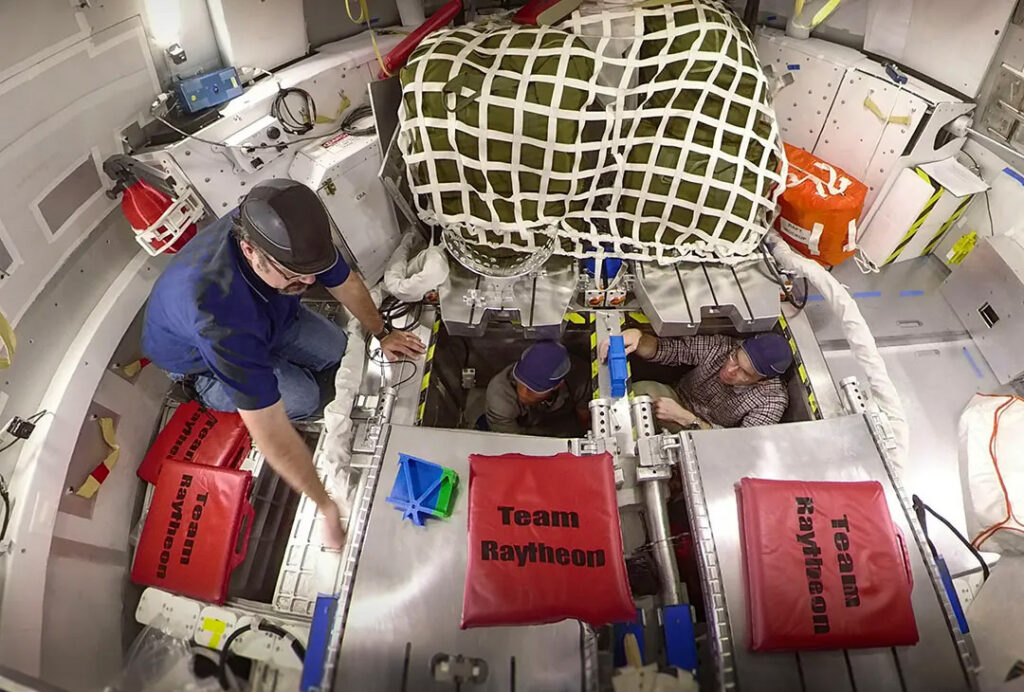
If a crew in low‑Earth orbit were to suffer a catastrophic life‑support failure today, no single global authority has the legal mandate or structural obligation to mount a rescue mission. The article argues that the absence of a centralized international framework leaves astronauts vulnerable, with rescue efforts left to ad‑hoc agreements among space‑faring nations. It calls for a new global treaty or organization that would coordinate emergency response and share resources for crew survival. Without such a structure, the safety of astronauts in orbit remains uncertain.
The Strategic Redistribution of Iranian Aerospace Capability
Original Publication Date: 2026-06-22 18:37
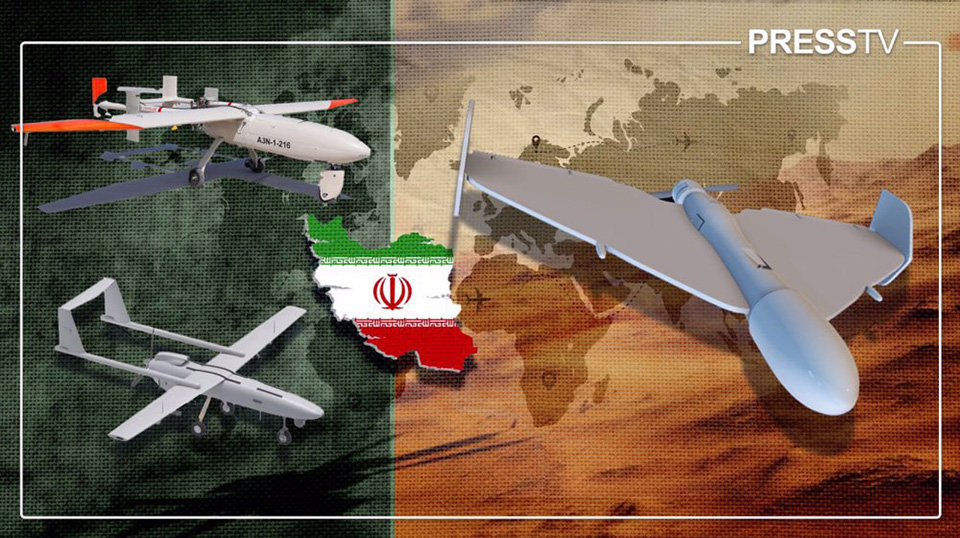
International negotiations aimed at curbing Iran’s nuclear ambitions have produced an unexpected outcome: the country is rapidly advancing its space program, becoming a system‑integrated, space‑enabled power. Analysts warn that this shift could give Iran new strategic capabilities and complicate global security dynamics. While the agreement limits nuclear weaponization, it may inadvertently accelerate Iran’s technological leap into space. The dual impact highlights the complex trade‑offs in diplomatic sanctions.
Navigating Contested Battlespaces: Military GPS Receiver Market Approaches $3 Billion Amid Electronic Warfare Surge
Original Publication Date: 2026-06-22 17:44
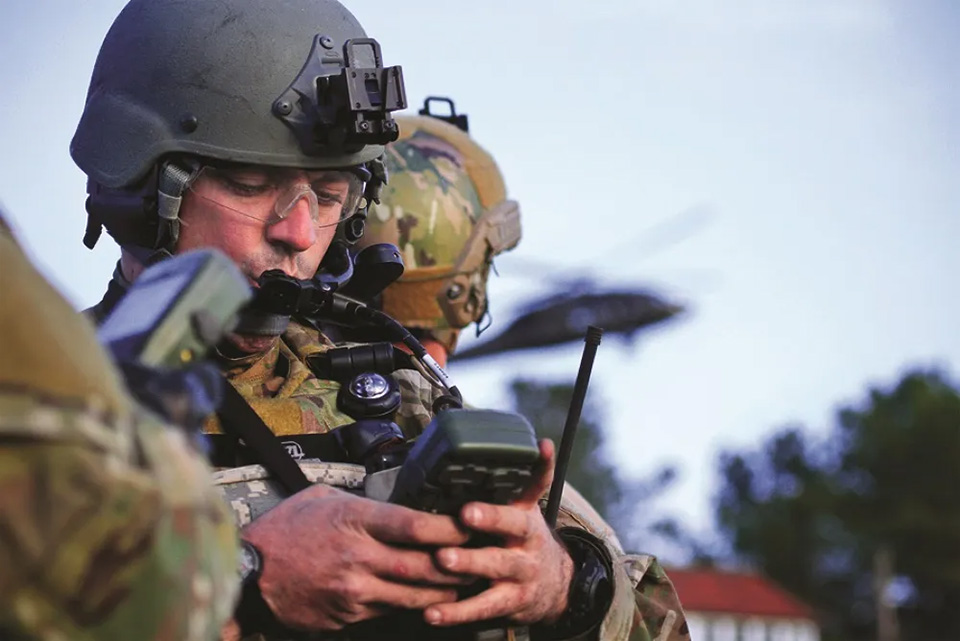
The global military GPS receiver market is rapidly modernizing as nations confront escalating electronic jamming and spoofing threats amid a tense geopolitical climate. Defense forces are investing heavily in advanced, anti‑jam navigation systems to maintain operational superiority. Leading manufacturers are racing to deliver rugged, secure receivers capable of withstanding sophisticated signal interference. This surge in demand is turning the sector into a highly lucrative opportunity for tech firms worldwide.
Powering the Automated Floor: Intralogistics Operators Must Unify AGV Charging Infrastructure
Original Publication Date: 2026-06-22 17:28

Rapid deployment of automated guided vehicles and autonomous mobile robots has reshaped modern factories and distribution centers, boosting efficiency and reducing labor costs. However, integrating fleet‑management software, sophisticated navigation algorithms, and rugged hardware remains a complex challenge for many operations. Companies must address data security, real‑time communication, and maintenance logistics to fully realize the benefits. As the industry evolves, balancing technological gains with operational resilience will be key to sustained success.
Rising Waters Swamp Lake Naivasha
Original Publication Date: 2026-06-23 04:01
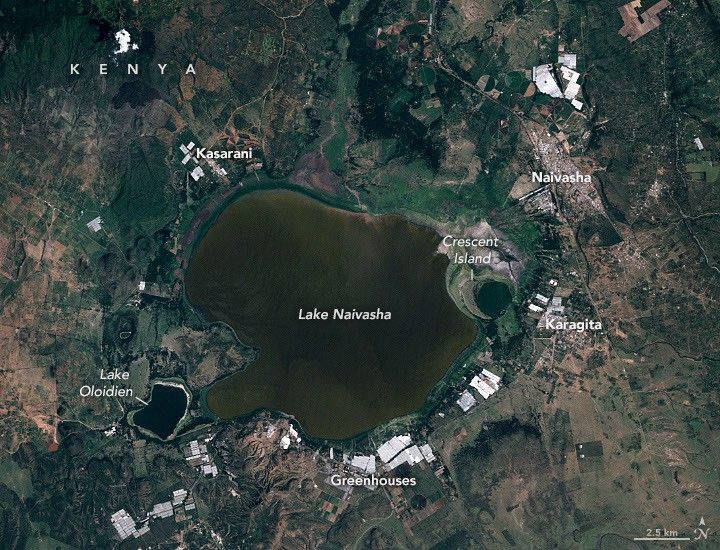
Lake Naivasha in Kenya has swelled dramatically, with satellite data showing a 40 percent rise in surface area and a 7‑meter increase in water depth between 2010 and 2026. The rising lake has flooded homes, flower farms and roads, displacing thousands and merging the nearby Lake Oloidien, which has introduced saline water into the freshwater basin. The surge is driven mainly by a 30 percent jump in annual rainfall and intense storms, while expanding aquatic vegetation and possible tectonic shifts further strain the closed basin system. As the lake expands, the region’s lucrative flower export industry and tourism are threatened, and wildlife such as hippos are increasingly encroaching on human settlements.
NASA Awards Solutions for Federal Enterprise Procurement Contracts
Original Publication Date: 2026-06-22 21:24

NASA is awarding its Solutions for Enterprise‑wide Procurement VI (SEWP VI) contracts, a ten‑year program that will span from November 1 to October 31, 2036, with each award capped at $20 billion. The contracts cover three categories—IT solutions, enterprise‑wide IT services, and IT mission‑based services—providing streamlined access to commercial hardware, software, cloud, cybersecurity, engineering, and consulting resources. All awards are indefinite‑delivery/indefinite‑quantity, allowing NASA to issue task orders under firm‑fixed‑price, labor‑hour, or time‑and‑materials arrangements. For a full list of awardees and more details, visit https://www.sewp.nasa.gov.
NASA Sounding Rocket to Launch Student Experiments
Original Publication Date: 2026-06-22 20:42
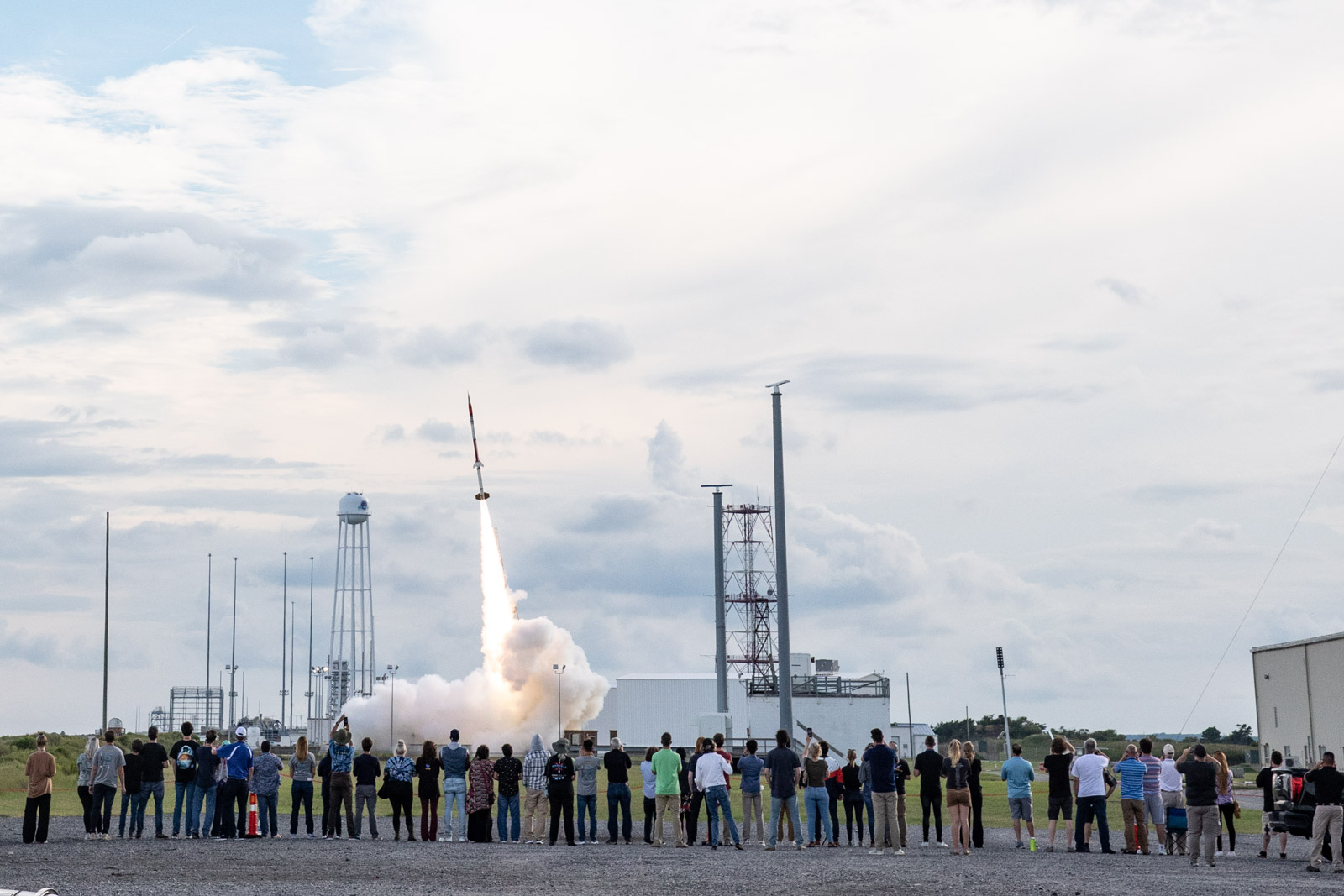
NASA’s Wallops Flight Facility in Virginia is set to launch a sounding rocket on June 24 that will carry nearly 50 student‑developed experiments from the RockSatX and RockOn programs, combining the two initiatives into one flight for the first time. The Terrier‑Improved Malemute rocket will climb to about 100 miles, then descend by parachute into the Atlantic, where the payload will be recovered. Roughly 250 participants from 38 universities and community colleges will see their designs—ranging from weather sensors to heat‑shield tests—tested in real‑world conditions. The launch will be visible from the Chesapeake Bay area and can be followed live on the Wallops YouTube channel.
NASA Invites Media to Botswana Artemis Accords Signing Ceremony
Original Publication Date: 2026-06-22 19:21

On Thursday, June 25, Botswana will become the 68th nation to sign the Artemis Accords in a ceremony at NASA Headquarters, hosted by Deputy Administrator Matt Anderson. The signing, attended by Botswana’s Minister of Communications and Innovation David Tshere and State Department advisor Gregory Autry, marks a milestone in international cooperation on lunar and deep‑space exploration. The event is in person only, and media must RSVP by June 24 to attend. The Artemis Accords, first established in 2020, set practical principles for safe, transparent, and coordinated civil space activities on the Moon, Mars, and beyond.
SpaceX to test upcoming Starfall reentry vehicle with demonstration mission on Tuesday
Original Publication Date: 2026-06-22 21:06

SpaceX will launch a Starfall reentry vehicle demo on Tuesday morning from Cape Canaveral aboard a Falcon 9 at 6:43 AM EDT. The disk‑shaped capsule will stay attached to the second stage for about 1½ orbits before deorbiting and splashing down in the Pacific, roughly 1,300 km off the U.S. West coast. The FAA has cleared up to two such demonstrations, allowing SpaceX to recover heat shields and parachutes after each splashdown. This mission marks the first step toward mass‑producing Starfall for point‑to‑point cargo, military logistics, and in‑space manufacturing.
A Faster Path to Orbit: How Hosted Payloads Are Changing Access to Space
Original Publication Date: 2026-06-22 17:30
Hosted payloads let companies and governments place sensors on existing satellites, cutting launch time and cost. Kepler Communications pairs these hosted payloads with an optical data‑relay network, delivering larger volumes of data at lower latency for applications from wildfire monitoring to national security. OroraTech’s SAFIRE Gen4 thermal sensors achieved first light on Kepler’s Tranche 1 satellites, proving the system’s ability to provide continuous, near‑real‑time Earth observation and even detect fires missed by other LEO satellites.
Exclusive: Northwood Unveils New Antenna, Expanded Network Capacity
Original Publication Date: 2026-06-22 13:01
Northwood Space has launched a new satellite ground antenna, Prism, to boost its already expanding global network. The company plans to double its link capacity by 2027, targeting 100 Gbps in high‑demand sites, and aims for a total throughput of 22 Tbps by 2028. With a $100 million Series B round, Northwood has opened a production facility capable of building over 100 antennas a year and can deploy a new unit in just three and a half hours. This rapid scaling comes as the launch of more than 43,000 new satellites before 2035 is expected to surge demand for high‑volume data downlinks.
ElevationSpace Closes $40M Series B
Original Publication Date: 2026-06-22 13:00
Japanese satellite‑reentry startup ElevationSpace closed a $40 million Series B round, bringing its total funding to $63.5 million, and will use the money to push its in‑orbit research and return platforms, ELS‑R and ELS‑RS, toward a 2029 demonstration on the ISS. The company’s first private reentry satellite, AOBA, will launch later this year on Isar Aerospace’s Spectrum rocket, marking the launch provider’s first Asian customer. With new investors including SPARX Asset Management, Beyond Next Ventures, Toyoda Gosei, and Dai Nippon Printing, ElevationSpace is also expanding into European and U.S. Markets, partnering with Axiom Space and Redwire to develop reentry and recovery services for commercial space stations. CEO Ryohei Kobayashi emphasized that reentry technology is essential for future space transportation infrastructure beyond rockets.
SpaceX launching its 1st 'Starfall' reentry capsule early on June 23: Watch it live
Original Publication Date: 2026-06-22 22:00
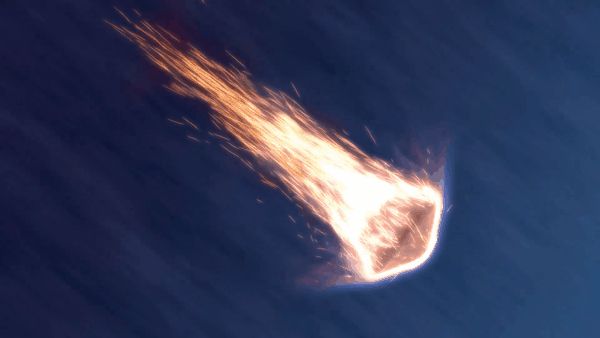
SpaceX will launch its first “Starfall” reentry capsule on June 23 from Cape Canaveral, marking the debut of a new cargo vehicle that can carry up to 2,200 lb to low‑Earth orbit and return safely to Earth. The 10‑foot capsule, built for research payloads like pharmaceuticals, will be carried on a Falcon 9 booster that has already flown 28 missions, including NASA’s Crew‑6. After launch, the capsule will separate from the second stage and reenter the atmosphere, splashing down roughly 700 mi off the U.S. West Coast in the Pacific Ocean. The launch window opens at 6:43 a.m. EDT, and SpaceX will stream the event live for viewers worldwide.
This ball of stars named Terzan 5 may be one of the Milky Way's original building blocks
Original Publication Date: 2026-06-22 21:00
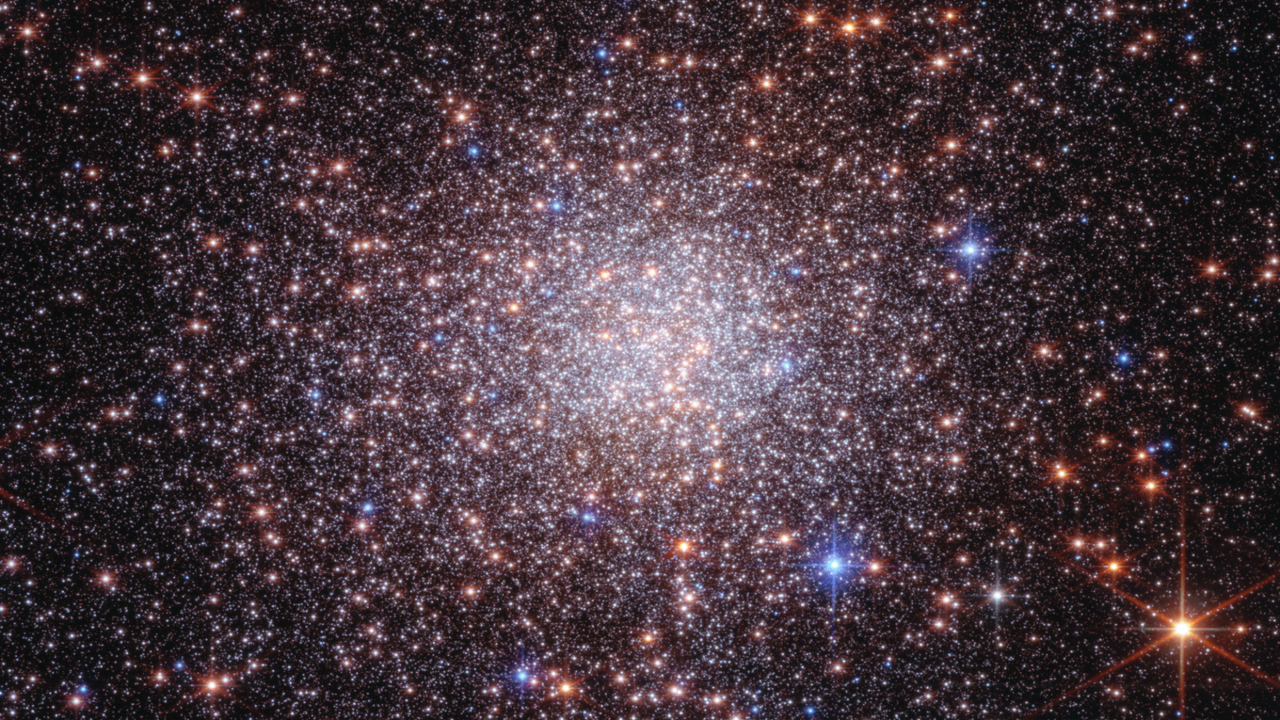
Astronomers using the James Webb Space Telescope have found that the globular cluster Terzan 5 contains four distinct generations of stars, a rarity among such clusters.
NASA's Roman Space Telescope arrives in Florida ahead of SpaceX Falcon Heavy launch this summer
Original Publication Date: 2026-06-22 20:00
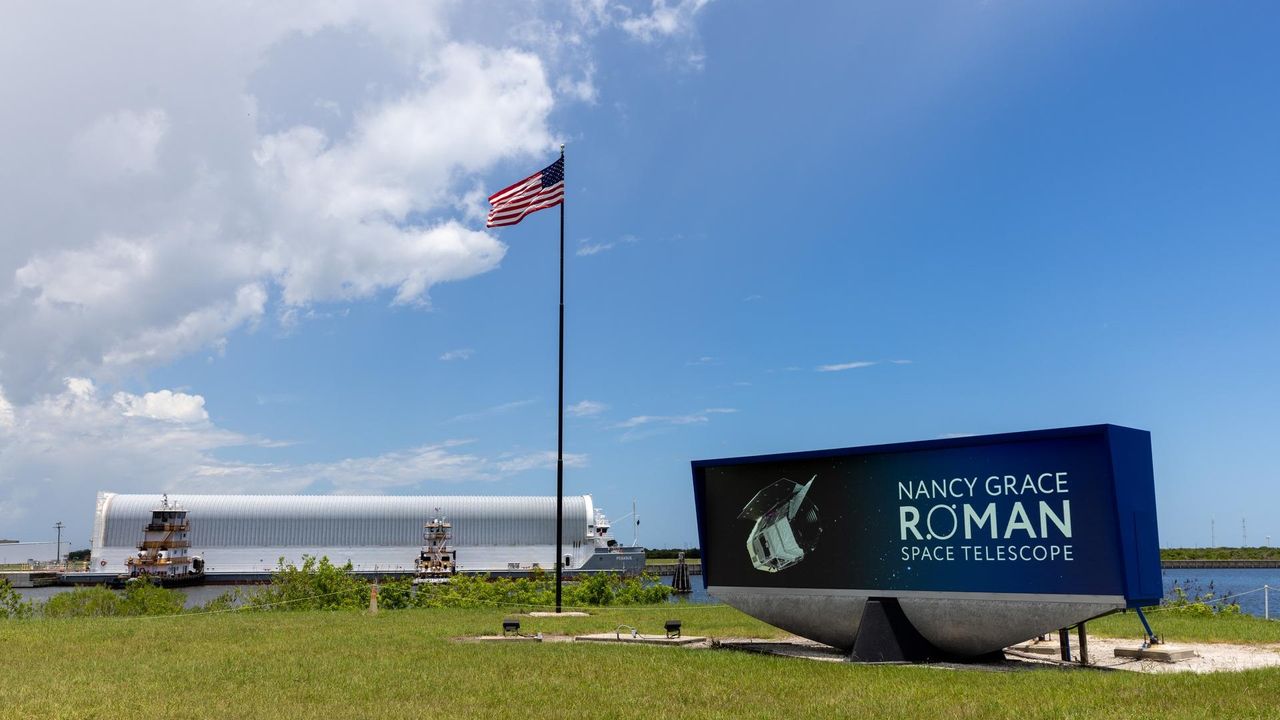
NASA’s Nancy Grace Roman Space Telescope has arrived at Kennedy Space Center, where it will undergo final checks before a scheduled launch aboard a SpaceX Falcon Heavy later this summer. The 18,000‑pound observatory is being decontaminated, unboxed, and loaded with hydrazine fuel in the Payload Hazardous Servicing Facility, with an August 30 liftoff now targeted—eight weeks ahead of the original timetable.
Dark energy is still accelerating the expansion of the universe, and astronomers are relieved. 'Thankfully, we have averted this crisis'
Original Publication Date: 2026-06-22 18:02
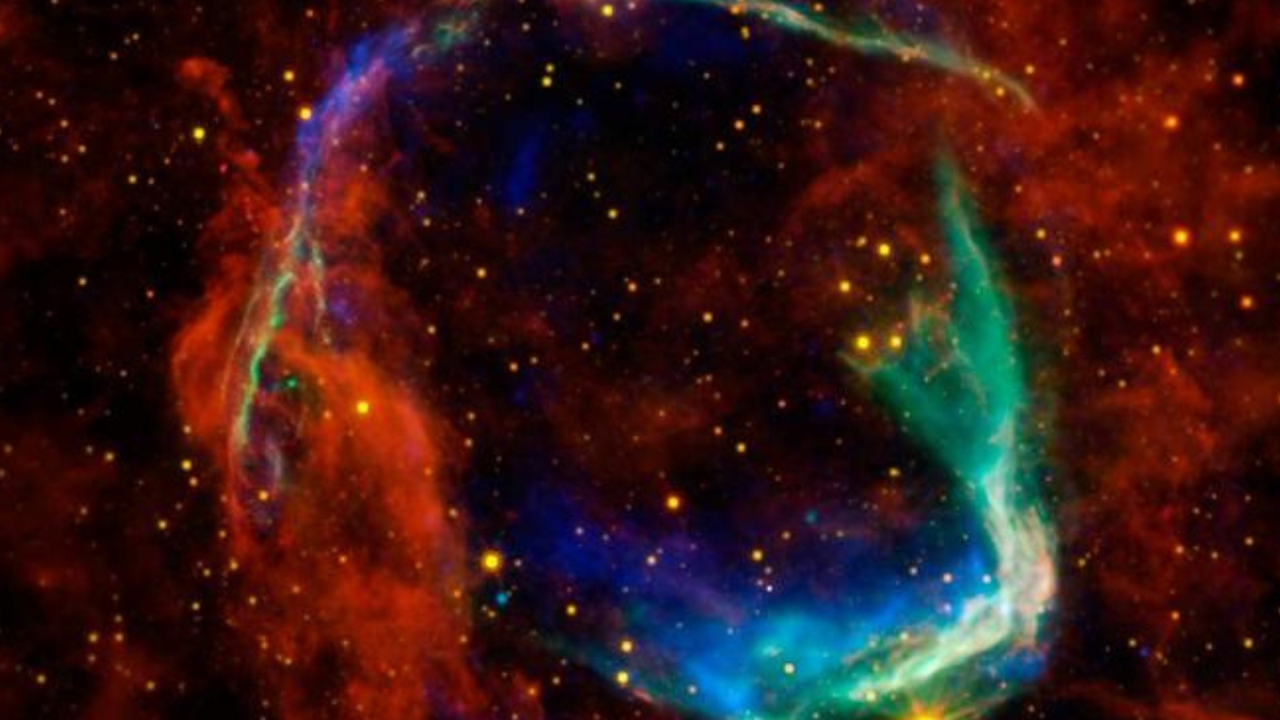
New research confirms that dark energy is still driving the universe’s accelerating expansion, reassuring astronomers that the cosmos is not slowing down. The 2025 study that had suggested a slowdown mistakenly recalibrated the brightness of Type Ia supernovae, leading to incorrect distance measurements. By correcting the ages of exploding white dwarfs and accounting for host‑galaxy masses, scientists have restored the original evidence for cosmic acceleration. With this clarification, researchers can now refocus on unraveling the true nature of the mysterious dark energy that dominates the universe.
'Let's not fool the public': Why moon art should be more realistic in the Artemis age
Original Publication Date: 2026-06-22 15:00
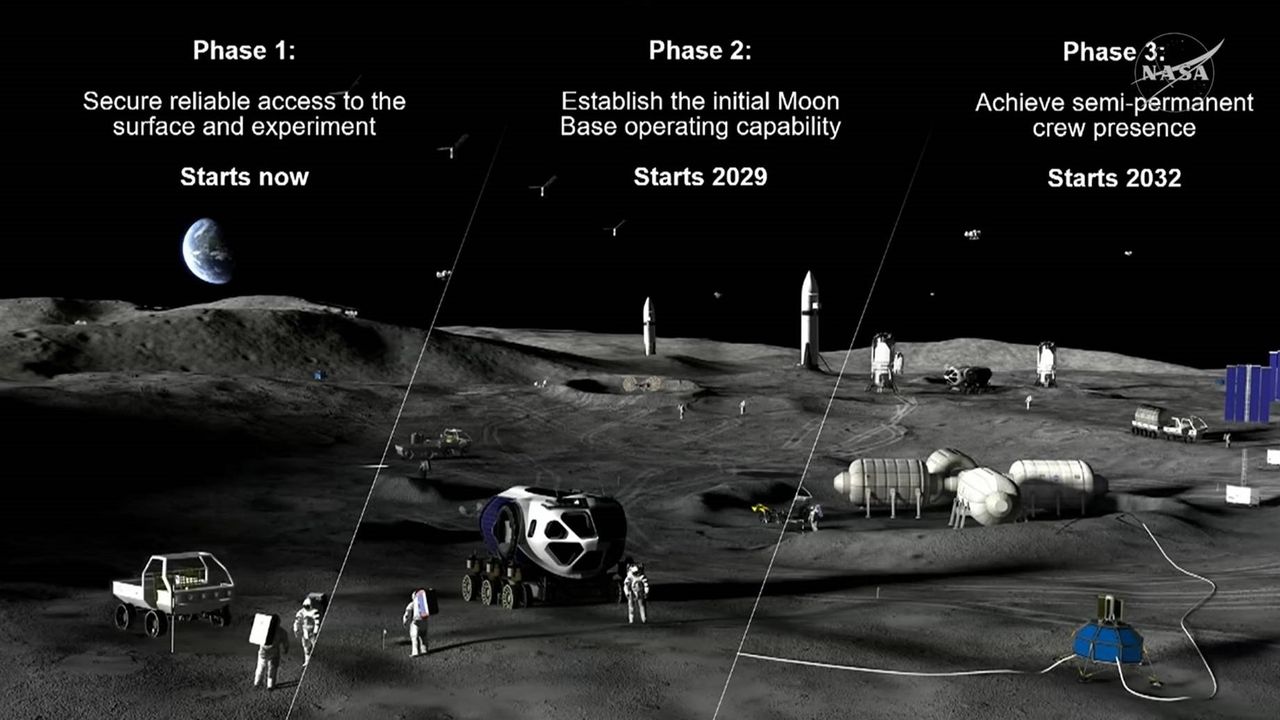
NASA’s Artemis program is bringing humans back to the moon, and experts say the public’s imagination of a flat, dustless surface is dangerously misleading. Daniel Britt, a planetary science professor, has warned that artistic depictions of astronauts and habitats often omit small craters, pervasive regolith, and the dusty reality of the lunar south pole, giving the false impression that landing will be easy. These inaccuracies could lull engineers, managers, and the public into underestimating the challenges of navigation, landing stability, and equipment contamination. To counter this, Britt proposes a scoring system for lunar art that rewards accuracy and highlights the true, rugged nature of the moon’s terrain.
With Starfall, SpaceX eyes an edge in global cargo delivery from orbit
Original Publication Date: 2026-06-23 05:25

SpaceX will launch a Falcon 9 on Tuesday from Cape Canaveral to test its new Starfall reentry pod, a saucer‑shaped vehicle designed to deliver cargo globally from low‑Earth orbit. The first demonstration will see the pod circle Earth twice before being released by the Falcon 9’s upper stage, reentering and splashing down in the Pacific about 800 miles west of California. Developed in secrecy, Starfall aims to enable rapid, parachute‑assisted deliveries of goods from space. The launch marks the beginning of SpaceX’s efforts to expand commercial cargo transport beyond Earth.
A US military exercise in space got underway with barely anyone noticing
Original Publication Date: 2026-06-22 15:18
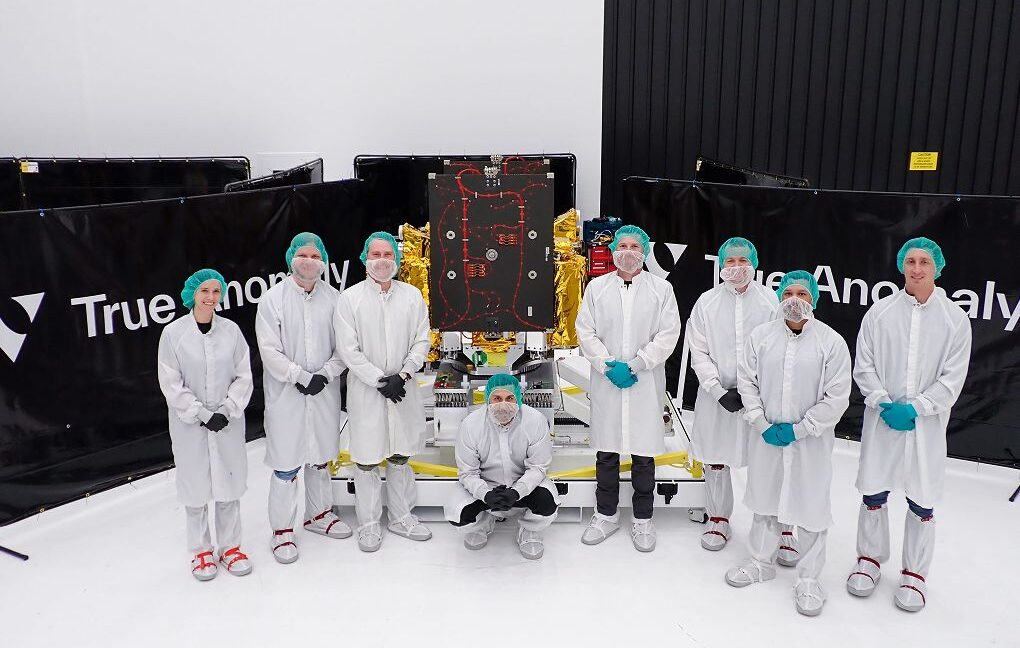
Rocket Lab quietly launched a small satellite from New Zealand on Friday as part of a high‑flying military exercise to test the US Space Force’s rapid response capability in low‑Earth orbit. The launch, barely announced, was only hinted at by a warning to pilots and sailors to avoid the flight path, and Rocket Lab did not livestream the event. Neither Rocket Lab nor the Space Force issued official statements, but the U.S. Military’s space object catalog was updated to include the new Victus Haze Puma satellite, placed in a polar orbit between 215 and 286 miles with a 97.5‑degree inclination.