 Spotify
 Apple Podcasts
 Podcast Addict
 Overcast
 Podcast RSS
Upper C-band auction offers another lift for GEO industry
Original Publication Date: 2026-07-27 20:11
Satellite operators are thrilled with the FCC’s plan to auction upper C‑band spectrum next year, expecting to raise more than $6 billion. The proceeds will fund a rapid spectrum clearance and support the launch of new geostationary spacecraft. Additional billions are earmarked for transition costs, giving the GEO industry another boost. This auction is seen as a significant lift for the sector.
Sphinx Defense wins $287 million contract for strategic satellite communications software
Original Publication Date: 2026-07-27 19:02
The U.S. Space Force has awarded Sphinx Defense a $287 million contract to develop mission‑planning software for the next‑generation Evolved Strategic Satellite Communications (ESS) system. The software will manage secure, jam‑resistant communications across the future satellite constellation that will replace the current AEHF network. Boeing is already building the first ESS satellites under a $2.8 billion contract, and the new software will ensure ground operations can handle complex global scenarios. This OTA award, part of the Space Enterprise Consortium, allows faster and more flexible development of prototype space technologies.
Orbes unveils Exo-ORB and agreement with Symphony Space
Also covered by: Payload Space
Original Publication Date: 2026-07-27 13:00
Southern California startup ORBES has signed an agreement to launch its lightweight 12U inspection satellite Exo‑ORB aboard Symphony Space’s Prelude (Adagio) mission in late 2027 or early 2028, where it will orbit 10–20 m from the uncrewed station to capture high‑resolution imagery. The craft will use cold‑gas iodine thrusters, reaction wheels and advanced guidance, navigation and control systems to avoid collisions while providing a cheaper alternative to costly ISS spacewalks. ORBES also plans to send its internal robot, ORB, to the International Space Station in early 2027 to validate microgravity operations and demonstrate safety, modularity and rapid task completion. Looking ahead, the company aims to expand its fleet with robotic arms and passive sensors to inspect and maintain large space structures such as stations, orbital data centers and solar power installations, and is pursuing a Space Force mission featuring upgraded Exo‑ORB models.
Intel debuts new chip for space computing
Original Publication Date: 2026-07-27 13:00
Intel has quietly been developing a new space‑grade processor, Starfire, to meet the growing demand for onboard AI and data processing in satellites. Built on a modern system‑on‑chip architecture, the chip is engineered to withstand the harsh radiation and temperature swings of orbit while integrating CPU, graphics, neural and image‑processing functions to reduce size, weight and power.
SpaceNews Welcomes Max Aliprandi as Business Development Associate
Original Publication Date: 2026-07-27 12:00
SpaceNews has announced the addition of Max Aliprandi as Business Development Associate. Aliprandi will bolster the company’s sales, business development, and product teams. His appointment comes as SpaceNews continues to grow its audience and expand its reach. The move underscores the publication’s commitment to strengthening its core operations.
L3Harris Signs Multi-Year Framework Agreement to Quadruple THAAD Propulsion Production
Original Publication Date: 2026-07-27 21:55
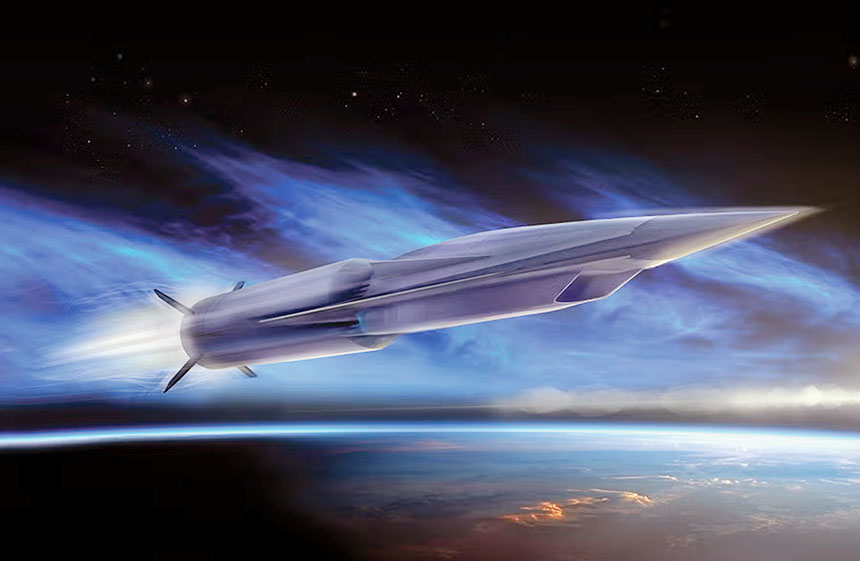
L3Harris Technologies announced a multi‑year framework agreement with the Department of Defense and Lockheed Martin to quadruple production of propulsion systems for the Terminal High Altitude Area Defense (THAAD) program. The deal will expand the supply of propulsion units, key components, and support services to meet growing demand for the missile‑defense system. By partnering with Lockheed Martin, L3Harris aims to boost national security readiness and ensure a steady, reliable production pipeline. This collaboration underscores the U.S. Commitment to maintaining a robust missile‑defense capability.
STMicroelectronics Reports Q2 2026 Earnings Growth Driven by AI Data Centers and Satellite Demand
Original Publication Date: 2026-07-27 17:43

STMicroelectronics announced on Thursday, July 23, 2026, that its second‑quarter net revenues reached $3.49 billion, up 26 percent from the same period last year. The strong performance surpassed the company’s own guidance, beating the midpoint of its forecasted range. Analysts noted that the growth reflects continued demand for the firm’s advanced semiconductor solutions. Overall, the results underscore STMicroelectronics’ solid market position and robust financial health.
Amazon Files FCC Application for 5,105-Satellite Constellation to Enable Direct-to-Device Mobile Services
Original Publication Date: 2026-07-27 17:38
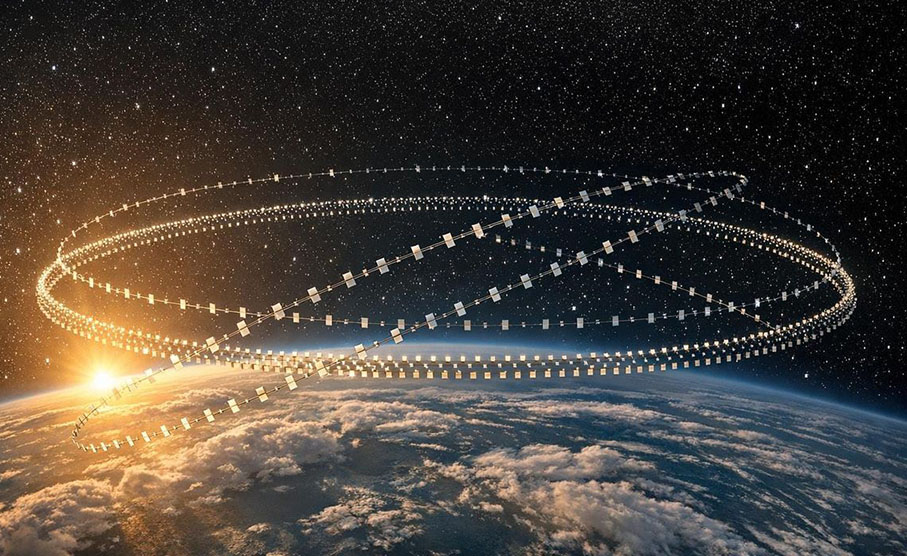
Amazon has formally requested FCC approval to expand its Project Kuiper low‑Earth orbit satellite constellation, filing an application on Friday, July 24, 2026. The company seeks authorization to launch additional satellites and secure spectrum rights, positioning itself to compete with existing LEO services such as SpaceX Starlink.
FCC Approves Upper C-Band Order, Allocating $5.6 Billion to SES and $504 Million to Eutelsat
Original Publication Date: 2026-07-27 16:27
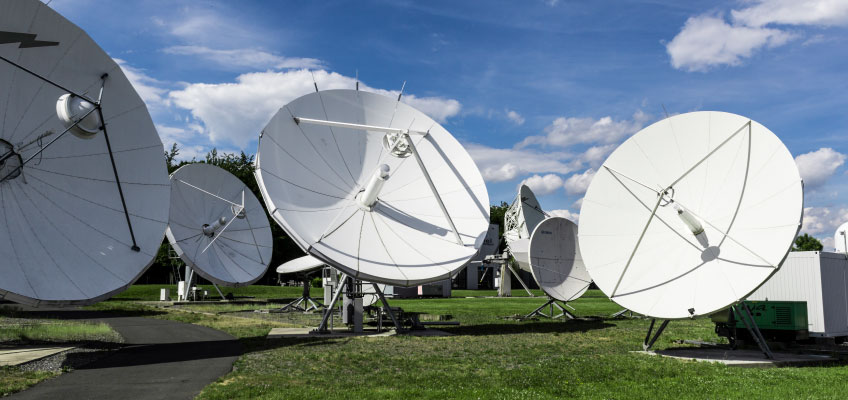
The Federal Communications Commission approved its Upper C‑band Report and Order on Monday, July 27, 2026, clearing 160 MHz of satellite spectrum across the contiguous United States. This move will unlock the band for next‑generation flexible‑use services, allowing satellite operators to deploy new broadband and communications technologies. The decision is expected to spur investment in high‑speed internet and improve connectivity for underserved areas. By opening this spectrum, the FCC aims to accelerate the rollout of advanced satellite services nationwide.
Astrolight Advances End-to-End Lasercom Network to Address Orbital Bandwidth and Spectrum Bottlenecks
Original Publication Date: 2026-07-27 16:04
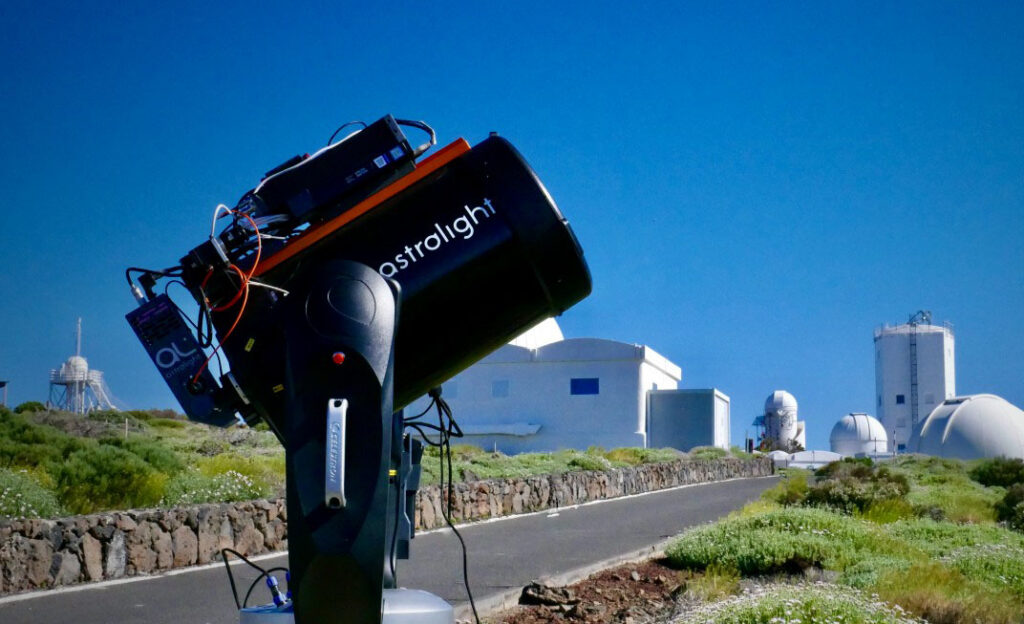
Orbital computing projects—such as Google’s Project Suncatcher and the rapid rollout of mega‑constellations—are producing data streams in space at an unprecedented pace. This surge is straining traditional radio‑frequency (RF) links, leading to severe spectrum congestion and hitting physical throughput limits. The result is a bottleneck that threatens the reliability and speed of satellite‑based communications. Industry experts say urgent upgrades and new technologies will be required to keep up with the data deluge.
Smoke Blankets Oregon
Original Publication Date: 2026-07-28 04:01

Dry thunderstorms on July 15 sparked lightning across Oregon and Washington, igniting dozens of wildfires that quickly expanded under gusty winds and extreme drought. By July 26, satellite imagery from NASA’s Aqua captured a plume of smoke blanketing eastern Oregon, where fires like the Hay Creek Complex and Brewer had burned over 1 million acres and remained largely uncontained. State officials issued air‑quality advisories and evacuation orders as more than 10,000 firefighters fought the blazes, with the Emergency Conflagration Act invoked for several high‑risk fires. Nationwide, U.S. Wildfires had consumed over 4 million acres, surpassing the 10‑year average of 3.4 million acres for this time of season.
NASA Astronaut Chris Williams Returns to Earth
Original Publication Date: 2026-07-27 16:48
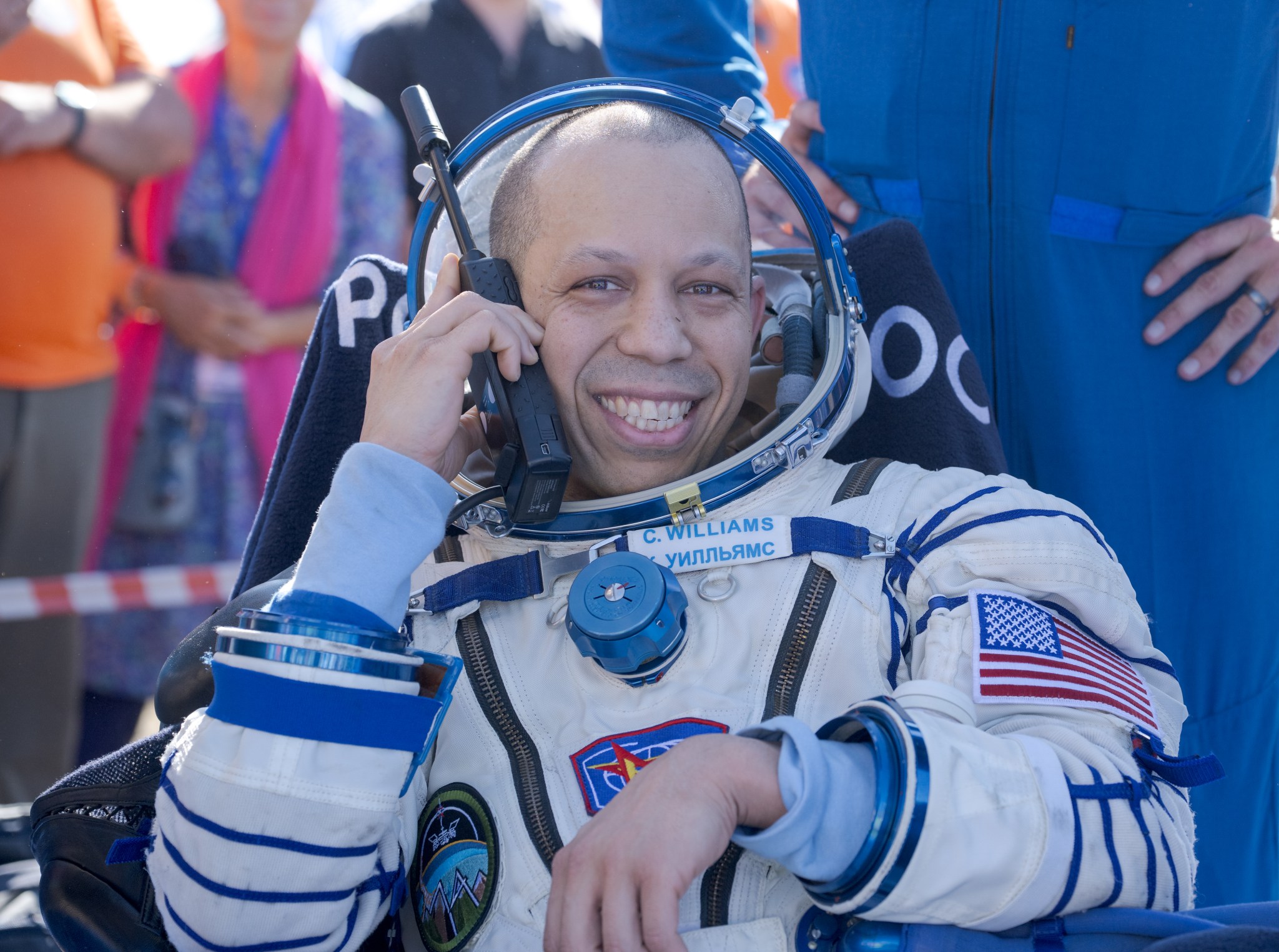
NASA astronaut Chris Williams returned to Earth on July 26, 2026, after spending eight months aboard the International Space Station with Roscosmos cosmonauts Sergey Kud‑Sverchkov and Sergei Mikaev. During his first mission, Williams supported a broad array of scientific experiments and technology demonstrations. He also performed two spacewalks, one to upgrade the station’s power system and another to replace a faulty joint on the Canadarm2 robotic arm. His safe return marks a successful start to his career in space exploration.
NASA Science Soars During August Total Solar Eclipse
Original Publication Date: 2026-07-27 18:01

NASA teams will chase the Moon’s shadow over Greenland, Iceland, Spain, and Portugal on Aug. 12, 2026, using a high‑altitude WB‑57 jet to capture the Sun’s corona in unprecedented detail.
Launch Preview: Falcon 9 and Chang Zheng rockets set to launch this week
Original Publication Date: 2026-07-27 20:31

This week, five rockets will launch worldwide, with China and SpaceX leading the charge. China’s Chang Zheng 7A will lift off from Wenchang on July 29, followed by a Chang Zheng 6A from Taiyuan on July 30, both carrying undisclosed payloads into unknown orbits.
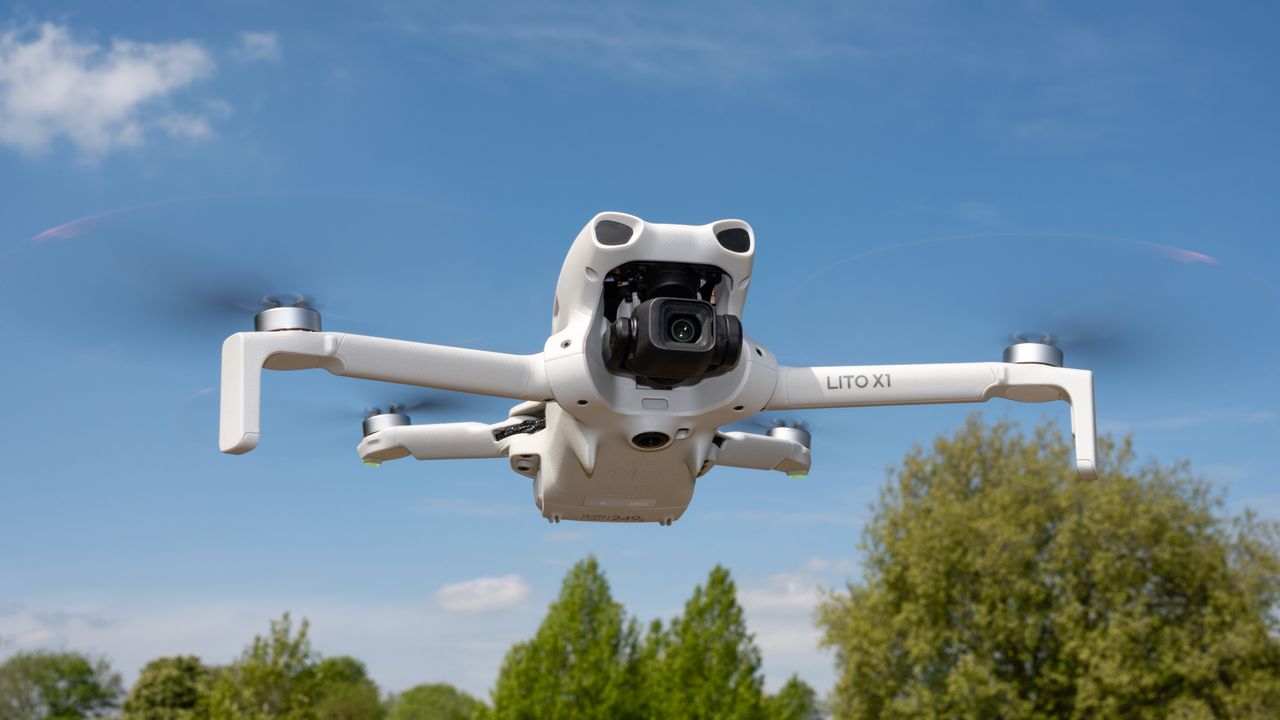
The unique DJI Lito X1 drone is packed full of functionality and you can't buy it in the USA
Original Publication Date: 2026-07-28 09:00
No article content was provided. As a result, I cannot summarize the content. Thank you.
Starship in space! See highlights of SpaceX megarocket's epic Flight 13 test launch (video)
Original Publication Date: 2026-07-27 22:00
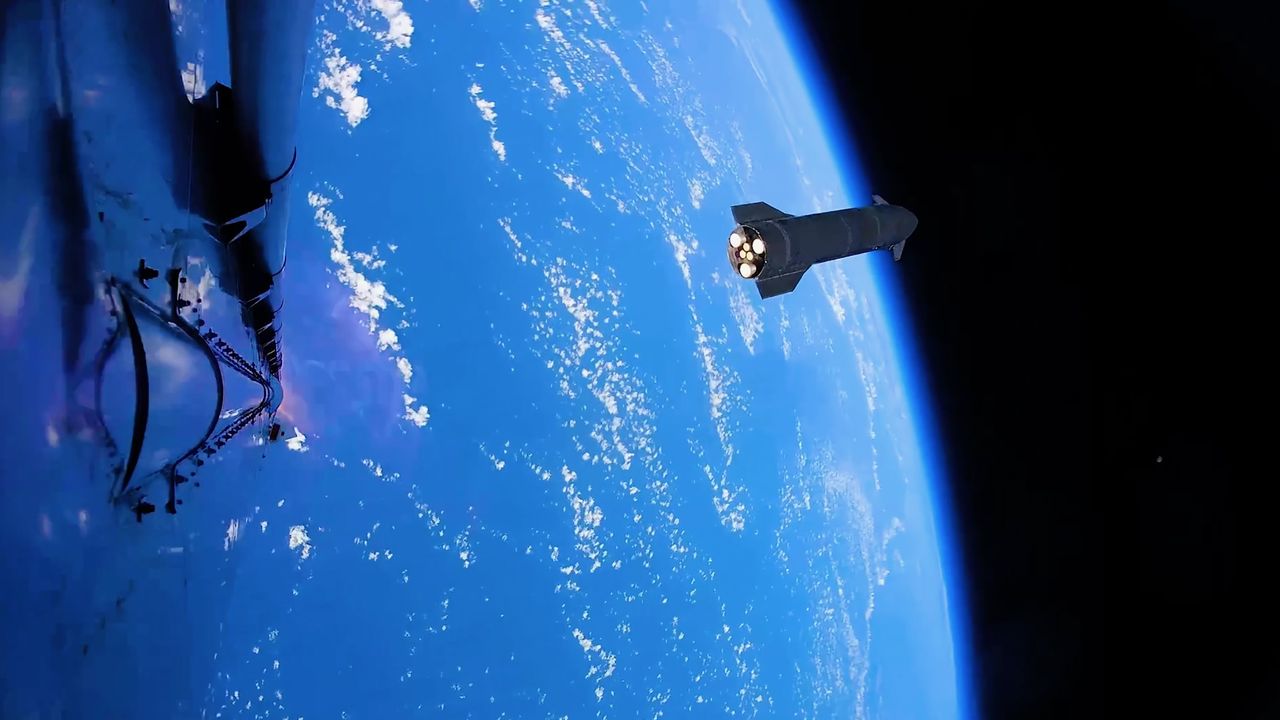
SpaceX’s Starship Version 3 launched from its Starbase site on July 24, 2026 for the rocket’s 13th test flight.
Rocket Lab to start launching missile-defense missions from Alaska under $266 million Space Force deal
Original Publication Date: 2026-07-27 20:00
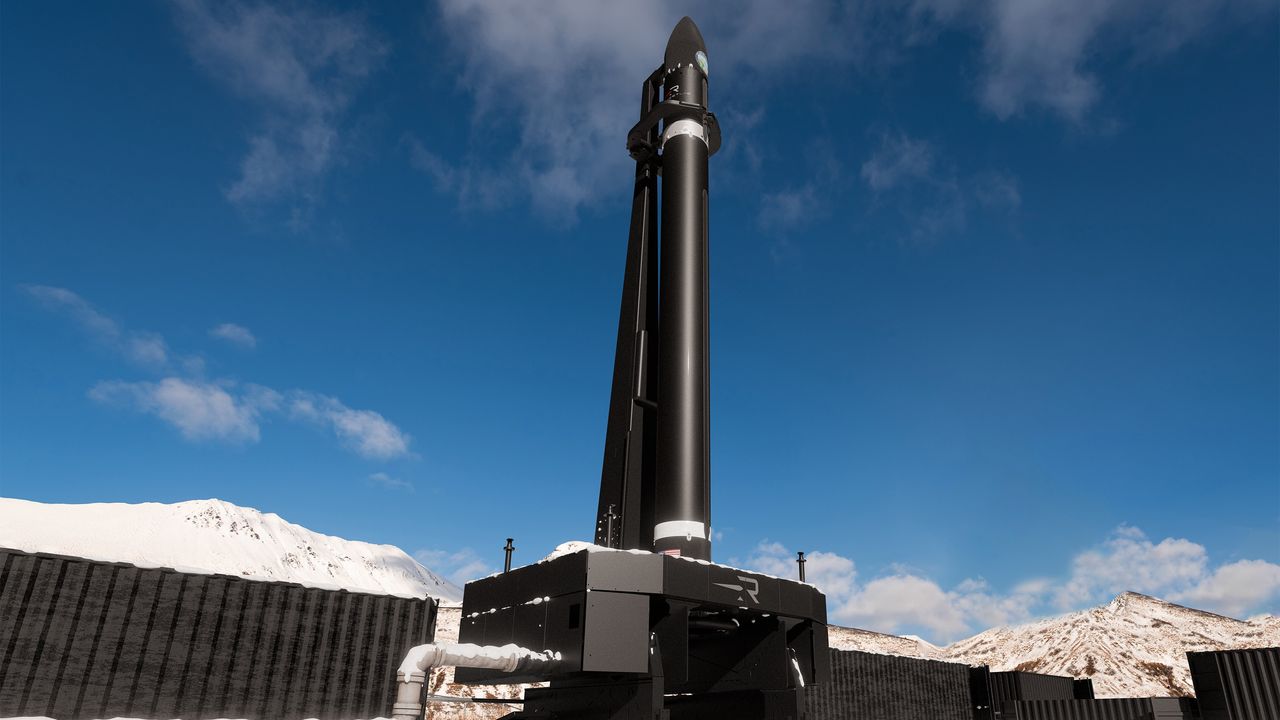
Rocket Lab has secured a $266 million contract with the U.S. Space Force to launch up to 18 missile‑defense missions, most of them from Alaska’s Pacific Spaceport Complex on Kodiak Island. The agreement calls for 12 suborbital flights, with the possibility of six additional launches, and will likely use the company’s HASTE variant of its Electron rocket. This deal underscores the Space Force’s confidence in Rocket Lab’s rapid, responsive launch capabilities and expands the company’s operations into the snowy north. The partnership highlights the growing role of commercial launchers in national security missions.
On this day in space! July 27, 1962: The 1st zero-g cosmonaut training flight took off on a Soviet jetliner
Original Publication Date: 2026-07-27 17:20

On July 27, 1962, Soviet cosmonauts Andriyan Nikolayev and Pavel Popovich boarded a modified Tupole
Are we overlooking signs of alien life that aren't technological or biological? 'Bread would be a signature of intelligence'
Original Publication Date: 2026-07-27 16:00
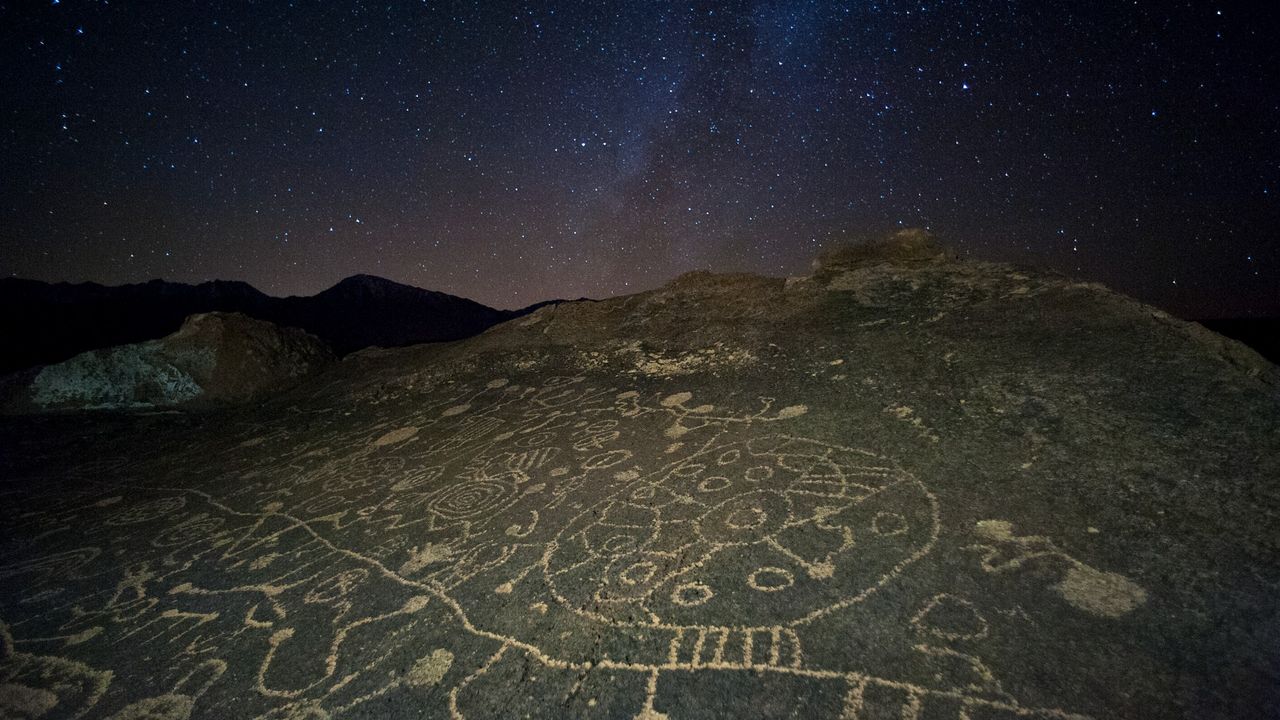
Scientists are expanding the search for alien intelligence beyond technology and biology, proposing “noosignatures” that reveal conscious minds without advanced gadgets. Astrobiologist Julia DeMarines argues that everyday artifacts—such as bread, which has been made for 14,000 years—could serve as evidence of intelligence because their creation requires thought, history, and complex processes. Using Assembly Theory, she measures the number of steps needed to evolve from primitive to modern bread, treating each threshold as a marker of cognitive development. This approach bridges the gap between biosignatures and technosignatures, offering a new way to detect life that is intelligent but not yet technologically advanced.