 Spotify
 Apple Podcasts
 Podcast Addict
 Overcast
 Podcast RSS
Flexell Space raises $20 Million in Series A round
Original Publication Date: 2026-07-14 00:00
South Korean developer Flexell Space has closed a $20 million Series A round, bringing its total funding to roughly $25 million. The investment, led by Korean investors such as InterVest, L&S Venture Capital and Mirae Asset, reflects confidence in the company’s lightweight, high‑efficiency perovskite and CIGS solar cells designed for satellites and space infrastructure. Flexell Space, spun off from Hanwha Systems, is already testing its panels on the Nuri launch vehicle and the International Space Station, while a $7.1 million government R&D grant will help scale production and validate the technology. With full‑scale manufacturing slated for 2028, the firm aims to become a global provider of space‑grade solar energy solutions.
L3Harris, Sierra Space to build 36 satellites to expand U.S. missile-tracking network
Original Publication Date: 2026-07-13 21:08
The Space Development Agency has awarded about $1.75 billion to L3Harris Technologies and Sierra Space for 36 new missile‑warning and missile‑defense satellites under its Accelerated Missile Defense Tranche 3 program, with launch slated for the end of 2028. L3Harris will build 18 infrared‑sensor satellites for $955 million, while Sierra Space will produce 18 satellites for $798 million, all designed to detect, track, and provide targeting data on ballistic and hypersonic missiles. These satellites will integrate with the existing Tracking Layer of the Proliferated Warfighter Space Architecture, offering global, low‑latency surveillance to support the Pentagon’s Golden Dome initiative. Together, the contracts bring L3Harris’s total to 72 satellites and Sierra Space’s to 36, expanding the U.S. Low‑Earth‑orbit defense network.
Poland to host new ESA center as government boosts investments in space
Original Publication Date: 2026-07-13 19:12
Poland will host the European Space Agency’s first centre in an eastern member state, focused on civil security and resilience, announced by Prime Minister Donald Tusk and ESA Director General Josef Aschbacher in Warsaw on July 13.
Accel and Prosus backed QOSMIC raises $3.33 Million to Build Optical Ground Stations for the Orbital Data Economy
Original Publication Date: 2026-07-13 15:10
QOSMIC, a Bengaluru‑based startup, has secured $3.33 million in seed funding to develop optical ground stations for the growing orbital data economy. The round was co‑led by venture capital giants Accel and Prosus, with additional participation from South Park Commons, ARTPARK and several angel investors. The capital will help the company build high‑speed, low‑latency links between satellites and ground infrastructure. This investment positions QOSMIC to play a key role in the next wave of space‑borne data services.
SpaceX launches 27 Starlink satellites on Falcon 9 rocket from Vandenberg
Original Publication Date: 2026-07-13 18:37
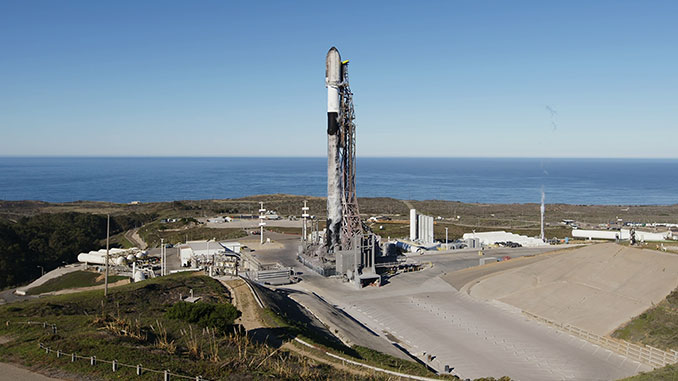
SpaceX successfully launched its Starlink 15‑14 mission from Vandenberg Space Force Base on Monday evening, deploying 27 new V2 Mini satellites into low‑Earth orbit. The Falcon 9 booster, tail number B1093, completed its 15th flight after previously delivering Transporter‑16 and other payloads. Roughly eight minutes after liftoff, the first‑stage booster returned to the Pacific‑based droneship “Of Course I Still Love You,” marking the 210th landing on that vessel and the 637th booster landing overall. With more than 10,700 satellites now in orbit, SpaceX continues to expand its global broadband constellation.
Sat-Lite Technologies Secures $9.9M U.S. Army SATCOM Antenna Contract
Original Publication Date: 2026-07-13 20:37
Sat-Lite Technologies LLC, a Texas-based ground segment manufacturer, secured a $9.9 million firm‑fixed‑price contract from the U.S. Department of War on Monday, July 13, 2026. The agreement, finalized by the Department, will support the company’s role in developing and deploying advanced satellite ground systems for military applications. This contract underscores the growing partnership between private aerospace firms and the Pentagon to enhance national security infrastructure. The deal positions Sat‑Lite Technologies as a key contributor to the U.S. Space defense strategy.
Air Launch Died the Same Week Responsive Space Arrived
Original Publication Date: 2026-07-13 18:12

Pegasus XL’s final flight this week brought an end to the only operational orbital‑class air‑launch system. In the same timeframe, the VICTUS HAZE system completed a 17‑hour tactical call‑up from a fixed launch pad. Investigations revealed that the delays were caused by software and operational issues, not a flaw in the aircraft itself. This marks a significant shift in the commercial space launch landscape.
SpaceX Advances Direct-to-Device Constellation Matrix with Starlink V3 Hardware
Original Publication Date: 2026-07-13 15:43

SpaceX has announced the manifest for its next Starship launch, targeting the network capacity and array limits that challenge first‑generation satellite‑to‑cell architectures. The scheduled early‑2027 flight will deploy a constellation of high‑throughput satellites designed to deliver gigabit‑per‑second connectivity to underserved regions. Engineers say the new architecture will support thousands of simultaneous connections, boosting global coverage and reducing latency. The company plans to integrate the satellites with its existing Starlink network, expanding coverage to remote areas.
Rocket Lab Consolidates Vertical Integration Across Satellite Communications Market
Original Publication Date: 2026-07-13 15:17
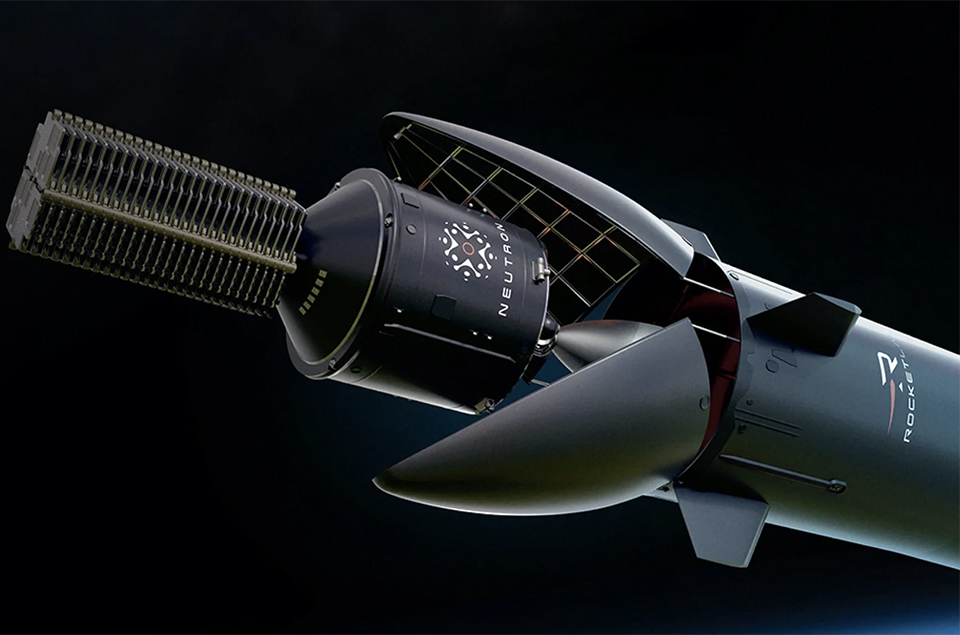
Market analysts on July 12, 2026 noted Rocket Lab USA Inc.'s rapid shift from a launch services company to a fully integrated satellite communications giant. The company is expanding its capabilities beyond rocket launches to include satellite manufacturing, ground station operations, and end‑to‑end communication services. This strategic pivot aims to capture a larger share of the growing global satellite market and reduce reliance on external launch partners. With its new integrated model, Rocket Lab is poised to become a key player in the future of space communications.
Fans of the Arctic
Original Publication Date: 2026-07-14 04:01

NASA’s Landsat 9 captured striking alluvial fans on Severny Island, part of Russia’s Novaya Zemlya archipelago, where meltwater from glaciers deposits sediment as rivers slow on flat valleys. The August 1, 2025 image shows fans in opposing orientations along a braided river, evidence of dynamic sediment transport driven by seasonal snowmelt and glacial erosion. Scientists note that the island’s land‑terminating glaciers have thinned in recent decades, indicating warming impacts in the high Arctic. These remote observations help researchers monitor the island’s largely understudied ice and its influence on local geomorphology.
Curiosity Blog, Sols 4941-4947: (Pin)Stripes on the Fourth of July
Original Publication Date: 2026-07-14 01:04

Curiosity has been busy this week, driving toward a striking bedrock contact at the edge of the smooth, sandy polygons on Sol 4942 and capturing stunning pinstriped layers in the Cerro Castillo outcrop. The rover’s suite of cameras and spectrometers—Mastcam, Navcam, ChemCam, MAHLI, and APXS—has been busy tagging light‑colored rocks, performing laser spectroscopy on darker bedrock, and documenting dust devils and atmospheric conditions.
NASA Study Points to Smoother Air Taxi Rides
Original Publication Date: 2026-07-13 21:46
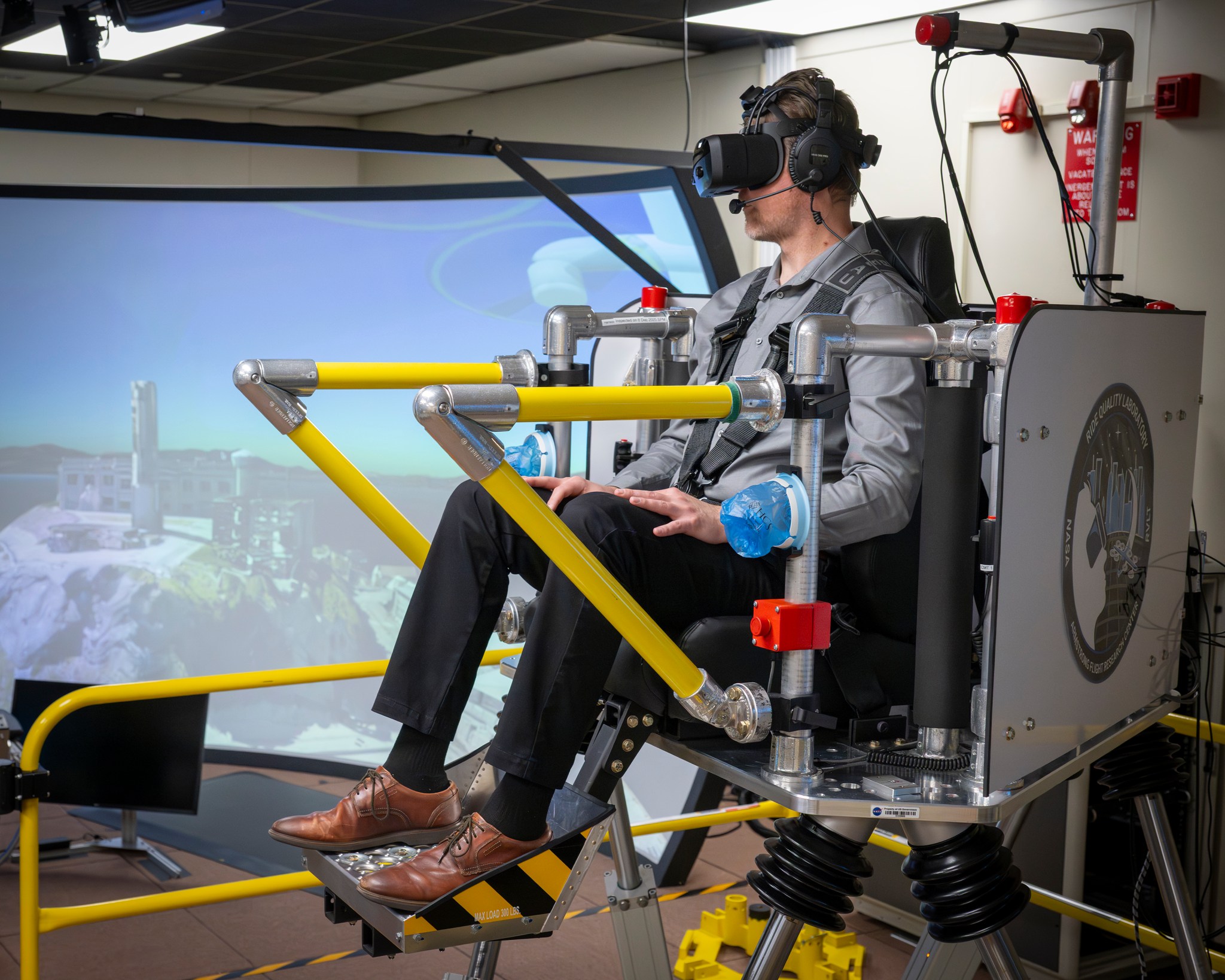
NASA has finished a multi‑year study using virtual‑reality motion simulators to see how sudden air‑taxi movements affect passenger comfort. Volunteers experienced four types of motion—pitch, roll, yaw, and rapid acceleration—while rating each flight on a five‑point scale and noting which motions felt uncomfortable. The results show that even moderate shifts can reduce comfort and that today’s travelers may be less tolerant of rough motion than airline passengers from fifty years ago, giving NASA models that link motion to willingness to fly. These insights will help designers and operators of future vertical‑takeoff and landing aircraft shape flight paths and aircraft designs to keep passengers comfortable and willing to ride again.
NASA Astronaut Anil Menon
Also covered by: Space.com
Original Publication Date: 2026-07-13 15:11
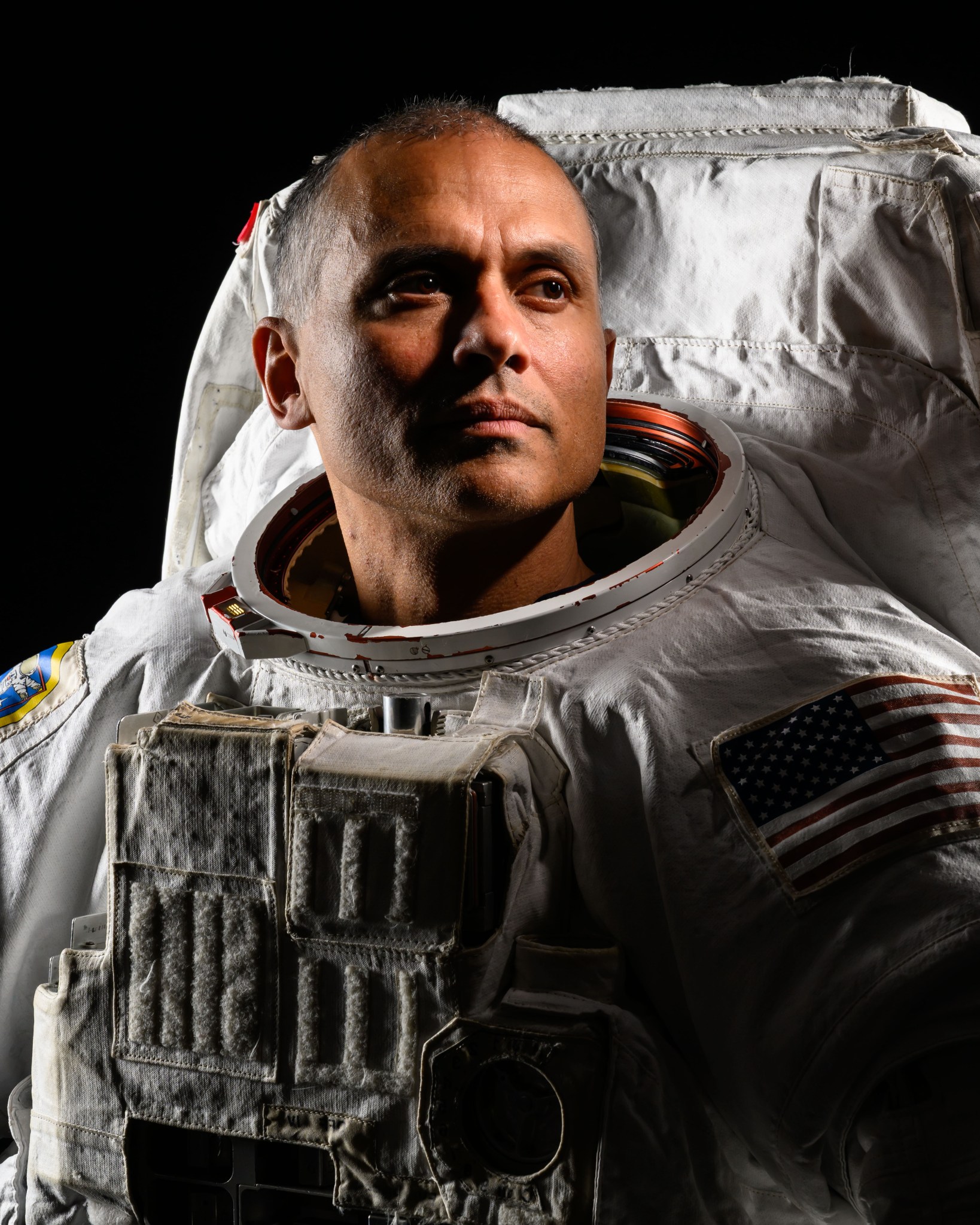
NASA astronaut Anil Menon will launch on July 14 aboard Soyuz MS‑29 from Baikonur, joining cosmonauts Pyotr Dubrov and Anna Kikina. The crew will head to the International Space Station to augment Expedition 74, conducting research and technology demonstrations that support human space exploration and have potential terrestrial applications. The launch is scheduled for 10:47 a.m. ET, with live coverage beginning at 9:45 a.m. ET, and the spacecraft is expected to dock around 1:56 p.m. ET after just two orbits.
Launch Preview: Soyuz to launch crew to ISS, Starship to fly another test flight
Original Publication Date: 2026-07-13 20:29

This week, seven rockets will lift off around the globe, starting with SpaceX’s Falcon 9 launching three Starlink v2 Mini satellites from Vandenberg on Monday, July 13. Tuesday sees a second Falcon 9 ferrying 29 Starlink satellites from Cape Canaveral, while a Soyuz 2.1a will carry a fresh ISS crew from Baikonur to the station.
Reditus Finishes ENOS Reentry Vehicle Ahead of First Flight
Original Publication Date: 2026-07-13 13:00
Reditus Space, a stealth startup that emerged in December, has finished building its first reusable reentry vehicle, ENOS, and plans to launch it this fall. The 200‑kg spacecraft will orbit Earth for about two months before reentering at speeds up to Mach 29 and splashing down off Florida’s coast in December, carrying a 40‑kg payload.
Reflect Orbital Cleared to Fly In-Orbit Mirror by FCC
Original Publication Date: 2026-07-13 12:24

Reflect Orbital has secured an FCC license to launch its first in‑space demo satellite, Eärendil‑1, which will test an 18‑meter film reflector designed to beam sunlight onto Earth. The company plans to eventually deploy a constellation of 50,000 mirrors, but astronomers warn the mirrors could interfere with ground‑based telescopes, while ecologists worry about disrupting natural day‑night cycles. In reviewing the application, the FCC noted that environmental and astronomical concerns fall outside its jurisdiction and granted the license for a single mission without addressing the broader constellation. Reflect Orbital says it will prove that the reflected light can be precisely controlled and coordinated with affected communities and scientific institutions.
SpaceX Starship Flight 13 launch updates: SpaceX sets target date for next Starship rocket launch
Original Publication Date: 2026-07-13 21:10

We don't have an article to summarize today. As a result, there's no news to report. Stay tuned for the next segment.
These mysterious exoplanets may have clouds of vaporized rock and grounds of scorching magma oceans
Original Publication Date: 2026-07-13 21:00

New simulations show that mineral vapor clouds on sub‑Neptune exoplanets can trap heat, raising temperatures at the atmosphere–interior boundary by up to 2,600 °C and potentially melting the surface into a magma ocean. These hot, rock‑cloud‑laden worlds, such as GJ 1214b, could have their atmospheres enriched or depleted by gases exchanged with the molten interior, skewing the composition that the James Webb Space Telescope seeks to measure. The trapped heat also keeps the lower atmosphere bloated, preventing the planets from contracting over billions of years and making their surfaces too hot for liquid water or life.
NASA begins stacking rocket ahead of 2027 Artemis III astronaut launch (photos)
Original Publication Date: 2026-07-13 16:43
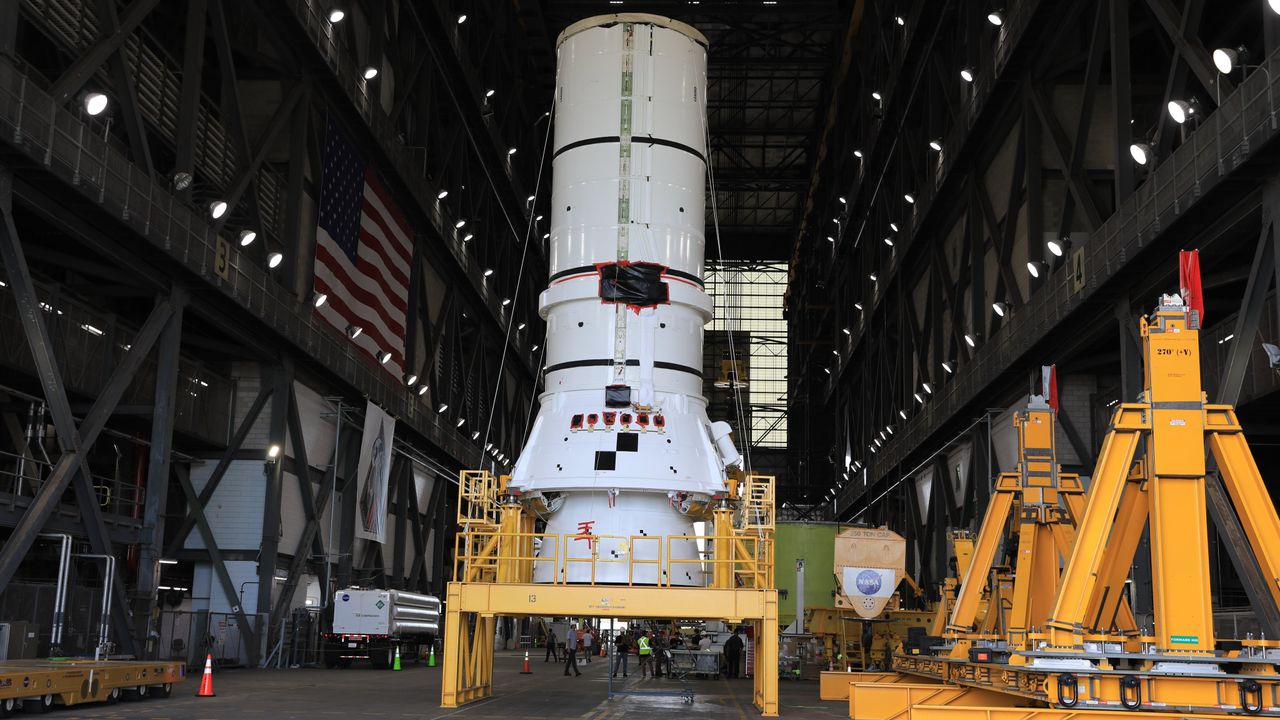
NASA’s Artemis III rocket is taking shape at Kennedy Space Center, with the bottom segment of a solid‑fuel booster arriving at the Vehicle Assembly Building this week. The two boosters will supply 75 % of the Space Launch System’s thrust, giving the Orion spacecraft enough power to test lunar landing procedures before the 2027 launch. The core stage arrived without its engine, but NASA plans a wet dress rehearsal by year’s end and expects the full stack to begin shortly thereafter. If the schedule holds, Artemis IV will carry the first crewed moon landing in late 2028.
SpaceX targets July 16 for Starship Flight 13, reveals what went wrong on previous launch
Original Publication Date: 2026-07-13 16:00
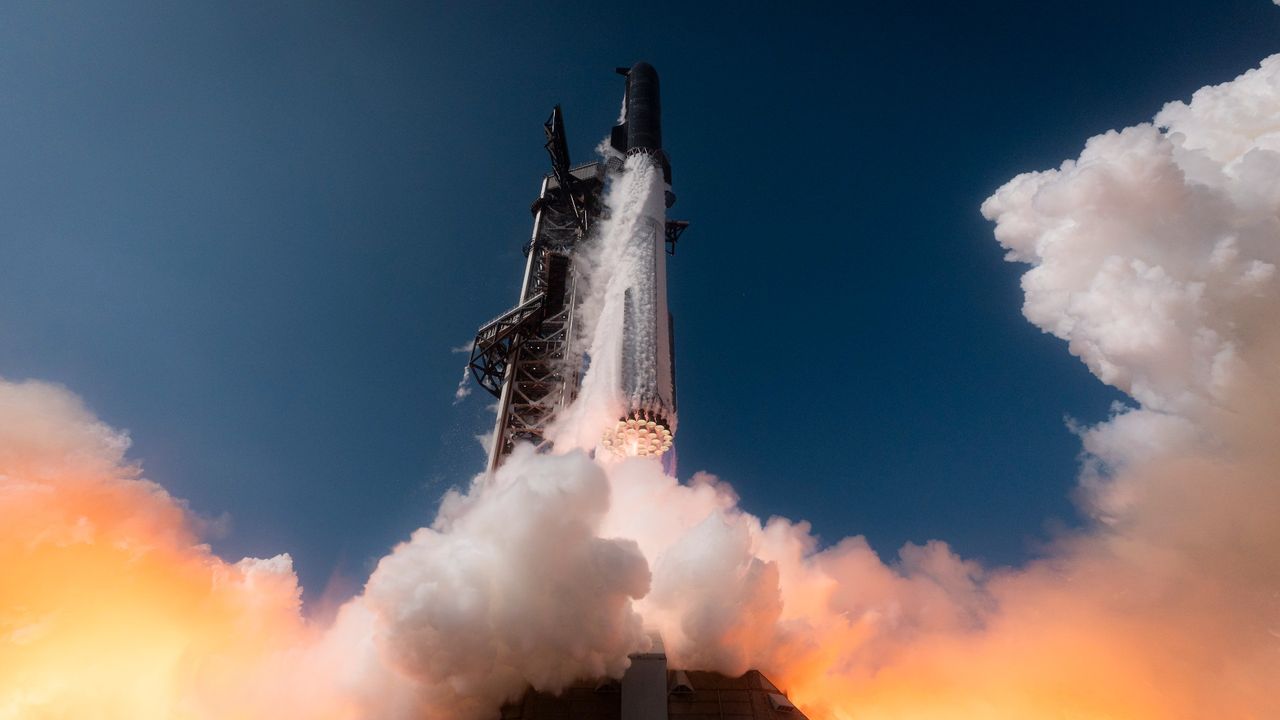
SpaceX is set to launch its upgraded Starship V3 on Thursday, July 16, after a series of engine tests and hardware tweaks aimed at fixing the orientation and ignition issues that plagued Flight 12. The new launch will carry 20 Starlink V3 satellites and seek to demonstrate a successful boostback burn, a soft splashdown in the Gulf of Mexico, and an in‑space Raptor engine relight.
SpaceX is gearing up for Starship's 13th test flight later this week
Original Publication Date: 2026-07-14 01:17
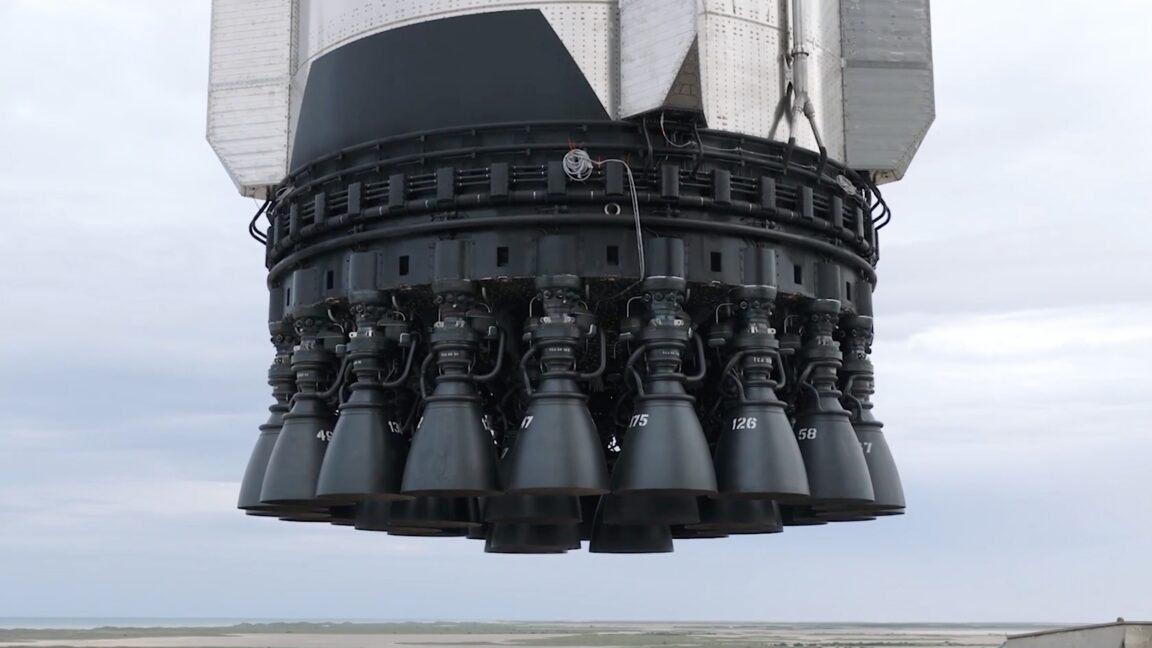
SpaceX plans to launch its Starship and Super Heavy booster as early as Thursday, using a launch window that opens at 5:45 p.m. CDT. The mission will feature 20 real Starlink Version 3 satellites in the cargo bay, a first for a full‑scale test flight, replacing the simulators used previously. Engineers will attempt to create brief laser links between the new satellites and other low‑Earth orbit spacecraft to verify interoperability with earlier Starlink models. This launch marks Starship’s 13th test and the second flight of the upgraded vehicle.