 Spotify
 Apple Podcasts
 Podcast Addict
 Overcast
 Podcast RSS
Isar Aerospace signs agreement for Canadian launch site
Original Publication Date: 2026-07-07 08:00
Isar Aerospace has inked a deal with Maritime Launch Services to build a launch complex for its Spectrum rocket at Spaceport Nova Scotia near Canso, promising $3.75 million a quarter over ten years with a
Blue Origin continues work on lunar landers during recovery from New Glenn explosion
Original Publication Date: 2026-07-06 20:09
Blue Origin is pushing ahead with its Blue Moon lunar landers, keeping seven vehicles in production even after the May 28 New Glenn pad explosion. The company reports that its Mark 1 uncrewed and Mark 2 crewed lander programs have not slowed, with four Mark 1 units at various stages and upcoming launches for NASA’s VIPER rover and Astrolab’s Lunar Terrain Vehicle through 2028. A prototype Mark 2 lander will fly to low‑Earth orbit in 2027 as part of Artemis 3, while two Mark 2 Alpha landers are slated for an uncrewed demonstration and a crewed lunar landing in 2028 and beyond.
Iridium folds Aireon aviation safety service into Rocket Lab-bound business
Original Publication Date: 2026-07-06 19:02
Iridium Communications has finalized its acquisition of Aireon, fully integrating the aircraft‑tracking company into its operations. The move positions Iridium to consolidate its aviation safety services before the planned $8 billion sale of the satellite operator to Rocket Lab. By bringing Aireon in-house, Iridium aims to streamline its satellite and safety offerings ahead of the transition. This acquisition marks a significant step in Iridium’s expansion into aviation safety technology.
NASA adds three European firms to the commercial data program
Original Publication Date: 2026-07-06 15:57
NASA’s Commercial Satellite Data Acquisition program announced contract awards for eight new commercial satellite data providers on June 23, expanding its access to high‑resolution imagery and other satellite‑derived products. Three of the awardees are European firms, including Finland’s Kuva Space and OroraTech, adding a global dimension to the program. These new partnerships underscore NASA’s commitment to leveraging commercial technology for science, exploration, and Earth observation missions.
Blue Origin Insulates Lunar Landers from Launch Pad Recovery Fallout
Original Publication Date: 2026-07-06 20:41
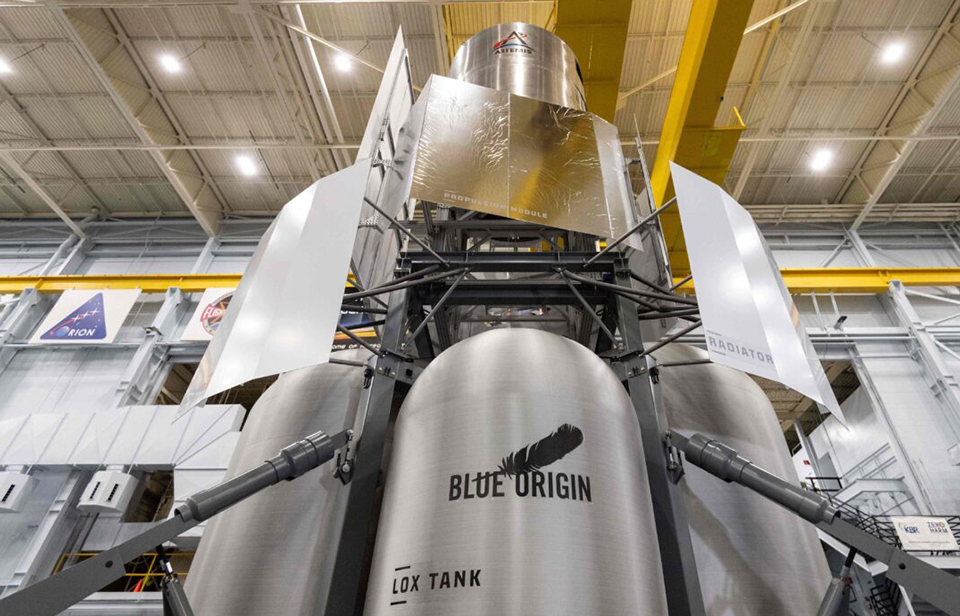
At the Spacetide space commerce conference, Blue Origin senior VP John Couluris confirmed that engineering, assembly, and integration work is underway on
The Supplemental Mobile Network and The Regional Threat.
Original Publication Date: 2026-07-06 18:11
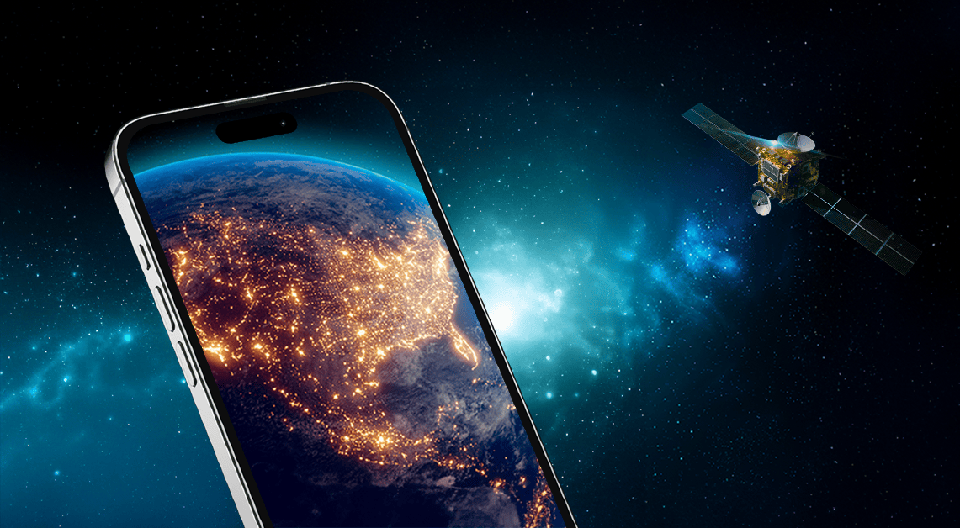
The rapid rise in satellite launches is slashing consumer costs in two distinct ways.
NASA Mandates In-Space Servicing Architecture for $11 Billion Habitable Worlds Observatory
Original Publication Date: 2026-07-06 15:32
NASA astrophysics division director Shawn Domagal-Goldman confirmed that the agency’s upcoming flagship spacecraft will be named the James Webb Space Telescope. The announcement was made during a technical briefing at the American Astronomical Society’s (AAS) 248th meeting.
Private-Public Crossover Strategy Delivers 27.45% Q2 Return for XOVR ETF Following SpaceX IPO
Original Publication Date: 2026-07-06 15:16

On July 6, 2026, ERShares released its second‑quarter performance for the ERShares Private‑Public Crossover ETF (XOVR).
The World Cup From 250 Miles Up
Original Publication Date: 2026-07-07 04:00
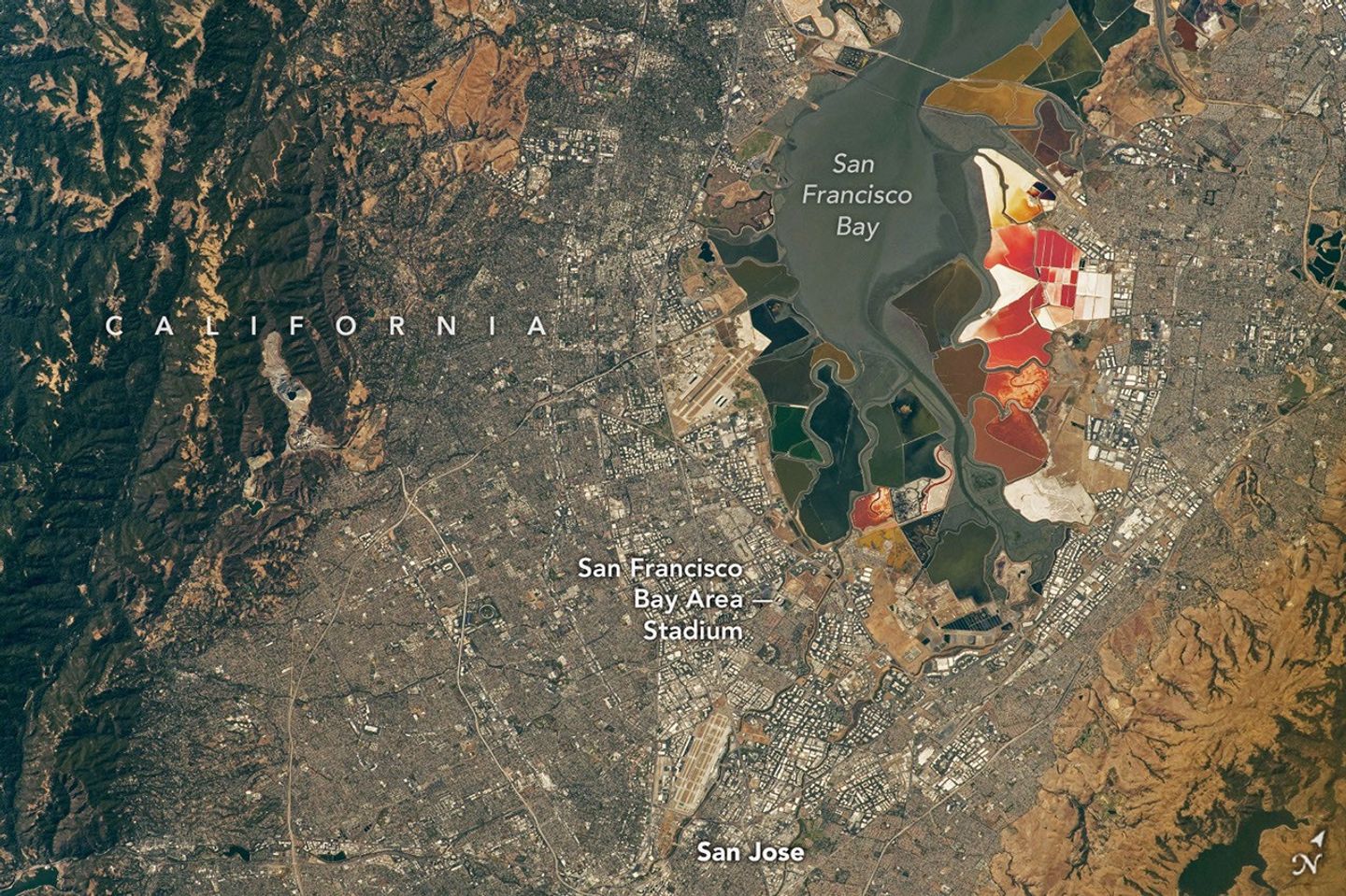
During the 2026 FIFA World Cup, astronauts aboard the International Space Station captured stunning overhead images of North American stadiums, including Levi’s Stadium in Santa Clara and MetLife Stadium in New Jersey. Levi’s Stadium, surrounded by mixed‑use development and the restored San Francisco Bay salt ponds, hosted six matches, while MetLife Stadium, once a wetland dumping ground, now sits amid extensive restoration efforts.
NASA Seeks Industry Input on Second Phase of Commercial Space Stations
Original Publication Date: 2026-07-06 15:33

NASA has released a draft Request for Proposals to shape its next phase of commercial space station services, aiming to ensure a smooth transition from the ISS. The agency is inviting American companies to provide feedback by July 27, with a briefing on July 9 at Johnson Space Center. NASA plans to award firm‑fixed‑price, multi‑award contracts that will support development, certification, and services, allowing the U.S. To maintain a continuous human presence in low Earth orbit while freeing resources for deep‑space exploration. Industry confidence in the commercial marketplace and potential for future investment underscores the agency’s commitment to a robust, cost‑effective partnership model.
NASA Webb Uncovers Unusual Galaxy Shaped by Cosmic Collision
Original Publication Date: 2026-07-06 14:00
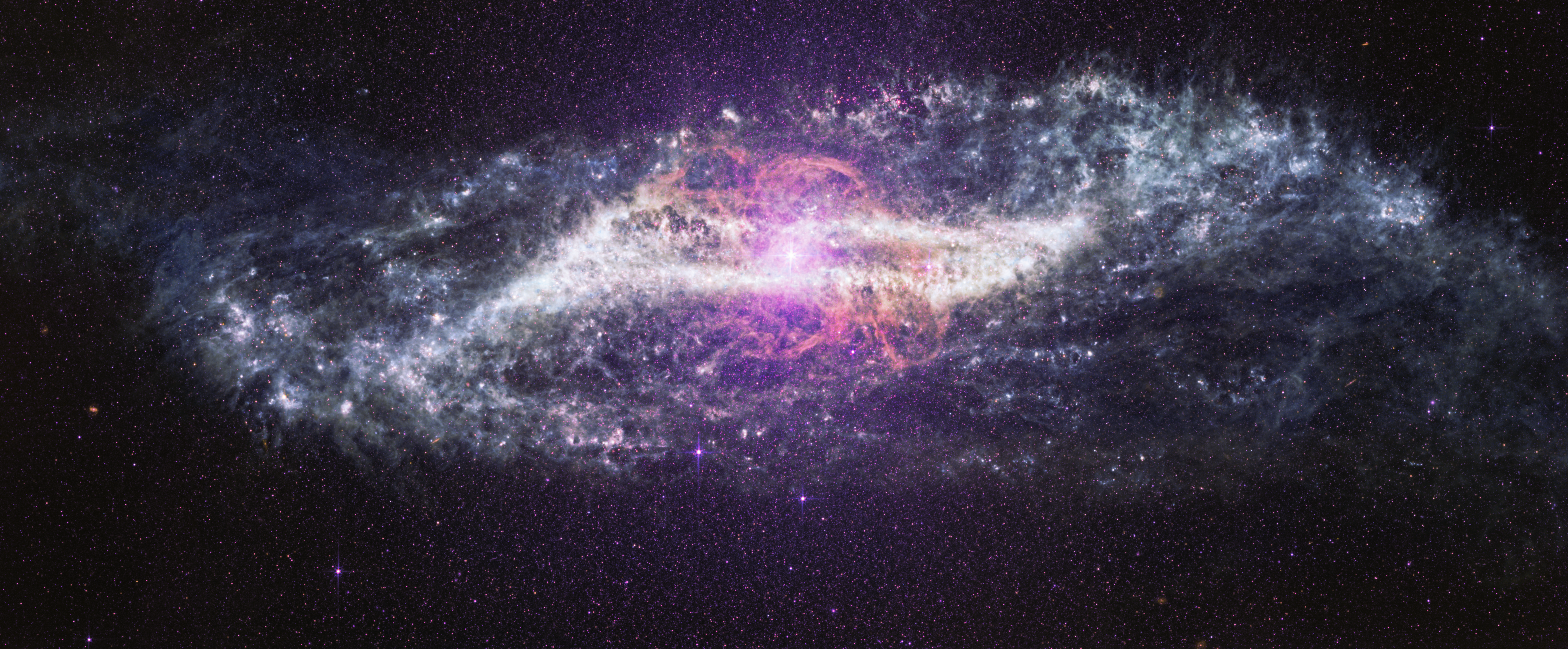
NASA’s James Webb Space Telescope has delivered unprecedented mid‑infrared images of the nearby galaxy Centaurus A, cutting through thick dust to reveal a densely packed tapestry of stars and hidden activity. These new views expose intricate dust structures, including a warped band and an S‑shaped feature, and show the galaxy’s supermassive black hole launching powerful jets that shape its surroundings. Webb’s sharp, high‑resolution data allow astronomers to study Centaurus A star by star, reconstructing its violent merger history and ongoing star formation. The telescope’s performance, exceeding expectations over its first four years, opens a new window on how galaxies and black holes evolve together.
Launch Preview: Long March 10B and Vikram-I debut
Original Publication Date: 2026-07-06 21:45

Six rockets will lift off this week, with three SpaceX Falcon 9 missions launching from California and Florida, including an 81‑payload Transporter rideshare and two Starlink batches. In China, the Long March 10B will make its debut from Wenchang, while India’s Skyroot Aerospace will fire its first Vikram‑I from Satish Dhawan, carrying four small satellites. The U.
Exclusive: Ravee Optics Raises $6M Seed to Build Compact Laser Terminals
Original Publication Date: 2026-07-06 12:55
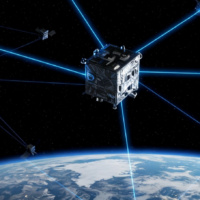
Ravee Optics has closed a $6 million seed round led by BIG Global Investment JSC, with participation from CincyTech Fund VI and JobsOhio Growth Capital Fund, to develop ultra‑compact laser communications terminals. The company’s silicon‑wafer meta‑optics platform promises to shrink a 20‑kilogram, 25‑liter terminal to just 2 kg and 2 L, making laser comms affordable for the growing small‑satellite market. By reducing weight and leveraging existing chip‑foundry infrastructure, Ravee aims to cut launch costs and enable widespread deployment of high‑throughput data links for defense constellations and in‑orbit data centers. The firm plans ground demonstrations over the next two years and an in‑orbit test by early 2028.
Even astronauts in space saw America 250 fireworks on the Fourth of July. See their ISS view of Los Angeles (video)
Original Publication Date: 2026-07-06 22:00

On July 4, 2026 the International Space Station orbited over Los Angeles, giving astronauts a front‑row seat to a spectacular fireworks display that marked the United States' 250th birthday. NASA posted a 15‑second video of the dazzling light show, seen by the seven crew members aboard Expedition 74. The agency also commemorated the milestone with “America 250” logos on the Artemis 2 launch vehicle and special patches for the crew. This multi‑layered celebration underscored how far the nation's independence anniversary had reached—from the ground to the moon and beyond.
SpaceX launches 81 satellites to orbit from California, lands rocket on ship at sea
Original Publication Date: 2026-07-06 21:00
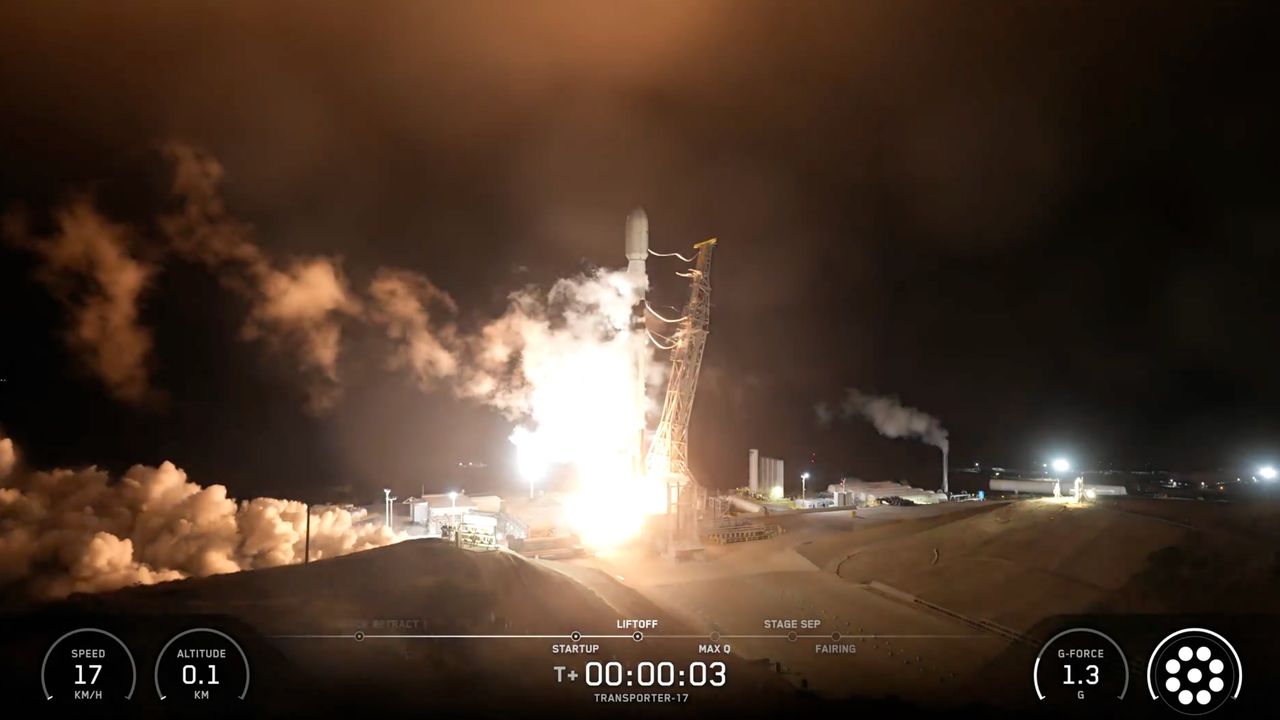
SpaceX’s Falcon 9 rocket lifted off from Vandenberg Space Force Base on Tuesday morning, carrying 81 satellites on its Transporter‑17 rideshare mission. The launch, the company’s 79th Falcon 9 flight of 2026, saw the first stage land on the droneship “Of Course I Still Love You” just 8½ minutes after liftoff. Among the payloads was South Korea’s CAS500‑4 Earth‑observation satellite, the heaviest of the group at about 1,100 pounds. The mission marks the 17th Transporter flight and adds to more than 1,800 satellites already deployed by SpaceX’s rideshare program.
More clues surface about the origins of interstellar comet 3I/ATLAS
Original Publication Date: 2026-07-06 20:16
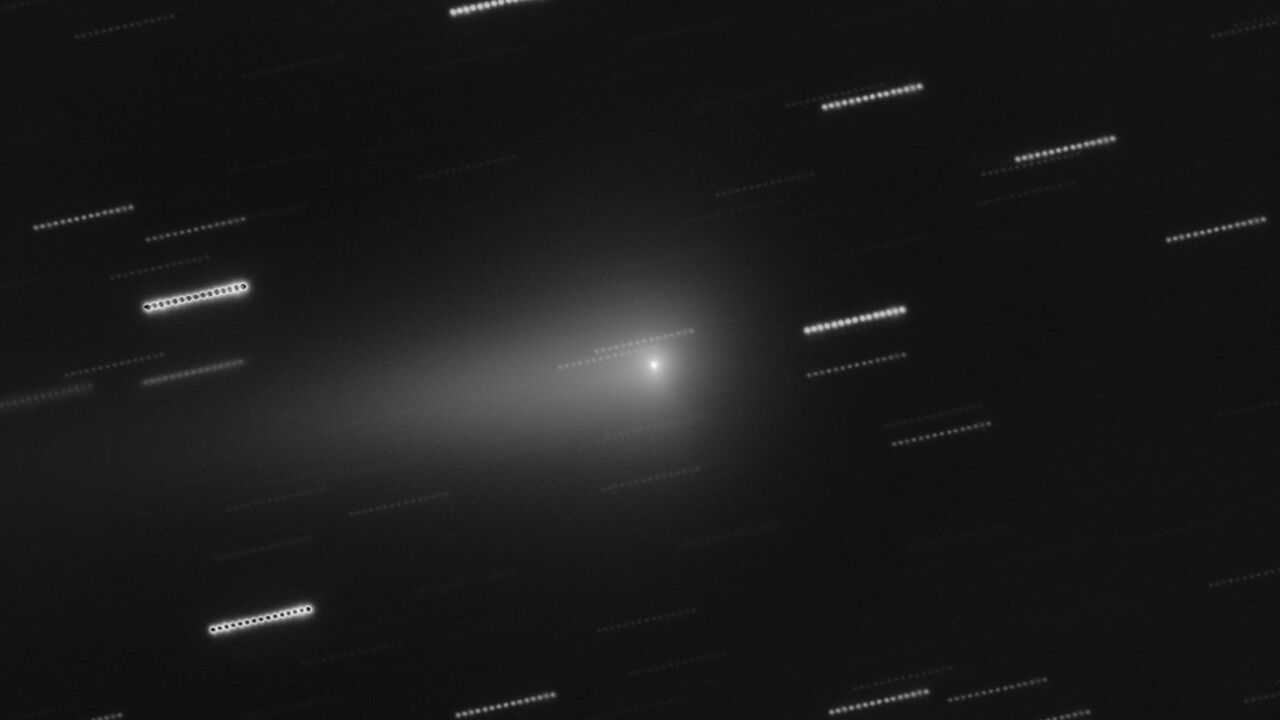
Scientists have confirmed that the interstellar comet 3I/ATLAS is between 10 and 12 billion years old, making it more than twice the age of our Sun’s 4.6‑billion‑year‑old solar system. New observations from the Very Large Telescope’s UVES spectrograph reveal unusually high ratios of carbon‑12 to carbon‑13 and nitrogen‑14 to nitrogen‑15, indicating the comet formed far out in the protoplanetary disk of its parent star, perhaps in a Kuiper‑belt‑like region. These isotopic fingerprints suggest the comet was likely snatched into interstellar space by the gravity of a passing star, rather than ejected by migrating giant planets. The findings, published in Nature Astronomy, underscore 3I/ATLAS as a rare fossil that lets astronomers peer into the chemistry and planet‑forming conditions of a distant, ancient planetary system.
NASA just found a planet 'hiding' in TESS spacecraft data, all thanks to Einstein
Original Publication Date: 2026-07-06 19:00
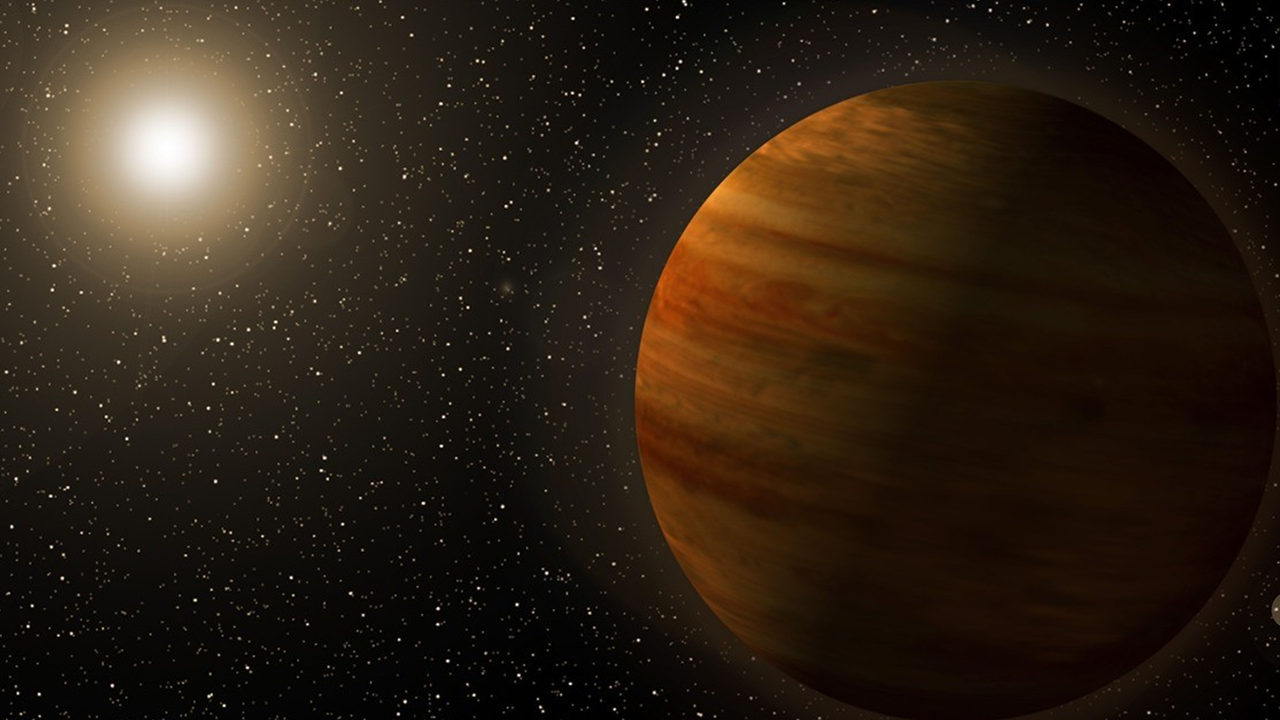
NASA’s TESS spacecraft has discovered a new exoplanet, Gaia23bra b, by using gravitational microlensing—a method never before expected for TESS. The planet, about 1.6 times Jupiter’s mass, orbits an orange dwarf 40,000 light‑years away, far beyond TESS’s usual 150‑light‑year search radius. This marks the first time TESS employed microlensing, hinting that many more such planets may be hidden in its data. The finding also previews the microlensing capabilities of NASA’s upcoming Nancy Grace Roman Telescope, which is slated to uncover thousands of distant worlds.
Black holes buried in mysterious 'little red dot' galaxies could blast cosmic ghosts at Earth
Original Publication Date: 2026-07-06 18:00
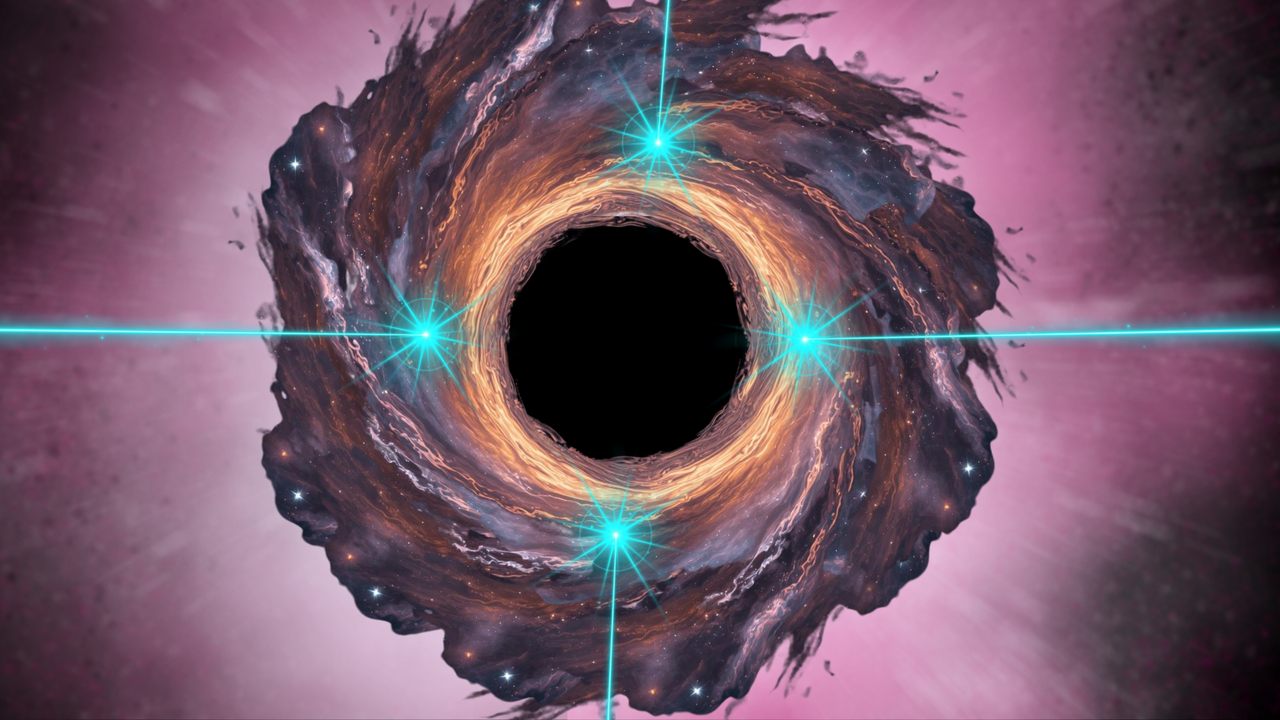
James Webb Space Telescope has identified a class of faint, red galaxies—so‑called “little red dots”—that may hide supermassive black holes shrouded in thick dust. Researchers argue that these buried black holes could accelerate particles to produce the high‑energy neutrinos that reach Earth, while the surrounding gas blocks the accompanying gamma‑ray emission. A study published in Physical Review D estimates that these galaxies could account for a significant portion of the cosmic neutrino background. The team now plans to investigate the neutrino flavor ratios to confirm this hypothesis.
Katalyst's satellite rescue mission is now in pursuit of NASA's Swift
Original Publication Date: 2026-07-06 17:14
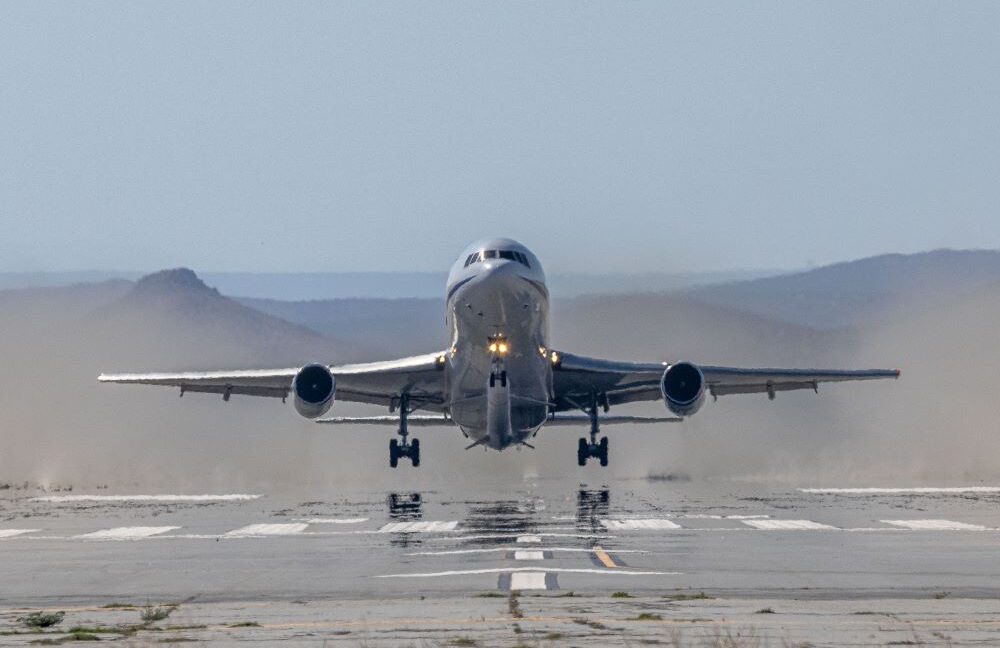
An air‑launched rocket over the Pacific on Independence Day weekend marked the first mission to rescue NASA’s Swift satellite, which was at risk of falling out of orbit. NASA had called for commercial partners to build and launch a small satellite to boost Swift’s altitude, and Katalyst Space Technologies won the contract in September. Within nine months, Katalyst’s nearly half‑ton Link satellite reached orbit, a feat that normally would take several years. This rapid, first‑of‑its‑kind rescue mission showcases a remarkable speed and capability in space operations.