 Spotify
 Apple Podcasts
 Podcast Addict
 Overcast
 Podcast RSS
Boeing demonstrates large language model for space-grade hardware
Original Publication Date: 2026-02-24 01:47
Boeing Space Mission Systems has successfully run a large language model on space‑grade hardware, marking a first for the aerospace industry. The engineers first consulted the hardware manufacturer, who warned the task was impossible, but Boeing’s team found a way to make it work. This breakthrough shows that advanced AI can operate reliably in the harsh environment of space. The achievement was highlighted in a recent SpaceNews article.
Meink, Saltzman make case for Space Force expansion
Original Publication Date: 2026-02-24 00:42
The U.S. Space Force is gearing up for rapid expansion, with Secretary Troy Meink announcing plans to grow its workforce and broaden its mission set, including a focus on missile defense and space-based targeting. A key priority is enlarging the Space Warfighting Analysis Center to shape the force’s long‑term architecture, while the service aims to double its size over the next decade, pending congressional approval. The branch is also shifting toward automated satellite constellations and a digital battle network that fuses data from all domains, requiring new acquisition strategies and closer integration with the Air Force. Meanwhile, an internal “Objective Force” study is mapping out the Space Force’s composition and capabilities through 2040 to guide future recruiting, training, and budget decisions.
Space Force seeks market answers on in-orbit refueling
Original Publication Date: 2026-02-23 19:00
The U.S. Space Force has issued a request for information to gather industry ideas for orbital refueling, aiming for operational services by 2030. It has chosen two docking interfaces—RAFTI from Orbit Fab and PRM from Northrop Grumman—to standardize how future satellites can receive fuel. Astroscale’s “Provisioner” vehicle, already funded by the Space Force, will test hydrazine refueling of a U.S. Military satellite in geostationary orbit. While the move signals intent, the full logistics network and commercial market for space refueling remain to be developed.
AST SpaceMobile wins $30 million contract for military broadband demo
Also covered by: SatNews
Original Publication Date: 2026-02-23 18:08
The Space Development Agency (SDA) has awarded AST SpaceMobile a $30 million prototype contract under its HALO program to test the BlueBird low‑Earth‑orbit constellation’s ability to link directly with U.S. Military radios. This first prime contract for AST SpaceMobile USA will demonstrate low‑latency, high‑bandwidth, resilient tactical communications that integrate with existing defense equipment, with demonstrations slated to conclude by December 2027. Successful trials will inform the next phases of the Proliferated Warfighter Space Architecture, potentially fast‑tracking the system into the Space Force’s warfighter network. The program also aims to connect standard mobile devices to orbit, extending broadband reach to remote and disaster zones while blending commercial and sovereign satellite assets for global mission persistence.
Aalyria hits $1.3 billion valuation after raising funds for satellite mesh network
Original Publication Date: 2026-02-23 17:03
Aalyria, a California‑based satellite mesh network company, announced a $100 million funding round on Feb. 23 that lifted its valuation to $1.3 billion. The capital will support the rollout of laser terminals and software that dynamically route data across space, air, and ground networks. The investment highlights increasing interest in satellite‑based connectivity solutions. Aalyria’s valuation now places it among the top private aerospace firms.
Securing the Future of the Orbital Environment
Original Publication Date: 2026-02-23 19:10

In Austin, Texas, industry leaders gathered under the Securing the Future of Space campaign to emphasize a sovereign‑commercial nexus for managing the increasingly crowded low Earth orbit. Dr. Moriba Jah of GaiaVerse champions “space environmentalism,” arguing that Kessler Syndrome is a policy failure and using AI to track and predict the behavior of over 30,000 orbital objects. Commercial firms, led by Marshall Smith of Voyager Technologies, are building autonomous stations like Starlab, marking a shift where private companies supply infrastructure once reserved for national agencies.
ArianeGroup and ESA Target Spring 2026 for First Themis Reusable Launcher Hop Test
Original Publication Date: 2026-02-23 17:50
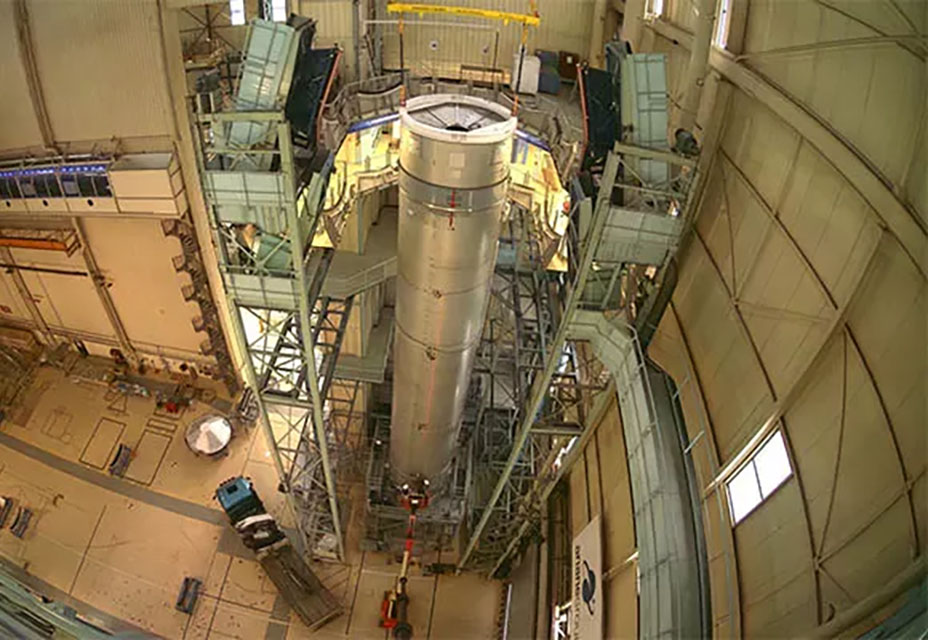
ESA and ArianeGroup are preparing for the first low‑altitude hop test of the Themis reusable launcher demonstrator, slated for the second quarter of 2026. The T1H model, now installed at Esrange Space Center, will validate a vertical landing phase that is a critical milestone for the EU‑funded SALTO project. Funding has ballooned from €39 million to €269 million, enabling further medium‑ and high‑altitude variants. A successful recovery would shift Europe from expendable to reusable launchers, strengthening its competitiveness against U.S. And Chinese providers.
Boeing Scaling Satellite Production in El Segundo to Support Space Force Missile Warning
Original Publication Date: 2026-02-23 17:12
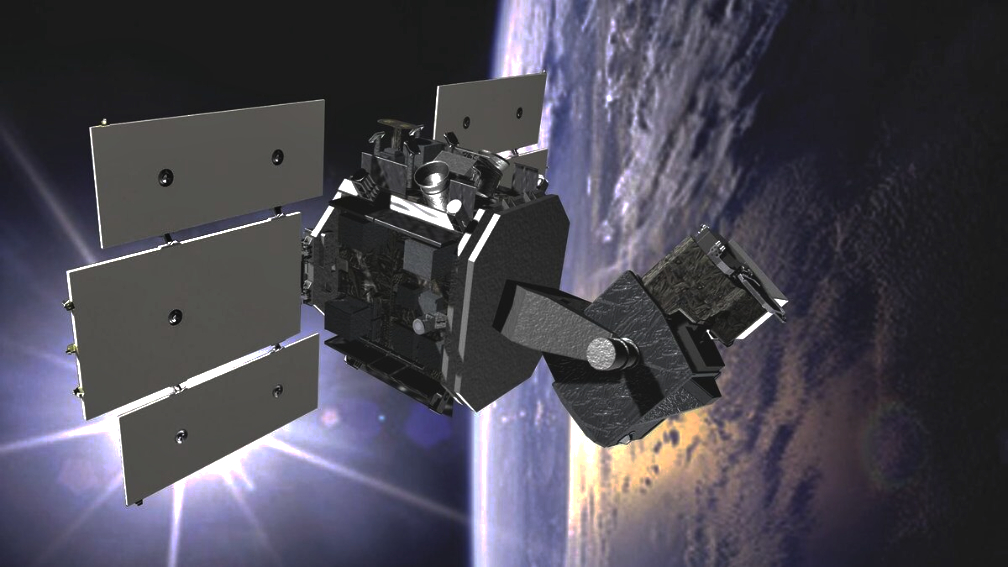
Boeing has opened a new 9,000‑square‑foot EO/IR sensor production line in its El Segundo satellite factory to speed delivery of payloads for the U.S. Space Force’s high‑priority missile‑defense programs. The expansion supports Millennium Space Systems’ contract for the Resilient Missile Warning and Tracking MEO constellation, part of the $175 billion Golden Dome initiative to counter hypersonic threats. With the new line, Boeing plans to more than double its satellite output this year, targeting 26 spacecraft in 2026, and to build 12 satellites for the MWT MEO program slated for launch in mid‑2027. This move addresses supply‑chain bottlenecks and helps the Space Force maintain its continuous constellation build‑out through 2029.
Market Insight: The Indo-Pacific Space Security Boom
Original Publication Date: 2026-02-23 16:48

The Indo‑Pacific is turning space into the “nervous system” of modern warfare, with Japan, South Korea, India and Australia racing to field sovereign satellite constellations that deliver persistent ISR, missile tracking and high‑bandwidth communications. Japan’s Tri‑Sat deal, backed by a 2 % GDP defense budget, and South Korea’s K‑LEO program aim to give each nation a resilient, software‑defined data layer for autonomous command and control. Australia and India are bolstering space domain awareness and secure communications, while global primes like Lockheed Martin and Northrop Grumman partner with regional players to deliver rapid launch, on‑orbit AI processing and hybrid connectivity. This shift from single, large assets to proliferated architectures signals a new wave of military satellite contracts that will reshape the global defense industry.
Showy Swirls Around Jeju Island
Original Publication Date: 2026-02-24 05:01
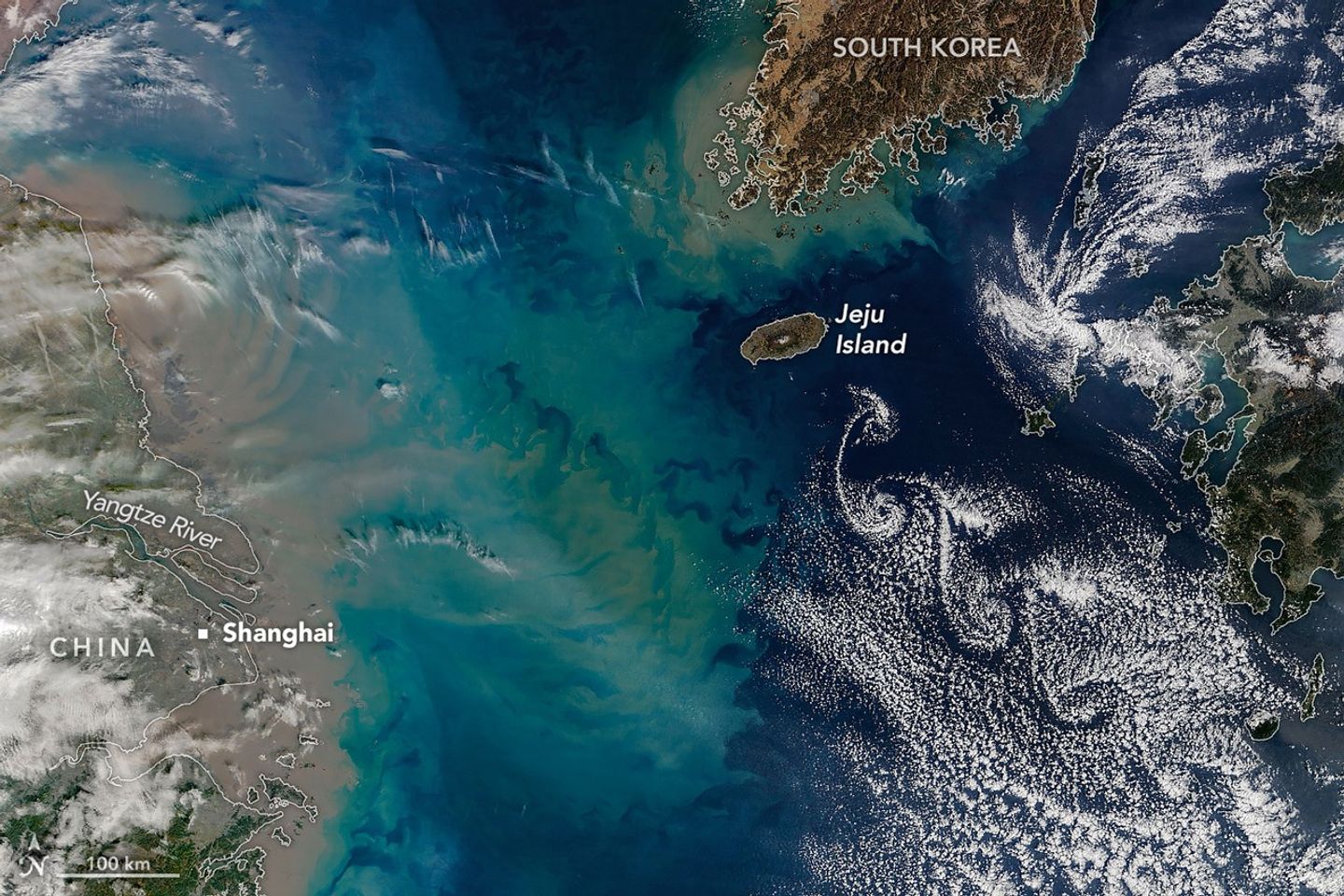
NASA’s Earth Observatory captured a stunning image of swirling clouds over Jeju Island’s Hallasan volcano, the tallest point in South Korea at 1,950 meters. The MODIS sensor on the Terra satellite recorded von Kármán vortex streets—counter‑rotating cloud spirals—formed as winds between 18 and 54 km/h passed the isolated peak. The same winds also stirred a sediment plume off China’s Jiangsu coast, turning the nearby waters murky. This snapshot showcases the dynamic interplay of atmospheric and oceanic forces around one of the world’s most dramatic volcanic landscapes.
Young ‘Sun’ Caught Blowing Bubbles by NASA’s Chandra
Original Publication Date: 2026-02-23 20:07
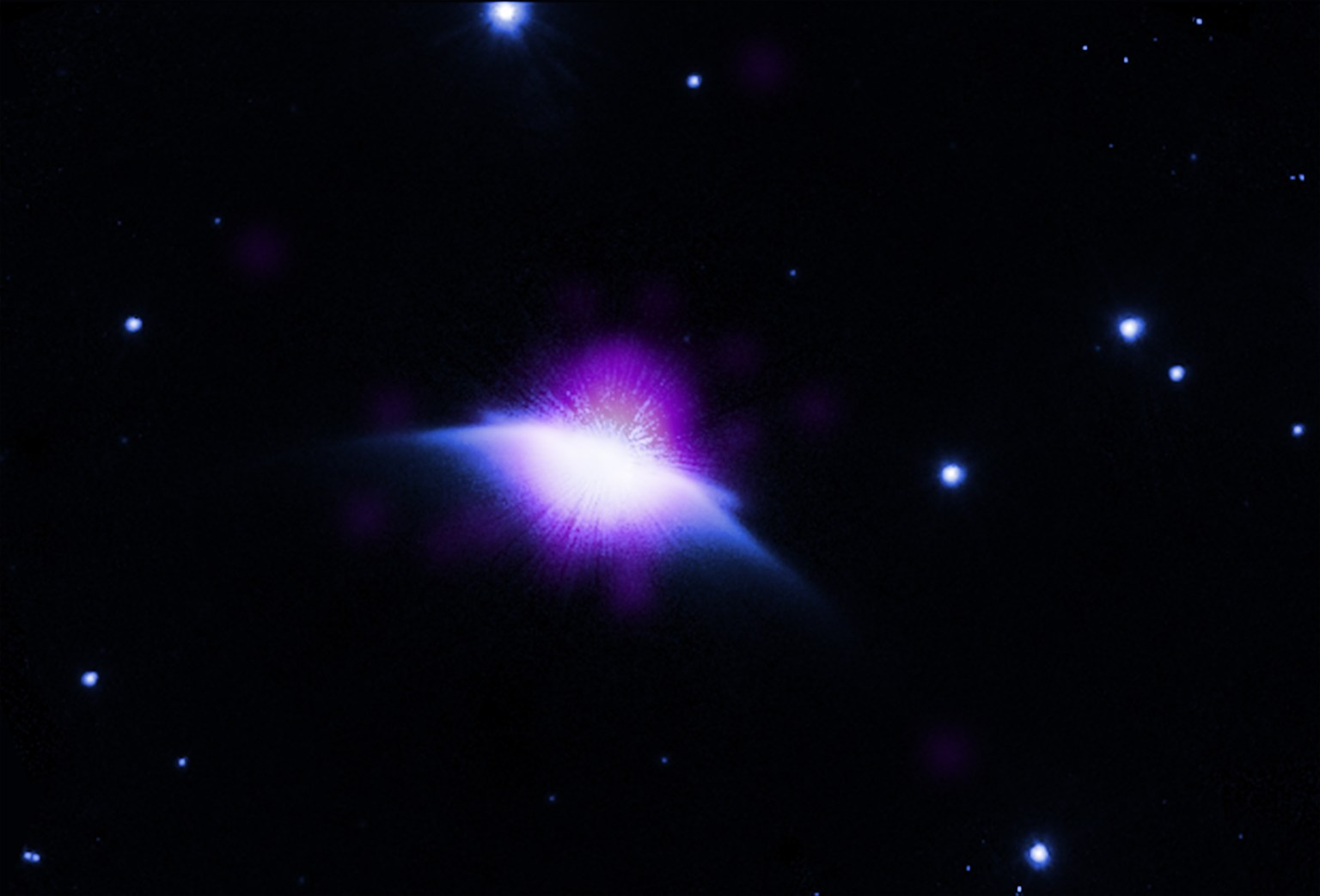
NASA’s Chandra X‑ray Observatory has, for the first time, captured a young Sun‑like star blowing a bubble of hot gas around itself, an “astrosphere” that mirrors the heliosphere protecting our own Sun. The star, HD 61005, is about 120 light‑years away, roughly 100 million years old, and its wind is 25 times denser and three times faster than the Sun’s, creating a visible bubble 200 times the Earth‑Sun distance. Astronomers call the system the “Moth” because its surrounding dust forms wing‑shaped structures similar to a moth’s wings, and the dense interstellar medium amplifies the X‑ray signal that made the discovery possible. This image offers a rare glimpse into how our Sun’s protective bubble evolved billions of years ago and how it may behave in denser galactic environments.
Astronomy Activation Ambassadors: Embracing Multiple Perspectives
Original Publication Date: 2026-02-23 20:03

The Astronomy Activation Ambassadors (AAA) program, part of NASA’s Science Activation initiative, has spent a decade boosting STEM engagement by training teachers and immersing them in observatory visits.
NASA to Cover 33rd SpaceX Resupply Mission Station Departure
Original Publication Date: 2026-02-23 18:47
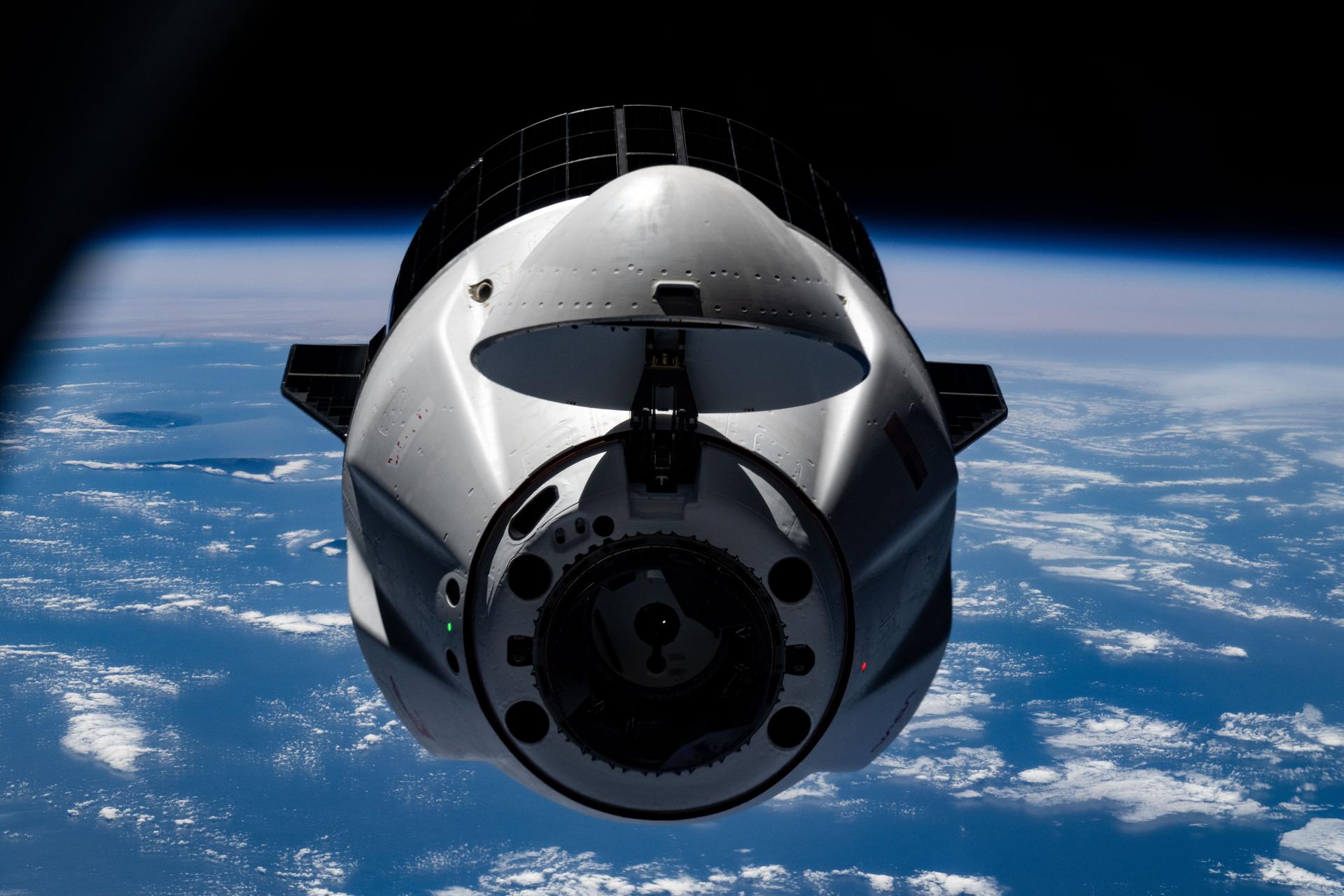
SpaceX’s Dragon cargo spacecraft will depart the International Space Station on Thursday, Feb. 26, 2026, after an automated 12:05 p.
Curiosity Studies Nodules on Boxwork Formations
Original Publication Date: 2026-02-23 17:58

NASA’s Curiosity rover has photographed a field of pea‑sized nodules perched on boxwork ridges, a mosaic stitched from 50 images taken on sol 4,636. These nodules, formed by mineral deposits left as ancient groundwater dried, appear along the ridge walls and hollows rather than at the central fractures where water seeped. The surrounding calcium‑sulfate veins suggest the area once hosted flowing groundwater later than previously thought, raising questions about the longevity of potential Martian microbes. Curiosity’s findings, captured by its Mars Hand Lens Imager, add new clues to the planet’s watery past.
NASA’s Curiosity Rover Sees Martian ‘Spiderwebs’ Up Close
Original Publication Date: 2026-02-23 17:00
NASA’s Curiosity rover has spent the last six months mapping a spiderweb‑like network of boxwork ridges on Mount Sharp, revealing that groundwater flowed higher and longer than scientists had expected. The rover’s careful traversal of ridges and hollows has confirmed that the dark lines seen from orbit are mineral‑rich fractures, while newly found nodules suggest a complex sequence of cementation and water activity. Laboratory analysis of drill‑pulverized samples uncovered clay and carbonate minerals, and a wet‑chemistry test is probing for organic molecules that could hint at ancient Martian life.
Launch Preview: Falcon 9 to launch five Starlink missions, Firefly to launch Alpha
Original Publication Date: 2026-02-23 23:31

This week’s launch schedule features seven missions, dominated by SpaceX’s Falcon 9, which will loft five Starlink v2 Mini satellite batches from Florida and California. Rocket Lab’s HASTE suborbital rocket will fire a 300‑kg hypersonic scramjet demonstrator from Virginia, while Firefly Aerospace will return its Alpha rocket to flight on the “Stairway to Seven” mission out of California.
Exclusive: Sceye Unveils SceyeCELL Antenna
Original Publication Date: 2026-02-23 14:00

Sceye has unveiled SceyeCELL, a high‑altitude platform system that blends the flexibility of ground‑based cell networks with the precision of low‑Earth orbit satellites. The helium‑filled, solar‑powered airship‑like balloons will stay aloft for weeks or months, offering a stable, persistent layer of coverage that can extend and protect networks during crises and reach remote areas where traditional tech is too costly or complex. Designed to complement, not replace, existing ground and space infrastructure, SceyeCELL aims to ease network demand as connected robotics and autonomous vehicles mature. The first commercial test flight, scheduled for this summer, will carry the system from New Mexico to Japan to demonstrate its emergency and disaster‑response capabilities.
Remondo Unveils Plans for Sub-30 cm Resolution Sat
Original Publication Date: 2026-02-23 13:26
Israel‑based startup Remondo announced a new “Partial Aperture Imaging System” that promises sub‑30 cm resolution from low Earth orbit at a fraction of the cost of traditional satellites. By using a ring of smaller mirrors, a light modulator, and a coding system, the company aims to build and launch each satellite for $2 million or less, targeting a 32‑satellite constellation for global coverage. Remondo has raised $20 million in venture capital and government grants, and plans to fly its first satellite in mid‑2027, with a second later that year. If successful, the technology could enable real‑time high‑resolution Earth observation, opening up both defense and commercial applications.
Skynopy to Integrate its First Ground Station in Kenya
Original Publication Date: 2026-02-23 13:17

French startup Skynopy has won a €500 k award from the French Ministry of Economy to link Kenya Space Agency’s Nairobi ground antenna to its global network, a move that modernises strategic infrastructure in developing nations. The partnership, backed by Safran Space, will deploy modems and digital hardware so the 4.5‑meter S‑ and X‑band dish can serve Skynopy’s satellites and share downtime capacity with KSA. Skynopy already operates over 17 ground stations worldwide and plans to add 42 more by 2028, aiming for a 100‑plus station network with 20‑minute latency. This flagship project showcases a scalable model for African and other emerging space agencies to optimise underused ground stations.
China's mysterious Shenlong space plane recently launched on its 4th mission. What is it doing up there?
Original Publication Date: 2026-02-23 19:00
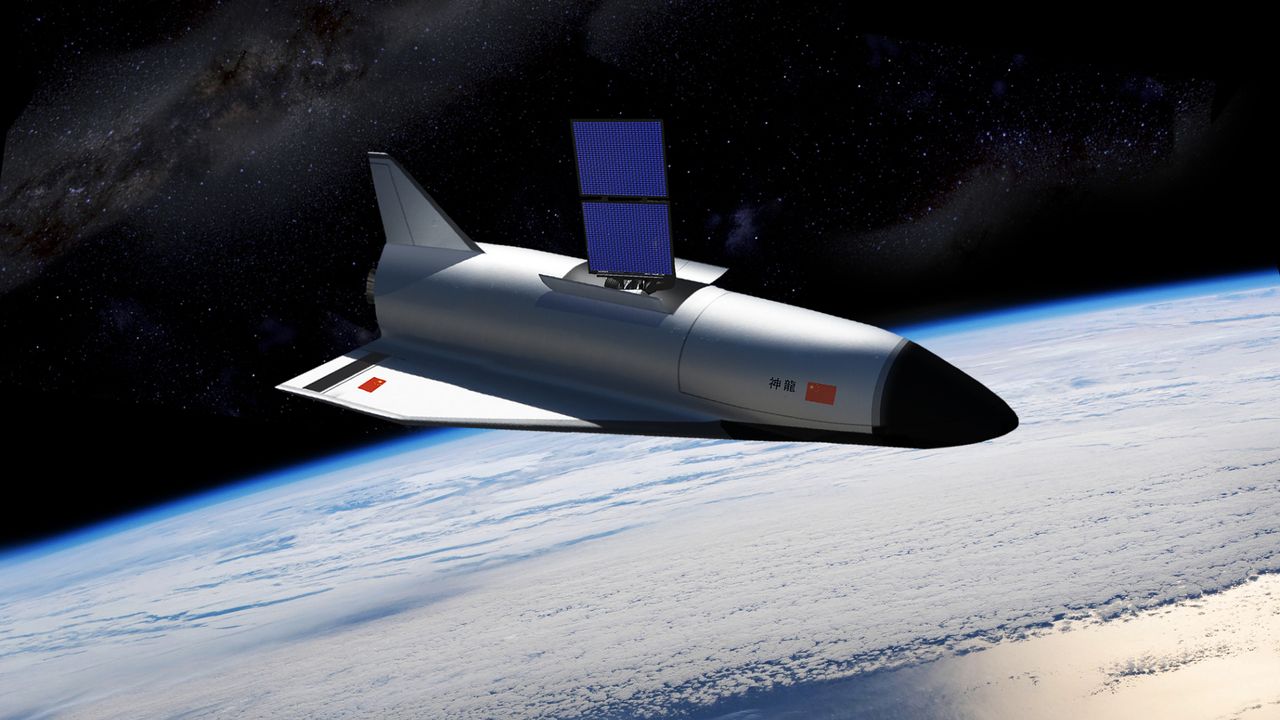
China’s reusable space plane Shenlong launched its fourth mission on Feb. 6 from Jiuquan, adding another milestone to the country’s orbital program. The vehicle has completed three prior low‑Earth‑orbit flights—lasting 2, 276, and 266 days—yet officials keep its objectives vague, calling it a testbed for future “convenient and affordable” round‑trip space travel. Analysts note Shenlong’s design mirrors the U.
Satellites watch as bomb cyclone hits northeast U.S. with snow and lightning
Original Publication Date: 2026-02-23 18:28
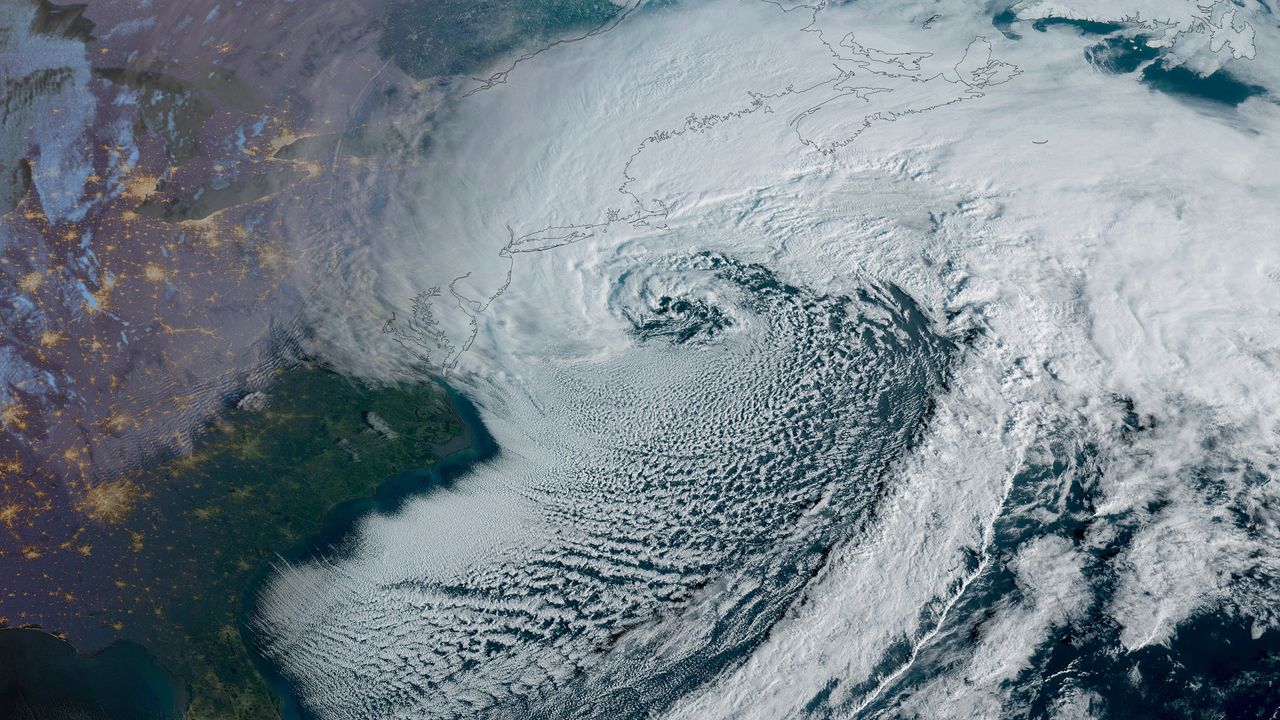
An intense bomb cyclone, or rapidly‑intensifying nor'easter, slammed the U.S. Northeast on Feb. 22‑23, 2026, delivering hurricane‑speed winds and blizzard conditions across New York, New Jersey, Massachusetts, Rhode Island and beyond. Satellites from GOES East captured the swirling storm and even thundersnow, as lightning flashed over the water. The blizzard has left hundreds of thousands without power, nearly 60 million residents under severe‑weather warnings, and several states have declared emergencies and issued travel bans. The storm, the first blizzard warning for New York City in nine years, is still in full swing with multiple feet of snow predicted for the hardest‑hit areas.
Best cheap drones under $500, hand-picked by our drone pilot
Original Publication Date: 2026-02-23 15:00
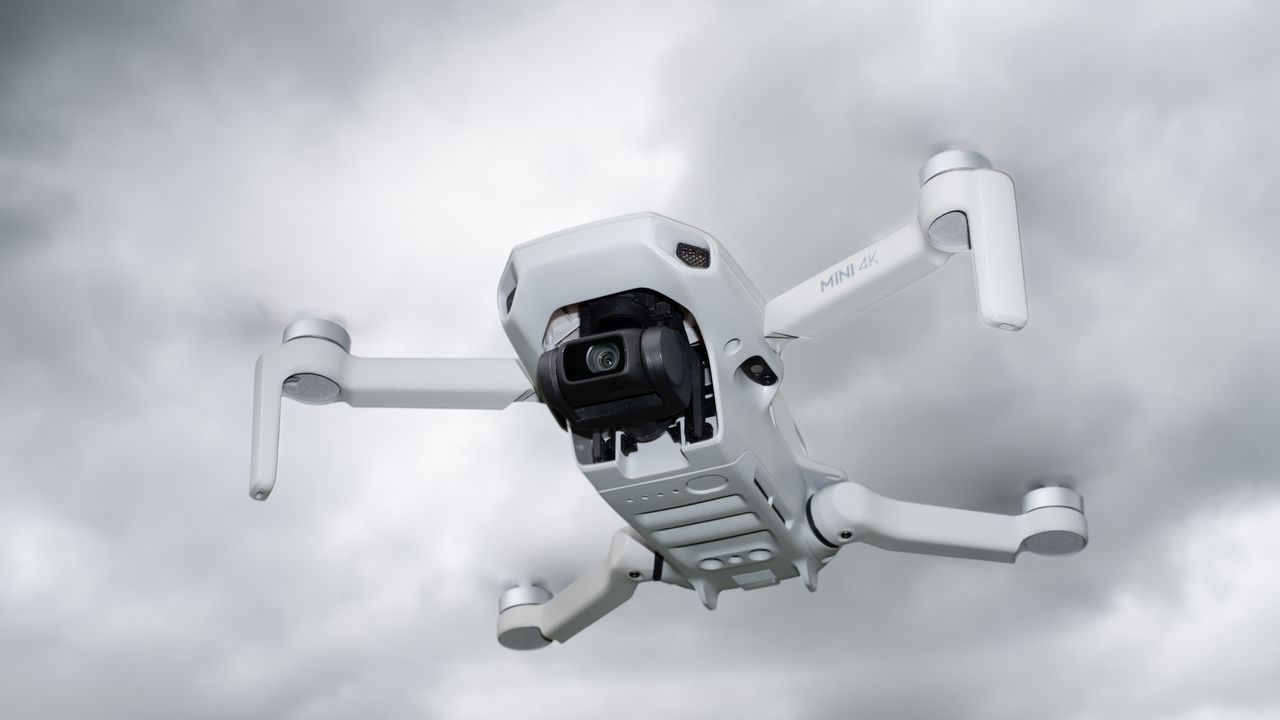
Space.com’s latest roundup spotlights the best drones under $500, with the DJI Mini 4K leading the pack for its 4K camera, lightweight design, and smartphone‑compatible controller. The versatile DJI Neo 2 offers multiple control modes, while the Flip combines vlogging, selfie, and camera functions in a compact, propeller‑guarded package. Non‑DJI options such as the Potensic Atom, Holy Stone Sirius HS900, and HoverAir X1 deliver 4K video, solid build quality, and autonomous selfie flights, making high‑end features accessible to beginners.
We ate space mushrooms and survived to tell the tale
Original Publication Date: 2026-02-23 15:00

Scientists launched edible fungi aboard a SpaceX Falcon 9 in August 2024, sending the mycelium of lion’s mane, turkey’s tail, and cordyceps to the International Space Station for a month of microgravity experiments. The spores survived the trip, returned to Earth, and began fruiting within days, producing fresh mushrooms that were harvested and cooked into a gourmet dish. The project, led by Swinburne University and high‑school students, demonstrates that fungi can thrive in space and may support astronaut health on long missions. This culinary success shows that space‑grown mushrooms can be both nutritious and delicious for future crewed expeditions.
Pentagon buyer: We're happy with our launch industry, but payloads are lagging
Original Publication Date: 2026-02-23 22:14
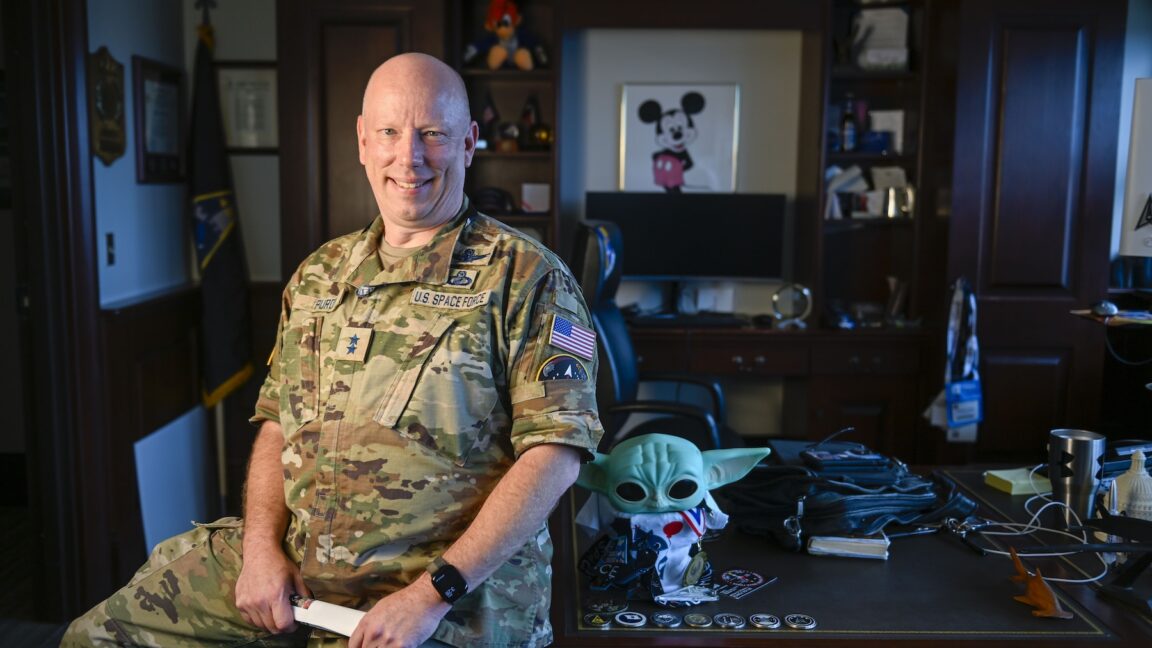
At a Dallas space finance conference, Space Force Major General Stephen Purdy announced that the Pentagon is prioritizing funding for startups that build new space sensors and payloads rather than adding another rocket company to its portfolio. He stressed that the military is more interested in high‑volume production than in developing the latest technologies. Purdy also warned that the armed forces have lost a crucial tool for supporting and diversifying the space industrial base. These remarks underscore a strategic shift toward commercial collaboration and mass production in U.S. Space policy.