 Spotify
 Apple Podcasts
 Podcast Addict
 Overcast
 Podcast RSS
Leonardo funding development of Earth observation constellation
Original Publication Date: 2026-02-17 08:43
Leonardo is investing almost €500 million to build an Earth‑observation constellation of about 20 satellites, combining high‑resolution optical and synthetic‑aperture radar payloads, with first launches slated for 2027 and 2028. The project, begun in July, will provide proprietary data for its e‑GEOS geospatial intelligence services while showcasing Leonardo’s end‑to‑end space and ground capabilities. The constellation will feature one plane of nine satellites—six SAR, two optical, and one communications hub—built by Thales Alenia Space’s new “Space Smart Factory” in Rome, with a second plane still being finalized. Leonardo also plans to allow federation with partners, positioning the system as a potential model for future European initiatives such as ESA’s ERS and EOGS programs.
NASA work on several programs pending responses to White House executive order
Original Publication Date: 2026-02-16 16:11
NASA Administrator Jared Isaacman announced that the agency will soon reveal plans for lunar exploration, commercial space stations, and nuclear power as part of a new national space policy. The plans will follow NASA’s response to a December White House executive order that calls for leadership in space exploration and a national initiative for space nuclear power. While procurement activities for programs such as the Fission Surface Power reactor and commercial low‑Earth‑orbit development remain underway, industry officials have been waiting for new solicitations and contract awards. Isaacman also noted that the agency will revisit the Mars Sample Return program and that details on these priorities will be shared within the next month.
The space nuclear power bottleneck — and how to fix it
Original Publication Date: 2026-02-16 14:00
Nuclear power stands out as the most transformative technology for America's space ambitions, offering solutions from deep‑space heat to lunar power. Radioisotopes can safely generate the heat needed for long‑duration missions and to keep lunar habitats operational during the frigid night. Meanwhile, fission reactors can produce kilowatts of electricity for the moon and orbital platforms, paving the way for advanced nuclear propulsion and power systems.
Low-profile Chinese launch firm conducts first stage static fire
Original Publication Date: 2026-02-16 11:54
Zenk Space, a quiet Chinese launch startup, completed a static‑fire test of its Zhihang‑1 rocket’s first stage on February 11 off Shandong’s coast, using the HOS‑1 mobile sea platform. The test, filmed for tens of seconds, confirms the vehicle has finished all major ground checks and is poised for its debut flight later this month. Zhihang‑1 is a 50‑meter, three‑stage kerolox launcher powered by four YF‑102 engines that can loft 4,000 kilograms into a 500‑kilometer sun‑synchronous orbit. The company also plans to recover the engine bay for reuse and is developing larger ZH‑2 and ZH‑3 variants as part of China’s expanding reusable launch fleet.
NASA to attempt second full fueling test of its Space Launch System rocket
Original Publication Date: 2026-02-17 00:34
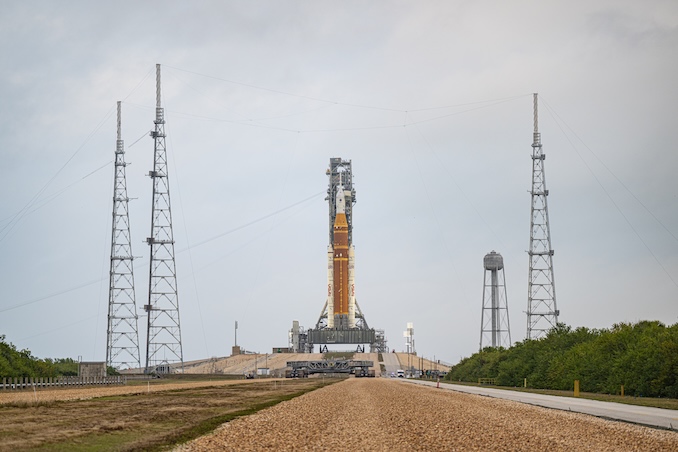
NASA’s Space Launch System is back at Launch Complex 39B for a second full‑length wet dress rehearsal in preparation for Artemis 2, with the countdown starting on Tuesday, Feb. 17 and the rocket’s massive 700,000‑gallon fuel load scheduled for Thursday, Feb. 19. The test follows a confidence run on Feb. 12 that showed lower leak rates after new seals were installed, but the first WDR on Feb. 3 was hampered by hydrogen leaks that forced pauses and a breach of the 16 percent LH₂ limit. During this second rehearsal, teams will attempt a three‑minute hold, a countdown recycle, and a full launch‑day activity demonstration, all while keeping the crew off‑site. NASA will not set a firm launch date until this rehearsal is successful, with March 6 the earliest possible window, and safety remains the top priority.
Viasat Report Signals Industrial “Rush” Toward Direct-to-Device (D2D) Connectivity
Original Publication Date: 2026-02-17 00:35
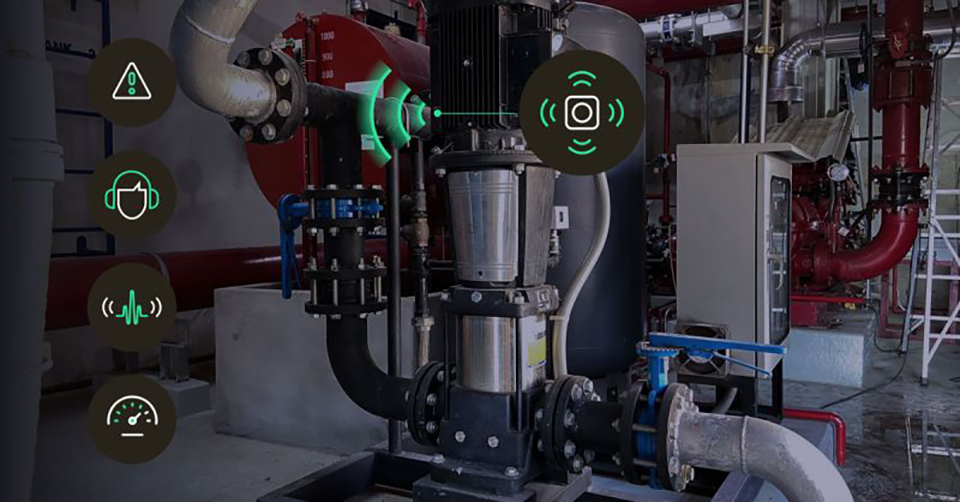
Viasat’s latest survey shows a rapid shift in industrial IoT, with 91 % of leaders planning to adopt Direct‑to‑Device satellite connectivity within the next 18 months, thanks to the new NB‑NTN standard that lets common chipsets toggle between cellular and satellite. The report, based on 600 respondents across agriculture, energy, mining, utilities and transport, highlights that hybrid satellite‑cellular users outpace terrestrial‑only firms in progress and budget increases, with 86 % reporting gains versus 70 %. While 47 % of terrestrial‑only companies struggle to integrate satellite feeds and 88 % cite leadership hesitation over security, nearly 90 % expect to replace siloed systems with unified D2D solutions by 2027. This convergence promises to close the “industrial blind spot” where assets vanish outside cellular range, ushering a new era of operational resilience.
China Completes In-Orbit Testing of “Three-Body” AI Computing Constellation
Original Publication Date: 2026-02-16 23:09
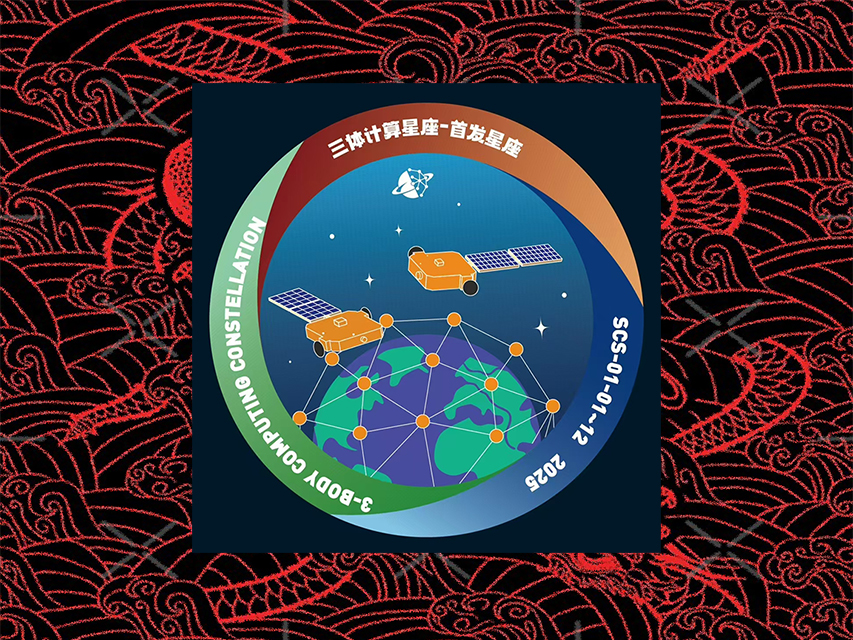
China has finished nine months of orbital testing for its “Three‑Body” Computing Constellation, a CASIC project that runs large‑scale AI directly on
India Accelerates Military Space Architecture Amid Rising Orbital Weaponization Risks
Original Publication Date: 2026-02-16 20:20

India has overhauled its orbital defense strategy after regional rivals expanded counter‑space capabilities, approving a 52‑satellite constellation to provide continuous surveillance of the Indo‑Pacific. The new plan pivots to a proliferated Low Earth Orbit architecture, blending synthetic aperture radar and high‑resolution optics to keep “eyes in the sky” even if some satellites are lost. The shift from civilian to tactical space comes in response to advanced Chinese reconnaissance satellites, Russia’s anti‑satellite programs, and India’s own 2019 ASAT test, which demonstrated its offensive space capabilities. The successful January 2025 launch of GSAT‑20 via a SpaceX Falcon 9—India’s first use of a private heavy‑lift vehicle for a national security asset—highlights a pragmatic change in launch procurement.
JAXA Awards Rakuten Mobile $71.9 Million to Advance Satellite-Terrestrial 5G Integration
Original Publication Date: 2026-02-16 20:11
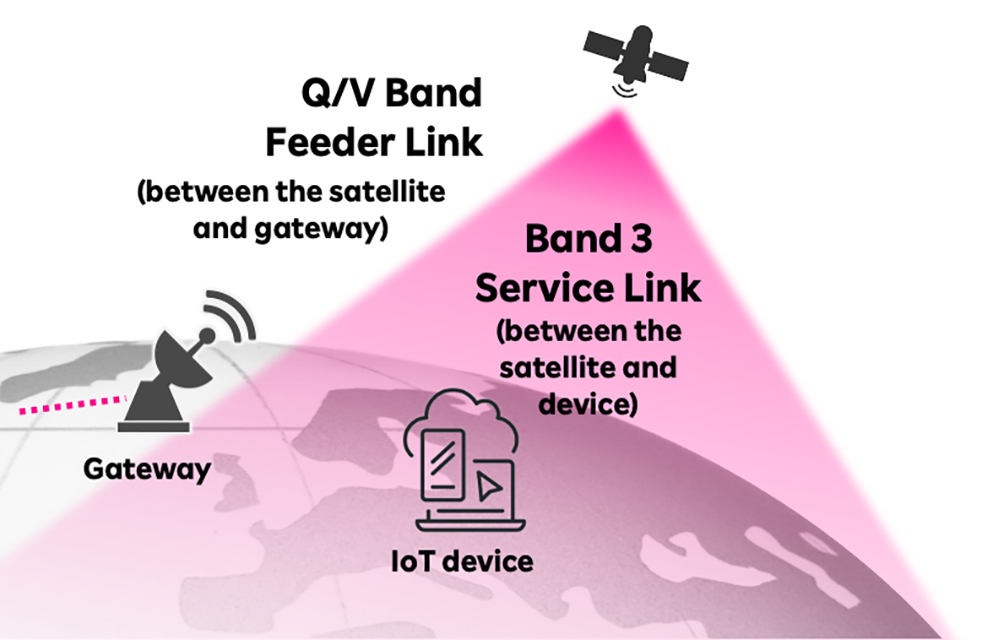
Rakuten Mobile and the University of Tokyo have been chosen by Japan Aerospace Exploration Agency to head a new Space Strategy Fund project, earmarked for up to 11 billion yen in government funding. The five‑year program, running from March 2026 to March 2031, will develop AI‑driven dynamic frequency sharing and seamless handover protocols that let satellites and 5G towers share the same bands without interference. By enabling unmodified smartphones to switch between terrestrial cells and low‑Earth‑orbit satellites, the effort aims to deliver 100 percent coverage, even during natural disasters. Rakuten’s partnership follows its earlier investment in AST SpaceMobile, positioning it to bring the world’s first space‑based cellular broadband to Japan.
LMT Group and Sateliot Partner with ESA to Advance Dual-Mode 5G Satellite IoT
Original Publication Date: 2026-02-16 16:38
LMT Group and Spain’s Sateliot have teamed up with the European Space Agency to launch a 12‑month program aimed at creating a universal dual‑mode IoT module that can switch seamlessly between ground‑based cellular networks and Sateliot’s low‑Earth‑orbit satellite constellation. The project will move the technology from TRL 2 to TRL 3, using 3GPP Release 17 standards and “store‑and‑forward” capabilities to eliminate connectivity black spots in remote areas for sectors such as maritime logistics, precision agriculture, and environmental monitoring. The hybrid module will combine LMT’s compact IoT Shortcut hardware with Sateliot’s 5G‑ready satellite software, promising up to ten years of battery life and the world’s smallest mobile data module. After field testing with defense and infrastructure clients, a full commercial rollout is targeted for 2027.
Orbex collapse fails to halt progress for UK domestic launch capability
Original Publication Date: 2026-02-17 09:05

UK rocket developer Orbex has entered administration, ending its plans to launch the Prime microlauncher from Scotland and putting a dent in Britain's independent space ambitions. The failure leaves 150 jobs at risk and removes the only UK firm with a domestic vertical launch licence, but rival Skyrora is already eyeing the Sutherland Spaceport lease and other assets to keep UK launch capability alive. In Europe, the collapse reduces the European Launcher Challenge roster to four contenders, with Isar Aerospace and Rocket Factory Augsburg already demonstrating flight activity and RFA gearing up for a first‑stage hot fire at SaxaVord. The outcome underscores the fragility of emerging launch markets while highlighting the resilience of remaining competitors.
Launch Preview: Firefly to launch Alpha, SpaceX to launch three Starlink missions
Original Publication Date: 2026-02-16 23:04

SpaceX’s Falcon 9 has returned to a regular cadence, launching three Starlink v2 Mini satellite batches this week from Florida’s Cape Canaveral and California’s Vandenberg Space Force Base, with boosters B1090, B
The Artemis 1 moon mission had a heat shield issue. Here’s why NASA doesn’t think it will happen again on Artemis 2
Original Publication Date: 2026-02-17 11:00
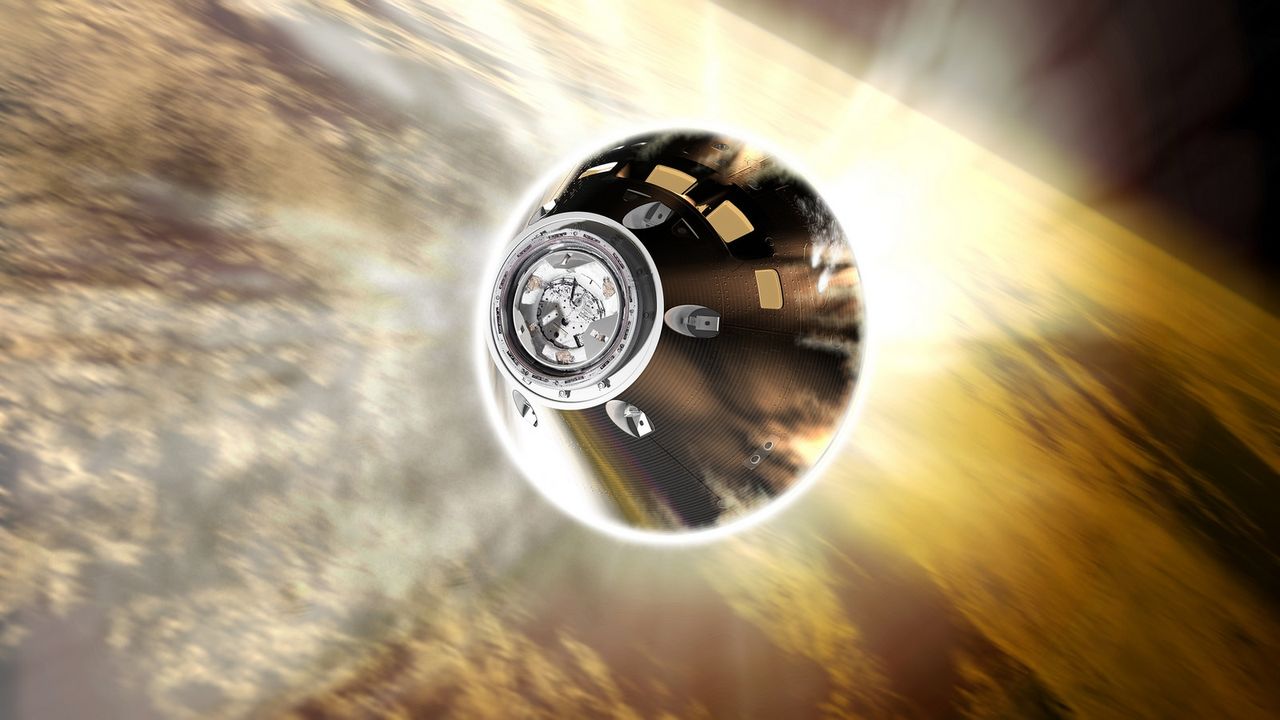
NASA’s Artemis 1 lunar test revealed that the Orion crew capsule’s large heat shield shed ablative material during its high‑speed reentry, but the mission still landed safely in December 2022. An investigation found that trapped gases inside the Avcoat material built up pressure, causing cracks and chipping at more than 100 sites. Lockheed Martin, who manufactures the shield, has traced the issue to a new production method that pre‑molds Avcoat blocks instead of filling honeycomb cells by hand. Despite the flaw, NASA has green‑lit Artemis 2 to launch with the same heat shield, confident that the problem will not recur.
Why don't more Tatooine-like exoplanets exist in our Milky Way galaxy? Astronomers might have an answer
Original Publication Date: 2026-02-16 23:00

Astronomers have found far fewer planets orbiting binary stars than predicted, with only 14 confirmed circumbinary worlds out of more than 6,000 exoplanets. New research from UC Berkeley and AUB suggests Einstein’s theory of general relativity may be to blame, as the precession of the stars and their planets can lock into a resonance that destabilizes the planet’s orbit, either tearing it apart or ejecting it.
Astronomers discover chemicals that could seed life in the core of a developing star
Original Publication Date: 2026-02-16 21:00
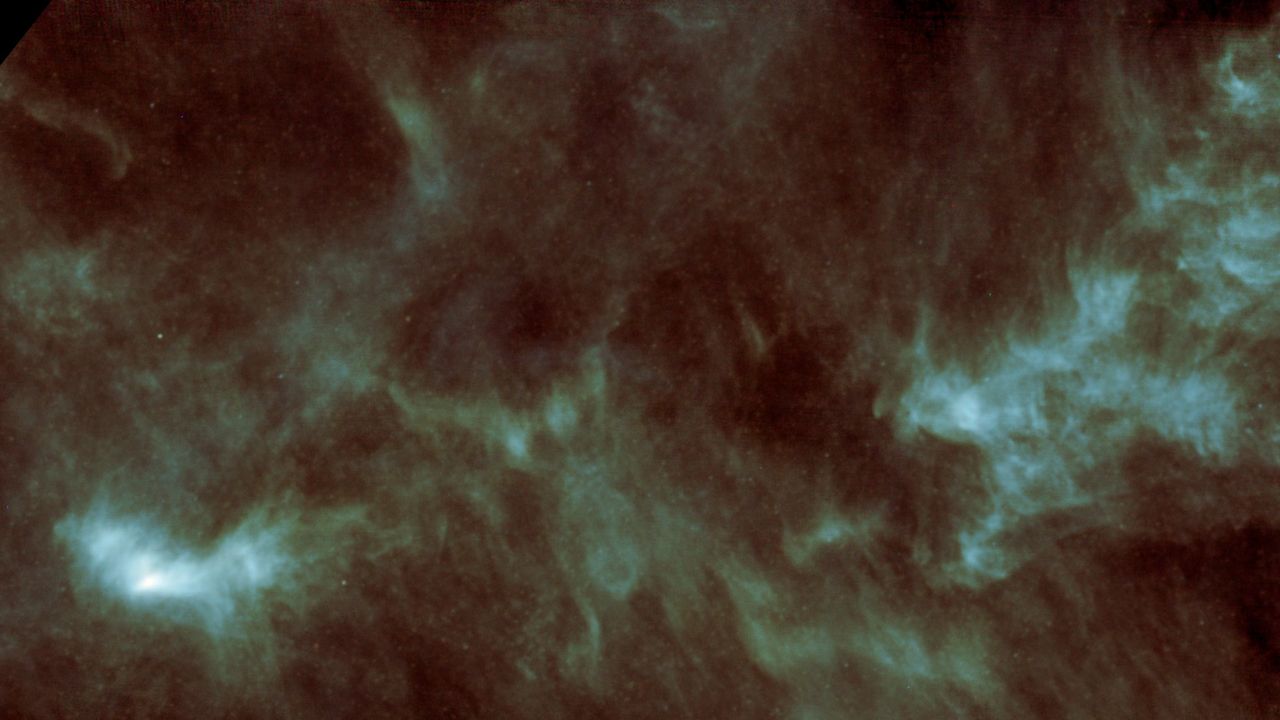
Scientists have detected the organic molecule methanimine in a dense, pre‑stellar core called L1544, 554 light‑years from Earth, within the Taurus Molecular Cloud. This molecule, rich in carbon, hydrogen and nitrogen, could act as a chemical “starter kit” that future planets inherit as they form from the collapsing cloud. Methanimine is found in a range of space environments, from hot star cores to cold interstellar ice, suggesting it may be a common ingredient in planetary systems.
Wormholes may not exist – we've found they reveal something deeper about time and the universe
Original Publication Date: 2026-02-16 17:00
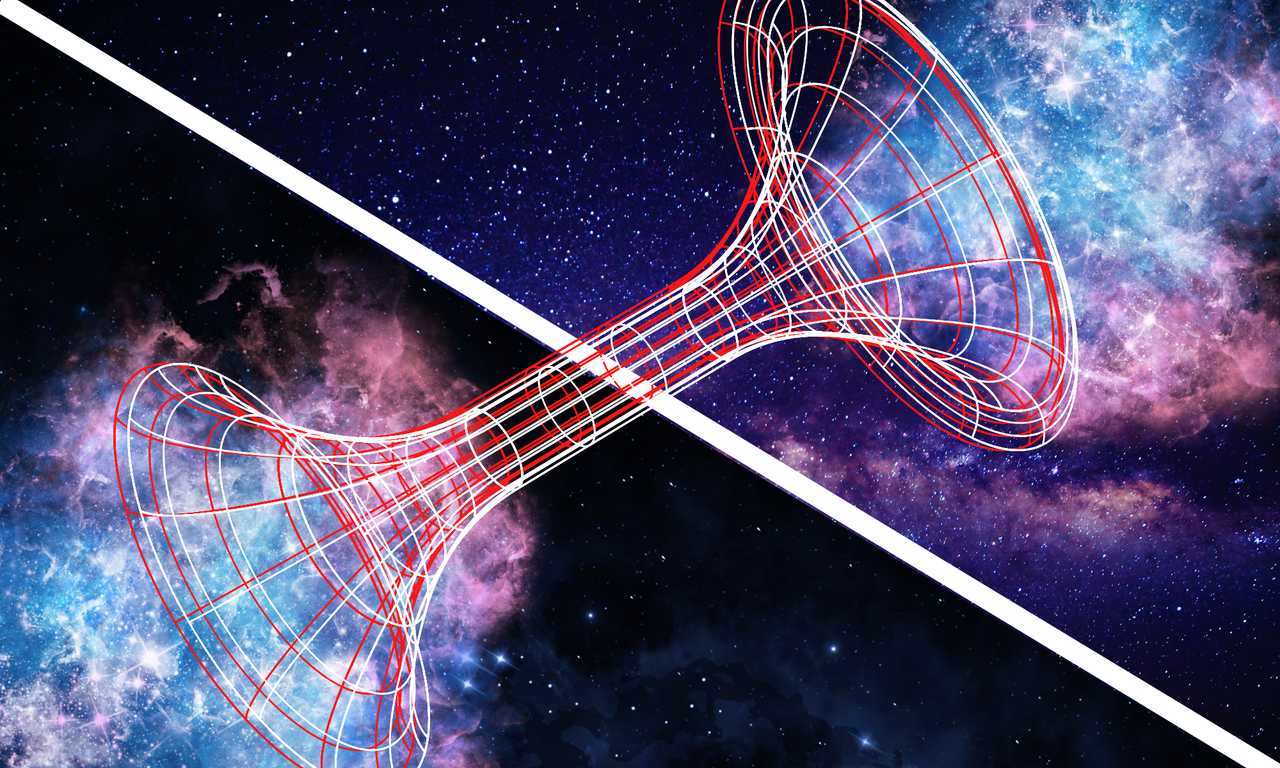
Scientists have clarified that the Einstein–Rosen bridge, once imagined as a wormhole, is actually a mathematical link between two symmetrical copies of spacetime, not a traversable shortcut. Recent research reinterprets the bridge as a mirror connecting two microscopic arrows of time, offering a new perspective on how quantum fields behave in curved spacetime. This insight could help bridge the gap between quantum mechanics and Einstein’s general relativity, one of physics’ deepest challenges. While wormholes remain speculative and unobserved, the new understanding points to a deeper, fundamental role for these structures in the fabric of the universe.
How astronomers are unveiling the 'skeleton' of the universe
Original Publication Date: 2026-02-16 16:00

Astronomers have finally traced a faint thread of the cosmic web in the Ursa Major Supergroup. Using China’s FAST radio telescope, they found a nearly linear chain of galaxies stretching almost four light‑years, revealing a thin filament dominated by invisible dark matter. This discovery provides the first direct observation of one of the universe’s subtle scaffolding strands, showing how gravity channels gas and stars along these invisible highways. The find underscores the power of new instruments to uncover the hidden architecture that guides galaxy birth and evolution.