 Spotify
 Apple Podcasts
 Podcast Addict
 Overcast
 Podcast RSS
Robotics and the future of on-orbit labor
Original Publication Date: 2026-08-24 22:26
In the latest SpaceNews podcast, Mike Gruss interviews Icarus Robotics CEO Ethan Barajas at the 2026 Small Satellite Conference in Salt Lake City, where they discuss why astronauts liken space missions to warehouse work and the progress toward robotic systems that can offload menial tasks. The conversation also covers the future of on‑orbit labor and how these innovations could reshape crewed missions.
Aerospace demonstrates DiskSats in low-Earth orbit
Original Publication Date: 2026-08-24 17:30
SpaceNews reports that Aerospace Corp. Successfully deployed four 17‑kg, pancake‑shaped DiskSats from a Rocket Lab Electron into 550‑km orbit, marking a major advance in containerized satellite design. The satellites are now descending at about two kilometers per month as engineers test Enpulsion nano‑field‑emission electric thrusters to lower them into very low Earth orbit below 300 km. Despite early‑orbit learning curves—ranging from thermal control to a battery‑heater flaw that disabled two batteries—mission leaders say all objectives remain on track.
Spirit Electronics Adds Texas Instruments and Microchip Technology Space Grade Components to Online Store Ahead of SmallSat 2026
Original Publication Date: 2026-08-24 15:00
Spirit Electronics, a Phoenix‑based distributor of high‑reliability electronics, announced on August 24 that it has added space‑grade components from Texas Instruments and Microchip Technology to its online catalog. The new offerings support performance‑driven programs and are timed for the upcoming SmallSat 2026 conference.
The Fuel for the Next Generation of Cislunar Exploration? Technology and Talent.
Original Publication Date: 2026-08-24 14:00
NASA’s 1969 moon landing sparked scientific breakthroughs and a strategic security advantage that have shaped space policy for decades. Today, experts are turning to new technologies and talent pipelines to fuel the next wave of cislunar exploration. The article outlines how emerging propulsion systems, autonomous operations, and workforce development can unlock lunar orbit and beyond. These efforts promise to keep the United States at the forefront of space innovation.
Silicon Sensing Launches Zenith Closed-Loop MEMS Accelerometer for Spacecraft Stabilization
Original Publication Date: 2026-08-24 20:26
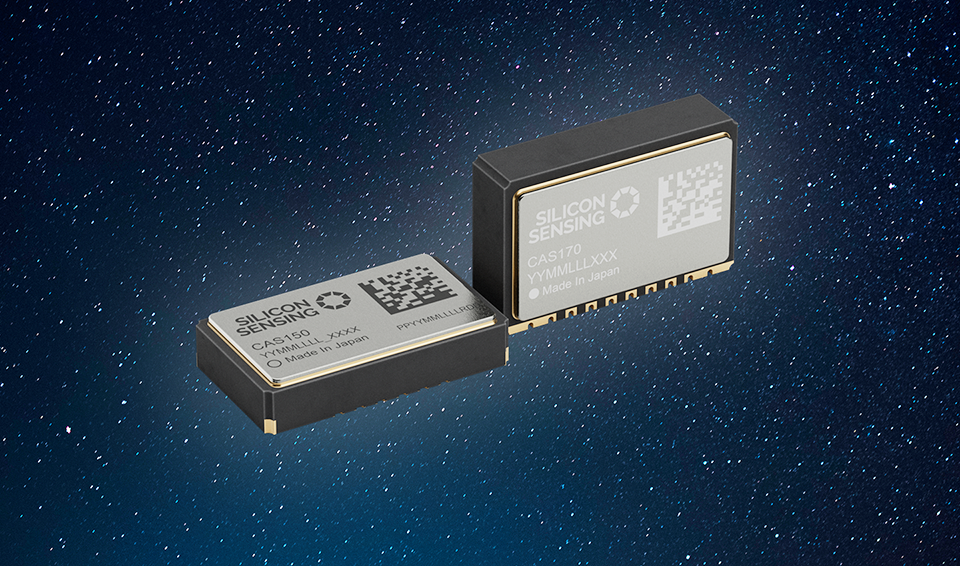
Silicon Sensing Systems Ltd unveiled its new Zenith closed‑loop accelerometer on August 24, 2026, targeting the demanding pointing, orientation, and stabilization needs of low‑Earth‑orbit satellites. The single‑axis sensor uses advanced closed‑loop control to deliver unprecedented precision in attitude determination. By integrating Zenith into satellite payloads, operators can achieve tighter control margins and enhanced mission performance. This launch marks a significant step forward in satellite navigation technology.
T-Mobile CFO Cites Physical Laws Limiting Satellite Direct-to-Device Networks to Complementary Coverage
Original Publication Date: 2026-08-24 19:14
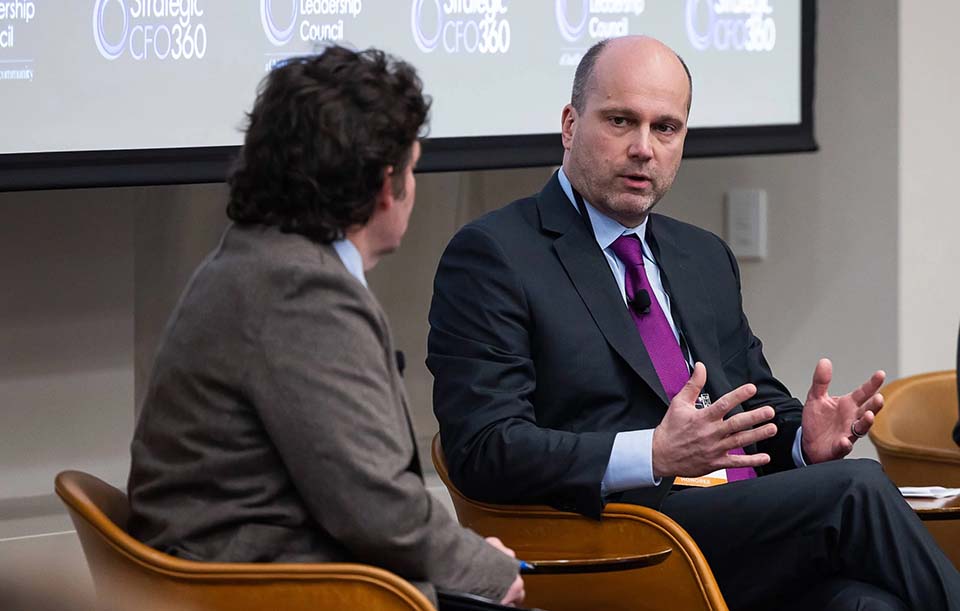
At the Evercore Partners TMT Global Conference on August 24, 2026, T‑Mobile CFO Peter Osvaldik highlighted the structural limitations of direct‑to‑device satellite architectures, noting challenges in scalability and infrastructure costs. He suggested that future satellite solutions may need to integrate hybrid networks or rely on ground‑based repeaters to overcome these hurdles. Osvaldik also called for increased collaboration between telecom operators and satellite providers to develop more robust, cost‑effective models. His remarks underscored T‑Mobile’s commitment to advancing next‑generation connectivity while acknowledging the current constraints of satellite technology.
Silicon Valley Space Week Speaker Focus: Dr. David Denhard, U.S. Space Command
Original Publication Date: 2026-08-24 18:14
In June, U.S. Space Command hosted a tabletop maneuver warfare exercise that brought together 225 participants from 91 companies, marking the second of four drills inspired by the 1941 Louisiana Maneuvers. The event aimed to refine space force tactics and readiness. On the opening day of Silicon Valley Space Week’s MilSat Symposium, Dr. David Denhard, the command’s chief scientist and director of its Technical Analysis Group, will sit on a panel focused on warfighter‑ready systems. The symposium highlights the growing integration of commercial expertise into U.S. Space operations.
Shield AI and Sedaro Validate On-Orbit AI Pilot and Edge Autonomy Onboard LEO Satellite
Original Publication Date: 2026-08-24 16:06
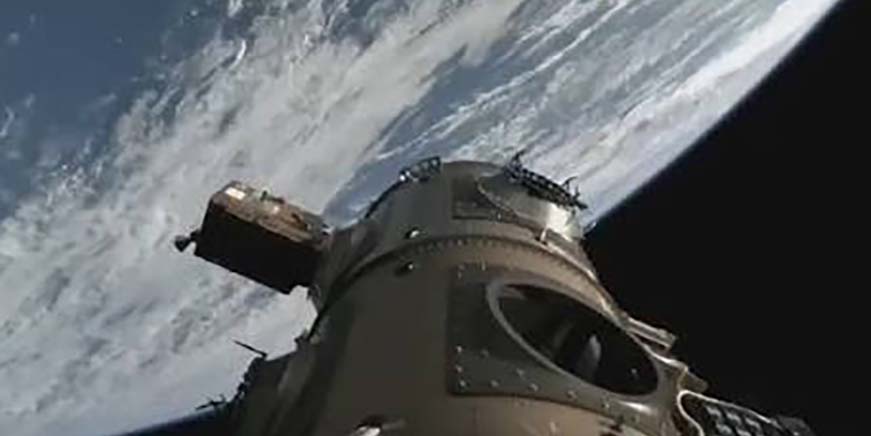
On August 24, 2026, aerospace software developer Sedaro and defense technology firm Shield AI announced the successful completion of the first on‑orbit flight tests of a new autonomous satellite system. The tests integrated Shield AI’s Hivemind AI platform with Sedaro’s trusted software stack, demonstrating the ability to manage satellite operations autonomously in space. The partnership marks a significant step toward commercializing autonomous spaceflight solutions for both government and commercial customers. The companies say the technology will enable faster, safer, and more cost‑effective missions.
Kongsberg NanoAvionics Unveils 500 kg MP42D Platform and Defense-Focused Gen-2 Satellite Lineup
Original Publication Date: 2026-08-24 15:53
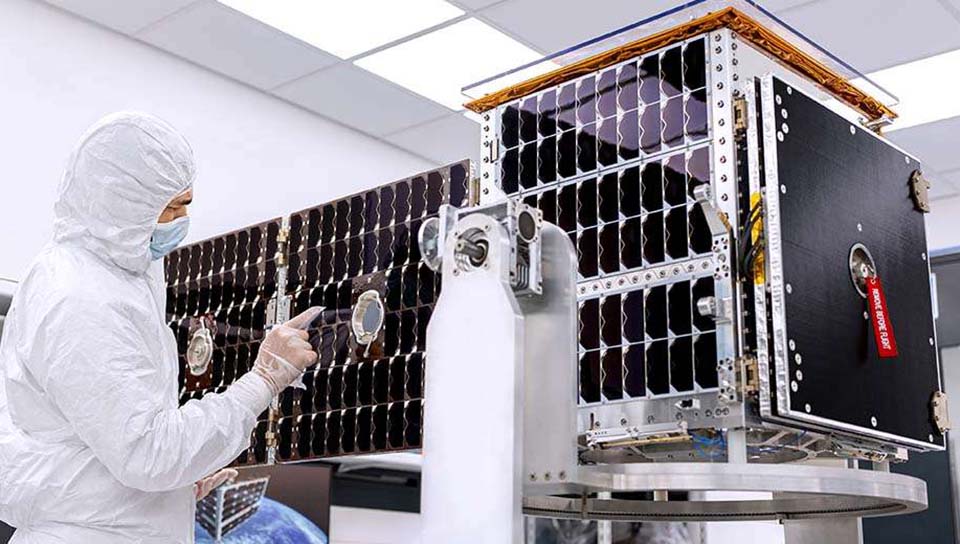
Kongsberg NanoAvionics unveiled its Gen‑2 MP42 microsatellite bus family on August 24, 2026, offering an ITAR‑free platform designed to meet the growing demand for high‑power intelligence, surveillance, and reconnaissance payloads.
NASA Sets Coverage for Roman Space Telescope Launch from Florida
Original Publication Date: 2026-08-24 20:44
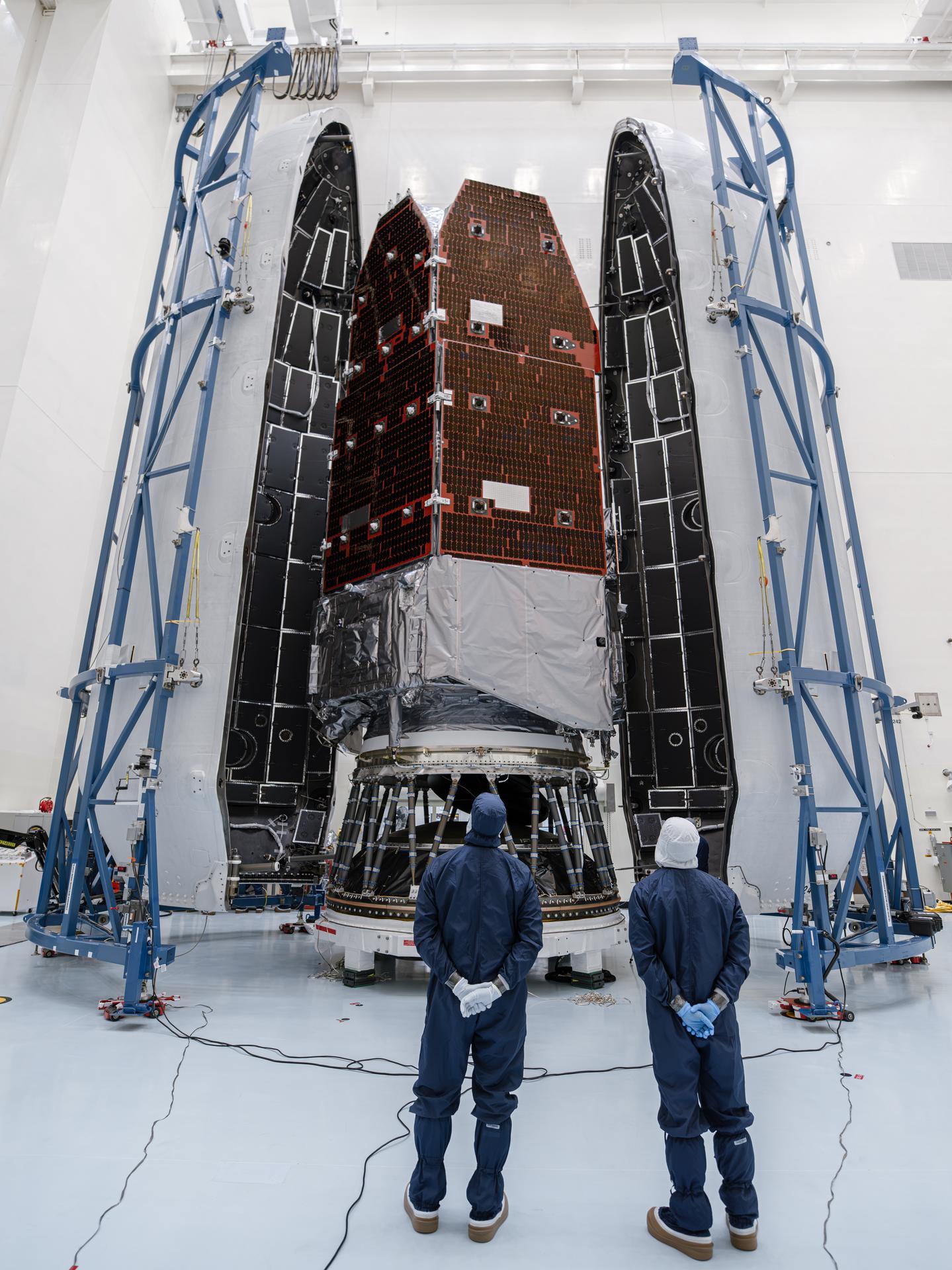
NASA’s Nancy Grace Roman Space Telescope, the next‑generation observatory designed to probe dark energy, dark matter, exoplanets and the farthest galaxies, is now secured inside a SpaceX Falcon Heavy fairing at Kennedy Space Center. The launch is scheduled for 7:26 a.m. EDT on Sunday, August 30, from Launch Complex 39A, with live coverage beginning at 6:20 a.m. And streaming on NASA’s website and other platforms. After liftoff, Roman will travel to the Sun‑Earth L2 point, where it will conduct a five‑year primary mission with a goal of ten years, making its data publicly available after processing. The mission, named after NASA’s first chief astronomer, promises to deliver sharp infrared images with a field of view over a hundred times larger than Hubble’s, opening new windows on the universe.
Perseverance Captures Another Phobos Transit
Original Publication Date: 2026-08-24 17:56

NASA’s Perseverance rover captured the silhouette of Phobos as it crossed the Sun on August 12, 2026, the 1,948th sol of the mission, using its Mastcam‑Z camera. The image, tinted to show what a Martian observer would see, is part of a series of Phobos transits recorded since the rover landed in Jezero Crater in February 2021. By comparing these recordings, scientists can refine the potato‑shaped moon’s orbit and track its gradual inward spiral toward Mars. This work, led by Arizona State University with partners at Malin Space Science Systems and the University of Copenhagen, helps us understand how Phobos will eventually collide with the Red Planet.
NASA Astronaut Reid Wiseman at Freedom 250 Grand Prix
Original Publication Date: 2026-08-24 17:34
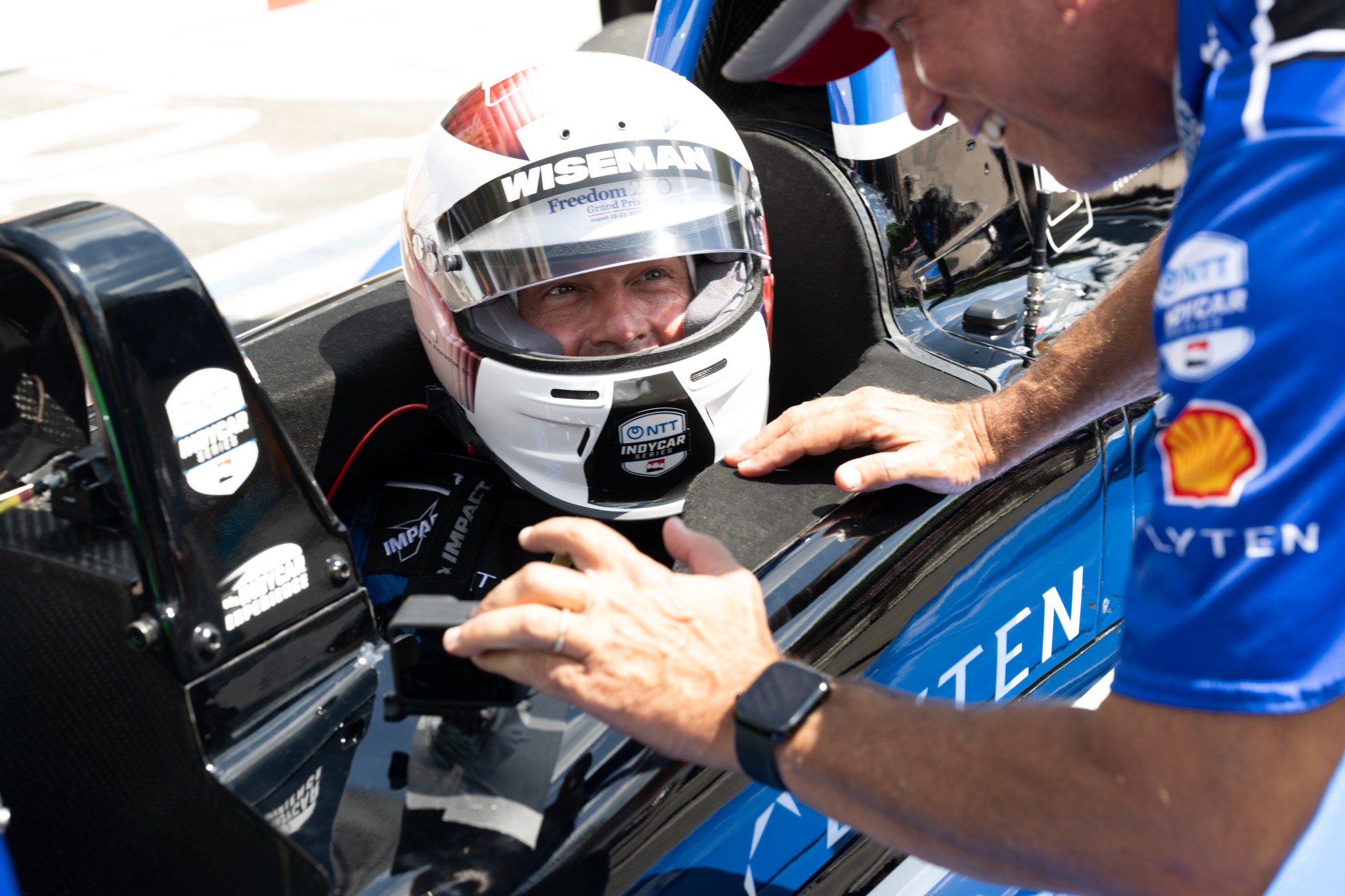
NASA astronaut and Artemis II commander Reid Wiseman is seen in a two‑seat IndyCar, preparing for driver Conor Daly to take him on a lap before the Freedom 250 Grand Prix. The event will kick off on Sunday, August 23, 2026, in Washington, D.C. Wiseman’s participation underscores the growing link between space exploration and high‑speed motorsports. The race promises to be a thrilling blend of cutting‑edge technology and adrenaline‑filled racing.
MAIA Air Sensor at Work in Addis Ababa
Original Publication Date: 2026-08-24 17:27

NASA’s Multi‑Angle Imager for Aerosols (MAIA) has installed a roof‑mounted air sensor in Addis Ababa to monitor fine particulate matter, or PM2.5, that can penetrate deep into the bloodstream. The sensor records how pollution levels rise during rush‑hour traffic and holiday celebrations, highlighting the impact of diesel vehicles, fires, and other combustion sources that emit black carbon. Findings from the 10‑sensor network provide detailed, time‑of‑day and seasonal data that are relevant to cities worldwide, including those in the United States. According to the 2025 State of Global Air Report, these tiny particles are linked to roughly 4.9 million excess deaths per year, and black carbon specifically has been tied to low birth weight, impaired brain development, respiratory problems, and premature mortality.
Launch Preview: Falcon Heavy to launch Roman telescope, Falcon 9 to launch Starlink satellites
Original Publication Date: 2026-08-24 20:45

Five rockets will lift off this week, starting with China's Chang Zheng 6C carrying an unknown payload from Taiyuan on Tuesday, followed by two SpaceX Falcon 9s launching Starlink v2 Mini satellites from Florida and California.
Exclusive: OrbitAID to Launch RPO Demo in 2027
Original Publication Date: 2026-08-25 04:55
Indian startup OrbitAID Aerospace plans to prove in orbit that it can refuel and lift satellites in a single flight, with a demonstration set for the first quarter of 2027 in low Earth orbit. The mission will launch a chaser and a target satellite, performing inspection, docking, fuel transfer and orbit raising to extend the target’s life. Using its own docking interface and autonomous rendezvous software, the company achieved launch readiness in just 11 months from design. After the LEO demo, OrbitAID will move directly to a commercial life‑extension mission in geostationary orbit, where the larger market lies.
Watch 2 astronauts replace failed ISS antenna during spacewalk today
Original Publication Date: 2026-08-25 04:01
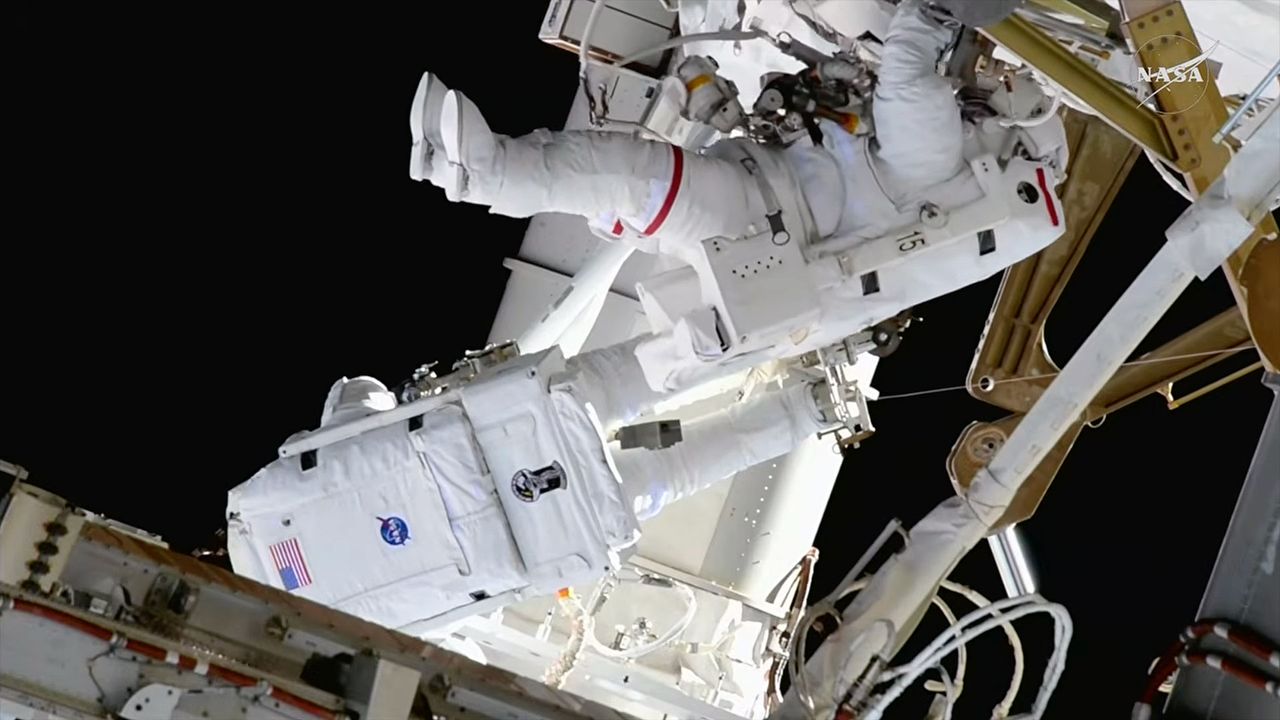
NASA astronaut Anil Menon and ESA’s Sophie Adenot, the first French woman to conduct a spacewalk, will begin a 6.5‑hour EVA at 8:35 a.
Goodbye, Falcon 9: SpaceX planning to retire workhorse launcher when Starship is up and running
Original Publication Date: 2026-08-24 18:00
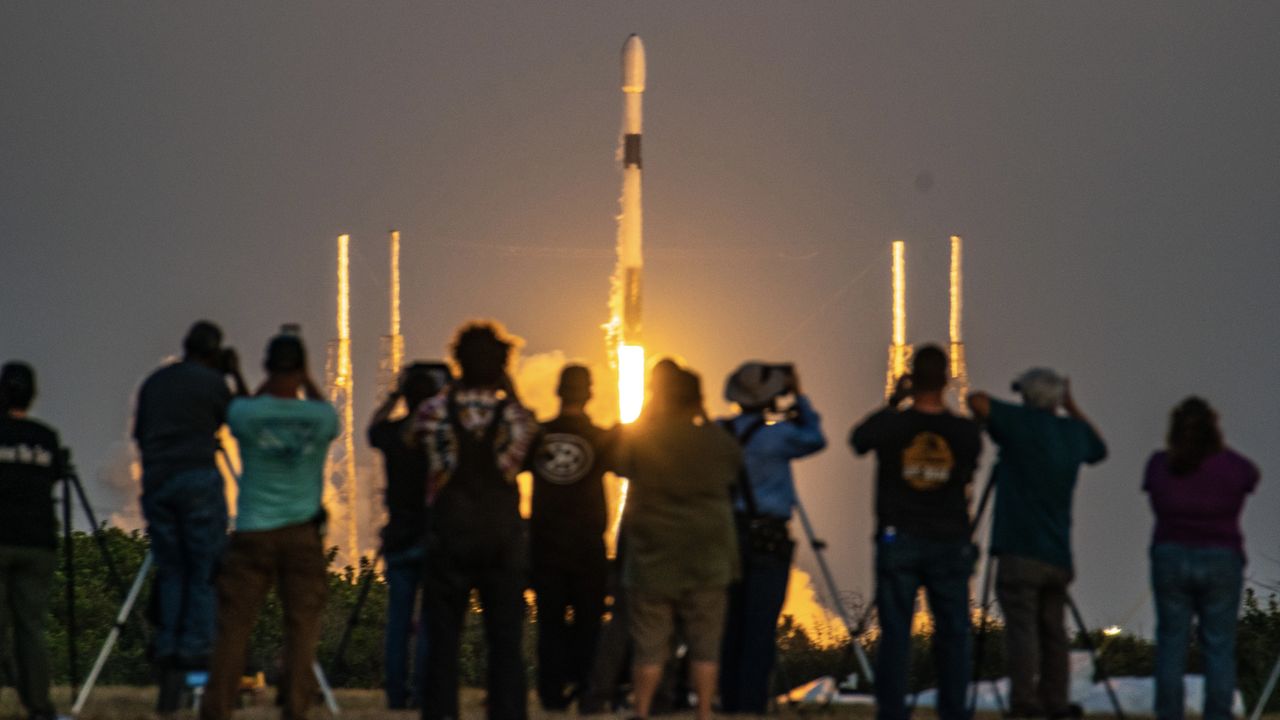
SpaceX has confirmed it will retire its workhorse Falcon 9 once the new Starship rocket achieves regular flight, aiming to boost launch cadence to several times per day.
SpaceX will set rocket-reuse record on 100th Falcon 9 launch of the year early Aug. 25: Watch it live
Original Publication Date: 2026-08-24 17:00
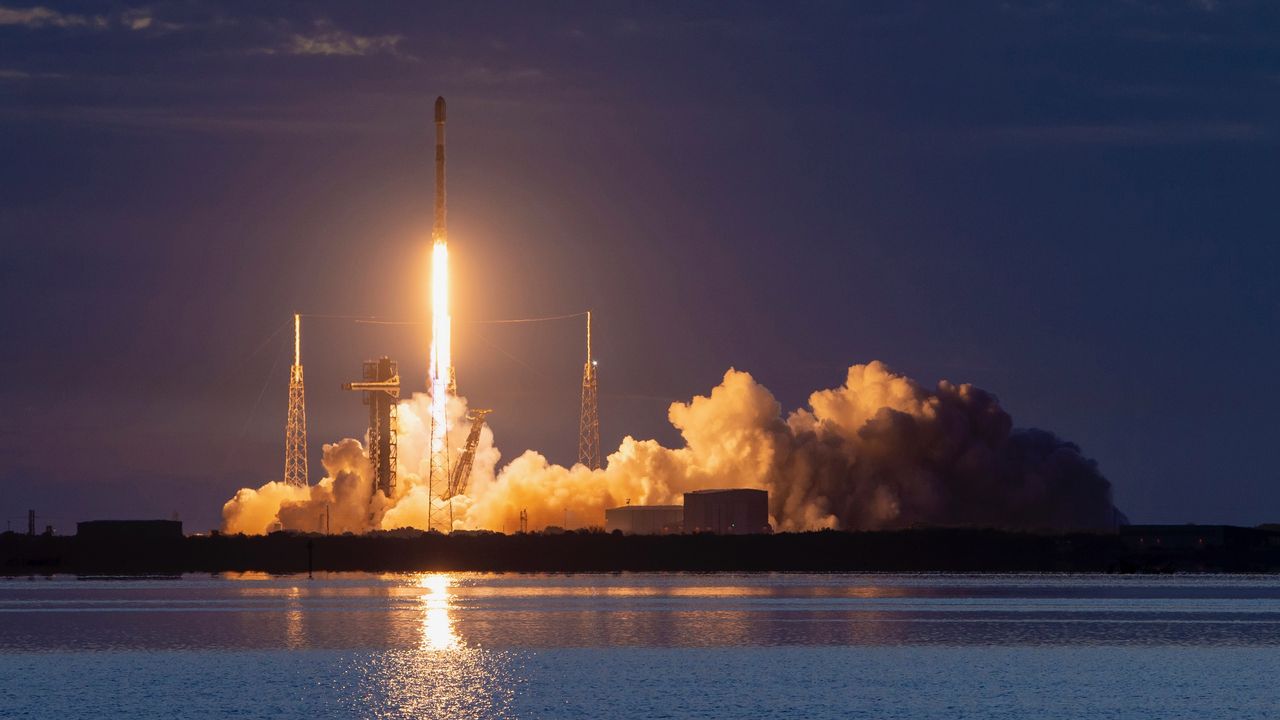
SpaceX’s Falcon 9 rocket will lift off from Cape Canaveral on Aug. 25 for its 100th flight of 2026, carrying 29 Starlink satellites into orbit. The launch, scheduled to begin at 1:49 a.
Why do we care so much that Pluto isn't a planet?
Also covered by: Space.com
Original Publication Date: 2026-08-24 16:00
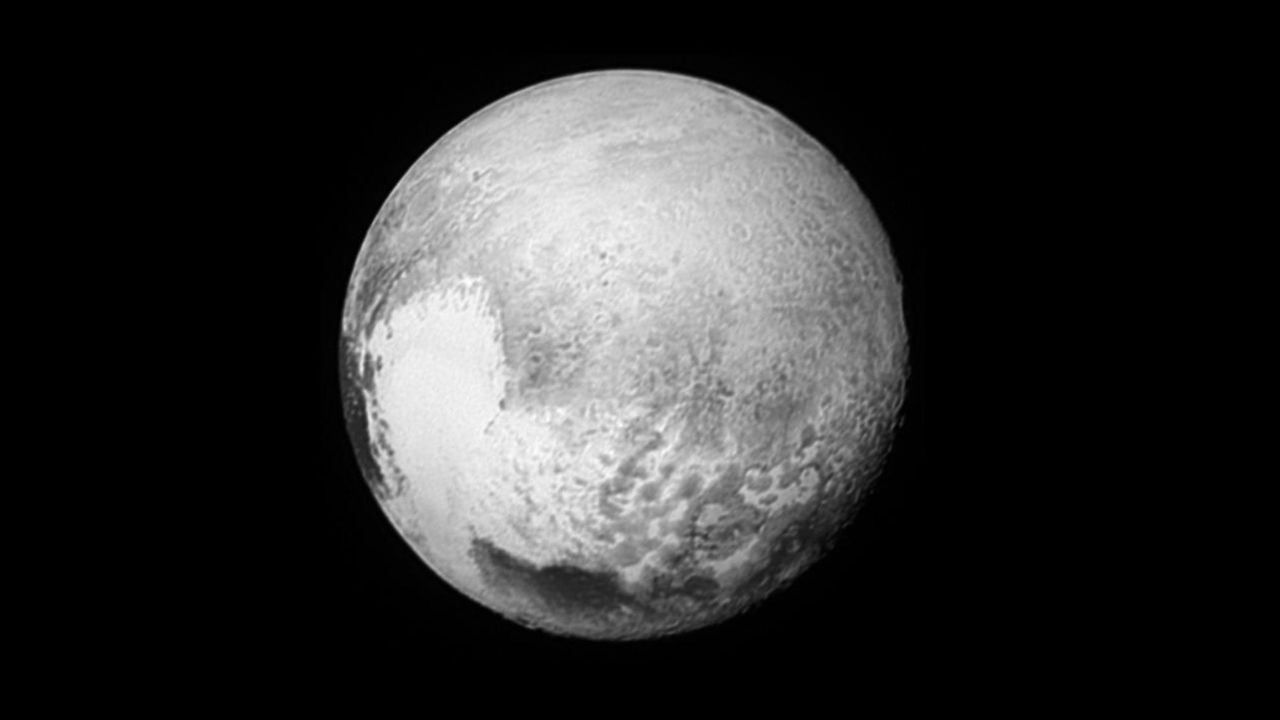
On August 24, 2006 the International Astronomical Union redefined Pluto as a dwarf planet, stating that a planet must clear its orbit—a rule Pluto does not meet—placing it alongside Ceres, Haumea, Makemake, and Eris. The decision has sparked scientific interest in dwarf planets as pristine time capsules of the early solar system, while also igniting a cultural debate. NASA Administrator Jared Isaacman’s recent comments have highlighted how nostalgia and the emotional framing of Pluto as a “demoted” underdog fuel resistance to the change, with psychologists noting that people cling to familiar categories. As new generations grow up with an eight‑planet model, the debate may fade, but the attachment to Pluto continues to provoke lively public discussion.
Buyer beware: Those mummified remains might carry toxic spores
Original Publication Date: 2026-08-24 16:59

Collectors seeking mummified human and animal remains risk more than legal trouble—studies show they can carry toxic heavy metals and dormant microbes that become hazardous when handled or stored improperly. Heavy metals like arsenic, mercury, and lead, used historically in mummification, can leach into the air, while fungi and bacteria can reemerge, causing respiratory illness and infections. Recent research in Palermo’s Capuchin Catacombs and Krakow’s St. Peter and Paul church revealed active fungal growth on mummies and surrounding surfaces, underscoring the need for protective gear and controlled environments. These findings remind collectors and museums alike that the allure of ancient preservation comes with serious health and safety risks.