 Spotify
 Apple Podcasts
 Podcast Addict
 Overcast
 Podcast RSS
New report takes closer look at the Space Force spending surge
Original Publication Date: 2026-08-18 12:00
New analysis of the Trump administration’s FY 2027 defense budget shows a proposed $71.3 billion Space Force spend—a 120 percent jump from FY 2026 and the largest percentage increase for any service since 1952. However, the figure is uncertain, with a base request of $59.2 billion and an additional $12.1 billion tied to congressional approval of a reconciliation package, meaning the final amount could fall anywhere between those numbers.
HEO to use Planet satellites for non-Earth imaging
Also covered by: Payload Space
Original Publication Date: 2026-08-17 22:00
Australian Earth‑observation company HEO has partnered with Planet Labs to integrate the SkySat constellation into its non‑Earth imaging network, allowing the satellites to capture images of other spacecraft when not observing Earth. The collaboration, announced August 17, will initially offer SkySat NEI imagery only to U.S. Government customers, with plans to expand to commercial use and potentially other Planet satellites such as Pelican and Dove.
NASA Demonstrates GPS-Free Autonomous Spacecraft Navigation System on Starling Swarm
Original Publication Date: 2026-08-17 22:54
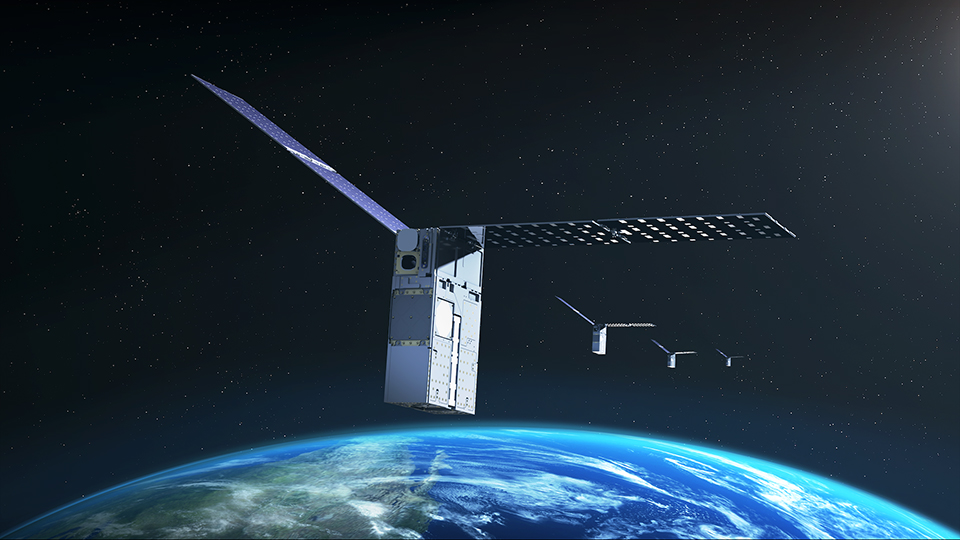
NASA confirmed on August 17, 2026 that the Fast Autonomous Lost‑in‑space Catalog‑based Optical Navigation (FALCON) system successfully flew on its Starling CubeSat in low‑Earth orbit. The demonstration proved the satellite could autonomously navigate using only optical sensors and a star catalog, without ground‑based guidance. This milestone marks a major step toward fully autonomous deep‑space missions, reducing reliance on Earth‑based tracking. The achievement showcases NASA’s growing expertise in compact, high‑precision navigation technology.
Silicon Valley Space Week Speaker Focus: Janna Lewis, Astroscale U.S.
Original Publication Date: 2026-08-17 17:03

Astroscale U.S. Has finished a $25.5 million refueling spacecraft that is now waiting for a launch to geostationary orbit. Policy advocate Janna Lewis is championing the mission’s case and will appear on both Silicon Valley Space Week stages. She will sit on the orbital data center panel at Satellite Innovation and moderate the closing commercial architectures discussion at the MilSat Symposium. Her involvement underscores the growing focus on in‑orbit servicing and commercial space infrastructure.
Ukrainian Missile Strike Damages Russian Space Facility Producing Rassvet Broadband Rockets
Original Publication Date: 2026-08-17 16:00
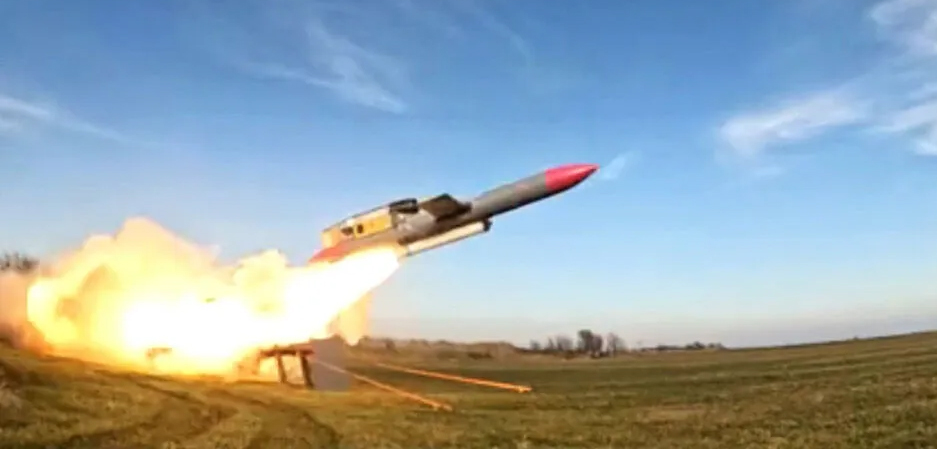
On August 17, 2026, Ukrainian forces launched a long‑range missile strike against Russia’s Progress Rocket Space Centre in Samara, damaging key production facilities used to build launch vehicles and related hardware. The attack highlights Ukraine’s strategy of targeting Russian aerospace infrastructure amid the ongoing conflict. The strike could hamper Russia’s space launch capabilities and delay future satellite deployments. Russian officials have yet to confirm the full extent of the damage.
Lynk Global and Omnispace Complete Merger to Form Direct-to-Device Operator Elveo Mobile
Original Publication Date: 2026-08-17 15:50

On August 17, 2026, satellite operators Lynk Global and Omnispace completed a merger and announced the new company, Elveo Mobile, which will combine their direct‑to‑device satellite networks.
Space Energy Initiative Calls for UK Co-Funding of Orbital Solar Power Demonstrator
Original Publication Date: 2026-08-17 14:58
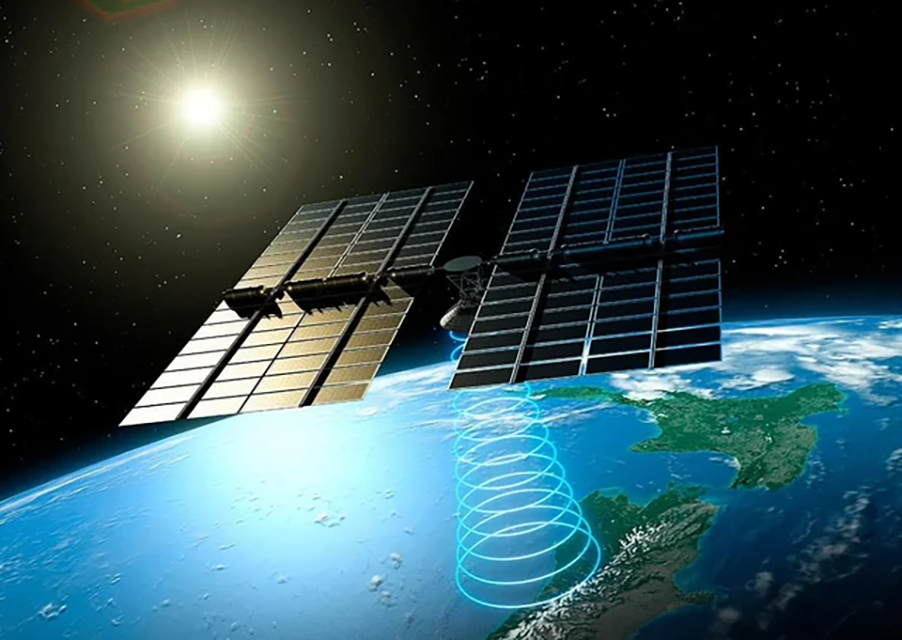
The UK‑based Space Energy Initiative released its whitepaper, “The Case for Space Based Solar Power,” on August 17, 2026, calling on the government to co‑fund the nation’s first orbital solar‑power demonstration. The document argues that space‑based arrays could supply clean, continuous energy, reduce carbon emissions, and spur a new high‑tech industry. It outlines a phased approach, estimating a 15‑year timeline from launch to full operation and highlighting cost‑sharing models with private partners. The initiative urges swift action to secure a leadership position in the emerging space‑energy sector.
Curiosity Blog, Sols 4975-4981: Happy 14th Landing Anniversary
Original Publication Date: 2026-08-17 23:10
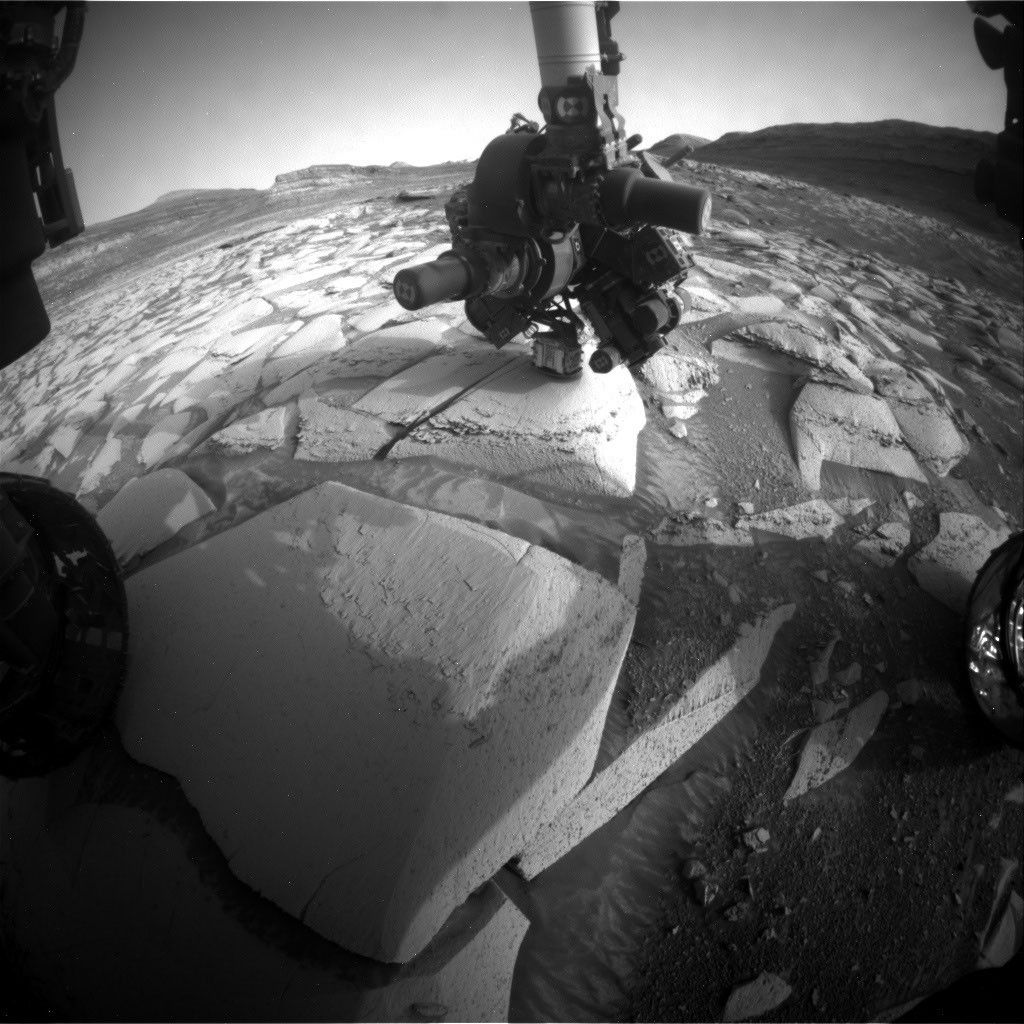
NASA’s Curiosity rover celebrated its 14th anniversary on Mars this week, marking the day it landed on August 6, 2012 after launching from Earth on November 26, 2011.
NASA Selects Companies to Provide Payload Processing Services
Original Publication Date: 2026-08-17 20:17
NASA has awarded four companies—All Points Logistics, Blue Origin, Firefly Aerospace, and L3Harris Technologies—to provide on‑ramp payload processing services under a new Spacecraft Processing Operations Contract. The firm‑fixed‑price, indefinite‑delivery contract, capped at $100 million and running through February 1, 2033, will enable these firms to prepare spacecraft and rocket hardware for launch at sites that lacked such facilities. Managed by NASA’s Launch Services Program at Kennedy Space Center, the agreement supports missions ranging from university satellites to the agency’s highest‑priority payloads. For more information, visit NASA’s launch services website.
NASA Mission Studies Air Pollution Over Ethiopia
Original Publication Date: 2026-08-17 19:24

NASA’s MAIA mission has mapped Addis Ababa’s air, revealing that the city’s average PM2.5 concentration—30 µg/m³—exceeds the U.S. EPA’s annual standard by more than threefold, with black‑carbon levels four to nine times higher than in comparable U.S. Metros. The study, the first long‑term, multisite analysis of Ethiopian PM2.5, shows sharp spikes during rush hour and holiday bonfires, underscoring the city’s rapid growth and its 2024 ban on internal‑combustion vehicle imports. Ground sensors will soon be complemented by a satellite camera launched by the Italian Space Agency, enabling scientists to map particle types and link them to health outcomes. These findings provide a critical baseline for Ethiopia as it expands bike lanes, electric‑vehicle infrastructure, and public‑health research on air pollution.
Next Generation of Planetary Scientists Learn Public Engagement Skills
Original Publication Date: 2026-08-17 17:52
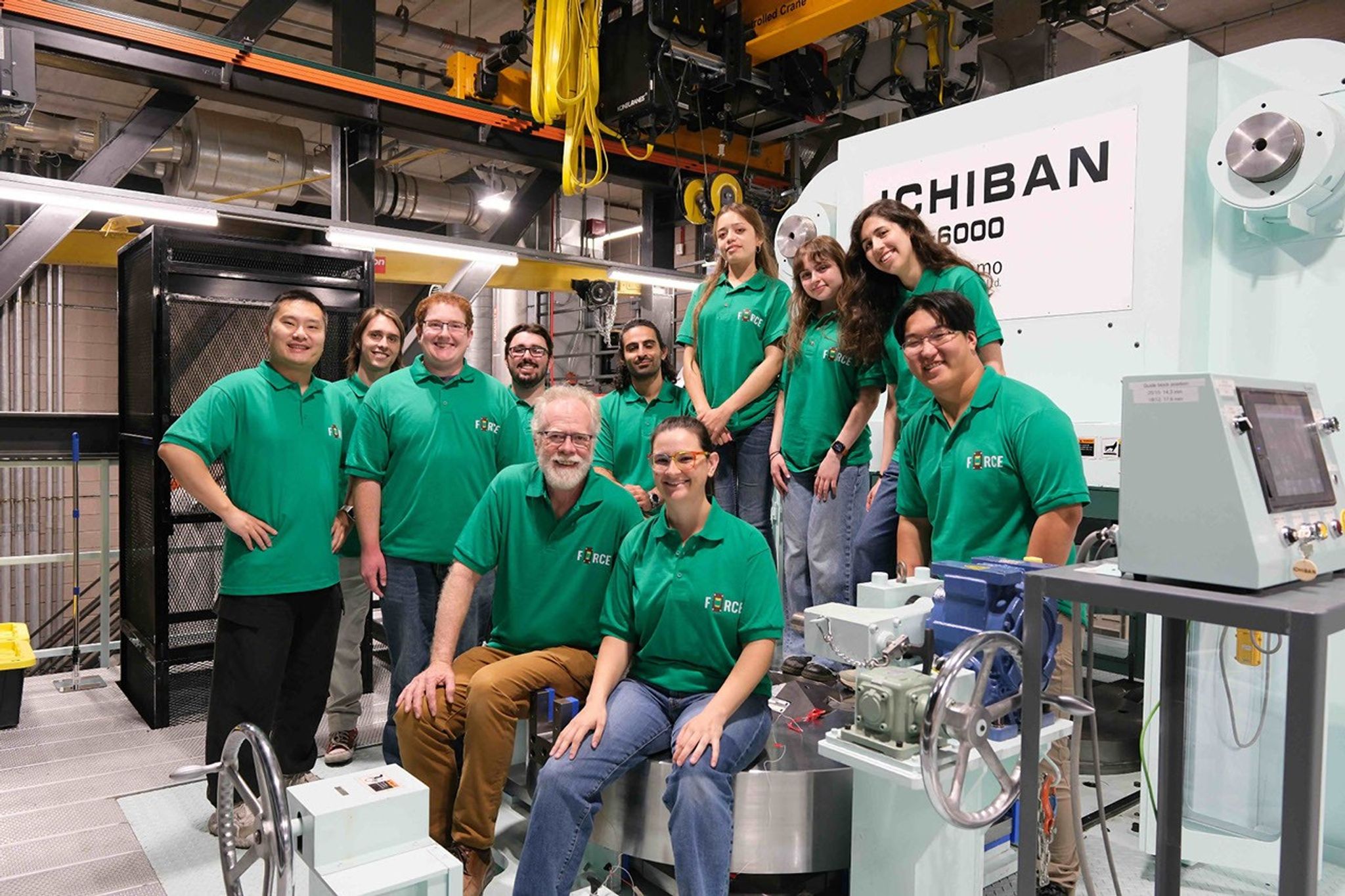
NASA’s Science Mission Directorate Community of Practice for Education partnered with Arizona State University’s FORCE Summer School to train seven undergraduate interns in science communication. Over two days of workshops, the interns learned to translate complex planetary science into clear, engaging stories for the public, then showcased their work at a FORCE Open House and a poster session. The hands‑on training helped boost the interns’ confidence and forged stronger links between cutting‑edge research and community outreach. NASA’s partnership demonstrates how targeted communication skills can amplify the impact of planetary science.
Colorful Collage of Tarantula Nebula
Original Publication Date: 2026-08-17 16:00
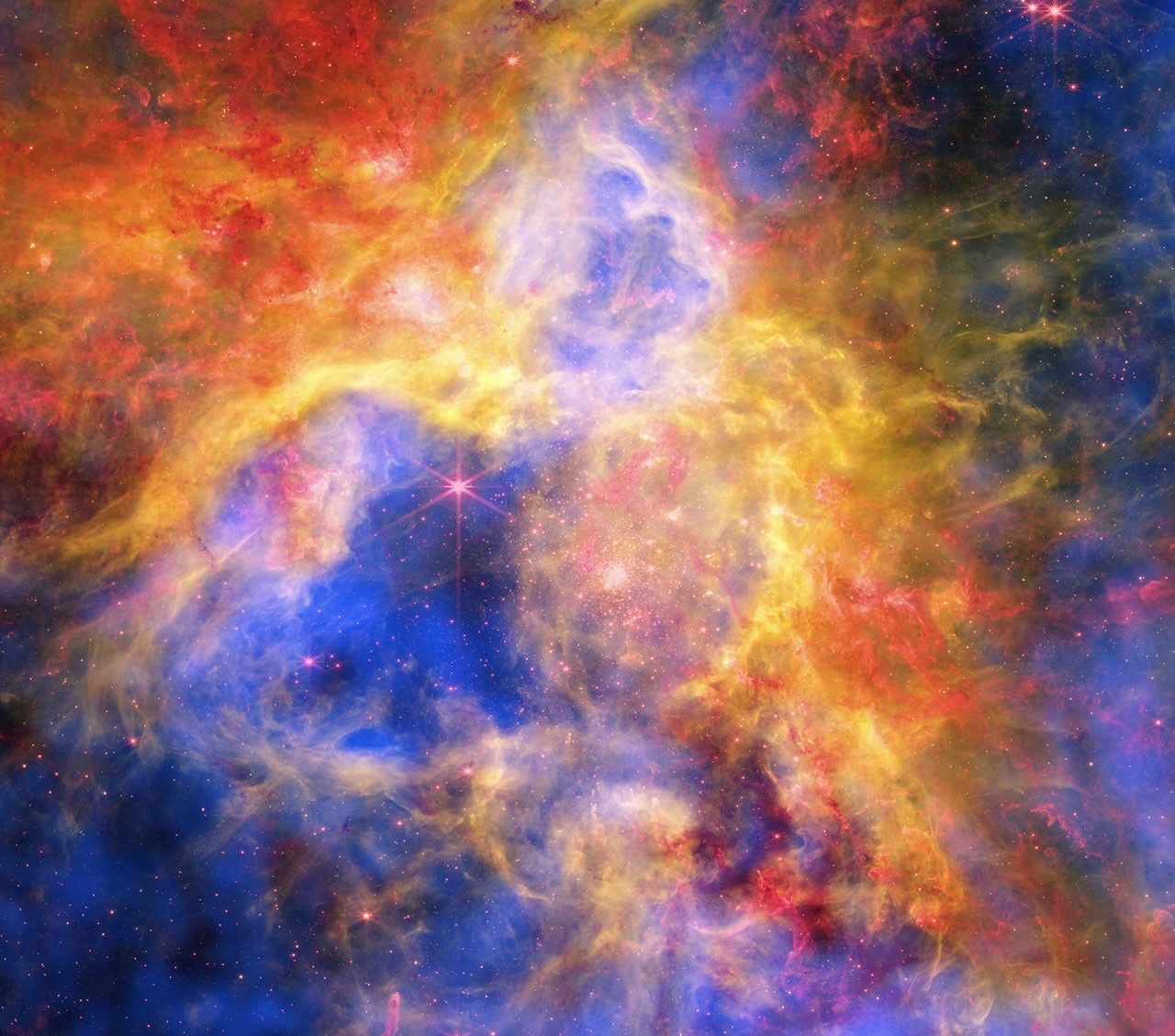
NASA’s Chandra, James Webb, and Hubble telescopes have joined forces to produce a stunning, multi‑wavelength image of the Tarantula Nebula, the most active star‑forming region in our galactic neighborhood. Located 160,000 light‑years away in the Large Magellanic Cloud, the nebula bursts with thousands of newborn stars surrounded by a honeycomb‑like web of gas and dust.
Ship 40 arrives at Christmas Island, Plans Return to Starbase
Original Publication Date: 2026-08-18 12:59

SpaceX has guided Starship Ship 40 to calm waters just off Christmas Island after a 24‑day drift in the Indian Ocean, following a remarkably soft splashdown that left the vehicle intact. The flight, part of Starship Flight 13, deployed 20 new Starlink V3 satellites, relit its Raptor engine in orbit, and survived reentry, marking a milestone for the program. Engineers are now heading to the island to conduct close‑up inspections of the heat shield and structure, data that will inform the next attempt to catch a Starship at Starbase. This successful recovery offers an unprecedented opportunity to study the vehicle’s performance under real flight conditions and accelerate future reuse efforts.
DIU, SDA Select Winners for Deorbit-as-a-Service Designs
Original Publication Date: 2026-08-17 13:01

The U.S. Military’s Space Development Agency and Defense Innovation Unit have awarded $8.4 million to Firefly Aerospace, D‑Orbit, and Katalyst Space to design a deorbit‑as‑a‑service system that could let satellites be pulled out of orbit on demand. The three firms will move into preliminary design reviews before the agency decides which solutions will fly in an on‑orbit demonstration. Firefly plans to use its Elytra Dawn vehicle, D‑Orbit will partner with TransAstra to capture debris with soft arms, and Katalyst will deploy its modular NEXUS robotic spacecraft. If successful, the program could accelerate a broader space‑logistics market by giving commercial satellite operators a reliable, cost‑effective way to deorbit stragglers.
SEOPS Doubles Down on Waymaker Dedicated Rideshare Program
Original Publication Date: 2026-08-17 13:00

SEOPS is stepping in to fill the void left by SpaceX’s Transporter program, announcing a 2028 LEO rideshare on a Falcon 9 that repurposes its Darkstar‑1 flight under the new Waymaker program. The company plans to broaden Waymaker to include multiple launchers, launch sites and a wider range of orbits, offering a commercial‑air‑travel model where customers book rides rather than specific rockets. In 2028 SEOPS will launch two Waymaker missions—one to SSO already 90 % contracted and a new LEO mission slated to fly first—meeting the surge in demand for shared rides to orbit. While prices may rise, SEOPS aims to cut satellite integration time by 50 % and streamline payload processing, promising greater efficiency for both operators and launch providers.
On this day in space! Aug. 18, 1868: Total solar eclipse leads to discovery of helium
Original Publication Date: 2026-08-18 14:00
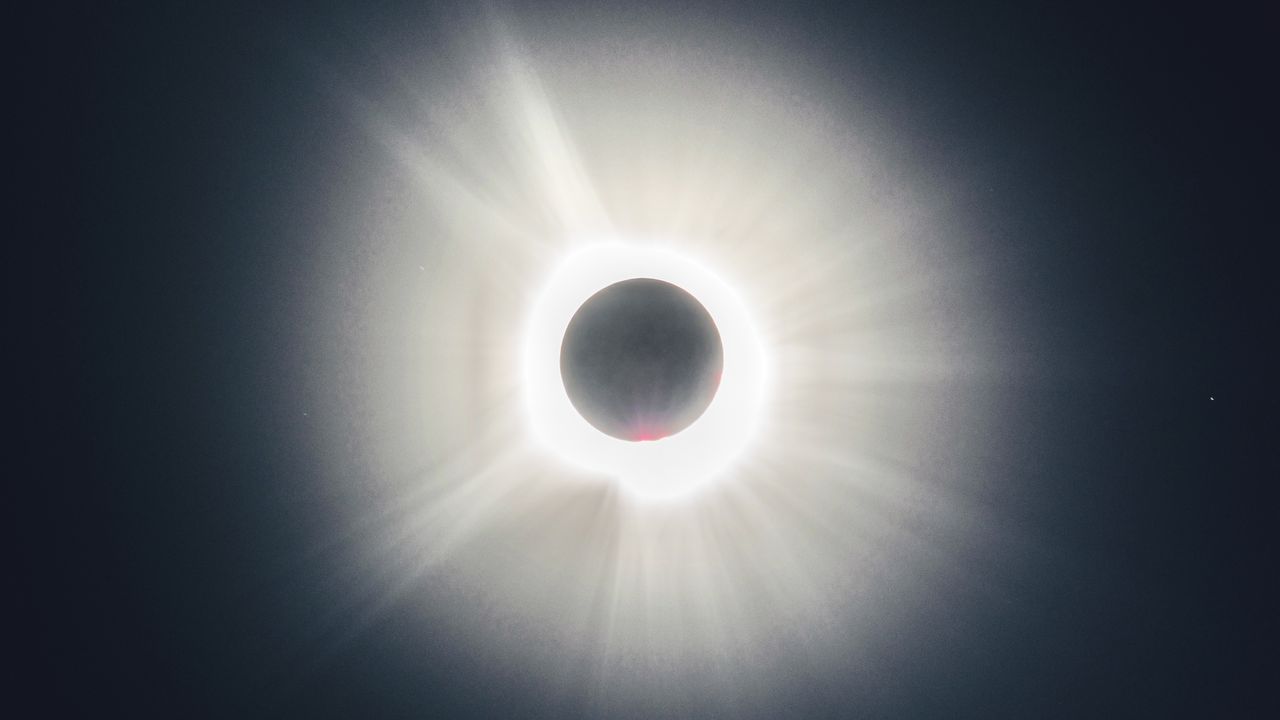
In 1868, French astronomer Pierre Jules César Janssen spotted a bright yellow line in the solar spectrum during a total eclipse in India, revealing the element helium. English astronomer Norman Lockyer later confirmed the same spectral line, and the element was named after Helios, the Greek sun god. This discovery marked the first time spectroscopy identified an element in space that had not yet been found on Earth. Helium, now known as the second‑most abundant element in the universe, powers stars and is crucial for rocket propellants and cooling spacecraft instruments.
Hubble, James Webb team up to capture the 'Black Eye Galaxy' | Space photo of the day for Aug. 18, 2026
Original Publication Date: 2026-08-18 14:00
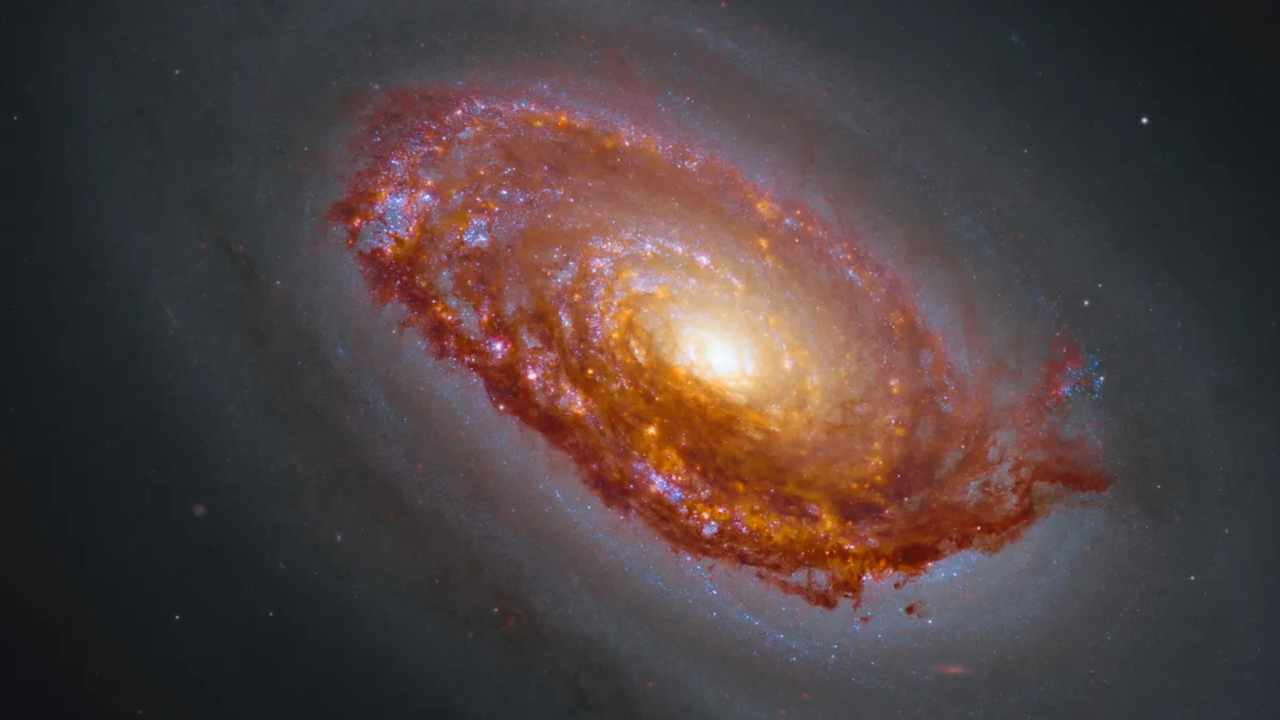
The Hubble Space Telescope and the James Webb Space Telescope have joined forces to produce a stunning composite image of the Black Eye Galaxy, also known as Messier 64. Located 17 million light‑years away in the constellation Coma Berenices, this spiral galaxy is famous for its dark “black eye” and its unusual counter‑rotating gas that gives it a hypnotic swirl.
It's harder to poop in space. Scientists may finally know why
Original Publication Date: 2026-08-18 13:00
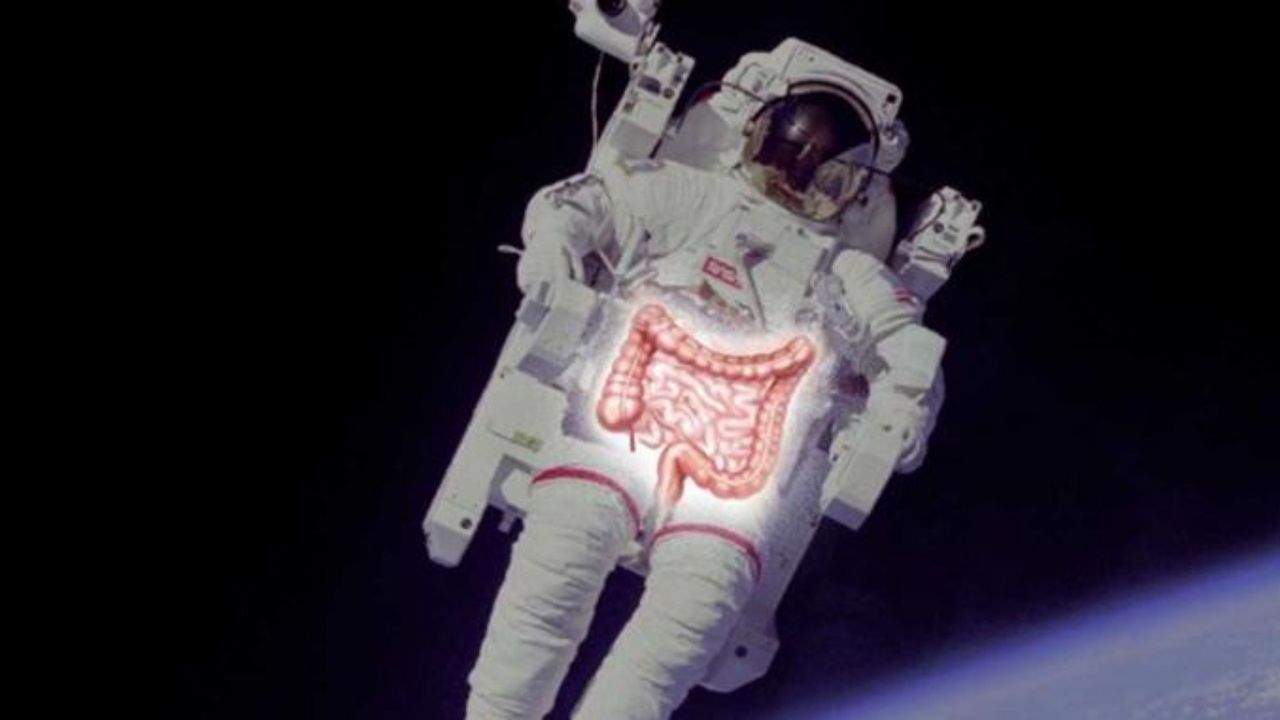
Astronauts often suffer from constipation in space, and a new study by the University of Copenhagen and NASA has traced the culprit to slower gut transit times in microgravity. Analyzing 488 blood samples from 52 ISS crew members, researchers found elevated protein‑fermenting metabolites that rise shortly after launch and fade upon return, indicating a shift in gut bacteria activity. The findings suggest that increasing intake of slowly fermented carbohydrates could mitigate the problem, offering a simple countermeasure for long missions to the Moon and Mars. Beyond space travel, the research may also shed light on digestive disorders on Earth by revealing how reduced gut motility alters microbial metabolism.
Watch European astronaut make history during spacewalk today
Original Publication Date: 2026-08-18 04:05
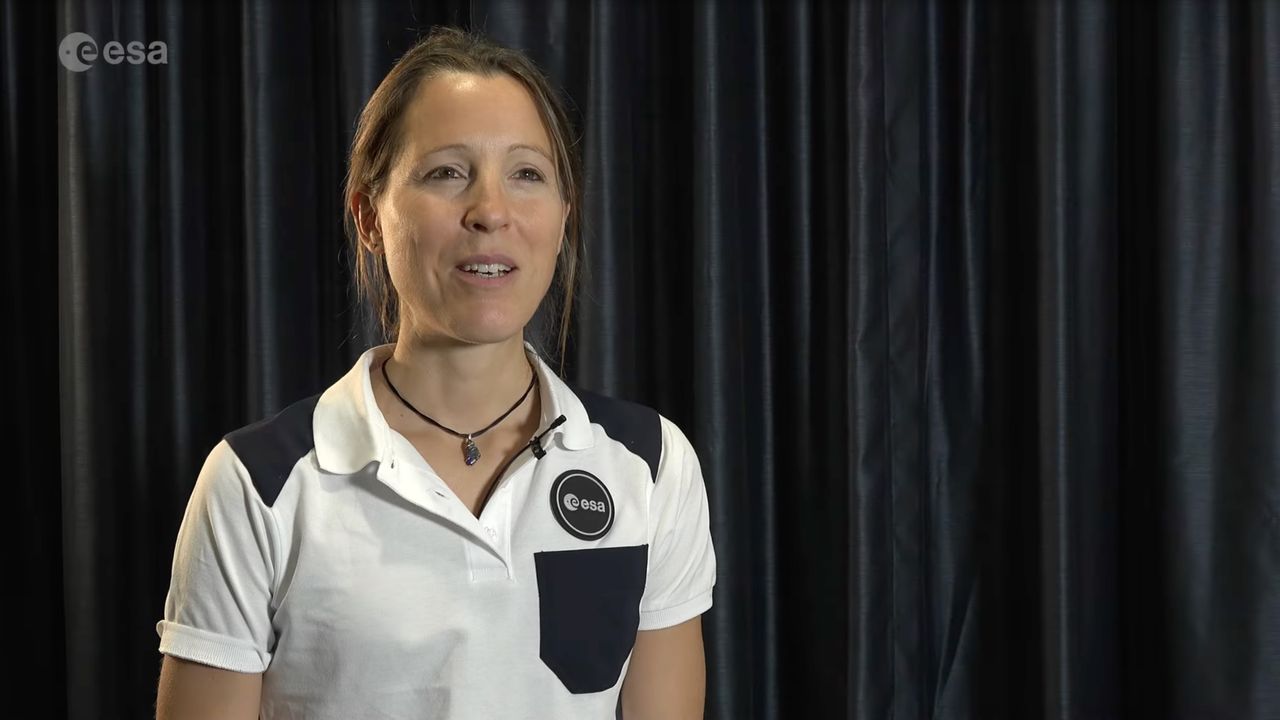
Today, European Space Agency astronaut Sophie Adenot made history as the first French woman to conduct a spacewalk aboard the International Space Station. She joined NASA astronaut Anil Menon for a 6½‑hour extravehicular activity, during which they replaced a critical space‑to‑ground antenna that links Houston Mission Control to the station. The EVA, the 282nd in ISS history, began at 8:35 a.m. EDT after a brief delay caused by a sensor glitch on Menon’s suit.
How an ancient collision with another galaxy transformed the Milky Way
Original Publication Date: 2026-08-17 21:00
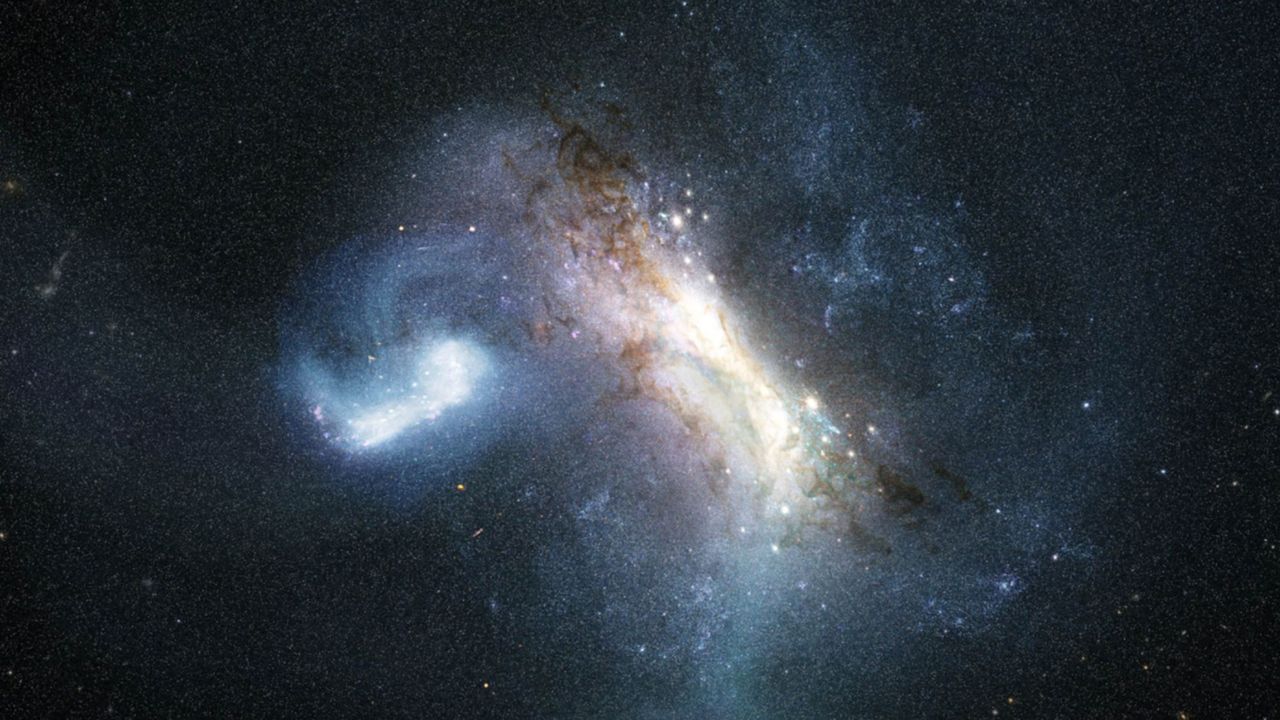
Scientists have uncovered evidence that the Milky Way swallowed a modest dwarf galaxy, dubbed LKH, about 11.8 billion years ago, just two billion years after the Big Bang. The discovery, made using high‑resolution Hubble images and Gaia data, revealed a distinct group of globular star clusters that originated in LKH and were absorbed by our galaxy. Estimates suggest LKH weighed roughly 500 million suns—slightly more massive than the current Sagittarius Dwarf—making it a significant contributor to the early Milky Way’s growth and chemical makeup. This ancient merger adds a new chapter to our galaxy’s history, showing that early star formation was shaped by external galaxies as well as internal processes.
The Moon's shadow raced across the heart of Spain, and I was there to see it
Original Publication Date: 2026-08-17 20:23
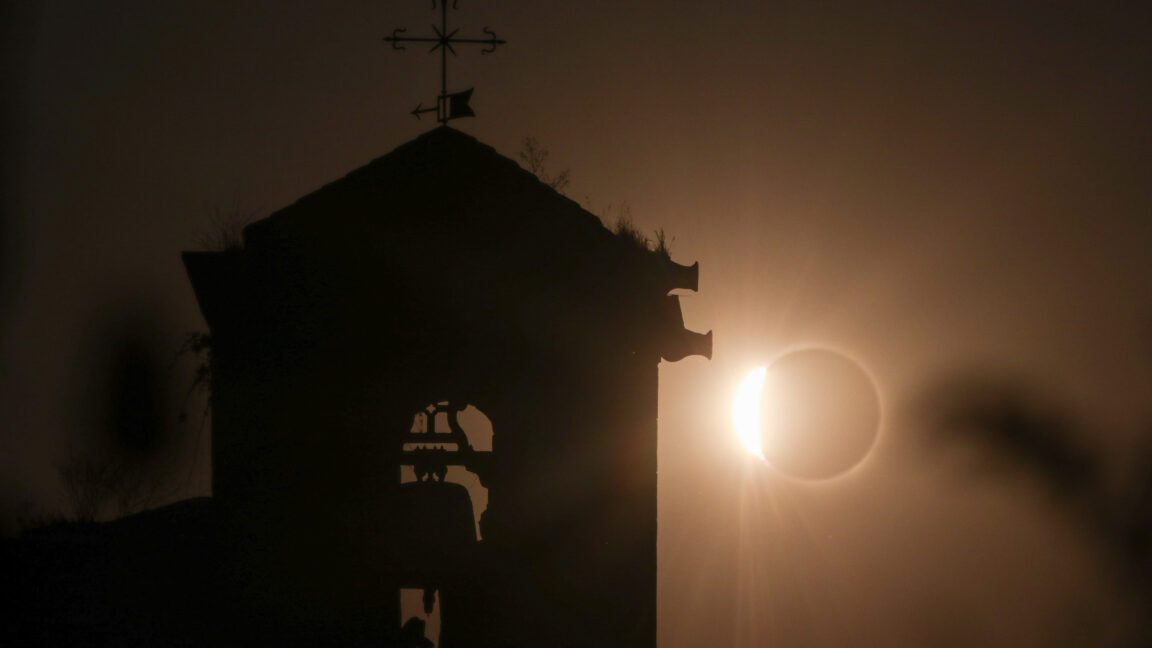
I watched the Moon’s shadow cross the United States twice—once in 2017 and again in 2024—each time leaving me eager for the next eclipse in 2044. To see the 2024 total solar eclipse from a new perspective, I traveled to Duratón, Spain, a region of wide open plains, ancient churches, and sunflower fields bathed in August sun. The ongoing drought has turned the landscape into a tinderbox, yet the dry conditions made for ideal viewing conditions. The rare alignment of the Sun, Moon, and Earth offers a breathtaking glimpse into the mechanics of our Solar System.