 Spotify
 Apple Podcasts
 Podcast Addict
 Overcast
 Podcast RSS
Kepler books Neutron for 2028 optical relay launch
Original Publication Date: 2026-08-10 20:25
Kepler Communications has secured its first dedicated launch on Rocket Lab’s upcoming Neutron rocket for 2028, marking a key step in expanding its optical relay satellite constellation. The company plans multiple 2028 launches to boost capacity, resilience, and new services, after earlier deployments of 10 satellites that already drove 10‑fold revenue growth. The next‑generation satellites will support up to 100 Gbps data rates, host payloads like German wildfire‑detection company OroraTech, and include 10 units for the European Space Agency’s HydRON program. Rocket Lab’s Neutron, capable of carrying 13,000 kilograms to low Earth orbit, will carry the mission, following a recent $266 million Space Force contract and a major multi‑year launch agreement.
Chinese Long March 7A rocket explodes shortly after liftoff
Also covered by: SatNews, Space.com
Original Publication Date: 2026-08-10 13:24
On Aug. 10, 2026, a Long March 7A rocket carrying the ChinaSat 4B communications satellite exploded roughly 85–90 seconds after liftoff from the Wenchang launch site in Hainan, destroying the vehicle and the payload. The blast was captured on amateur footage and social media, but Chinese authorities had not yet issued an official statement.
Tank problem delays first RFA launch
Original Publication Date: 2026-08-10 12:17
Rocket Factory Augsburg’s majority owner remains confident the RFA ONE small launch vehicle will fly this year, despite a recent pad testing issue that forced the rocket to be dismantled for a tank inspection. The August launch window at SaxaVord Spaceport has been canceled, but CEO Marco Fuchs says engineers expect to resolve the problem quickly and return the rocket to the pad soon. RFA, backed by a €187 million ESA grant, aims to debut the upgraded Block 2 version in 2028, boosting payload to 1.5 tonnes and adding recoverability. Meanwhile, OHB is pushing for a higher Ariane 6 launch rate to meet Europe’s growing space ambitions.
SpaceX scrubs planned Monday launch of its Falcon 9 rocket; targets Tuesday morning
Original Publication Date: 2026-08-10 13:40
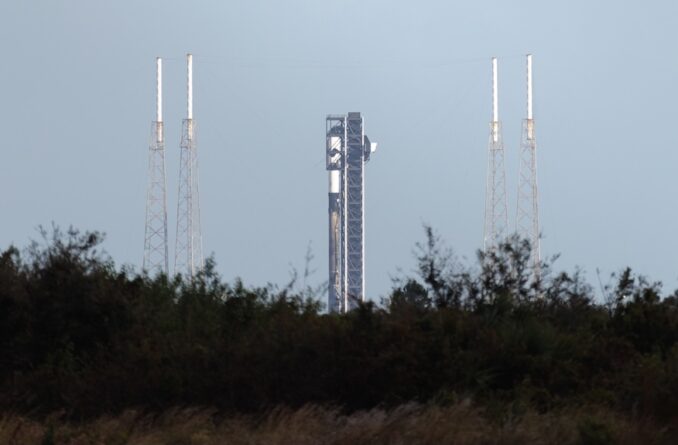
SpaceX’s Falcon 9 launch of the Starlink 10‑19 mission was scrubbed hours before its scheduled 12:20 p.m. Launch, with the 45th Weather Squadron noting an 85 % chance of favorable conditions that would drop to 75 % later in the window. The next launch from Cape Canaveral’s Space Launch Complex 40 is now slated for Tuesday, August 11 at 10:54 a.m. EDT, with the rocket set to head northeast. The flight will use booster B1085, the 18th Falcon 9 to carry Starlink V2 Mini Optimized satellites, and has previously flown missions such as NASA’s Crew‑9 and GPS III‑7.
Space42 Advances Equatys Direct-to-Device Joint Venture Into Satellite Procurement Phase
Original Publication Date: 2026-08-10 17:47
Space42, the new UAE‑based AI‑powered space technology company born from the merger of Bayanat and Yahsat, is making strides in satellite connectivity. Its direct‑to‑device joint venture, Equatys, has entered the initial constellation procurement phase, signaling the start of building a dedicated satellite network. This move positions Equatys to provide high‑speed, low‑latency links for IoT and other data‑intensive applications. The company’s progress underscores the growing emphasis on AI‑driven space solutions in the region.
Projected Starship Cost Collapse Redefines Low Earth Orbit Infrastructure Economics
Original Publication Date: 2026-08-10 17:24
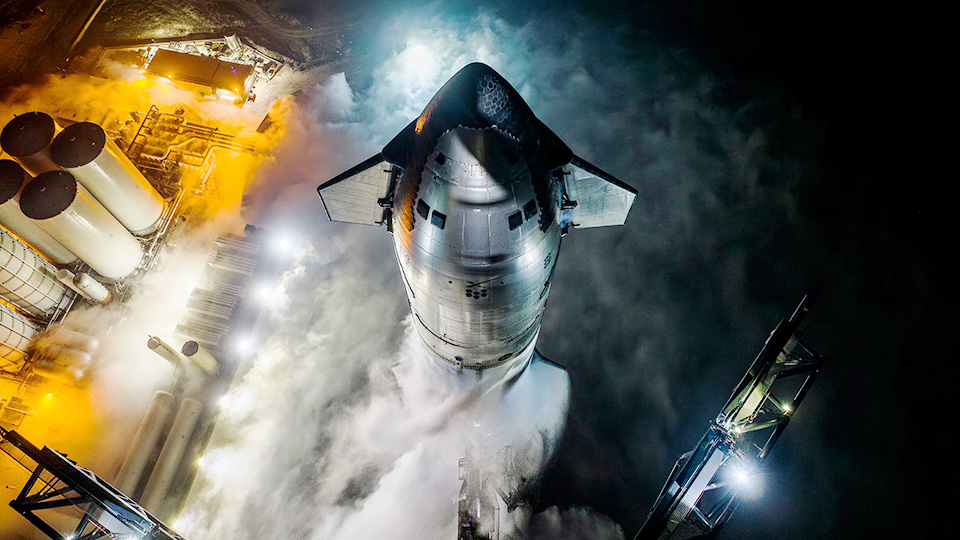
On August 10, 2026, financial analysts forecasted a major shift in space‑launch economics as SpaceX moves its primary payloads from the proven Falcon 9 to a new, fully reusable vehicle. The transition is expected to lower launch costs and increase launch cadence, reshaping market dynamics for satellite operators. Analysts predict that the new platform will enable more frequent, affordable rides, potentially driving a surge in small‑satellite deployments. This evolution positions SpaceX to maintain its competitive edge while opening new revenue streams for the broader aerospace industry.
Astrolight and ATMOS Space Cargo Partner to Demonstrate In-Flight Spacecraft-to-Satellite Laser Link
Original Publication Date: 2026-08-10 14:33
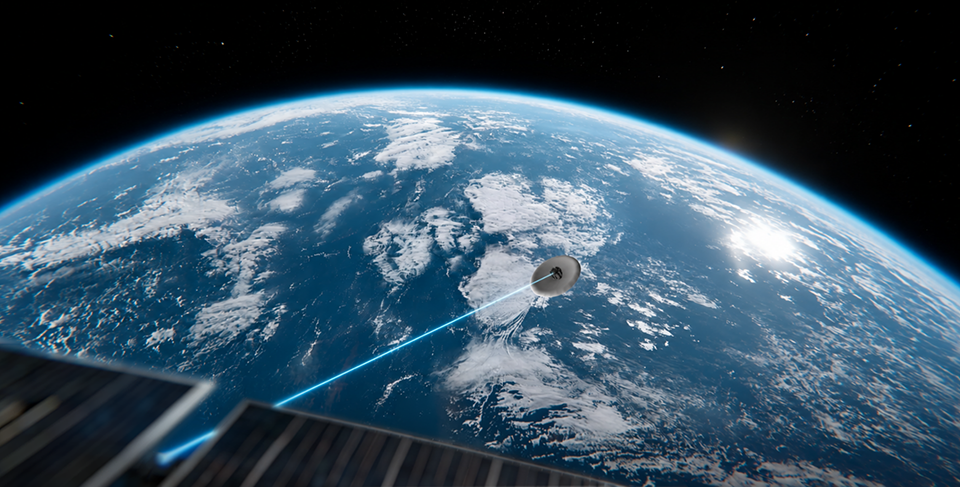
On August 10, 2026, Lithuanian optical‑communications firm Astrolight and German space‑logistics company ATMOS Space Cargo signed a Memorandum of Understanding to demonstrate an in‑flight optical communications link. The partnership will combine Astrolight’s laser‑communication expertise with ATMOS’s launch and logistics capabilities. The test aims to validate high‑speed data transfer between spacecraft and ground stations, potentially boosting future satellite network performance.
DroneShield Unveils Portable RfRecon Platform to Advance Tactical Radio Frequency Intelligence
Original Publication Date: 2026-08-10 14:14
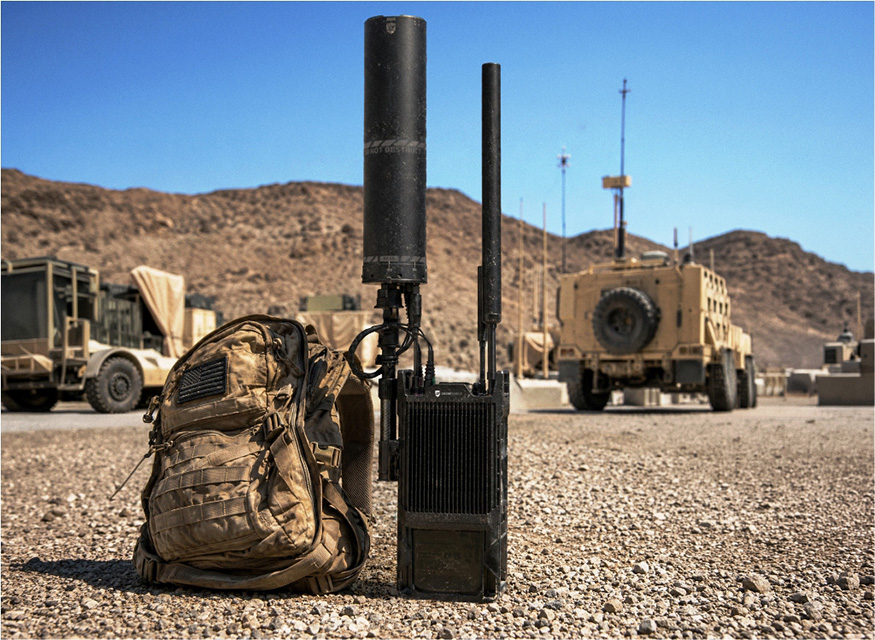
DroneShield unveiled RfRecon on August 10, 2026, a lightweight RF intelligence platform designed to detect, identify, locate, and evaluate electromagnetic activity in real time. The device offers operators a portable, high‑resolution view of radio frequency environments, helping to counter drone threats and other wireless intrusions. With advanced signal‑processing algorithms and a user‑friendly interface, RfRecon promises rapid situational awareness for military, security, and commercial users alike. This new tool marks a significant step forward in the battle against hostile unmanned aircraft and other RF‑based threats.
Curiosity Blog, Sols 4968-4974: Rock Climbing Towards the Discontinuity
Original Publication Date: 2026-08-11 06:50

NASA’s Curiosity rover has been busy on Sol 4972, climbing a steep outcrop in Gale Crater to study a suspected erosional supersurface that marks a shift from deposition to erosion. Using its MAHLI camera, ChemCam, and APXS instruments, the rover captured high‑resolution mosaics and conducted contact science at a record‑breaking 24‑degree tilt. The images reveal fine‑scale sedimentary structures and a sharp boundary between smooth bedding and rough, angled rock, offering clues to past wind and water activity.
Bountiful Roebuck Bay
Original Publication Date: 2026-08-11 04:01
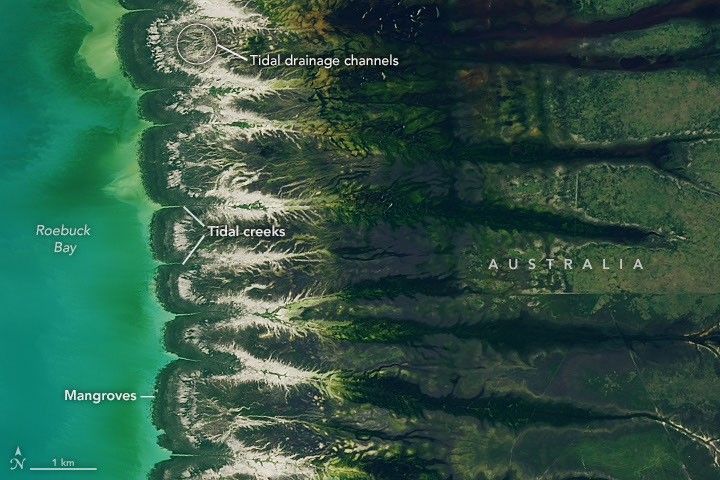
NASA’s Earth Observatory shows Roebuck Bay in Western Australia, where tides can rise up to 9 meters, flooding mudflats and mangrove forests each cycle. The bay’s wide, shallow continental shelf amplifies the lunar pull, while Landsat imagery reveals mangroves pushing westward at nearly 2 meters per year as sediment builds. Seasonal monsoon rains turn the surrounding plains into vibrant wetlands that dry into golden grasslands by June, and the dynamic waterways host thousands of invertebrates that feed a massive influx of migratory birds.
Community College Instructors Bring Astronomy Textbook Into 21st Century
Original Publication Date: 2026-08-10 18:08

NASA’s Science Activation program has teamed up with community college instructors to transform the OpenStax Astronomy 101 textbook into an active‑learning course. In a June 2026 virtual workshop, five instructors from the SETI‑led NCCN, ASU‑led Infiniscope, and NASA Treks added NASA‑produced modules—such as Treks, Universe of Learning, and Cosmic Data Stories—to the first five chapters of the book. The revamped material will be field‑tested in classrooms this fall, proving that a traditional textbook can be reimagined into a dynamic, engaging learning tool. This effort expands the reach of NASA’s educational resources and paves the way for a fully active‑learning astronomy curriculum across community colleges.
NASA+ Debuts on discovery+, Coming Soon to HBO Max
Original Publication Date: 2026-08-10 16:30
NASA has announced that its NASA+ streaming service will now be available on discovery+ and HBO Max, offering a continuous live feed on discovery+ and special events like the 2027 Artemis III mission on HBO Max. Viewers can enjoy NASA+ content in Dolby Vision, bringing vivid colors, sharper contrast, and richer detail to space exploration. Upcoming programming may feature science launches, robotic lunar deliveries, and the first crewed Artemis mission to the Moon.
Launch Preview: Chinese failure opens busy international launch salvo
Original Publication Date: 2026-08-10 12:49

The week of August 10 opened with a dramatic burst of activity, as four launches from China, the United States, and Japan occurred in less than twelve hours. China’s Long March 7A exploded during first‑stage flight, while a SpaceX Falcon 9 carrying Starlink v2 Minis was scrubbed for 24 hours, and Japan’s H3 successfully lofted the final Michibiki satellite, completing its QZSS constellation. LandSpace’s second attempt to recover its reusable ZhuQue‑3 also failed to land, but the vehicle ascended cleanly into orbit. The remainder of the week will see three additional Falcon 9 missions, including a classified Vandenberg flight and Globalstar’s first constellation refresh, bringing the total to seven launches across three countries and four vehicle types.
The Launch Crunch Just Made a ULA Sale Worth Revisiting
Original Publication Date: 2026-08-10 11:38
Payload Pro and Payload have highlighted a recent United Launch Alliance (ULA) sale that has sparked renewed interest among industry observers. The article, currently behind a subscriber paywall, examines the strategic implications of the deal for ULA’s market position. While details are restricted, analysts note the sale could influence future launch contracts and competition in the commercial space sector. Subscribers can access the full discussion on Payload Pro and Payload.
'Launching anywhere, anytime and without compromise': Rocket Lab unveils new 'GHOST' portable spaceport system
Also covered by: SpaceNews
Original Publication Date: 2026-08-10 22:43
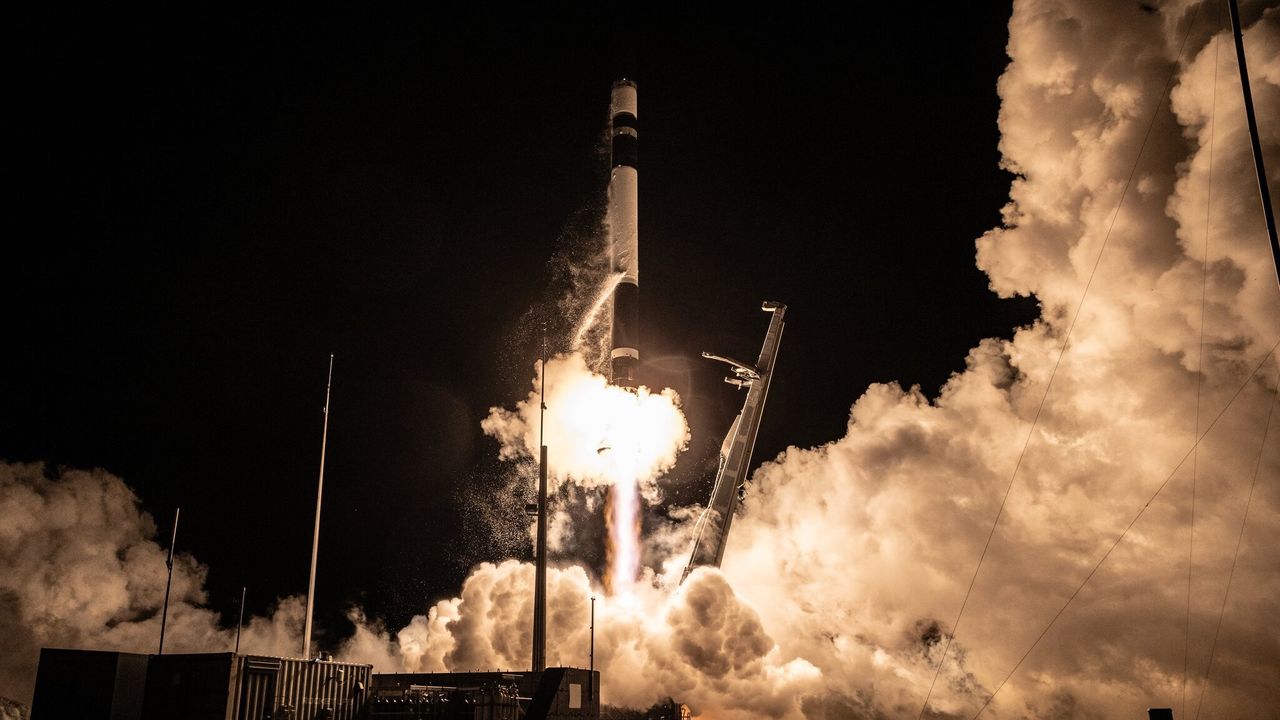
Rocket Lab has introduced GHOST, a containerized launch system that houses all the ground‑support equipment for its Electron and HASTE rockets inside standard shipping containers, allowing it to be deployed anywhere in the world. The first GHOST installation will be at the Pacific Spaceport Complex‑Alaska on Kodiak Island, where the company plans to conduct 12 suborbital missions under a $266 million Space Force contract, with options for six additional flights. By enabling launches from new sites such as Alaska, GHOST expands Rocket Lab’s global launch footprint and meets mobile launch demands for both commercial and national‑security missions. Meanwhile, the company continues to develop its larger, partially reusable Neutron rocket.
The Andromeda galaxy may be getting bullied by a smaller galactic neighbor, scientists find
Original Publication Date: 2026-08-10 18:00
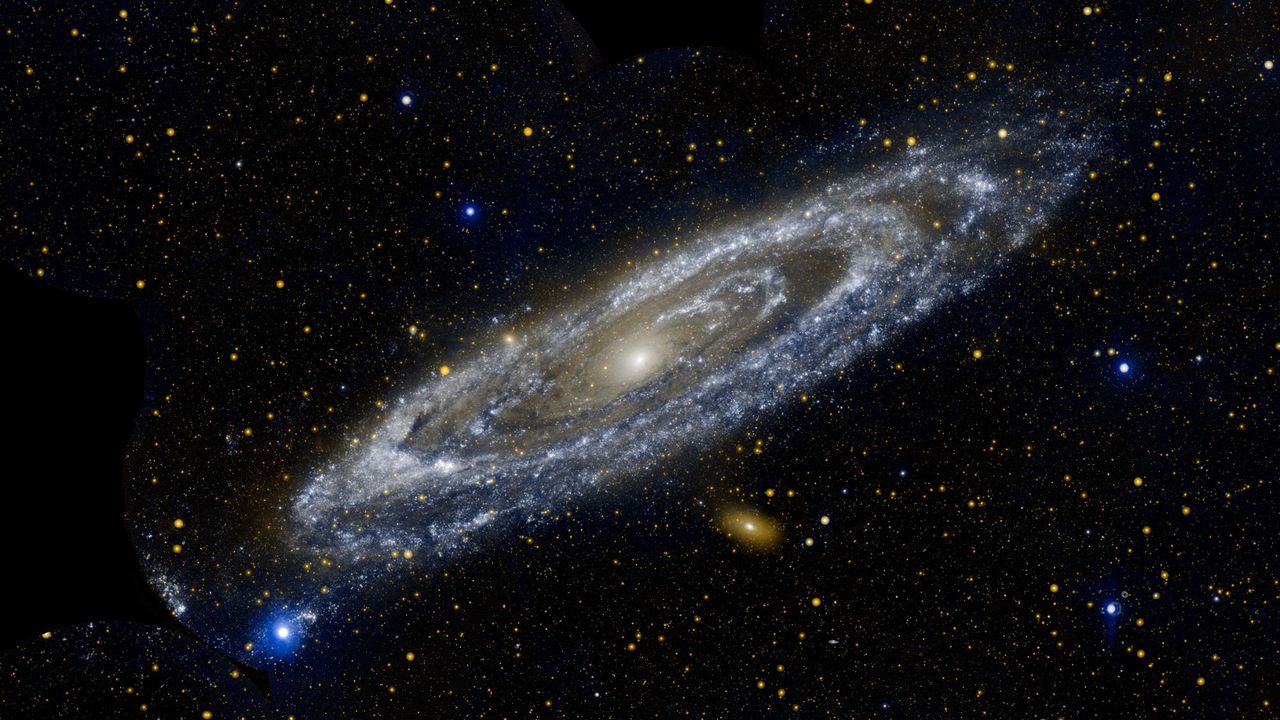
Hubble Space Telescope data reveal that the Andromeda galaxy's star‑forming activity has plummeted over the past 40 million years, dropping from about one solar mass of new stars per year to just a fifth of that today. Researchers point to the nearby dwarf galaxy M32, only 16,000 light‑years away, as the most likely culprit, noting the slowdown is strongest on Andromeda's side closest to M32. The findings suggest a recent gravitational encounter may have stripped gas and halted star birth in that region.
Sharpest image of the sun ever captured! | Space photo of the day for Aug. 10, 2026
Original Publication Date: 2026-08-10 14:00
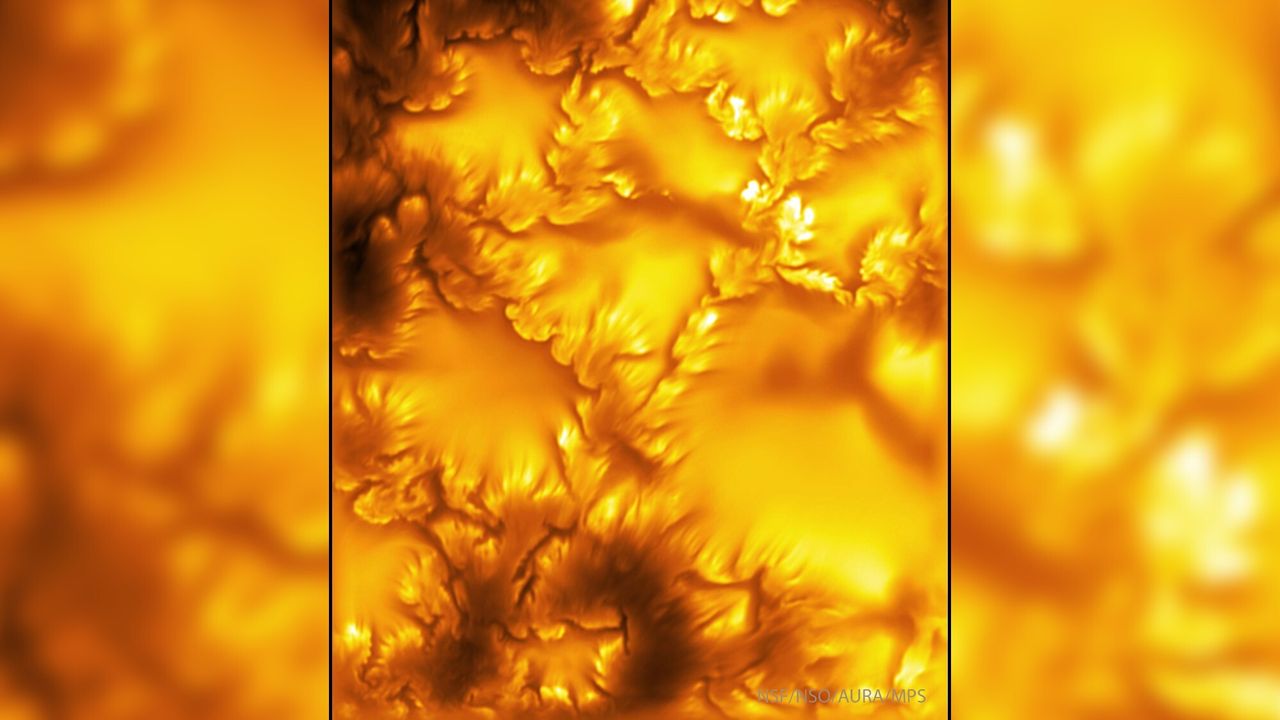
Scientists using the National Science Foundation’s Inouye Solar Telescope have captured the sharpest ever image of the Sun’s surface, revealing swirling patterns that are the first direct evidence of Kelvin‑Helmholtz instability. These fluid instabilities appear at the edges of magnetic regions and could explain how solar storms develop. The discovery, made by an international team from the National Solar Observatory, NSF’s High‑Altitude Observatory, and Germany’s Max Planck Institute, was published in Nature. This breakthrough offers a new window into the dynamics of solar and stellar plasma.
On this day in space! Aug. 10, 1972: A 'Great Daylight Fireball' lights up the sky over North America
Original Publication Date: 2026-08-10 14:00

On August 10, 1972, a massive Earth‑grazing fireball streaked across the sky from Utah to Alberta, dazzling viewers in the United States and Canada. The bright, daytime meteor—estimated 10 to 45 feet wide—traversed the atmosphere without hitting the ground, leaving a 300‑mile trail that could have sparked a viral social‑media frenzy if it happened today. While ordinary nighttime meteors burn up as small, dim streaks, this daylight fireball was large and fast enough to outshine a sunlit sky. The event remains a striking reminder of the spectacular celestial phenomena that occasionally grace our daytime horizon.