 Spotify
 Apple Podcasts
 Podcast Addict
 Overcast
 Podcast RSS
Rocketdyne reemerges as standalone space company
Original Publication Date: 2026-08-04 09:20
Rocketdyne has emerged as an independent company after AE Industrial Partners acquired L3Harris Technologies’ space propulsion, power and electronics units, taking a 60% stake while L3Harris keeps 40% and remains a strategic partner. Kristin Houston, formerly head of the unit, has been named CEO and says the new standalone structure will let the company move faster and pursue opportunities unavailable within a larger conglomerate.
Kreios Space to fly VLEO demonstration in NanoAvionics bus
Original Publication Date: 2026-08-04 04:01
Spanish startup Kreios Space plans its first very low Earth orbit demonstration of air‑breathing electric propulsion on Aug. 4, using a Kongsberg NanoAvionics microsatellite bus. The mission will test a system that harvests atmospheric gases for propellant, allowing satellites to stay at about 200 km without carrying heavy fuel. Kreios, founded in 2021, expects the first flight in 2027 with a follow‑up in 2028, joining a short list of European VLEO initiatives. This launch could open the door to high‑resolution Earth observation and low‑latency communications from ultra‑low orbits.
NASA, SpaceX studying how to prevent future upper stage lunar collisions
Original Publication Date: 2026-08-04 02:03
SpaceX’s Falcon 9 upper stage from a January 2025 lunar lander launch is slated to collide with the Moon on Aug.
Hughes files for bankruptcy after GEO business loses ground to Starlink
Original Publication Date: 2026-08-03 16:06
EchoStar’s Hughes geostationary satellite broadband arm has filed for Chapter 11 bankruptcy in the U.S., citing mounting losses to SpaceX’s Starlink and other low‑Earth‑orbit competitors. The company will use the protection to restructure debt and pivot toward enterprise, government and defense markets, while its international subsidiaries remain outside the filing. Hughes’ consumer subscriber base has fallen 21.7% to roughly 641,000, and the firm expects the trend to continue as LEO services deliver lower latency and higher speeds. Despite the bankruptcy, Hughes plans to keep providing services and leverages a $1.5 billion enterprise backlog and growing multi‑orbit infrastructure capabilities to stabilize its future.
Xona secures spectrum approval for satellite navigation network
Original Publication Date: 2026-08-03 15:36
Xona Space Systems has secured conditional FCC approval to broadcast its Pulsar navigation signals from a planned constellation of more than 250 satellites, clearing a major regulatory hurdle for the California startup. The company will transmit in the L‑band adjacent to GPS’s L1 and L5 signals, using waveforms designed to avoid interference with existing navigation and aviation services. While the license covers a 258‑satellite network, Xona may initially deploy only 16 spacecraft, with further approvals required to launch the remainder and must meet deployment deadlines by 2035. This makes Xona the first private constellation authorized to operate next to national systems such as GPS, Galileo, BeiDou and Glonass, though the FCC has not yet certified its claims of accuracy, security or reliability.
Planet Labs Secures Seven-Figure Agricultural Data Contract with Scottish Government
Original Publication Date: 2026-08-03 20:22

Planet Labs PBC has secured a one‑year, multi‑million‑dollar contract to deliver commercial Earth‑observation data to a network of European civil government agencies, expanding its footprint across the continent. The deal, announced on July 30, will provide high‑resolution satellite imagery and analytics to support climate monitoring, disaster response and infrastructure planning.
FCC Authorizes Xona Space Systems for Full Commercial Pulsar LEO Constellation Deployment
Original Publication Date: 2026-08-03 19:46
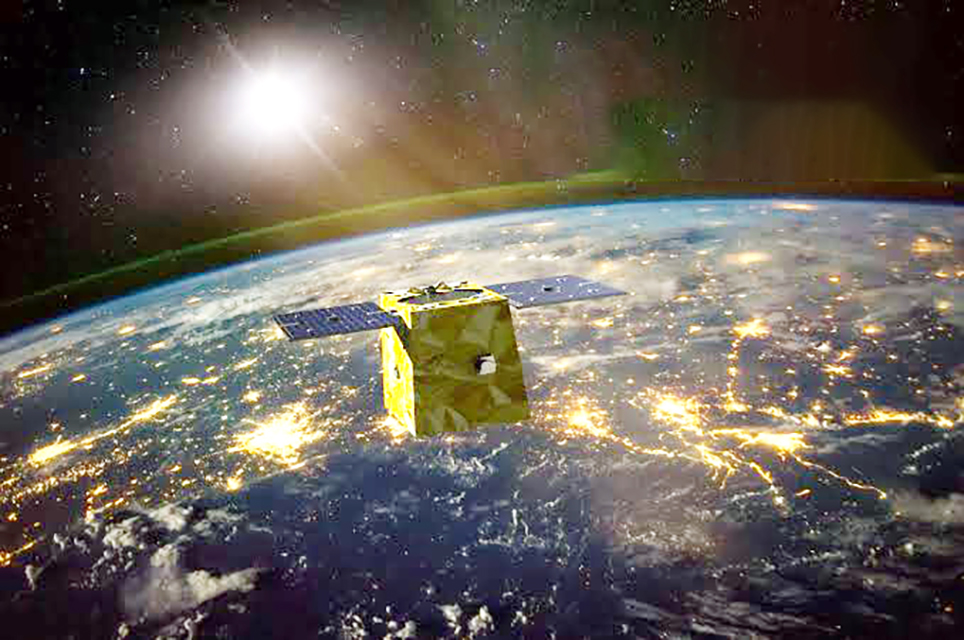
On August 3, 2026, the Federal Communications Commission in Burlingame, California, granted full constellation authorization to a commercial positioning, navigation, and timing service. This approval allows the company to operate a satellite network that will work alongside the nation’s existing infrastructure.
Nilesat Secures Tier 4 WTA Certification for Cairo Teleport Infrastructure
Original Publication Date: 2026-08-03 19:34
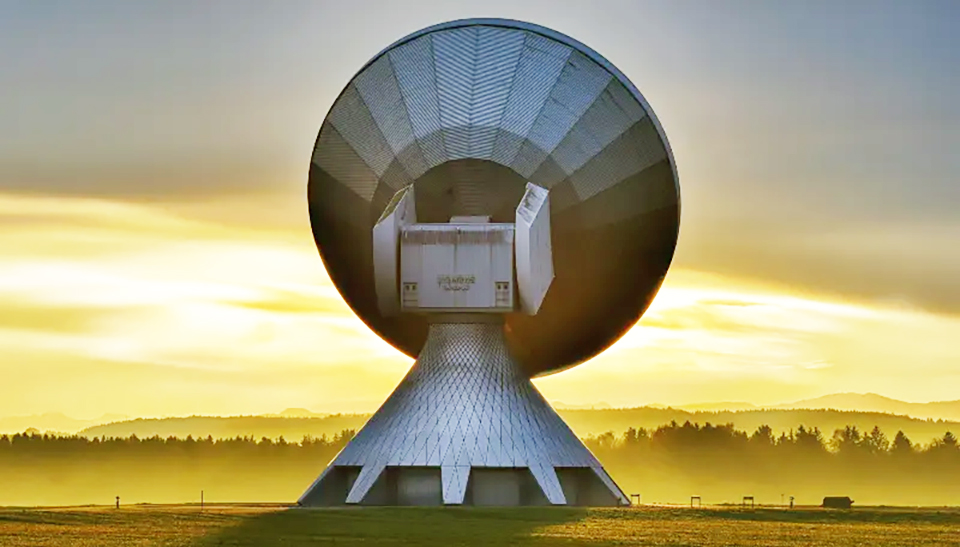
Egypt’s Nilesat has earned full Tier 4 certification from the World Teleport Association, underscoring the critical role of WTA standards in the region’s satellite ground infrastructure. The award confirms Nilesat’s compliance with the highest safety, reliability, and operational benchmarks set by the WTA. This milestone strengthens Egypt’s position as a key hub for satellite communications across the Middle East. The certification is expected to boost confidence among international partners and support future expansion plans.
KMM Precision Measuring Commercializes High-Precision Displacement Sensors for Extreme Aerospace Environments
Original Publication Date: 2026-08-03 17:28

KMM Precision Measuring announced on July 21 that its latest non‑contact measurement system is now available for high‑temperature, high‑pressure applications. The new technology uses advanced laser interferometry to deliver accurate dimensional data without contact, even in extreme environments. Designed for industries such as aerospace, energy, and manufacturing, the system promises to reduce downtime and improve safety. KMM’s announcement highlights the company’s commitment to innovation in precision measurement.
Louisiana Students Loft Payloads from NASA Balloon Facility in Texas
Original Publication Date: 2026-08-03 19:22
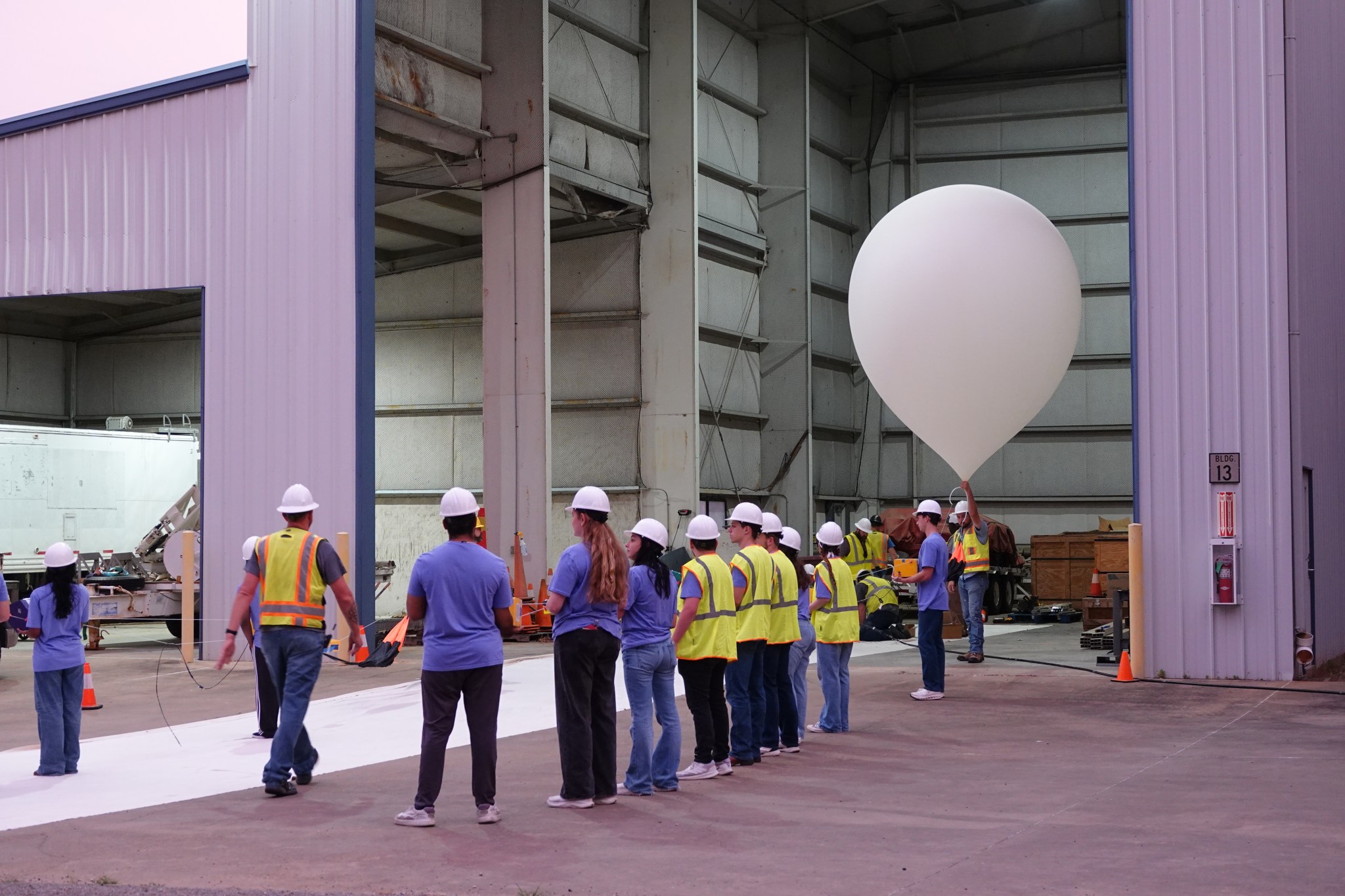
Louisiana students from nine universities and a high‑school team launched 11 scientific payloads from NASA’s Columbia Scientific Balloon Facility in Palestine, Texas, on May 19, 2026, as part of the LaACES program. The balloons carried instruments studying everything from atmospheric chemistry to cosmic rays, ascended to near‑space altitudes, and were recovered 60 miles north of the launch site after successful flights. Students completed rigorous design reviews modeled on NASA’s engineering cycle, defended their payloads, and later analyzed the data to present findings to engineers and faculty. This hands‑on experience bridges academic learning with real NASA operations, fueling a pipeline of future scientists and engineers.
Guinea-Bissau Tidal Waters
Original Publication Date: 2026-08-03 17:15

NASA and USGS captured a stunning aerial view of Guinea‑Bissau’s Bijagós Archipelago, where tides carve a maze of sandy channels, mudflats, and mangrove forests across 88 islands. The November 28, 2025 image shows how low tide exposes vast mudflats and sand, causing the islands to expand dramatically before retreating again hours later. This dynamic process reshapes the landscape, turning the archipelago into a shifting mosaic of habitats. The photo, credited to NASA/Lauren Dauphin and USGS, highlights the region’s unique tidal ecology.
NASA Delivers Navigation System for Commercial Lunar Relay
Original Publication Date: 2026-08-03 14:20
NASA delivered the NavCube3‑mini navigation payload to Intuitive Machines on July 13 for integration into the Altus‑1 lunar relay satellite. The compact, 3.5‑pound device uses Earth‑based GPS and Galileo signals to provide precise positioning beyond Earth orbit while consuming less than 20 watts of power. Altus‑1 will extend communications and navigation support for future Moon missions, including the 2028 Artemis South Pole landing, helping to build a sustained lunar presence. Successful environmental and performance tests at NASA Goddard confirm the payload’s readiness for spaceflight.
Ike Theriot Helps Prepare Astronauts to Work on the Moon
Original Publication Date: 2026-08-03 14:00
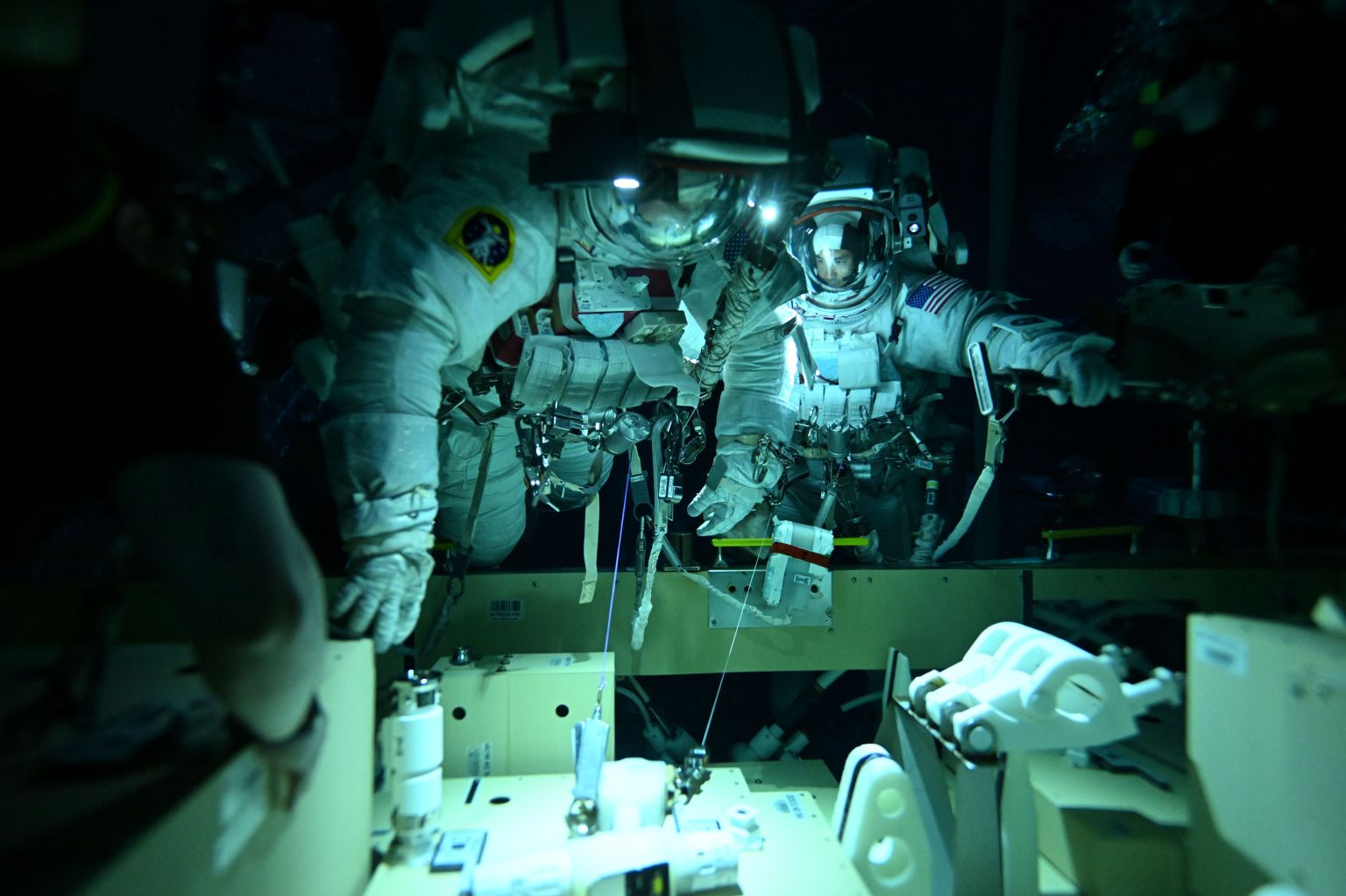
Ike Theriot, a former Army engineer turned NASA flight operations lead, now directs surface‑testing and training for the Artemis lunar program, refining procedures in the Neutral Buoyancy Laboratory and on remote field sites. He has helped develop the Lunar Grid Reference System, tested the Axiom Extravehicular Mobility Unit, and evaluated lighting and gravity‑offload systems to ensure astronauts can safely work on the Moon. In addition to leading simulated moonwalks, Theriot serves as a certified flight controller and has been selected as a capsule communicator, bridging Mission Control and astronauts in orbit. His work, rooted in disciplined field experience, is shaping the next generation of lunar explorers.
Launch Preview: Starlink, AST SpaceMobile, and Chinese missions fill launch manifest
Original Publication Date: 2026-08-03 21:24

First full week of August is packed with six launches, three from SpaceX and three from China, as the global launch industry ramps up.
True Anomaly Chases an Evading Target
Original Publication Date: 2026-08-03 12:45

True Anomaly’s autonomous spacecraft, Jackal, became the first to chase an evasive satellite in space during the Space Force’s VICTUS HAZE mission, tracking and imaging Rocket Lab’s Puma while the target actively tried to escape. The operation began with a 30‑minute mission plan and a 23‑minute burn to close in, after which Jackal’s Multi‑Object Detection and Tracking algorithm maintained a 10‑km proximity and captured multi‑aspect imagery. Despite unexpected high thermal temperatures, the team’s rapid adaptation and close operator‑software integration kept the mission on course. With minimal fuel consumption left, True Anomaly plans to push Jackal and its Mosaic software into even more autonomous, maneuver‑intensive missions in the months ahead.
A SpaceX rocket will crash into the moon this week. Why is it on a collision course?
Original Publication Date: 2026-08-03 21:00

On August 5, 2026, the upper stage of a SpaceX Falcon 9 rocket will collide with the Moon, creating an estimated 89‑foot crater on the sunlit side. The spent stage, left in a high‑Earth orbit after a 2025 launch, was nudged onto a lunar‑impact trajectory by a combination of solar activity and gravitational forces. While most observers on Earth will not see the splash, astronomers hope to study the ejecta plume and seismic signals to better understand debris hazards for future lunar missions.
3 moons of Neptune may be remnants of ice worlds shattered in a catastrophic crash
Original Publication Date: 2026-08-03 16:17
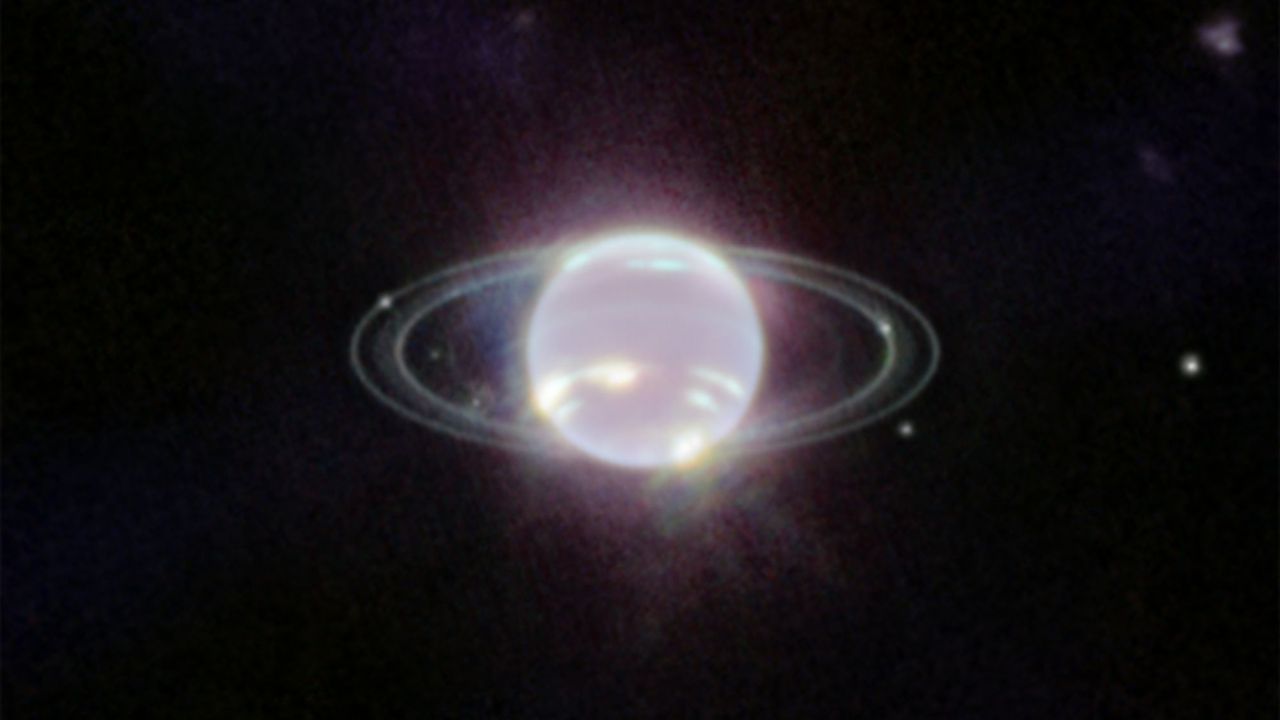
Scientists using the James Webb Space Telescope have detected unexpected magnesium‑rich clay minerals on Neptune’s inner moons Larissa and Galatea and its rings, suggesting these bodies were once part of larger icy worlds. The discovery implies that Triton, Neptune’s massive captured moon, acted like a wrecking ball, smashing and shattering the planet’s original moons and leaving behind rubble that reassembled into the small inner moons we see today. The clay minerals, which require prolonged heating and liquid water to form, point to a deep interior source that could only have existed in a much larger icy body that was later torn apart. This finding offers a rare glimpse into the hidden interiors of icy worlds and rewrites our understanding of Neptune’s violent past.
The 1st 'three-headed' asteroid | Space photo of the day for Aug. 3, 2026
Original Publication Date: 2026-08-03 14:20
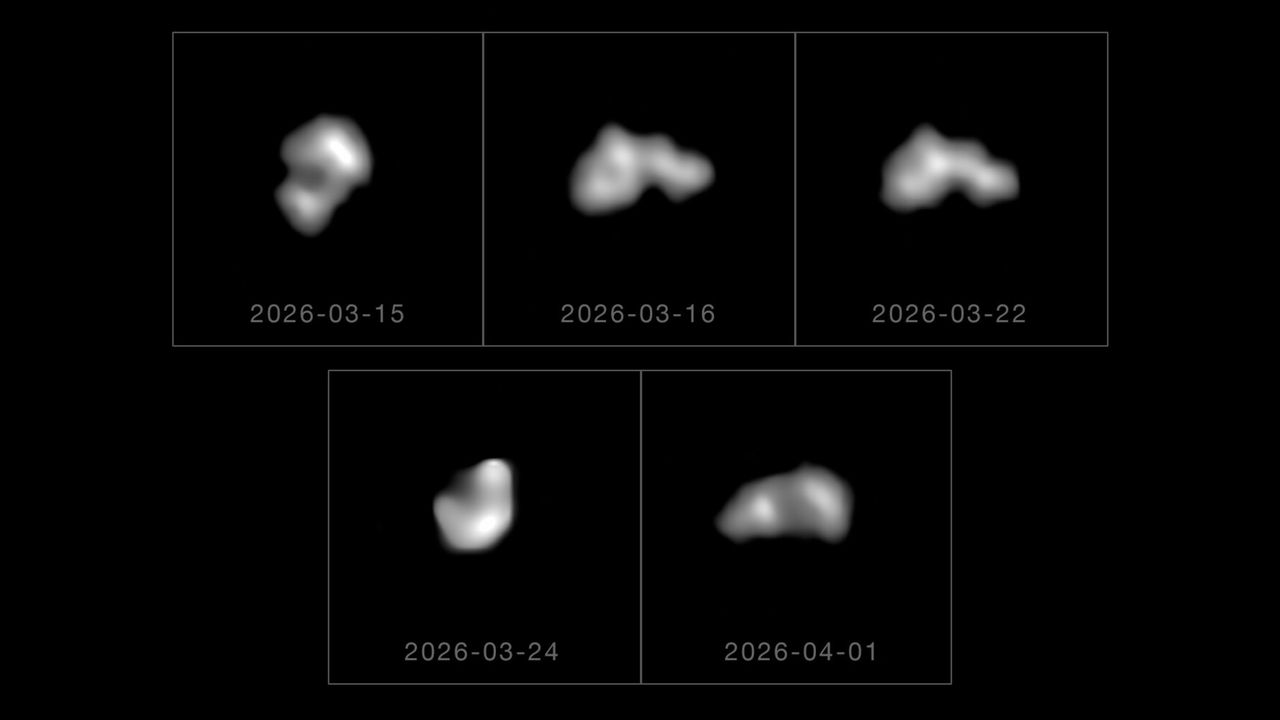
Astronomers have identified the first known “trilobate” asteroid in our solar system, (44) Nysa, located in the main belt between Mars and Jupiter. High‑resolution images from the Very Large Telescope and the Large Binocular Telescope reveal a 75‑kilometer‑wide asteroid with a distinctive three‑headed shape and two narrow necks. The study also detected a tiny moon, about 1 kilometer across, orbiting Nysa at roughly 170 kilometers. This unusual configuration offers new clues about the formation of inner solar system bodies.
On this day in space! Aug. 3, 2004: NASA launches MESSENGER spacecraft to orbit Mercury
Original Publication Date: 2026-08-03 14:05
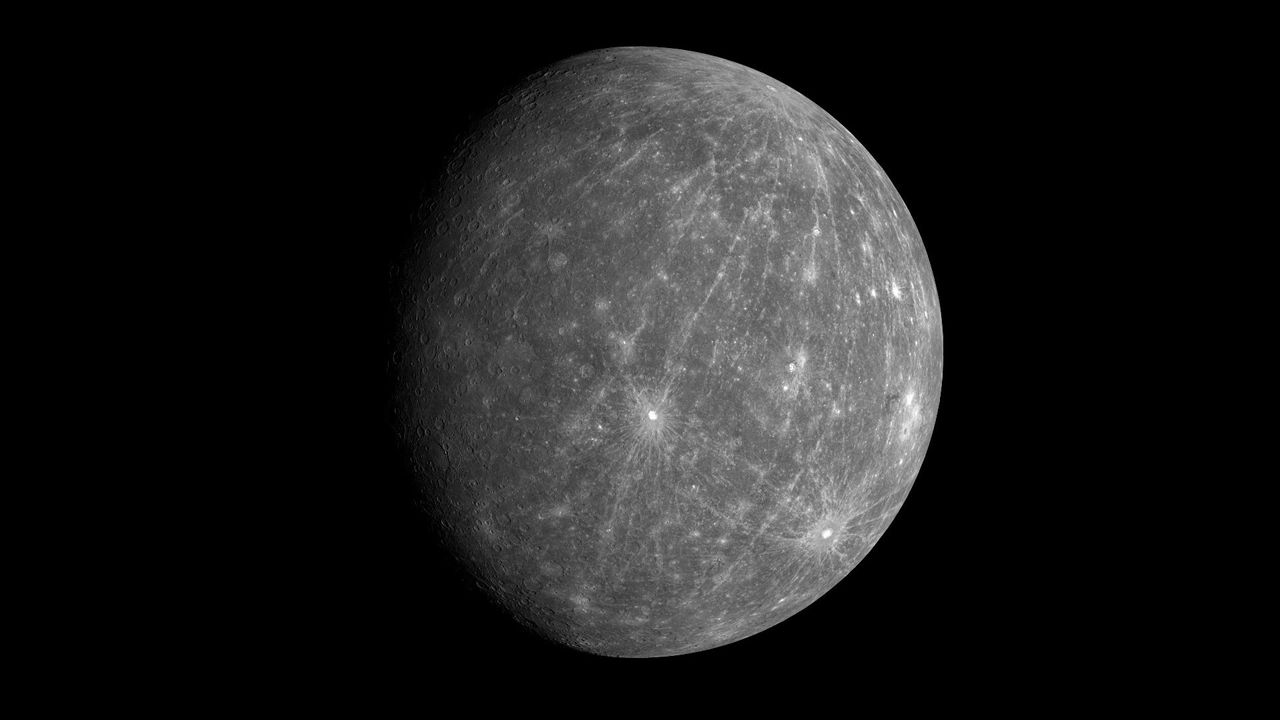
On August 3, 2004, NASA launched the MESSENGER spacecraft on a Delta II rocket from Cape Canaveral, marking the first mission aimed at orbiting Mercury. Over six and a half years, the probe used gravity assists from Venus and Mercury to slow its speed and entered the planet’s orbit in 2011. MESSENGER revealed a surprisingly large core, a remarkably flat surface, and radar‑bright deposits that may contain water ice at Mercury’s permanently shadowed poles. The mission concluded in 2015 when the probe was deliberately crashed into Mercury, paving the way for future missions like BepiColombo.