 Spotify
 Apple Podcasts
 Podcast Addict
 Overcast
 Podcast RSS
Startup targets radio segment of Golden Dome missile-defense network
Original Publication Date: 2026-04-28 09:00
Tensor, a Los Angeles startup, is developing compact, jam‑resistant radios that can transmit missile‑defense targeting data in milliseconds, a critical need for the Pentagon’s Golden Dome space‑based interceptor program. The radios will run the Link‑182 waveform, a complex protocol the Space Force is deploying across its next‑generation MILNET network of Starshield satellites. Tensor plans to have prototypes ready by Q3, with ground demos in Q4 and an orbital test next year, positioning itself to supply thousands of units to the defense market. While optical links promise higher data rates, the company argues radio‑frequency systems remain essential for reliability, flexibility and resilience in contested space environments.
Overview Energy to provide space-based solar power for Meta data centers
Original Publication Date: 2026-04-27 17:46
Overview Energy, a stealth startup that harvests solar power in orbit and beams it to Earth with infrared lasers, has signed a deal with Meta to supply up to one gigawatt of backup power for its data centers when terrestrial sources are down. The partnership, announced on April 27, fits Meta’s broader strategy to diversify energy for AI workloads, following deals for geothermal, nuclear, and battery storage.
ULA launches 29 Amazon Leo satellites on Atlas 5 rocket from Cape Canaveral
Also covered by: Space.com
Original Publication Date: 2026-04-27 19:10
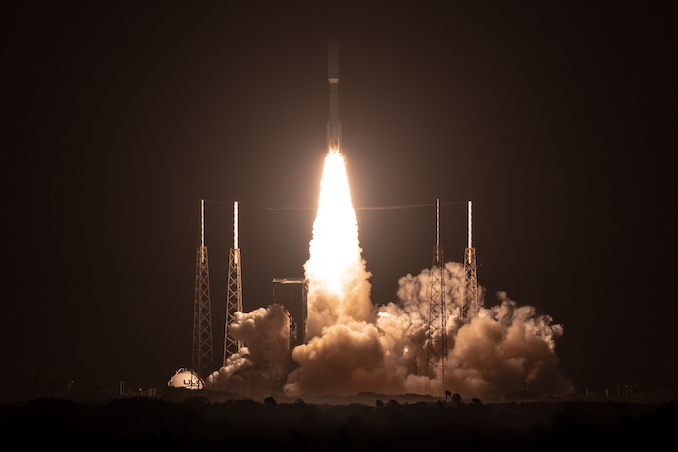
On April 27, United Launch Alliance’s Atlas 5 551 lifted off from Cape Canaveral’s Space Launch Complex 41 carrying 29 Amazon Leo broadband satellites for the Leo 6 mission. The launch marked ULA’s fastest pad‑turnaround ever, shaving nearly three days off the previous record by using a new compressed roll‑to‑launch workflow, and tied the company’s heaviest‑payload record at 18 tons. The spacecraft were deployed into low‑Earth orbit in ten separate burns over a 37‑minute window.
SpaceX scrubs Falcon Heavy launch of final ViaSat-3 satellite due to poor weather
Original Publication Date: 2026-04-27 00:46
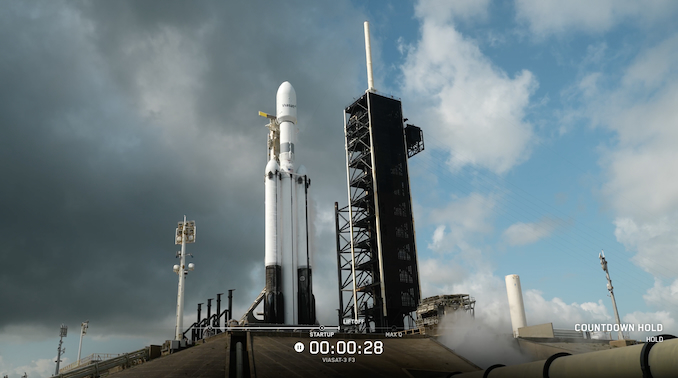
SpaceX scrubbed the Falcon Heavy launch of the ViaSat‑3 F3 satellite on April 27 because of poor weather, cutting a launch window that opened at 10:21 a.m. EDT. The mission would have carried a 6‑tonne communications satellite into a geosynchronous transfer orbit and included the historic landing of the two side boosters at Cape Canaveral. A new launch date has not yet been announced, as the Eastern Range weighs scheduling around the unloading of NASA’s Space Launch System core stage. The delay marks a pause in a program that has seen Viasat’s satellite network grow from a handful to a high‑capacity constellation over the past decade.
Astrobotic Achieves Record 300-Second Burn with New Detonation Engine
Original Publication Date: 2026-04-27 21:01
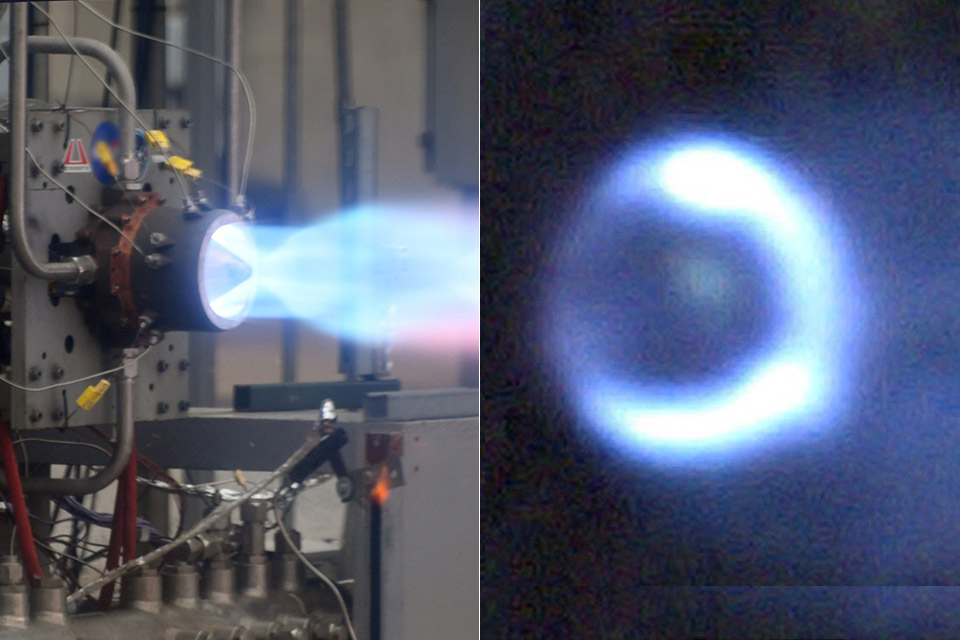
Astrobotic announced the successful completion of a hot‑fire test campaign for its Chakram rotating detonation rocket engine, a technology aimed at closing the efficiency gap of conventional liquid‑fuel engines.
ESA Launches Arctic Field Campaign to Calibrate Future Copernicus Missions
Original Publication Date: 2026-04-27 20:55
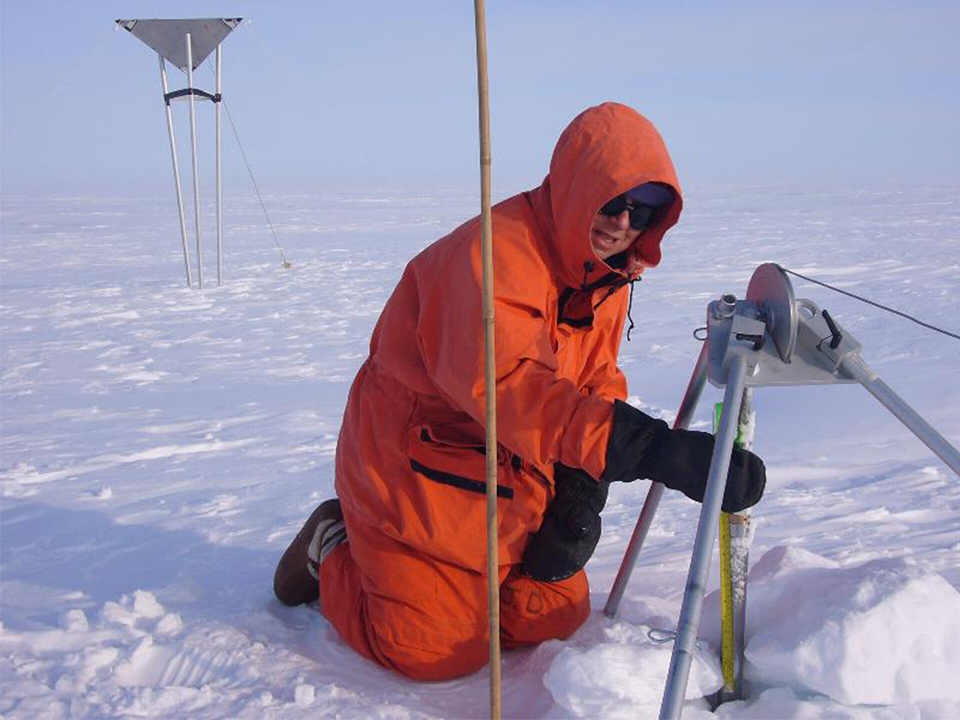
ESA launched a six‑week Arctic field campaign on April 27 to test sensor technology for three upcoming Copernicus Expansion missions. Scientists will deploy and calibrate instruments on remote stations, collecting data on atmospheric composition, sea‑ice conditions, and surface temperatures. The validation effort, carried out in partnership with national space agencies and research institutes, will help ensure the new satellites deliver accurate, high‑resolution Earth‑observing data. This initiative underscores Europe’s commitment to improving climate monitoring and supports global efforts to track environmental change.
HawkEye 360 Files for Initial Public Offering at $2.4 Billion Valuation
Original Publication Date: 2026-04-27 20:46
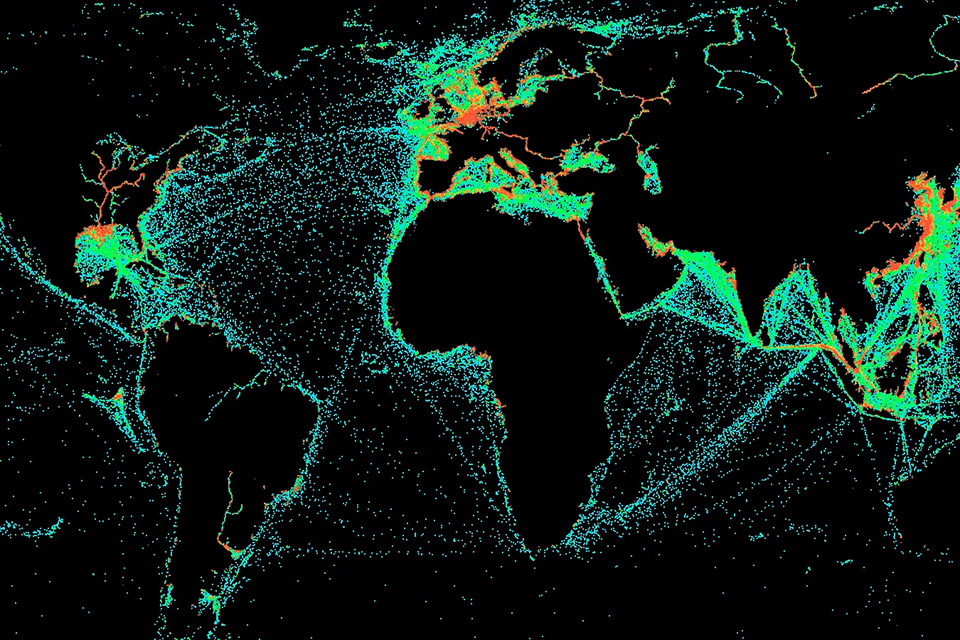
HawkEye 360, a satellite‑radio frequency data provider based in Herndon, Virginia, announced on Monday that it plans to go public on the Nasdaq Global Select Market. The company aims to raise capital and boost its valuation through the listing, though specific financial targets have not yet been disclosed. HawkEye’s move follows a growing trend of tech firms seeking liquidity and investor visibility in the rapidly expanding space‑tech sector. The announcement signals the company’s readiness to leverage the Nasdaq platform to support its continued growth and innovation.
Gatehouse Satcom and Rohde & Schwarz Formalize Collaboration to Strengthen 5G NTN Testing
Original Publication Date: 2026-04-27 17:17

Gatehouse Satcom and Rohde & Schwarz announced a formal partnership on April 27, 2026 to tackle the growing complexity of validating standardized satellite connectivity. The collaboration is designed to strengthen validation processes and improve testing capabilities for satellite networks. By aligning their expertise, the companies aim to streamline certification and accelerate the deployment of reliable satellite services. This move underscores the industry’s focus on enhancing the robustness of satellite communications.
Fiery Fall Color in Southern Chile
Original Publication Date: 2026-04-28 04:01
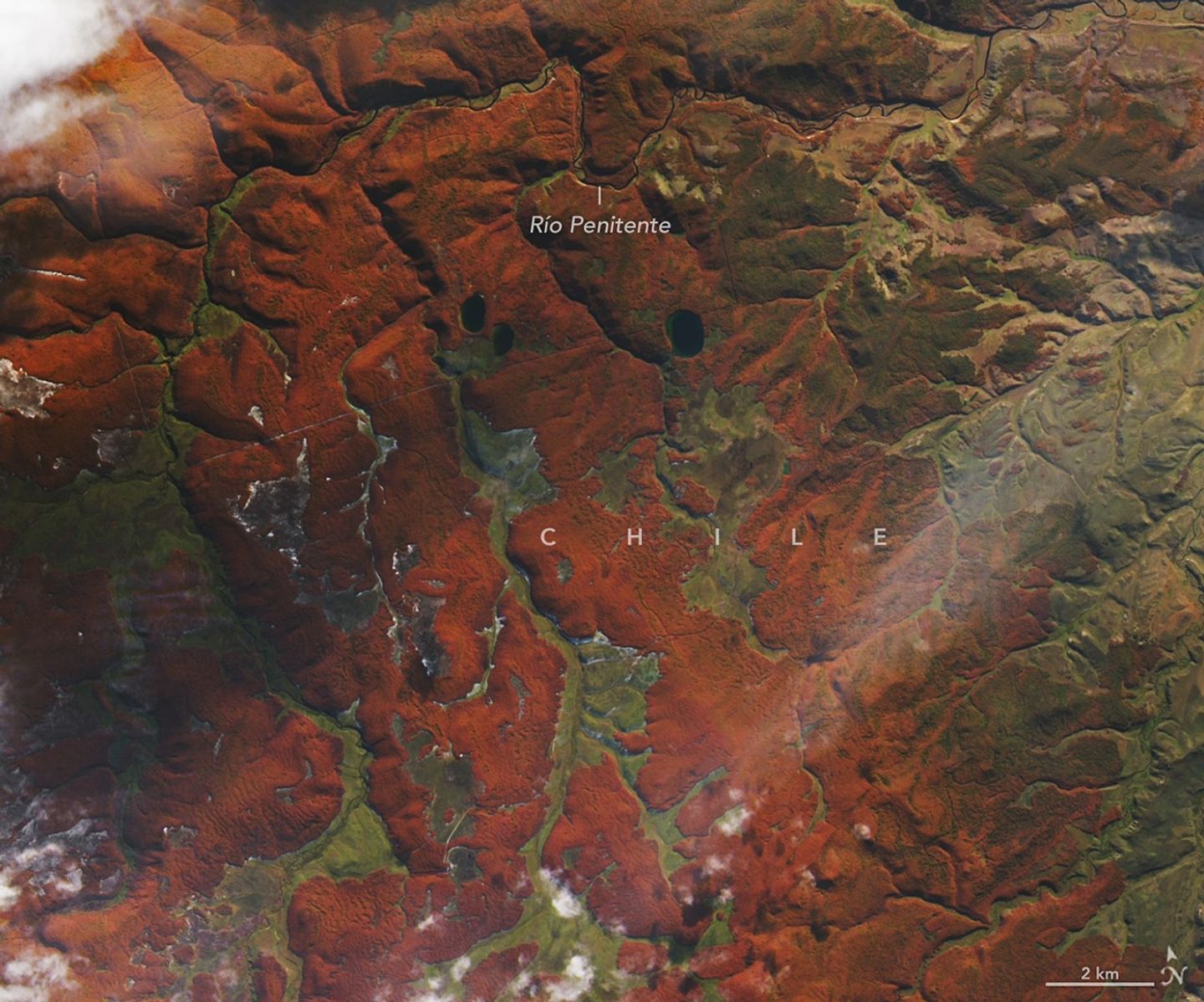
NASA’s Earth Observatory captured a vivid image of southern Chile’s lenga beech forests in autumn, showing reddish hillsides in the Magallanes region. The photo, taken by Landsat 9’s OLI on April 12, 2026, highlights the unique temperate forests that are the world’s southernmost of their kind, stretching 2,000 kilometers along the Andes. These deciduous trees turn bright yellow and red as shorter days arrive, marking the highest elevations where trees can grow. The striking colors underscore Patagonia’s biodiversity and the adaptability of Nothofagus species to harsh climates.
You Can Help Humans Thrive in Space
Original Publication Date: 2026-04-27 15:54
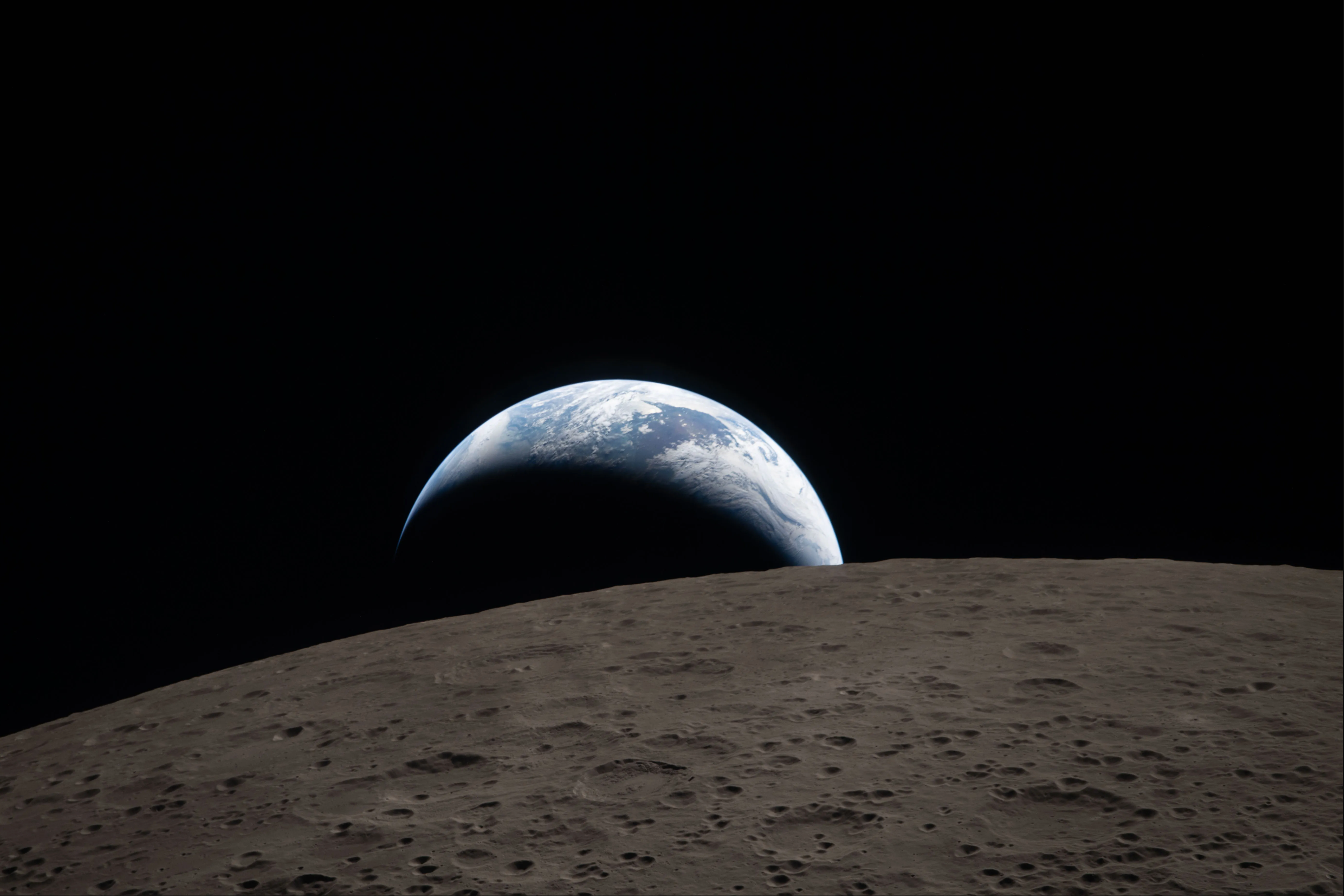
NASA’s Artemis II mission successfully carried four astronauts around the Moon, marking the first crewed deep‑space flight since Apollo 17 in 1972. While not everyone gets to suit up, citizens can still help NASA make space travel safer by joining a range of open science projects—from testing chili pepper plants for space farming to analyzing solar storm data with the Magnetosphere Multiscale mission. Teachers and students can collaborate on Growing Beyond Earth to grow future astronaut food, while data scientists and ham radio enthusiasts can contribute to the Open Science Data Repository or build personal space‑weather stations.
Volunteers Help NASA Astronauts Record Lunar Flashes
Original Publication Date: 2026-04-27 15:01
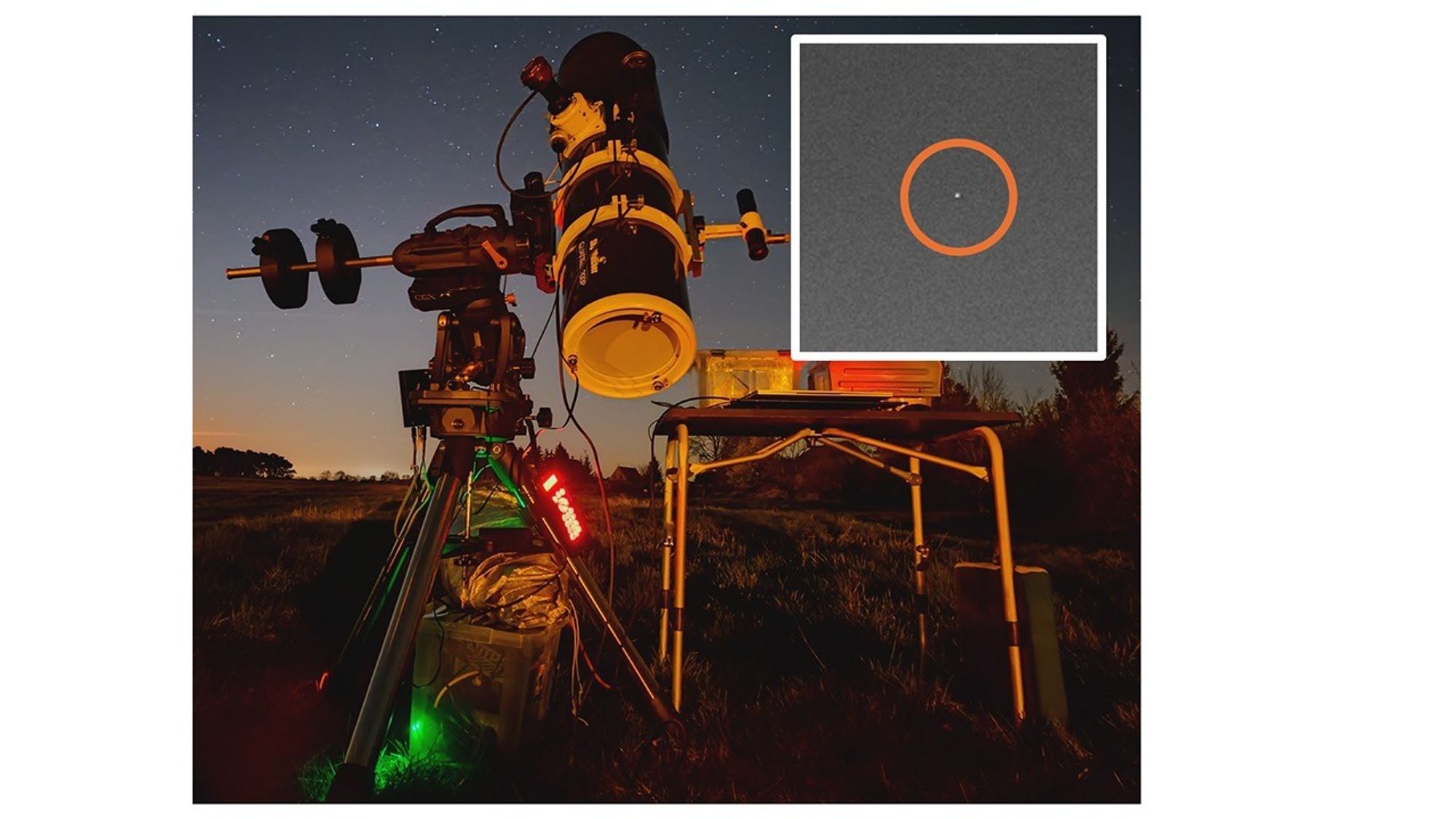
NASA’s Artemis II astronauts spotted meteoroid flashes on the Moon in early April, while a global network of volunteers captured the same events from Earth with their telescopes. The Impact Flash project, led by Los Alamos scientist Ben Fernando, is using these videos to pinpoint impact locations, brightness, and ultimately the size and origin of the meteoroids. By collecting more observations, the team can refine the present‑day lunar impact rate and even link flashes to moonquakes, offering clues about the Moon’s interior. If you own a telescope four inches or larger with video capability, join the Impact Flash network and help map the Moon’s unseen collisions.
Launch Preview: Falcon Heavy returns, Atlas V and Ariane 6 to launch Amazon Leo satellites
Original Publication Date: 2026-04-27 20:21

Six rockets launch this week from Florida, California, and French Guiana, including SpaceX’s Falcon Heavy, which will send a ViaSat‑3 broadband satellite into geosynchronous orbit on April 29. Atlas V and Ariane 6 will each loft dozens of Amazon Leo internet satellites, while two Falcon 9 flights will deploy Starlink v2 Minis and a South Korean CAS500 satellite. The Falcon Heavy’s two side boosters will return to launch sites, and the Falcon 9 boosters will be recovered on autonomous droneships.
Could the moon ever be blockaded? Experts predict cislunar space could be the next Strait of Hormuz
Original Publication Date: 2026-04-28 10:00
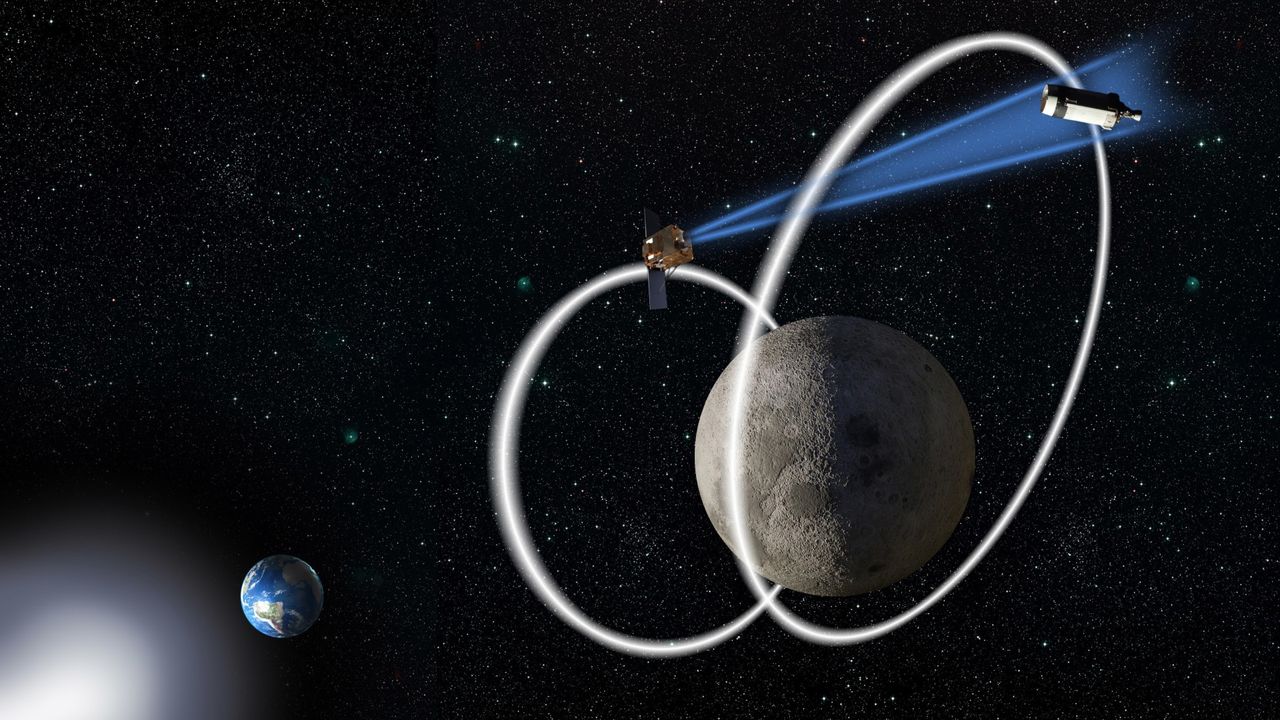
Experts warn that the narrow corridor between Earth and the Moon—cislunar space—could become a future “Strait of Hormuz,” where control of a few key transit points could disrupt the nascent lunar economy and global supply chains. The U.S. Space Force is already establishing a dedicated acquisition office to monitor this region, while NASA’s Artemis 2 and plans for a lunar habitat underscore the growing strategic stakes. Scholars from the Center for the Study of Space Crime argue that if cislunar space falls into the wrong hands, the multi‑trillion‑dollar ambitions of NASA and private companies like SpaceX could be jeopardized.
Did decaying dark matter help create the universe's first supermassive black holes?
Original Publication Date: 2026-04-27 21:00
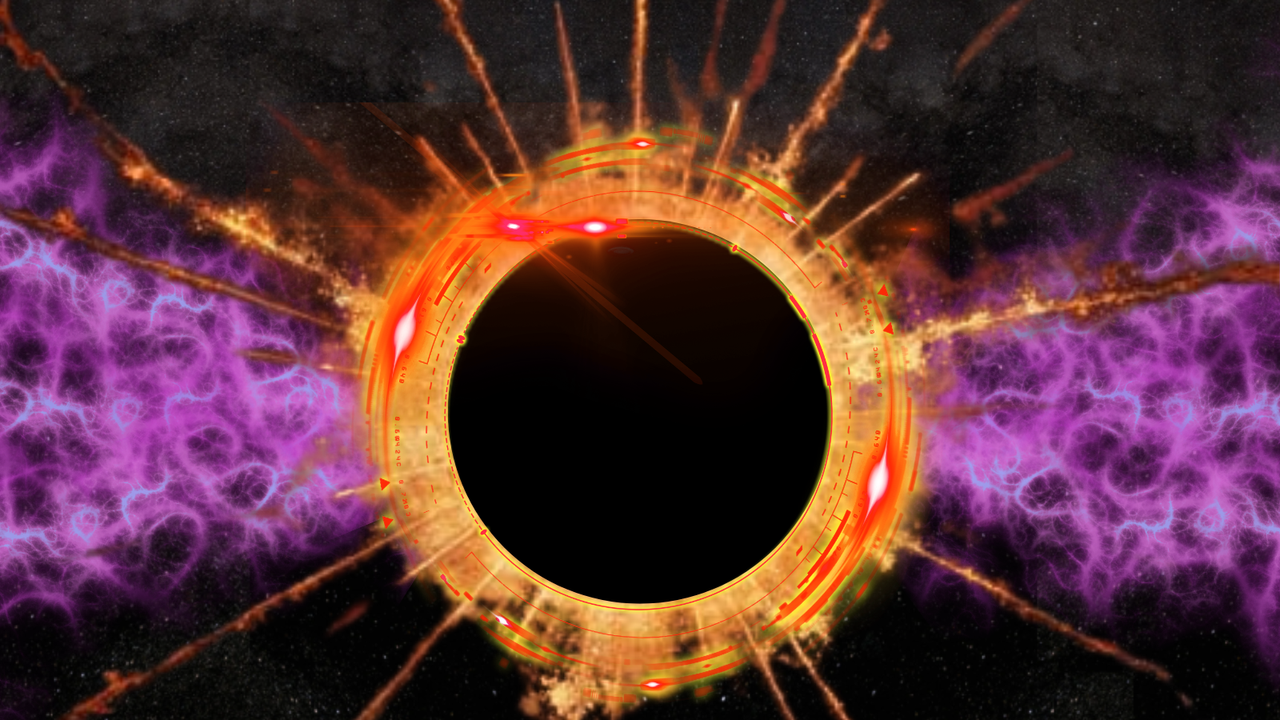
The James Webb Space Telescope has found supermassive black holes that existed less than 500 million years after the Big Bang, a puzzle because traditional growth models require at least a billion years. A new study proposes that energy released by decaying dark matter could trigger the direct collapse of primordial gas clouds, giving these black holes a head start. The researchers suggest dark matter particles with masses between 24 and 27 electronvolts could supply the tiny amount of energy needed for this process. If confirmed, this mechanism could reconcile observations with theory and deepen our understanding of the universe's first titanic black holes.
SpaceX launches its 50th mission of the year, sends 25 Starlink satellites to orbit (video)
Original Publication Date: 2026-04-27 18:30
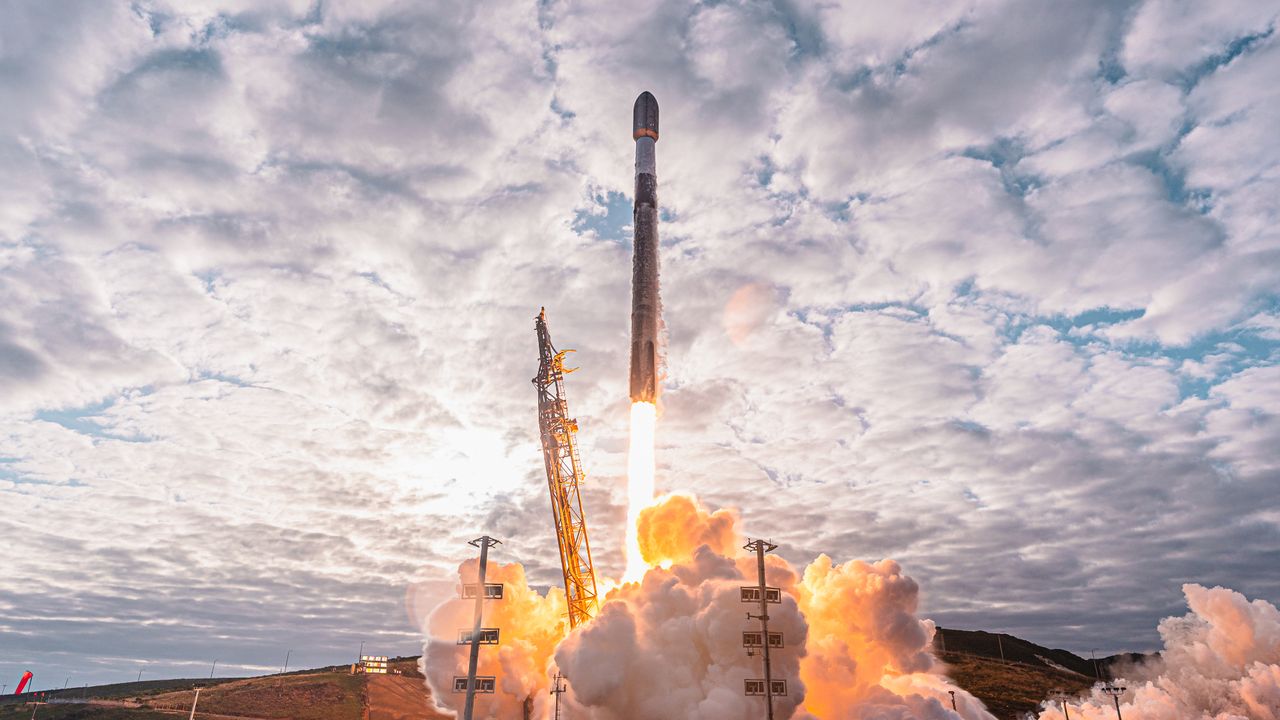
SpaceX launched its 50th mission of 2026 on Sunday, sending 25 new Starlink broadband satellites into orbit from Vandenberg Space Force Base in California. The Falcon 9 rocket, booster 1088, lifted off at 10:37 a.m. EDT, deploying the satellites after 61 minutes and landing its first stage on the droneship “Of Course I Still Love You.” This launch brings the total number of active Starlink satellites to nearly 10,300, while 42 of the company’s 50 missions this year have carried the constellation. With 160 projected orbital launches for the year, SpaceX remains on track to match its record of 165 missions set last year.
Backyard snapshot delivers stunning galaxy image | Space photo of the day for April 27, 2026
Original Publication Date: 2026-04-27 14:00
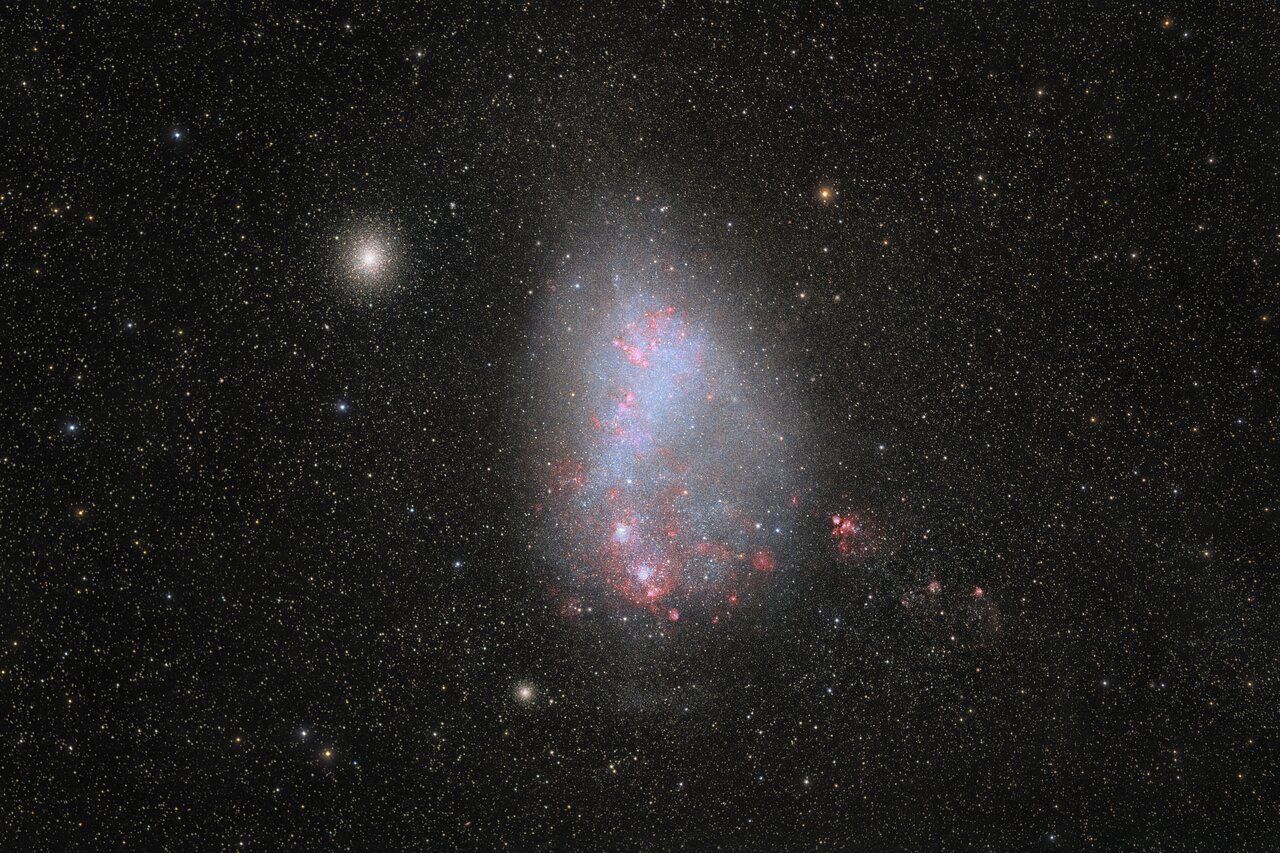
A stunning image of the Small Magellanic Cloud, one of the Milky Way’s nearest neighbors, was captured from Earth with a simple camera and wide‑aperture telephoto lens on Cerro Pachón in Chile, not from a space telescope. Photographer Petr Horálek spent four hours in the dark Chilean skies to produce a detailed view that rivals images from Hubble and James Webb. The photo showcases the galaxy’s hundreds of millions of stars and highlights the power of amateur astrophotography.
Put it in pencil: NASA's Artemis III mission will launch no earlier than late 2027
Original Publication Date: 2026-04-28 00:14
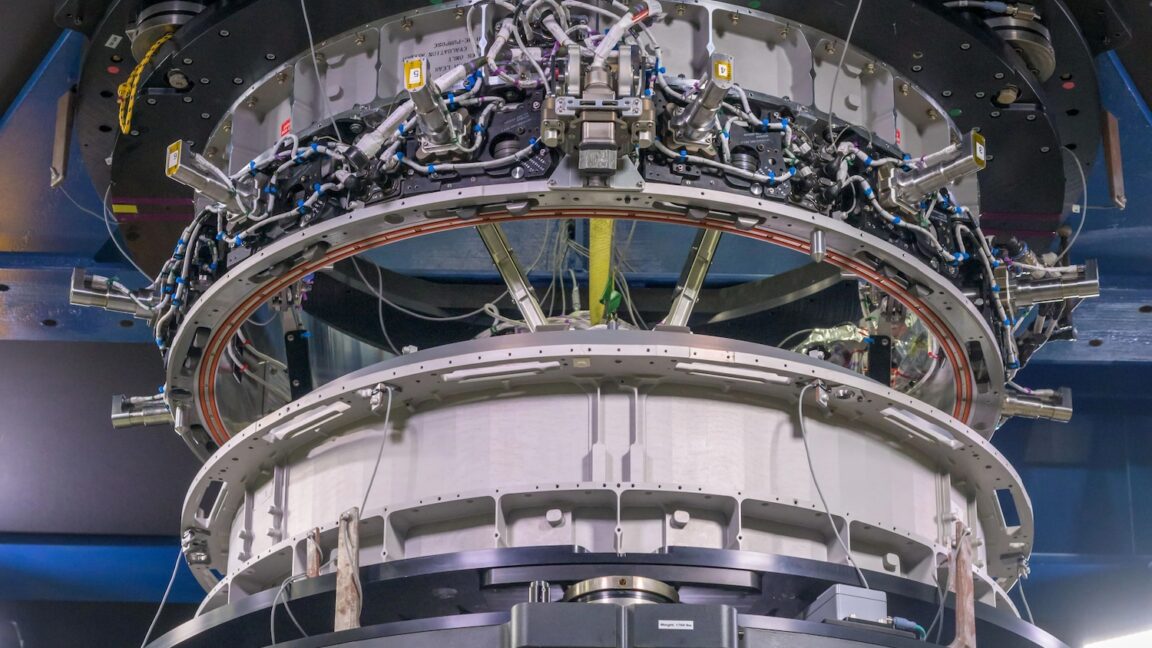
NASA Administrator Jared Isaacman told lawmakers that SpaceX and Blue Origin could have their lunar landers ready for the next Artemis mission in Earth orbit by late 2027, slightly later than earlier plans. Artemis III will launch an Orion capsule with astronauts to rendezvous with the landers in low Earth orbit, rather than heading to the Moon. Details such as orbit altitude and SLS rocket configuration remain under review, with a lower orbit potentially sparing an SLS upper stage for a future lunar landing. NASA is also acquiring a new Centaur V upper stage from ULA to pair with the SLS rocket after the current stages are used.