 Spotify
 Apple Podcasts
 Podcast Addict
 Overcast
 Podcast RSS
Falcon 9 launches final GPS 3 satellite into orbit for U.S. Space Force
Original Publication Date: 2026-04-21 09:16
SpaceX’s Falcon 9 lifted off from Cape Canaveral on April 21, delivering the final GPS 3 satellite, SV‑10, into medium Earth orbit after a one‑day weather delay. The tenth satellite in the series, built by Lockheed Martin, boosts the Global Positioning System with higher accuracy, stronger anti‑jamming, and new L5 “safety‑of‑life” and L1C signals for civilian use. SV‑10 also carries an experimental optical communications terminal and a cutting‑edge rubidium atomic clock to test high‑speed data links and precise timekeeping in space. With GPS 3 now complete, the U.S. Space Force will shift to the next‑generation GPS 3F constellation, adding enhanced regional military protection and onboard search‑and‑rescue capabilities.
Artemis spacesuit development risks further delays
Original Publication Date: 2026-04-21 02:19
NASA’s Office of Inspector General warned that the new Artemis lunar and ISS spacesuits could be delayed until after the decade, citing flaws in the agency’s commercial acquisition strategy. The report said the firm‑fixed‑price, service‑based contract used for the xEVAS program was ill‑suited to the complex, high‑risk development of next‑generation suits, and highlighted Collins Aerospace’s performance problems and its early exit from the program. Axiom Space is still pushing its lunar suit forward, but the OIG estimate suggests it may not be ready until around 2031, well past the original 2025‑2026 schedule. While NASA officials remain confident in the program’s eventual success, the findings underscore the need for a more realistic timeline and better industry partnership.
Pentagon officially ends OCX program, citing risk and delays
Original Publication Date: 2026-04-20 21:58
The Pentagon has officially terminated the 15‑year Next Generation Operational Control System (OCX) program, ending a long‑running effort to modernize the ground system that runs the U.S. Military’s GPS satellites. The decision follows years of integrated testing that revealed pervasive technical problems and schedule risks, prompting officials to conclude that OCX could not deliver the required capabilities on time or at an acceptable risk level. The program, led by RTX, had cost roughly $6.27 billion by January 2026, yet its continued investment was deemed no longer viable. Instead, the Space Force will upgrade the existing Architecture Evolution Plan system, awarding Lockheed Martin a $105 million contract to keep the current GPS control system capable of supporting newer satellites.
Latvia joins the Artemis Accords
Also covered by: Payload Space
Original Publication Date: 2026-04-20 16:16
Latvia has become the 62nd nation to sign NASA’s Artemis Accords, with Minister Dace Melbārde signing the agreement at NASA Headquarters. The non‑binding accord, which already has 61 signatories, sets out principles of transparency, interoperability, responsible resource use and deconfliction for space activity. Latvia’s accession comes as NASA prepares the Artemis 2 flight and plans for a semi‑permanent lunar base, positioning the country to collaborate on future lunar missions and tap into the growing space economy.
SpaceX to launch final GPS III satellite for the U.S. Space Force
Original Publication Date: 2026-04-21 00:11
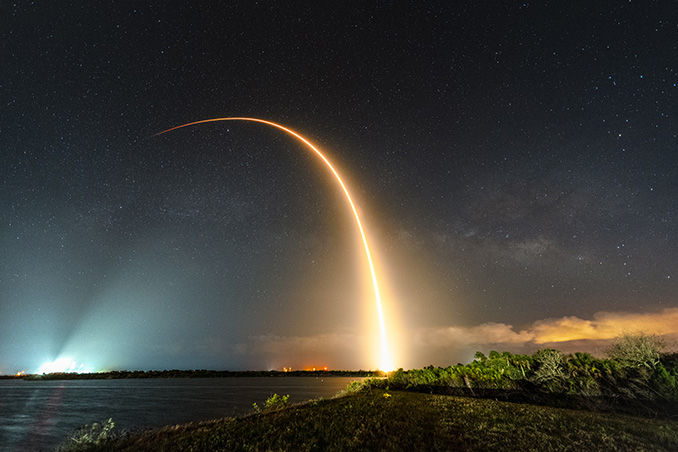
In the predawn hours of Tuesday, the U.S. Space Force launched its final GPS III satellite, named Hedy Lamar, aboard a SpaceX Falcon 9 from Cape Canaveral.
Blue Origin launches third New Glenn rocket, but payload ends up in wrong orbit
Original Publication Date: 2026-04-20 14:31
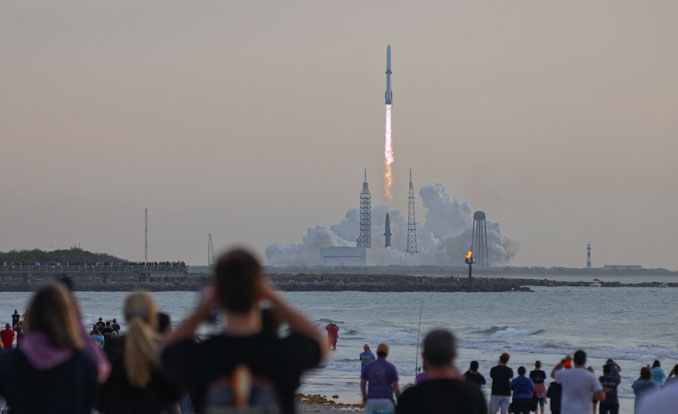
Blue Origin’s third New Glenn launch from Cape Canaveral on Sunday successfully recovered a reused first stage, but the payload—a direct‑to‑cellphone satellite for AST SpaceMobile—was placed into an off‑nominal orbit. The 2,400‑square‑foot phased‑array antenna satellite, the largest civilian LEO antenna, powered on but missed its intended trajectory, delaying the company’s plan to deploy up to 60 satellites. Blue Origin confirmed payload separation and is assessing the cause, while the launch marked a setback for AST SpaceMobile’s constellation timeline that also relies on SpaceX and Indian LVM3 rockets.
Meink: Space Force Programs Ready to Execute Once FY27 Budget Lands
Original Publication Date: 2026-04-20 21:46

At the Space Symposium 2026, Secretary Troy Meink and Space Acquisition Advisor Maj. Gen. Stephen Purdy announced new execution plans for the Space Force, emphasizing streamlined acquisition and PAE reform modeled after the Defense Security Assistance Program. They also unveiled a multi‑year satellite procurement strategy aimed at bolstering U.S. Space capabilities and ensuring rapid deployment. The plans signal a shift toward more agile and cost‑effective space asset acquisition. The Space Force is poised to accelerate its readiness through these reforms.
Gen. Stephen Whiting: First USSPACECOM Operational Staff Arrive at Redstone This Week
Original Publication Date: 2026-04-20 21:46
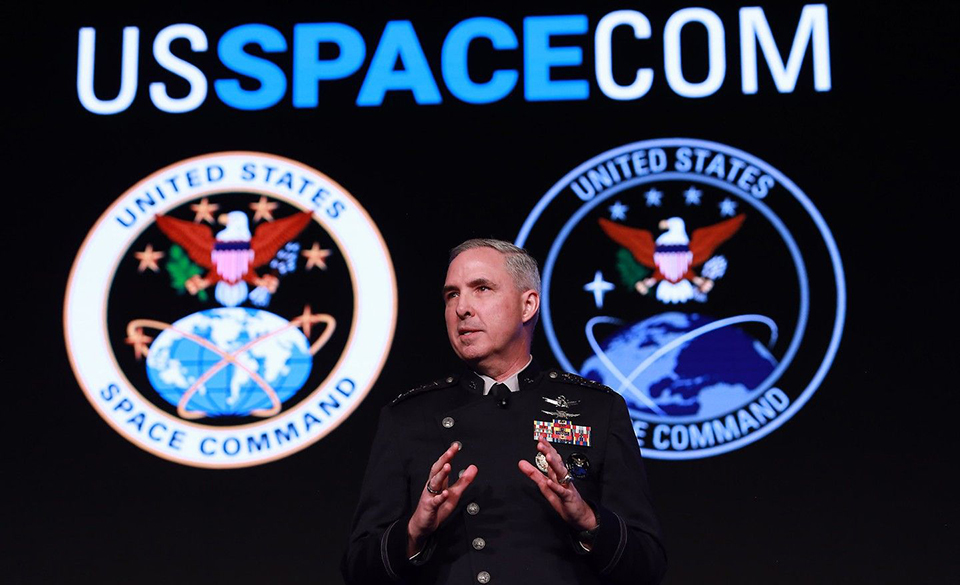
U.S. Space Command has relocated its inaugural operational team to Redstone Arsenal this week, marking a significant shift in its operational footprint. The move comes as Gen. Stephen Whiting champions a maneuver warfare approach, aiming to enhance agility and responsiveness across space operations. This deployment underscores the growing importance of space as a contested domain. The new base will serve as a hub for coordinating space missions and integrating advanced technologies.
Saltzman Rolls Out Space Force Objective Force, Flags CR as Top Risk
Original Publication Date: 2026-04-20 21:46
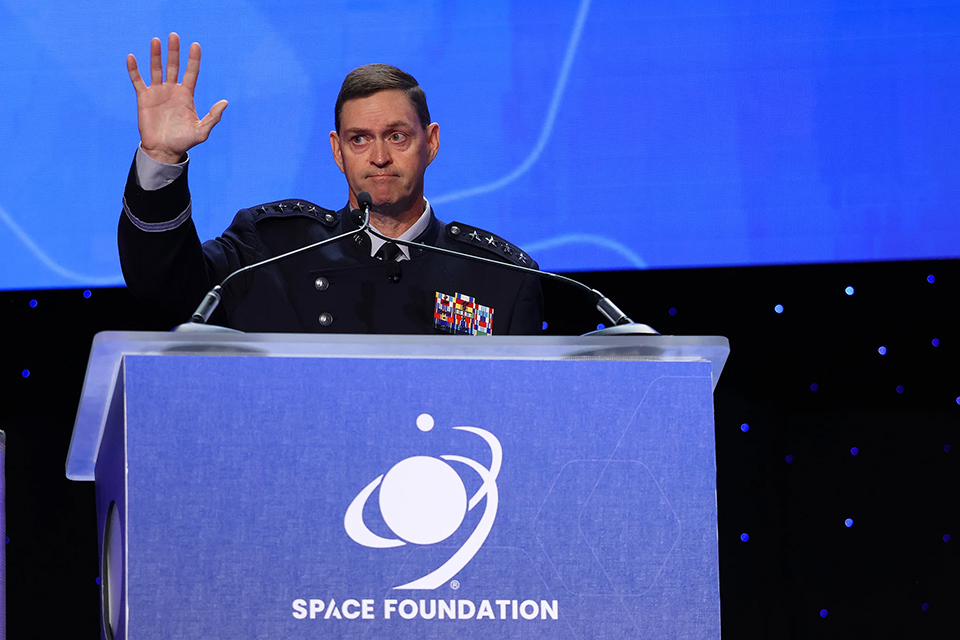
During his final Space Symposium briefing, the Chief of Space Operations outlined a long‑term vision for the U.S. Space Force, setting force‑design goals through 2040. He emphasized scaling procurement to meet future capabilities and highlighted plans to deepen integration with allied partners. The briefing underscored a commitment to expanding the Space Force's readiness and collaboration on the global stage. These strategic directives aim to secure the nation's space advantage for the next two decades.
GMV Secures Lead Role in Seven 2025 European Defence Fund Initiatives
Original Publication Date: 2026-04-20 19:46

Madrid‑based technology firm GMV has been named the primary beneficiary for seven key projects in the European Defence Fund’s 2025 call, boosting its standing as a top European defence technology partner.
A School of Mud Volcano Islands in Azerbaijan
Original Publication Date: 2026-04-21 04:00

A satellite image from Landsat 8 shows mud volcano islands off Azerbaijan’s Caspian coast, where up to 350 mud volcanoes erupt cold mud, water, methane, and gas instead of lava. These formations, especially near Baku and Qobustan, are fed by hydrocarbons trapped in sedimentary basins, creating conical structures and sometimes violent eruptions that have built new islands in minutes. The photo highlights tadpole‑shaped islands like Xərə Zirə Adası and Duvannı, whose sediment tails are sculpted by currents, and it underscores the unpredictable, sometimes fireball‑producing eruptions that pose risks to nearby communities. This imagery illustrates Azerbaijan’s reputation as the “land of fire” and its unique geological landscape.
NASA on Track for Future Missions with Initial Artemis II Assessments
Original Publication Date: 2026-04-20 22:10
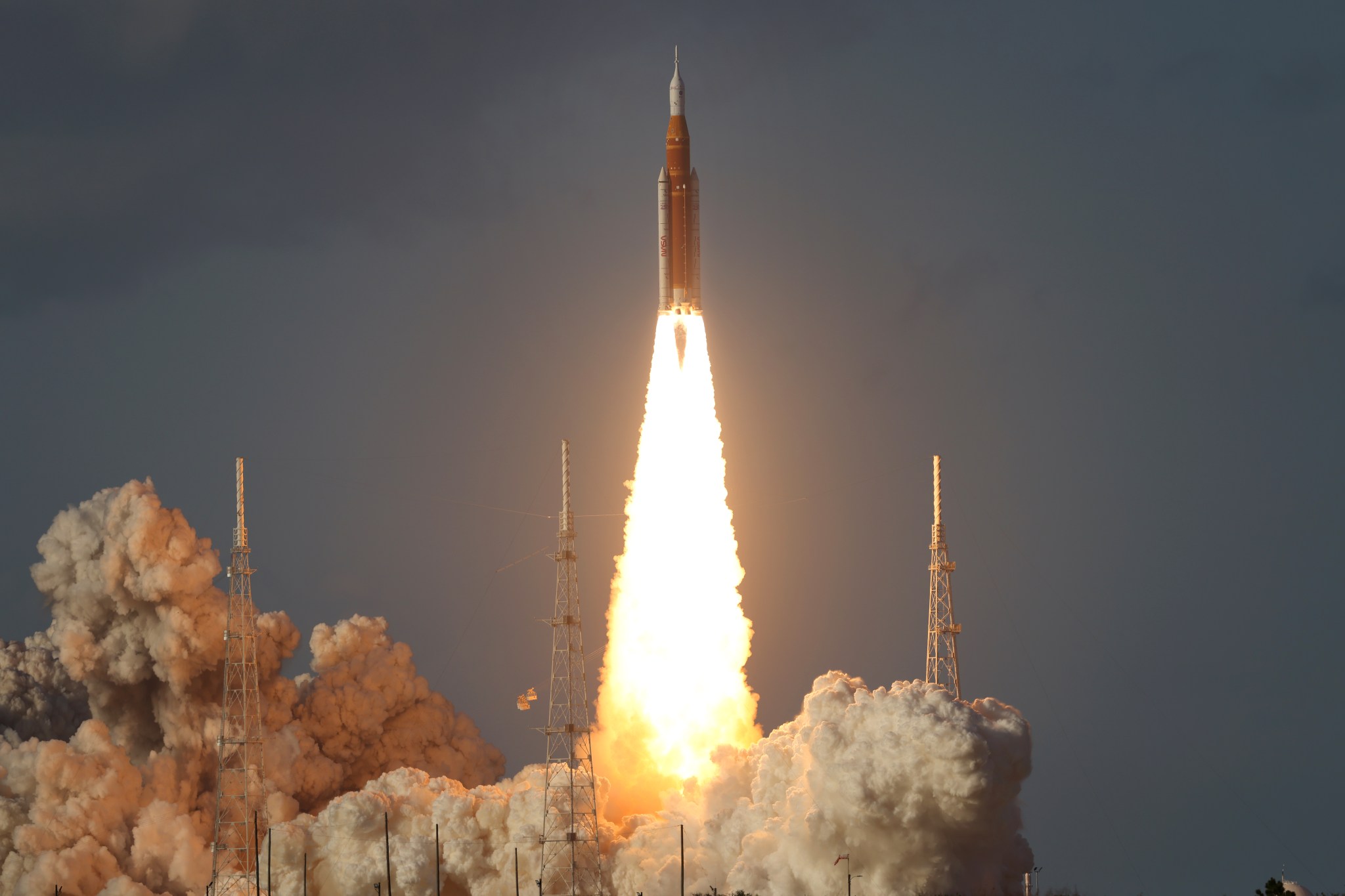
NASA’s Artemis II mission successfully returned to Earth after a 694,481‑mile journey around the Moon, with the Orion spacecraft splashing down off San Diego on April 10, 2026. Engineers are now conducting detailed inspections of Orion’s heat shield and other systems, finding the thermal protection performed as expected and revealing reduced char loss compared to the previous flight. The Space Launch System rocket met its objectives, placing Orion accurately in orbit and sustaining minimal damage to launch pad equipment thanks to hardening lessons from Artemis I. These analyses will inform corrective actions for Artemis III and future lunar and Mars missions.
NASA Rolls Out Artemis III Moon Rocket Core Stage
Original Publication Date: 2026-04-20 20:31

NASA has moved the core stage of its Space Launch System—the rocket that will carry the crewed Artemis III mission to the Moon in 2027—from the Michoud Assembly Facility to the Pegasus barge in New Orleans. The top four‑fifths of the 212‑foot rocket, which houses the liquid hydrogen and oxygen tanks, will be shipped to Kennedy Space Center for final outfitting and vertical integration. This milestone brings the agency one step closer to launching astronauts on Orion to test critical lunar‑landing capabilities ahead of the first crewed Moon landing in 2028. The move underscores NASA’s progress toward returning humans to the lunar surface and eventually reaching Mars.
Launch Preview: GPS, Progress, and Starlink missions to launch during busy week
Original Publication Date: 2026-04-20 21:15

This week, seven launches from four nations and five rockets will pepper the skies, including a historic GPS III SV10 satellite that will test high‑speed laser communications from medium Earth orbit.
NASA's Curiosity rover finds building blocks of life on Mars. Scientists aren't sure how they got there
Original Publication Date: 2026-04-21 09:05
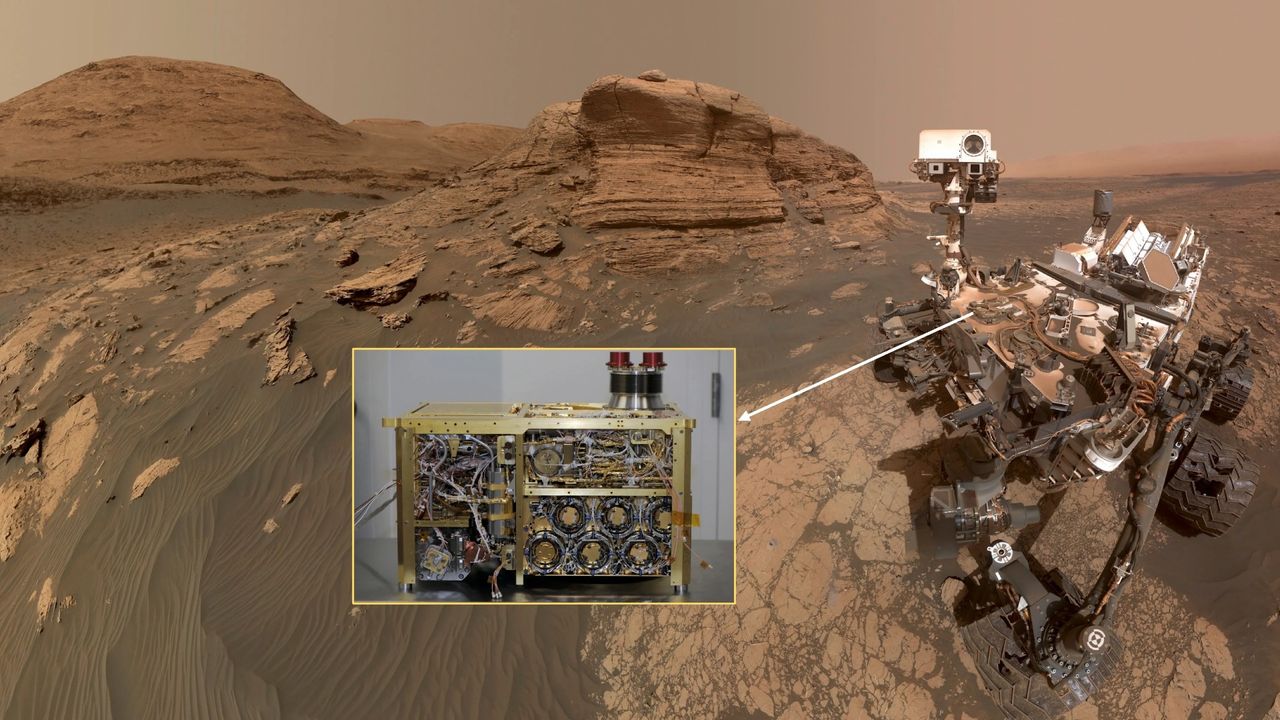
NASA's Curiosity rover has detected more than 20 organic molecules in Mars' clay‑rich sandstones, including nitrogen and sulfur compounds that are considered building blocks of life. Using a chemical called tetramethylammonium hydroxide, the rover’s Sample Analysis at Mars suite performed the first-ever TMAH experiment on another planet.
NASA shuts down Voyager 1 instrument to keep probe exploring interstellar space
Original Publication Date: 2026-04-20 21:31
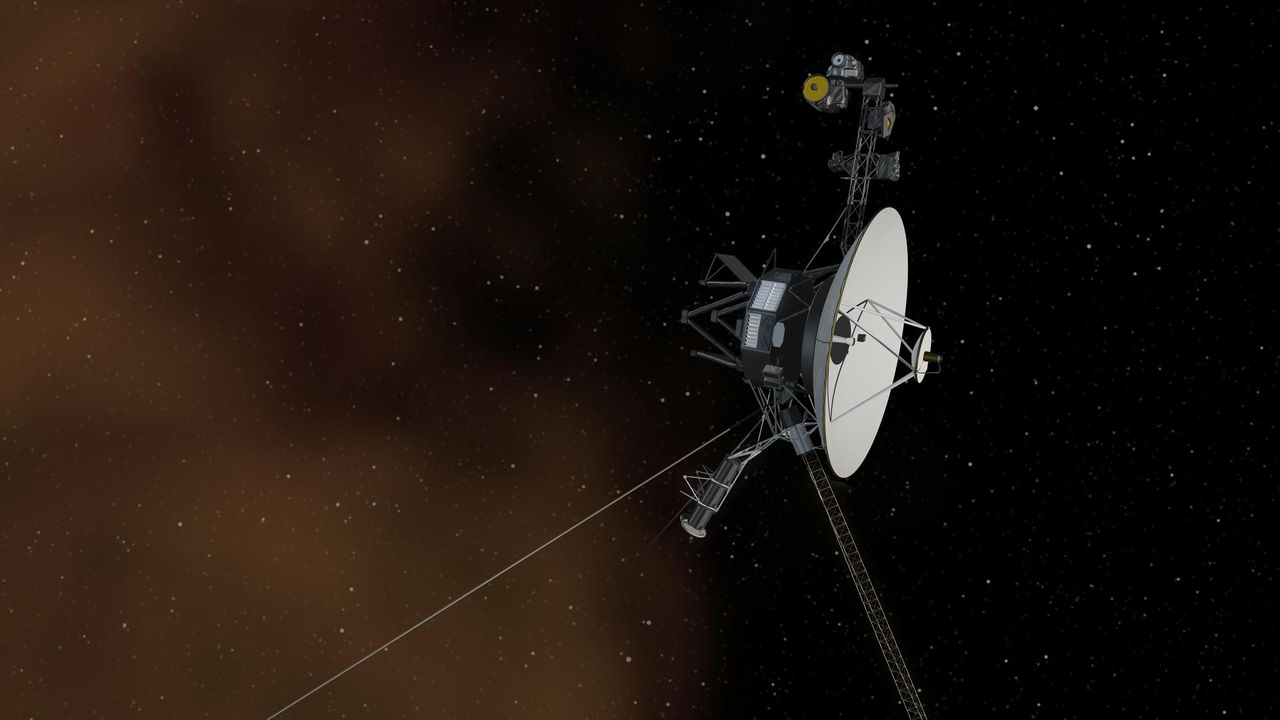
NASA engineers have turned off Voyager 1’s Low‑Energy Charged Particles experiment on April 17 to conserve the probe’s dwindling nuclear power. The move keeps the 1977‑launched spacecraft, now over 15 billion miles from Earth, focused on its mission beyond the heliopause. With only three instruments still active, Voyager 1 continues to deliver unique data on the interstellar medium. This decision marks another step in preserving the farthest human‑made object as it explores the edge of our solar system.
600 rocket landings! SpaceX notches another milestone during Sunday Starlink launch (video)
Original Publication Date: 2026-04-20 19:00
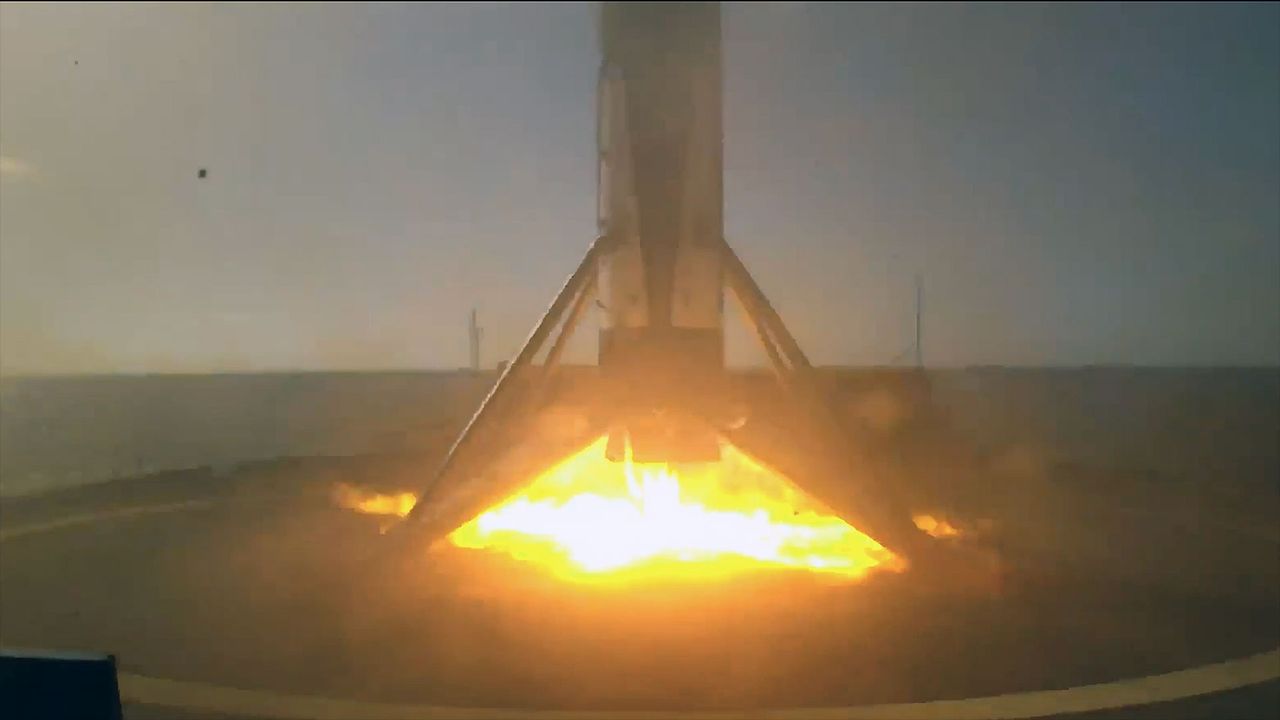
SpaceX celebrated its 600th successful landing of an orbital‑class rocket during a Sunday Starlink launch from California’s Vandenberg Space Force Base. The Falcon 9 booster, carrying 25 new Starlink satellites, returned to Earth and touched down on the “Of Course I Still Love You” droneship in the Pacific, marking the eighth landing for that particular booster. This milestone follows the company’s 500th landing in September 2025 and highlights SpaceX’s continued progress in reusable rocket technology. The launch, the 47th Falcon 9 flight of 2026, added to a megaconstellation of more than 10,275 satellites orbiting the planet.
Scientists found a 'bathtub ring' on Mars. Could it be evidence of an ancient Red Planet ocean?
Original Publication Date: 2026-04-20 18:03

Scientists have uncovered a vast, flat band on Mars that mirrors a coastal shelf, a “bathtub ring” left after an ocean recedes. The ring, spread across the northern hemisphere and covering about a third of the planet, points to a stable sea that may have lasted for millions of years. Its alignment with ancient river deltas and consistent elevation reinforce the idea that Mars once hosted a long‑lasting ocean, potentially creating conditions suitable for life. Future missions aim to examine the shelf’s sedimentary layers for clues about early Martian ecosystems.
Astronauts face grip strength challenge in space and on Earth, scientists find
Original Publication Date: 2026-04-20 17:01
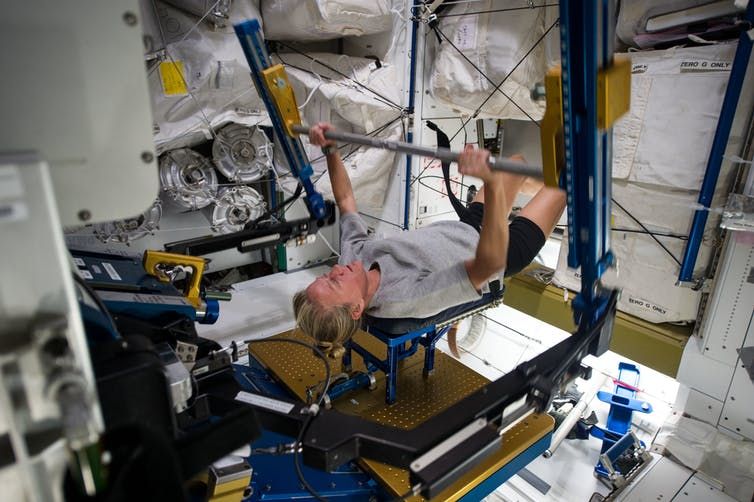
Astronauts’ brains adapt to weightlessness in ways that can linger long after they return to Earth, scientists have discovered. A study of 11 European Space Agency crew members found that, in space, they exerted more force than necessary to grip objects, while months later on Earth they struggled to apply the correct amount of force. The researchers concluded that both in microgravity and when back on Earth, astronauts misinterpret sensory feedback, causing a delayed readjustment of grip strength. These findings highlight a previously unappreciated challenge to astronaut safety and performance during and after spaceflight.
Pentagon pulls the plug on one of the military's most troubled space programs
Original Publication Date: 2026-04-21 02:27
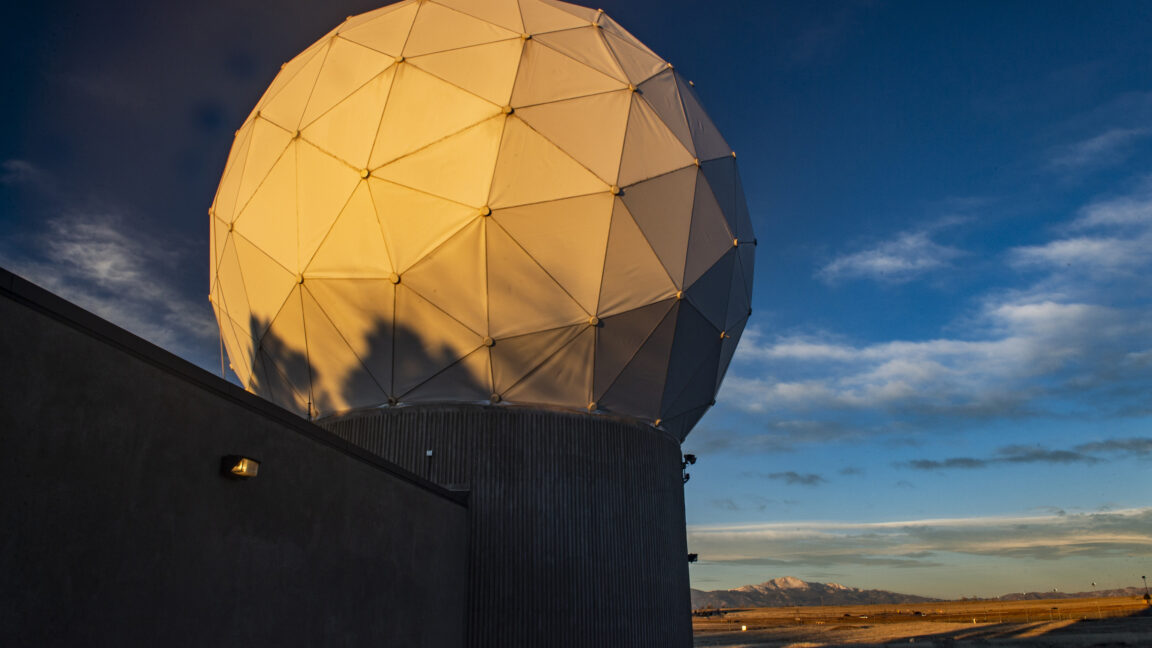
The Pentagon has officially cancelled the Global Positioning System Next‑Generation Operational Control System, or OCX, after a 16‑year, multibillion‑dollar effort failed to overcome persistent technical hurdles. The Space Force announced the termination on April 17, citing that the program’s problems proved insurmountable. OCX was designed to manage new signals from the GPS III satellites, which began launching in 2018, and to operate two master control stations and upgrade ground monitoring sites worldwide. This decision ends a long‑running attempt to upgrade the military’s satellite navigation command and control infrastructure.